
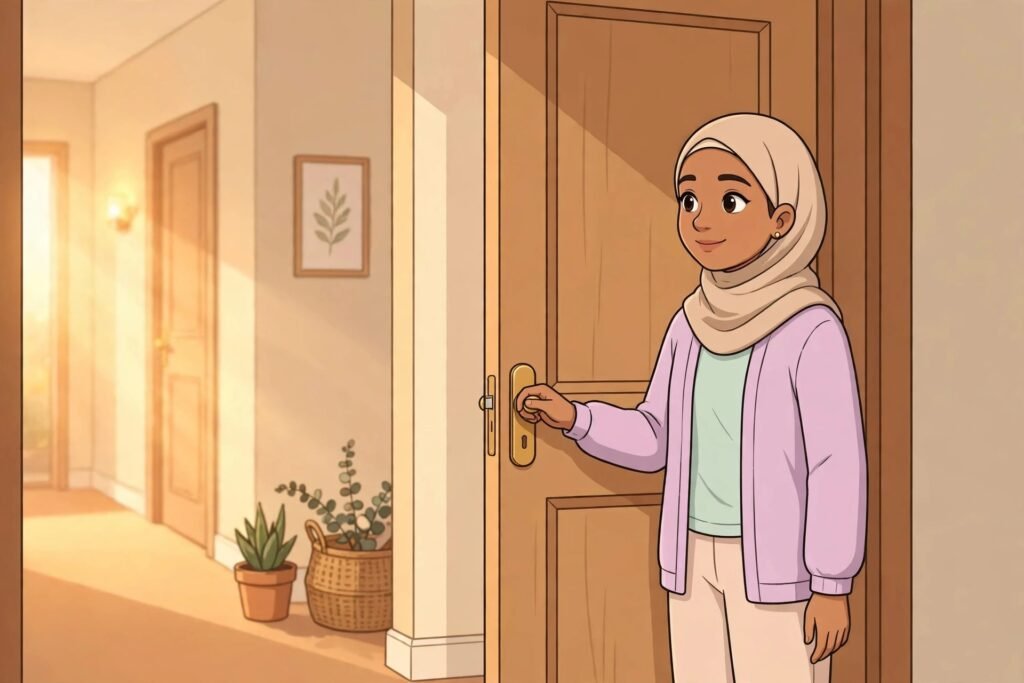
Your bedroom door opens without a knock. Again. You’re changing, or writing in your journal, or just sitting in the one quiet corner of your day, and in walks a parent like the door was never closed at all. Your face heats up. Your stomach drops. And later, lying in bed, you rehearse the sentence you didn’t say: how can i tell my parents i want more privacy without it turning into a whole thing?
If that sentence has been stuck in your throat for weeks, you’re not rude, secretive, or ungrateful. You’re growing up. Wanting a door that closes, a knock before someone enters, and thoughts that belong to you alone is one of the most normal parts of the teen years. Almost every girl feels it. The hard part isn’t the wanting. The hard part is the telling. And the telling starts long before the words, with one honest admission: how can i tell my parents i want more privacy is a question about courage, not about manners.
This guide is about the telling. We will look at what privacy at home can actually look like, why parents sometimes worry about a closed door, and how to ask in a calm way that keeps trust strong. By the end, the question how can i tell my parents i want more privacy will feel less like a cliff and more like a small, doable conversation.
The Short Answer

Here is the short answer. If you’re asking how can i tell my parents i want more privacy, the calm way works best: pick a quiet moment, say clearly what you’re asking for, and say why it matters to you. Small, specific asks land much better than one big speech about freedom. Knock before you come in is a request a parent can actually grant. I need my own life isn’t.
It also helps to show, not just say, that privacy and safety can live together. A girl who still shares her day, still joins family life, and still comes to her parents with real problems doesn’t look like a girl with something to hide. She looks like a girl who is growing. That picture makes parents relax, and relaxed parents grant doors, knocks, and time alone.
Start with one small boundary, not five at once. Win the knock first. Let your parents see that nothing scary happens behind the closed door. Then, over months, the bigger asks get easier. Privacy in a family is rarely granted in one big talk. It grows in steps, like trust itself.
And if the first talk ends in a no, it’s not the end of the story. A no often means not yet, or not that way. Later in this guide, we will look at what to do then, because the question how can i tell my parents i want more privacy usually takes more than one try, and that’s normal too.
One more thing before we go deeper. Asking for privacy isn’t asking for distance from your parents’ love. You can want your door closed at 4 p.m. and still want your mom’s hug at 9 p.m. Both wants are real. The goal isn’t to build a wall. The goal is a door, and doors open from your side too. Keep that picture in mind whenever the question how can i tell my parents i want more privacy starts to feel like a betrayal. It’s not one. It never was.
Wanting Privacy Is a Normal Part of Growing Up
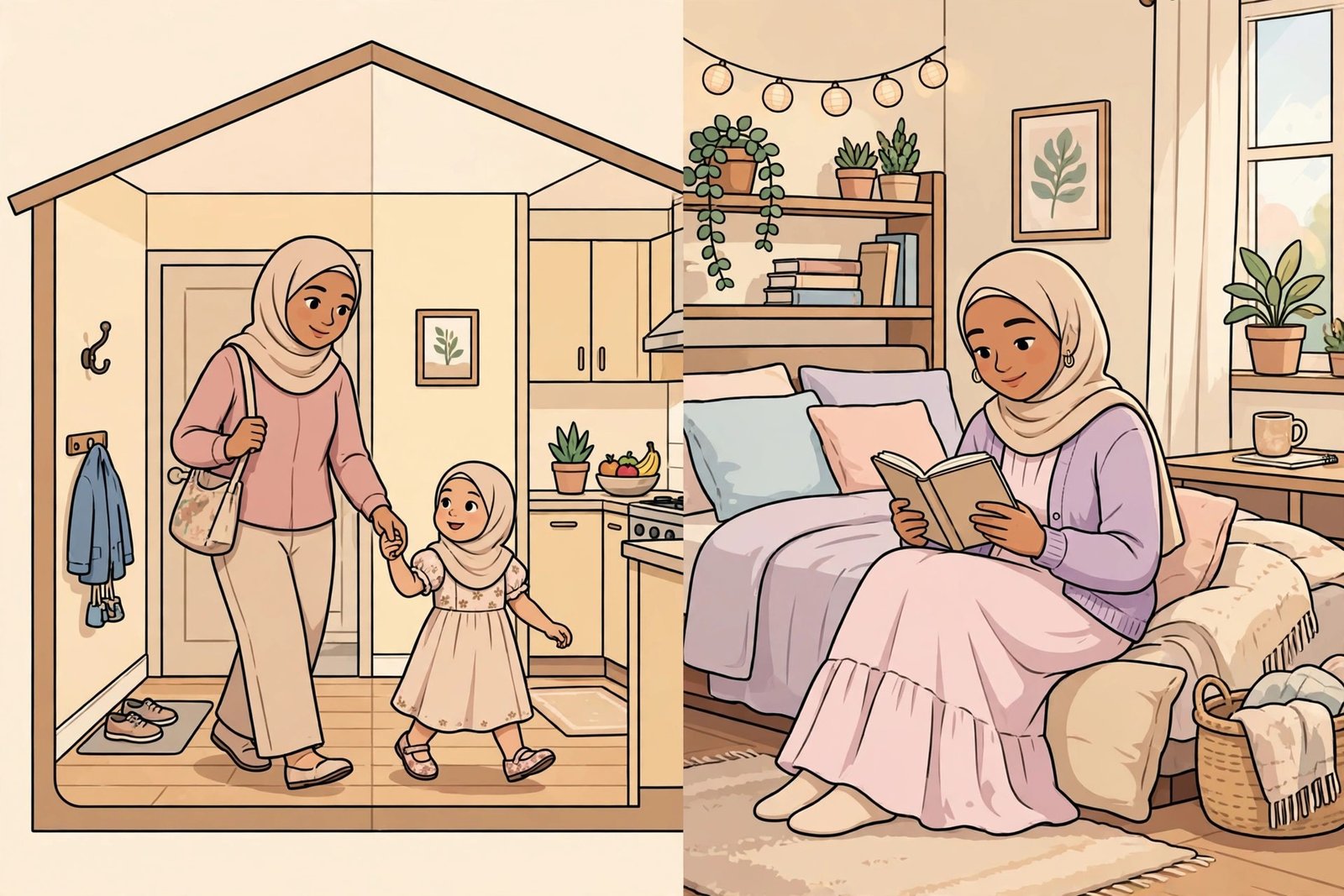
Let’s clear this up first, because guilt loves to creep into this topic. A few years ago, you probably didn’t care about a closed door. You changed in front of anyone, told your parents every thought in your head, and followed your mom from room to room. That wasn’t better or more loving. That was just being a little kid.
Now your inner world is getting bigger and more private by design. You have thoughts you’re still forming. Feelings you can’t name yet. A body that’s changing in ways that feel personal. Wanting space around all of that’s not a flaw in your character. It’s a sign your mind is doing exactly what teen minds are built to do: becoming your own.
Even adults need this. Your parents close their bedroom door. They take phone calls in another room. They have thoughts they keep to themselves and papers nobody else reads. Privacy isn’t a teen invention or a teen problem. It’s a human need that you’re simply old enough to feel now. Remembering that can take the shame out of the ask.
If it helps, think about how bodies and feelings change at different speeds for every girl. Friends the same age can want very different amounts of space. Girls who are growing and changing at their own pace often feel the privacy need arrive at their own time too. There’s no right birthday for wanting a knock on your door. There’s just your time, and yours is allowed to be now.
So when the guilt whispers that a good daughter wouldn’t ask, answer it plainly. Good daughters grow. Growing takes room. Asking how can i tell my parents i want more privacy isn’t a rejection of your family. It’s you taking the next step inside your family, and steps like that are what growing up is made of.
It’s also worth saying out loud: wanting privacy doesn’t mean you’re hiding something bad. Parents sometimes jump to that worry, and we will talk about it soon. But your reasons can be simple and clean. You want to change without an audience. You want to cry without explaining. You want to think one thought that nobody else has read yet. Clean reasons. Normal reasons. Reasons you can say with your head up. So the real puzzle inside how can i tell my parents i want more privacy isn’t whether your reasons are good enough. They’re. The puzzle is only how to carry them into the room.
What Privacy at Home Can Actually Look Like
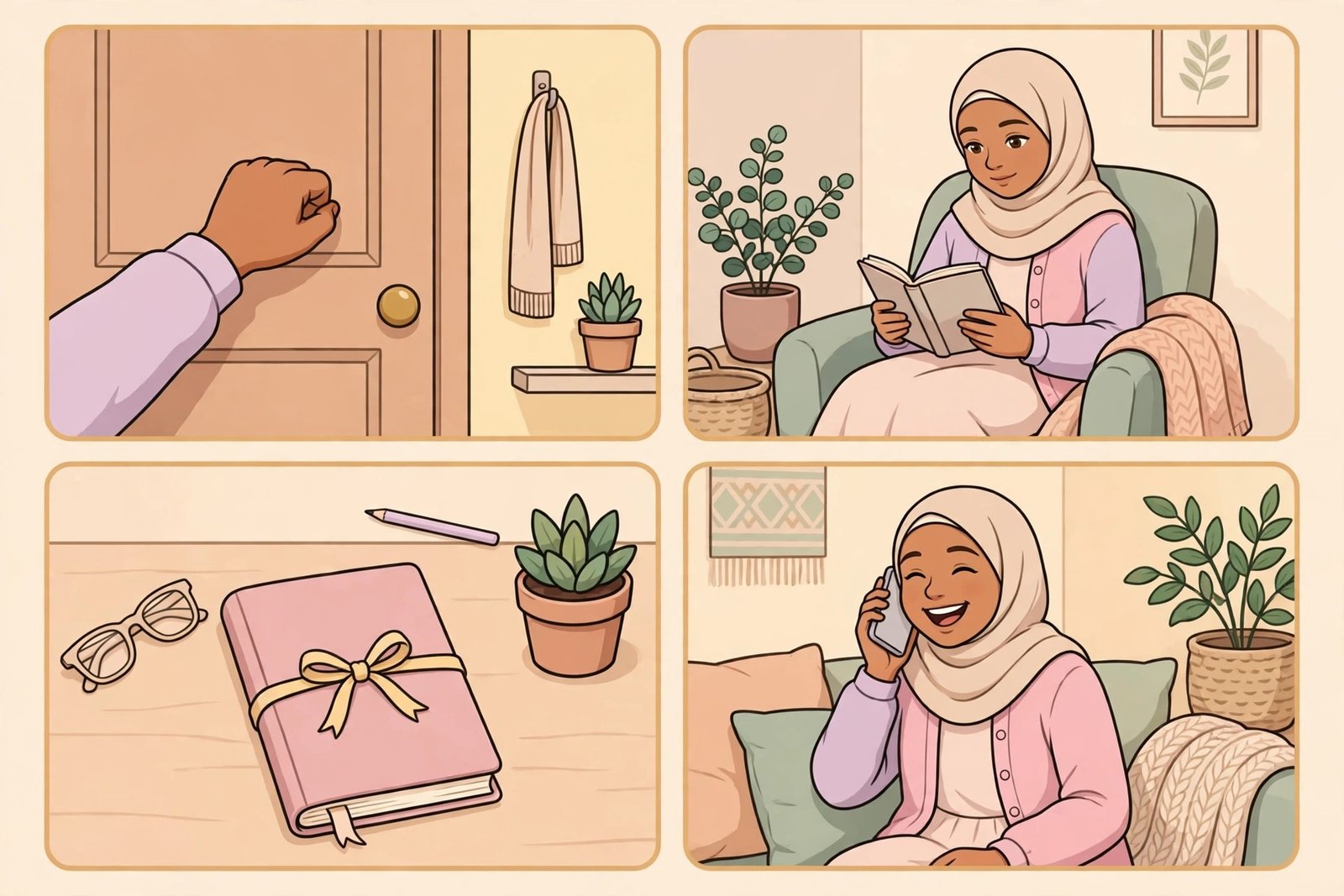
Before you ask, it helps to know what you’re asking for. Privacy is a big, foggy word. Foggy words scare parents. So let’s make it concrete. When girls ask how can i tell my parents i want more privacy, the answer often starts with turning the fog into a short, clear list.
A knock on your bedroom door, and a pause before it opens. That’s the classic one. It costs your parents two seconds and it changes everything about how your room feels. Your room stops being a hallway and starts being your space.
Time alone that’s not treated as a problem. An hour with your door closed, reading, resting, listening to music, doing nothing at all, without a parent checking whether you’re upset or up to something. Alone time isn’t a warning sign. For most teens, it’s a battery charger.
Privacy for your body. Changing clothes without anyone walking in. A bathroom door that stays closed and is respected. This one isn’t negotiable in spirit, even if your house is small and doors are shared. We will talk about shared rooms later in the questions, because many girls share, and privacy can still exist there.
Privacy for your thoughts. A journal or notebook that’s yours alone. Thoughts you’re allowed to keep unshared while you sort them out. Not every feeling has to be reported the day it happens. Some feelings need a quiet week inside you before they’re ready for words.
And small digital corners, like being able to talk to a friend without the whole house listening in. This isn’t about secrets or about anything being read. It’s the simple wish to have a conversation without an audience. Most adults want the same thing when they call a friend. Teens are allowed to want it too.
Look at that list again. None of it’s wild. None of it’s dangerous. When your ask is this concrete, your parents can picture it, and what parents can picture, they can often grant. The fog was the enemy, not your parents. That’s why girls who turn the fog into a list stop asking how can i tell my parents i want more privacy like it’s a mystery. It’s not a mystery. It’s a short list, said kindly.
Why Parents Sometimes Worry About a Closed Door
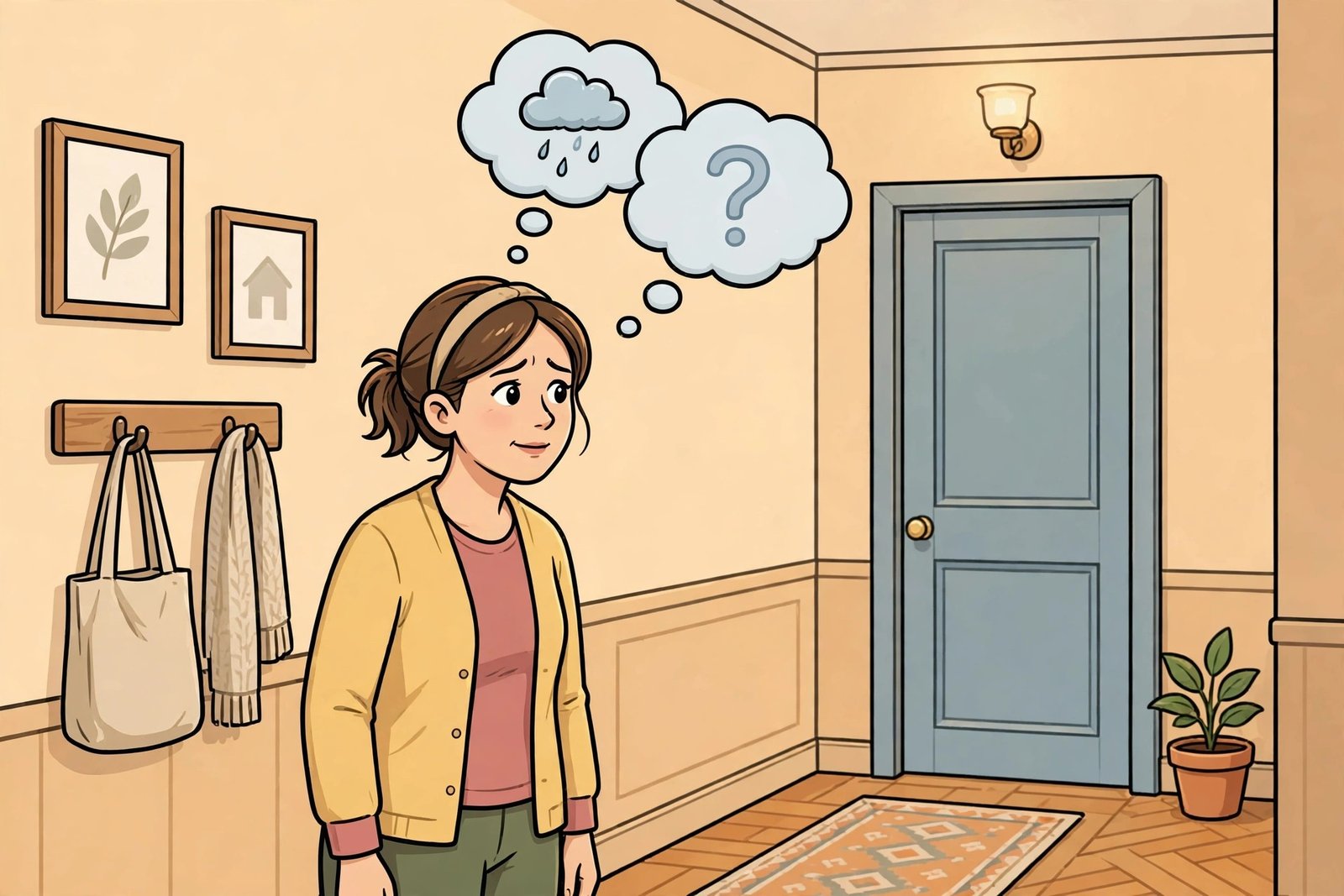
Now let’s be fair to the other side of the door, because understanding it’ll make your ask ten times stronger. When a parent sees a door close that was always open, some worry walks in with the quiet. Knowing the worry helps you answer it before it hardens into a no.
The first worry is safety. Parents hear stories. A teen alone online meeting the wrong person. A girl hurting in silence while nobody noticed. When your door closes, a scared parent doesn’t picture you reading. She pictures the story from the news. The picture is unfair to you, but it’s the picture fear paints, and fear paints fast.
The second worry is distance. Your mom remembers when you told her everything. A closed door can feel, to her, like losing you in small daily pieces. Some parents push back against privacy because they’re really pushing back against that loss. The fight about the door is sometimes a quiet grief about the little girl who used to follow them from room to room.
The third worry is habit. In many houses, doors were just never closed. Your parents may have grown up in homes where nobody knocked either, where a grandmother walked into every room like she owned the air. They’re not always guarding a rule. Sometimes they’re just repeating the house they grew up in, without ever having thought about it.
So when you wonder how can i tell my parents i want more privacy without scaring them, the trick is to answer these worries inside your ask. I’m not hiding anything. I will still tell you the big things. I just want to change and rest without an audience. Those sentences are small keys. They open ears that a speech about rights would slam shut.
None of this means their worry wins every time. It means your ask lands better when it carries a little kindness for the people hearing it. You’re asking them to change something that feels big to them. A calm, kind ask isn’t weakness. It’s strategy, and it works. In the end, how can i tell my parents i want more privacy is partly a question about fear, theirs as much as yours. Answer their fear gently, and your words get a hearing.
Pick a Calm Moment and Keep Your Words Simple

Timing matters as much as wording here. Don’t launch this talk right after a door has been flung open and your face is still hot. Don’t launch it during a fight about something else, or while your dad is rushing out the door. A privacy talk needs calm air, or it’ll sound like a complaint instead of a request.
Good moments look like this. A quiet drive together. A walk after dinner. A calm weekend morning in the kitchen. Your parents are fed, unhurried, and in a decent mood. That’s when new ideas get a fair hearing in most houses. Waiting a day for the right moment beats blurting it out in the worst one.
Keep your words simple and warm. You could say: I love our family, and I’m not trying to shut anyone out. I’m just getting older, and I would feel better if you knocked before coming into my room. And: I will still tell you the important things. I just need a bit of space that’s mine. Simple words, said kindly, carry a long way.
It also helps to ask for one thing at a time. If you unload five demands in one talk (knocking, no entering while you change, alone time, your journal, your calls), your parents hear a revolution. Revolutions scare people. One clear ask sounds reasonable, and reasonable asks get yeses. The rest can come later, one calm talk at a time.
Girls who have worked out how to talk to a parent about an embarrassing topic already know the bones of this: a calm moment, small first words, and room for the other side to answer. Privacy talks run on the same bones. And if the words tangle in your mouth, it’s fine to write them in a note and hand it over. A kind note read in peace has opened many doors, in every sense.
One more tip: end the talk by inviting their side. Ask: does that sound okay to you? Is there a part that worries you? Parents who feel heard inside your ask defend it less. You may learn something real, like that your mom knocks on every door except yours out of pure habit. Habits can change once they’re seen. Seeing is what the talk is for.
Small Family Rules You Can Suggest Together
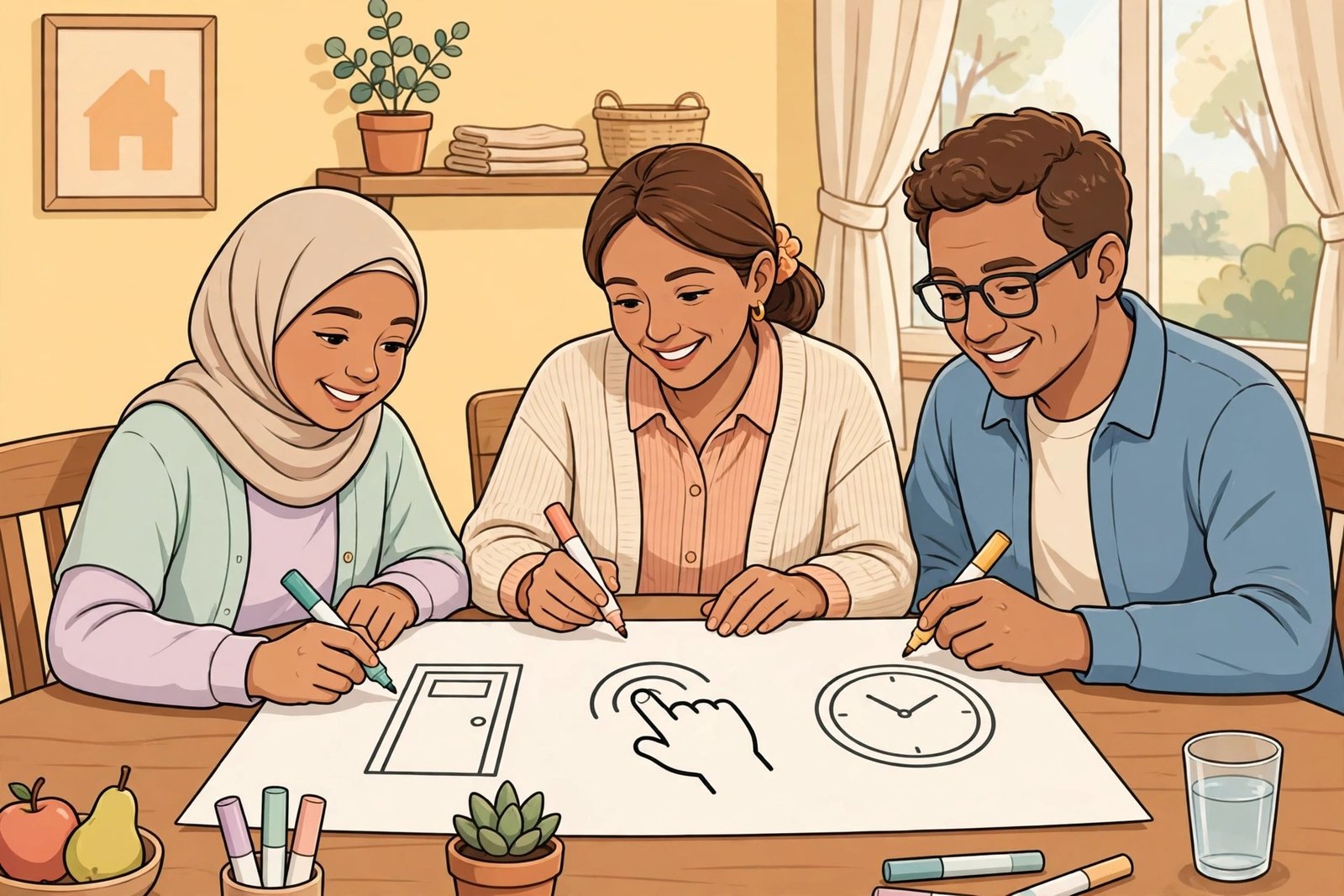
Sometimes the talk goes further when you bring not just a wish, but a small, fair plan. Rules you suggest together feel different from rules you beg for. They make you a partner in the house, not a problem in it. Here are a few that work in many families, and that answer the question how can i tell my parents i want more privacy with something solid.
The knock rule: everyone knocks on closed doors and waits for a come in. Everyone means everyone. Your parents knock on your door. You knock on theirs. Little brothers knock too. A rule that runs in all directions doesn’t feel like a teen demand. It feels like a house getting more polite, and parents like being able to say yes to polite.
The changing rule: nobody enters a room where someone is changing, and the bathroom door stays closed and respected during use. If your house has one bathroom and a morning rush, add a simple time plan. Privacy with a schedule beats privacy with daily collisions.
The stuff rule: journals, notebooks, and drawers are the owner’s. Not read, not opened, not tidy checked. In return, and this part matters, truly dangerous things are never what those drawers hold. Naming that out loud can calm a parent’s deepest fear more than any promise.
The alone time rule: an hour or so of closed door time after school is normal and doesn’t need a reason. After that hour, you come back to family life: dinner, a chat, a shared show. Privacy that returns to the family is privacy a family can trust. It shows the door is a door, not a goodbye.
Write the rules down together if your family likes that. A small list on the fridge sounds silly and works surprisingly well, because nobody has to argue about what was agreed. And when a rule gets broken, by anyone, it can be named calmly: we agreed on knocking, remember? Agreements give you gentle words for hard moments.
Not every family will take every rule. Take the ones they can give and let them settle. Each rule that sticks is proof, to them and to you, that privacy and peace can grow in the same house. For many girls, the whole question of how can i tell my parents i want more privacy gets much easier the day it turns into we agreed on this together.
How to Show That Privacy and Trust Grow Together
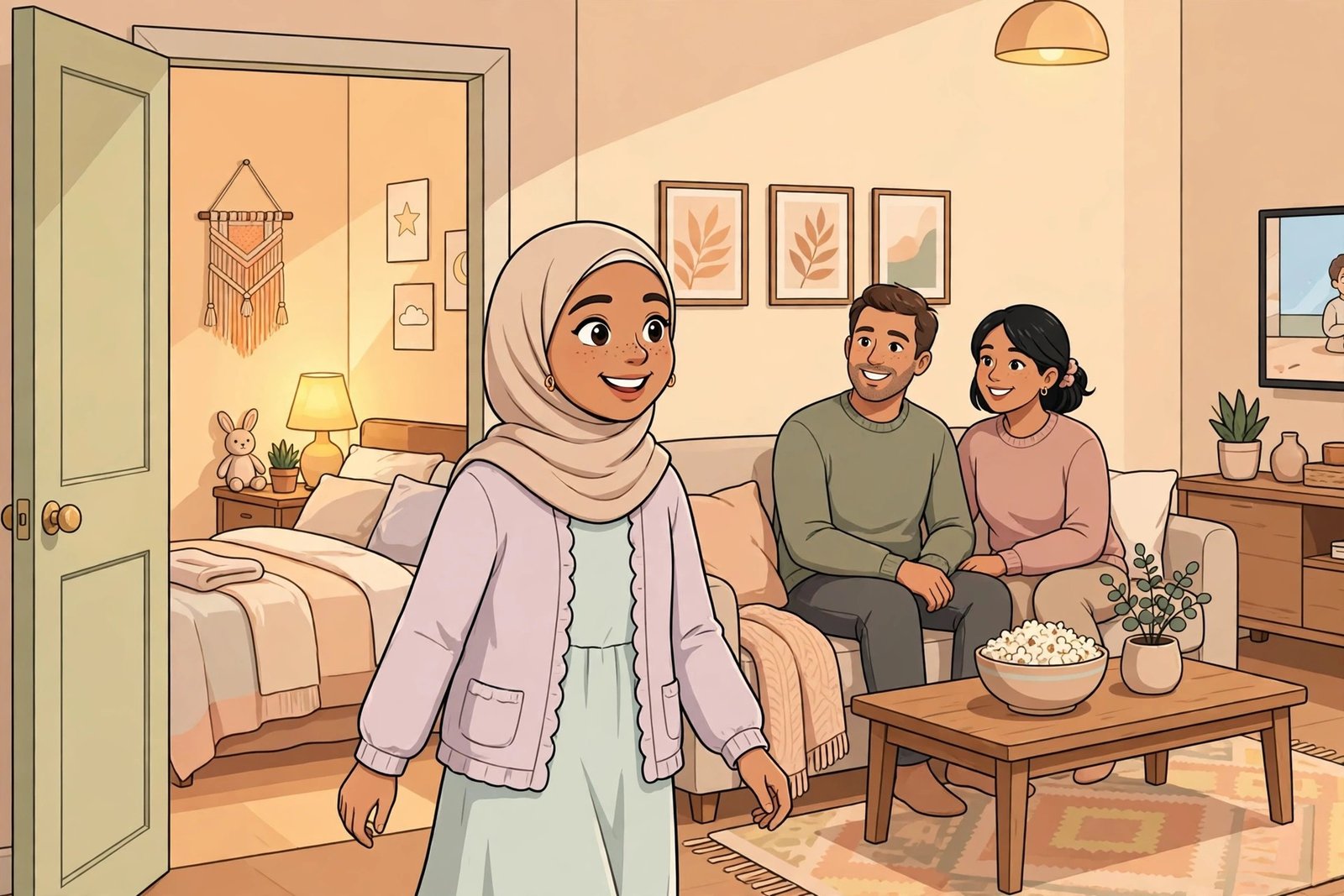
Here is the heart of the whole thing, so read this part slowly. Many parents treat privacy and trust like enemies, as if more of one means less of the other. In real families, it’s the opposite. Privacy, granted calmly, is one of the ways trust grows. And you can help your parents see that, mostly by how you live after the door closes.
Keep sharing the big things. A hard day at school. A friendship that’s cracking. A worry that sits on your chest. When parents still hear the important news from you, the closed door stops looking like a wall. It looks like what it’s: a normal part of a growing girl’s day. Volunteered truth is the strongest answer to fear.
Keep joining family life on purpose. Eat with them when you can. Laugh at the silly show. Help with one small thing without being asked. These moments tell your parents that your privacy is about rest, not retreat. A girl who disappears into her room and her silence for whole days scares parents. A girl who has her hour and then comes back glowing doesn’t.
Keep your word in the small print. If you said you would be off your phone at ten, be off it. If the deal was door closed but homework done first, do the homework. Trust is built in these boring little checks, and each one buys you a bit more room. The math is slow and it’s real.
The Common Sense Media site offers family guides on privacy, screens, and fair house rules, and many families find that reading the same page gives everyone calmer words for talks like this. Borrow those words freely. You don’t have to invent this alone.
And remember, this growth also runs the other way. Every month you handle your privacy kindly and honestly, your parents’ picture of you updates. The little kid they had to watch every second is replaced, slowly, by the young person who can be trusted with a closed door. That update is exactly what you’re asking for. Show it, and the asking gets easier every time. One day you may notice that how can i tell my parents i want more privacy is no longer a question you rehearse at night. You just knock on the kitchen doorway, say the small thing, and they nod.
What to Do If Your Parents Say No at First

Sometimes you do everything right and still hear no. The moment was calm, the words were kind, and the answer is a flat no, or worse, a laugh. That hurts. But a first no is information, not a final verdict. Many girls who once asked how can i tell my parents i want more privacy heard no the first time and yes the third. Here is how to handle the space between.
First, ask one gentle question: can you tell me what worries you about it? Then listen to the whole answer. Maybe the worry is safety. Maybe it’s a smaller thing, like the door being slammed during arguments. Once you know the real worry, you can answer that one worry, instead of fighting the whole no.
Second, offer a smaller version. Not the full list, just the knock. Or just privacy while changing. A small yes that survives a month is worth more than a big yes that collapses in a week. Small wins also teach your parents that nothing bad happens when you get a bit of space. Experience calms fear better than arguments ever will.
Third, keep being the girl from the last section. Still sharing, still joining in, still keeping small promises. Nothing argues for you like a few steady months of that. Parents revisit a no when the picture in front of them changes. Give the picture time to change.
Fourth, if the no is about one parent only, handle it with care. If your mom understands and your dad doesn’t, don’t set them against each other. Ask your mom if she would help you explain it in a family talk. A united, calm ask lands far better than a house split into teams.
And if the no never moves, and the lack of privacy is truly weighing on you, you still have options. A school counselor, a trusted aunt, or another adult who knows your family can sometimes say the words in a way parents hear better. Asking for that kind of help isn’t sneaking. It’s problem solving, and it’s allowed.
Whatever happens, don’t let a no convince you that the wanting was wrong. It wasn’t. Growing people need room the way growing plants need light. Your job is to keep asking kindly, keep proving quietly, and keep the bond warm while you do. That combination wins, in most houses, in the end. So keep the question how can i tell my parents i want more privacy alive, but hold it gently. It doesn’t need one perfect speech. It needs a kind girl, a calm moment, and a little time.
So if you are preparing how can i tell my parents i want more privacy, pick a calm moment and start gently. Knowing how can i tell my parents i want more privacy without hurting them is mostly about tone, timing, and respect. And once you have decided how can i tell my parents i want more privacy, one honest talk can change more than weeks of silence.
Frequently Asked Questions
Is it rude to ask my parents to knock on my door?
No, it’s not rude. Knocking is a basic kindness that adults expect from each other in almost every house and workplace. Asking for it politely, at a calm moment, is good manners, not bad attitude. Tone is what makes it land as rude or kind. I would feel better if you knocked first, said with a smile, is a request almost any parent can respect, even if they need time to build the habit.
What if my parents think wanting privacy means I’m hiding something?
That fear is common, so answer it before it grows. Say clearly that you’re not hiding anything big, and that you’ll still come to them with real problems. Then prove it with your habits: share your day, join family time, and keep small promises. Parents judge the pattern, not one talk. Over a few months, a girl who shares the big things and still wants her door closed stops looking secretive. She just looks like a teenager.
Can I ask for privacy if I share a room with my sister?
Yes, though it looks different. Shared rooms need shared creativity: a curtain or screen corner for changing, set times when one of you gets the room for a call or quiet hour, and a rule that notebooks and drawers are private even in a shared space. Talk to your sister first and build the plan together. Parents say yes much more easily when the sisters arrive with one kind plan instead of a new fight.
What should I do if my parents walk in while I’m changing?
Stay as calm as you can in the moment, cover up, and name it later, not in the heated second. At a quiet time, say: when the door is closed I might be changing, so please knock and wait. Most parents are embarrassed too once they understand, and the knock habit starts right there. If it keeps happening after calm talks, ask another trusted adult to help you explain why it matters.
How do I ask again later without it turning into a fight?
Wait for a calm moment, shrink the ask to one small thing, and open with what has gone well since the last talk. Remind them of the trust you have kept, then ask for the next small step, like knocking, as a trial for one month. If voices rise, pause kindly and try another day. And if you’re still asking yourself how can i tell my parents i want more privacy, remember that asking again, calmly and kindly, isn’t nagging. It’s growing up, out loud.
Pingback: How Should I React When My Parents Read My Messages? - The Honest Truth
Pingback: Is It Normal to Want to Spend Less Time With My Family? - The Honest Truth