

You did your best on that test. You walked home feeling almost proud of yourself. Then dinner happened. Your mom smiled over the plates and said, Amina got full marks again, didn’t she? And just like that, your good day shrank down to nothing. If you keep asking yourself why do my parents always compare me to others, you are not dramatic. You are not ungrateful either. You are a teen who wants to be seen as herself, not measured against somebody else.
It happens in so many homes. The perfect cousin. The girl next door who plays piano and never talks back. Your own sister, who somehow does everything right without even trying. When you wonder why do my parents always compare me to others, the words rarely stay small. They land like a grade on your whole worth. That is why one short comment can sting for hours, sometimes for days.
Here is the honest truth. Most parents who compare are not trying to crush you. Many are worried about your future and don’t know how to say it. Some are stuck in habits they picked up at their own childhood dinner tables. But knowing that does not make the words soft when they hit you. This guide will help you see why it happens and what they often mean underneath. It will also show you how to answer in the moment, and how to ask out loud why do my parents always compare me to others, and how to make it happen less. Your side of this story counts too.
The Short Answer

Here’s the short answer. Parents usually compare for a few common reasons. Some think it will push you to try harder, like a coach pointing at a faster runner. Some are scared you will fall behind, and that fear comes out of their mouth as pressure. Some just repeat the words they grew up hearing, without ever stopping to hear how they sound. When you ask why do my parents always compare me to others, one of these three is usually sitting underneath.
So why do my parents always compare me to others? Very often, it is worry wearing a bad disguise. A parent sees another teen doing well and thinks, I need to wake my girl up before life gets hard for her. The trouble is that the message you hear is very different. You hear, she is better than you. You hear, you are not enough as you are.
Can you make it stop? Not always with one talk, and not always fully. But you can change how it goes. You can answer without slamming a door or shouting. You can ask for what you actually need, like pride, help, or plain cheering on. And you can build your own sense of worth on the side, so their words stop deciding your whole mood.
And if you’re asking why do my parents always compare me to others because you fear they love the cousin more, take a breath. Comparison is a habit, not a love meter. It says a lot about their fears and their past. It says almost nothing about your value. Keep reading, and let’s untangle this step by step.
The Comparisons You Already Know by Heart

You could probably finish their sentences for them by now. The report card one is a classic. You bring home a mark you worked hard for, and the first question is what the top girl in class got. Not how the test went. Not what you feel proud of. Just the ranking, like your own mark has no meaning until it is placed next to hers.
Family lunches have their own version. A cousin gets praised for her grades, her manners, her neat hair, her plans for the future. Everyone nods. You sit there moving food around your plate, doing the maths on how you measure up. When you ask yourself why do my parents always compare me to others, it is often these public moments that burn the most. It is one thing to hear it in the kitchen. It is another to hear it in front of the whole family.
Sisters and brothers get used as measuring sticks too. Why can’t you be calm like your sister? Your brother never gave us this trouble. Even when the sibling is younger, the line still works. And phones have added a fresh round. A parent sees a cousin’s prize photo online and holds it up like proof of something. Proof of what, exactly? Nobody can say.
Notice the pattern in all these moments. The comparison is almost never about one small thing. It slides from one mark, one habit, one photo, into a full picture of who you are. That slide is what hurts. A comment about a test becomes a comment about your future. A comment about your room becomes a comment about your character. When girls ask why do my parents always compare me to others, this slide is usually the part they cannot explain to anyone. It just feels huge, fast.
And here is a quiet detail worth naming. The girl you are compared to is never compared back to you. Nobody tells Amina that you are kinder, funnier, or better at drawing. The mirror only turns one way in your house. That one way mirror is unfair, and you are allowed to know it is unfair, even while you learn how to deal with it.
Why Parents Reach for Comparisons
It helps, a little, to know where the habit comes from. Many parents truly believe comparison is fuel. They think that if you see a girl ahead of you, you will run faster. It works that way in their head because it is how sports and jobs often talk. They forget that a daughter is not a race, and home is not a track.
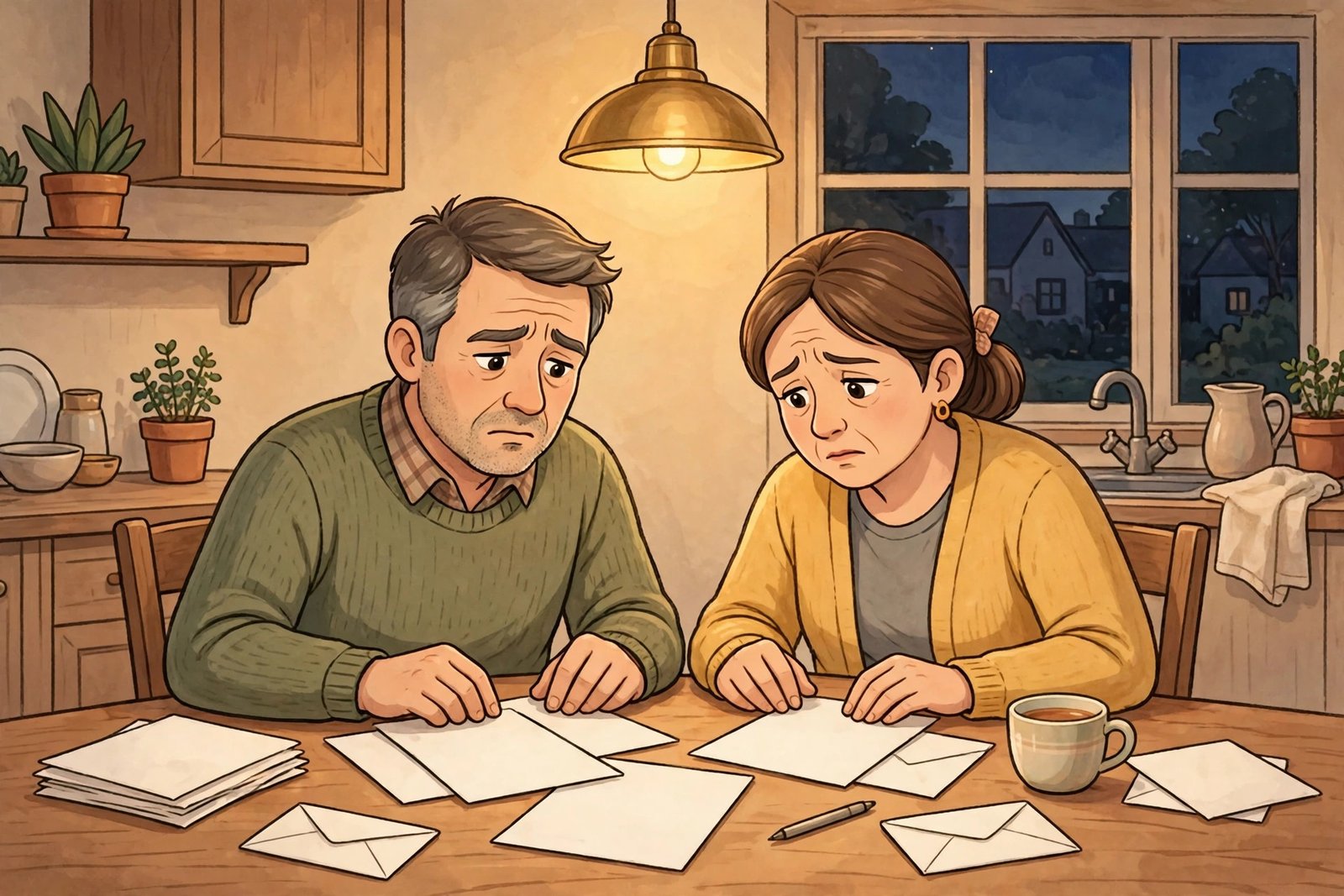
Fear is the second big reason. Parents look at the world and see hard exams, tight money, and jobs that are tough to get. They panic quietly. Then the panic comes out as, look at her, she is already ahead. When you wonder why do my parents always compare me to others right after a school meeting or a bill arrives, that timing is not random. Stress at home often speaks in comparisons.
The third reason is an old script. Lots of today’s parents were raised on the exact same lines. Their own parents compared them to cousins and neighbors, loudly and often. It felt normal because everyone did it. So the words live in their mouths now, ready made, and they come out before any real thought happens. A habit passed down is still a habit. It is not a verdict on you.
Some parents also compare because they do not know how else to open a hard talk. They want to say, I’m worried about your grades. Or, I wish you would practice more. But the straight sentence feels heavy, so they take a side road through another girl’s name. The side road never works. It starts a fight about the cousin instead of a talk about the real worry.
And yes, some of it is about pride and other people’s eyes. Parents want to feel they are doing a good job, and other families can look like report cards for that. If the neighbor’s daughter shines, a shaky parent feels judged. So if you’re asking why do my parents always compare me to others, part of the answer may live in their pride, not in your flaws. Their worry about looking like good parents gets aimed at you. That is not fair, but it is common, and naming it takes some of its power away.
What They Often Mean Underneath
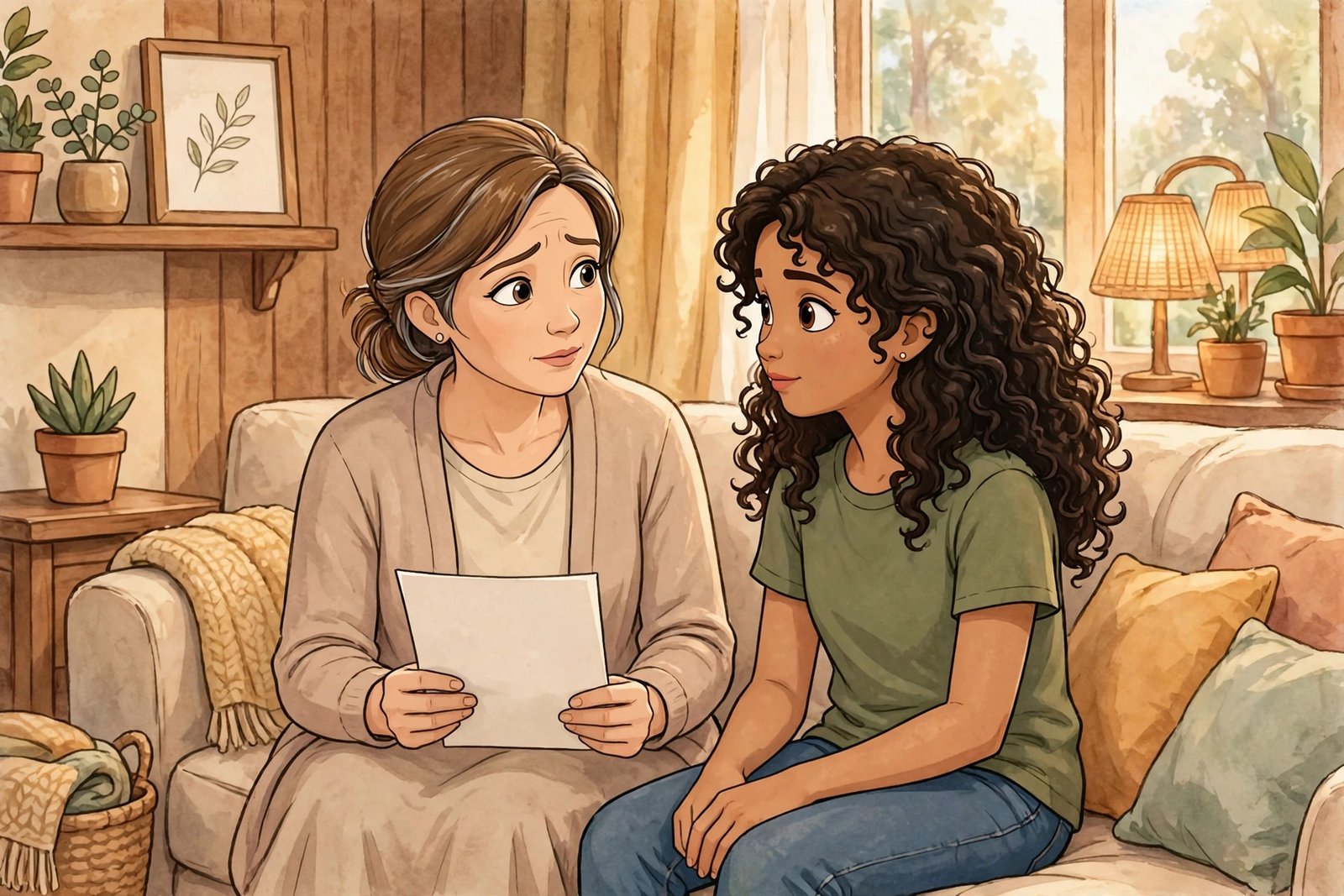
Words and meaning are not always the same thing in a family. When a parent says, why can’t you be more like her, the sentence on top is about the other girl. The sentence underneath is often about fear, love, or not knowing how to help. Learning to hear the second sentence does not excuse the first one. But it does make it sting a little less.
Take the grades comparison. Underneath it, many parents mean, I am scared the world will be hard on you, and I do not know how to protect you. They see good marks as armor. So they point at the girl wearing the armor. What they want for you is safety. What you hear is that you are unsafe and lacking. Two very different messages, one clumsy sentence.
Or take the manners comparison, the cousin who is so polite, so calm, so easy. Underneath, a parent may mean, family gatherings stress me out, and I want us to look like we have it together. That is about their stress and their image. It is not a real review of your worth as a person. The calmer you can get at hearing the underneath part, the less the top part runs your evening.
This is also why do my parents always compare me to others is such a tangled question. You are not just hearing words. You are hearing worry, old habits, and pride all mixed into one short line. No wonder it takes you a while to sort out why you feel so bad after. The line was carrying three heavy things at once.
Try this small test next time it happens. Ask yourself, what is my parent scared of right now? A test coming up? Money? What the family will think? Very often you will find a fear in under ten seconds. Finding it does not fix the habit, and it is not your job to fix their fears. But it moves the words from she’s better than you to they’re scared again. That move protects your heart while you decide what to say.
None of this means you have to just swallow the words. It means you don’t have to carry the worst reading of them alone. When you ask why do my parents always compare me to others, you can hold two truths at once. The words hurt, and the person saying them is often scared, not cruel.
One more underneath meaning matters. Some parents compare because, deep down, they believe in you a lot. They think you could do anything, so any result below amazing feels, to them, like you not using your gifts. Their faith in you comes out as pressure because they never learned softer words for it. Wild, right? The comparison can be a twisted compliment. It still needs to change, but it helps to know it was never proof that they think little of you.
Why It Stings More Than They Realize

Parents often think a comparison is a small nudge. They say it in passing, between two bites of dinner, and forget it by dessert. You do not forget it by dessert. You replay it in the shower. You replay it while you brush your teeth. You replay it at school the next day when the actual Amina walks past your desk.
Part of the sting is that the words grade you, not your work. A comment like your essay needs more work is about a thing you can fix. A comment like why can’t you write like her is about who you are. Things can be fixed on a desk. Who you are cannot be swapped out, and you should never be asked to swap it. That gap between the two kinds of comments is exactly where the hurt lives. It’s also why the question why do my parents always compare me to others can loop in your head at night. The words weren’t really about one test. They felt like a ruling on you.
You also cannot win a comparison, and some part of you knows it. You cannot become the cousin. You do not have her brain, her school, her life, or her luck. So the game feels rigged before it starts. When a girl asks why do my parents always compare me to others, she is often also asking, why do they set me a race I cannot win? That second question is a fair one. Races you cannot win do not build drive. They build shame, and shame makes most teens hide, stall, or stop trying at all.
And let’s be honest, you probably compare yourself enough already. Most teens do. If you have ever caught yourself asking why you compare yourself to other girls all the time, you know how heavy that inner voice gets by itself. Hearing the same voice out loud, at your own table, from the people whose pride you want most, doubles the weight. It can start to feel like everyone agrees on the verdict. They don’t. But feelings are loud, and they lie with confidence.
The sting also grows because of who says it. A stranger’s ranking would slide off in a day. Your parents’ words move in and stay. They are the first mirror you ever looked into. When that mirror keeps showing another girl’s face next to yours, it is normal to feel small, angry, or oddly numb. None of those feelings make you a bad daughter. They make you a person whose mirror needs adjusting, and that adjusting is the work of the next two parts.
How to Answer in the Moment Without Exploding

You cannot control the first sentence out of their mouth. You can control the second sentence in the room, the one that comes from you. A calm, short answer does two jobs. It protects your feelings, and it teaches them, slowly, that comparisons land badly. You are not looking for a perfect speech. You are looking for words you can actually say with a shaky voice. Words that answer why do my parents always compare me to others without turning dinner into a war.
Start with the feeling, not the fight. You can say, when you compare me to her, I don’t feel pushed. I feel small. That one line surprises most parents. Many of them truly believe they are helping. Hearing the real effect, in plain words, is new information for them. Keep it short. Long speeches in hot moments tend to melt into shouting.
You can also redirect the talk to you, just you. Try, can you tell me what you’d like me to work on, without her name in it? That asks for the help underneath the comparison. It gives your parent a better road to take. Some parents grab that road right away, clumsy but willing. Others need to hear it a few times. Both are progress.
Timing tricks help too. If the words hit you in a hot second, with your chest tight and your eyes filling, you are allowed to pause. Say, I want to talk about this, but not while I’m upset. Then go to your room, breathe, splash water on your face. Coming back calm in twenty minutes is not weakness. It is how you stay in charge of your own side of the talk. And it keeps you from saying the one cruel line you would regret all week.
What if you do explode sometimes? You are a teen, not a statue. If a talk blows up, the repair matters more than the blast. Later, when things are cool, you can say, I shouted and I’m sorry for that part. The comparing still hurts me, though. Owning your half while keeping your point is a strong move. It shows them the grown way to handle a hard talk, even when they are still learning it themselves. If you’ve ever asked why do my parents always compare me to others mid fight, try asking it again in a calm hour instead. The same words open doors at calm times that they slam at loud ones.
The Calm Talk That Can Actually Change Things

Moment answers help, but habits change in planned talks. Pick a calm time, not the night of a bad mark and not in the car on the way to a family lunch. A quiet evening at home works. So does a walk, where nobody has to stare at each other. You are not ambushing them. You are inviting them into a better pattern.
Open with your goal, not their crime. You can say, I love you and I want to do well. I need to tell you something that makes it harder, not easier. That start tells them you are on the same team. Then give one clear example, not a list of twenty. Pick the freshest one. Last week, when you said Amina got full marks again, I shut down for the whole evening. I stopped wanting to study at all. One sharp example lands better than a whole trial.
Then say what you need instead. Parents often stop a bad habit faster when you hand them a good one. Try, if you’re worried about my marks, ask me about my plan. Or tell me one thing I did well first. Give them the exact kind of words that work on you. When you first dared to ask why do my parents always compare me to others out loud, to their faces, it may feel huge. Most girls find the asking is the hardest part. The talk itself is usually smaller than the fear of it.
Expect the road to bend, not snap. Some parents get quiet. Some get defensive and say you are too touchy. Some say sorry on the spot and mean it. Any of these is a start, not an end. Habits built over years move in weeks and months. Repeat your line calmly when the old one slips out. Each calm repeat is a brick in the new pattern.
If face to face feels impossible in your home, a letter works too. Write it on paper. Keep it kind, short, and clear. Give them time to read it alone, without an audience. Many parents can hear hard things on paper that they would fight out loud. And if one parent compares more than the other, start with the softer one. An ally inside the house changes the whole weather. If you’re still wondering why do my parents always compare me to others even after one good talk, give it a few honest weeks before you judge the result. Slow change is still change.
Keeping Your Own Scoreboard

Even with better talks, some comparisons may keep coming for a while. So you need a scoreboard that is yours, one their words cannot rewrite. Start with this truth. Your life is not a league table. It is a path, with your own weather, your own start line, and your own pace. Girls grow, learn, and bloom on wildly different clocks, and developing at a different pace than other girls is the rule of these years, not the odd case.
Build small proof. Keep a note on your phone called My Own Marks. Each week, write one thing you did better than last month’s you. A mark that rose a little. A hard talk you handled. A song you finally nailed, a run that got easier, a page you are proud of. When a comparison lands at dinner, that note is your answer back. You are racing the girl you were, and that’s the only fair race there is. On the days you catch yourself asking why do my parents always compare me to others again, open that note before you open the ranking in your head.
Feed your strengths on purpose too. The cousin may shine at maths. You may shine at words, or drawing, or calming a crying friend, or never giving up on a hard puzzle. A life is wide. One girl’s strong subject is not the whole map of what a person can be. The TeensHealth guide to feeling better about yourself has simple, kind ideas for building your own view of your worth, and it is a good read on a day when a comment is still ringing in your ears.
Choose your mirrors with care. Spend time with friends who cheer for your wins without turning them into contests. Notice how good that feels. That feeling is what home praise feels like in the houses where it flows easy, and it is the feeling you are allowed to ask for at home too. You are not asking for fake praise. You are asking to be seen as yourself.
So, why do my parents always compare me to others? Because of worry, old scripts, pride, and love that never learned better words. Not because another girl is more worthy of their heart. Hold on to that. Say your calm lines. Keep your own scoreboard. And let time, plus your steady honesty, teach your house a new language. You were never behind. You were just on your own road the whole time.
Frequently Asked Questions
Do my parents compare me because I am not good enough?
No. A comparison is about their worry, their habits, and their pride, not about your worth. Many parents who compare actually believe their daughter can do great things, and that belief comes out as pressure. When you catch yourself asking why do my parents always compare me to others, remember the habit started long before you. It often started in their own childhood homes, with their own parents. You did not cause it, and it does not measure you.
What can I say right when a comparison starts?
Keep it short and name the feeling. You can say, when you compare me to her, I don’t feel pushed, I feel small. Or try, can you tell me what you’d like me to work on, without her name in it? Both lines skip the fight. If your voice shakes or your eyes fill, that’s fine. Say the line anyway, then take a break if you need one. A calm line said once is worth more than a perfect speech you never dare to give.
Is it okay to ask my parents to stop comparing me?
Yes, it’s okay, and it’s not rude. You’re not insulting them. You are telling them how their words land and what helps you instead. Pick a calm moment, give one clear example, and say what you would love to hear in its place. Some parents say sorry right away. Others need time and a few calm repeats. Asking why do my parents always compare me to others, out loud and kindly, is allowed as many times as it takes.
What if the comparison is true and her grades really are better?
Her grades can be better and the comparison can still be unfair. Both things fit in the same room. Her marks say something about her school life. They say nothing about your worth, your effort, or your future. If you want to lift a subject, make a plan with your teacher or your parents that is about you and your next step. A plan built on your own path works. A plan built on beating one named girl usually just makes you dread the subject more.
Why do my parents compare me to my own sister?
Sibling comparisons hurt because you live with the scoreboard. One child is easy in one area, so she becomes the ruler they measure with. It’s unfair to both of you, since your sister gets a role she never chose too. If you’re asking why do my parents always compare me to others and the other is your own sister, try the calm talk together or one on one. Many parents drop this habit fastest when they hear it sets the two of you against each other.
Pingback: Why Are My Parents Stricter With Me Than With My Brother? - The Honest Truth