
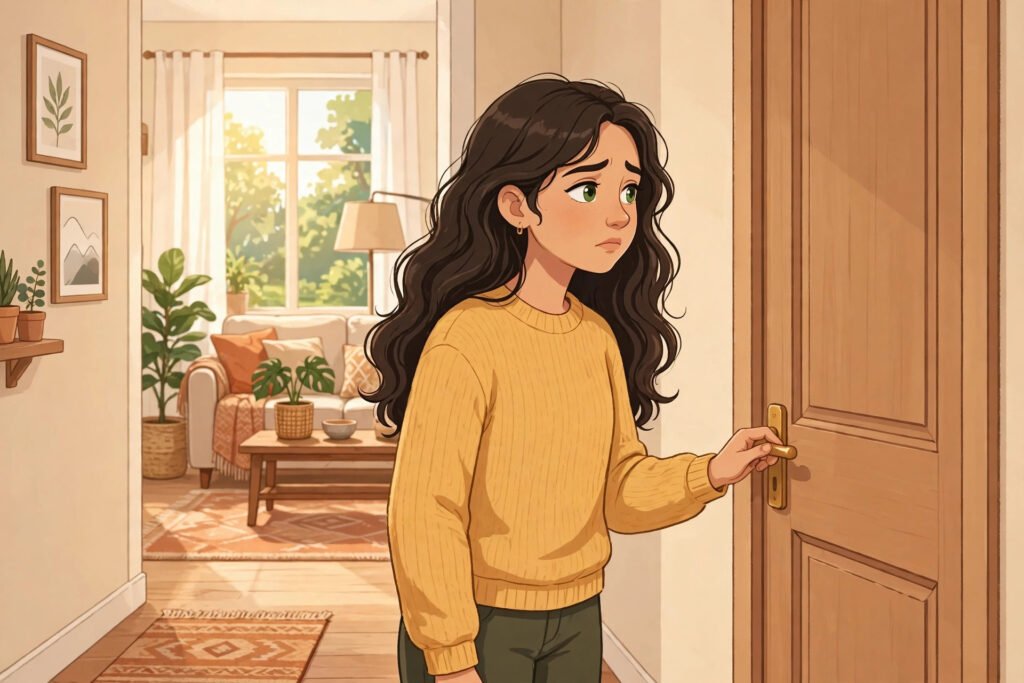
Dinner is over. The couch is free. Your little brother is watching something funny, and your mom calls you to come sit with them. And you feel it again, that quiet pull toward your bedroom door. You love these people. You’re not mad at anyone. You just want your room, your music, your own thoughts. Then the guilt walks in behind you. Is it normal to want to spend less time with my family, or is something wrong with me?
Take that guilt off your shoulders for a minute. The pull you feel is one of the most common feelings of the teen years. Almost every girl your age feels it at some point. It doesn’t mean you love your family less. It usually means you’re growing, right on schedule.
This guide will walk through the whole thing with you. You will learn why teens pull away a little. You will learn the line between healthy space and real distance. You will learn small ways to keep family bonds warm while you take the space you need. And you’ll learn the few signs that mean distance is worth a closer look. Keep reading, and the next time guilt shows up, you’ll have a steady answer to is it normal to want to spend less time with my family.
The Short Answer
Here’s the short answer. Yes. For most teens, the answer to is it normal to want to spend less time with my family is a calm, clear yes. Growing up includes building a life that’s partly your own. Your room, your friends, your hobbies, your private thoughts. That building work takes time away from the family couch, and that’s expected.
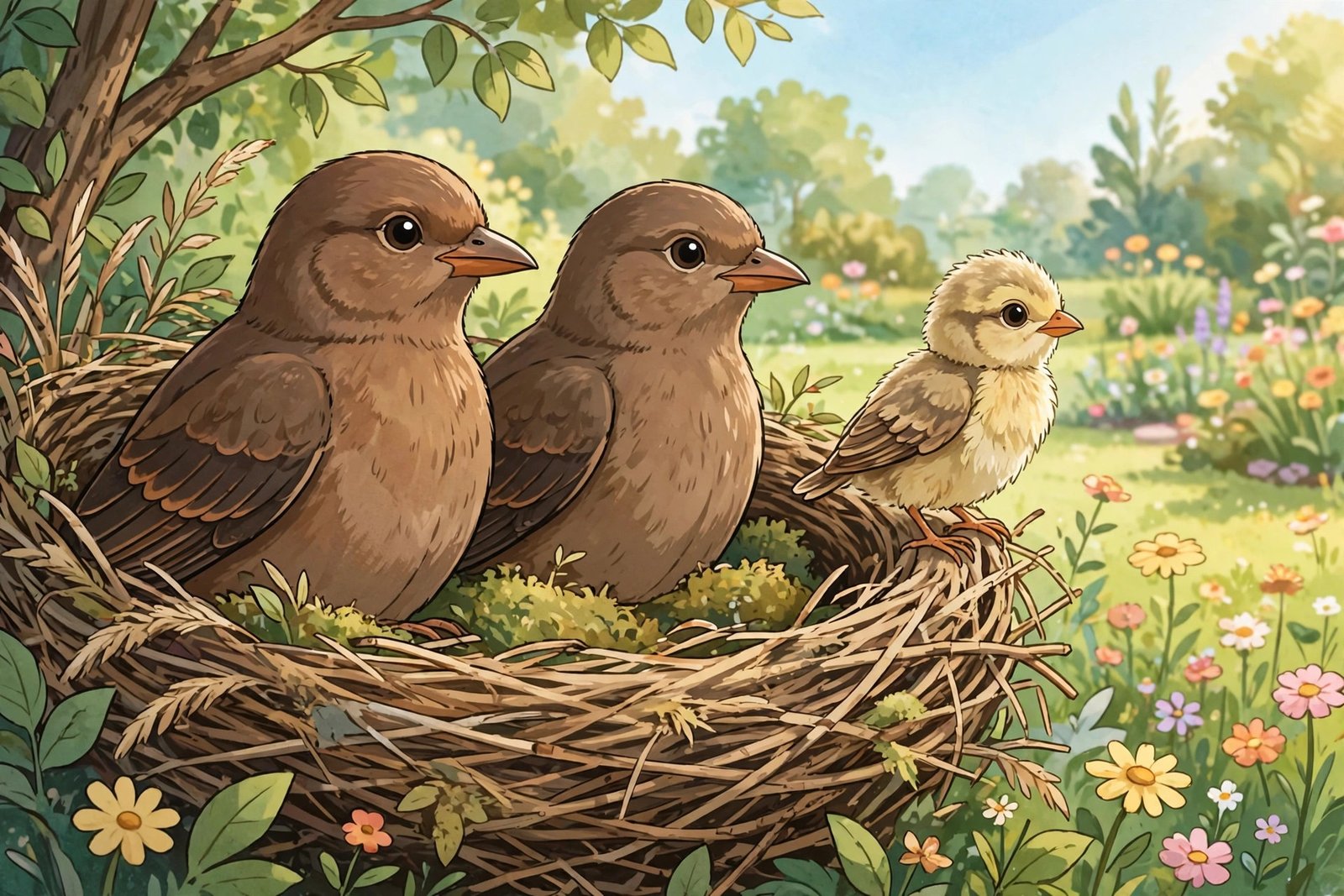
Think of it like a bird learning the edge of the nest. She still comes back. She still eats there and sleeps there and loves the birds inside it. She just spends more and more time testing her own wings. Nobody calls that a broken bird. It’s a growing one. You’re a growing one too.
So when you ask is it normal to want to spend less time with my family, hear this first. Wanting space isn’t the same as not caring. Most teens who pull away a little still want their parents close in the ways that count. A hug after a hard day. Help with a big problem. A ride, a meal, a person who is always in their corner.
The pull becomes a worry only when it changes shape. If you want space and still feel warm toward your family, that’s growth. If you feel flat, sad, or angry all the time, and you hide from everyone, not just your family, that’s different. We will talk about those signs later in this guide. For now, let the short answer calm you. A closed bedroom door, by itself, isn’t a problem. It’s a season.
Yes, Pulling Away a Little Is Part of Growing Up

Let’s start with the big picture. Your whole childhood, your family was your world. They fed you, taught you, and filled your days. The teen years are when that world gets bigger. Friends start to matter in a new, deep way. Your own tastes get louder. Your future starts to feel real. A bigger world needs more of your hours. That’s simple math, not cold love.
This is why is it normal to want to spend less time with my family is such a common question at your age. Your brain is wired to practice independence now. Trying your own opinions. Making your own plans. Solving small problems without a parent in the room. Those practices are the training ground for adult life. You’re not rejecting your family. You’re rehearsing for your future.
Look at the animals in any nature show. Young ones stay close, then wander a bit farther each season. Look at your own older cousins or siblings. The ones who are twenty now barely sat at family dinners at fifteen either. Then many of them came back closer as young adults, by choice. The pull away is often a stage, not an ending.
It can help to say the quiet part plainly. Wanting less family time doesn’t rank your love. You can adore your mom and still pick your room over her TV show. You can respect your dad and still want Saturday with your friends. Love isn’t measured in couch hours. It shows up in how you treat each other inside the hours you share.
So if a friend whispers, is it normal to want to spend less time with my family, you can tell her what you now know. Yes, it’s one of the most normal feelings there’s at this age. The girls who never feel it are the rare ones. The rest of us feel it, hide it, and carry guilt we never needed to carry.
One more thing about growing up. Independence grows in steps, not in one big leap. At twelve you wanted to pick your own clothes. At fourteen you want your own evenings. At seventeen you may want your own plans for whole weekends. Each step looks small. Together they build a person who can run her own life one day. Your parents know this story too. They lived their own version of it, even if they forget sometimes when it’s your turn.
And here’s a gentle truth for the guilty nights. Your family isn’t a plant that dies if you miss one evening of watering. Bonds built over your whole childhood are sturdy. They can handle your closed door. They can handle your busy season. What keeps them strong isn’t constant contact. It’s kindness inside the contact you’ve. We will build on that idea in the sections ahead. So on the guilty nights, you can answer is it normal to want to spend less time with my family with a calm yes, and sleep.
Why Your Room Suddenly Feels Better Than the Couch

Let’s talk about the room itself. Your room is the one place on earth that’s fully yours. Your music, at your volume. Your posters, your mess, your quiet. Nobody asks you questions there. Nobody watches your face. After a long school day of being seen and judged and timed, that privacy feels like air.
School takes a lot out of a teen. You perform all day. You smile, answer, hurry, compare, and hold your feelings in tidy shapes. By evening, your social battery is empty. The couch, with its small talk and questions about your day, asks for energy you don’t have. Your room asks for nothing. That’s why it wins so often. And that win is a big part of is it normal to want to spend less time with my family: most evenings, you’re choosing rest, not rejecting anyone.
This is also where your need for privacy lives. Learning how to tell my parents I want more privacy helps a lot of girls, because a door you may close is part of the same need as an evening alone. Privacy isn’t a wall against your family. It’s a room where your thoughts can stretch out and be yours for a while.
Your phone plays a part too. Your friends live in it. Your music, your shows, your games, your whole social world sits in that small glowing box, and the box lives in your room. The couch can’t compete with all of that. It’s not that family time got worse. It’s that your room quietly filled up with everything you love.
So when you catch yourself asking is it normal to want to spend less time with my family, look at what you’re really choosing. Most nights, you’re not choosing against them. You’re choosing rest, privacy, and your own world. Those are healthy things to choose. A girl can love her family with her whole heart and still pick the room, the headphones, and the quiet on a Tuesday night.
There’s no shame in needing to recharge alone. Some people refill their energy around others. Many girls refill theirs in quiet. Neither way is better. Knowing your own way is a gift. It lets you plan your evenings with honesty instead of guilt. A little couch time, then your room, then sleep. A rhythm like that can keep everyone, including you, much happier.
Healthy Space Is Not the Same as Real Distance
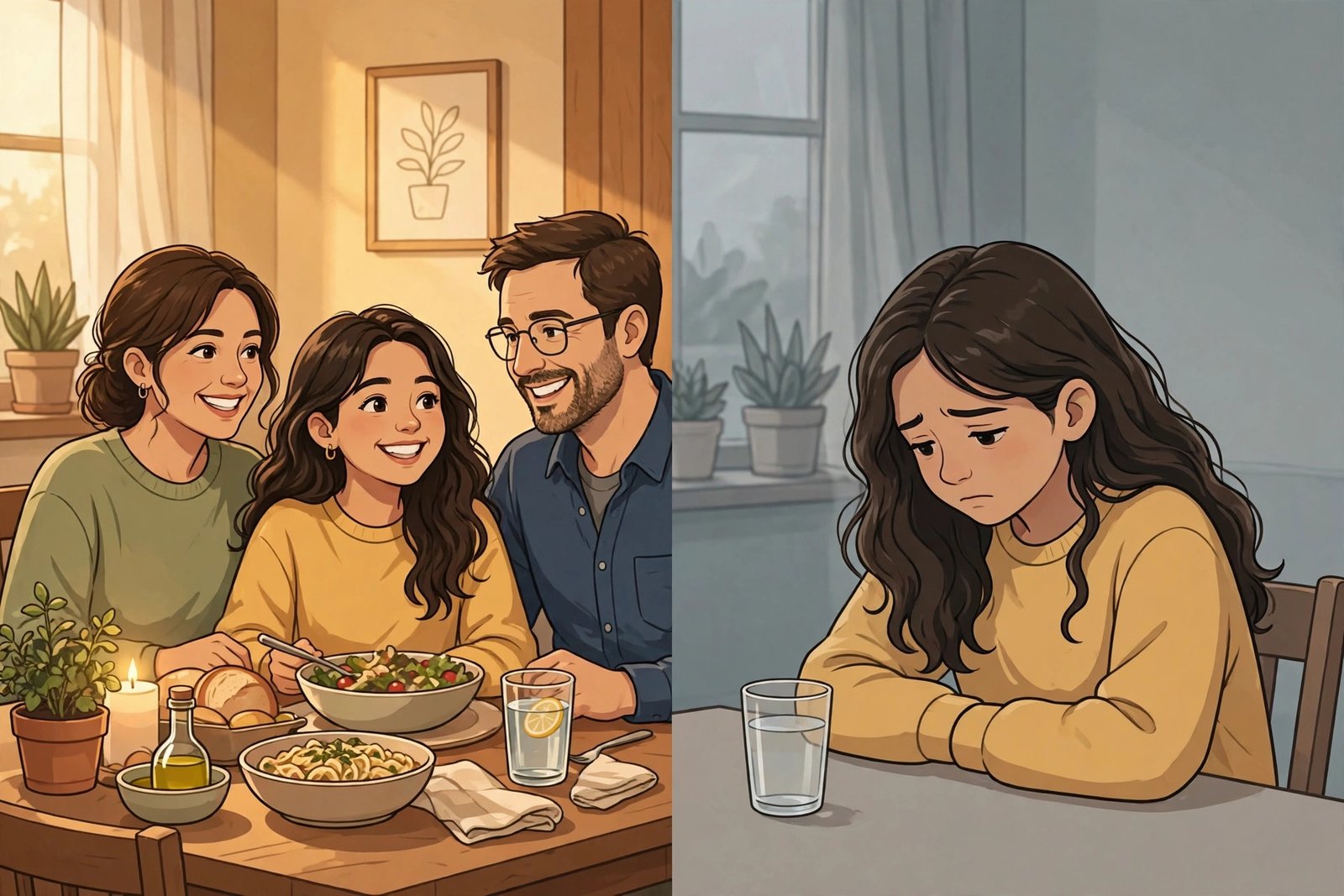
Now for the line that matters. Healthy space and real distance can look alike from the hallway. Both involve a closed door. But they feel very different from the inside, and they lead to very different places. Learning to tell them apart answers half of is it normal to want to spend less time with my family all by itself.
Healthy space feels light. You close your door and feel calm, not numb. You still laugh at dinner sometimes. You still tell your mom small things. You still show up for your brother’s game or your grandma’s call, even if you would rather be elsewhere. Your mood, sleep, and appetite stay mostly steady. Space, for you, is rest.
Real distance feels heavy. You dread every family moment. Talking to your parents feels impossible, not just annoying. You stop telling them anything at all. You may feel sad, flat, or angry most days, with friends too, not only at home. Your sleep breaks. Food loses its taste. School slides. That pattern isn’t a teen being a teen. That pattern is a girl who needs support.
Here’s a simple test you can run on yourself. After an evening alone, do you feel a bit better and softer toward everyone? That’s space doing its job. Or do you feel worse, heavier, and even less able to face people? That’s distance doing its damage. Your own feelings after the door closes tell you the truth. They also answer is it normal to want to spend less time with my family better than any quiz ever could.
Another clue is choice. Healthy space is something you choose and can leave. You can open the door when you want company. Real distance feels like a trap. You want to come out and can’t find the way. If the door starts to feel locked from the inside, that’s a sign to reach out, and we will talk more about that near the end of this guide.
So keep asking is it normal to want to spend less time with my family, but ask it with these clues in hand. Most days, your answer will be the calm one. Space, chosen and light, is a normal part of your age. You can trust that answer. And on the rare days the clues point the other way, you’ll know it early, while help is still small and close.
Small Ways to Keep Family Bonds Warm

Here’s the good news. Keeping bonds warm doesn’t take long hours. It takes small, real moments, done on purpose. Think of them as tiny deposits in a bank. You don’t need to fund the whole account in one day. A few coins a week keep it healthy for years.
Start with greetings and goodbyes. A real hello when you come home, with eye contact, takes ten seconds. A goodnight that’s said out loud, not mumbled into a phone, takes five. These small bookends tell your family, I see you, you matter to me. They cost almost nothing, and parents feel them deeply.
Share one small thing a day. Not a report. Not your whole soul. One small true thing. The funny thing a teacher said. The song stuck in your head. The hard question on the test. Small shares keep the channel open. Then, when a big thing comes one day, the road to telling them is already built and warm.
Join one family thing fully, now and then. If Sunday lunch matters to your grandma, be there with your whole self, phone down, for that hour. If your dad loves a walk after dinner, take it twice a month and actually talk. One full hour of real presence beats five hours of sitting near each other in silence, each of you inside a screen.
Help without being asked, once in a while. Clear the table. Make the tea. Ask your mom how her day went, and listen to the whole answer. These tiny kindnesses speak a loud language. They say, I may want my space, but I’m still on this team. Parents remember them far longer than kids guess.
So if you worry that’s it normal to want to spend less time with my family might mean your bonds are fading, try the small deposit plan for two weeks. Most girls feel the house soften fast. Warmth isn’t built from hours. It’s built from moments that land. You have time for moments, even in your busiest season. And your family will likely meet you halfway, because most parents are quietly hoping for exactly these small signs from you. Warm bonds like these are the proof you’ll feel, the next time you ask is it normal to want to spend less time with my family, that space and love can live in the same house.
How to Tell Your Parents Without Hurting Them

At some point, it helps to say the thing out loud. Many parents read a closed door as rejection. They may think you’re angry, or hiding something, or slipping away from them. A few honest words can save everyone months of wrong guesses. Telling them isn’t a confession. It’s a gift of clarity.
Pick a calm moment, not the middle of a slammed door evening. Start with love, because it’s true. I love hanging out with you guys. Then the need, in plain words. I just need more time alone in my room lately to recharge. Then a promise you can keep. I’ll still be there for dinner and our Sunday thing. Love, need, promise. That order softens almost any parent.
Expect a few questions, and don’t fear them. Are you okay? Did we do something? Is something wrong at school? These questions are care wearing a worried coat. Answer them simply and kindly. I’m okay. You did nothing wrong. School is fine, I’m just tired by evening. Simple answers calm the worry that silence feeds.
Good outside advice can back you up here. The KidsHealth guide on talking to your parents or other adults shares simple ways to start hard talks and keep them calm, and it can help you plan your words before you sit down. Reading it’s a quiet way to walk into the talk feeling ready instead of cornered.
If the talk gets tense, hold on to one idea. You’re not asking to leave the family. You’re asking to shape your evenings. There’s a big difference, and you can say exactly that. My door is closed more. My heart isn’t. A line like that can melt a worried parent faster than any long speech.
And remember, this talk also answers is it normal to want to spend less time with my family in the ears of your parents. Many of them quietly wondered if something was wrong. Hearing you name it as normal growing up, in a steady voice, can relax the whole house. You may even learn they felt the same at your age. That shared story can bring you closer than the couch ever did.
When Friends and Screens Take Every Hour
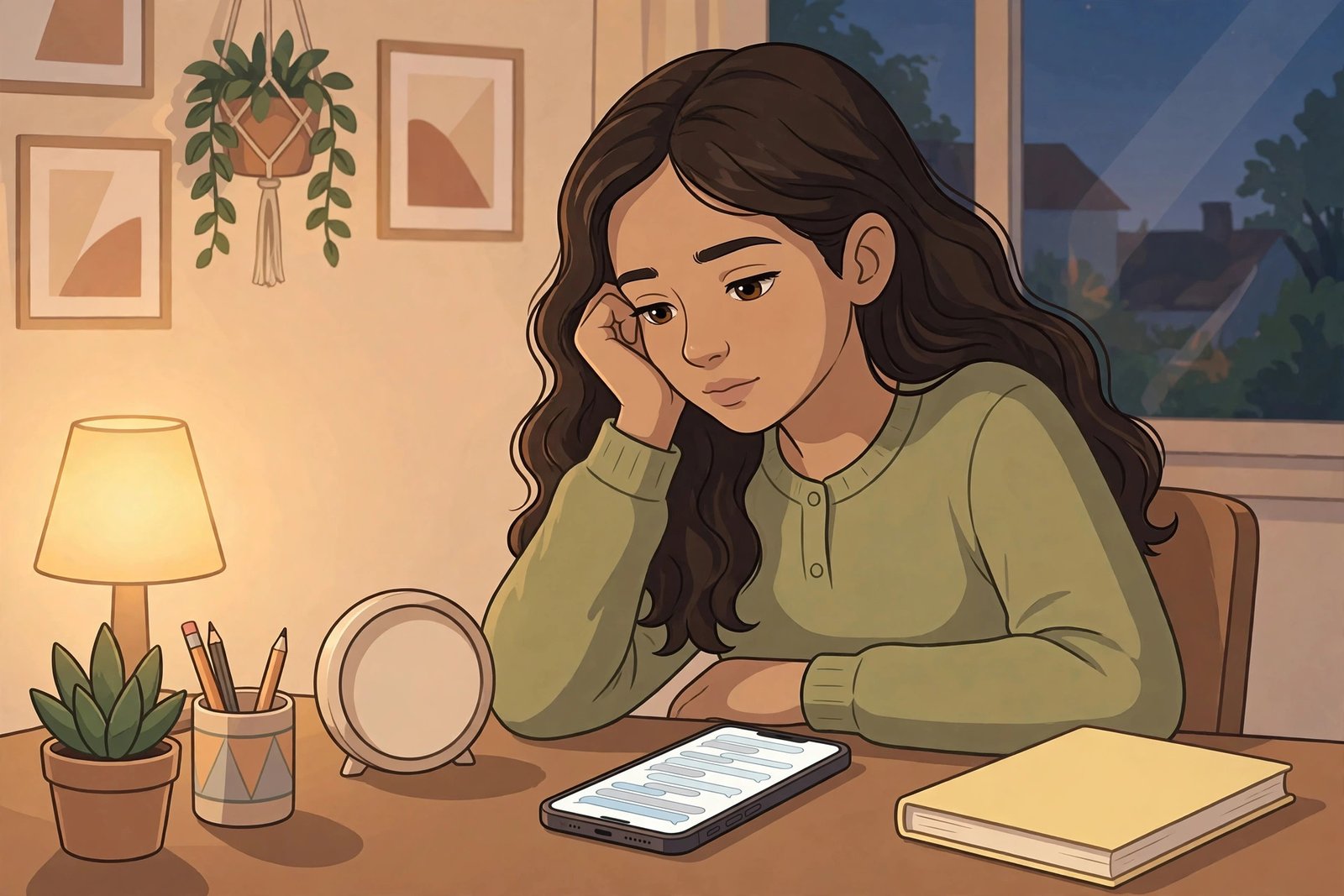
Let’s be honest about the rivals. Your family isn’t only competing with your need for rest. It’s competing with your friends and your screens, and those two are very good at winning. Group chats never sleep. Videos never end. A friend in a crisis can fill a whole evening, and it feels important because it’s.
Friends deserve real time in your teen years. Your friendships are where you practice loyalty, repair, and trust. Nobody sane is asking you to give that up. The question is balance. If friends and screens take every free hour for weeks, family time isn’t the only thing that starves. Sleep starves. Homework starves. Your own quiet mind starves too.
Try a gentle audit of one week. Where did your free hours actually go? No guilt, just facts. Many girls are shocked to see six hours of scrolling they don’t even remember. Finding one of those hours and giving it back is easy. Give half to rest and half to a family moment. You will feel the difference inside a week. Small audits like this turn is it normal to want to spend less time with my family from a guilt trip into a simple planning question.
Screens have one sneaky trick worth naming. They make family time feel boring by contrast. A quiet dinner can’t compete with a feed built to thrill you every three seconds. That doesn’t mean dinner is worthless. It means your brain has been trained for fireworks. A few screen light evenings a week can reset your taste for calm things, like a talk, a game of cards, or a walk.
So when you ask is it normal to want to spend less time with my family, check who is getting the time instead. If the answer is rest and real friends, your balance is probably fine. If the answer is endless scrolling you barely enjoy, the fix isn’t more couch time by force. The fix is taking your hours back from the feed. Your family, your sleep, and your own head will all thank you for it.
Balance also protects your friendships. A girl who never rests becomes a tired, snappy friend. A girl who never sees her family becomes a guest in her own home. Small doses of everything you love is the goal. Friends, family, rest, and your own mind, each getting a real share of you. That mix is what a healthy teen life actually looks like from the inside.
When Wanting Distance Might Mean Something More

This last section matters, so read it slowly. Most of the time, wanting space is growth. But sometimes, pulling away is a smoke signal. Learning the difference is part of growing up with your eyes open. If this section sounds like you, please read it as care, not as a label.
Watch for these signs. You feel sad, empty, or angry most days, for weeks. You stop enjoying friends too, not only family. Your sleep breaks apart, or you sleep all the time and still feel tired. Food feels like a chore. School work slides and you can’t seem to care. You cry often and don’t know why. Those signs say the distance isn’t about independence. Something deeper needs support. That’s the one case where is it normal to want to spend less time with my family isn’t really the question anymore. The question becomes, who can help me carry this?
It also matters if home itself feels unsafe or heavy with fear. If you’re avoiding your family because being near them hurts or scares you, that’s a different story. Tell a trusted adult outside the house. A teacher, a school counsellor, a relative, a friend’s parent. You deserve a home life that doesn’t scare you, and adults can help build one.
If the lonely feeling is the core of it, you’re not the only one. Many girls read about whether it’s normal to feel lonely even when you’ve friends and feel seen for the first time. Loneliness can hide inside a busy, loved life. Naming it’s the first step out of it. Talking is the second. Neither step requires you to be fixed or perfect first.
Here’s the hopeful part. Support works best when it starts early and small. A talk with a school counsellor. A check in with a doctor. One honest sentence to your mom. You don’t need to wait until things fall apart to deserve help. Feeling low for weeks is reason enough, all by itself.
So end this guide the way you started it, with the same question. Is it normal to want to spend less time with my family? Almost always, yes. It’s growth, rest, and a room of your own calling your name. Keep your small warm moments. Tell your parents the truth kindly. And on the rare days the pull away feels heavy and dark, reach out early. That’s not weakness. That’s you taking care of the person your whole family loves most. You.
Frequently Asked Questions
Am I a bad daughter for wanting to be alone so much?
No, you’re not. Wanting time alone is one of the most common teen feelings there’s. It doesn’t erase your love or your gratitude. A bad daughter doesn’t sit around worrying about being a bad daughter. The fact that you care enough to ask is it normal to want to spend less time with my family already says a lot about your heart. Keep your small kind moments, and let the guilt go.
How much family time is actually enough?
There’s no magic number of hours. Enough is measured in warmth, not in time. A shared meal most days, a few real talks a week, and showing up for the moments that matter to them will carry a family far. Quality beats quantity here. One hour of real presence can do more than a whole evening of sitting together in silence, each of you lost in a phone. That’s why is it normal to want to spend less time with my family is measured in warmth, not in hours.
What if my parents guilt me about my closed door?
Stay calm and kind, and say the true thing. I love you, and I need time alone to recharge. It’s not about you. If guilt trips keep coming, ask for a real talk about evenings and space, like the one in this guide. Many parents soften once they hear it’s about rest, not rejection. Your needs are allowed to exist, even when they make a parent a little sad at first.
My little brother gets hurt when I skip family time. What can I do?
Younger kids feel your absence in a big way, because you’re a hero in their eyes. A tiny ritual can fix most of it. Ten minutes of a game, a story, or help with homework, given with your whole heart, tells him he still matters to you. Then your door can close with his blessing. Small siblings rarely need your whole evening. They need proof they still have a place in your world.
Will I regret this time away from my family later?
Most grown women don’t regret the season of growing independence. They remember it as normal. What people do regret is coldness, slammed doors, and words said to wound. So take your space, but take it kindly. Keep showing up for the big moments. Keep your words soft. If you do that, your future self will look back on this season with peace, and the question is it normal to want to spend less time with my family will just make her smile.