
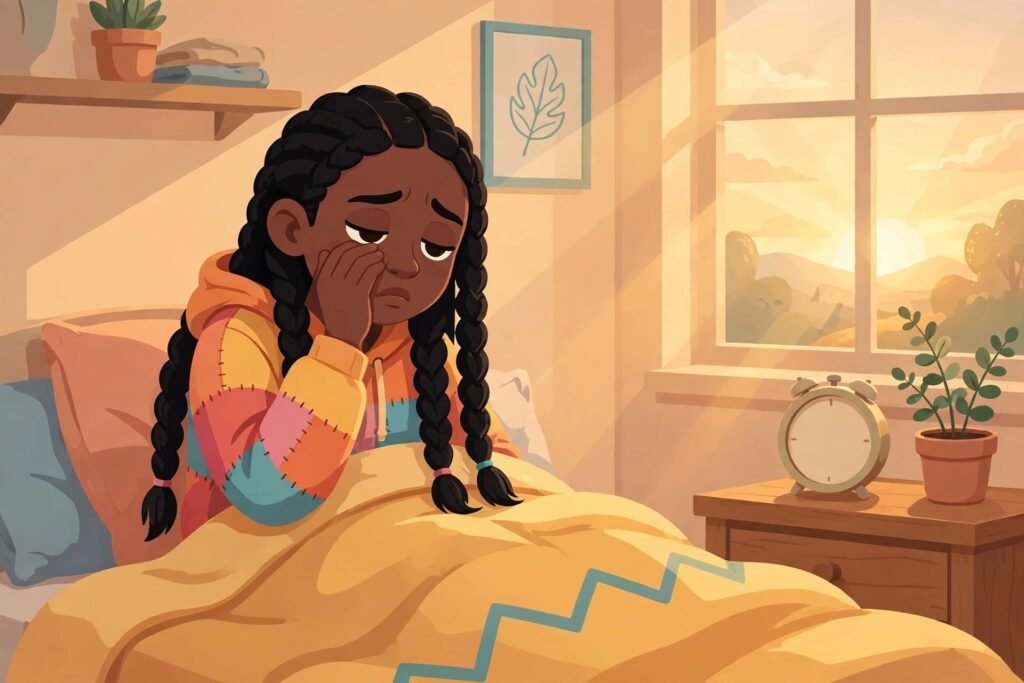
Your alarm goes off and you sit up slowly, like you’re rising from the bottom of a pool. Eight hours. You did the eight hours. You were in bed before midnight, the phone was across the room, everything was “right.” And still your body feels like it ran a marathon in the dark. So you ask the question again: why do I feel tired even after sleeping?
It’s one of the most frustrating feelings there is. Sleep is supposed to be the fix. When the fix doesn’t work, it’s easy to feel broken, or lazy, or like everyone else got a manual you missed. Your friend sleeps six hours and bounces into class glowing. You sleep eight and need a crane to leave the bed. The math feels unfair because it is confusing.
Here’s the truth that changes everything: the number of hours is only half the story. The other half is quality. What your sleep was actually made of, hour by hour, matters as much as how long the night lasted. If you keep asking why do I feel tired even after sleeping, the answer is almost always hiding in the quality half.
This guide walks through that hidden half in plain language. We’ll look at sleep cycles and why your alarm can sabotage you, the way screens and light thin out your deep sleep, schedules that jump around, and the daytime habits that follow you into the night. Then we’ll finish with simple fixes, plus the signs that mean it’s time to loop in a parent and a doctor.
No scary stuff, no labels, no diagnosis talk. Just the mechanics of sleep, explained like a friend would, so the question why do I feel tired even after sleeping stops feeling like a mystery about you and starts looking like a puzzle about your nights.
The Short Answer
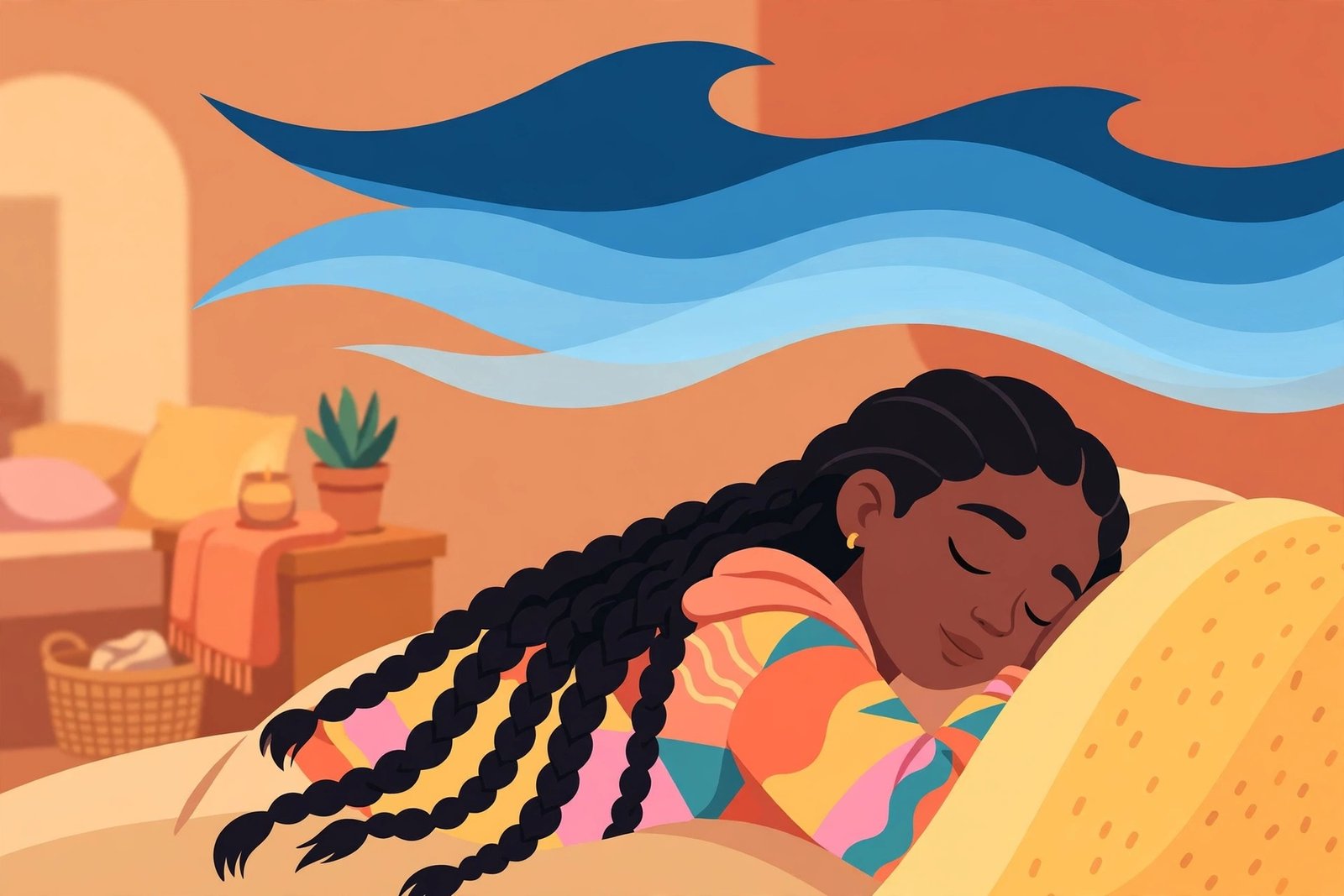
The short answer to why do I feel tired even after sleeping is this: you can spend enough hours in bed and still miss out on the deep, restoring parts of sleep. Sleep is not one flat thing. It comes in levels, light and deep, and your body does its real repair work in the deep levels. Anything that keeps your sleep light and broken leaves you tired at sunrise.
Lots of ordinary things thin out deep sleep. A phone glowing at midnight. A room that’s too warm or too bright. An alarm that yanks you out of deep sleep at the worst moment. A bedtime that swings by three hours between Friday and Monday. None of these are exotic. All of them are fixable, which is the good news hiding inside this whole topic.
Teen bodies also play by special rules. Your inner clock shifts later during these years, so your body wants to fall asleep late and wake up late, right when school wants the opposite. That tug of war alone explains a lot of why do I feel tired even after sleeping for so many girls, even girls doing almost everything right.
So don’t blame your character. Blame the setup, then change the setup piece by piece. Track what helps for two weeks. Keep the fixes that work and drop the rest. Waking up clear is not a personality trait some girls are born with. It’s a result, and results can be built.
Hours in Bed Are Not the Same as Sleep
Start with the difference between time in bed and actual sleep. They sound like twins. They’re more like cousins. You can be in bed for nine hours and sleep for seven of them, in pieces, with long light stretches where your brain never sinks down into the deep levels where the real restoring happens.
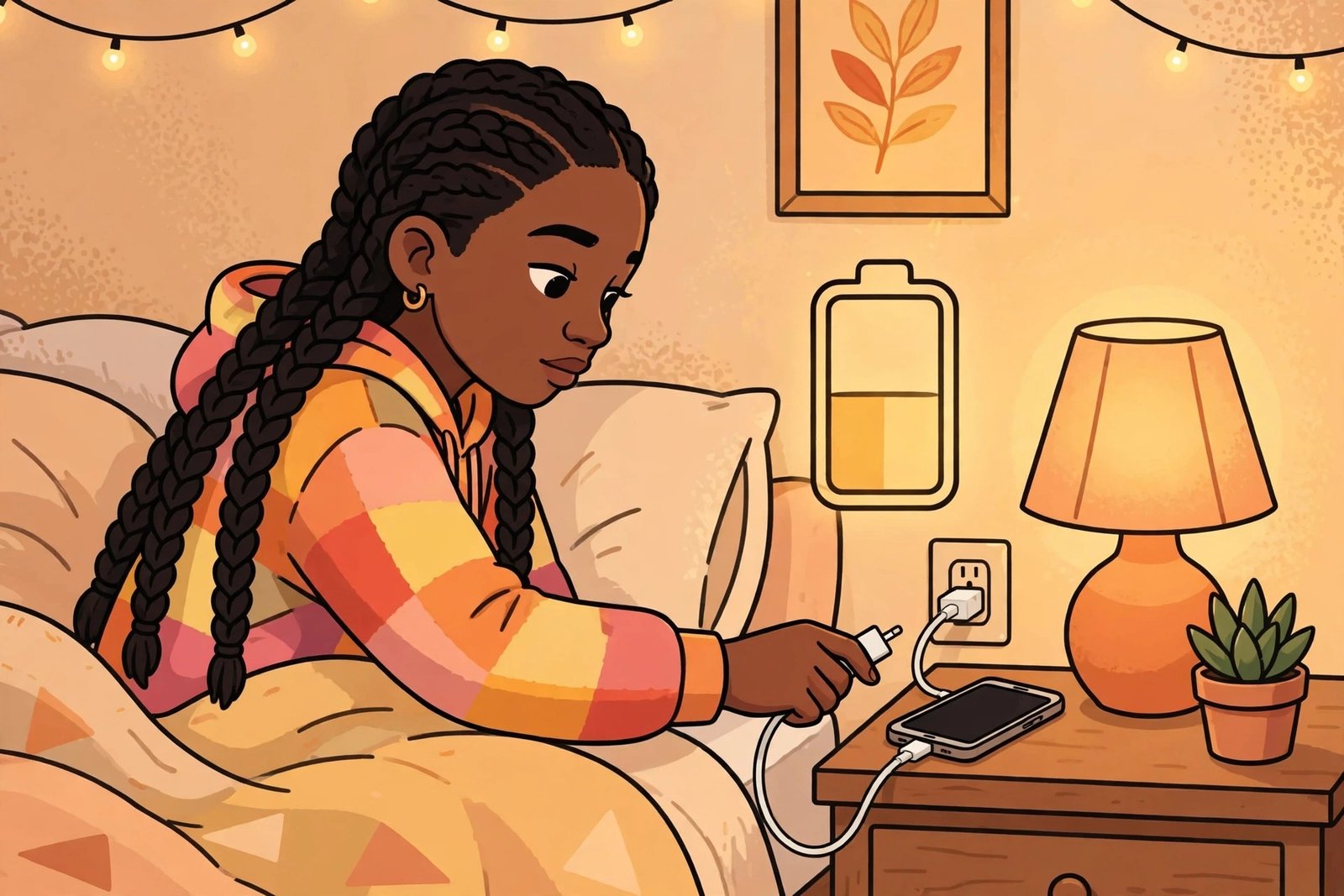
Think of sleep like charging a phone. Time plugged in is not the same as charge gained. A loose cable, a charger that keeps slipping out, a battery being drained by apps running all night: the phone sits on the nightstand for eight hours and wakes up at forty percent. Your body can do the same thing, and the morning fog is the forty percent feeling.
What breaks the charge? Lots of small wake ups you may not even remember. A noise in the hallway. A too warm blanket. A dream that jerks you up. Scrolling in bed before sleep, which tells your brain it’s social time, not sleep time. Each break is tiny. Together, they keep your sleep shallow, and shallow sleep is the heart of why do I feel tired even after sleeping even on long nights.
There’s also the time it takes to fall asleep at all. If you lie awake for an hour replaying the day, that hour is bed time, not sleep time. Girls whose minds race at night lose twice: the lost hour, and the stress that keeps the rest of the night light. If that’s you, our guide on how to stop overthinking before you fall asleep was written for exactly that hour.
And the bill doesn’t arrive only at sunrise. A shallow night follows you into first period, where the teacher’s voice turns to soup. It follows you into training, where your legs feel borrowed. It follows you into the evening, where you’re somehow wired and exhausted at the same time. Seeing the whole day clearly helps, because it proves the problem isn’t your attitude in the morning. The problem started hours before the alarm, quietly, in the dark.
None of this means you need a perfect night. Bodies are tougher than that. It means the target isn’t just “more hours.” The target is smoother, deeper hours. When people ask why do I feel tired even after sleeping, this is usually the first place to look: not the length of the night, but what the night was made of.
Sleep Cycles: Waking Up at the Wrong Moment

Now for the piece almost nobody teaches you. Sleep moves in cycles, like waves. You drift down from light sleep into deep sleep, then rise back up toward dreaming, then sink again. One full wave takes about ninety minutes. Across a night, you ride five or six of these waves, back to back.
Where you wake up in the wave matters enormously. Wake up near the top, in light sleep, and you surface easily, almost cheerful. Wake up at the bottom, in deep sleep, and you surface like a diver pulled up too fast: groggy, heavy, confused, sometimes with your heart pounding. That heavy drag has a name among sleep fans: sleep inertia. It can hang on for an hour.
Here’s where the trap hides. Eight hours is not a whole number of ninety minute waves. Neither is seven. If your alarm lands at the bottom of a wave, you can sleep more and feel worse than on a shorter night that ended at the top of a wave. That’s a huge clue for girls asking why do I feel tired even after sleeping on weekends after “catching up.” Sometimes the extra hour parked the alarm in deep sleep.
You can use this. Count backwards from your wake up time in ninety minute blocks and pick a bedtime that lands on a wave boundary: six hours, seven and a half, or nine are the classics. It’s not magic, and it won’t fix a chaotic schedule, but many girls feel the difference within days. The same night, the same hours, a kinder exit.
Weekend lie ins play into this too. Sleeping until noon doesn’t just add hours; it moves your whole wave schedule later, which is why Monday’s alarm feels like an attack. The waves are trainable, but they like rhythm. Feed them rhythm and they start surfacing you gently on their own, sometimes minutes before the alarm.
Here’s a tiny experiment worth trying. For three school nights, keep your wake time fixed but move bedtime earlier by exactly ninety minutes more than usual, one full wave. Then compare your mornings honestly. Many girls discover their eight hour night was landing them in the deepest part of a wave, while seven and a half or nine hours surfaces them kindly. It’s a strange arithmetic, but it’s one of the most common hidden answers to why do I feel tired even after sleeping what looks like the perfect amount.
So when you wonder why do I feel tired even after sleeping a solid eight hours, picture the wave. You may not need a longer night. You may need a night that ends at the top of the wave instead of the bottom.
Screens and Light Quietly Steal Your Deep Sleep
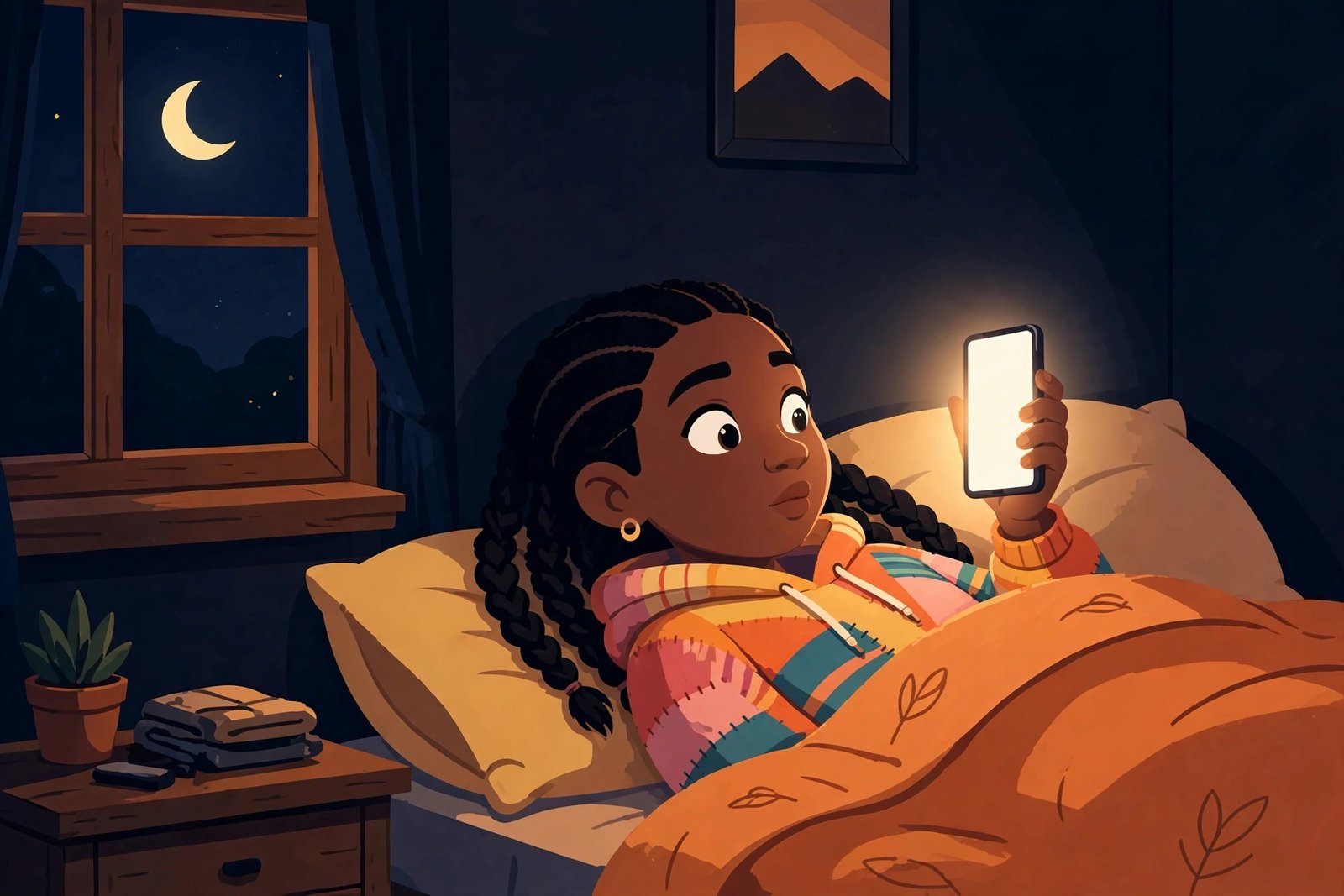
Let’s talk about the glowing rectangle. Light is information for your brain: bright light means daytime, means stay alert. Screens pour that signal into your eyes at the exact hour your brain is trying to power down. The result isn’t always trouble falling asleep. Often it’s sneakier: you fall asleep fine, but the sleep stays shallow.
Late light delays the release of your body’s natural sleep signal, the chemical that tells your system the day is over. Push that signal later and the first deep wave of the night gets shorter and weaker. You still log your hours. You just spend more of them skimming the surface, which is precisely why do I feel tired even after sleeping is the morning question of the phone generation.
It’s not only the light. It’s the content. A funny video is fine. A stressful group chat, a sad post, an argument in the comments: those wind your brain up. Emotionally charged scrolling at midnight is like drinking a coffee made of feelings. Your body lies down, but your mind keeps the lights on and the meeting running.
You don’t need a perfect digital sunset to fix this. Start with the last thirty minutes. Phone charging outside the bed, ideally outside the room. Dim the lights in your room as you get ready for bed. If you like a screen before sleep, pick calm, familiar content over new and gripping stuff. Boring is a feature at bedtime, not a flaw.
Girls are often surprised by how fast this works. Three or four nights of a dimmer, quieter last half hour and the mornings start to shift. Not to superhero levels. Just from “dragged out of the sea” to “okay, I can do this.” When the question why do I feel tired even after sleeping gets quieter after such a small change, you’ve found one of your personal levers. Keep it.
A Schedule That Jumps Around All Week
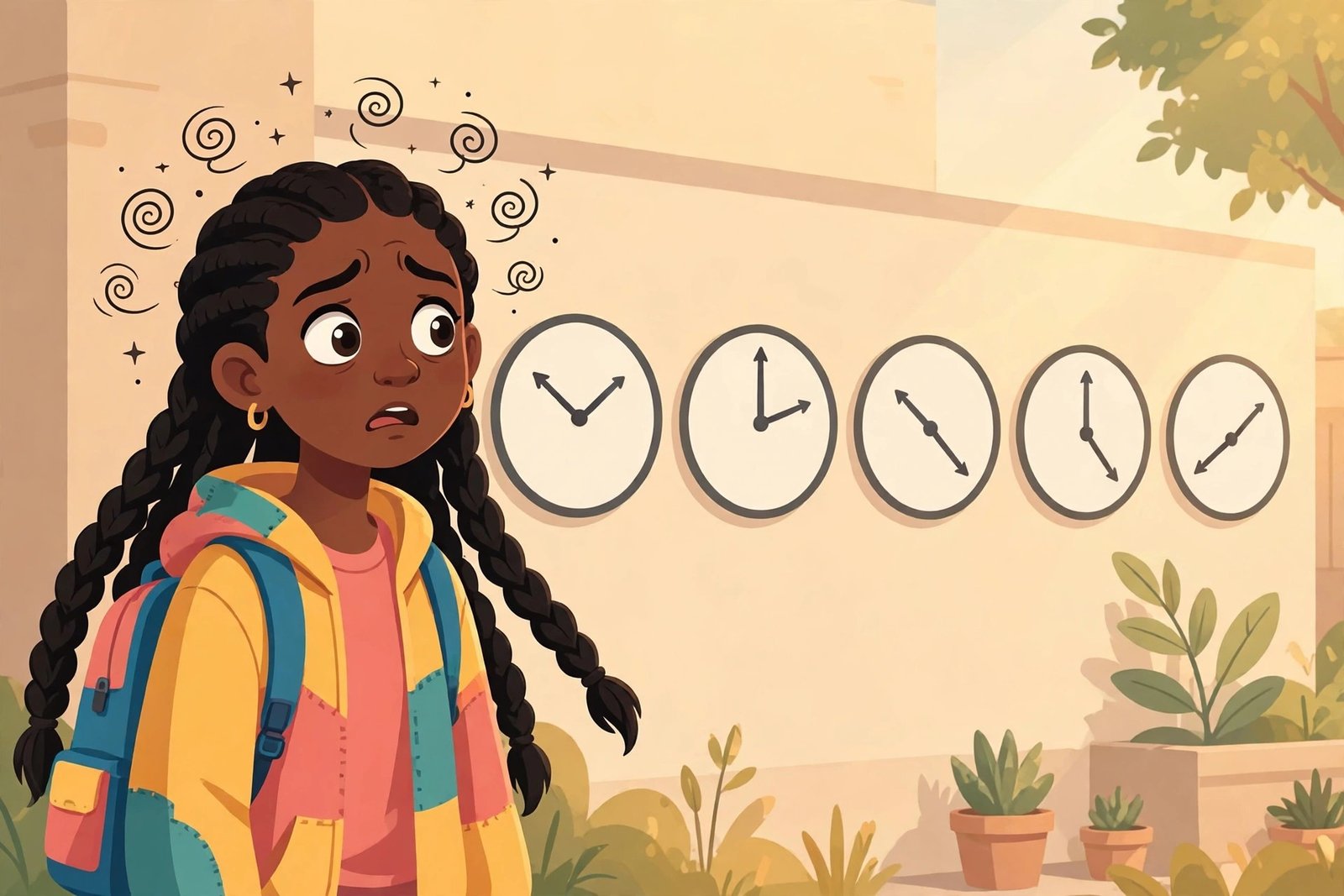
Your inner clock loves rhythm the way a plant loves sunlight. It sets your sleepiness, your hunger, your alertness, all by pattern. When the pattern jumps around, the clock can’t set anything properly, and sleep quality is the first thing to wobble.
Look at a typical teen week. School nights: bed at 11, up at 6:30. Friday: bed at 2 a.m. Saturday: up at noon. Sunday: bed at midnight, wide awake, staring at the ceiling. Monday: up at 6:30, destroyed. Your body has crossed time zones without leaving your bedroom. Sleep people sometimes call it social jet lag, and it feels exactly like the real thing.
Here’s the cruel detail. On the nights you do sleep “enough” inside that chaos, the sleep lands at the wrong phase of your clock. Your body is trying to be deeply asleep at hours when your clock says be alert, or light and restless when the clock says sink. Misaligned sleep restores less, which is why do I feel tired even after sleeping can hit hardest in girls whose total hours look fine on paper.
The fix is boring and powerful: protect the wake up time. Bedtimes can flex a little, but a steady wake time anchors the whole clock. If weekends must differ, keep the difference under an hour or so. Within a week or two, your sleepiness starts arriving at the right hour on its own, like a train learning its timetable.
A steady morning also teams up with light. Getting outside, or at least into bright light, soon after waking tells the clock “this is morning,” and it sets the evening sleepiness timer from there. It’s a small habit with a long shadow.
If your schedule is at the mercy of family life, work shifts, or a loud house, don’t chase perfect. Chase mostly steady. Mostly steady beats wildly random by a mile, and it’s achievable in real homes. The question why do I feel tired even after sleeping often quiets down a lot when the week stops zigzagging, even before anything else changes.
The Daytime Habits That Follow You Into the Night

Sleep doesn’t start at bedtime. It starts in the morning and collects influence all day. Some daytime habits look harmless and then invoice you at 7 a.m. Let’s meet the usual suspects, gently, because most of us host at least two of them.
Caffeine is the big one. Coffee, energy drinks, strong tea, even cola: caffeine blocks the sleepiness signal, and it lingers for hours. A drink at 4 p.m. can still be half present at 10 p.m., thinning your deep sleep without you noticing. You fall asleep, sure. You just sleep lighter, which feeds straight into why do I feel tired even after sleeping the next morning.
Naps are the second suspect, especially long, late ones. A twenty minute nap after school can be a gift. A two hour nap at 6 p.m. is a loan shark: it steals the sleep pressure you needed at bedtime, so the night starts late and broken. If you nap, nap early and nap short, and set an alarm so the nap can’t kidnap the evening.
Third: the revenge scroll. After a day run by other people’s schedules, the late night phone session feels like the only time that’s yours. It makes emotional sense. It also burns the exact hours your body needed most. This is why a calming night routine for better sleep helps so many girls: it gives the evening a yours feeling without the 1 a.m. price tag.
Exercise plays in too, in the good direction. Bodies that move during the day sleep deeper at night; it’s one of the most reliable patterns there is. You don’t need a sport. A walk, a bike ride, dancing in your room. Just avoid hard workouts in the last hour or two before bed, when the buzz can keep you wired.
The KidsHealth guide How Much Sleep Do I Need? lines up with all of this: most teens need about 8 to 10 hours, teen clocks naturally shift later, and habits like regular times, exercise, and switching off electronics before bed are what protect real rest. When you catch yourself asking why do I feel tired even after sleeping, run the daytime list first. The cause is often at 4 p.m., not at 4 a.m.
Simple Fixes That Help You Wake Up Clear

Time to gather the toolbox. You don’t need all of these. Pick the three that fit your life and run them for two weeks. Sleep responds to consistency, not intensity, so boring repetition beats heroic one night overhauls every time.
Fix one: anchor your wake time, weekends included, within about an hour. This is the master key. It steadies your clock, lines up your sleep waves, and makes bedtime sleepiness arrive on schedule. If you do nothing else from this guide, do this one.
Fix two: build a thirty minute wind down. Dim lights, phone charging away from the bed, something calm and repetitive: shower, stretch, read, lay out tomorrow’s clothes. You’re building a runway so sleep can land. Arriving at the pillow already calm is half the quality battle won.
Fix three: count your bedtime in ninety minute waves from your wake time. Aim for five or six full waves. This small piece of math protects you from the deep sleep alarm ambush, one of the sneakiest causes of why do I feel tired even after sleeping on paper perfect nights.
Fix four: move caffeine to the morning only, keep naps short and early, and get some daylight soon after waking. Three small daytime levers, one smoother night. Notice how none of these are about trying harder in bed. Good sleep is mostly a daytime and evening project.
Fix five: make the room boring in the best way. Cool, dark, quiet. A fan or an eye mask can rescue a bright or noisy room. Your cave should tell your brain one thing only: nothing happens here but sleep.
Track your mornings with a simple one to five rating in your notes app. Two weeks of ratings will show you which fixes are actually yours. That’s how the question why do I feel tired even after sleeping turns into your personal answer, written in your own data instead of generic advice.
One last encouragement on the fixes. Change one thing at a time when you can. If you overhaul everything on Sunday night, you’ll never know which change actually helped, and an all new routine is the first thing a tired brain abandons. Slow, single changes stick. And a stuck change keeps paying you every single morning, which is why do I feel tired even after sleeping slowly stops being your question at all.
Signs It Is Time to See a Doctor

Most morning tiredness is a habits and quality puzzle, and the fixes above solve it. But some tiredness is a message from your body that deserves a professional listener. Knowing the difference matters, and none of the signs below mean something is terribly wrong. They mean: loop in a parent, book the appointment, and let a doctor check the basics.
Pay attention if you snore loudly, especially with pauses or gasps that a family member notices. Watch for exhaustion that stays heavy for weeks even after you’ve honestly fixed your schedule, screens, and caffeine for a solid stretch. Fainting, or nearly fainting, belongs on the list too. So do big mood changes that arrive together with the tiredness and don’t lift.
Also speak up if you fall asleep at moments you really shouldn’t, like mid conversation or in every single class, despite full nights. Or if tiredness starts stealing things you love: sports, friends, music, the stuff that used to charge you. When tiredness shrinks your life, it’s outgrown the habits stage.
How to start the talk: tell a parent plainly. “I’ve fixed my sleep routine for two weeks and I still wake up exhausted. I’d like to see a doctor.” That sentence is clear, calm, and easy to act on. Bring your morning ratings if you tracked them. Data makes the visit faster and more useful.
A doctor’s job in that visit is simple: check the common physical basics, ask about your nights, and rule out anything that needs attention. Most girls walk out with reassurance and a tweak or two. Some get a next step. Either way, you stop guessing, and guessing is the exhausting part.
And remember: asking why do I feel tired even after sleeping, and acting on it, is taking care of yourself like an adult would. Whether the answer ends up being phone light, wave timing, a zigzag schedule, or a checkup, every one of those answers is better than another month of mornings at the bottom of the pool. You deserve to wake up clear. It’s a buildable thing, and now you know where the bricks are.
Frequently Asked Questions
How many hours do teens actually need each night?
Most teens need about 8 to 10 hours of real sleep, not just time in bed. That’s the range KidsHealth and most sleep guides give for these years, because your brain and body are still doing building work at night. Hitting nine hours of smooth, deep sleep will beat ten broken hours almost every time. If you do the math on your own nights and wonder why do I feel tired even after sleeping your full eight, look at the quality and the timing before you look at the total.
Can sleeping in on weekends fix a rough week?
Only partly, and it can backfire. A little extra sleep on Saturday can repay some debt, but sleeping until noon shifts your inner clock later, which makes Sunday night sleep slippery and Monday morning brutal. Sleep people call that swing social jet lag. A kinder strategy is a modest weekend lie in, an hour or so past your school wake time at most. You get some recovery without moving to a new time zone every Friday night and back every Monday.
Is napping during the day a bad idea?
Not always. A short nap, around twenty minutes and early in the afternoon, can take the edge off without touching your night. The troublemakers are long naps and late naps. A two hour nap at 6 p.m. spends the sleep pressure you were saving for bedtime, so the night starts late and stays light. If you often wake from a nap and think why do I feel tired even after sleeping more than ever, the nap itself is probably the thief. Keep it short, keep it early, set an alarm.
Does my phone really change my sleep that much?
Yes, in two ways at once. The light tells your brain it’s still daytime, which delays your natural sleep signal and trims the deep part of your first sleep wave. The content matters too: funny is one thing, but an emotional group chat or a sad scroll session keeps your mind buzzing long after the screen goes dark. Try charging your phone outside the bed for one week and watch your mornings. For many girls, that single change answers half the puzzle.
When is morning tiredness more than a habits problem?
When it ignores honest fixes. If you’ve held a steady schedule, calmed your evenings, and cut late caffeine for two or three weeks and you still ask why do I feel tired even after sleeping every single morning, it’s time for a doctor. Same if you snore loudly with pauses, feel faint, or notice big mood changes riding along. Tell a parent and book the visit. Most of the time it’s reassurance. Sometimes it’s a real catch. Both are worth the appointment.
Pingback: How to Reduce the Appearance of Dark Circles - The Honest Truth