
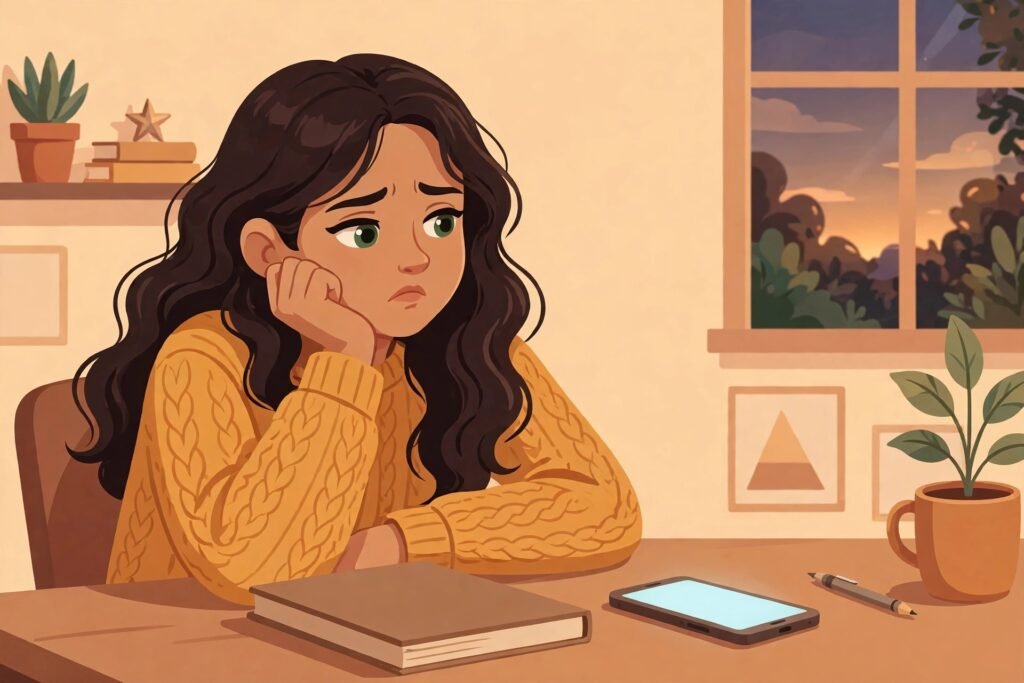
The homework has been sitting on your desk since Tuesday. It’s now Thursday night. You know it’s there. You’ve walked past it eleven times. You’ve cleaned your desk, reorganized your pens, and watched three videos about a topic that has nothing to do with anything. The book is still closed. And you’re asking yourself, again, how can I stop procrastinating?
Here’s the scene everyone knows. You tell yourself you’ll start after dinner. After dinner becomes after one episode. One episode becomes “when I feel more awake.” Then it’s 10 p.m., the panic walks in, and suddenly you’re doing in two frantic hours what you could have done calmly in four days. You hand it in, exhausted, swearing next time will be different.
If you keep asking how can I stop procrastinating, this guide is your next time being different. Not through guilt. Not through becoming a different person. Through understanding what your brain is actually doing when it delays, and then building tiny systems that make starting feel almost too easy to refuse.
One thing before we dive in. Procrastination is not a character flaw and it’s not laziness, whatever the voice in your head says at 11 p.m. It’s a habit your brain learned because it works, in the short term, every single time. Habits that are learned can be reshaped. That’s the whole point of this page.
By the end, the question how can I stop procrastinating should feel less like a complaint about yourself and more like a set of levers you can pull. Small levers. Kind levers. The kind that work on a tired Thursday, not just on a motivated Monday. Some days the answer will feel easy. Some days it will take every trick in this guide. Both kinds of days count, and both move you forward.
The Short Answer
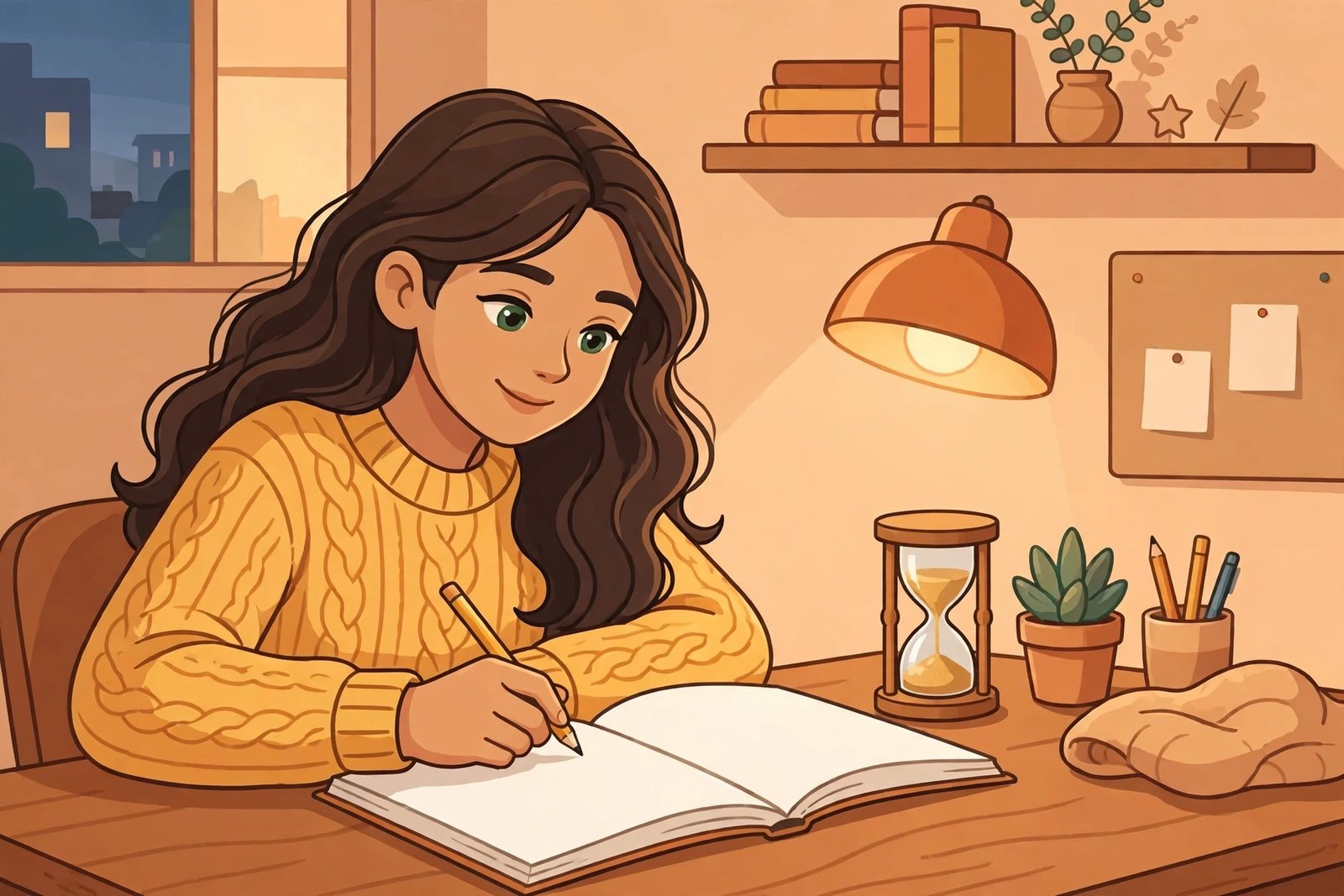
The short answer to how can I stop procrastinating is this: stop waiting to feel ready, and make starting so small it feels silly. You don’t have a motivation problem. You have a starting problem. Almost every task you avoid feels huge and blurry in your head, and your brain would rather do anything than walk into a fog.
Once you start, the fog lifts fast. Two minutes into the essay, you know what the next sentence is. Ten minutes into the project, it’s just a project, not a monster. That’s why almost every real answer to how can I stop procrastinating is about the start, not the finish. Finish lines take care of themselves once you’re moving.
So the plan is simple to say and powerful to do. Shrink the first step. Start for two minutes. Fix your space so starting is easy. Work in kind, short blocks. And when you slip, restart small instead of punishing yourself big. Guilt is fuel for procrastination, not the cure for it. Self kindness, oddly, gets more homework done. If someone asks you tomorrow how can I stop procrastinating, your honest one word answer can be: smaller.
Will you still delay sometimes? Yes. Everyone does. The goal isn’t a perfect streak. The goal is a shorter gap between “I should start” and starting. When that gap shrinks from four days to four minutes, your whole school life feels different.
Procrastination Is Not Laziness
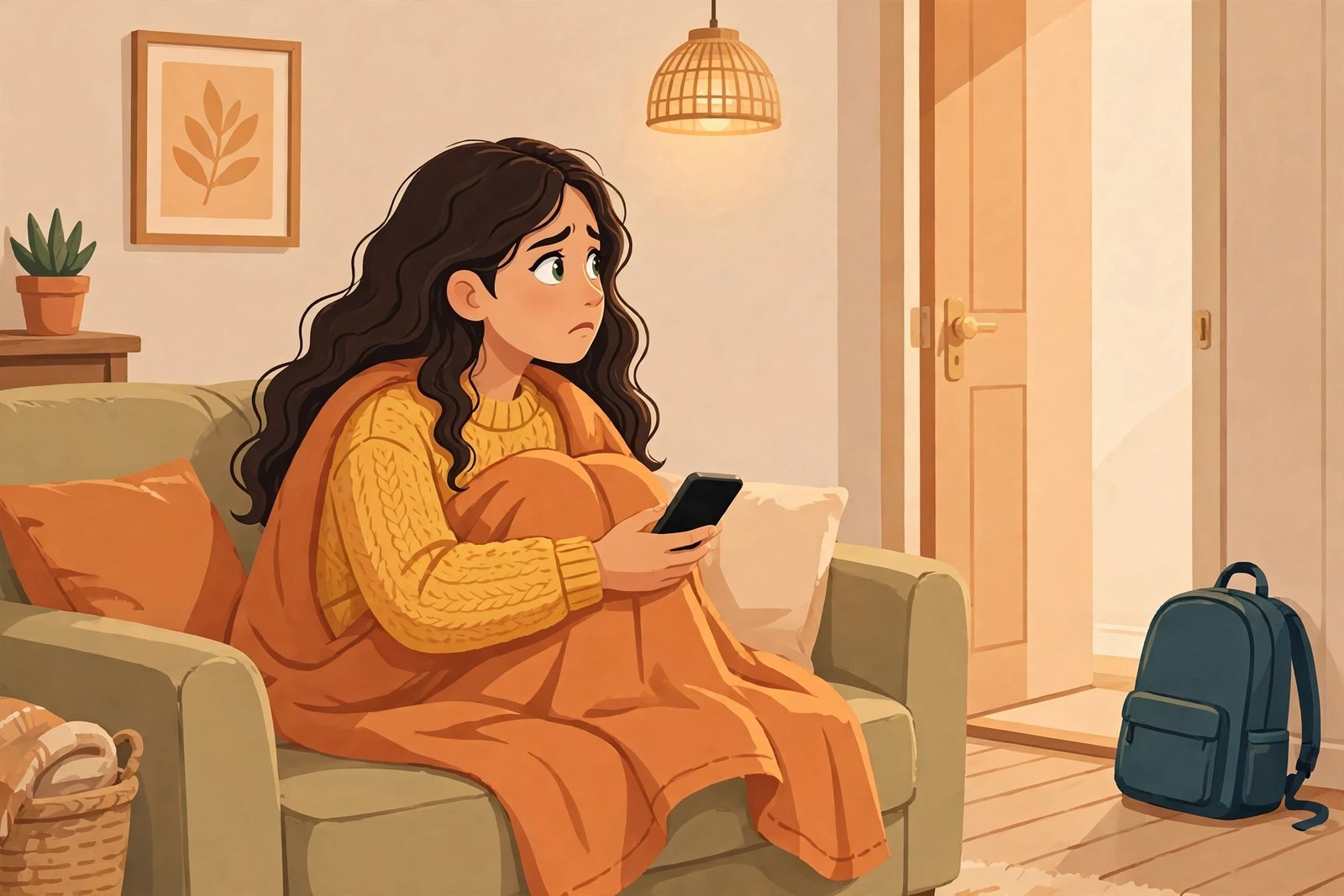
Let’s clear out the biggest lie first. Lazy people don’t care. They put off the task and enjoy the couch completely. You are not on the couch enjoying anything. You’re on the couch thinking about the task, dreading the task, and feeling worse by the hour. That’s not laziness. That’s a brain in conflict.
A lazy afternoon has no guilt in it. A procrastinated afternoon is soaked in guilt. You refresh, you scroll, you snack, and under all of it runs a low hum of “I should be doing the thing.” Rest feels good. Avoidance feels like rest’s anxious cousin who won’t stop checking his phone. If it doesn’t feel good, it isn’t laziness. It’s avoidance wearing rest’s clothes.
This matters because the cure for laziness would be discipline and shame, and you’ve probably tried both. They don’t work. Shame makes the task feel even heavier, because now it’s tied to being a bad student, a bad friend, a disappointment. The heavier the task feels, the more your brain avoids it. The shame cure feeds the disease.
Here’s a kinder and truer frame. Procrastination is an emotion habit. Your brain isn’t avoiding the work itself. It’s avoiding the feelings the work brings up: boredom, confusion, fear of doing it badly, fear of being judged. The task is just the door. The feelings are what’s behind it. That is the real root of how can I stop procrastinating for most girls: the feeling, not the homework.
Watch it in real life. The math worksheet you “keep forgetting”? Math makes you feel slow. The essay that won’t start? You’re scared it’s bad. The message you haven’t answered in a week? You’re scared of the conversation. Name the feeling under the delay and the delay suddenly makes sense. Sense is something you can work with.
So retire the word lazy. It’s inaccurate and it’s cruel, and cruel tools don’t build good habits. You’re a person whose brain protects her from hard feelings by delaying. Once you see that, how can I stop procrastinating becomes a design problem: how do I make this task feel safer to start? Design problems have solutions.
What Your Brain Is Really Avoiding
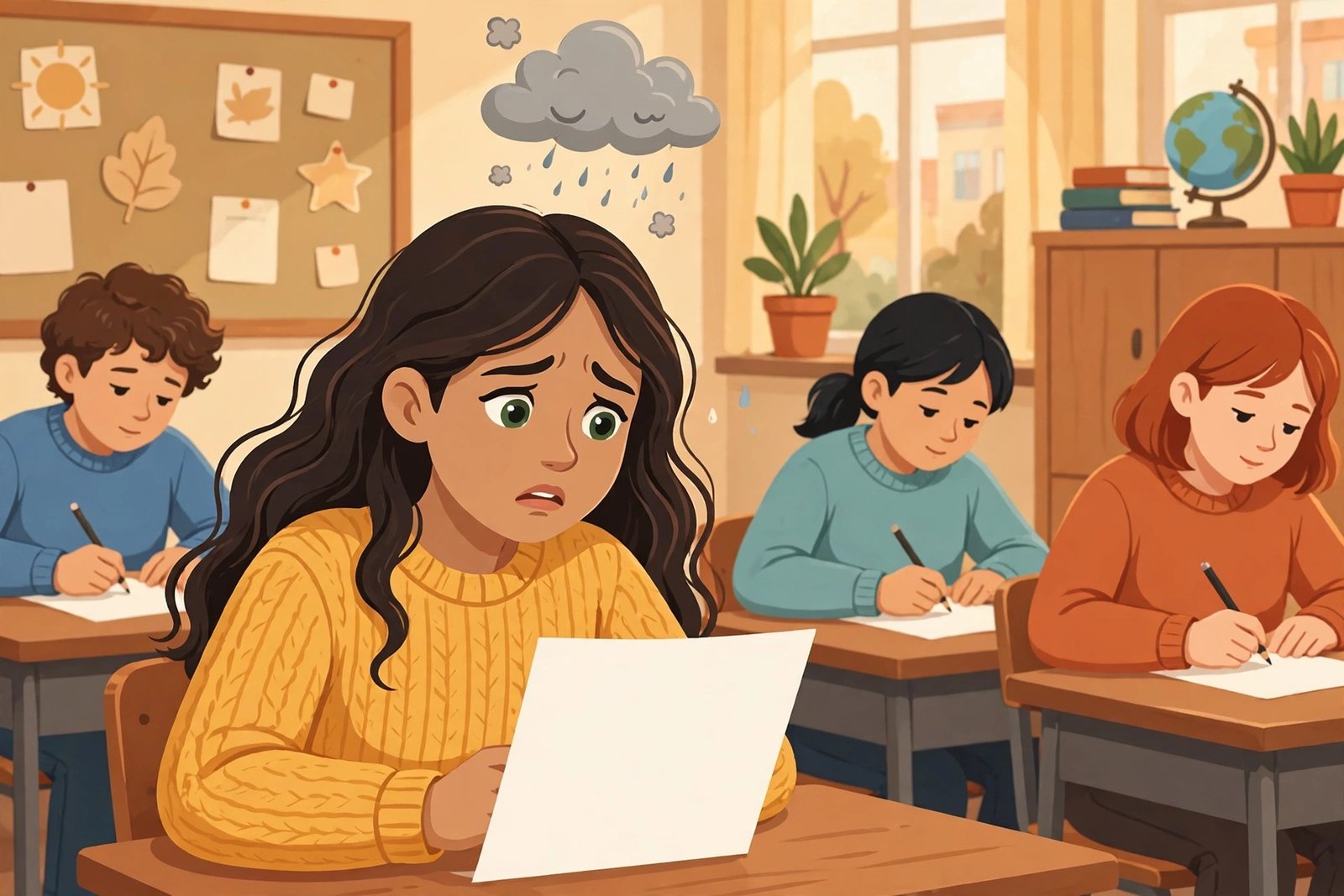
Let’s look closer at those feelings, because each one needs a slightly different key. The most common is boredom. Some tasks are just dull: copying notes, memorizing dates, tidying data. Your brain, built to chase interest, slides off them like water off a raincoat. It’s not defiance. It’s wiring.
Second is confusion. A task you don’t understand feels like a wall with no door. “Write an essay on the novel” can freeze you for days if you don’t know what a good one even looks like. The freeze isn’t about effort. It’s about not knowing the first move. Unclear tasks are the most avoided tasks on earth, in classrooms and offices alike.
Third, and biggest, is fear of judgment. Starting means your work can be seen, graded, compared. As long as you haven’t started, your ability is still a beautiful mystery. The moment you write paragraph one, the mystery is over. Delay protects your self image. It’s the same reason some girls would rather say “I didn’t even try” than “I tried and it wasn’t great.” Not trying keeps the dream safe.
The Psychology Today guide to why we procrastinate and how to stop puts it in a way that matches this exactly: procrastination usually isn’t poor time management at all. It’s often fear and avoidance underneath, or a task that simply hasn’t become a real priority in your brain yet. Feelings first, calendar second.
There’s also the deadline illusion. Distant deadlines feel fake. Your brain treats “due in three weeks” like “due in another lifetime,” so the task gets zero urgency until the deadline is close enough to smell. Then panic does the job motivation couldn’t. Panic works, sort of, which is why the habit survives. It has a success story, written at 1 a.m., in tears.
Knowing your personal mix helps. Are you mostly bored, mostly confused, or mostly scared of being judged? Your answer to why you delay is personal, and so is the most useful answer to how can I stop procrastinating. The next sections give you tools for all three, starting with the one that works even before you know your mix: the tiny start.
Keep your mix in mind as you read on. A bored brain needs interest, variety, and a finish line it can see. A confused brain needs the task translated into clear steps. A scared brain needs permission to be imperfect on the first try. All three are workable, and none of them means you lack discipline. Naming your mix is often the moment how can I stop procrastinating stops being a mystery and becomes a plan.
The Two Minute Start That Beats Motivation

Here’s the tool this whole guide leans on. When a task feels impossible to start, promise yourself two minutes. Not the task. Two minutes of the task. Open the doc and write one sentence. Read one page. Lay out the poster board and the markers. Two minutes is so small that your brain can’t build a scary story about it.
Why does this work so well? Because motivation mostly shows up after starting, not before. You wait to feel like doing homework the way you wait for weather. But action flips the order: start tiny, and the “I can actually do this” feeling arrives a few minutes later, like a late friend. Waiting for motivation is the trap. Starting is the exit.
There’s a second trick hiding inside the first. A two minute start kills the fog. Remember, avoided tasks feel huge and blurry. Two minutes of contact makes them concrete. The essay becomes four sections you’ve now seen. The project becomes a list you can point at. Concrete things can be planned. Fog can only be feared.
Make the promise real by saying it out loud or writing it: “Two minutes, then I can stop.” And honor the stop if you truly want it. Most of the time you won’t stop, because starting was the hard part and now you’re rolling. But the permission to stop is what gets you to start. Trick? A little. Effective? Very.
Try it on the classic cases. The messy room: two minutes of picking things off the floor. The unanswered message: two minutes to draft one reply. The revision you dread: two minutes rereading your notes. When girls ask how can I stop procrastinating, this is the first tool to hand them, because it works on the worst day, with the least energy, on the most hated task.
Pair it with one rule: no zero minutes. A day where you did two minutes beats a day of pure avoidance, every time. Two minutes keeps the thread alive between you and the task. Threads, pulled gently day after day, are how big things actually get finished.
Start tonight, with the task you’re avoiding most. Set the two minutes and watch what happens. Most girls report the same surprise: the dread was bigger than the task ever was. That surprise is the lesson your brain needed, and it only arrives after contact, never before it. It’s also why teachers and older sisters, when asked how can I stop procrastinating, so often give the same boring advice: just start, tiny.
Make the First Step Embarrassingly Small
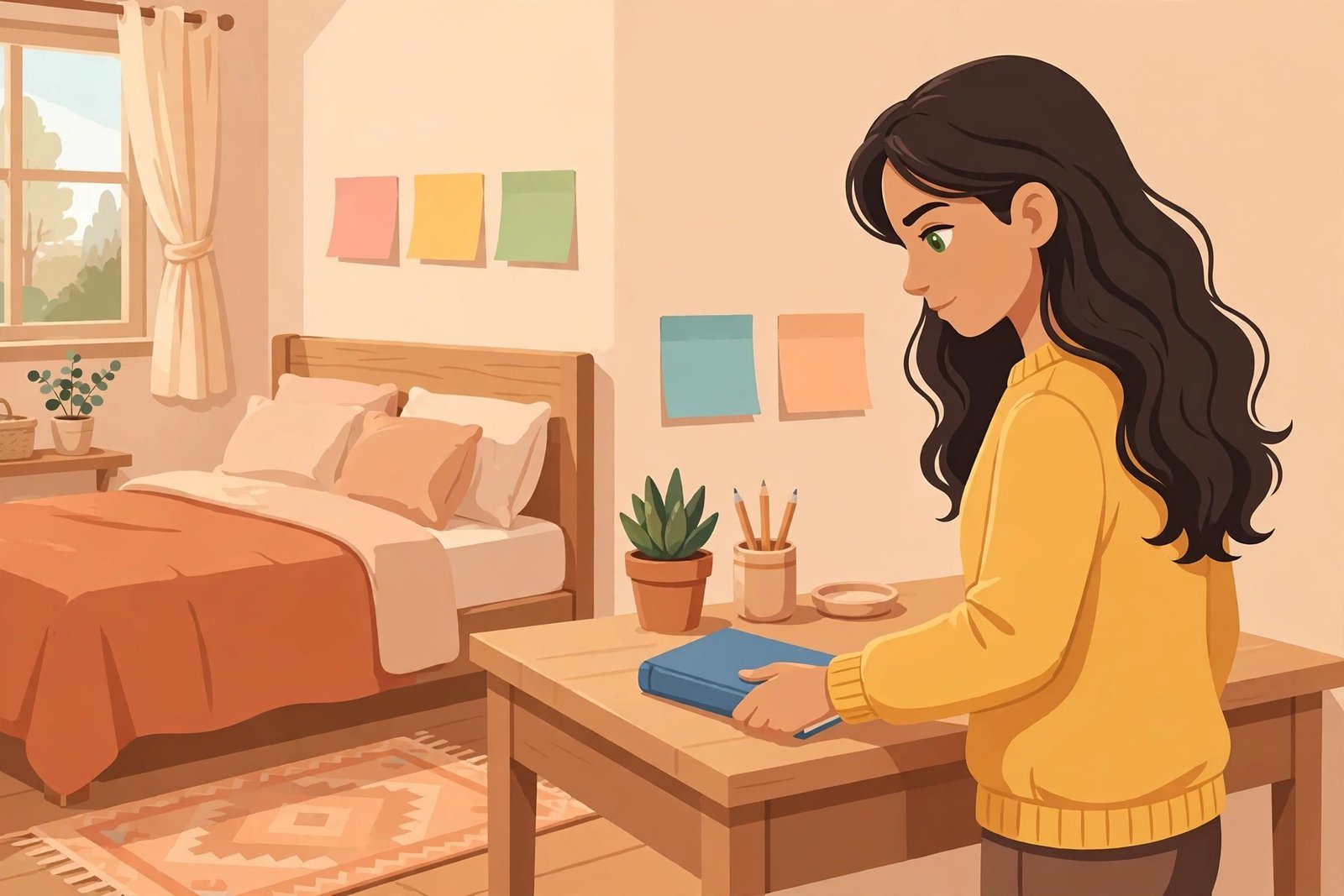
The two minute rule has a close cousin: shrink the first step until it’s almost funny. “Do the project” is not a step. It’s a cloud. “Open a blank page and type the title” is a step. Your brain avoids clouds and accepts steps. So translate every task into its smallest, dumbest, most obvious first move.
Try these translations. “Study for the test” becomes “read the first heading and say it back in my own words.” “Clean my room” becomes “put five things where they belong.” “Start the essay” becomes “write the worst first sentence in the world, on purpose.” That last one is gold. A bad sentence you can fix beats a perfect sentence that doesn’t exist.
Write the step down where you can see it. A sticky note on the laptop. A line at the top of the page. Your brain can’t argue with a step it can see, and checking it off gives a tiny, real win. Tiny wins are the bricks of momentum. If you’re building study habits in general, how to keep learning after school has more ideas for turning small sessions into a routine that sticks.
Here’s why the smallness matters so much. Your brain prices a task by its first step. If step one feels like a cliff, the whole task gets priced as a cliff, and avoidance wins. If step one is a curb, the brain shrugs and steps over it, and then keeps walking. You are not tricking yourself. You are pricing the job honestly, one step at a time.
This is also where perfectionism gets handled. If your first step is “write a rough, ugly draft of the intro,” there’s no standard to fear. Ugly is the assignment. Girls who delay because they fear judgment often find that permission to be bad on purpose is the key that finally turns.
So when you catch the old question, how can I stop procrastinating, do this: don’t answer it in words. Answer it by naming a step so small it makes you smile. Title on the page. Book on the desk. One paragraph read. Then do the step. The question gets quieter every time you answer it with your feet.
Try writing your next three steps this way, on paper, before your next study session. By the time you sit down, the question how can I stop procrastinating has already been answered by yesterday’s sticky note.
Fix Your Space So Starting Gets Easier
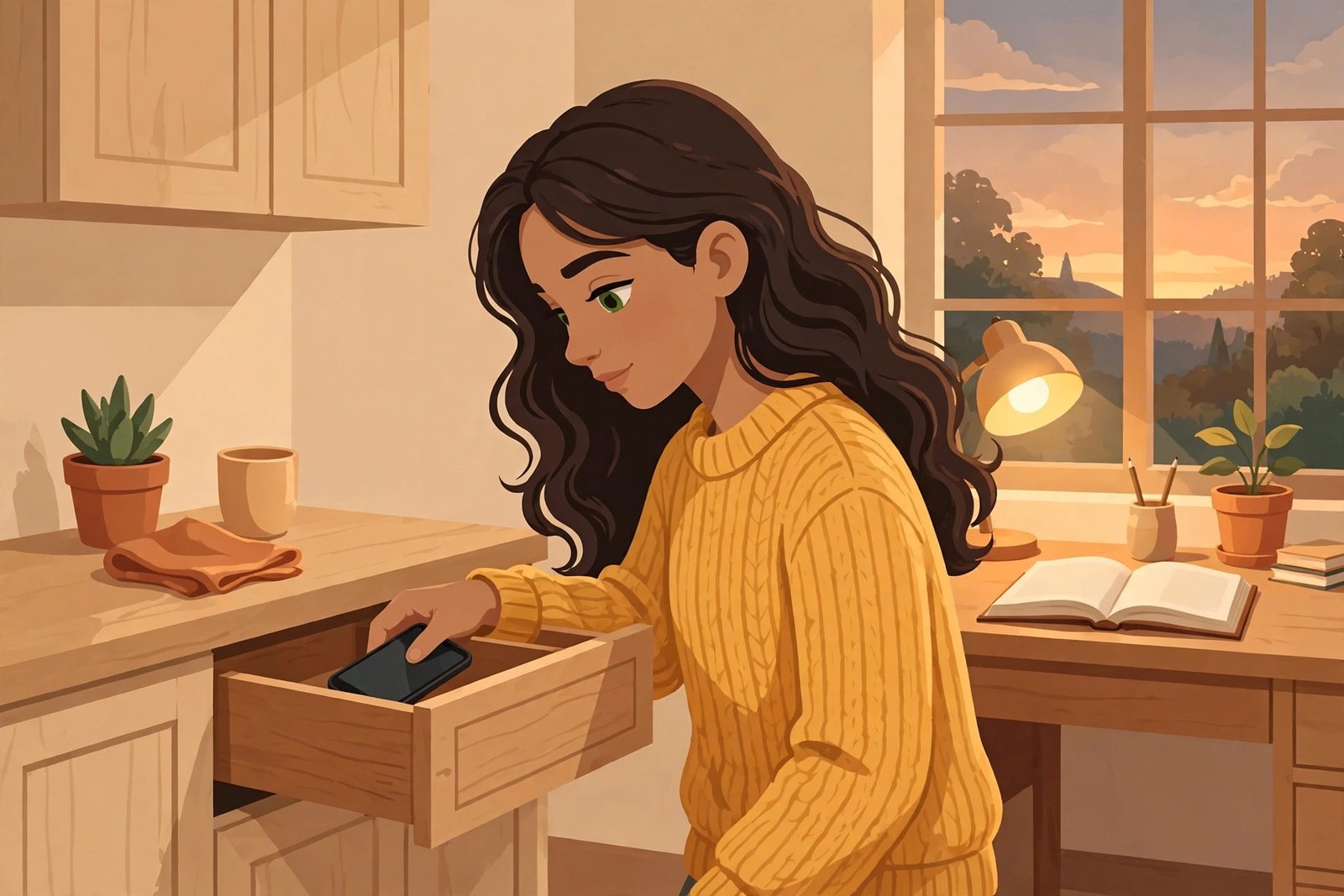
Willpower is a battery. Environment is a charger. If starting always requires a heroic effort, your space is set up wrong, and no amount of scolding yourself will fix the setup. Let’s make starting the easiest thing in the room.
First, the phone. It’s not about discipline. A phone on the desk is a slot machine that pays out in tiny social hits, and it will beat a worksheet for your attention almost every time. During a start, the phone goes in another room, or in a bag, face down and far. Out of sight isn’t a metaphor. Attention follows eyes. Move the bait, keep the brain.
Second, stage the task the night before or right after school. Book open to the right page. Doc open on the laptop. Materials out. A staged task whispers “just continue,” while a buried task demands setup work before the work. Setup is where starts go to die. Every teacher who leaves materials ready knows this trick. Steal it.
Third, pick one start place. The same corner, the same chair, the same playlist if music helps you. Brains love cues. When the cue is always the same, sitting down starts to feel like the beginning of the routine instead of a battle. This is exactly why building a morning routine that protects your energy works for grown ups too: the routine decides, so you don’t have to.
Fourth, lower the comfort of the alternative. If the bed is made and boring and the desk is bright and ready, the desk wins more often. You won’t out discipline a cozy bed plus a phone plus an unopened book. So don’t fight that lineup. Change it.
None of this is glamorous, and all of it works quietly in the background. When girls wonder how can I stop procrastinating, they usually expect a mindset answer. Half the real answer is furniture, light, and a phone in the kitchen. Set the stage once, and every start after that costs you less.
Do a two minute room reset before your next session and feel the difference. A clear desk, a staged book, a phone in the kitchen. It reads like housekeeping, but it’s actually the first step of the work itself, the step that makes how can I stop procrastinating a much smaller question.
Time Blocks That Feel Kind, Not Strict

Once you can start, the next question is how long to work. Long, vague sessions (“study until it’s done”) scare the brain and invite drifting. Short, clear blocks do the opposite. A block has a beginning, an end, and a size your brain can agree to. Twenty minutes is a classic. Ten works on bad days.
Work like this: set a timer for twenty minutes, do only the task, and when it rings, take a real five minute break. Move, drink water, look out the window. Then decide, honestly, if you’ll do one more block. Most days you will, because the first block proved the task isn’t a monster. The promise of a near finish line keeps your brain cooperative.
Kindness is built into the design. The block ends whether you “deserve” a break or not. Breaks are part of the system, not a prize for suffering. That one change kills the martyr math that makes girls work in miserable marathons and then avoid the task for days after. Steady and kind beats heroic and rare.
Use blocks to plan backwards from deadlines too. A project in six blocks is a friendly object. You can place two blocks on Tuesday, two on Thursday, two on Saturday, and suddenly the night before the deadline is for sleeping. Planning backwards turns panic into a schedule, and schedules are how calm people seem so calm. They’re not calmer by nature. Their work is just spread out.
What about the days when even one block feels impossible? Shrink the block, not your standards for yourself. A five minute block with full attention is a real block. The system bends so it doesn’t break. A system that survives your worst week is worth ten systems that only work on your best one.
This is, in the end, the mechanical answer to how can I stop procrastinating: starts so small they can’t scare you, blocks so kind you’ll repeat them, and a plan that spreads the work before panic has to. Motivation was never the engine. The system is the engine, and you just built it.
Write your blocks in a planner or on a sticky note, where tomorrow’s brain can see them. Deciding once, on paper, beats deciding again every afternoon. That’s a quiet secret behind how can I stop procrastinating for good: fewer decisions, more doing.
How to Finish Without the All Night Panic

Let’s talk about the night before, because that’s where procrastination collects its payment. The all night scramble feels dramatic and even a little exciting. It’s also the reason the habit keeps its grip: your brain learns “we always pull it off,” and files that as proof that delaying is fine.
Be honest about the price. The work you produce at 1 a.m. is rarely your best. You know it when you hand it in. Your body pays too: the next day runs on fumes, your mood dips, and the next task feels even heavier, which starts the whole loop again. The panic finish doesn’t just end a task. It seeds the next delay.
So aim for a different kind of finish line: done the evening before, at a boring hour, with time to look it over. That calm finish feels almost anticlimactic the first time. Then you notice you slept. You notice the work is better. You notice you’re not dreading the subject anymore. Calm finishes retrain your brain faster than any lecture.
When you do slip, and you will, run the rescue protocol instead of the shame spiral. Ask: what’s the smallest piece I can finish first? Do that piece. Then the next. Triage is a skill, and a rescued B teaches you more than a perfect plan you abandoned. Afterward, write one line about what made you delay. Patterns you can see are patterns you can change.
Also, protect the morning after a big finish. Hand it in, and let the day be ordinary. No victory lap of three new commitments. Habits grow in ordinary days, not in dramatic ones.
Here’s the truth to carry out of this guide. You were never asking how can I stop procrastinating because you’re lazy. You were asking because you care about your work and hate how the delay feels. That caring is the fuel. Add a tiny start, a kind block, and a staged desk, and the fuel finally has an engine. Start with two minutes today. Yes, today. The book is right there, and future you is already grateful. And when the old question how can I stop procrastinating shows up again tomorrow, you’ll have an answer ready, because you lived it today.
Frequently Asked Questions
Why do I wait until the last minute every single time?
Because distant deadlines feel fake to your brain. A due date in three weeks registers as almost no pressure, so the task gets no urgency until the deadline feels real. Then panic supplies the push that planning didn’t. It works just well enough to keep the habit alive. The fix is making the work feel near: break it into blocks, put the blocks on real days, and start with two minutes now. When you practice how can I stop procrastinating this way, the last minute stops being your only engine.
Does the two minute rule actually work on big tasks?
Yes, because it isn’t really about the two minutes. It’s about breaking the seal. Big tasks feel like fog, and fog is what your brain avoids. Two minutes of contact turns the fog into a list of real steps, and real steps can be scheduled and finished. Most of the time you’ll keep going past two minutes, because starting was the hard part. And on the days you stop at two, you’ve still kept the thread alive. Small, daily contact is exactly how big tasks quietly get done.
What should I do when a task feels too big to start?
Shrink it until the first step feels almost silly. “Do the project” is a cloud, not a step. “Type the title and list three ideas” is a step. Your brain prices the whole job by its first step, so a tiny first step makes the whole job feel cheaper. Write the step on a sticky note so you can see it. Then do only that step. If you keep wondering how can I stop procrastinating on this one task, this translation trick is your answer: smaller, visible, done.
How do I stop my phone from eating my start?
Don’t fight it with willpower. Move it. During a start or a work block, your phone belongs in another room or zipped in your bag, face down. Attention follows your eyes, and a glowing screen wins against a worksheet almost every time. Tell your friends you’re in a block if you need to. Twenty quiet minutes won’t cost you a friendship. It will buy you a finished task and a calmer evening, which is a trade worth making every single school day.
Will I ever stop procrastinating completely?
Probably not completely, and that’s fine. Even organized adults delay sometimes. The goal was never a perfect record. The goal is a shorter gap between “I should start” and actually starting, plus finishes that don’t cost you a night of sleep. When you ask how can I stop procrastinating, what you’re really building is trust in yourself: proof, collected in two minute starts and kind little blocks, that when you say you’ll begin, you begin. That trust changes everything it touches.