
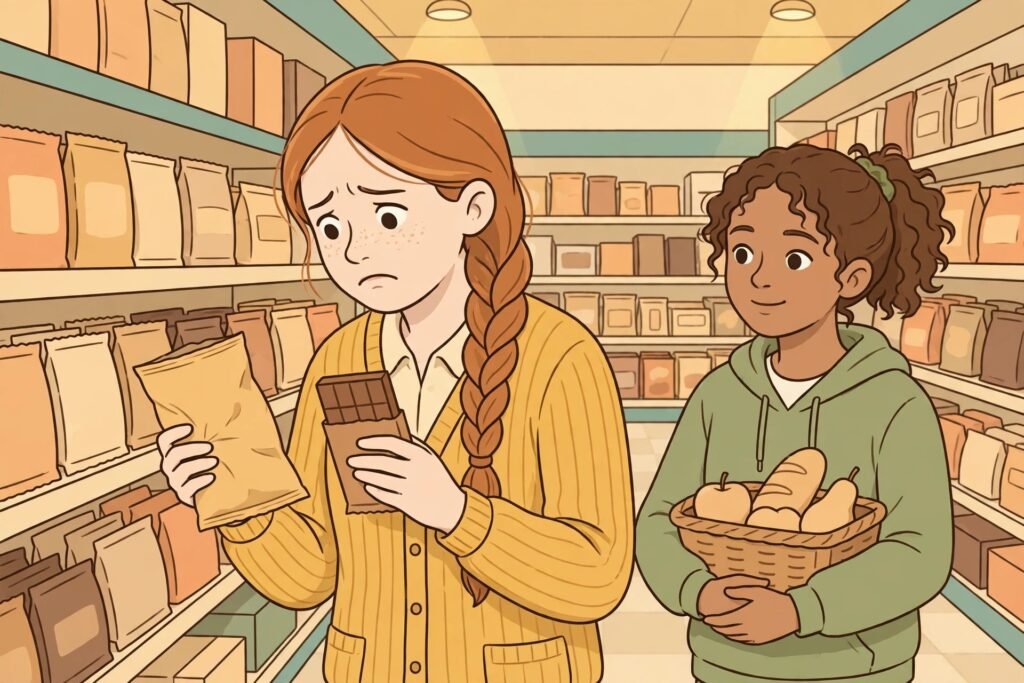
You’re standing in front of the snack shelf and your brain just stops. Chips or chocolate? Chocolate or chips? The friend next to you grabbed hers ten minutes ago. You’re still holding both, like you’re defusing a bomb. And under the small panic, the same old thought pops up: why am I never able to make a decision?
It’s not only snacks. It’s the blue top or the black one. It’s answering a text with yes or no. It’s picking a seat, a song, a plan for Saturday. Tiny choices, normal choices, and somehow each one feels heavy. Meanwhile everyone around you seems to decide in two seconds and move on with their day.
The worst part isn’t even the freezing. It’s what comes after. You replay the moment in the shower. You ask yourself what’s wrong with you while your friend is already three topics past it. A ten second choice turns into an evening of self criticism. That’s a heavy price for a snack, and it’s the part nobody sees when they roll their eyes and say “just pick one.”
If you keep asking why am I never able to make a decision, please hear this first. You’re not broken. You’re not dramatic. And you’re definitely not the only one. Indecision is a super common thinking habit, especially in the teen years, when your brain is still building the part that weighs options. It feels awful, but it’s a habit, and habits can be understood.
This guide is here to do exactly that. We’ll look at what’s really going on when you freeze. We’ll talk about the fear of regret, the trap of too many options, and why your brain treats a snack choice like a threat. Then we’ll get practical, with small tricks that make choosing easier, even when friends are waiting and tapping their feet.
By the end, the question why am I never able to make a decision should feel less like a verdict on you and more like a puzzle with pieces you can move. You don’t need a new personality. You need a kinder way to choose, and a little proof that you can.
The Short Answer
The short answer to why am I never able to make a decision is this: your brain is trying to protect you from regret. Choosing feels risky because every choice closes a door. Your brain would rather keep all the doors open than risk walking through the wrong one. So it stalls. It compares. It asks everyone else. It waits for a perfect option that never shows up.
That protection backfires, of course. Not choosing is also a choice, and it usually feels worse. The group picks the movie without you. The good seats are gone. The moment passes, and you end up mad at yourself for freezing again. The freeze isn’t laziness or weakness. It’s fear wearing a very convincing disguise.
The good news is that deciding is a skill, not a talent you’re born with. People who seem fast at choosing aren’t fearless. They’ve just learned, often without noticing, that most choices are small, fixable, and way less final than they feel. When you understand why am I never able to make a decision in your own head, you can start practicing the same calm, one tiny choice at a time.
Start small on purpose. Pick the snack. Pick the song. Let it be imperfect. Every quick, good enough choice teaches your brain that deciding is safe. That’s how the habit loosens. Not in one big brave moment, but in dozens of tiny ordinary ones.
It Is Not About the Size of the Choice
Here’s the first surprise. The freeze doesn’t care how big the choice is. You can stall just as hard on a sandwich as on a school project topic. That’s because your brain isn’t weighing the choice itself. It’s weighing the feeling that comes with it. And that feeling is almost the same size every time.
Think about your last few freezes. Maybe it was two nearly identical nail polish colors. Maybe it was whether to text “haha” or an actual answer. Maybe it was choosing which friend to sit with at lunch, while both of them waved at you. None of those can ruin your life. All of them can ruin your next twenty minutes, because the pressure feeling doesn’t scale down.
This is why am I never able to make a decision confuses so many girls. From the outside, it looks silly. “It’s just chips.” From the inside, it feels like a test you might fail. Your brain has linked choosing with being judged, being wrong, being stuck with the result. The link fires no matter what the choice is about.
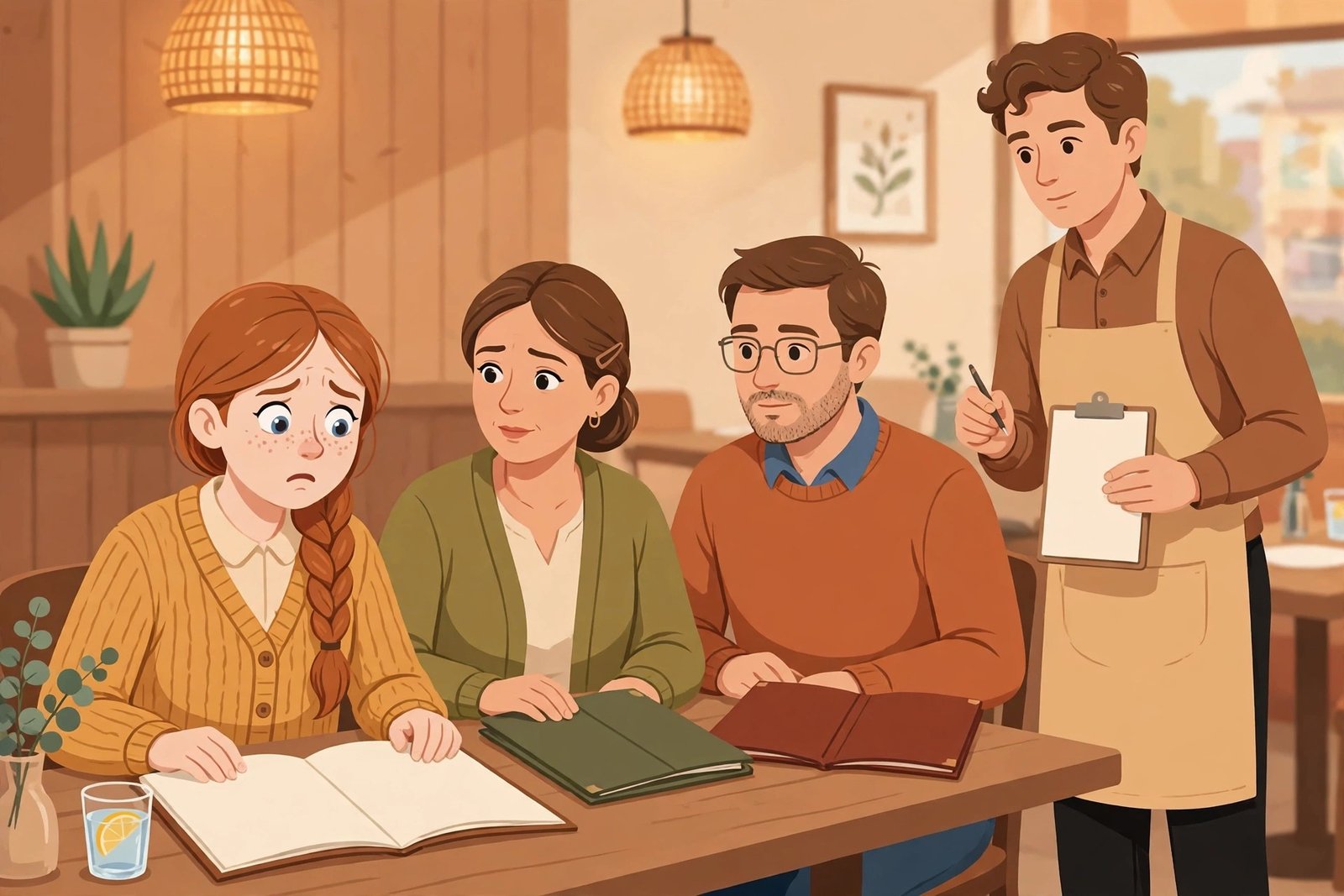
There’s a scene almost everyone knows. You’re at a restaurant with your family. The waiter is standing there, pen ready. Everyone has ordered. You have read the menu four times and retained nothing. Your heart speeds up. You blurt out the first thing your eyes land on, then spend the whole meal eyeing your sister’s plate. The food was never the problem. The spotlight was.
Once you see that the size of the choice is not the point, the shame shrinks a little. You’re not a person who can’t handle big things. You’re a person whose alarm rings for every choice, big and small. Alarms can be retrained. That’s very different from being broken, and it’s why am I never able to make a decision has real answers instead of just “try harder.”
So stop grading your freezes. A girl who freezes on snacks and a girl who freezes on career paths are dealing with the same alarm. The work is the same too: calm the alarm, shrink the choice, and practice choosing while it’s still small and safe.
And the next time someone sighs “just pick one” like you’re doing this on purpose, remember the honest answer to why am I never able to make a decision is almost never about the thing itself. It’s about everything your brain has quietly taped to the thing.
The Real Fear: Choosing Wrong and Regretting It
Under almost every freeze, there’s one fear doing most of the work. It’s the fear of regret. Not “this might be bad,” but “I will pick wrong, I’ll know I picked wrong, and I’ll have to live with it while everyone sees.” Regret feels personal. It feels like proof about you.
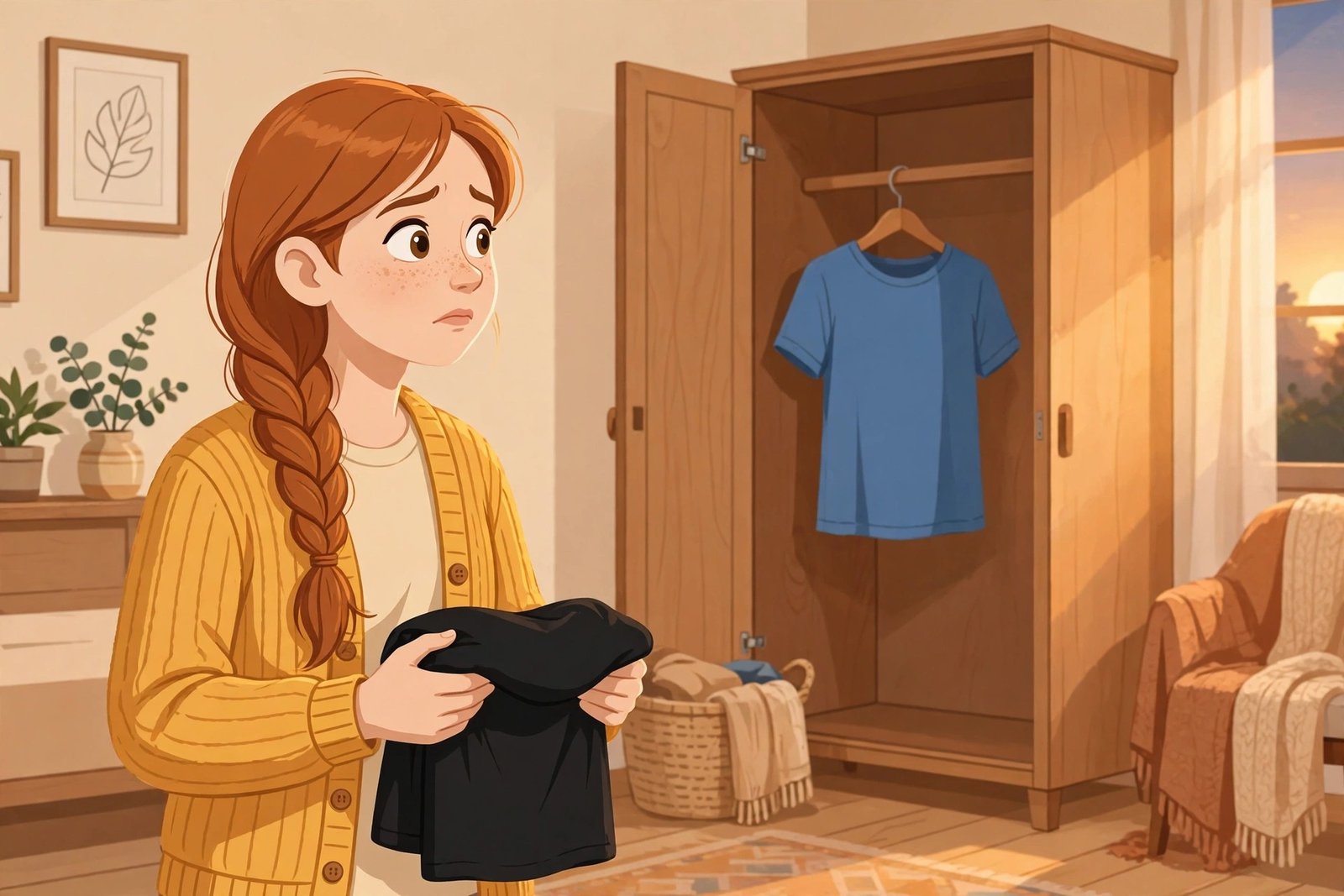
Watch how fast regret shows up. You buy the black top. At home, you instantly wish you’d bought the blue one. You join one plan, then see photos from the other plan and your stomach drops. The choice was fine. Both choices were fine. But your brain grades the road you didn’t take as perfect and the road you took as a mistake. That grading habit is a huge part of why am I never able to make a decision feels so true.
Here’s the trick your brain never mentions. The other option only looks perfect because you never lived it. The blue top might have itched. The other party might have been boring by nine. You compare your real choice, with its real flaws, against a fantasy choice with no flaws at all. No real option can win that contest. So you learn to fear choosing, because choosing always seems to end in regret.
The fear grows when other people’s opinions join in. If a choice flops and a friend says “told you so,” the regret gets an audience. That’s why so many freezes happen in public, in group chats, in lines. If you struggle with that layer too, read how to stop overthinking what others think of you, because the fear of being watched and the fear of choosing feed each other all day long.
One more thing about regret. It fades. Think of a “wrong” choice you made last year. A bad haircut, a dull movie, a wasted Saturday. Where’s the pain now? Mostly gone, maybe even a funny story. Regret shouts in the moment and whispers later. Your brain forgets to tell you that part when you’re frozen at the shelf.
So when you ask why am I never able to make a decision, a honest piece of the answer is: because you’ve taught yourself that wrong choices hurt forever. They don’t. They hurt briefly, they teach quickly, and then they let you go. The freeze, oddly, hurts longer than most wrong choices ever do.
Too Many Options Can Freeze Anyone
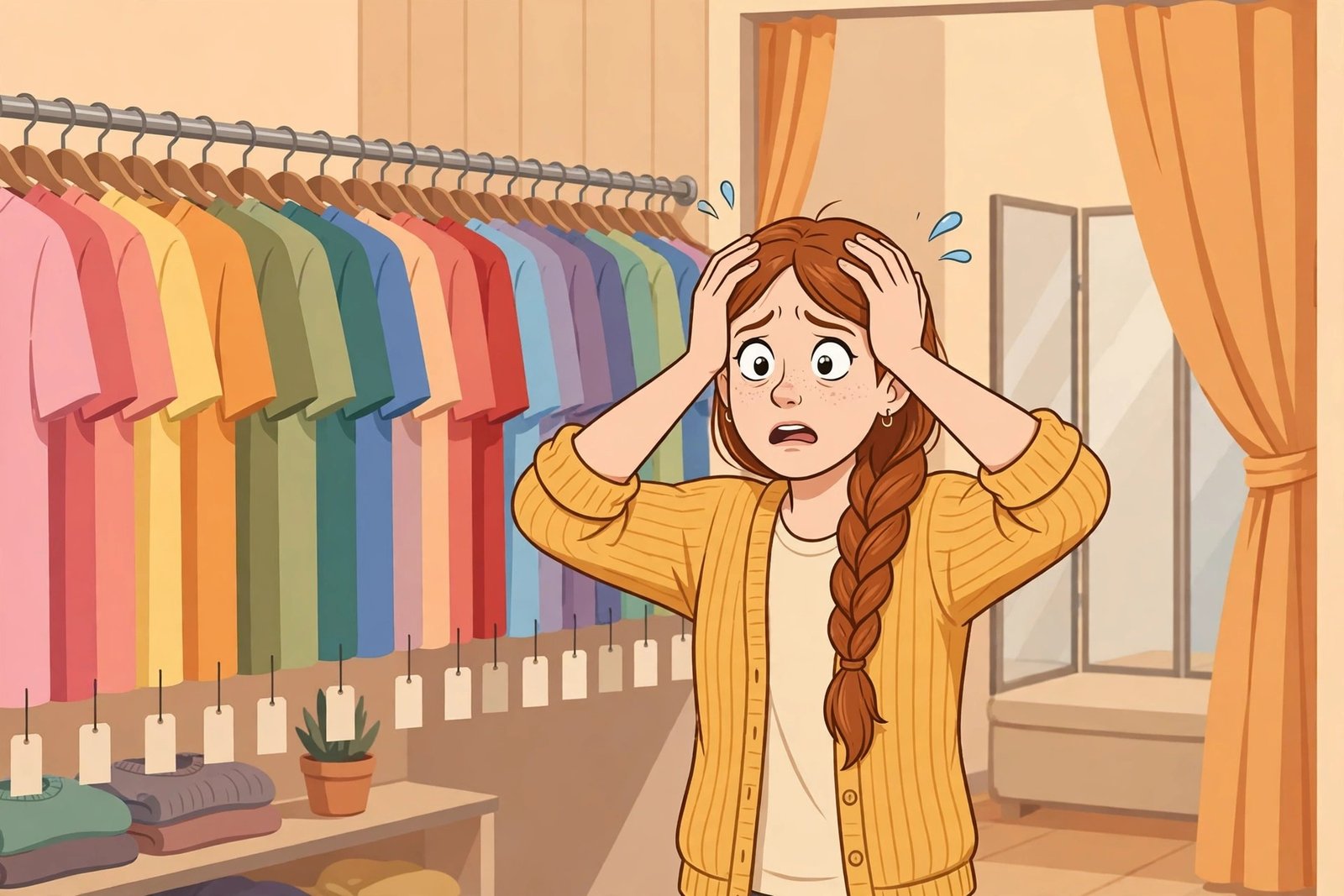
Sometimes the problem isn’t fear. It’s math. Your brain has a limit on how many options it can compare at once, and modern life blows past that limit before breakfast. Forty kinds of cereal. Two hundred songs. A whole internet of gift ideas for your best friend’s birthday. Of course you freeze.
There’s a classic scene in clothing stores. Two tops? You’d pick one in a minute. Twelve tops in your size, all decent, all on sale? Suddenly you’re in the fitting room for an hour and leaving with nothing. More options don’t make choosing easier. Past a certain point, each new option makes the decision heavier, because now you might miss the best one.
This is well known enough that it has fans among people who study decisions for a living. The Psychology Today overview of decision making explains ideas like choice overload and the difference between hunting for the perfect option and settling for a good one. The short version: brains that demand the best option freeze far more than brains that accept good enough.
That “good enough” idea matters a lot. Some people are maximizers. They need the best snack, the best seat, the best possible plan, and they can’t rest until they’re sure. Others are satisficers. They set a simple bar, like “tasty and cheap,” and grab the first thing that clears it. Satisficers aren’t careless. They’re free. And freedom, here, is a choice you can copy.
You can feel this in group plans too. A group chat with three movie options settles fast. A group chat where everyone keeps adding options dies in a pile of “idk, anything.” The chat didn’t get worse friends. It got more options than a casual Friday night can hold. If you’ve ever walked out of a store empty handed after a full hour in the fitting room, you’ve lived this. For a lot of girls, that overload is the real story behind why am I never able to make a decision.
So part of why am I never able to make a decision is simply the world handing you too many tabs open at once. The fix isn’t a stronger brain. It’s fewer tabs. Limit the list before you choose from it. Three options, max, for everyday things. You’ll be shocked how often the freeze just melts when the menu gets shorter.
Your Brain Is Trying to Protect You
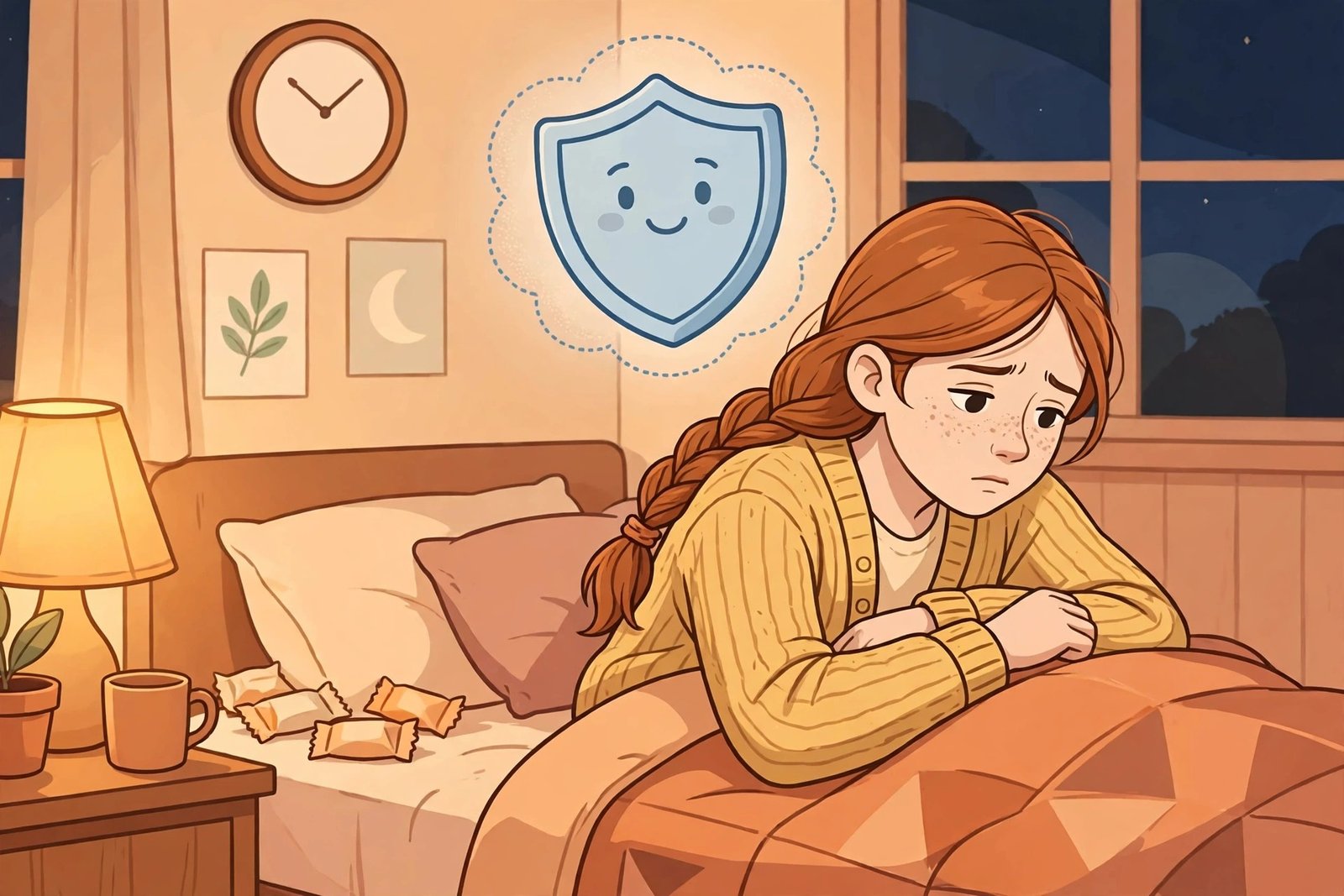
Let’s be fair to your brain for a minute. It isn’t stalling to annoy you. It’s running an old protection program. Long ago, wrong choices could cost a lot: the wrong food, the wrong path, the wrong stranger. A brain that paused and scanned for danger kept its owner alive. Your brain still scans. It just does it in a snack aisle.
That scan has a name you might recognize: overthinking. Faced with a choice, your brain starts listing what could go wrong with each option. The list feels responsible. It feels like care. But past a few real points, the list stops informing you and starts trapping you. You’re not gathering facts anymore. You’re feeding the alarm.
There’s also a quieter player here: tiredness. A tired, hungry, or stressed brain decides badly and knows it, so it delays. That’s why choices feel ten times harder at night, during exam weeks, or when you’re already upset about something else. The freeze isn’t always about the choice. Sometimes it’s a low battery warning. That’s one more honest answer to why am I never able to make a decision, and it has nothing to do with the options in front of you.
And sometimes it’s about caring. Girls who freeze a lot often care a lot: about friends’ feelings, about fairness, about not hurting anyone with their pick. If your choice affects the group, your brain tries to compute everyone’s happiness before choosing. That’s kind, but it’s an impossible job, and the computer jams.
Seeing the protection program for what it is changes the question. Instead of “what’s wrong with me,” you can ask “what is my brain scared of here?” That small shift is powerful. When you ask why am I never able to make a decision with curiosity instead of shame, the answer stops being an insult and starts being information.
None of this means you should obey the alarm forever. Protection is a tool, not a boss. A smoke alarm is useful, but you don’t let it cook dinner. You can thank your brain for the warning, check for real danger, and then choose anyway. That sentence, repeated often, is how alarms get quieter.
Small Tricks That Make Choosing Easier
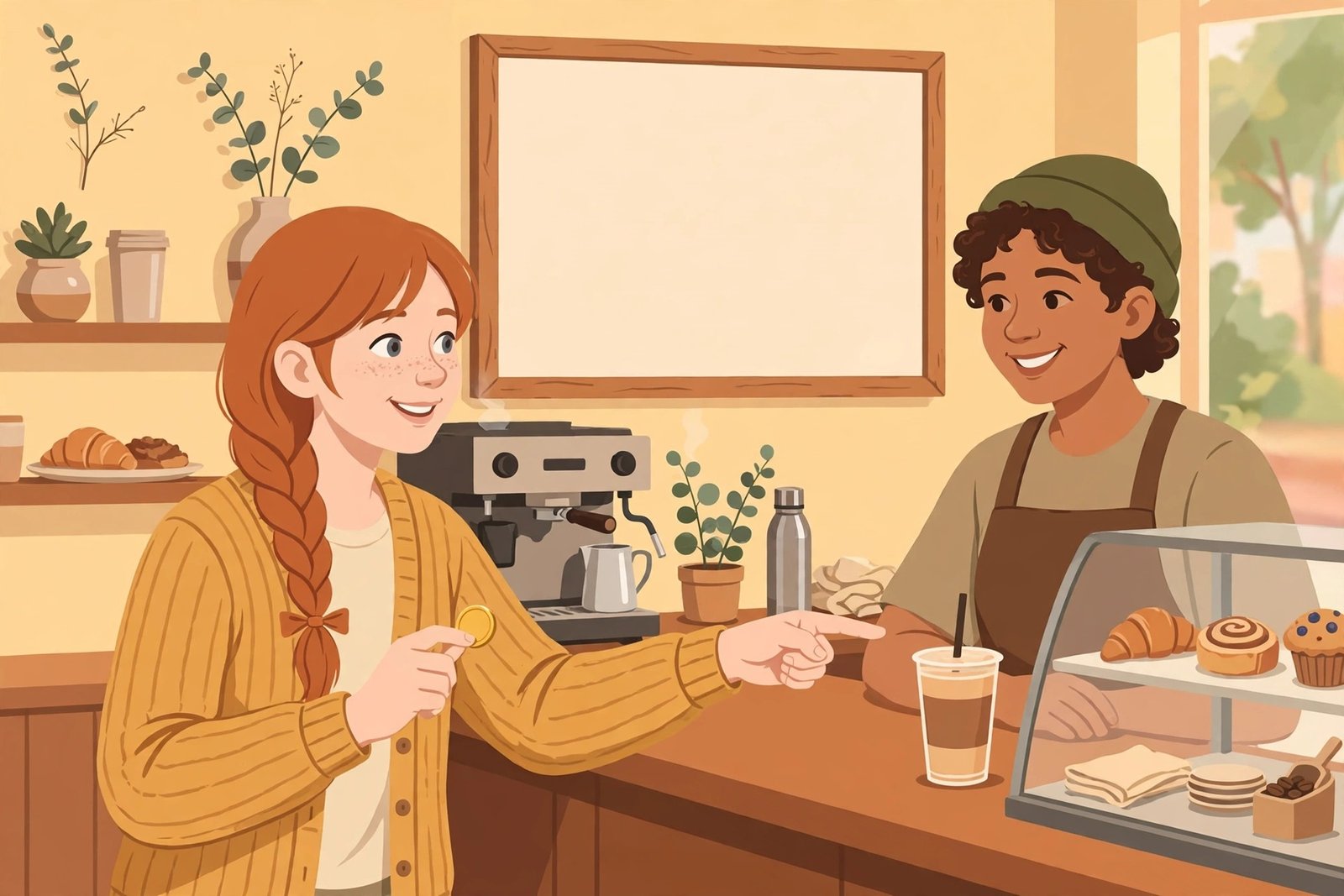
Enough theory. Let’s get your hands on some tools. None of these are magic. All of them shrink the choice until your brain can lift it. Pick two or three that fit your life and use them until they feel boring. Boring is good. Boring means the alarm is off.
First, the two option rule. Never choose from the whole shelf. Narrow it to two finalists first, even if you do it fast and sloppy. Chips or chocolate. Blue or black. Then choose between two, which a tired brain can actually do. Almost every freeze is a too-many-options freeze wearing a costume.
Second, set a tiny timer. Give small choices sixty seconds, medium ones ten minutes. When the timer ends, you pick the current front runner. This sounds silly until you try it. A deadline turns “forever stuck” into “good enough, done.” Most everyday choices deserve a minute, not an evening.
Third, use the coin flip trick the smart way. Flip a coin for two options. Then notice your feelings when you see the result. Relieved? Disappointed? That flash of feeling is data. You knew what you wanted; you just needed permission to want it. The coin doesn’t decide. It reveals.
Fourth, ask the future you question. “Will this matter in a week?” Snack, seat, song, outfit: almost never. If it won’t matter in a week, it doesn’t deserve more than a minute today. Save your deep thinking for choices with real shadows, like subjects, friendships, and safety.
Fifth, decide in advance where you can. Always order the same coffee. Always sit in the second row. Pre-deciding boring repeats removes dozens of micro freezes from your day, so you have energy left for the choices that actually deserve it.
When you practice this stuff, the question why am I never able to make a decision starts changing shape. It becomes “which trick fits this freeze?” That’s progress. You stop fighting your whole personality and start handling one small moment at a time, which is the only way habits have ever changed.
None of these tricks ask you to become a different person, either. They work because they shrink the moment until it fits in your hands. A shrunken choice doesn’t trigger the alarm. And every time you choose without the alarm, why am I never able to make a decision gets a little less true. You’re collecting proof, one ordinary pick at a time, that your choices rarely hurt you and often turn out fine.
How to Decide When Other People Are Waiting
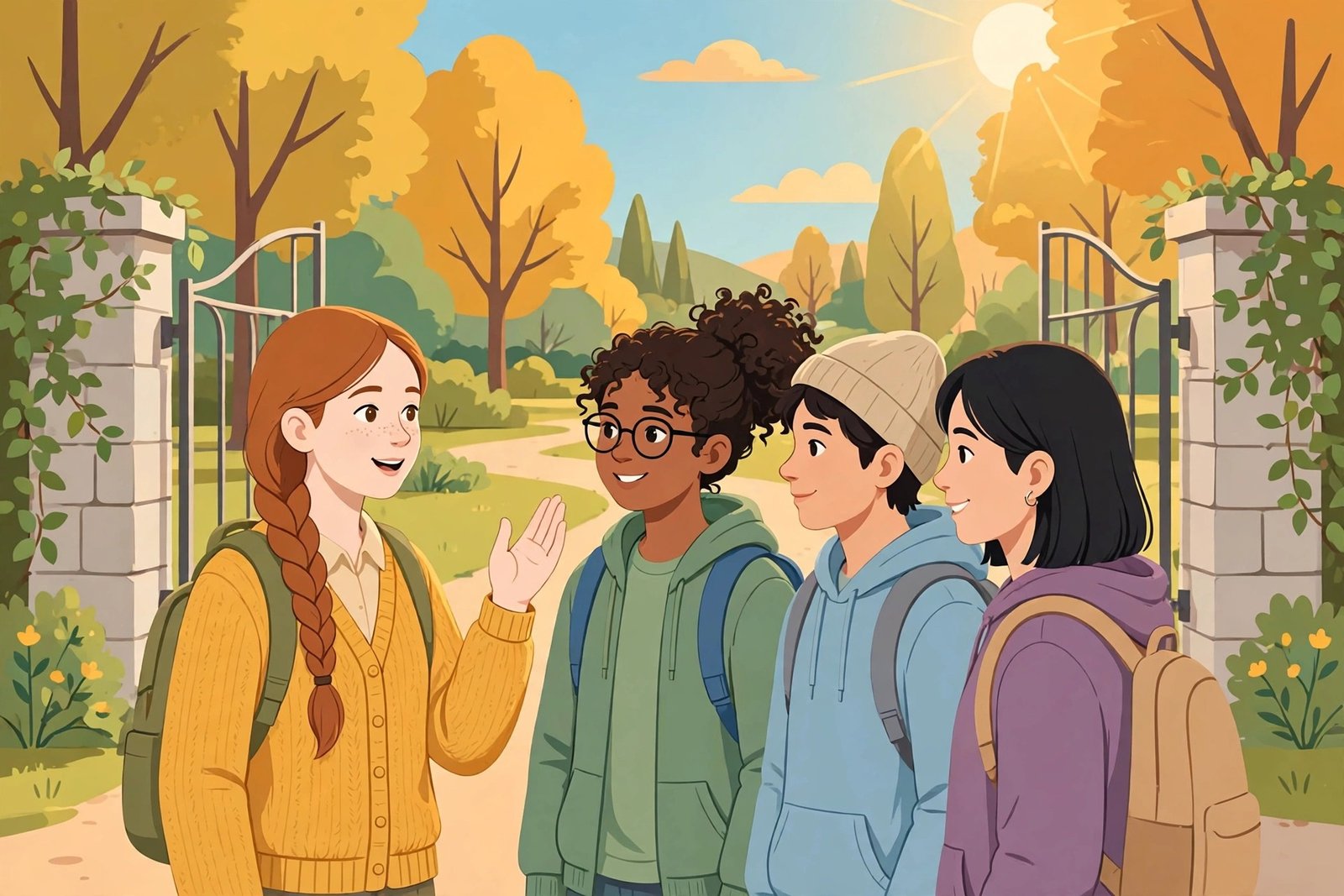
Public freezes are the worst ones. The line is moving. The group chat is typing. Your friend says “just pick one” in that tone. Pressure makes your brain louder and your thoughts slower, which is exactly backwards from what you need. So let’s build a few moves for deciding while watched.
Move one: buy yourself ten seconds with words. Say “Give me a sec, I’m torn between two.” That sentence does three jobs. It tells people you’re deciding, not ignoring them. It shrinks the choice to two, out loud. And it gives your brain one calm breath to actually work. People wait fine when they know what’s happening.
Move two: state a preference, even a small one. “I’m leaning toward the park.” Leaning counts. You don’t need certainty to speak. Half the time, the group just needs a direction to react to. Your wobbly preference often unfreezes everyone else too.
Move three: let go of the audience’s grade. Some girls freeze because they’re running a second decision underneath: “which choice makes me look good?” That hidden question doubles the work. If that sounds familiar, you’ll find real help in how to stop seeking other people’s approval, because choosing gets much lighter when looking good stops being the secret goal.
Move four: remember that asking for advice is fine, and outsourcing is different. A quick “which would you pick?” to one friend, then actually taking the answer, is a tool. Polling five people, getting five answers, and feeling worse is the trap. One voice, short deadline, then you move. That’s the pattern.
And if you get it “wrong” in public? Someone shrugs, someone teases for ten seconds, and the world keeps spinning. The horror story in your head, where everyone remembers your bad snack choice forever, is fiction. You don’t remember anyone else’s choices. They don’t remember yours. That fact, believed deeply, unfreezes half of social deciding on its own.
The deeper answer to why am I never able to make a decision around people is that you care about them. Keep the caring. Drop the mind reading. Choose out loud, imperfectly, and let your friends see a girl who decides. You’ll be amazed how many of them were waiting for someone to go first.
When Indecision Deserves a Bigger Conversation
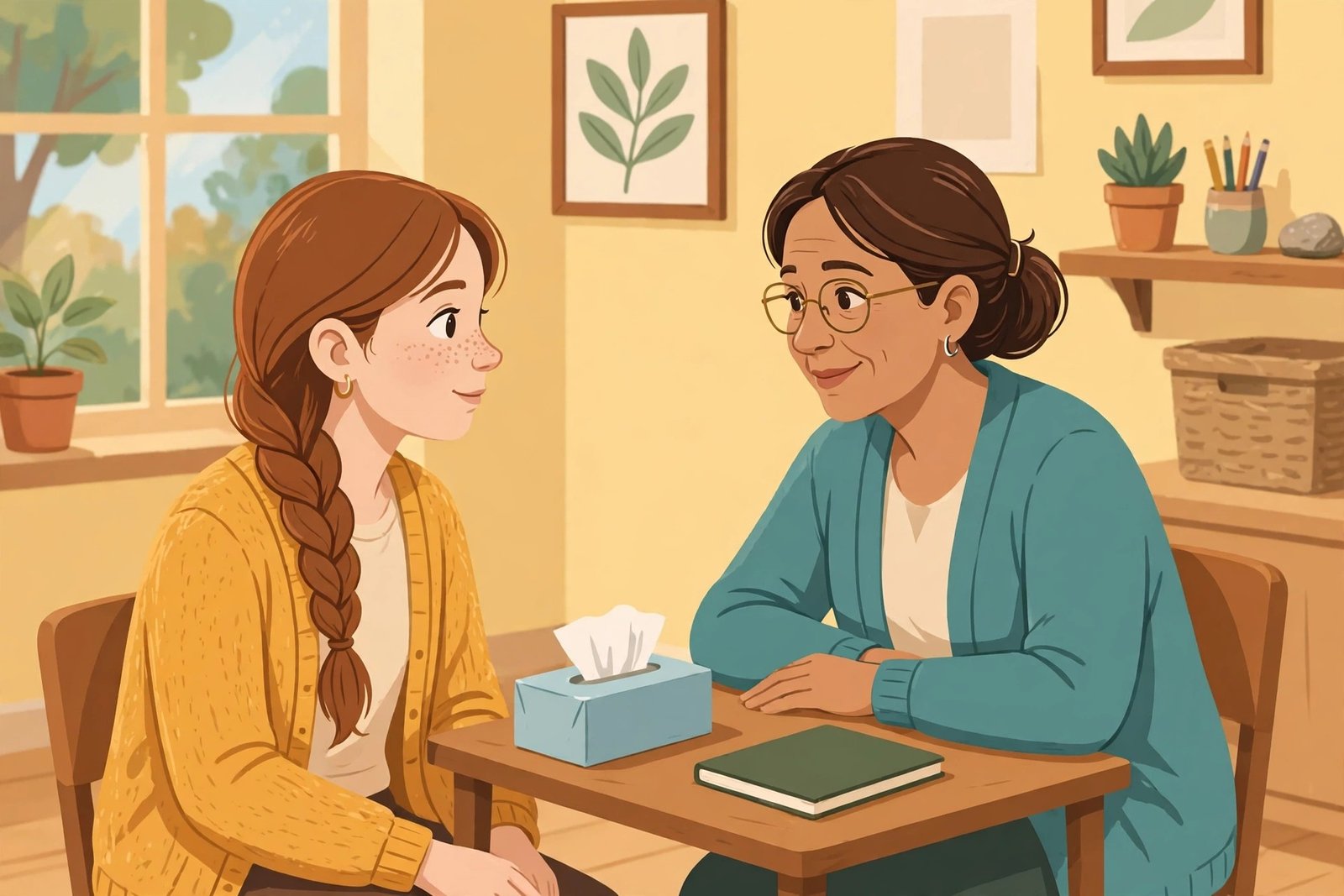
Most indecision is a habit, and habits respond to practice. But there’s a line worth knowing. Sometimes freezing stops being a quirk and starts shrinking your life. If that’s happening, it deserves more support than a list of tricks, and getting that support is a strength, not a failure.
Here’s what the other side of that line can look like. You miss chances you wanted because deciding felt impossible: the club signup, the trip, the class you were curious about. You cry over small choices, or your chest gets tight and your thoughts race until you shut down. You avoid whole situations, like eating out or shopping, just to escape choosing. Or the question why am i never able to make a decision follows you all day, every day, and your mood dips with it.
If anxiety about choices starts feeling paralyzing on a daily basis, please talk to a trusted adult or a school counselor. That’s the honest advice, and it’s the same advice you’d give a friend you love. A counselor has seen this freeze before. You won’t be the first girl sitting there saying she can’t even pick a sandwich, and you won’t shock anyone.
You can also reach out beyond school. In Canada, Kids Help Phone is there day and night at 1-800-668-6868, or you can text CONNECT to 686868. In Canada and the US, calling or texting 988 connects you to support any time. These lines are for heavy feelings, not only for emergencies. A freeze that makes you cry counts as a heavy feeling.
Talking about it out loud does something else too. It breaks the secrecy. Indecision thrives on the belief that you’re the only one who struggles this much. The first time a friend says “oh my god, same,” the spell cracks. Many girls carry this quietly. Very few are actually alone in it. Admitting why am I never able to make a decision to one safe person often cuts the shame in half before any trick even starts working.
So here’s the full picture of why am I never able to make a decision. Mostly, it’s fear of regret, too many options, and a protective brain doing overtime. All three can be worked with, gently, in small daily reps. And when the weight gets bigger than tricks, help exists and works. Either way, you are not stuck with this forever. Deciding is learnable, and you’re already learning it.
Frequently Asked Questions
Is it normal to freeze over tiny choices like snacks or songs?
Yes, completely normal, and far more common than people admit out loud. The freeze is rarely about the snack itself. It’s about the pressure feeling that choosing brings, and that feeling fires at almost the same strength for small and big choices alike. If you’ve been asking why am I never able to make a decision over the smallest things, take heart. The size of the choice was never the point. The alarm is the point, and alarms can be retrained with small, safe practice every day.
How can I choose faster when my friends are waiting on me?
Use words to buy time, then shrink the choice. Say “I’m torn between two, give me a sec.” That one sentence tells your friends you’re deciding and cuts the list down to two. Then pick the front runner before the moment gets heavy. You can also offer a leaning instead of a final answer: “I’m leaning toward the park.” A wobbly preference is still a decision, and it usually unfreezes the whole group, because most people are just waiting for someone to go first.
Does asking everyone for advice actually make it worse?
It can, yes. One quick opinion from one trusted person is a tool. A poll of five friends is a trap, because you end up with five different answers and more noise than you started with. Advice also trains your brain to hand the steering wheel away, which is why am i never able to make a decision keeps feeling truer over time. Try this instead: ask one person, set a short deadline, take the answer, and move on. Your own reps are what build the muscle.
What should I do when I regret a choice right away?
First, name what’s happening. Your brain is comparing your real choice against a fantasy version of the other one, and the fantasy always wins because it has no flaws. Remind yourself that the other option had costs you simply can’t see. Then give the choice a fair chance before judging it. Most regret fades within hours or days, and much of it turns into a story you laugh about later. Almost no everyday choice deserves the grief your brain predicts for it.
When is indecision a sign I should talk to an adult?
Talk to a trusted adult or counselor if deciding feels paralyzing most days, if you cry or panic over small choices, or if you start missing out on things you truly want because choosing feels impossible. If you’ve wondered why am I never able to make a decision and the question now follows you everywhere with a heavy mood, that’s exactly the moment support helps most. In Canada, Kids Help Phone answers at 1-800-668-6868, day and night, and 988 works across Canada and the US.