

Your friends are busy. The group chat is quiet. The afternoon stretches out in front of you, empty, and your first feeling is a small drop in your stomach. A whole afternoon alone? For a lot of girls, that sounds less like a gift and more like a problem. If an empty plan makes you uneasy, you’ve probably asked yourself how can I learn to enjoy my own company instead of just enduring it.
Here’s the good news first. Enjoying your own company is a skill, not a personality type. It isn’t something some girls are born with while the rest of us refresh our phones. It’s built, slowly, out of small good moments alone that teach your brain a new lesson: being with yourself can actually feel good. Learning how can I learn to enjoy my own company is really about collecting those moments until the lesson sticks.
And let’s be clear about the goal. This isn’t about becoming a hermit, or pretending you don’t need people. You do need people. Friends, family, laughter, long talks: all of that stays. This is about the other hours, the ones that are yours whether you choose them or not. Life will hand you solo time forever: waiting rooms, train rides, quiet Sundays, the years when friends move away and new ones haven’t arrived yet. When you know how can I learn to enjoy my own company, those hours stop being gaps in your life and start being part of the good stuff.
The Short Answer

You learn to enjoy your own company the way you learn anything: small steps, repeated kindly. Alone and lonely are not the same thing, and feeling awkward at first is normal, even for people who grow to love their solo time. The honest answer to how can I learn to enjoy my own company is to start tiny, fill the time with things that genuinely please you, and let the good moments add up. A solo walk with music you love. A treat you take yourself out for. A project that’s yours alone. Do that a few times and something shifts. The quiet stops feeling empty.
That’s how can I learn to enjoy my own company in real life: not in one big leap, but in small, kind, repeated proof.
Alone and Lonely Are Not the Same Thing
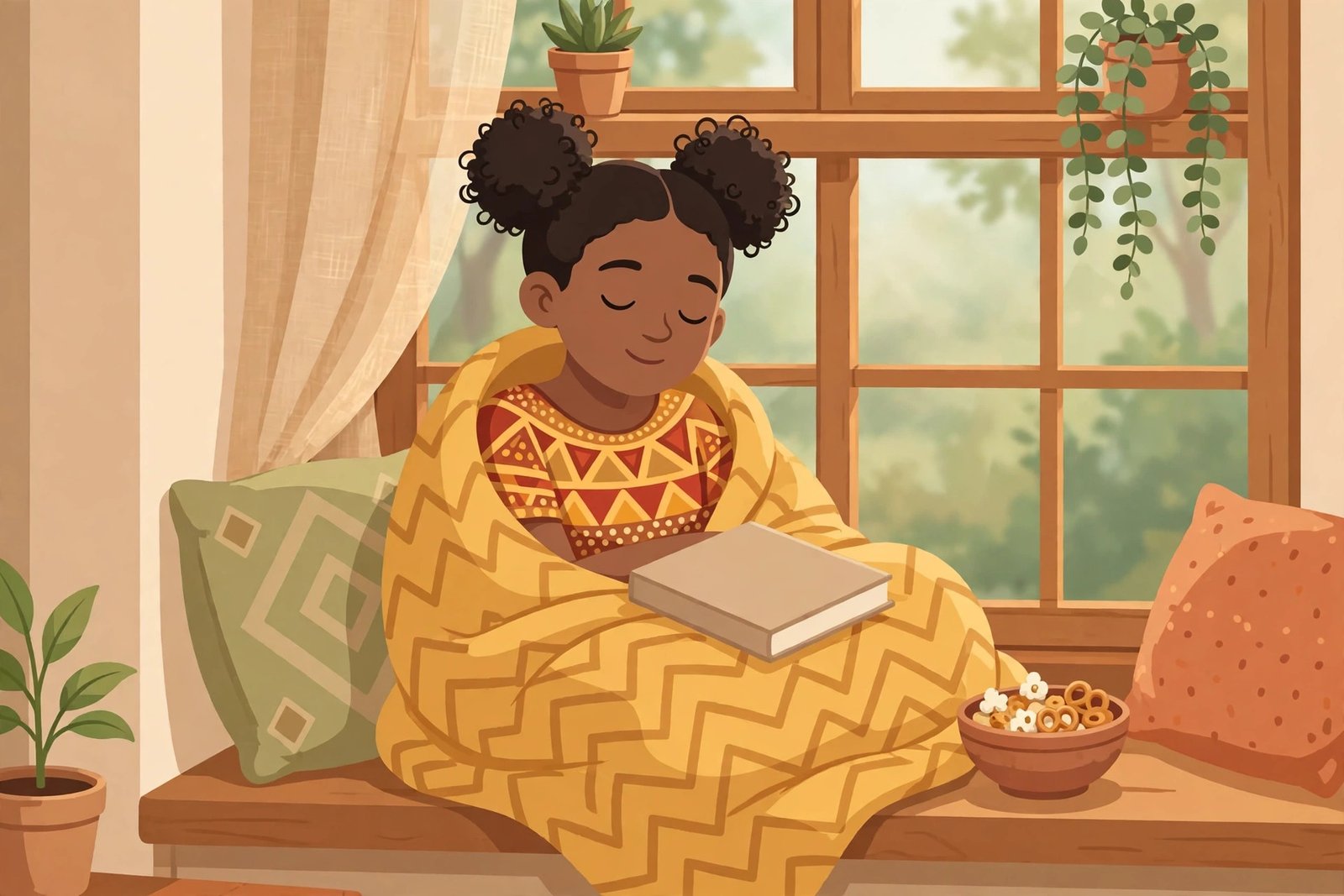
First, let’s sort out two words that get tangled together. Alone is a fact. It just means nobody is with you right now. Lonely is a feeling. It means you want connection and can’t reach it. They sound like twins, but they’re really just neighbors. You can be alone and perfectly content, curled up with a book and a snack. And you can be deeply lonely in the middle of a crowd, which is exactly what we explored in why do I feel alone even when I’m surrounded by people. Seeing the difference is the first real step in how can I learn to enjoy my own company, because it tells you what you’re actually working on.
Not the fact of being alone. The feeling that comes with it.
Why does the feeling show up so fast, though? Partly, it’s training. From the time we’re small, fun is shown to us as a group activity. Parties, teams, playdates, group photos. Alone time gets shown as the punishment corner, or the sad scene in the movie where the character stares out a window. No wonder your brain files solo time under something went wrong. Untangling alone from lonely is where how can I learn to enjoy my own company honestly begins. Nothing went wrong. Your friends are just busy, and your afternoon is simply unclaimed. Unclaimed isn’t the same as unwanted.
There’s another tangle to loosen. Some girls worry that wanting time alone means something is off with them, or that they should want to be alone all the time if they’re healthy. Neither is true. There’s a whole separate question about craving isolation day after day and what that can mean, which we covered in is it normal to want to be alone all day. This article is about the opposite skill: choosing some solo time on purpose and enjoying it, while your social life stays alive and well. Chosen is the key word. Chosen alone time is a snack. Forced, endless alone time is a hunger. They are not the same meal.
So hold onto this simple map. Alone is where you are. Lonely is how it can feel. Enjoyment is what you can build on top of the fact, once you stop treating the feeling as a life sentence. The rest of this article is the building plan, and it starts with the part nobody warns you about: the first few minutes alone can feel genuinely weird, even when you’re doing everything right. That’s not failure. That’s just the doorway everyone walks through on the way to how can I learn to enjoy my own company for real.
Why Being Alone Feels Awkward at First
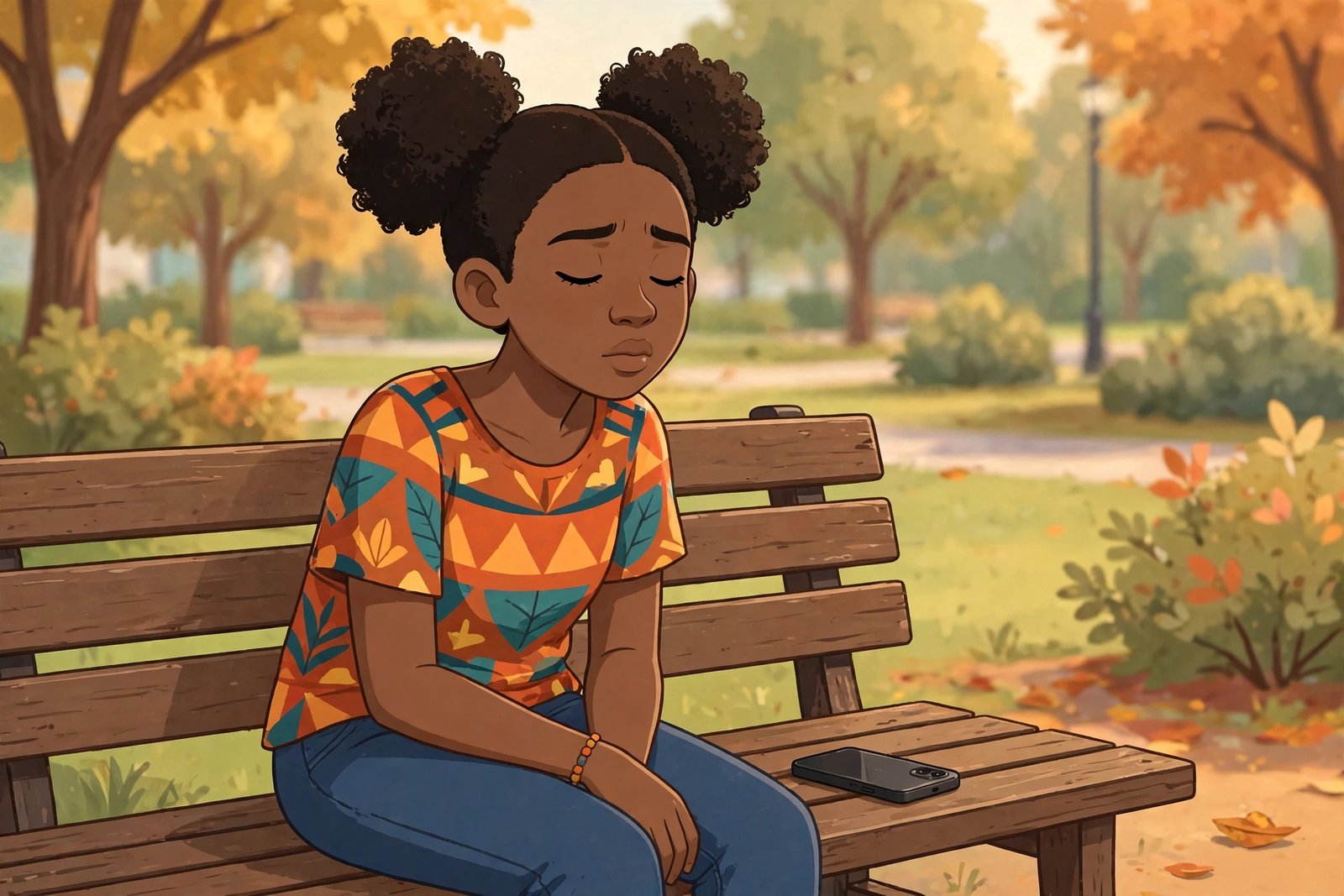
Let’s be honest about the first ten minutes. You sit down alone, full of good intentions, and within minutes you feel restless. Your hand reaches for your phone. Old thoughts wander in: the dumb thing you said in March, the worry you keep postponing. You think, see? I hate this. I must be bad at being alone. You’re not bad at it. You’re just meeting the doorway dip, and almost everyone meets it.
Here’s what’s happening. Busy days keep your mind loud and outward. Noise, people, tasks. When the noise stops, everything you set aside during the day floats up. Feelings you didn’t have time to feel. Thoughts you didn’t finish. That’s why the quiet can feel heavy at first: it’s not empty, it’s backlogged. Writers at Psychology Today describe exactly this in their piece on solitude as medicine. They explain that freely chosen alone time can calm your system and lift your mood, but the mood often dips before it rises, because the quiet lets your mind finally process what it has been carrying. The dip is part of the medicine, not a sign it’s failing.
Their research notes something else that should encourage you. Teens who spend a moderate amount of time alone, chosen by them, tend to come out of it feeling better and steadier, not worse. Not all day alone. Not none. A moderate, chosen amount. That’s a very doable target, and it’s the realistic shape of how can I learn to enjoy my own company. You’re not training for a silent retreat in the mountains. You’re building up to an afternoon that feels like yours.
Knowing about the dip changes how you handle it. When the restlessness arrives, you can name it: oh, this is the doorway. It usually lasts a few minutes. If you push through it gently, with something kind to do, the feeling often settles into something calmer on the other side. Girls who don’t know about the dip quit at the exact moment it gets uncomfortable, and then conclude they hate being alone. Girls who know about it wait it out, and discover the second half of solo time feels completely different from the first.
Waiting out the doorway is a core move in how can I learn to enjoy my own company, and it gets easier every single time you do it.
So don’t judge an alone afternoon by its first ten minutes. Judge it by minute forty. That’s when the shoulders drop. That’s when the snack tastes better and the music sounds richer and your brain starts bringing you interesting thoughts instead of old worries. The doorway is short. The room behind it is bigger than you think. The next section gives you the smallest possible first steps through it, so small that the dip barely has time to scare you off.
Start Small: Tiny Solo Moments That Feel Safe

You don’t learn this skill with a whole empty weekend. You learn it with twenty good minutes. Small is not the coward’s version of this project. Small is the smart version, because small wins stack. Every short, pleasant solo moment teaches your brain the same lesson: see? That was fine. That was even nice. Stack enough of those lessons and the whole feeling around alone time changes. This is the practical engine of how can I learn to enjoy my own company.
Start with moments that come with a built-in activity and a natural end. A walk to the corner store and back, music in your ears. A solo bus ride where you let yourself just watch the streets go by. Twenty minutes on a bench with a snack you chose. A shower concert. A slow breakfast before anyone else wakes up. Each of these has a shape. You know when it starts, what you’re doing, and when it’s done. Shape makes solo time feel safe while you’re still learning.
Then stretch, gently. Thirty minutes becomes an hour. An hour becomes a slow afternoon with a plan you made for yourself. Notice the rule that makes it work: the plan comes first. Empty time plus no plan is where the lonely feeling breeds. A plan, even a loose one, turns the same hours into an appointment with yourself. Saturday, 2 p.m.: library, then the park, then home to bake something. That’s not an empty afternoon. That’s a schedule you’re looking forward to.
Keep a tiny list on your phone or in a notebook: your proven solo pleasures. The walk that always clears your head. The cafe where nobody rushes you. The playlist that feels like a friend. When a surprise empty afternoon lands on you, you won’t have to invent joy from zero. You’ll open the list and pick. Planning like this sounds almost too simple, but it’s the unglamorous secret behind how can I learn to enjoy my own company. People who enjoy being alone aren’t braver than you. They’re just better stocked.
One more tip for the early days: tell someone where you are, and keep your phone charged and nearby. Feeling safe matters. A solo adventure that feels slightly daring is fun. One that feels unsafe is just stress, and stress teaches the wrong lesson. Small, safe, stocked with pleasures, and planned. That’s the whole formula for the first steps, and it works faster than you’d expect.
Solo Dates: Taking Yourself Somewhere Nice
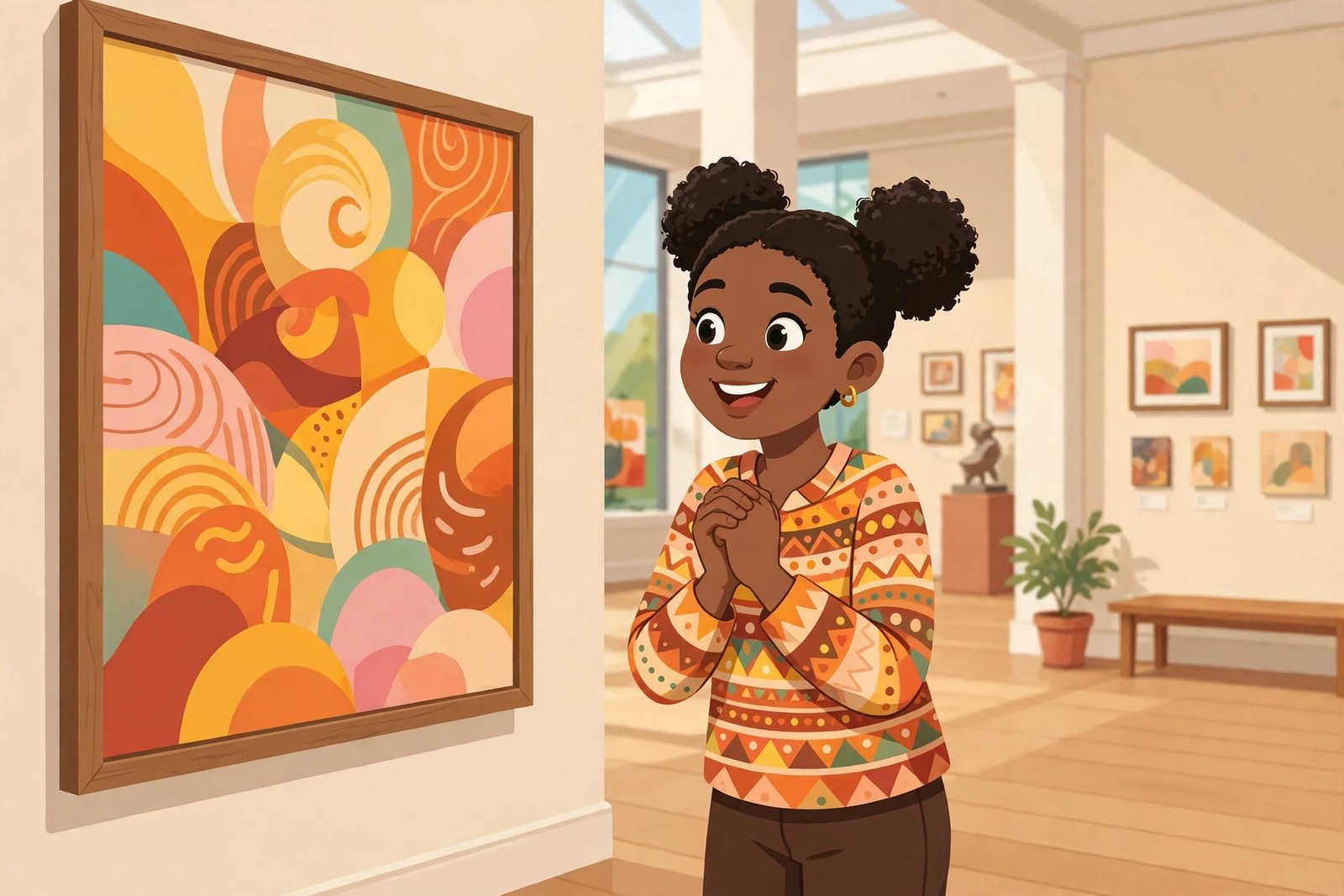
Once tiny moments feel easy, it’s time for the upgrade that changes everything: the solo date. A solo date is exactly what it sounds like. You take yourself somewhere nice, on purpose, the way you’d plan something kind for a friend. It sounds small, but it rewrites the story. You stop being the girl waiting to be chosen and become the girl who does the choosing. That shift is the beating heart of how can I learn to enjoy my own company.
What counts as a solo date? Anything you’d enjoy with company, minus the company. The museum exhibit you keep mentioning. The new bakery across town. A movie you want to see that none of your friends care about. A picnic in the park with the good sandwich, the one you’d make for a guest. A bookstore browse with no clock. The rule is simple: if it feels like a treat when someone takes you, it counts when you take yourself.
The first solo date might feel awkward in public. That’s the part girls worry about most: everyone will think I have no friends. Here’s the truth from the other side of the fear. Nobody is watching. People in cafes are looking at their own plates, their own phones, their own lives. The girl eating alone with a book isn’t a sad story to anyone. She’s just a person having lunch. And on the rare day someone does think something, their thought lasts four seconds and costs you nothing.
Make the date feel like a date. That’s the secret ingredient. Dress in something you like. Order the thing you actually want, not the cheapest apology item. Bring the book or the sketchbook. Leave the earbuds out for a while and just be in the place. These small signals tell your brain: this is an event, not a leftover. You are not killing time until your real life resumes. This is your real life, and it’s being lived on purpose. Girls ask how can I learn to enjoy my own company as if the answer were a mindset trick. Half the time, it’s this: treat your own company like someone worth taking out.
Start with short, low-pressure dates and build up. A fancy coffee alone. Then a movie. Then the full afternoon trip. Each one makes the next one easier, and somewhere around date three or four, a strange thing happens. You stop checking whether you look alone, because you’re too busy having a good time. That’s the moment the skill locks in, and it tends to stay for life.
Projects, Hobbies and Rest That Fill Your Cup
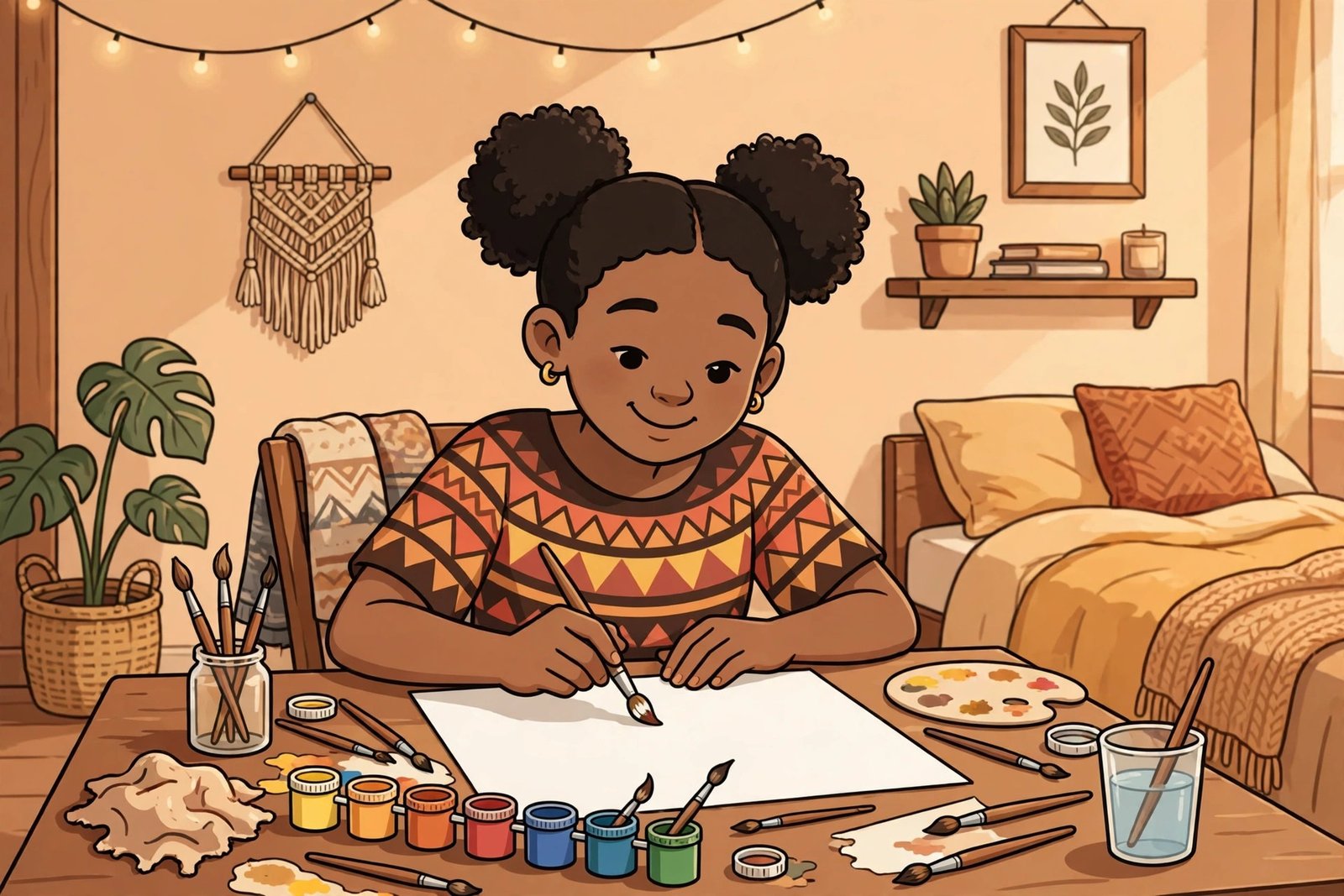
Solo time feels best when it has something in it. Not busywork. Not homework in a costume. Things that fill your cup: the activities that leave you calmer or prouder than you started. There are three big families of them, and a good solo life borrows from all three. Projects give you the joy of making something. Hobbies give you the joy of getting better at something. Rest gives you the joy of doing blessed nothing, on purpose. All three are answers to how can I learn to enjoy my own company, because each one is better, or only possible, alone.
Projects first. A project is anything with steps and a finish line you can see. Learning five songs on the guitar. A drawing a day for a month. Rearranging your room into the version in your head. A photo walk each Sunday, one theme per week. Projects are magic for solo time because they give the quiet a direction. Your hands are busy, your brain is engaged, and at the end there’s proof: I made that, in my own company, and it was good.
Hobbies are the slower cousins. Reading, baking, journaling, stretching, learning a language for fun, skating, codes and crafts and collections. The point of a hobby in this story isn’t talent. It’s absorption. Those minutes when you’re so inside the thing that you forget to check the time? That’s your brain enjoying itself without an audience. If you don’t have a hobby right now, borrow one for two weeks and test it like a pair of shoes. Keep the ones that fit.
And rest. Real rest, not phone rest. Phone rest is a slot machine that leaves you strangely tired. Real rest is a nap in a patch of sun. A long bath. Lying on the floor listening to a whole album, start to finish, doing nothing else. Watching clouds like it’s your job. Rest alone is where your system actually recharges, and girls who learn to rest on purpose stop fearing quiet afternoons, because quiet is where the good rest lives.
Build your solo time from these three families and you’ll notice a change in the question itself. It stops being how can I survive this afternoon alone, and starts being which good thing gets this afternoon. That’s when how can I learn to enjoy my own company turns from a worry into a taste you’re developing, one filled cup at a time.
Quiet Your Phone and Your Inner Critic
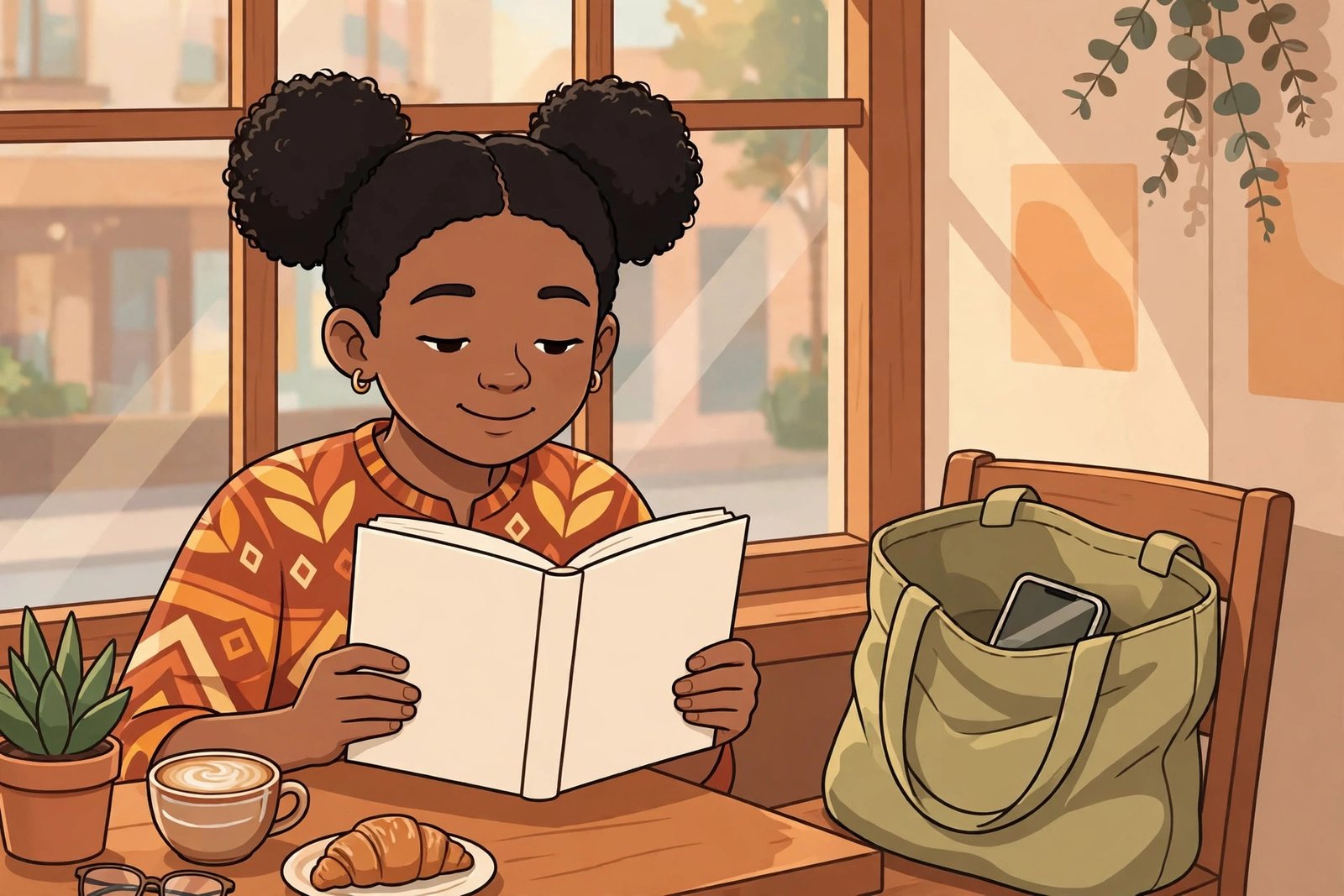
Two voices make solo time harder than it needs to be. The first is your phone. The second is the critic in your head. Let’s handle both, because handling them is where how can I learn to enjoy my own company gets real.
Your phone is a door that never closes. Every buzz pulls a person, a comparison, or a drama into your quiet. And social media is the loudest guest of all: while you’re trying to enjoy a small solo moment, a feed shows you everyone’s group fun at full brightness. Of course your quiet bench feels dim next to that highlight reel. So give your solo time some borders. Phone in your bag for the first stretch. Notifications off. If you’re out, one check-in with a parent or friend for safety, then the door closes. You’re not quitting the world. You’re just letting your own company get a word in.
The inner critic is sneakier. She’s the voice that narrates your solo time like a sad movie. Look at you, alone again. Everyone else is doing something. That voice is not the truth. She’s a habit, and mostly she’s just repeating the old training that said alone equals unwanted. You don’t have to win an argument with her. You just have to stop letting her review every experience. When she pipes up, answer her like a kind but bored friend: noted, and I’m staying for my coffee. Then return your attention to the taste of the coffee, the page of the book, the street outside. Attention is the steering wheel here. Where it goes, the feeling follows.
Music helps more than you’d think, too. A playlist you love can hold the emotional shape of a solo outing the way a friend would. So can a podcast with a warm voice, at least while you’re still training. Use them as training wheels without shame. Over time you’ll need them less, and some of your favorite solo moments will be the silent ones. But there’s no medal for raw-dogging the quiet on day one.
Here’s the deeper truth under both fixes. Your phone and your critic both pull you out of the moment you’re actually in. Enjoying your own company is mostly the skill of being in your moment: tasting, noticing, doing, resting. Every time you bring your attention back, gently, you’re doing a rep. And reps are how can I learn to enjoy my own company stops being a question and becomes a description of you.
When Alone Time Stops Feeling Like a Choice
Everything in this article is about chosen alone time. So we need to end with the honest border, because there’s another kind of alone, and it doesn’t belong in a tips list. Sometimes being alone stops feeling like a choice. It feels forced and heavy. You dread it. You’d give anything for company and can’t find any. Days start to blur into a gray where you eat alone, scroll alone, and cry a little, and the quiet never recharges you at all. That is not a skill problem. That’s loneliness with its hand raised, asking for help, and help is the right answer.
Learn the difference in your own body. Chosen solo time, even with its awkward first minutes, ends with you feeling steadier or glad you went. Forced isolation ends with you feeling smaller, sadder, and less hopeful than when it started, most days, for weeks. If that’s where you are, please don’t white-knuckle it with solo dates. Talk to a trusted adult: a parent, a school counselor, an older sibling, a teacher you trust. Telling someone is not failing at independence. It’s the strongest version of it.
And if things ever feel truly heavy, like the sadness won’t lift or you’re having thoughts of harming yourself, reach out right away. In Canada, you can call Kids Help Phone at 1-800-668-6868, or text CONNECT to 686868 to talk to someone who gets it. You can also call or text 988 anywhere in Canada or the US. These lines are free, kind, and made for exactly the nights when being alone feels like too much. Asking for help is a skill too, and it sits right beside how can I learn to enjoy my own company as one of the ways you take care of yourself.
For most girls reading this, the border is just good to know. Your solo time is a choice you’re learning to enjoy, your friends are still your friends, and your social life is waiting for you whenever you step back into it. That balance is the whole point. Enjoying your own company doesn’t replace people. It makes you steadier inside every relationship you have, because you stop needing company to rescue you from yourself. You become someone who can be invited, and can also decline. Who loves the group chat, and loves the quiet too.
That’s the real destination of how can I learn to enjoy my own company: not a girl who needs nobody, but a girl who is good company, starting with herself.
Frequently Asked Questions
How long does it take to start enjoying time alone?
For most girls, the shift starts within a few weeks of small, regular practice. The first solo outings feel awkward. By the third or fourth, something loosens. You stop performing for an imaginary audience and start tasting the coffee. There’s no deadline, and slow progress is still progress. The recipe behind how can I learn to enjoy my own company is repetition with kindness: small moments, good activities, no self-bullying when a day feels flat. Keep the reps gentle and frequent, and the feeling follows at its own pace.
What if I get bored every time I try?
Boredom means the time was empty, not that you’re bad at being alone. Empty hours plus a buzzing brain is a rough mix for anyone. Fill the time on purpose. Bring the book, the project, the plan, the good snack. Rotate your activities like a day out for a friend. And let a little boredom survive sometimes. A few plain minutes often open the door to your best ideas. If every attempt stays miserable for weeks, that’s worth a look, and the last section explains when to bring in support.
Is it weird that I sometimes prefer being alone?
Not weird. Plenty of people recharge alone and spend themselves with others, the way a battery charges in a dock. Preferring a quiet Saturday says nothing bad about your friendships. What matters is the balance over a season: you still show up for your people, you still enjoy them, and your alone time is chosen, not a hiding place. That preference is often the first sign that how can I learn to enjoy my own company is a question you’ve started answering. Enjoy it. It’s a strength, not a symptom.
My friends tease me when I do things alone. What do I do?
Smile and keep your plans. Most teasing about solo time comes from the old idea that alone means unwanted, and your friends may feel uneasy being alone themselves. Just be visibly fine. Invite them sometimes, go alone other times, and let your calm do the talking. Often, the same friends start copying you once they see your solo dates look fun instead of sad. And if the teasing turns mean or constant, that’s not about your hobbies anymore. That’s a friendship problem, and it’s fair to say so.
What’s the very first step if I hate being alone right now?
Start small. One tiny moment with a pleasure and a clear end: a short walk with your favorite song, a drink at a cafe near home, one chapter on a park bench. Tell someone where you’ll be, keep your phone in your bag, and let those ten minutes be enough. Then do it again soon. That’s the secret of how can I learn to enjoy my own company when you start from zero. Small, kind, repeated. The enjoyment isn’t hiding far away. It’s built, one tiny moment at a time.
Pingback: How Can I Enjoy My Youth More? - The Honest Truth