

Yuki sat in art class with her sketchbook open. Her friend had laughed with her at lunch. She’d borrowed Yuki’s notes with a big smile. She’d said she’d save her a seat after school. Then the bell rang and things flipped fast. That same friend walked right past her in the hall. She didn’t say one word. She was arm in arm with someone else.
That hot and cold swing is so hard. You replay each chat late at night. You ask what you did wrong. If you’ve been asking how to tell if a friend is fake, you’re not mean. You’re not dramatic. You’re not a bad friend for asking. You’re just seeing that things feel off. The photos look fine. The group chat looks fine. But the real days don’t feel fine at all.
This guide will help you look with clear eyes. You’ll go step by step. You won’t rush. You’ll learn how to tell if a friend is fake by watching small things. Watch how kind she is. Watch if you can trust her. Watch if she shows up for you. Watch if things feel fair. Watch if she does what she says she’ll do. Most of all, you’ll learn to guard your peace. You won’t need gossip to do it. You won’t need big drama.
The Short Answer

Here’s the short answer for you. To learn how to tell if a friend is fake, watch what repeats. Don’t judge one bad day. Don’t judge one small slip. Anyone can have a rough week. Anyone can be in a bad mood.
A pattern is not the same thing. The same hurt comes back again and again. It comes back on calm weeks too. Nothing hard is going on then. And still, she acts the same way. That’s when you need to pay close mind.
Look first at when she picks to be kind. Does she keep your private things private? Does she stay when life gets hard? She can disagree with you and still be kind. Then look at the balance too. Does this bond ask way more from you? Does it give you very little back?
Real friends aren’t perfect. That’s true, and it counts here. They forget to text back sometimes. They get tired. They say the wrong thing now and then. But then they say sorry and they mean it. What makes them real is effort. They care how their acts land on you. They try to do better next time.
That’s how to tell if a friend is fake in the clearest way. Look at what repeats after you’ve spoken up. You’ve told her how you feel. And still, nothing changes at all. You leave her side feeling small each time. You feel mixed up or just drained. Trust what you see in front of you. Your feelings aren’t proof on their own. But they’re a sign you shouldn’t push aside.
You don’t need one huge fight to step back. You don’t need one big, awful day. Small moments can tell a true story. Weeks and months of small moments add up.
Keep one kind rule in mind as you read. Judge the acts, not the whole girl. Don’t stick a label on her for life. Stick to what you can control. You control your time. You control your trust. You control your peace. That focus keeps your choices calm. It keeps your choices fair too. And you’ll feel proud of how you acted later.
Notice If She Is Only Nice When She Wants Something

Some friends glow with warmth at set times. She texts first when homework is due. She hypes you up right before a favor. Then she gets what she came for. And the warmth just fades away. Your texts sit there with no reply.
This is one of the clearest clues you’ll find. It’s a big part of how to tell if a friend is fake. Her kindness tracks what she needs. It doesn’t track the friendship at all. Think of Yuki at her desk in class. She lent her notes to her friend. Her friend beamed and said thanks so loud. She made big claims about the next day. Then the next day came fast. That friend passed Yuki in the hallway. She didn’t even say hi to her. It was like that morning never happened.
A real friend can ask for help. That’s not the problem at all. Asking for help is normal and fine. The problem starts when help is the only door. She only walks to you through that door. Each other door stays shut tight.
So watch for a few weeks in a quiet way. Notice who recalls your news the next day. Notice who cares when she can’t gain a thing.
When you ask how to tell if a friend is fake, ask this too. Does her kindness last when you have nothing to give? Does she still say hi in the hall? Does she still add you to plans? Does she still care about your day? That week she needs nothing from you. If your honest answer is no most days, hear it.
You can deal with this with no anger. Just stop rushing to fix each request. Don’t drop all you do the second she asks. Let what you give match what she gives. A bond built on use will feel that shift fast. A real bond will find a fair balance. It will feel kinder and more even with time.
Watch how she acts when you say no too. A kind friend might feel sad for a bit. But she’ll take your no with grace. She’ll treat you the same at school after. A friend who turns cold is telling you something. She might sulk for days on end. She might give you the silent treatment. That tells you access meant more than you did.
Watch Whether She Keeps Your Secrets
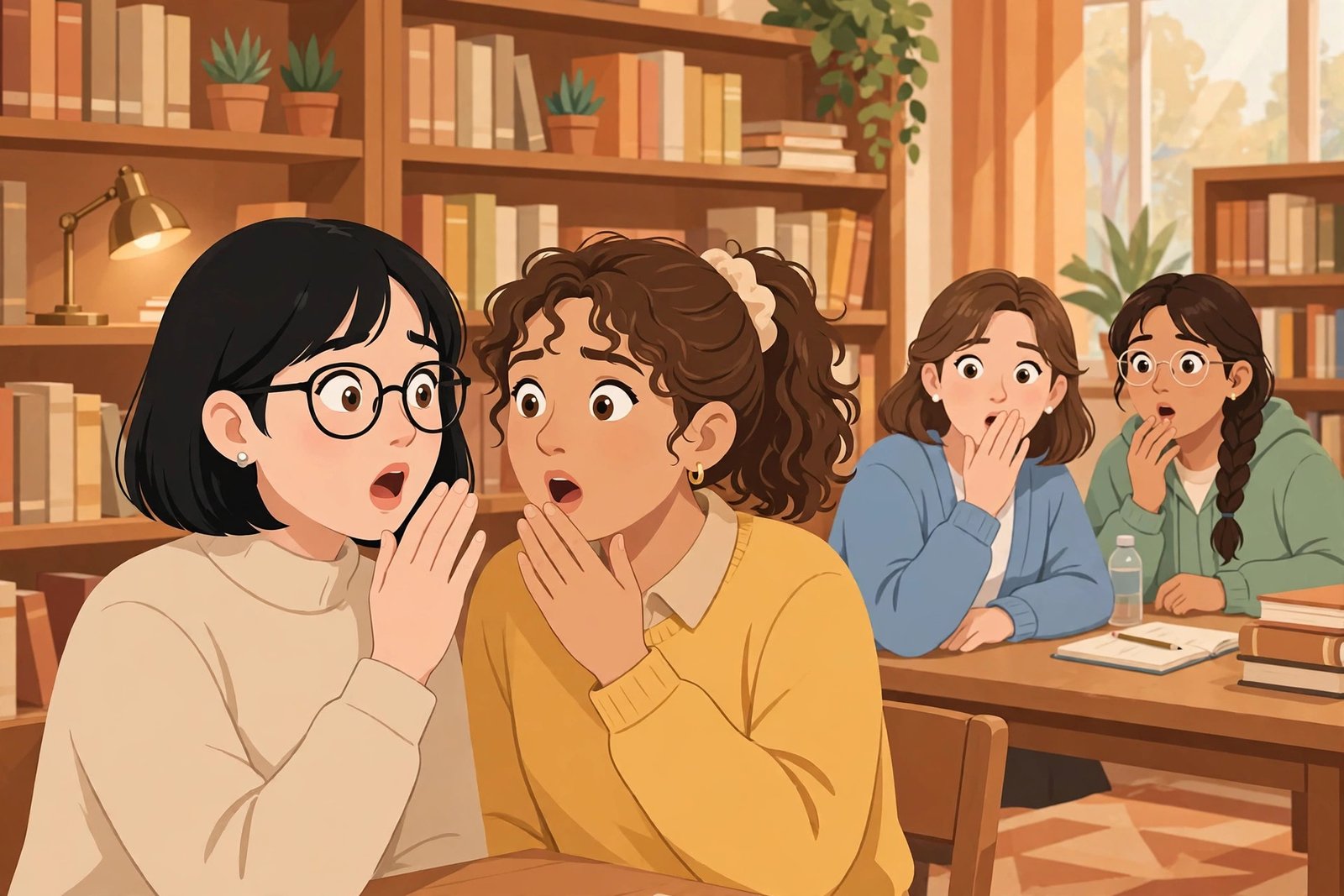
Trust is the base of each close bond you’ll have. You tell a friend a home worry late at night. You tell her about a crush you have. If they travel to other kids, things break. The bond loses the safe feel it had. And that safe feel is what made you close.
Trust sits right at the heart of this topic. It’s key to how to tell if a friend is fake. Your private words show how she treats your heart. Picture Yuki in the library one day. She whispered a private thing to her friend. Yuki saw other kids react to her story. Her stomach dropped right then and there. She knew at once what had happened.
One slip can happen to anyone, though. You have to look at the full picture. She might repeat a thing without thinking. Then she sees her slip right away. She says sorry and she feels real shame. She guards your words with care after that.
A pattern of sharing is a whole other thing. Your news turns into fun for the group chat. She swaps your secrets for laughs and likes. Kids repeat facts you told just her. That’s when you must trust the pattern you see. She might laugh and deny it all.
If this fear feels close to home, read about the signs that friends may talk about you behind your back and match those signs with your own days at school. Calm reading can help you sort things out. You can split one rumor from a real habit. You’ve seen that habit with your own eyes. It can help you find words for a feeling too. That feeling’s been hard to name for so long.
When you ask how to tell if a friend is fake, check how safe you feel. Do you fix each line before you speak near her? Do you hide your good news from her? Do you lock your worries deep inside you? You’ve learned that privacy won’t last with her. Feeling on guard all the time is draining. It’s draining with a close friend most of all. That drain is a sign on its own. It says trust has cracked already.
From now on, you can share less. That’s your right while you think things through. Keep soft topics for your family instead. Share them with a grown up you trust. Or share them with friends who’ve earned that trust. They’ve shown care again and again over time.
See If She Disappears When Things Get Hard

Easy days don’t test a bond that much. Anyone can be sweet when there’s music playing. The real test comes on your hard days. You’re sad or sick that week. You’re stressed about a test coming up.
Picture Yuki on a bench at school one day. She had hurt her ankle that week. It was wrapped up tight for support. She watched her friend walk straight past her. Her friend went toward a loud, laughing group. She didn’t slow down one bit. She didn’t glance at Yuki at all. Yuki didn’t need a grand rescue that day. A quick hi would’ve meant the world.
Support on hard days tells you so much. It’s right at the core of how to tell if a friend is fake. Kind words turn real when she shows up. Or they fade when she doesn’t show up. A real friend checks in after a bad test. She sits with you at lunch when you’re quiet. She asks how you are a second time. She may not fix the problem for you. But she won’t let you carry it alone.
Friends do have limits, of course. Those limits count and you should respect them. She might have stress at home too. She might be sick or sad herself. She might have nothing left to give that week. The key split is honesty about it. A kind friend will say she’s swamped right now. She’ll still treat your pain like it counts.
So watch what happens across a few hard days. Don’t judge just one hard day alone. Does she vanish each time you cry? Does she cancel each plan that means helping you? Does she come back when your life looks bright? She shows up when things are easy and fun again. When you ask how to tell if a friend is fake, that repeat vanishing act is a straight answer. It’s one of the most honest signs you’ll get.
Notice how she acts with your good news too. A friend who leaves in pain is one thing. But she might go cold at your joy too. Then she leaves you alone at both ends. That’s a very lonely spot to sit in.
If that pattern sounds like your life, stay calm. You don’t have to make a big speech. Start turning to the kids who do show up. They show up in small, plain ways each day. Let your trust grow where care lives. Put your time where it’s met with care.
Pay Attention to Constant Put-Downs Disguised as Jokes

Teasing can be warm between close friends. It can be playful and cause no harm. You laugh at a joke you both find funny.
A put down dressed as a joke isn’t that. It works the other way in full. She talks about your face in front of kids. She talks about your body, grades or clothes. Then she watches the group laugh around you. You go quiet at the table then. Or you speak up in a soft way. She rolls her eyes right at you. She says you’re too soft for a plain joke.
Yuki knew that feeling at the lunch table. She forced a small smile for the group. Her friend pointed at her and laughed loud. She laughed at a thing Yuki had just said. The other kids looked ill at ease. Each kid there could sense it wasn’t funny. Yuki laughed a bit too that day. Laughing felt safer than sharing her hurt. The whole group was watching her right then.
Repeat acts are a big clue here. They’re a key part of how to tell if a friend is fake. But repeat jabs turn into a pattern fast. Ask how often the jokes land on you. Ask if she jokes about herself like that. Then ask how you feel on the walk home. That ache walks home with you for a reason.
Tone counts a lot in these moments too. A real friend sees your face fall fast. She stops right then and says sorry. A friend who repeats the joke is different. She says it the next day, but louder. She says it in front of more kids too. She heard your feelings loud and clear. She just chose that they don’t count to her.
You learn how to tell if a friend is fake in moments like these. They’re small on top and heavy below. You have to shrink when she’s near you. You hide your news so it won’t be mocked. You brace for lunch each day at school. That bond is costing you bits of your nerve.
You can name the act once, in a calm way. Do it in private if that feels safe. Say the jokes on that topic hurt you. Say you need them to stop from now on. Use plain words and a steady voice. Her reply to that one line says a lot. Respect will show up in that moment. Or it won’t show up at all there.
Check If the Friendship Is Completely One-Sided
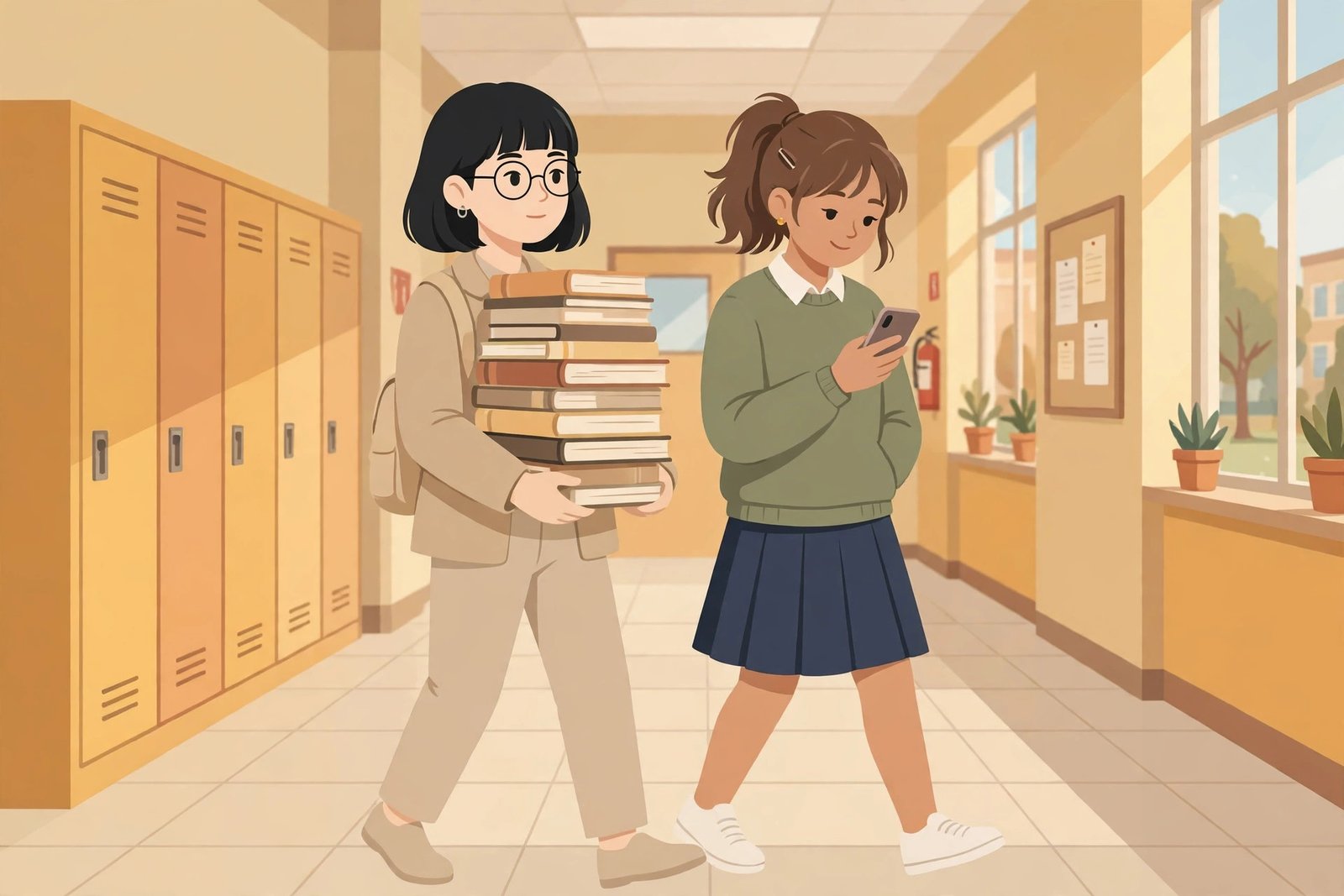
Each bond has times when one kid needs more.
A problem grows when the tilt never shifts back. One kid gives and gives with no end. The other kid takes and takes with no end. That split sticks around month after month.
Picture Yuki in a packed hall between classes. She carried her friend’s stack of books too. Her friend walked right beside her that day. Her hands were empty the whole walk. She didn’t offer to take one book back. That picture stayed with Yuki for weeks after. It matched how the whole bond had felt. It had felt like that for a long time.
Ask who listens to a full story with care. Ask who gets cut off mid line each time. Ask who shifts the plan for her mood. Who soothes, who explains, who says it’s okay? Who does the quiet work that keeps you close?
That balance point sits near the heart here. It’s a big part of how to tell if a friend is fake. Real care moves in both ways between friends. Your time is a real gift to give. They should meet something real coming back. When giving leaves you tired each day, stop. When it leaves you feeling unseen too, stop. The bond is taking more than it should take. No bond should drain your whole life like that.
Watch your chats with fresh eyes this week. Be honest with yourself as you watch. If you stopped sharing your news with her, what then? If you stopped asking her to hang out, what then? If you stopped fixing her problems for her, what then? Would there be a thing left to talk about? Would she reach out to you at all then?
When you ask how to tell if a friend is fake, ask this as well. How do you feel about yourself near her? On plain, normal days, how do you feel? Do you feel heard when you speak to her? Do you feel prized and glad she knows you? Or do you feel used and just put up with? Do you feel easy for her to swap out? Your answer across weeks can guide you well. It can guide you more than her sweet words.
You don’t need a strict score here at all. You don’t need effort split right down the middle. You just need enough balance to feel held up. The bond should rest on two sets of shoulders. It shouldn’t rest on just yours each day. If your shoulders hold it up alone, rest. You can set it down in a gentle way.
Compare Her Words With Her Actions Over Time

Words are quick and easy to say out loud. She swears she’ll keep your secret safe. She says she’ll be there for you always. Those words feel warm when you hear them. It’s so human to want to trust them.
Acts move at a slower pace than words. But they tell the truth in a clearer way. She said she’d sit with you at the assembly. Then she chose a new group with no text. That was the third time in one month. She said your secret was safe on Monday. By that mid week day, things had changed. A kid was saying it back in the hall.
Yuki sat at her desk one calm night. She had a small timeline in her notebook. She drew it in soft pencil lines there. At the top, she drew the sweet claims she heard. She put them in small thought bubbles there. Beside them, she drew the broken plans after. Each claim had a broken plan next to it. She looked at both rows side by side. It didn’t make her mad to see it. It made the whole picture clear and sad.
That’s why this test sits at the center here. It’s at the heart of how to tell if a friend is fake. You test words with acts, with no drama. One broken claim is a slip anyone can make.
Give this test a fair stretch of time though. Watch birthdays and group work at school. Who she is shows most on plain days. The KidsHealth guidance on how healthy friend groups differ from cliques makes a good point here for you. It notes that true friends aren’t bossy at all. They aren’t pushy, and they respect your choices.
When you test with care, you might find good news. You might find proof that calms your mind. She did say sorry and she did change. She did show up when it counted most. And your fear came from one bad mix up. That’s a good end to find as well. The aim of how to tell if a friend is fake is clear sight. It’s not doubt for the sake of doubt.
Let what you’ve seen guide your trust from here. Trust the sorrys that come with changed acts. Hold the empty ones at a safe gap. Keep that gap till her acts catch her words.
Protect Your Peace and Step Back Gradually

Once the pattern is clear to you, pause first. The next step isn’t getting back at her. It isn’t putting her on blast for all to see. The next step is much more quiet than that. You just give your time with more care. You give your trust with more care too. Stepping back slow guards your peace well. It keeps your own acts kind as you go.
Start with small, plain shifts in your days. Reply a bit more slow than you did. Say no to some plans that drain you. Stop giving help that never comes back to you. She doesn’t even say thanks for that help.
Yuki found her way back in the art room. She painted at an easel with Clara near her. Clara listened to her with real care. She never made Yuki feel dumb at all. Yuki could be quiet and that was fine. Picking a more quiet, kind crew helped Yuki. It didn’t wipe the sadness clean away. But it showed her what a bond should feel like.
If she asks what has changed with you, answer plain. You can keep your answer short and honest. You might say some patterns have hurt you. You might say you need more space now. You can wish her well as you say it. Don’t post a thing about her online either. Don’t pull kids to your side against her.
For help with this stage, read the calm guidance on how to distance yourself from a toxic friend and take your steps that fit your days at school. That guide can help you plan the plain side. Note that how to tell if a friend is fake counts less at the end. What counts more is how you act on it. Act in a kind and safe way each time.
Some days will still feel shaky after you step back. Talk to a parent about how you feel. Talk to a school counselor you trust well. Or talk to a grown up who feels safe. Support makes hard choices feel more steady. It makes them feel less lonely as well.
Guarding your peace is the last part here. It’s the last part of how to tell if a friend is fake. What you know helps when it shifts what you allow. You deserve bonds where you feel safe each day. You deserve respect on your worst days too. You deserve to feel glad to be you. Hold that bar with quiet trust in yourself. Let it guide each new bond you build.
Frequently Asked Questions
What is the first sign that a friendship might not be real?
The first sign is a pattern that repeats. It’s not one awkward day between you two. She might be warm when she wants help. She might go distant when you need company. She might share things you asked her to keep private. Watch how you feel after you see her. If you feel small or mixed up a lot, note it. If you feel drained again and again, trust that. It’s worth a calm, close look from you.
Is one bad week enough reason to end a friendship?
No, one bad week isn’t enough on its own. That patience is a fair part of how to tell if a friend is fake. Anyone can get pulled away by tests or sickness. Home stress or sadness can pull her away too. Real friends give grace in those hard weeks. Look at what repeats across a few weeks instead. Look at if she says sorry to you. Look at if she’s honest and then changes. That change counts once she knows you’re hurt.
What should I do if she shared something private that I told her?
Tell a grown up you trust what happened first. Do that fast if the news is spreading fast. Do that if school feels unsafe for you now. You can tell her in private too, in calm words. Say that sharing your words broke your trust. Say you’ll share less with her from now on. Then guard yourself with care each day after. Keep soft topics with kids who keep them safe. They’ve shown they can guard your words well.
How can I step back without starting drama at school?
Keep each change small, quiet and steady each day. Don’t announce your choice to the whole group. Don’t post a thing about it online at all. Say no to some plans in a polite way. Reply a bit less fast than you did before. Spend more time with friends who are kind. They treat you with respect each day you meet. If shared friends ask you things, keep it simple. Give one short, kind reply and switch topics. Repeating your reasons just keeps the story going.
Can a friendship like this become real again over time?
Yes, it can, but change must show in her acts. It can’t rest on one late night talk with big claims. She’d need to say sorry and mean it well. She’d need to keep your private things private now. She’d need to show up on hard days for you. And she’d need to keep that up for a long time. Learning how to tell if a friend is fake helps you spot real repair too. You can rebuild trust slow, at your own pace.
Pingback: Should You Forgive Your Best Friend After a Betrayal? - The Honest Truth
Pingback: How to Know If You Are a Bad Friend - The Honest Truth
Pingback: How to Tell If Your Friends Talk About You Behind Your Back - The Honest Truth