
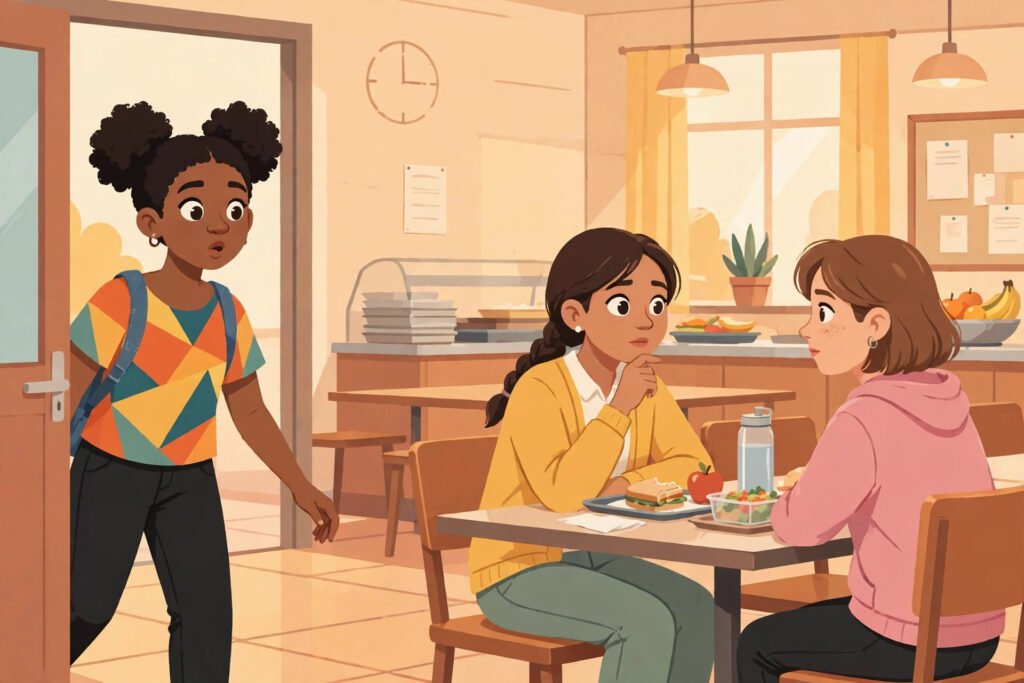
Zoe used to love lunch time. She’d walk in with her tray and a big smile. She couldn’t wait to hear the weekend news. Then small things started to bug her. Laughter would stop way too fast. Looks would fly across the table. She couldn’t read any of them. Her stomach would twist in knots. If you’ve felt that same knot, you’re not alone. How to tell if your friends talk about you behind your back starts here. It starts with facts, not fear. You can slow down and look at what’s real.
This fear is so common at your age. Friend groups shift all the time. Everyone’s still learning how trust works. A weird look doesn’t mean gossip. A quiet lunch doesn’t mean you messed up. You don’t have to blame yourself for each odd mood. What counts is the pattern over time. Watch what keeps happening, week after week. Then pick a calm next step.
This guide will walk you through it all. You’ll see the clear signs to watch for. You’ll see the weak signs too. Some signs mean almost nothing on their own. You’ll learn a kind way to ask. You’ll learn how to tell if your friends talk about you behind your back with no spying. No phone checks. No rumors spread back. By the end, you’ll know who earned your trust.
The Short Answer

Here’s the short answer first. You can’t know for sure from one feeling. A gut feeling isn’t proof, not ever. And you don’t need to play detective. How to tell if your friends talk about you behind your back is a skill. It’s about small moments over time. You line them up and compare them. You don’t trust one bad guess.
Start with what you can prove. Say it to yourself in calm words. Who knew that small detail? When did the change start? How many times has it happened? Write the facts in a private note. A note on your phone works fine. Keep it plain and fair. Write dates and words you heard yourself. Don’t write guesses about why they did it.
Next, pick one friend you trust most. Have one honest talk with her. Pick a quiet place and a calm time. Don’t do it in a packed hallway. Ask what she’s heard from the group. Then stop and let her talk. Hear the whole answer out. Watch what she does next. Do her acts match her words? That’s the heart of how to tell if your friends talk about you behind your back. Truth shows up in patterns. It doesn’t hide in one tense lunch.
Tell an adult if things get worse. Do that if the talk turns mean. Watch for threats or cruel posts. Watch for pressure to stay quiet. Tell a parent or a school adult. Asking for help isn’t drama. It isn’t snitching on your friends. It’s a normal step when things feel too big. You don’t have to carry this alone.
And hear this part, please. Your worth doesn’t drop when girls whisper. You don’t have to win the group back. You don’t have to beg to belong. When you think about how to tell if your friends talk about you behind your back, think big. What you do with the answer counts too.
Notice Conversations That Stop When You Arrive

You know this moment, right? You walk up to your group at lunch. The talk just dies mid sentence. It’s like a song cut off mid beat. Zoe felt it first in the cafeteria. Three friends leaned in close and whispered. Then they sat up so fast. But the smiles didn’t match the mood. One moment like that proves almost nothing. Still, it’s a fair place to start. It’s a first clue for how to tell if your friends talk about you behind your back.
Watch the first few seconds when you sit down. Bodies often speak before words do. Friends might trade quick looks. One girl might shut her notebook fast. One might flip her phone face down. The topic might change all at once. But none of that proves gossip alone. Girls stop talking for lots of reasons. They might plan a surprise party. They might share news that isn’t theirs.
What makes this sign strong is one thing. It keeps happening, again and again. Same group, same kind of moment. Did it happen once in a busy week? Let it go and watch with calm eyes. Don’t build a case in bed all night. But say it happens most school days. Say it goes on for two weeks. And the group never pulls you in. They don’t catch you up at all. Then the pattern needs a closer look.
Also watch what happens after the pause. Do your friends make room for you? Good friends bounce back fast. They ask what you think about things. They catch you up on the safe parts. They don’t make you feel like a pest. Now think of the flip side. The group goes quiet and stays vague. Then the side talk starts when you leave. That’s new info, and it adds up.
Please don’t test them with tricks. Don’t plant a fake secret to trap them. Don’t make up a story to catch leaks. A trap can feel smart for an hour. Then it just wrecks trust for real. And it leaves you with muddy facts. You can’t build truth on a lie. The honest way for how to tell if your friends talk about you behind your back is plain. Write down what you see. Ask a calm question when the pattern’s strong.
Watch for Inside Jokes You Are Not Part Of

Here’s how this one starts. A joke seems to be about you. The whole table cracks up laughing. You ask what the joke is. No one will tell you a thing. It feels like a door shut in your face. And if it happens again and again? It stings more each time. Note it down as one clue. It’s part of how to tell if your friends talk about you behind your back.
Think about the tone of the laugh. Kind laughs pull you in close. Mean laughs leave you on the outside. Some friends giggle and then tell you. They share the whole silly back story. Other friends won’t do that at all. They glance at each other and smirk. They say it’s nothing, still laughing. They choose to keep you in the dark. That choice can hurt a lot.
Zoe hit this wall by the lockers. Priya kept laughing at one short phrase. One more friend laughed right with her. The phrase made no sense to Zoe. She asked what it meant, nice and calm. Both girls just smiled and shrugged. Then they changed the topic fast. Zoe played it back all day long. One joke like that can be clumsy. But a string of jokes is different. If they all land when you show up, watch out. The group may share talk you’re not meant to hear.
Watch what the jokes point at too. Do they poke at your clothes? Your crush, or your home life? A mistake you made last week? A joke with a real sore spot hurts. Add in those knowing looks across the table. That tells you a lot about respect. You don’t have to laugh along. You don’t have to fake a smile. You can say it isn’t funny to you. A calm, plain line is always allowed.
Use this sign with the rest, though. Don’t treat it as proof on its own. Some jokes start when you’re not there. You might’ve been home sick that day. So what’s the fair test here? It’s how to tell if your friends talk about you behind your back over time. Do they explain things to you? Do they pull you in and include you? Do they care when you feel hurt? Or does the laugh keep building a wall?
Listen for Details Only Your Friends Could Know

Few things sting like this one. You hear a private fact about you. It comes from a girl who shouldn’t know it. Maybe she brings up your parents’ strict rule. Or your health scare from last month. Or the text you sent one rough night. That fact lived in your friend group only. That’s one of the strongest clues there is. It’s key for how to tell if your friends talk about you behind your back.
Start by naming the fact in plain words. Ask who heard it from you. Where were you when you said it? The list might be wider than you think. You might’ve told two groups, not one. You might’ve dropped a hint online. You might’ve talked in a loud hallway. A calm check keeps you fair. Fair counts a lot here. A friendship is on the line.
Zoe felt this shock near the library. A girl from a new class spoke up. She told back a story from a sleepover. Zoe had told just three friends that night. The girl meant no harm at all. She thought the story was public news. That showed Zoe one scary thing. Private talk can travel so fast. It can cross the whole school in a week. Watch for facts with your name on them. Watch for bits that get twisted too. That means someone talks too free.
It helps to weigh what kind of fact moved. Not all facts weigh the same. News of a new haircut is light stuff. But some facts are soft and tender. Think of a money worry at home. Think of a doctor visit you hid. Think of a fear you shared in trust. The more tender the fact, the worse the leak. Guard those facts more from now on.
Outside help can steady your head here. Rumor spreading can do real harm. It can shame a girl and push her out. The StopBullying.gov guidance on rumor spreading and social targeting shows how this hurts. It shows how posts and whispers hurt a girl’s place. Words shared online can spread so fast. For how to tell if your friends talk about you behind your back, start here. A fact that just friends could know matters most.
Pay Attention to Sudden Changes in How People Treat You

At times the sign doesn’t come from friends. It comes from kids all around you. Their vibe toward you just shifts. The next day they’re cold and brief. Shifts like that can echo talk. Talk that moves through a wider group. That’s why they count so much. They count when you ask how to tell if your friends talk about you behind your back.
Take your time with this one, though. Teens pull back for lots of reasons. Most of them aren’t about you at all. A friend might be tired or stressed. Exams might eat up her whole brain. She might just drift to a new club. One cold day is just weather. It isn’t the whole sky, not at all. Don’t treat one day as proof. That can push good friends away.
Look for shifts that come in a bunch. Look at when they start too. Did they start right after you shared something? Or right after a tense group moment? Say three kids go cool in one week. Say they drop hints on one topic. Say plans start up and you’re left out. Plans you used to join all the time. That timing tells you a lot. Write down what changed each time. Then your facts beat your loudest feeling.
Zoe saw this in the hallway at school. Two girls began to turn away from her. They’d whisper as she walked past them. At first Zoe blamed herself for it all. She played back each word she’d said. She hunted for one huge mistake she’d made. Then she took a calmer look back. The shift began right after one sleepover. The whole group had slept at Mia’s house. That gave her a real time line. She could bring it to a kind talk later.
This shift shows up online too. Replies come back slow or not at all. Tags on posts just vanish one day. You can’t see their private stories now. The group chat goes dead when you type. But online clues are easy to misread. Treat online shifts as one soft clue. Face to face signs count more here. They count more for how to tell if your friends talk about you behind your back at school.
Trust Patterns, Not One Awkward Moment
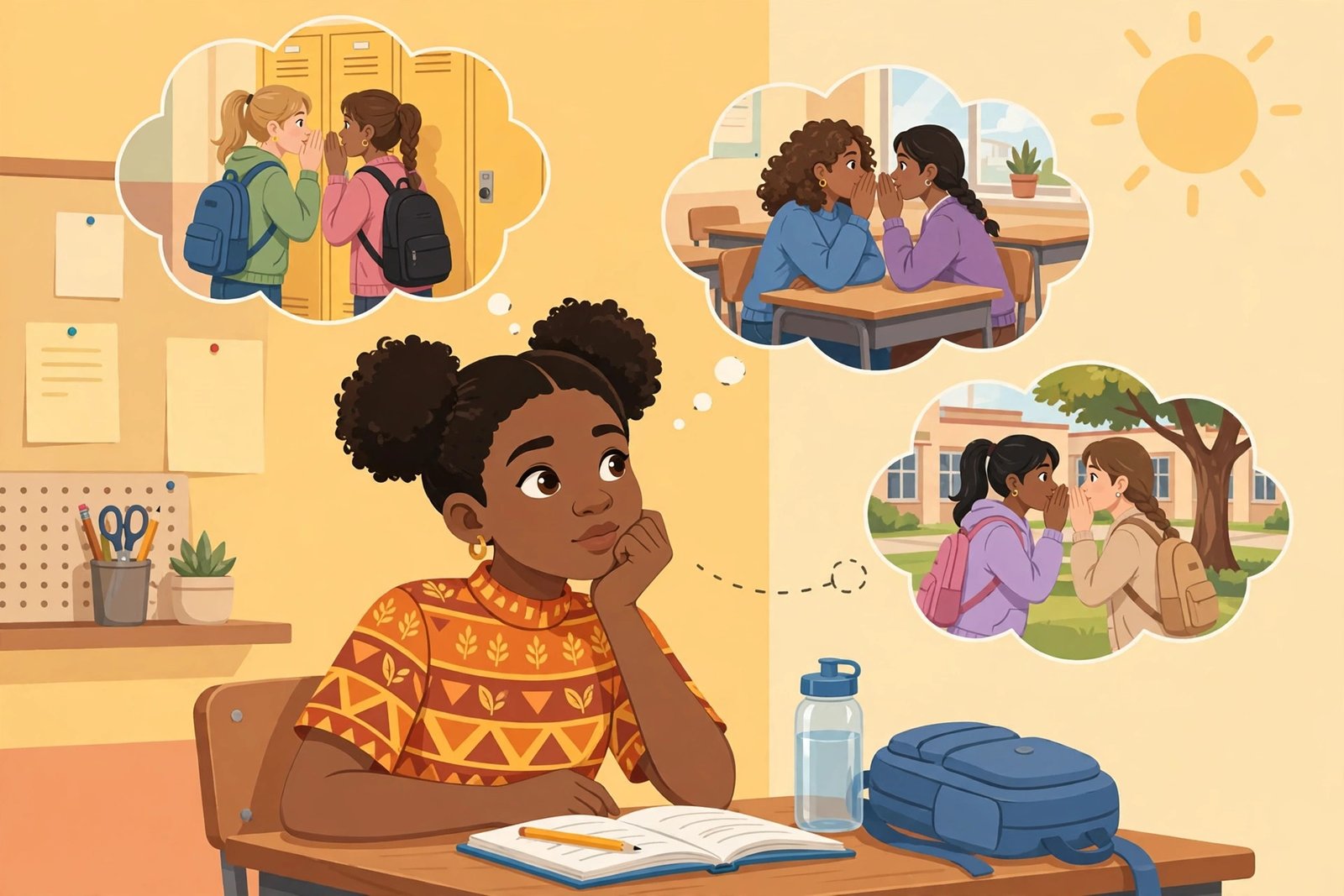
Each friendship has its rough days. There are missed cues and odd moods. Some days the group just feels off. So here’s a good rule to keep. Trust patterns, not one awkward moment. Patterns show who a person is. One moment shows stress or bad timing. Or a plain mix up between friends. This rule sits at the heart of things. It’s at the heart of how to tell if your friends talk about you behind your back. It guards you from blind trust.
Build your pattern from lots of proof. Use at least three kinds of clues. Spread them out over a few weeks. Don’t build it on one bad lunch. That one lunch will stick in your head. Weigh the talks that stop cold. Weigh the jokes no one explains. Weigh a fact that left the group. Weigh kids who turn cold on you. Do the clues point one way? At new times and in new places? Then your worry stands on firm ground. It isn’t just a wild guess now.
Look for good patterns with those same eyes. Be just as honest about them too. Good clues count as proof as well. Note the friend who backs you up. She speaks up when you aren’t there. Note the one who checks on you. She texts after a hard day at school. Note the one who tells hard truths. She says them soft and to your face. A loyal group can have clumsy days. That doesn’t erase their loyal streak. It keeps your call fair and balanced.
Zoe tried a trick that helped her think. She pictured three moments from three weeks. Like stills from a short film, sort of. One by one, each one looked harmless. Each had a plain, kind reason behind it. No gossip had to be there at all. But seen as one bunch over a month? The moments formed a clear shape at last. She could name that shape out loud. Naming it calm helped her plan well. She planned one good talk with Nour.
What if your pattern stays weak and mixed? Say weeks pass and it won’t clear up. Then stress might tint how things feel. Reading about how to tell if a friend is fake can help you sort it. It can help you split real signs from fear. Fear left by an old hurt is real. Learning how to tell if your friends talk about you behind your back should free you. It shouldn’t trap you in checks and guesses.
Ask One Trusted Friend Directly and Calmly

When the pattern feels strong, act brave. The kindest step is one direct talk. Pick the friend you trust most. Don’t pick the whole group at once. Pick a place that’s calm and private. Try a quiet bench by the field. Try a slow walk home from school. No crowd should hear you two talk. Face to face beats texts here. You can hear her tone of voice. You can see her face as she talks. You get a real chance to hear her out.
Open with your feelings and your facts. Keep that order, feelings first, facts next. Use short lines that name what you saw. Don’t call her a liar or a gossip. You might say lunch has felt odd lately. Say you feel shut out when talk stops. Say talk stops each time you sit down. Say a private story reached a new girl. Say that girl heard it last week. Then ask one clear question out loud. Pause and let her answer in full. Don’t jump in, even if it’s quiet. The pause might feel long and weird.
Watch her words, then watch the weeks after. One talk can fool you both ways. Don’t judge it too fast at all. A good friend might look shocked at first. She might look sad or a bit on edge. But she still hears you out fully. She answers in plain words, no games. She guards your trust more after that. But a bad sign looks quite different. She mocks your question to your face. She flips the blame onto you fast. She spreads word of the talk itself.
Zoe picked Nour for her talk. They sat on a bench near the library. It was quiet there that day. Both girls could speak in soft voices. Nour heard her out the whole way. Then she owned up to one thing. The group had joked about Zoe’s slip. Zoe had tripped in gym class once. Nour said she was sorry for it. She was sorry Zoe heard it from strangers. That talk didn’t fix it all at once. But it gave Zoe real facts at last. And a true sorry from a friend.
What if a direct talk feels unsafe? What if the group has turned cruel? You don’t have to face the next step alone. Tell a parent what has gone on. Tell a school counselor or a coach. Tell any adult you trust a lot. Use your notes when you tell them. Share dates, words, and shifts you saw. Asking for help is strong and smart. It’s part of how to tell if your friends talk about you behind your back. And it’s part of what comes next.
Keep your own hands clean through all this. Even when your feelings run hot inside. Even when a sharp reply feels so good. Don’t tape your friends in secret. Don’t read their texts or their notes. Don’t get kids to spy for you. Don’t spread a rumor back at them. The calm path can feel slow, yes. But you can hold your head high later. You’ll respect how you acted this year. And that’s the best way to learn how to tell if your friends talk about you behind your back.
Decide Who Deserves Your Trust Going Forward

Now you have facts and a pattern. You’ve had at least one honest talk too. So it’s time to make some calls. What should each friendship look like now? Some friends will own their mistake out loud. They’ll guard your words with fresh care. Bit by bit, they’ll earn your trust back. They’ll do it with steady acts over time. Other friends won’t change at all though. They’ll keep on whispering behind your back. They’ll keep leaving you out of plans. They’ll treat your hurt like a big joke.
Trust doesn’t have to be all or nothing. You can share in layers with friends. Watch how a friend treats small things first. You can stay warm with her at school. But hold back the tender news for now. News of home, health, and big hopes. Wait till trust feels firm once more. Layers aren’t a punishment for her. They aren’t a game or a test. They’re a calm way to match things. You match what you share to her care.
What if a friendship still hurts you? Say you’ve talked and given fair chances. Say the same old stuff keeps going on. Then stepping back is a sound choice. It isn’t cruel and it isn’t a scene. Our guide to learning how to distance yourself from a toxic friend shows soft steps. It shows how to make space with no fights. Space can look like fewer hangouts. It can look like shorter chats at school.
Fill that new space on purpose, though. An empty week can pull you back. It can pull you back by habit. Join a club that sounds fun. Go back to a hobby you love. Spend more time with your family. Say yes to kind kids at school. Zoe found her feet once more. She sat on a picnic blanket one day. Her new circle was small and warm. Talk stayed open from the first minute. Laughter pulled her in, not out.
The goal was never just to catch whispers. It was to build a safe life. One where your friends feel kind and true. You now know the steps by heart. Watch for patterns and guard soft facts. Pick one calm, honest talk over guesses. That’s how to tell if your friends talk about you behind your back and stay strong.
Frequently Asked Questions
Can one quiet moment really mean my friends are gossiping about me?
No, not at all, not on its own. One quiet moment means very little by itself. Groups go quiet for lots of safe reasons. They might plan a gift or a surprise. They might just be tired that day. Or the news might be a friend’s, not theirs. Watch what the same group does next. Do the pauses keep coming back? Do private facts start to travel around school? Do you keep feeling shut out each day? That wider pattern counts far more than one lunch.
Should I check a friend phone or messages to find proof?
No. Don’t check her phone or read her texts. Don’t ask other kids to spy for you. That breaks trust in a big way. It can break school rules too. And it won’t give you calm, clear proof. Note what you’ve seen with your own eyes. Pauses that keep coming back each week. Facts that travel out of the group. Then pick one friend you trust most. Ask her one kind, direct question in private. Judge her answer by what she does next.
What should I say when I ask a friend about the talk?
Keep your words short, calm, and fact based. Start with how you feel, not with blame. Don’t open by calling her a gossip. You could say you felt hurt at lunch. Talk stopped the second you sat down. A private story reached a classmate last week. That story was meant for friends only. Learning how to tell if your friends talk about you behind your back means talks like this. So ask one clear question. Then hear her out fully. Watch what changes in the weeks after that.
What if my friend denies it but the pattern keeps happening?
Trust the pattern over time, not one no. Steady acts show how safe your trust is. They show it far better than one talk. You can share less tender news for a bit. Spend more time with other kind kids. Join a club or sit with new faces. See if the whispers fade or grow. Do the cold moments stop or keep coming? If nothing shifts after fair chances, step back. Do it with calm, firm lines. That’s a fair, healthy choice for you.
When should I tell an adult about gossip in my group?
Tell a trusted adult when talk turns dark. Watch for threats or cruel posts online. Watch for pressure to keep quiet. Watch for dread each day before school. If that dread won’t lift, speak up. A parent, counselor, or teacher can help. They can help you plan safe talks. They can step in if it grows. Knowing how to tell if your friends talk about you behind your back helps here too. It also means knowing when you need backup.
Pingback: How to React When a Girl Posts Mean Things About You Online - The Honest Truth