
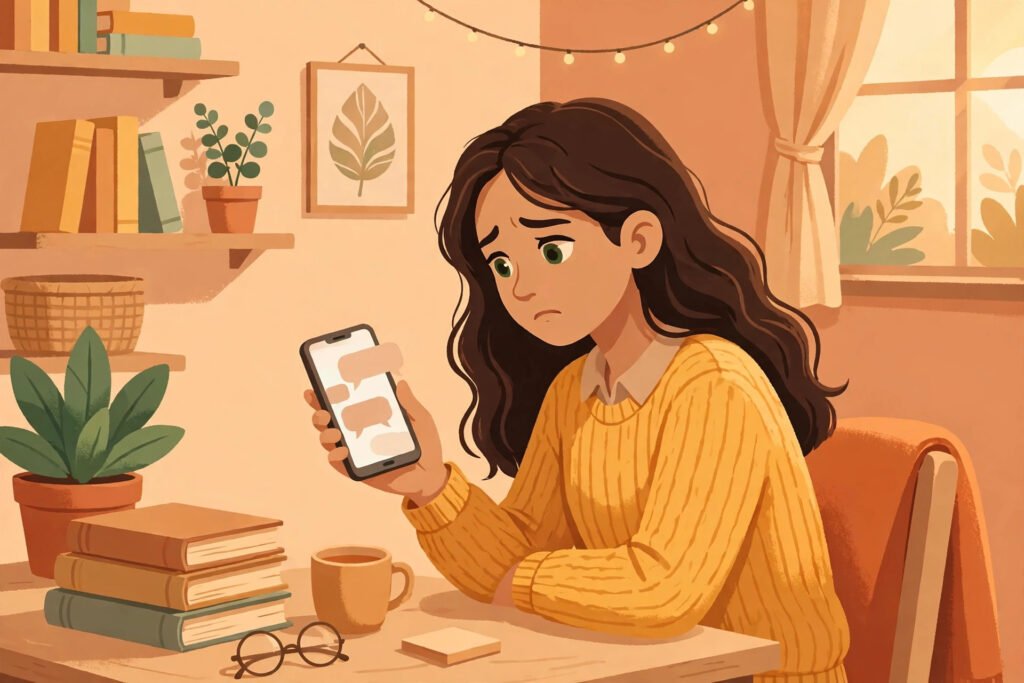
Lina sat at her desk on a Tuesday night. Her phone lit up in her hand. Her friend had sent three texts this week. One was a worry. One was good news. Lina hadn’t replied to any of them. Not one. She’d meant to. She really had. But homework piled up. She felt tired. The days just slipped past. And now her stomach felt tight and heavy. That’s the moment this hits most girls. Not with big drama. Just a small, quiet thought. Is it me? That’s where how to know if you are a bad friend starts for a lot of us.
If that thought sounds like you, breathe. You’re not a bad person. You’re not the worst friend ever. Please don’t go there. Almost every good friend has had a bad week. You’ve had days when you talked too much. You’ve wished you could pull the words back. We all have. That doesn’t make you fake. It makes you human. And here’s the thing no one tells you. Asking how to know if you are a bad friend is a good sign. Girls who don’t care don’t ask. You asked. That means she matters to you.
So let’s look at this together. No shame. No big lecture. Just honest checks, one by one. We’ll look at how you show up. We’ll talk about secrets, jealous stuff, and saying sorry. We’ll talk about asking a friend what she sees. Think of how to know if you are a bad friend as a mirror. A mirror isn’t a judge. It just shows you what’s there. Then you can fix the small bits. And you can start this week.
The Short Answer

Here’s the short answer. How to know if you are a bad friend is about patterns. Not one bad day. One late reply doesn’t ruin a friendship. One missed plan when you’re sick doesn’t count. One weird comment doesn’t define you. So please stop replaying that one moment. Look at what you do again and again. Week after week. That’s what your friends feel. That’s what sticks.
Patterns aren’t hard to spot. You just have to be honest. Do you vanish when talks get deep? Do you forget the things she said matter? Do you say you’ll be there, then bail? Ouch. It stings to admit. But none of that makes you a lost cause. It just shows you what to work on.
Here’s one more big clue. Watch what you do when she says you hurt her. Do you listen first? Even when it feels awkward? Or do you jump in fast? Do you make excuses? Do you call her dramatic? Do you change the topic? Your first words won’t be perfect. That’s fine. What counts is this. Do you try to hear her? Do you try to make it right? If you do, you’re already a better friend than you think. How to know if you are a bad friend often shows up right there, in that one hard moment.
Good friend groups run on four simple things. Be kind. Be honest. Show respect. Show real interest in each other. This sweet guide on how cliques and friend groups work, from Nemours KidsHealth says the same thing in a clear way. Use those four things as your compass. When you’re lost, check them. Are you honest? Do you show up? If yes, you’re on the right track. And when you mess up, you fix it.
In the end, it’s about care she can feel. Not care in your head. Care she can see. Your friends should feel safe with you. They shouldn’t feel small after they talk to you. They shouldn’t feel like they’re always last on your list. You don’t have to text all day. You don’t have to agree with all she says. Just be kind. Be steady. Be real. When you think about how to know if you are a bad friend, that’s the test that counts most.
Ask Yourself If You Only Show Up When It Is Convenient
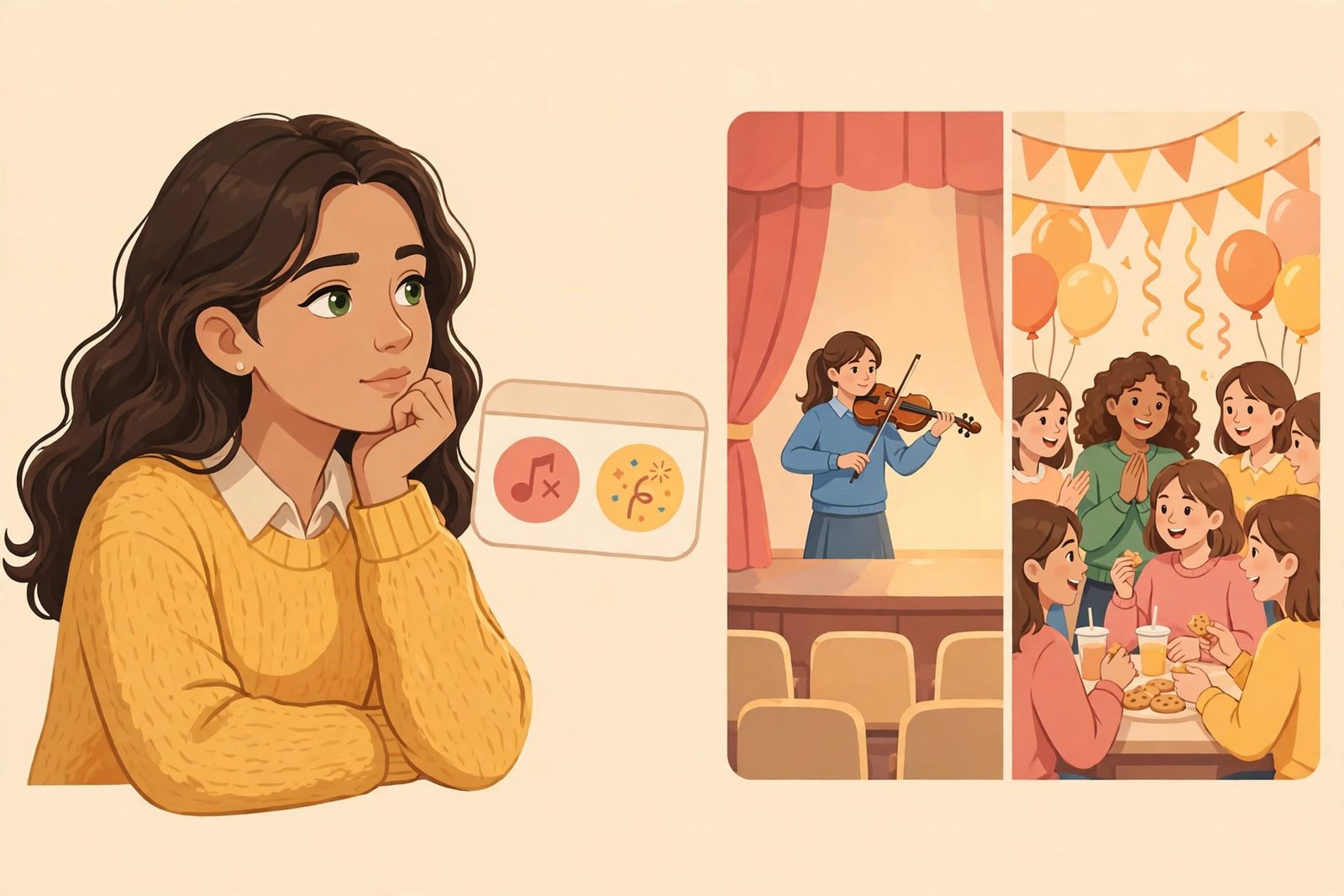
Lina had a small calendar taped above her desk. One night she stared at two dates. On the first date, she’d missed her friend’s recital. Her friend had been scared for weeks about that show. She’d talked about it at lunch. Lina knew. And she still didn’t go. The next day? Totally different story. There was a fun party that night. Lina found the time. She found the energy. She even found a cute outfit.
Seeing those two dates side by side felt bad. And it should feel a bit bad. The problem wasn’t just her busy week. The problem was this. She showed up when it was fun. She skipped when it was hard. That’s one of the clearest signs when you’re asking how to know if you are a bad friend. Friends aren’t just for the fun bits. They’re for the dull bits and the sad bits too.
Now, let’s be fair here. Showing up doesn’t mean yes to all things. You can say no. You should say no sometimes. You need rest. You have school. You have family rules. So don’t feel guilty for every no. The real question is smaller. Does your no only show up when it’s boring? Or sad? Or a bit hard? If you’re there for parties but gone for tears, she’ll notice. She’ll learn she can’t count on you. And that lesson hurts.
Think about the last few weeks. Be real with yourself. When did you reply fast? When did you leave her on read for days? When did you say you were too busy, then scroll for two hours? Be honest, but don’t be mean to yourself. Facts aren’t shame. Facts are a map. They show you what to change next time. That’s a gift, not a punishment.
Look at the small moments too. That’s where friendship lives. It’s not just big plans. It’s the tiny stuff. Did you ask about her big test? Did you check on her sick grandma? Did you send a quick good luck text before tryouts? Those small texts take ten seconds. But they tell her this. You live in my head. I didn’t forget you. It means more than a promise you don’t keep.
So if you see this pattern in you, fix one thing. Just one. And do it soon. Go to her next game. Sit through her next practice. Show up to the thing that matters to her, even if it’s not your thing. Then do what you said you’d do. No half effort. Trust grows that way. Slow. Quiet. Real. One kept plan won’t fix all of it. But it’s a start. And starts count. When you ask how to know if you are a bad friend, starts are proof you’re changing.
Notice If You Talk More Than You Listen

Lina met Priya for coffee after school one day. Lina talked and talked. She talked about her classes. She talked about her weekend. She talked about a funny thing on the bus. She barely stopped to breathe. Across the table, Priya lifted her head. She was about to say something big. Then she closed her mouth. She looked down. She stirred her drink and said nothing. Lina didn’t see it at first. Then the quiet hit her. Oh.
Listening sits right at the heart of this. When you’re working out how to know if you are a bad friend, ask how well you listen. People feel loved when they feel heard. It’s that simple. Talking about your life isn’t wrong. Please share your news. Share your jokes. Share your bad days too. That’s what friends do. But the balance has to be fair. If she always listens and you always perform, that’s not fair. If she leaves knowing all about your week, and you know nothing about hers, that’s a red flag.
Try this quick test. Think of your last three talks with a close friend. Can you name what she’s stressed about right now? Can you name one thing she can’t wait for? Can you name one small thing that made her laugh this week?
The fix is small. You don’t need a new personality. Ask one real question. Try this one. What part of today stuck with you? Then let her finish. Don’t jump in. Don’t finish her sentence for her. Put your phone face down on the table. It says you’re here. You’re with her. Split focus can feel like a cold shoulder. She can feel it, even if you can’t.
And watch this trap. Don’t spin all her stories back to you. Priya says she’s scared about her class talk tomorrow. You jump in with a long story about your class talk last month. You mean well. You think you’re bonding. But you just stole her moment. Stay with her a bit longer. Ask how she feels. Ask what part scares her most. Then, later, share your story if it still fits. The more you listen like this, the safer she’ll feel. And safe friends stay close.
Check Whether You Keep Secrets and Promises
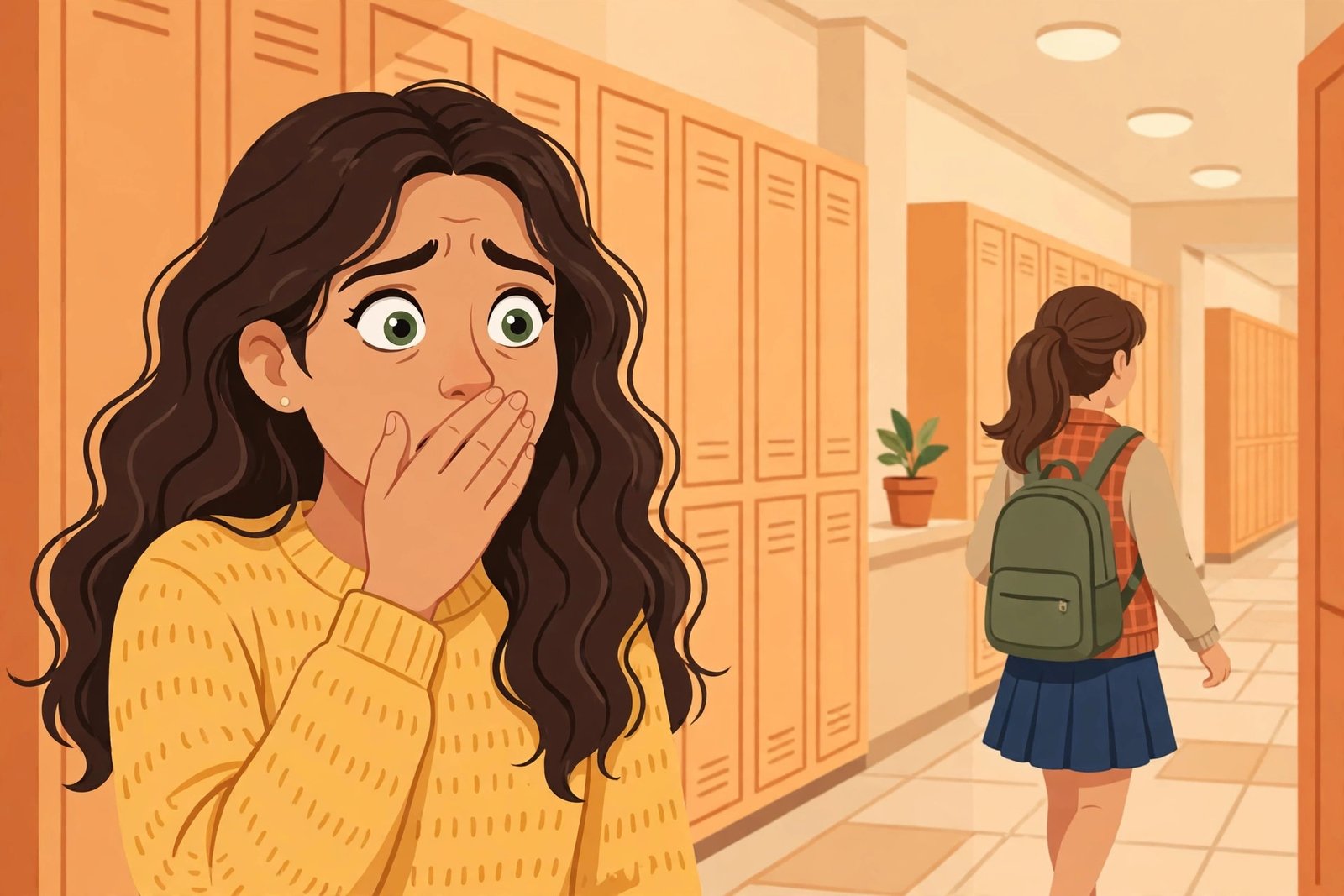
It happened in the hall at school. Lina said a thing she shouldn’t have said. It was private. Her friend had trusted her with it. Lina thought it sounded small. She thought it was no big deal. Then she saw a girl walk off. That girl had heard it all. Lina’s hand flew to her mouth. A secret isn’t just news. It’s a piece of her safety. She put it in your hands. When you drop it, it doesn’t just sting. It can wreck trust for a long time.
Small promises work the same way. You say you’ll save her a seat. You say you’ll bring the book. You say you’ll help her study on Thursday. She builds her day around your words. She counts on you. Then you forget. Once is a slip. Five times is a lesson. She learns your yes doesn’t mean yes. And that’s a sad lesson to teach a friend. It’s a core part of how to know if you are a bad friend, even if no one says it out loud.
So pause before you share a story. Ask this first. Is this mine to tell? If you’re not sure, don’t tell it. Silence is kind. If you want to see how trust should feel from both sides, read this piece on how to spot a fake friend and what real trust looks like. It’ll help you spot the good signs. In your friends, yes. But in you too.
Let’s get blunt for a sec. When you think about how to know if you are a bad friend, trust is a huge part. So ask yourself these things. Have you shared her private texts with someone else? Have you shown a screenshot she sent just to you? Have you told her secret to just one person, and told yourself that one doesn’t count? It counts. Have you made promises just to end a chat? Or to make her smile for a sec, when you knew you couldn’t do it? Honest answers feel gross. But they’re where real change starts.
If you’ve messed this up, fix it fast. Tell her yourself. Don’t let her hear a twisted version from someone else at lunch. Say what you did. Say it plain. Say you’re sorry for that exact choice. Tell her what you’ll do next time. Then give her time. She may not trust you with big stuff right away. That’s fair. Trust doesn’t come back with one big talk. It comes back slow. One careful choice at a time. Again and again.
Be Honest About Jealousy and Put-Downs

Lina was doing homework at her desk one night. A memory popped up out of nowhere. Like a small thought bubble over her notebook. That week, her friend had shared a great grade. She’d been so proud. And Lina had smiled. Then she’d said a teasing line. Something like, well, that test must have been super easy. She winced at her desk. She could still see her friend’s face. That quick flash of hurt. Then the topic changed fast.
Here’s the truth under that moment. Lina felt jealous. She felt left behind. That comment was her clumsy way to shrink a win. A win that made her feel small. So let’s say this loud and clear. Feeling jealous doesn’t make you a bad friend. It doesn’t make you mean. It doesn’t make you fake. Jealousy visits almost all of us. The feeling isn’t the problem. What you do with it is.
Jealousy turns sour when it leaks out sideways. It leaks out as teasing. It leaks out as cold silence. It leaks out as sweet words with a sting in them. Nice hair. Did you even try today? Being honest about this is a big part of how to know if you are a bad friend. Hidden jealousy rarely stays hidden. It pops out as small put-downs. And small put-downs add up fast.
Put-downs hide well. That’s why you have to look close. They sound like jokes. Jokes about her outfit. Her voice. Her crush. Her grades. Her new hobby. And they land worse when other kids are there to laugh. So check the effect, not just your intent. Does she go quiet after your jokes? Does she share less good news with you now? Does she seem smaller around you? If yes, stop. Pause. Ask yourself what you really feel.
Try a kinder script in your head. Name the feeling first. Just to yourself. I feel jealous. I wanted that grade too. I’m sad about my own mark today. That’s it. That one honest line splits two things apart. Your sad feeling is yours. Her win is hers. They can both be true at once. You can feel a bit low and still cheer for her. Both feelings can sit side by side.
Now turn the moment around. Send the happy text. Mean it. Ask how she studied. Ask what helped her most. Let her enjoy her win with no shadow on it. And if a teasing line slips out? Fix it fast. Fix it right there if you can. Say, sorry, that came out wrong. I’m proud of you. Over time, cheering for your friends gets easier. And your friendships feel lighter. More fun for all of you.
Notice If You Apologize or Always Make Excuses
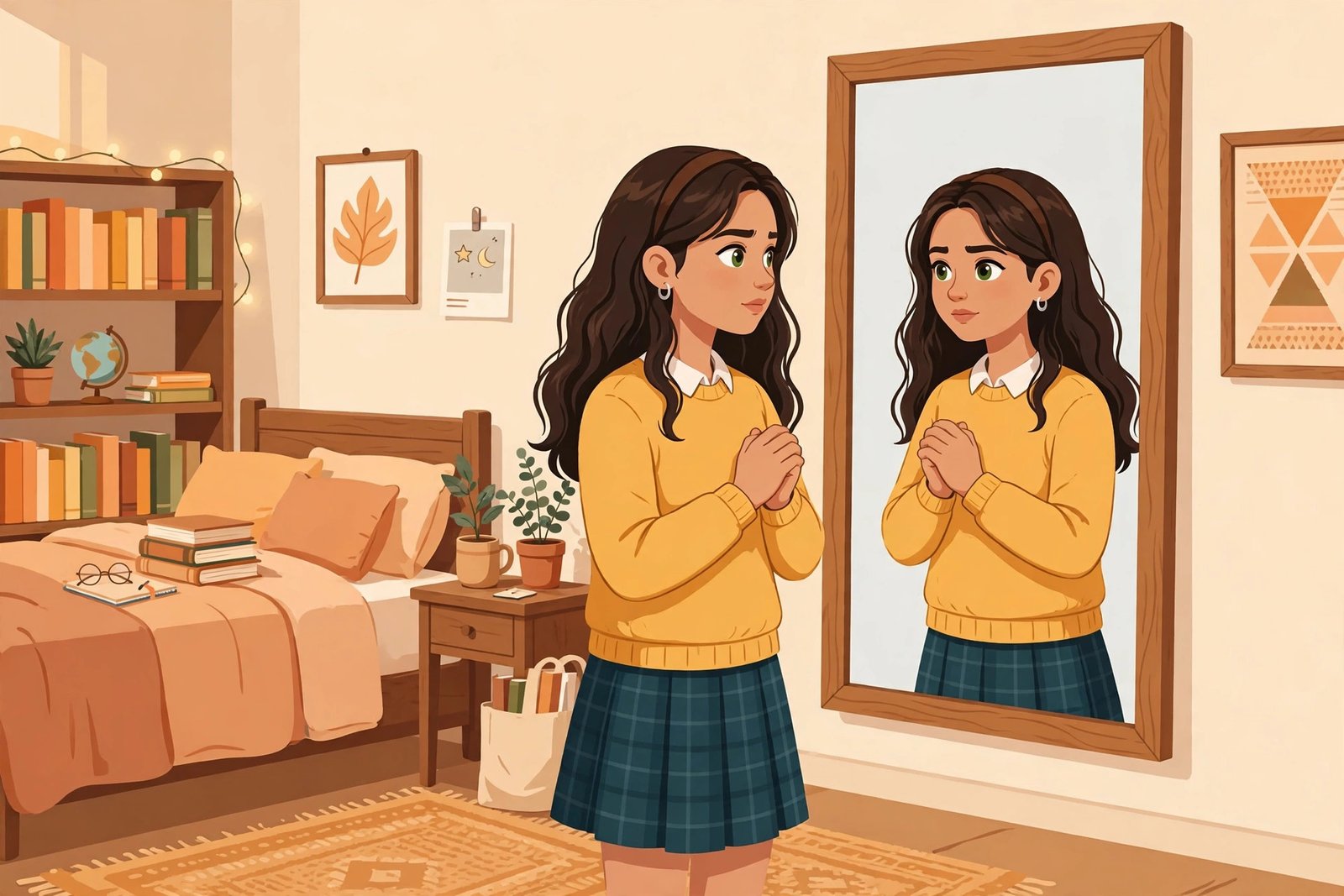
One morning before school, Lina stood at her mirror. She just stood there and practiced words. Out loud. She said the exact thing she needed to say to her friend. Her voice shook a bit. She tried again. Slower this time. Standing there, she got it. Saying sorry well is a skill. It’s not magic. And like any skill, it gets easier when you practice.
So why do we dodge it? Because sorry feels scary. It feels exposed. So we make excuses instead. We say anyone would have done the same. We say she’s too sensitive. We say we meant well, so it shouldn’t hurt. Those lines guard your pride for a sec. But they leave her alone with the hurt. All alone. And she knows it.
A real sorry is simple. You can learn the steps. Step one. Name the exact thing you did. I missed your recital. I shared your secret. I made that joke about your grade. Step two. Name how it may have felt. You must have felt forgotten. Or exposed. Or embarrassed in front of everyone. Step three. Say what you’ll do next time. Then do it. Not once. That’s the part that proves you mean it.
Your response to your own mistakes says a lot. It’s a huge clue in how to know if you are a bad friend. All friends mess up. You will. She will. That’s life. The question isn’t will you mess up. The question is what you do next. Can you own your part? Can you do it with no shame spiral? Owning it sounds like this. I was wrong. I’m sorry I hurt you. Short. Clear. Kind. It doesn’t sound like this. I’m the worst person in the world. That line flips the whole thing. Now she has to comfort you. Don’t do that to her.
After you say sorry, give her space. Let her reply in her own way. She may forgive you fast. She may need a few days. She may ask for a change you didn’t expect. Listen to that too. Then keep your word in the small moments. Show up. Reply. Be careful with her trust. A sorry with action behind it is strong. It’s one of the best signs a friendship can heal. And grow.
Ask a Friend You Trust for Honest Feedback

On a warm afternoon, Lina sat with Chloe on the porch steps at Chloe’s house. Lina had asked Chloe a brave question that morning. Now Chloe answered. She was kind. She was honest too. She named one pattern she’d seen. Then she said why she was telling her at all. Because I care about you. Lina’s heart beat fast. But she felt grateful too.
Pick the right person for this talk. Pick the right moment too. Choose a friend who knows you well. Choose one who’s kind to you. Not one who loves drama. A calm place helps a lot. Before you start, you might like these tips on how to have a hard talk without crying or shutting down. They’ll help you stay calm and stay in the talk. Even when your eyes get hot. Even when you want to run.
Feedback shows you things you can’t see alone. Friends spot patterns you’re too close to see. That’s why it’s gold when you ask how to know if you are a bad friend. You may think you’re just quiet when you’re tired. She may feel your quiet as distance. She may think you don’t care. Don’t brush them off just because you meant well.
When she talks, listen more than you talk. At least at first. Take a breath before you reply. Say her words back to her in your own way. So she knows you heard her. It may teach you more about how to know if you are a bad friend than any quiz online. Thank her for being honest with you.
After the talk, write the key points down. Feedback works best when it points to acts. Late replies. Cutting her off mid-story. Forgetting plans you made. Acts can change. You can practice new ones. A friend who told you the truth will notice real effort. She’ll value it way more than a big perfect promise.
Change One Behavior at a Time and Keep Showing Up

A week later, Lina got to the school gate early. She held a warm drink she’d promised to bring her friend. Her friend came around the corner. Her face lit up. She looked surprised. And pleased. Lina smiled back. She felt proud in a quiet way. This time her care wasn’t just a thought in her head. It was a thing her friend could see. And hold. And count on.
Don’t try to fix all your habits at once. Please. That plan feels brave for one day. Then it crashes. You get tired. You get fed up. You quit and feel worse than before. And you’re a real teen. You have school. You have your own feelings to carry each day. Picking one habit isn’t weak. It’s smart. It’s how change sticks. You repeat one small act until it’s just what you do.
Pick your first change with care. It might be the one your friend named. It might be the pattern you saw on your own calendar. Here’s an idea. Reply to her texts within a day. Even if you just say, busy today, but I saw this, talk tonight? Here’s one more idea. Ask one real question in each talk. Then remember her answer later that week. Use it. When people ask how to know if you are a bad friend, these small acts are the best proof. Not one big emotional speech. Small acts, done again and again. They show you and her that change is real.
Keep a tiny note on your phone. Track the one habit you picked. Missed a day? Note it. Fix it if you need to. Then start again the next day. Don’t throw the whole thing out for one bad day. Growth isn’t a straight line. A missed day is just info. It’s not a verdict on who you are. Kind, steady effort beats guilt every single time.
Months from now, she won’t recall each text. She won’t recall each plan or each warm drink at the gate. She’ll recall a feeling. The feeling of being with you. Did she feel heard? Did she feel respected? Did she feel trusted? Did she feel wanted in your life? That’s what stays. And for you, how to know if you are a bad friend will feel less scary over time. It won’t feel like a harsh label. It’ll feel like a question that helped you grow. You asked it with courage. You heard the answer. You kept showing up. That’s what good friends do. That’s what you’re learning to do, one small day at a time.
Frequently Asked Questions
Does wondering how to know if you are a bad friend mean I am one?
No. Really, no. If you’re asking how to know if you are a bad friend, that means you care. Girls who don’t care don’t stop and ask. They just carry on. You’re pausing. You’re looking at yourself with honest eyes. That’s brave. And it’s a hopeful sign. Now look at your patterns, not your worst day. Hear what a trusted friend says. Pick one small habit to fix this week. Care, check, fix, repeat. That’s how good friends are made.
What should I do if a friend says I hurt her?
Listen first. I know it’s hard. You may feel shocked. You may feel embarrassed. You may want to jump in and explain. Don’t. Not yet. Let her tell her side in full. Ask what happened for her. Ask what hurt most. Then name the exact thing you did. Say you’re sorry for how it hit her. Ask what would help her feel respected now. Then do that thing. In the days after, not just that night. Your acts after sorry prove if you meant it.
How long does it take to become a better friend?
There’s no set number of days. Sorry, I wish there was. Trust grows from proof, not promises. It grows one kept plan at a time. When you think about how to know if you are a bad friend over time, watch for steady change. Faster replies. Plans you keep. Calmer talks when she gives feedback. Some friends will trust the change fast. Others will need more time. Both are okay. Be patient. Keep showing up. Let your daily acts speak for you.
Should I tell my friend I am trying to change?
Yes. Tell her. Just keep it short and keep it calm. And don’t make her carry your feelings about it. You could say this. I’ve been thinking hard about my habits. I saw a pattern I don’t like. I’m working on one change. That’s it. That’s enough. Don’t fish for praise. Don’t ask her to cheer you on each day. After you tell her, the real proof starts. It’s what you do next. Week after week. Quiet, steady acts. That’s what she’ll believe.
What if I have been a bad friend for a long time?
Start where you are. Right now. Today. A long pattern is harder to shift, but it’s not set in stone. Be honest about the pattern. Say sorry for the pattern, not just one bad day. She may need space. She may need a lot of time. Respect that, even if it hurts. It shows you get it. Then keep practicing better habits each week. Small acts. Steady acts. The person you’re becoming still counts. Even if one friendship needs time to heal first.