

Picture your closest friendship. Now ask yourself one honest question. If you stopped trying tomorrow, what would be left? If you stopped texting first, stopped making the plans, stopped asking how she is, would the friendship keep going? Or would it quietly disappear, like a plant nobody waters? That little thought experiment is where the question how can I recognize a one-sided relationship really begins.
Here’s the tricky part. A one-sided friendship rarely looks bad from the outside. She laughs at your jokes. She’s happy to hang out when you organize it. Nothing is on fire. But inside, you feel tired in a way you can’t explain. You feel like the manager of the friendship, not a person in it. If that sounds familiar, learning how can I recognize a one-sided relationship is not about blaming her. It’s about finally looking at the balance with clear eyes.
This article looks at one friendship and one friendship only. Not your whole social life, not every person you know. Just the one bond that keeps leaving you drained. We’ll go through the full picture: who starts things, who listens, who helps, who remembers, and who fixes the cracks. By the end, you’ll know how can I recognize a one-sided relationship when you see one, and you’ll have a simple test you can run any time you start to doubt yourself.
The Short Answer

A one-sided relationship is one where the effort flows mostly in one direction. You start the talks. You make the plans. You listen, you help, you remember, and you fix things when they crack. She mostly receives. The clearest way to answer how can I recognize a one-sided relationship is the effort test. Look at the last month. Count who did what. If the list is almost all you, that’s not a busy friend. That’s an imbalance. And here’s the hopeful part of how can I recognize a one-sided relationship early: once you see the balance clearly, you can choose what to do about it, calmly and without a big drama.
The Effort Test: One Simple Way to See the Balance
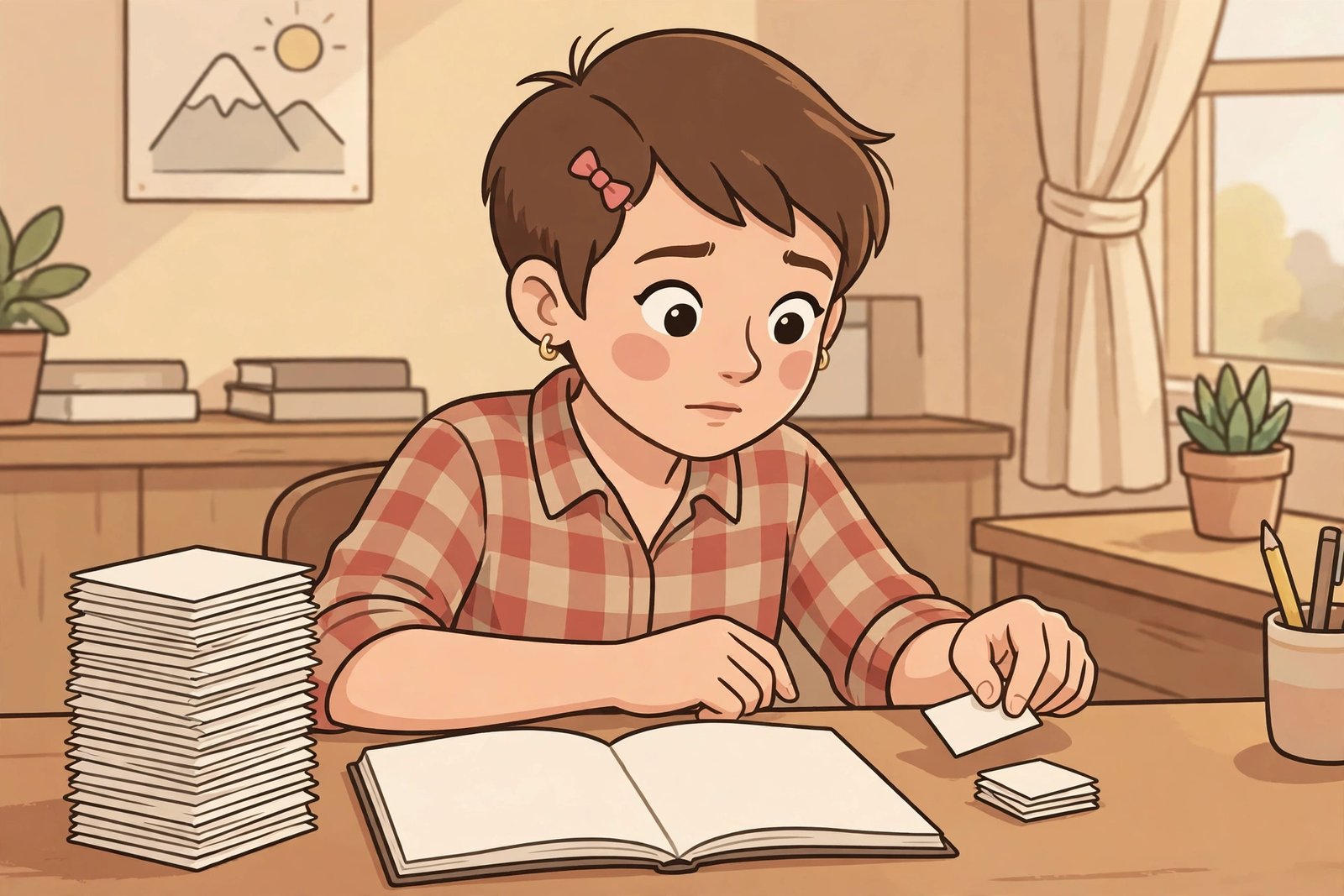
Feelings can be confusing. Some days everything feels unfair, even in a good friendship. So let’s use facts instead of moods. The effort test is simple. Take one month, the last four weeks or so, and look at your friendship like a scorekeeper. Not to be cold. Just to be clear. This test is the most honest way to answer how can I recognize a one-sided relationship without guessing.
Here’s how it works. Think through five kinds of effort. Starting: who sends the first text, who suggests hanging out. Listening: who asks questions and who answers them. Helping: who shows up with notes, rides, or comfort when things go wrong. Remembering: who keeps track of the big test, the scary dentist visit, the family thing. Repairing: after a cold moment or a small fight, who reaches out first to fix it?
Now be honest about what you find. In a healthy friendship, the score wobbles. She starts more this month because you’re buried in exams. You listen more next month because her parents are fighting. Wobble is normal. Life is uneven. But in a one-sided friendship, the score doesn’t wobble. It sits. Month after month, the same name does almost all of the starting, listening, helping, remembering, and repairing. That stuck score is the real answer to how can I recognize a one-sided relationship. It isn’t one forgotten text. It’s a pattern with your name on every line.
One warning before we go on. Don’t run this test on one bad week. Run it on a season. A friend in a hard season can look one-sided for a while, and she may come back strong later. The test isn’t about catching her. It’s about seeing your own life clearly. If the season never seems to end, and her hard times always seem to outrank your hard times, keep reading. The next sections walk through each kind of effort, one by one, so you can see exactly where your balance is tipping.
You Always Start: The Initiating Gap
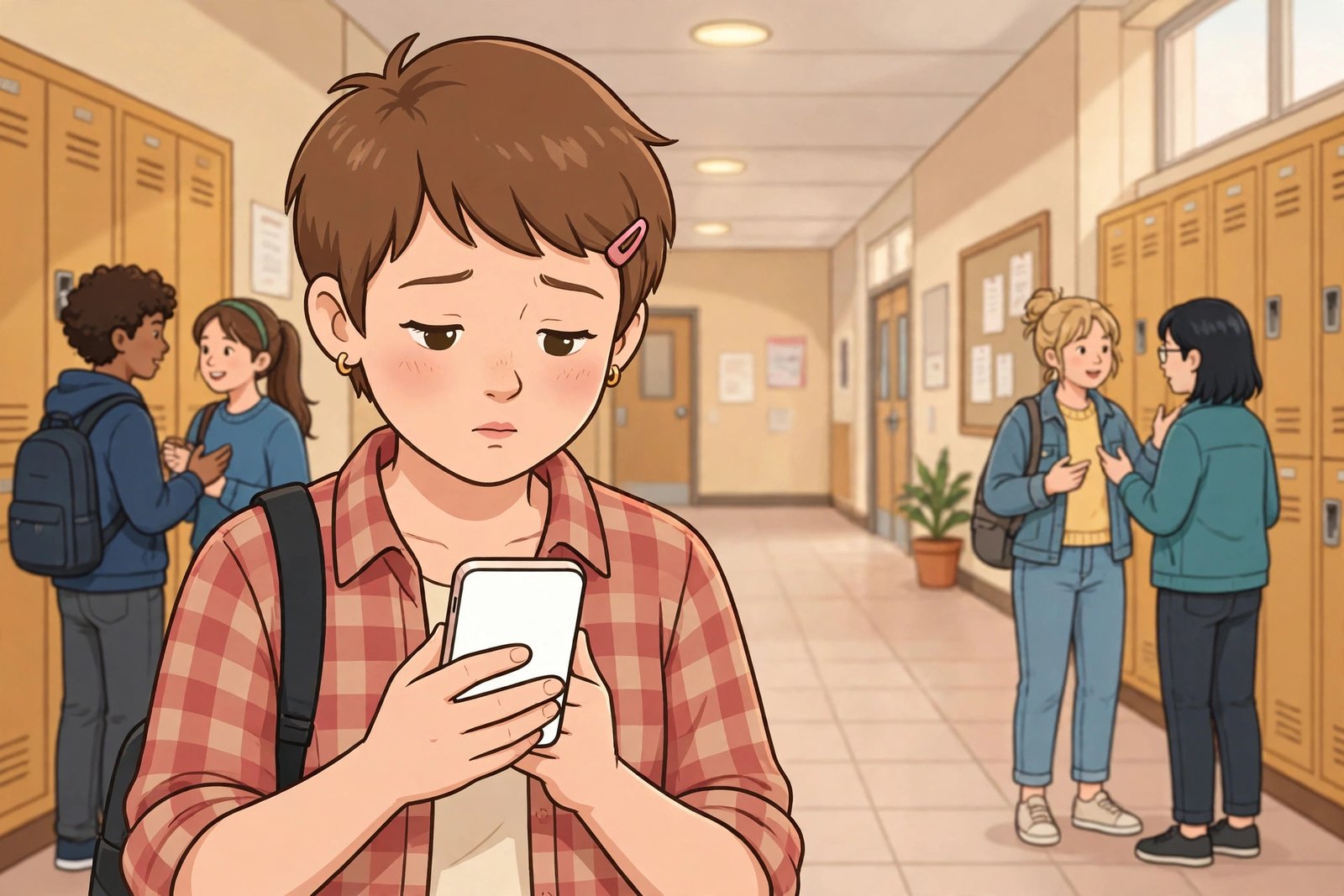
Let’s start with starting. Who opens the door in your friendship? In most one-sided friendships, it’s you. You’re the first text in the morning. You’re the one who says, want to walk home together? You’re the one who plans the movie night, picks the day, and reminds everyone twice. If you’re asking how can I recognize a one-sided relationship, the initiating gap is usually the first crack you can actually count.
Here’s a simple way to check. Scroll your chat with her. Don’t read the words. Just look at the shape of it. Whose message opens most days? Whose bubble sits alone at the top after a quiet weekend? In a balanced friendship, both of you open talks. In a one-sided one, the thread looks like your diary with guest comments. You talk, she replies. You invite, she accepts or declines. But she almost never knocks first.
Now, some people are just bad at starting. That’s real. Some girls are shy, or busy, or raised in homes where nobody texts feelings. A bad starter can still be a great friend if she warms up when you start, asks about you, and shows up fully. The gap becomes a problem when starting is missing along with everything else. No first texts, no plans from her side, no hey, I missed you after a long break. Just silence, until you break it.
Try a gentle experiment if you want the truth. Don’t start anything for a week. Not as a game, and not to punish her. Just live your life and see what happens. In a healthy friendship, she notices. A text arrives. Hey, where have you been? In a one-sided one, the week passes in silence, and the friendship only wakes up when you do. That’s data. And data is kinder than doubt, because doubt will keep you asking how can I recognize a one-sided relationship at 2 a.m. Facts let you sleep.
One more thing. Notice how she starts with other people. If she plans things with other friends, texts them first, and organizes their birthdays, then starting isn’t a skill she lacks. It’s a choice she’s making about you. That stings. But it also frees you, because a choice can be talked about. And talking about it, calmly, beats another year of wondering.
Listening Only Flows One Way

Now let’s look at listening, because this is where one-sided friendships hide best. You can spend hours together and still be alone in the talk. She tells you about her crush, her fight with her mom, her bad quiz, her new shoes. You listen. You ask questions. You remember details from last week and bring them up. Then you start a sentence about your own day, and somehow, within a minute, you’re back to her. If you want to know how can I recognize a one-sided relationship, watch what happens to your sentences.
There’s a small moment that tells the whole story. You say something real. I’m kind of stressed about tryouts. And she says, oh, that reminds me, and the talk is hers again. Or she answers with one word and picks up her phone. Or she waits for your story to end so hers can begin. Once is nothing. Everyone zones out sometimes. But if your stories always get cut, shrunk, or swapped, that’s not bad luck. That’s the listening balance, and it’s sitting on one side.
Think about what she actually knows about you. Does she know your little brother’s name? Your fear about changing schools? The thing you’re saving money for? Close friends collect these facts without trying, because they listen when you talk. If she knows almost nothing real about you after a year of friendship, it isn’t because you never shared. It’s because the sharing never landed anywhere.
Here’s the quiet cost of this one. When you always listen and never get heard, you start shrinking your own life. You stop bringing her your news, because why bother. You save your real talks for someone else, or for no one. The friendship looks fine from the outside. You still laugh together. But you leave every hangout a little emptier than you came. That empty feeling is information. Girls often ask how can I recognize a one-sided relationship while describing exactly this: full calendar, empty tank.
There’s a cousin of this pattern worth knowing about. Sometimes the issue isn’t listening, it’s that your kindness itself gets used, like being someone’s free comfort on demand. We looked at that angle in our article on someone is taking advantage of my kindness. Here, the focus is wider. It’s not one favor. It’s the whole direction of the talk, the care, and the attention, month after month. Keep that wide view as we look at helping and remembering next, because those two show the pattern in actions, not just words.
The Remembering and Helping Gap

Words are easy. Actions keep receipts. This section is about two kinds of effort you can see with your eyes: remembering and helping. Remembering means your life stays in her head after you stop talking. Helping means she moves when you’re in trouble. When both of these flow one way, the question of how can I recognize a one-sided relationship answers itself pretty fast.
Think about remembering first. You know her big days without checking. Her audition is Thursday. Her grandma’s surgery was last week, and you asked about it twice. Now flip it. Your big presentation came and went. Did she ask how it went? Your dog was sick. Did she check in the next day? In close friendships, remembering is love in a small, plain form. It says: you exist in my mind even when you’re not in front of me. When that only runs one way, you feel it. You feel like a guest star in her life and the full-time crew in your own friendship.
Helping tells the same story in bigger moments. When her ride fell through, you fixed it. When she cried in the bathroom at school, you stayed. When she needed the math notes, yours were in her inbox before she finished asking. Now count your emergencies. The day you were sick and scared. The week your parents fought every night. Did help arrive, or did you get a quick aw, that sucks, and a change of subject? Everyone has limits, and no friend can fix everything. But a pattern of no-shows is a message, and you are allowed to read it.
Notice, too, the difference between can’t and won’t. A friend who can’t help because her life is on fire will usually say so, feel bad about it, and make it up to you later. A friend who won’t help just… doesn’t, and doesn’t seem to notice. The first one is a person with a hard season. The second one is a pattern. Sorting can’t from won’t is a big part of how can I recognize a one-sided relationship without being unfair. You don’t need her to be perfect. You need her to care that the scale is tipped, once she sees it.
If this section feels painful to read, go slow. Remembering and helping gaps hurt because they’re proof, and proof ends the hopeful guessing. But proof is also where your power starts. You can’t fix a friendship you keep excusing. You can only fix, or leave, the one you see clearly. And you still have two more pieces of the picture to check: who repairs the cracks, and how all of this actually feels from your side of the scale.
You Repair Every Crack Alone
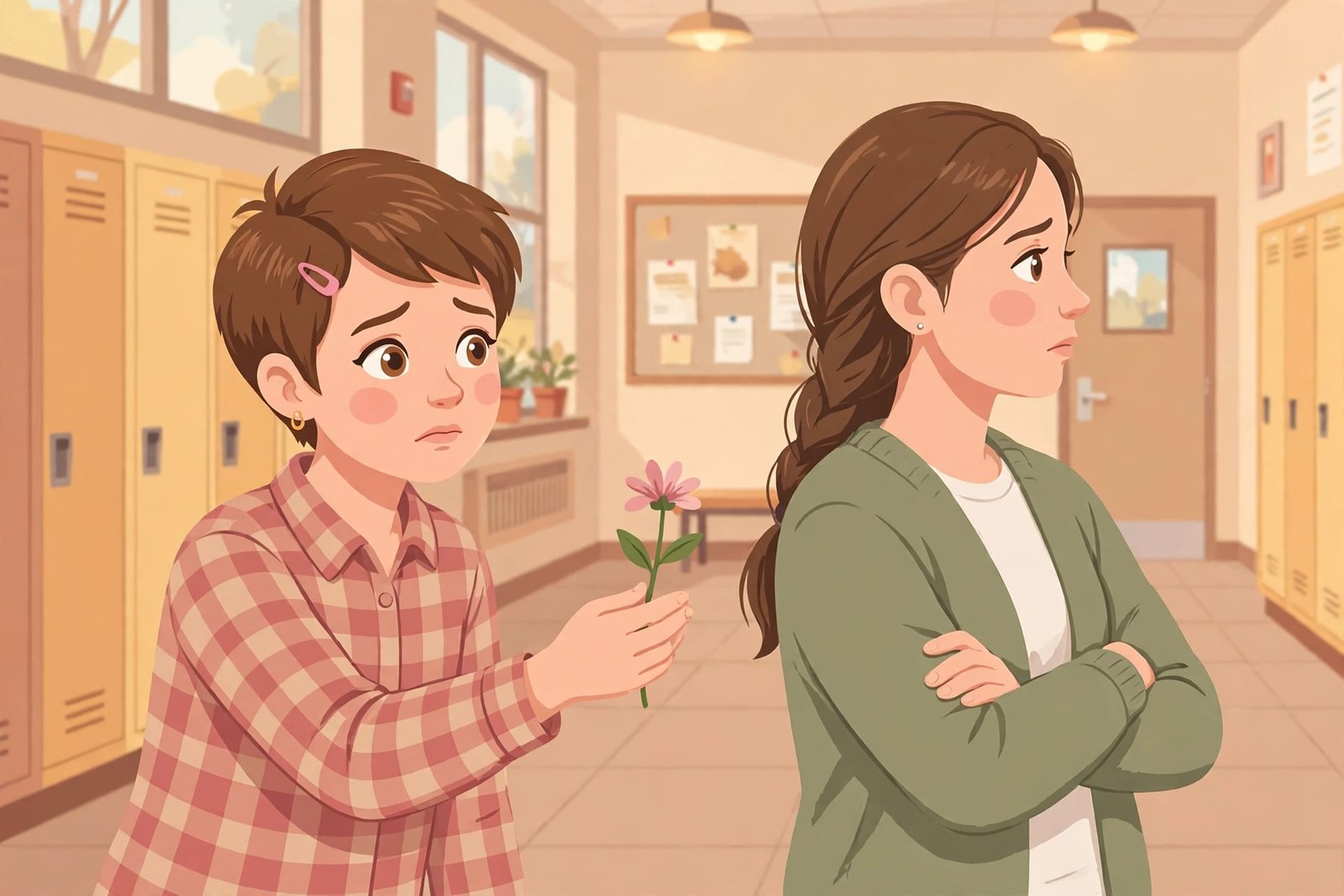
Every friendship cracks sometimes. A joke lands wrong. A plan falls apart. Someone feels left out. Cracks are normal. What matters is who does the repairing. In a one-sided friendship, the repair crew has one member: you. You’re the one who texts after a cold day. You’re the one who says sorry first, even when you were the one who got hurt. If you’re still wondering how can I recognize a one-sided relationship, look at who always picks up the broom after things break.
Here’s how it usually goes. She goes quiet for two days because she’s annoyed about something. You feel the silence like a weight. So you reach out. Hey, are we okay? She warms back up, and the friendship rolls on. Notice what never happened. She never had to sit in the discomfort. She never had to risk the awkward talk. Your reaching out rescued her from all of it, every single time. And because it worked, the pattern set like cement.
Now flip the scene. You go quiet because she hurt you. Does she come looking? Or does the silence just… stay, until you get tired of it and fix things yourself? In a balanced friendship, repair flows both ways. Whoever notices the crack first picks up the broom, and over a year, it evens out. When it never, ever starts from her side, that’s not shyness. That’s a person who has learned that you’ll always do the hard part for both of you.
There’s a hidden cost here, and it’s a big one. Always repairing teaches you to ignore your own feelings. You get so good at smoothing things over that you skip the step where you ask, wait, was that okay with me? You say sorry for being upset instead of saying you were hurt. Over time, that habit follows you into every friendship and every future relationship. Breaking it here, in this friendship, is practice for your whole life.
So what does healthy repair look like, so you know the difference? It looks like her texting after a weird day: hey, that felt off, are we good? It looks like her saying sorry for the specific thing, not a vague my bad. It looks like her changing the behavior after, not just the mood. You deserve all three of those. And if you’re keeping score at home, this section plus the last four is most of the real-world answer to how can I recognize a one-sided relationship. The feelings come next, because they matter too.
How It Feels on Your Side of the Scale
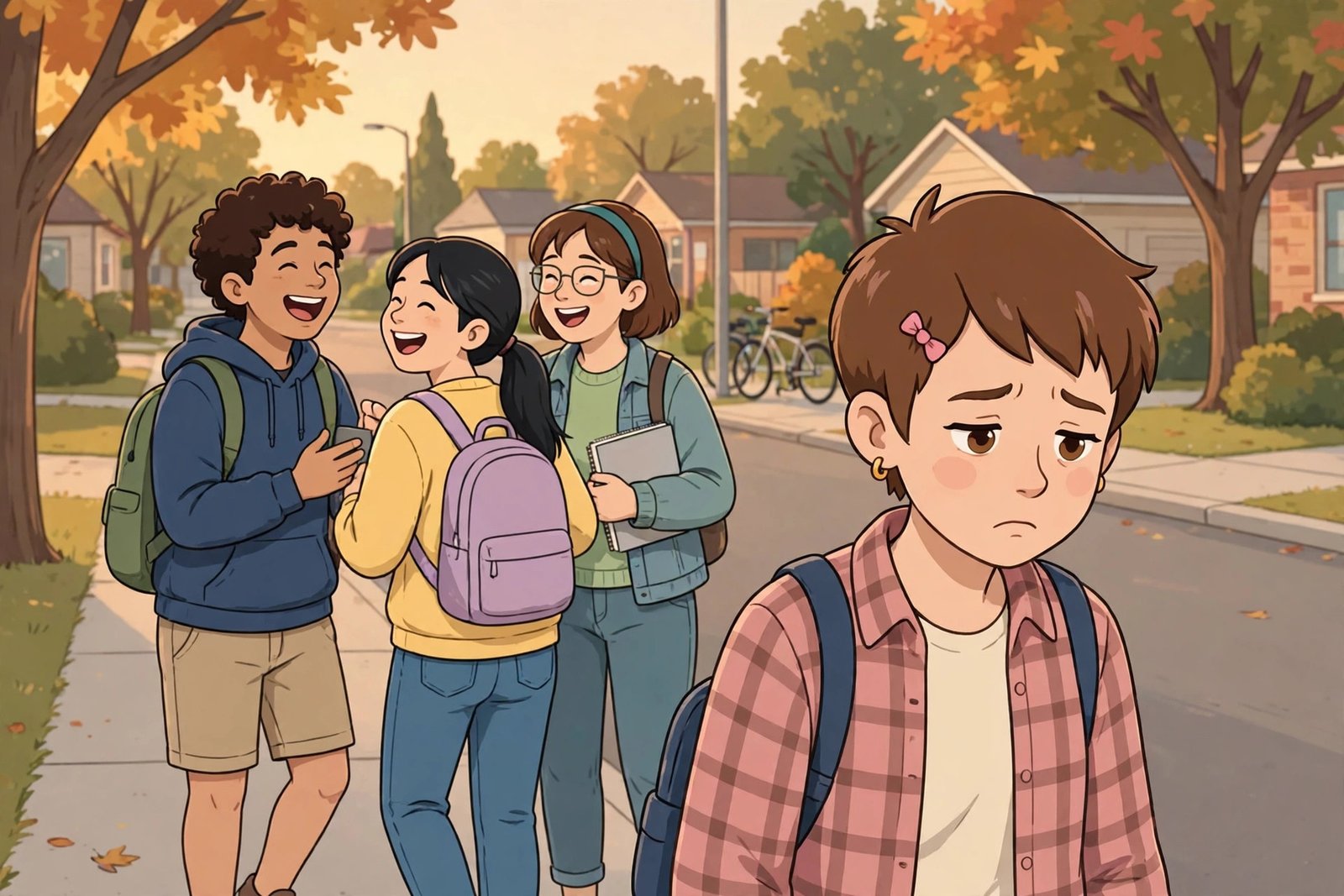
So far we’ve counted actions. Now let’s talk about feelings, because feelings are data too. You can run the effort test in your head and still doubt yourself. But your body keeps its own score, and it’s worth listening to. A girl inside a one-sided friendship usually feels a few very specific things. If you nod along to this whole section, that’s part of how can I recognize a one-sided relationship as well: not just what she does, but what it costs you.
The first feeling is tiredness. Not sleepy tired. Heart tired. You leave hangouts needing to recover from them, the way you’d recover from a long shift at work. Being her audience, her planner, and her repair crew all at once is a job. Jobs make you tired. The second feeling is a strange loneliness inside the friendship itself. You’re not alone. You’re with your friend. And yet you feel unseen, like you could swap yourself for any warm body and she’d barely notice. We wrote a whole piece about the close cousin of this feeling, why do I feel like I’m never anyone’s priority, and it pairs well with this one.
The third feeling is guilt, and it’s the sneakiest. You feel guilty for even thinking these thoughts. She’s not mean. She never yelled at you. So what’s your problem? Here’s the answer: a friendship doesn’t have to be cruel to be unfair. You are allowed to want to be asked how you are. You are allowed to want a first text that you didn’t send. Wanting basic balance doesn’t make you needy. It makes you a person.
The fourth feeling is hope on a loop. Every few weeks, she does one warm thing. She compliments you, or invites you somewhere, or has one real talk with you. And that one warm drop keeps you going for another month of drought. Notice the math there. If one good day can buy your loyalty for thirty uneven ones, the friendship is running on fumes and memories. Your feelings are not the whole test. But when the facts and the feelings point the same way, believe them both. Learning how can I recognize a one-sided relationship means trusting both kinds of evidence, what she does and what it costs you.
That’s the mature core of how can I recognize a one-sided relationship: facts to see it, feelings to confirm it, and then the courage to act on what you know.
Rebalance It, or Walk Away With Your Head High

You’ve seen the balance. Now what? You have three real options, and none of them make you the bad guy. Option one: talk to her. Option two: quietly step back and match her effort. Option three: let the friendship cool or end. Choosing any of these is a legitimate choice, not a failure. A friendship that only works when you do everything isn’t working. That’s the bottom line of how can I recognize a one-sided relationship: it runs on your effort alone. Let’s walk through them.
Start with the talk, if she matters to you. Pick a calm moment, not a fight. Use I words. I miss hearing from you first sometimes. I’d love it if you planned our next hangout. Then watch what happens over the next few weeks. A friend who cares will try. She might be clumsy at first, and clumsy trying still counts. A friend who mocks the talk, flips it on you, or changes nothing has given you your answer.
The Child Mind Institute has a gentle guide on how to help kids through a friendship breakup, and one of its best points is this: you don’t have to stay in a friendship that doesn’t feel good, and saying so directly, with I statements, beats ghosting every time.
Option two is the quiet match. Stop over-functioning. Text when you truly want to, not out of duty. Let her plan the next hangout. Some friendships find a new, smaller, honest size this way, and that’s fine. Not every friend has to be a best friend. But if matching her effort makes the friendship vanish completely, then you have learned what it was made of. It was made of you.
Option three is walking away, and it deserves respect, not shame. You don’t need a courtroom case or a dramatic final scene. You can let things fade with kindness. Less chasing. Fewer rescues. More of your time poured into people who pour back. And if walking away feels scary, or the guilt spirals keep you up at night, talk to a trusted adult. A parent, a counselor, an older sister. Ending or cooling a friendship is a normal part of growing up. It says nothing bad about your worth. It says you finally ran the test, answered how can I recognize a one-sided relationship, and believed your own answer.
That belief is a skill you’ll use for the rest of your life.
Frequently Asked Questions
Can a one-sided friendship fix itself over time?
Almost never on its own. Patterns like this don’t melt with time. They set harder, because both of you get used to your roles. The only real fix is a change in effort, and that usually starts with one honest talk. That’s the practical heart of how can I recognize a one-sided relationship and then act on it. Once you see the balance, waiting and hoping is the one move that nearly always fails. Talk, match her effort, or step back. Movement fixes. Waiting doesn’t.
My friend is going through a hard time. Is it still one-sided?
It might not be. A hard season can make a good friend look one-sided for a while. The signs are different, though. A friend in a hard season feels bad about the imbalance. She says thank you. She asks about you when she can. She comes back when the storm passes. A one-sided pattern has no season and no thanks. It was there before the hard time, and it stays after. Time plus gratitude is the difference. Watch for both before you decide anything big.
How do I bring it up without starting a fight?
Keep it small, kind, and about one thing, not a list of her crimes. Pick the piece that matters most. Say what you miss, not what she did wrong. I miss when we both plan stuff. Can you take the next one? Ask on a calm day, face to face if you can. Then give her a few weeks to answer with actions. Her response to one gentle ask will teach you more than a year of guessing how can I recognize a one-sided relationship ever could.
Am I a bad friend for keeping score like this?
No. You’re not a bad friend. You’re a tired one. Counting isn’t cold when it’s done to see clearly, once, instead of doubting yourself every night. Nobody is asking you to grade every text. The point of the test is to end the guessing. A healthy friendship can survive a fair look at the balance. If the idea of her ever seeing your score makes you panic for her feelings, notice that too. Protecting her from the truth is also effort, and it’s also flowing one way.
What if she gets angry when I pull back?
Then you’ve learned something true. A friend who values you will want to talk. A friend who values your effort will feel angry that the service stopped. Watch which one shows up. You can stay kind either way. You don’t owe anyone unlimited access to your energy and care. Pulling back to a fair level is not cruelty. If you take one thing from this article, take this: asking how can I recognize a one-sided relationship was never about her. It was about you, counting your effort as worth something.