
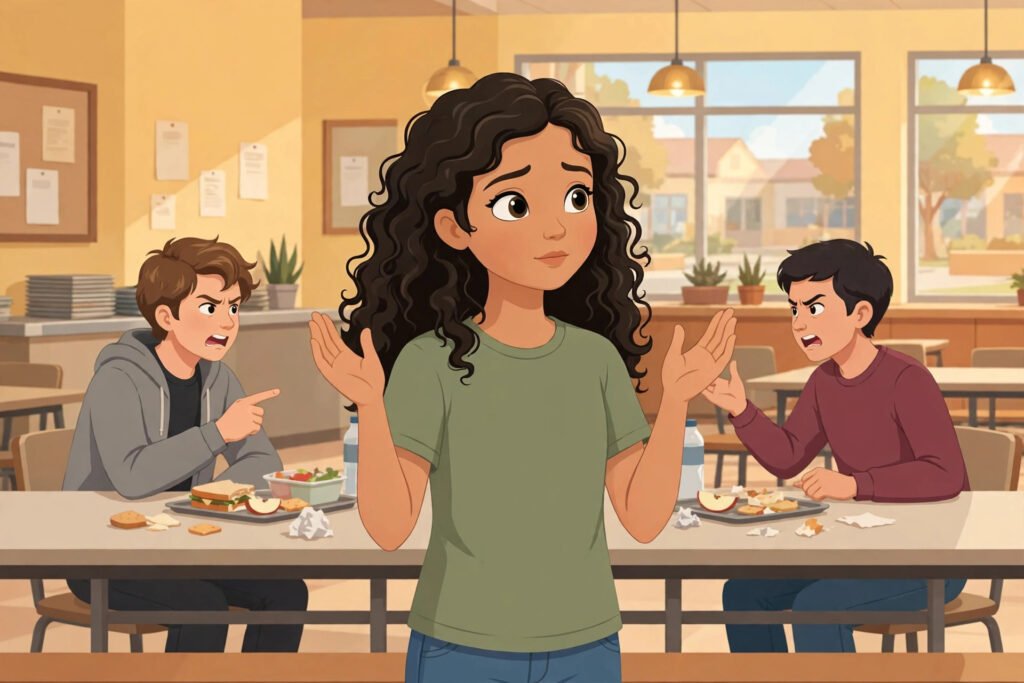
You know this girl. Every group seems to have one. On Monday, the group chat is calm and everyone is fine. On Tuesday, she drops one small comment, and by lunch two girls aren’t speaking. Nobody can quite say how it started. But somehow, she is standing in the middle of it, looking almost pleased. If you’ve watched this happen more than once, you’ve probably asked yourself why do some people love creating conflict instead of just enjoying a peaceful week.
It’s rarely an accident. For some people, drama isn’t a problem. It’s a hobby, a tool, and sometimes the only way they know how to feel important in a group. Understanding why do some people love creating conflict won’t make the drama fun. But it will help you spot the pattern early, and a pattern you can see is a pattern you can step out of.
This article isn’t about one bad day or one heated argument. Everyone argues sometimes. Friends fight, say sorry, and move on. It’s about the person who seems to need a storm around her, week after week, in group after group. Once you see why do some people love creating conflict as a habit and not a coincidence, the whole group starts to make a lot more sense. And you stop blaming yourself for weather you didn’t make.
The Short Answer
Some people create conflict because drama pays them. It gives them attention. It gives them power over who talks to whom. And for some, a calm group honestly feels boring or even scary. That’s the short answer to why do some people love creating conflict. They aren’t always evil or broken. Often they’re just stuck in a habit that works for them. The good news is that their habit needs helpers. A conflict creator needs people willing to carry messages, take sides, and react. You get to refuse those jobs. Once you understand why do some people love creating conflict, you can watch the show without becoming part of the cast.
Every Group Has One: Spotting the Pattern Early
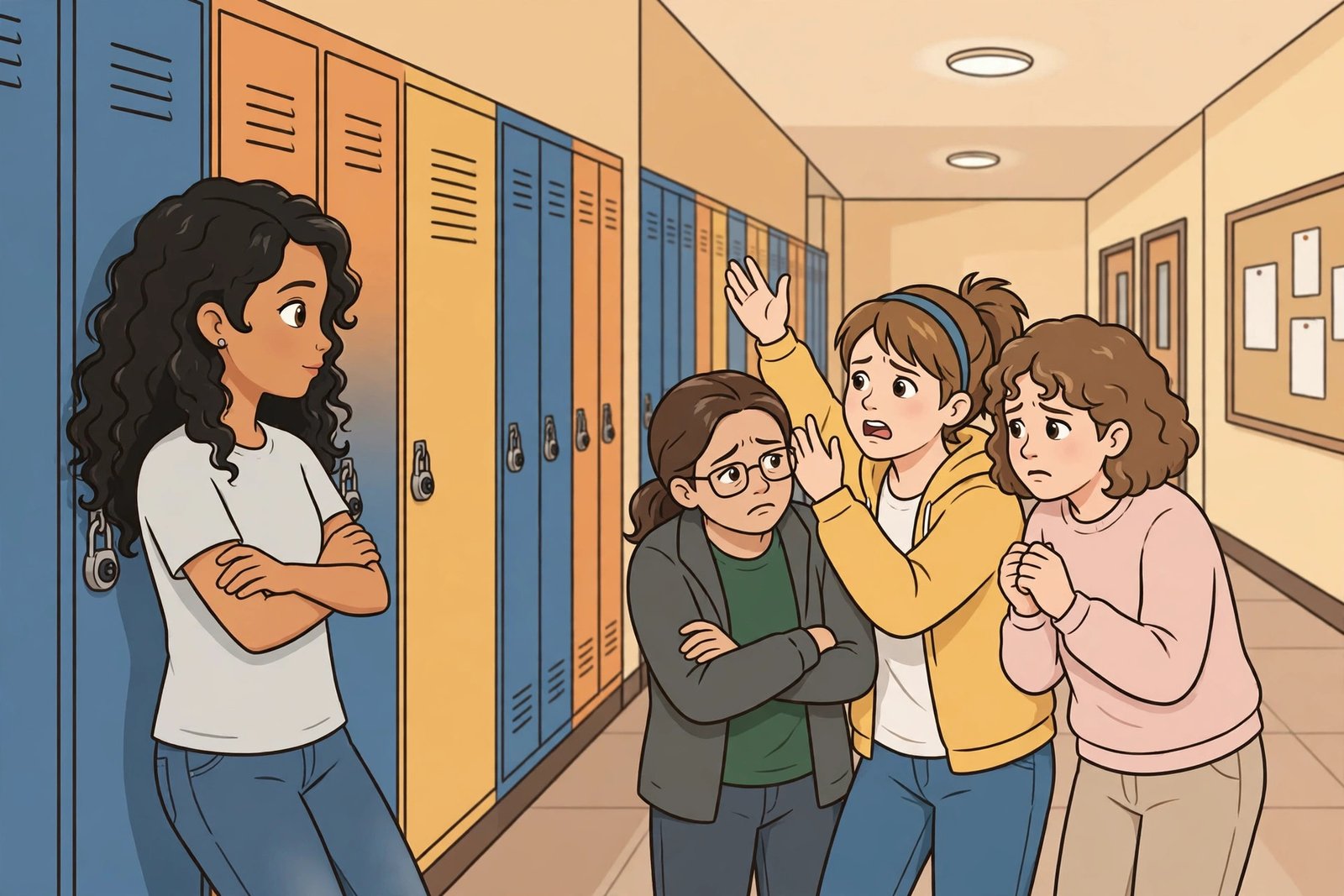
Let’s start with the pattern, because the pattern is everything here. One argument proves nothing. Anyone can have a dramatic week. A breakup, a bad grade, a fight at home, and suddenly someone is snapping at everyone. That’s life, not a character trait. The conflict creator is different. With her, drama isn’t a season. It’s the climate. Think about your own group. Is there one person who is always near the center when things explode? She might not be the one shouting. In fact, she often looks calm while everyone else is upset. She’s the one who heard something and passed it along, just trying to help.
She’s the one both friends run to, and somehow each one leaves more angry than before. If the same name keeps showing up in every storm, that’s your first clue about why do some people love creating conflict in your circle.
Here’s a simple test. Look back at the last three dramas in your group. Ask who benefited. When two girls stop talking, who gets both of them confiding in her? When a plan falls apart, who ends up organizing the new one? Drama rearranges a group around the person who started it. Follow the benefit, and you’ll often find the source.
Another sign is timing. Conflict creators often strike when things are going well for someone else. A friend gets praised by a teacher, and that same day, an old story about her starts going around again. A new girl joins the group and gets along with everyone, and suddenly there are whispers that she can’t be trusted. Peace and other people’s happiness can feel like a threat to someone who feeds on drama. That’s a big part of why do some people love creating conflict right when everything was finally fine.
And notice how she talks about people who aren’t there. If she brings you gossip about everyone else, she’s bringing everyone else gossip about you. That’s how the job works. The stories are her currency, and she spends them in every direction. When you’re the target of the stories instead, our piece on a girl in my class is spreading lies about me covers what to do. A conflict creator runs that same game with the whole group, all year long.
Spotting the pattern early matters because of one simple thing. The earlier you see it, the less of your peace it costs you. Girls who see it late have usually spent months apologizing for things they didn’t do, or losing friends over stories that were never quite true. Girls who see it early watch the storm from the shore instead of drowning in the middle of it. Seeing clearly is the first skill. The rest of this article builds on it. And once you can name the pattern, you’re already halfway to answering why do some people love creating conflict in your group.
What Drama Gives Them: Attention, Power and a Front Row Seat

So what does a conflict creator actually get out of all this? Let’s be honest. If drama gave her nothing, she would stop. It gives her a lot. And once you see the rewards, you start to understand why do some people love creating conflict at all. This is the heart of why do some people love creating conflict. The conflict is not the point. The rewards are the point.
The first reward is attention. Think about it. On a calm week, nobody texts anybody in particular. But the day a fight starts, phones light up. Everyone wants updates. Everyone wants to know what she said, what she meant, and what happens next. And who sits at the center of all that buzz? The girl who started it, or the one carrying the news. Drama makes her the most interesting person in the group for a few days. For someone who worries she’s forgettable when things are calm, that buzz can feel like oxygen.
The second reward is power. A conflict creator often controls the flow of information, and information is real power in a friend group. She decides who hears what. She tells Ana that Bea is upset, but she doesn’t tell Ana the whole story. She tells Bea that Ana said something worse than she said. With two half stories, she can steer two people’s feelings like a game. Both friends end up depending on her version. That’s a lot of control for someone who may not feel very powerful anywhere else in her life.
The third reward is safety, and this one is sneaky. If the group is busy fighting about Bea and Ana, nobody is looking too closely at her. Her own grades and messy life stay out of the spotlight. Some conflict creators stir the pot most when they feel exposed. A failed test. A family rumor. A boy who rejected her. Starting a fire somewhere else is a fast way to move every eye in another direction.
There’s a fourth reward too, and it’s the saddest one. Some girls grow up in homes where drama is the normal sound of love. Raised voices, slammed doors, silent weeks, then big emotional makeups. If that’s the air you breathed as a little kid, calm can feel wrong. It can feel like the quiet before something bad. So she recreates the noise she knows, because the noise feels like home. That doesn’t excuse the harm she causes. But it does explain why do some people love creating conflict even when it wrecks their own friendships too. They’re not always chasing fun. Sometimes they’re chasing normal, and their normal is chaos.
When you put it all together, the picture gets clearer. Attention, power, safety, and a feeling of home. That’s a strong paycheck. And it helps you stay calm, because you stop taking the drama personally. You were never the real target. You were part of the scenery in a show she needs to keep running. Shows end fastest when the audience walks away.
Bored With Peace: When Calm Feels Empty to Them
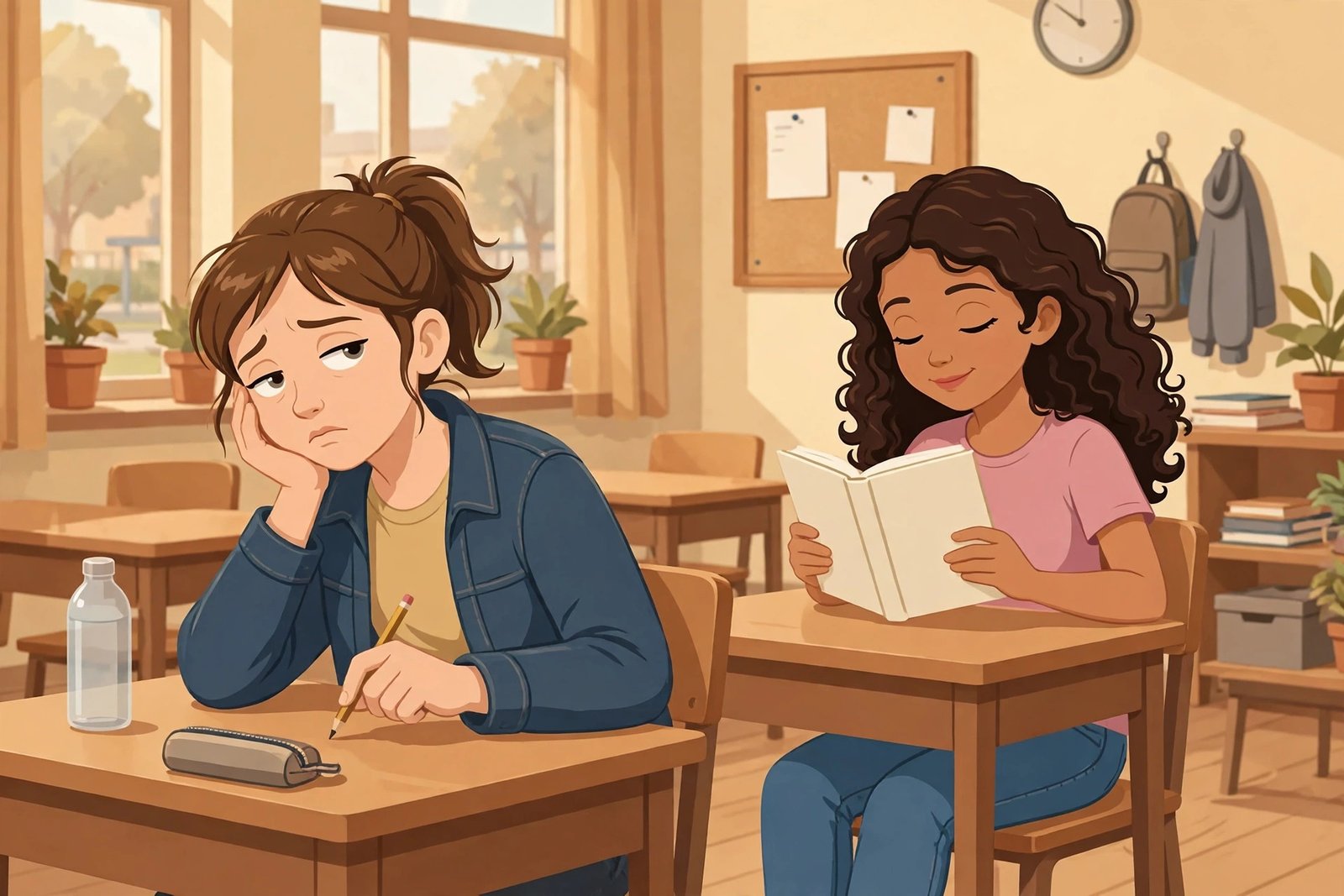
This one surprises people. Some conflict creators aren’t angry at anyone. They’re bored. Truly, deeply bored. And understanding that boredom is a key part of why do some people love creating conflict, because it means the drama isn’t about you at all. It was never about you. You were just nearby when the itch started.
Think about how a normal calm week feels to you. Classes, homework, dinner, a show, sleep. It might not be thrilling, but it’s fine. Now imagine that same week through the eyes of someone who needs high emotion to feel awake. For her, calm doesn’t feel peaceful. It feels flat and empty, like a song with no chorus. Her brain is used to spikes. The racing heart. The buzzing phone. Take those away, and the days feel gray.
So she manufactures a spike. A small one will do. She mentions, almost casually, that someone seemed annoyed at lunch. She asks an innocent question with a sharp edge. Did you hear what she said about your hair? Not mean enough to get in trouble. Just heavy enough to light a fuse and walk away. Then she watches. Watching is the fun part for her. The group chat waking up. The looks across the classroom.
Social media makes this worse. A bored conflict creator doesn’t even need to leave her bed. One screenshot sent to the wrong person. One story posted at the perfect moment. One comment that looks kind and lands like a slap. Online, she can start three fires before breakfast and keep her hands clean. If your group drama always seems to start from a screenshot, pay attention to who always seems to have it first.
There’s also a status game hiding inside the boredom. In some groups, the girl at the center of the drama feels like the main character, the hub everyone talks through. Being the hub feels like being important. Peace spreads importance evenly, and evenly feels like nothing to someone who wants to be the hub. That’s another honest answer to why do some people love creating conflict. Drama promotes them. Peace demotes them, at least in their own head.
What does this mean for you? You can’t fix her boredom. You can’t be interesting enough, kind enough, or careful enough to stop the next storm, because the storm was never about the weather outside. It comes from inside her. Letting go of the idea that you caused it is a huge relief. Your job isn’t to manage her moods. Your job is to protect your own peace, and the next sections show you how the pulling works and how to step out of it.
The Triangle Trick: How They Pull You Into the Middle
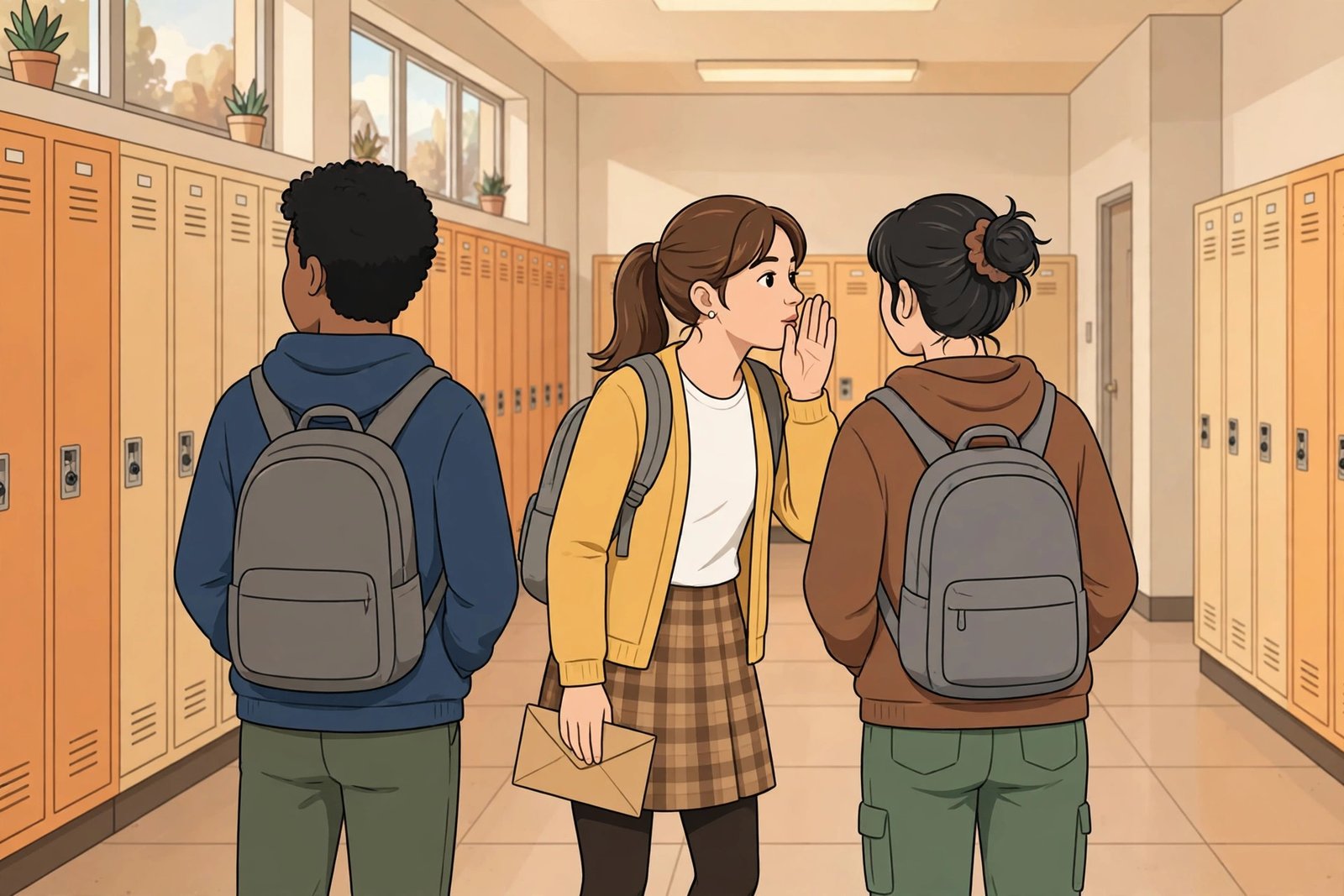
Now let’s look at the main tool in her kit. It’s called triangulation, but you don’t need the fancy word. You just need to see the shape. A triangle has three points. She is one point. Two other people are the other two. Instead of those two people talking to each other, both of them talk to her. She stands in the middle, passing words back and forth, and editing them on the way. This trick is a huge part of why do some people love creating conflict, because it makes her the center of every story.
Here’s how it usually starts. She comes to you, looking worried. I probably shouldn’t tell you this, she says, but Ana said something about you. Notice the shape of that sentence. She gets to look loyal for telling you. And she gets to plant a feeling in you that wasn’t there ten minutes ago. Maybe Ana did say something. Maybe she said it weeks ago, as a joke, or about someone else entirely. The details are fuzzy on purpose. Fuzzy details can’t be checked.
Then she goes to Ana. You’re upset, she says. She’s just trying to help, of course. Now Ana feels attacked out of nowhere. Ana says something sharp about you, because Ana is human and she’s hurt. And guess who carries that sharp sentence straight back to you? Now both of you have real reasons to be angry, and both of you trust the messenger. The triangle is complete. Two friends who could have fixed things in one honest talk are now fighting through a middleman who edits every line. And in the middle stands the one person who profits, which is the whole answer to why do some people love creating conflict this way.
Your phone makes this trick easy, too. Watch for the screenshots with no context. A photo of three lines from a long chat. A voice note forwarded without the talk around it. Real friends send the whole story. Conflict creators send the slice that burns. If someone keeps bringing you slices, ask what the whole cake looked like.
The triangle needs one thing from you to work. It needs you to react through her instead of going to the source. The day you walk straight to Ana and say, hey, I heard something and it bothered me, can we talk, the triangle collapses. Direct talk is poison to this whole game. The most powerful move against a middleman is a conversation she isn’t part of.
And if you’re wondering why do some people love creating conflict this way instead of just saying what they think, here’s the answer. The middle is safe. The middle is powerful. The two corners take all the hits, feel all the pain, and risk the friendship. She risks nothing. Until, of course, the two corners compare notes. We’ll talk about that happy day in the next section, because comparing notes is exactly how her twisted messages get caught.
Twisted Messages: How Words Get Bent Between Friends
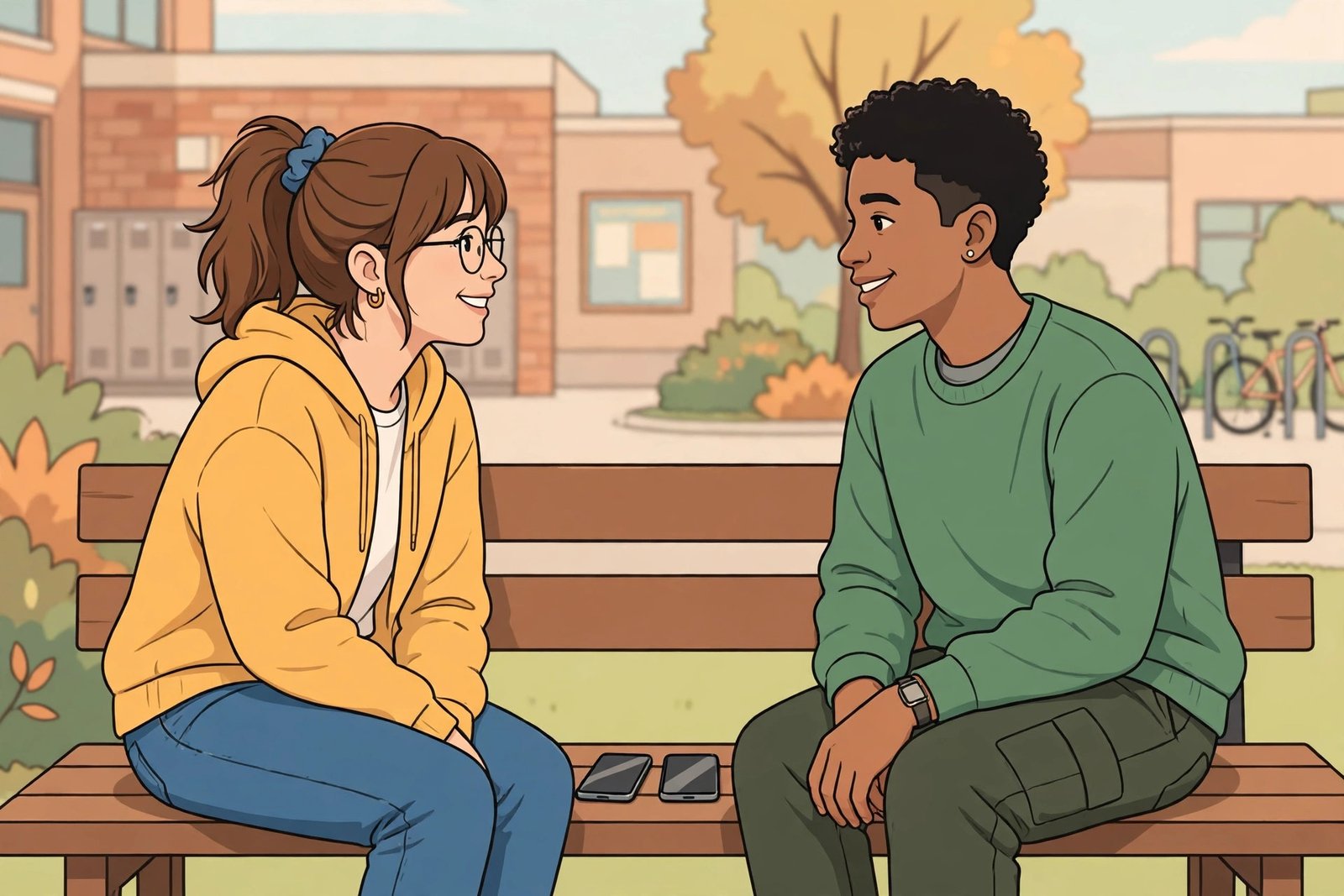
Words are soft. They bend easily. A skilled conflict creator doesn’t even need to invent lies. She just edits. A word dropped here. A tone added there. A sentence moved from a joke to a serious chat. By the time your words reach your friend, they’re wearing a costume you never picked. Learning how messages get twisted is how you stop falling for why do some people love creating conflict in the first place. The trick only works in the dark.
Let’s watch a small edit happen. In the real talk, you said, I’m not sure Ana’s idea for the project will work, but whatever, let’s try it. Now watch the same sentence after a trip through the middleman. She said your idea won’t work and she doesn’t even want to try. Same bones, totally different animal. Your doubt became a verdict. Ana hears a door slam that never slammed.
Tone gets twisted even faster than words. She rolled her eyes when your name came up. Did she? Maybe she blinked. But now your friend pictures an eye roll, and pictures are stronger than facts. A shrug becomes she doesn’t care about you at all. A short reply in a chat, sent while running for the bus, becomes she’s been cold to you for days. The edits are tiny. The feelings they cause are not. Little edits like these are the daily tools behind why do some people love creating conflict.
Timing is another tool. Old words get delivered at the worst new moment. You vented about a friend in June, when you were hurt, and you made up in June too. In October, right before her birthday party, your old vent suddenly gets quoted back like it’s fresh news. The timing turns an old, healed moment into a brand new wound. If drama keeps erupting from ancient history, ask who keeps digging it up, and why now.
So how do you protect your words? A few habits help a lot. Say less about people who aren’t there. It’s boring advice and it works, because words you never said can’t be twisted. When someone brings you a shocking quote from a friend, ask for the full story, and then ask the friend herself. And when you’re the one who hears a twisted version, read our guide on how to deal with rumors at school for the step by step on clearing your name without starting a war.
Here’s the hopeful part. Twisted messages can’t survive sunlight. The moment the two corners of the triangle sit down and compare what they actually heard, the edits fall apart. She said I hate your idea. Wait, I never said that. I said I wasn’t sure, and that I’d try it. The room changes. The middleman’s power drains away, because her whole business was built on the two of you never checking. Checking is free. Do it early and kindly, before a bent sentence costs you a real friend.
How to Stay Out Without Looking Cold
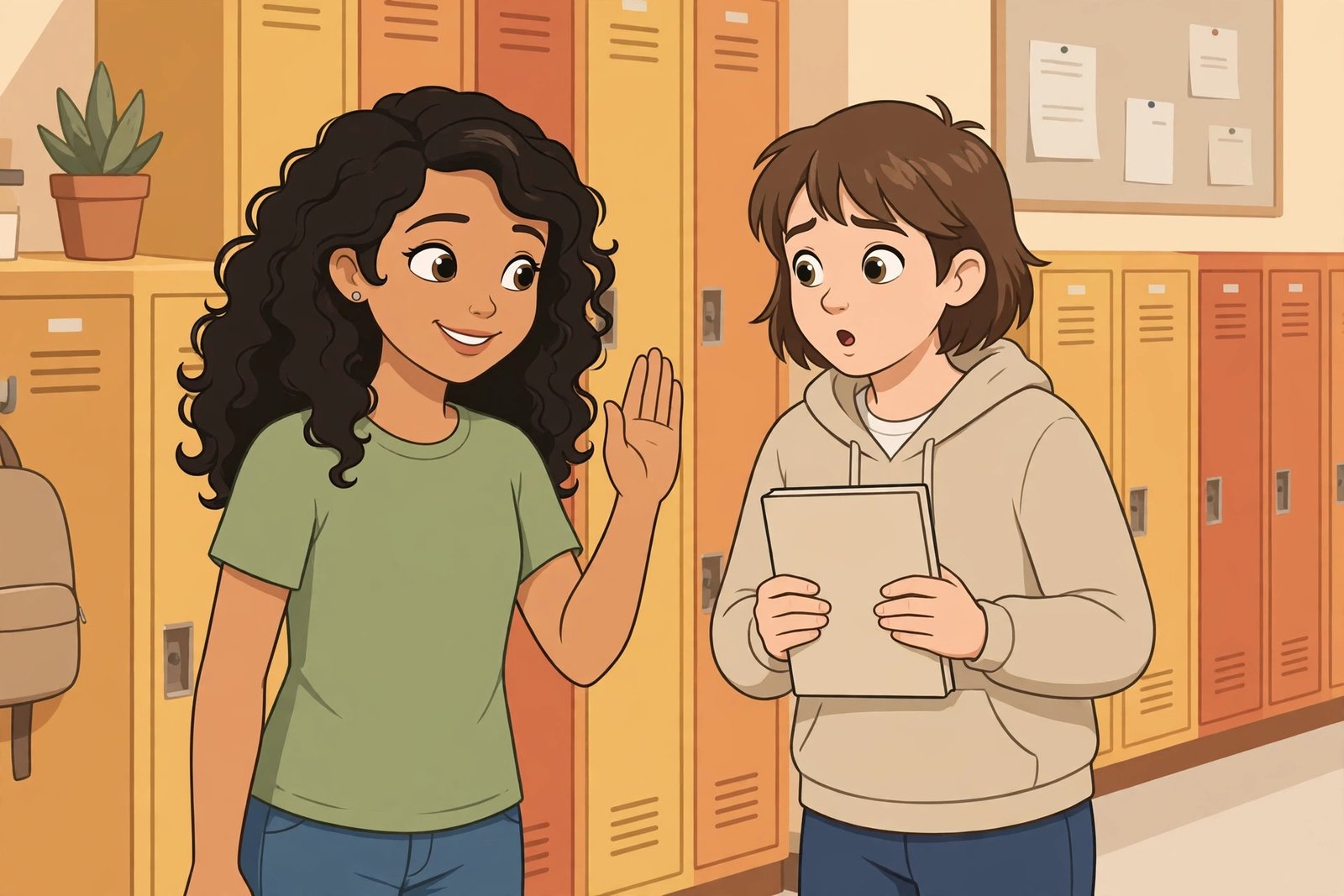
You see the pattern. You know the tricks. Now what do you actually do on Monday morning? Because knowing why do some people love creating conflict is only half the job. The other half is living in the same school without getting cast in every episode. And you want to do it without becoming cold or fake, because that’s not who you are.
Rule one is simple. Don’t carry messages. When she arrives with a story about a friend, you can be kind and still refuse the package. That sounds like something you two should talk about together. Or, if it bothers you, tell her directly, she’ll listen. You’re not rude. You’re just not a delivery service for feelings. Say it warmly, every time. After a while, she stops bringing you packages, because you keep not signing for them.
Rule two. Don’t feed the show with reactions. Conflict creators read faces the way teachers read homework. A gasp is a reward. A long shocked talk in the hallway is a bigger reward. You can care about your friends without performing surprise on cue. A calm oh, okay, and a change of subject, can feel almost rude to someone fishing for drama. That’s fine. Boring reactions are how shows get cancelled. Save your real feelings for the friend involved, in private, face to face.
Rule three. Go direct, early and gently. If something about a friend is bugging you, talk to that friend. Not to the middleman. Not to the whole group chat. Keep it small and kind. Hey, this thing happened and it sat weird with me. Can we clear it? Most of the time, you’ll find there was nothing to clear. The rest of the time, you fix a real problem while it’s still small. And every direct talk makes the triangle weaker.
Rule four. Watch your own inputs. It’s easy to become a small conflict creator yourself by passing along just one juicy thing. Resist. When you hear gossip, let it die with you. The chain has to stop at someone, and it might as well be you. Groups slowly learn who the safe people are. The safe ones stop getting tested with drama bait, because everyone learns the bait won’t work on them. Every chain you stop is one less reason why do some people love creating conflict in your friend group, because stopped chains mean no show.
Now, will she call you cold? Maybe. Conflict creators often label people who step back. Distant. Changed. That’s just the show trying to pull you back on stage. Let your real friends judge you by your actions over time, not by her labels in one dramatic week. Stepping out of drama isn’t cold. It’s warm, aimed at the right people, in person, without an audience.
When Conflict Stops Being Drama and Becomes Harassment
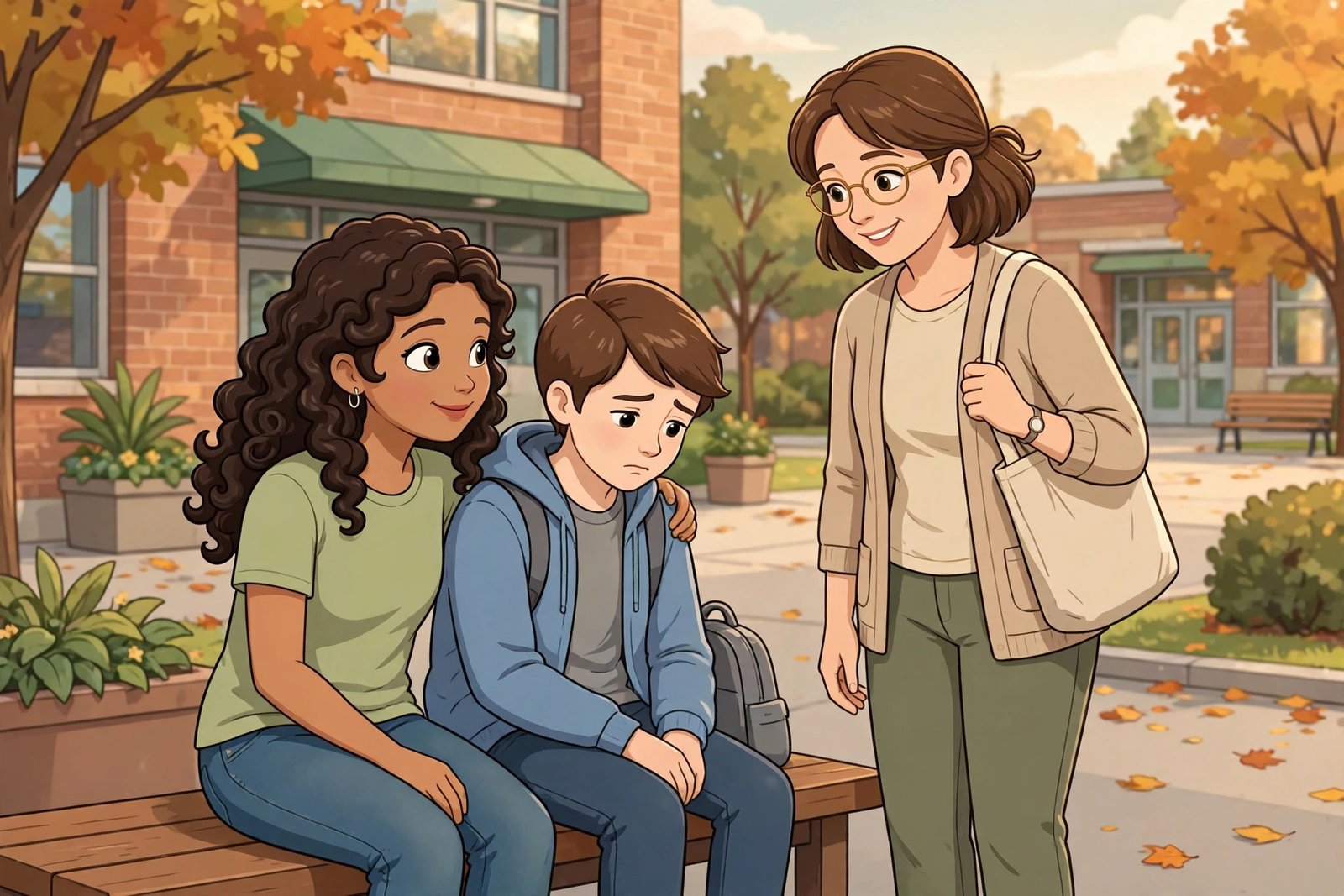
Most group drama is annoying, messy, and survivable. But there’s a line, and you need to know where it is. Sometimes the games stop being games. Stories turn into a long campaign against one girl. The group chat becomes a place where she’s mocked every day. People are told, on purpose and again and again, to freeze her out. At that point it isn’t drama anymore. The StopBullying.gov guide on what bullying is explains the pattern clearly. Bullying means unwanted, repeated behavior with a power imbalance, and it includes spreading rumors and leaving someone out on purpose. Read those words again. Repeated. On purpose. Aimed at someone who can’t easily make it stop.
If that sounds like your group, this is no longer a stay calm and carry on situation. Tell a trusted adult. A parent, a counselor, a teacher you respect. Telling isn’t snitching when someone is being hurt over and over. It’s the move that ends it. Schools have real tools for this, and adults can see parts of the pattern you can’t. And if you’re the target, hear this clearly. A group deciding you don’t count is a verdict on them, not on you. You deserve support, and you deserve it now, not after it gets worse.
This is also where the health side matters. Living inside constant conflict is exhausting. It can wreck your sleep, your focus, and your mood, even if you’re just watching it happen to someone else. If group drama is making you dread school every morning, that’s a sign to bring an adult in, for you. Help isn’t only for the person at the center of the storm.
Knowing the line protects everyone. Below it, you use the skills from this article. You spot the pattern. You refuse the triangle. You go direct. Above it, you get backup, and you get it fast. A conflict creator counts on the whole group treating everything like harmless fun. The moment adults name the pattern for what it is, her favorite cover is gone. This is the darkest side of why do some people love creating conflict, and it’s the side you never handle alone.
Frequently Asked Questions
Is a conflict creator the same thing as a bad friend?
Not always, and the difference matters. A bad friend can be selfish, flaky, or thoughtless without planning any of it. A conflict creator runs a pattern. She passes twisted messages, pulls people into triangles, and somehow lands at the center of every storm. Think about why do some people love creating conflict before you judge the whole person. The pattern is the problem, and the pattern is what you protect yourself from, whatever label you use.
What if the conflict creator is my best friend?
That’s the hardest version. Start small. Stop carrying her messages and stop reacting on cue, and see what changes. Many girls tone it down when the rewards stop. If she cares about you, she’ll adjust. If the drama matters more to her than your peace does, that tells you something real. You don’t have to end the friendship in one big scene. You can just slowly stop playing your part in the show.
Can a conflict creator actually change?
Yes, people can change, especially teens. This is often a habit picked up at home, not a life sentence. Change usually starts when the drama stops paying. No audience, no carried messages, no big reactions. Some girls find new ways to matter and grow out of it. Others don’t. Your job isn’t to fix her. It’s to keep your own peace while she decides who she wants to be.
Am I a conflict creator if I enjoy hearing drama?
Enjoying a juicy story doesn’t make you a creator. Most people like a bit of gossip. The line is what you do next. If you pass it on with a little twist, pull people into the middle, or feel a small lift when two friends fall out, watch yourself honestly. If you listen, shrug, and let it die, you’re just an audience member, and even audiences can leave.
How do I tell my group that someone keeps starting our fights?
With facts, not labels. Don’t announce that she’s a drama queen in the group chat. That just starts the biggest fight. Instead, go direct with the friends involved, one by one, and compare notes on what you were each told. Let the twisted messages expose themselves. That’s the practical side of asking why do some people love creating conflict in your group. Once everyone sees the pattern with their own eyes, the pattern loses its power, and the group can reset without you ever making an accusation.