
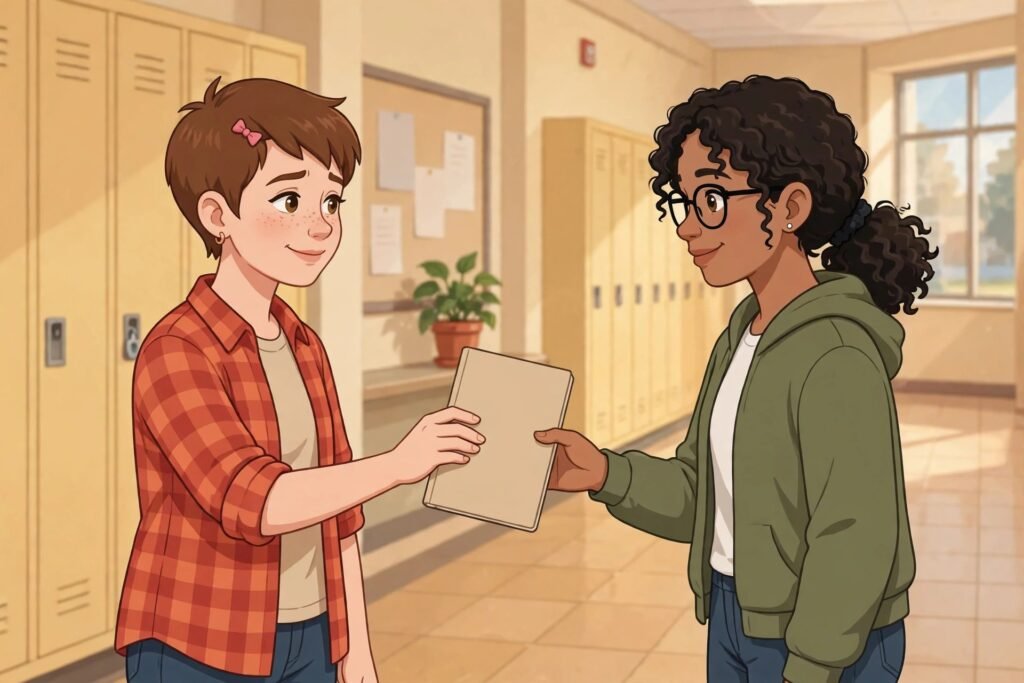
You are the friend who says yes. Yes to helping with homework at 10 p.m. Yes to lending your notes, your charger, your lunch money, your Saturday. Most days, that yes makes you proud. Being kind is part of who you are. You wouldn’t trade it.
But lately there’s a feeling you can’t shake. A heaviness after you help. A small voice asking: wait, would she do this for me? When did I last hear a real thank you? Why do I only hear from him when he needs something? If you’ve started wondering whether someone is taking advantage of my kindness, that wondering itself matters. Kind girls don’t ask that question for no reason.
Let me say this first, clearly, because it shapes everything below. Your kindness is not the problem. It’s not a flaw, a leak, or a bug in you. The question is never “should I be less kind?” The question is “is this person treating my kindness like a gift, or like a free service?” Those are two very different friendships, and you can learn to tell them apart.
Let me paint the slow shape of it, because being used rarely starts loud. It starts with small asks you’d never refuse. Notes once. A ride once. Then the asks grow roots. Weekly. Daily. With expectations attached. The frog warms up slowly, and kind girls blame themselves for feeling hot. If lately you’ve been quietly asking whether someone is taking advantage of my kindness, you’re probably not imagining the heat. You’re finally noticing the water.
This guide is about reading the other person’s behavior, not fixing yours. We’ll look at the clearest signs that someone is taking advantage of my kindness: the one-way asks, the thanks that never comes, the guilt buttons, and the test that reveals everything. We’ll also look at the signs of a friend who is simply in need and truly grateful, because the goal isn’t to suspect everyone. The goal is to see clearly, keep your good heart, and aim it at people who honor it.
The Short Answer
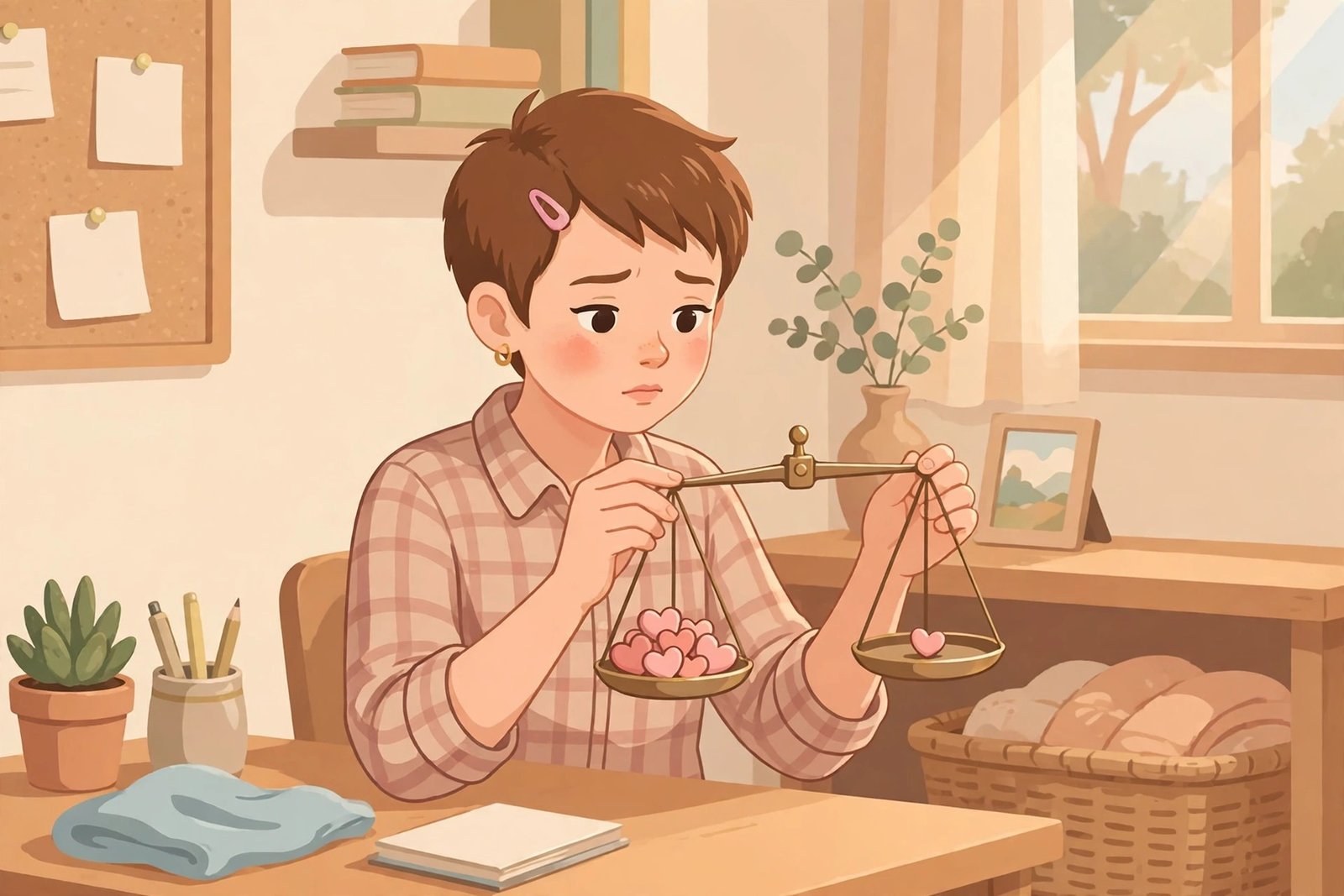
Here’s the short version. A friend in need asks sometimes, thanks you like they mean it, and shows up for you too. Someone who is using you asks often, thanks rarely, and vanishes when it’s your turn. The biggest clue that someone is taking advantage of my kindness is the pattern: help flows one way, and saying no brings guilt or coldness instead of understanding.
So watch the pattern, not one bad day. And run the simple test from section five: say a small, kind “not today” and watch the reaction. A real friend accepts it. A user punishes it. When someone is taking advantage of my kindness, that test tells you in one minute what months of wondering couldn’t.
Helping Feels Good, but Being Used Feels Heavy
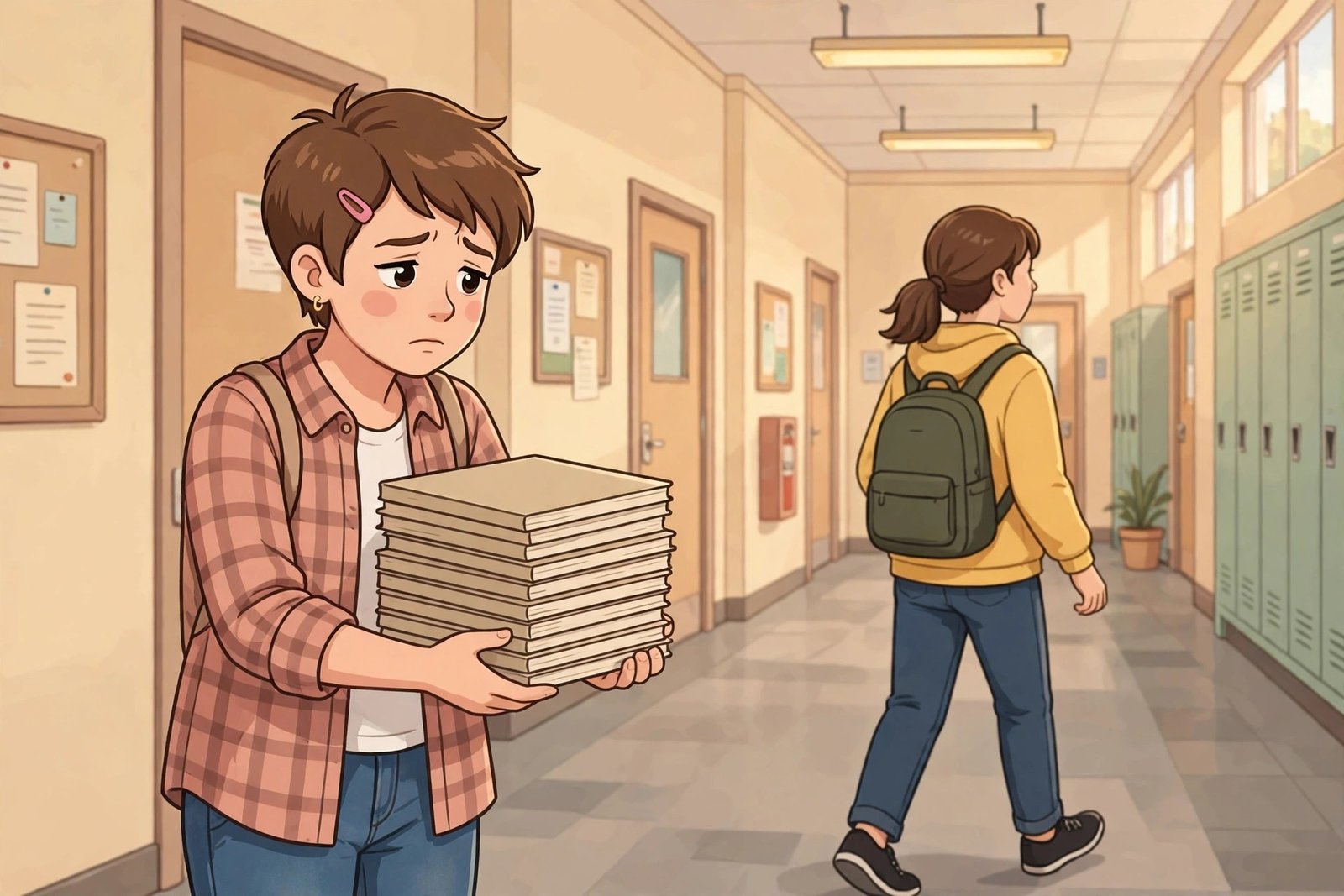
Your feelings after helping are data. Not perfect data, but real. So let’s learn to read them, because they’re often the first alarm that someone is taking advantage of my kindness.
Helping a true friend has a taste. You feel warm. A bit tired, maybe, but light. They said thanks like it landed. You’d do it again. The help added something to the friendship, like a brick in a wall you’re building together. Even hard help, like sitting with a friend through a crisis, leaves you tired in a way that feels worth it.
Being used tastes different. You feel heavy, a little flat, sometimes oddly annoyed at someone you love. You catch yourself rehearsing complaints in the shower. You feel a tiny dread when their name lights up your phone, because a request is probably attached. That dread is worth listening to. It’s your heart filing a report.
Here’s a small scene. Two girls both lend their notes the night before a test. The first girl’s friend returns them with a coffee and a “you saved me.” The second girl’s friend returns nothing, says nothing, and asks for next week’s notes too. Same act of kindness. Two totally different feelings after. The feeling isn’t about the notes. It’s about what came back, or didn’t.
Try this tiny experiment tonight. Think of the last three times you helped this person. Say each one out loud, then name what you felt right after. Warm? Proud? Or heavy, flat, a bit used? Now do the same for a friend you trust fully. Most girls feel the difference in their body before they can explain it in words. Your body keeps honest books. It knows the difference between a gift given freely and a payment pulled out of you. And a payment pulled out of you is the signature of someone is taking advantage of my kindness, even when the request itself looked small.
Now, one heavy feeling doesn’t prove someone is taking advantage of my kindness. Everyone has weeks where they’re too stressed to be grateful or present. That’s why this guide keeps pointing at patterns, weeks and months of them. Feelings are the smoke. The next sections show you how to check for fire.
The Asks Only Ever Flow One Way
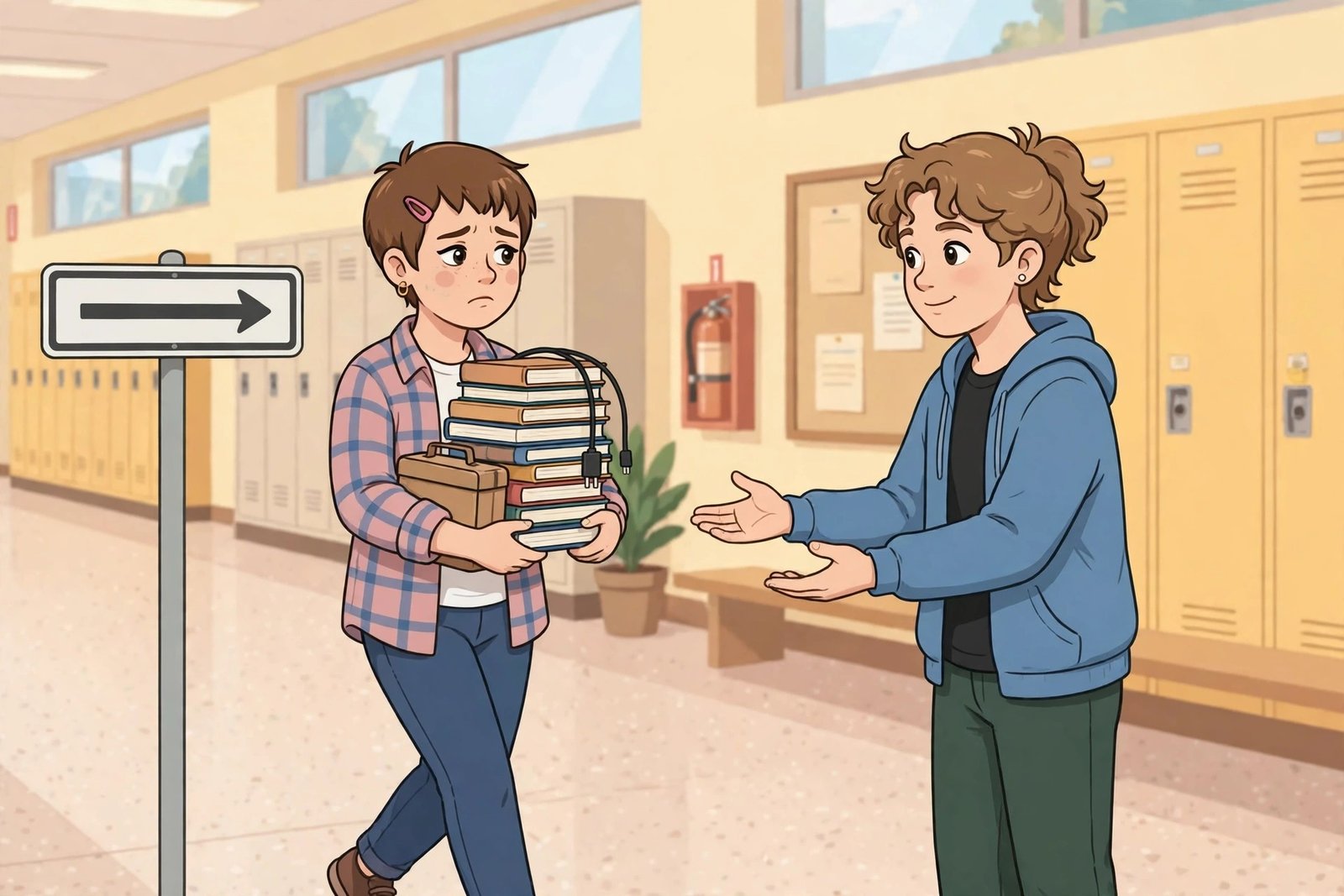
Sign one, and it’s the loudest: the asks flow one way, like a river that never turns around. You are the helper, the driver, the lender, the listener. They are always the one in need. Your needs, somehow, never make the schedule.
Count it, honestly, over the last month or two. How many times did they ask you for something? Time, money, notes, rides, emotional first aid at midnight. Now count how many times you asked them, and what happened. If your count is near zero because you’ve learned not to ask, that’s a sign too. Girls stop asking people who never say yes.
Watch for the shape of the asks as well. A user often asks in ways that corner you. In front of others, so saying no looks mean. At the last minute, so your no feels like a disaster. With a sad story attached, so your no feels heartless. The cornering is part of the design, even if they don’t plan it coldly. Some people just learn that pressure works, and they keep using what works.
Compare that with a healthy friendship river. It flows both ways, not in equal amounts every week, but over time. She helps you move your locker stuff. You help her study. He listens to your family drama. You listen to his. Nobody keeps a score book, yet somehow it balances. When someone is taking advantage of my kindness, there is no balance to find, no matter how generously you squint.
One more shape to watch: the emergency that repeats on schedule. Every Friday is a crisis. Every test week is a disaster only you can fix. Real life has emergencies, but they’re random, and they happen to everyone. A one-person emergency factory, running weekly, aimed at one helper, is usually a habit wearing a siren. When the same person is always drowning and you are always the life ring, it may be that someone is taking advantage of my kindness and has built their whole routine around your yes.
And notice this quiet detail. Users rarely ask how you are, unless the answer might affect your availability. “Are you free Saturday?” comes fast. “How are you, really?” doesn’t come at all. Your inner life isn’t interesting to them. Your usefulness is. That’s cold to read. It’s also clarifying, and clarity is what you’re here for.
Gratitude That Vanishes by Tomorrow
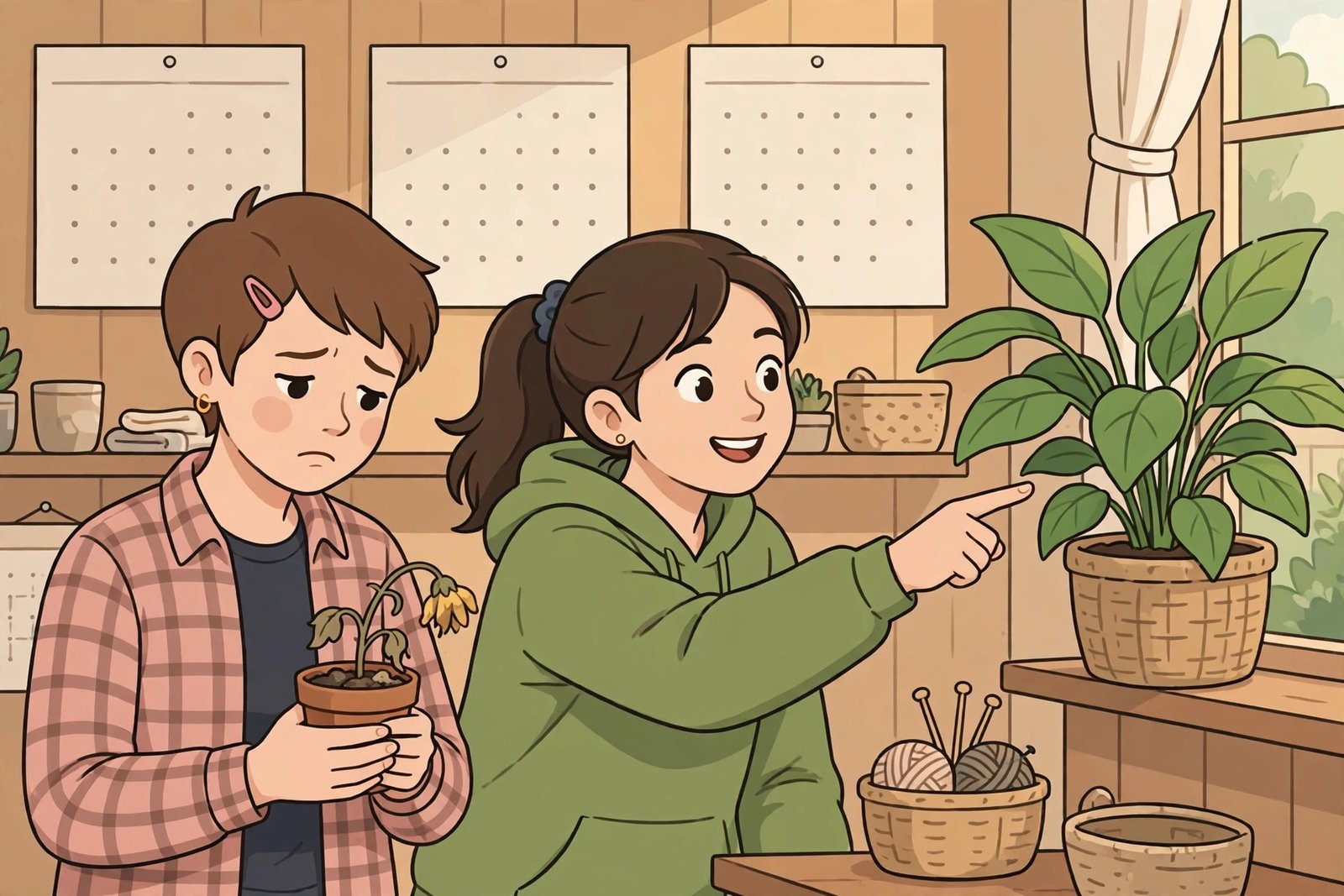
Sign two lives in the thank you, or rather, in its absence. Real gratitude has a sound. It’s specific. “Thanks for staying on the phone, I really needed that.” It comes soon after the help. And it sticks. A grateful friend remembers what you did and brings it up later, or returns the care when your turn comes.
Used kindness gets a different sound. A flat “thanks” tossed like a coin, or nothing at all. Worse, an expectation that grows. Last month you lent notes. This month you’re expected to lend the whole project outline. The thanks shrinks as the asks grow. That’s the gratitude curve of someone is taking advantage of my kindness, and once you see it, you can’t unsee it.
There’s a sneaky cousin sign here: the compliment that only appears right before an ask. “You’re the best, you always save me… can you send me the homework?” Butter first, request second. Real appreciation also shows up on days when they need nothing. If the sweet words only rain when a favor is coming, you’re not being appreciated. You’re being softened.
Let me protect the real friends here, because some sweet people are just bad at saying thanks out loud. Shy people. People whose homes never said it. Judge them by their acts. The shy grateful friend may mumble thanks but she shows up with soup when you’re sick. The user says beautiful words and shows up with another ask. Words are cheap in both directions. Behavior is the receipt.
Here’s another gratitude clue that hides in group settings. Watch how they treat your help in front of others. A grateful friend credits you out loud. “She stayed up helping me, she’s the best.” A user goes quiet about your part, or worse, takes the credit. You wrote the outline; somehow their story is “I pulled it together last night.” Credit is gratitude with witnesses. When your name keeps vanishing from the story of your own help, someone is taking advantage of my kindness and editing you out of the receipt.
So when you wonder if someone is taking advantage of my kindness, run a gratitude audit. Not of one day, of a season. Thanks given. Care returned. Help remembered. If the audit comes back empty again and again, believe the empty. Your heart isn’t being harsh. It’s being accurate.
Guilt Used Like a Remote Control
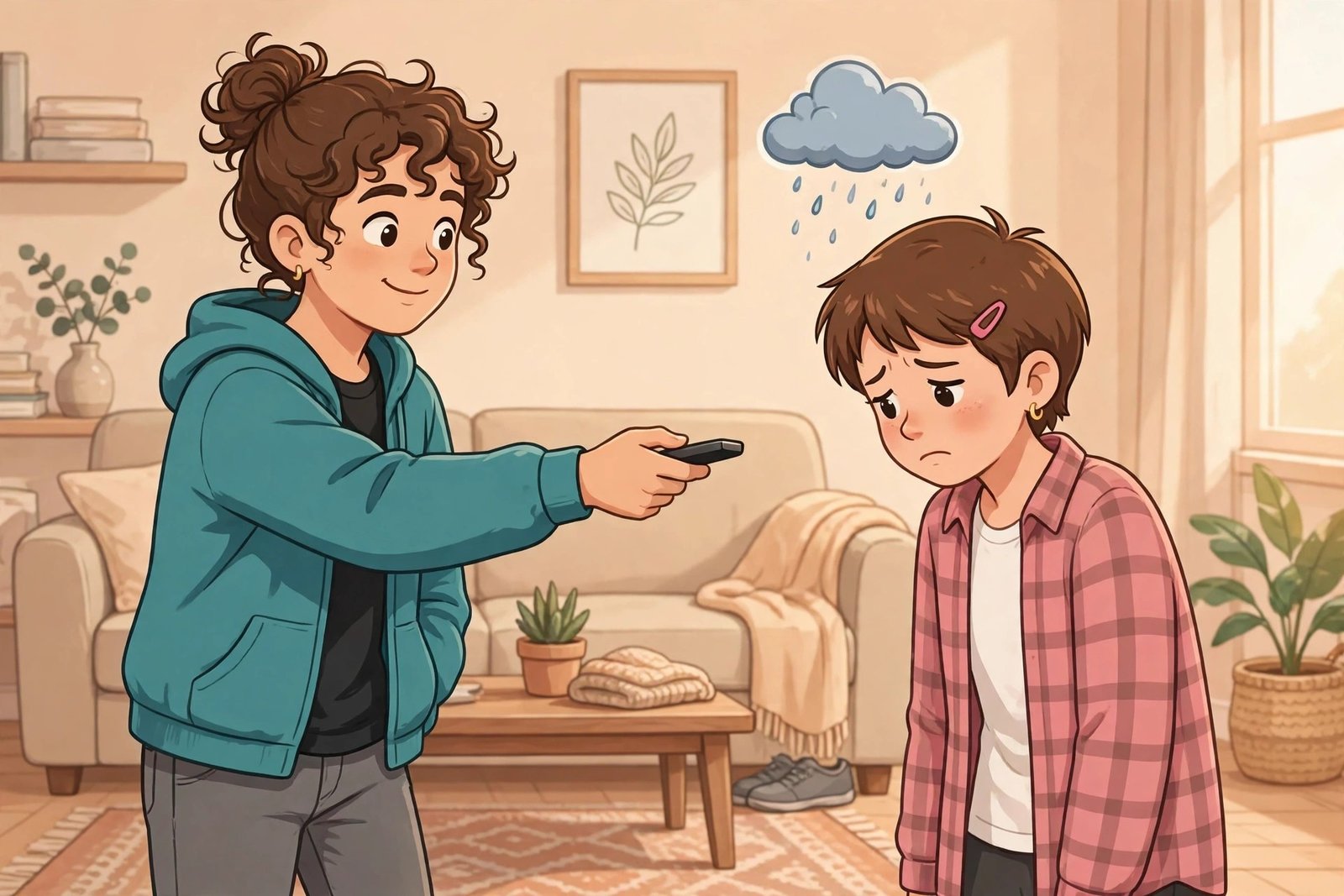
Sign three is the hardest to face, because it uses your own goodness as the lever. Guilt. A user learns your buttons fast: you hate disappointing people, you hate being called selfish, you hate conflict. So when you hesitate, out comes the guilt remote. Click. “I thought we were friends.” Click. “You helped Maya last week.” Click. A heavy sigh and a cold shoulder until you fold.
Look at the shape of it. In a healthy friendship, your no is met with “no worries.” Maybe a tiny bit of disappointment, then life moves on. With a user, your no starts a weather event. Sulking. Short replies. A story told to others about how you’ve changed. The storm isn’t an accident. It’s a teaching tool. It teaches you that saying no costs more than saying yes, so next time, you say yes.
This is exactly why guilt is such a strong clue that someone is taking advantage of my kindness. A person who respects you may feel sad when you can’t help, but they will not punish you for having limits. Punishment is the tell. Care doesn’t invoice you for your boundaries.
Let me show you the remote in action, because it helps to see the buttons labeled. Button one, the history replay: “After everything I’ve done for you.” Button two, the comparison: “Maya would do it.” Button three, the identity hit: “I thought you were the kind one.” Button four, the silent treatment, which needs no words at all. Four buttons, one job: make you feel that your worth in this friendship depends on your yes. It doesn’t. It never did. A friendship that bills you for existing is a subscription, not a bond.
And here’s the trap’s engine. Each time guilt works, it gets used again, a little bigger. First it buys your notes. Then your evening. Then your savings, your plans, your whole weekend. Nobody plans this like a movie villain, most of the time. They just learn: pressure opens this door. The lesson for you is the mirror one. Every time guilt fails to move you, the lesson updates. We’ll talk about kind, firm limits in section six.
If you recognize your friendship in this section, take a breath. Being guilt-pushed doesn’t make you weak. It makes you a kind person who met someone willing to spend your kindness like cash. For more help with the saying-no side of this, our guide on learning to say no without feeling guilty goes deep on the words and the feelings. Here, stay with the detection: guilt as a tool is a sign, full stop.
The Not Today Test Tells You Everything

Enough watching. Here’s a test, small and fair, that sorts users from friends faster than any list. I call it the Not Today test. Next time a request comes, pick one you genuinely can’t or don’t want to do, and say a warm, simple no. “I can’t tonight, I have to study. Hope it works out though.” Then watch.
A real friend passes in seconds. “All good!” Maybe a joke. The friendship doesn’t flicker. They solve their problem elsewhere, like people do, and your next chat is normal. That reaction is gold. It tells you your yes is a gift in that friendship, not a duty.
A user fails loudly, or quietly, but clearly. The loud fail: anger, guilt lines, “wow, okay then.” The quiet fail: sudden coldness, a story posted for you to read into, your name dropped from the group plan. Either way, the message is the same. Your no was treated as a betrayal. And a no can only feel like betrayal to someone who felt entitled to your yes.
Run the test once more on another day, to be fair. Two fails is a pattern, and a pattern is your answer. When someone is taking advantage of my kindness, this test is usually the moment the fog lifts. Not because one no tells all, but because the reaction to a boundary shows you exactly how much respect lives in that friendship.
Pick your test moment with care, too. Choose an ordinary ask, not a true emergency. If their dog is at the vet, help first, test another day. And choose a no that’s honest. A fake busy story teaches your own heart that your limits need costumes. They don’t. “I can’t tonight” is a full, respectable sentence. The cleaner your no, the cleaner the result of the test, because nobody can blame the no itself. All that’s left to read is their reaction to it, and that reaction is the whole point.
One warning. Don’t run the test as a trap to win an argument. Run it as a window. You’re not trying to catch them. You’re trying to see. And what you see will guide the calm steps in the next section, whether that’s a talk, a limit, or slowly stepping back from someone is taking advantage of my kindness while you were busy being good.
Kind Limits That Protect Your Good Heart

So you’ve seen the signs, and some of them sting. What now? Not a personality transplant. You stay kind. You just add limits, the way a garden adds a fence without hating the flowers.
This pattern even has a name. A writer on Psychology Today calls it blind compassion: kindness with no brakes, helping everyone at any cost, until the giver ends up drained, resentful, and quietly angry. The cure in that piece is not less heart. It’s wiser heart, with limits. Exactly what we’re building here.
Start small and specific. “I can help with homework on Tuesdays, not every night.” “I don’t lend money, but I’ll help you find another way.” Small limits are easier to say, easier to keep, and they teach you that the world doesn’t end when you say no. It really doesn’t. The ground holds.
Keep your limits about you, not about them. “I need my evenings this month” lands softer than “you ask too much.” It also can’t be argued with as easily. Your needs are facts, not accusations. Say the limit once, kindly, then stop defending it like a lawyer. Endless explaining invites endless negotiating. A calm repeat is stronger than ten reasons.
A word about what limits are not. They are not tests of love, and they are not punishments. You’re not slamming a door. You’re changing the hours of a shop that used to be open all night. Some friends will simply start visiting during opening hours, and the friendship gets calmer and better. Others were only ever there for the all-night service. When someone is taking advantage of my kindness, the limit doesn’t break the friendship. It reveals what the friendship was standing on.
Expect a wobble. If someone is taking advantage of my kindness, your first limits will likely get tested: a guilt line, a cold day, a bigger sad story. That’s the pattern defending itself. Hold steady, stay kind, and watch. Some people adjust and the friendship rebalances into something healthier. It happens more often than you’d think. Others drift away when the free service closes. That hurts, and it also answers everything.
And keep helping where it feels good. Limits are not a wall around your heart. They’re a door with a handle on your side. The friends who pass through it, the grateful ones, the two-way ones, get the same big, kind you they’ve always known. You’ve just stopped handing the keys to everyone who knocks.
If It Keeps Happening, Believe the Pattern

Last section, and it’s the one to reread on the hard days. If it keeps happening, believe the pattern. Not the apology of the week. Not the one sweet day after you pulled away. The pattern, over months, is the person showing you the friendship as it is.
Believing a pattern feels harsh to kind people. We want to judge by intentions. She doesn’t mean it. He’s going through a lot. Sometimes that’s true, and this guide has protected those cases all along. But when someone is taking advantage of my kindness season after season, intentions stop mattering much. Impact is what’s landing on your life: your time, your calm, your other friendships quietly starving while one person eats your whole week.
There’s a bigger picture worth one look. Some of us attract users the way porches attract moths, because our kindness has no fence at all. If this is your third friendship with the same shape, the lesson isn’t “people are awful.” It’s “my door needs a handle.” That’s hopeful news, actually. Doors are yours to fix. Our piece on how to tell if a friend is fake can help you spot the pattern even earlier next time.
And if a friendship leaves you anxious most days, crying after you help, or scared to check your own phone, please talk to a trusted adult. A counselor at school counts. Being used is not a small social hiccup when it starts eating your peace. You deserve backup while you sort it out.
One last gift of believing patterns: it frees up your kindness for better targets. Every hour a user ate was an hour your real friends, your family, and you didn’t get. When girls tell me they finally stepped back from someone is taking advantage of my kindness, the first surprise is how much energy comes back. The second is who fills it: the quiet friend who always thanked you, the cousin who shows up, the version of you that has time to rest. Patterns believed are hours returned.
Final word, from my heart to yours. When someone is taking advantage of my kindness, the answer was never to become colder. It’s to become clearer. Clear about the signs. Clear about your limits. Clear that your kindness is precious and gets a say in where it goes. Keep the soft heart. Add the strong fence. The right people will love you on both sides of it.
Frequently Asked Questions
How is being used different from helping a friend through a hard time?
Time and thanks. A friend in a hard season asks a lot for a while, but gratitude stays alive, and when their storm passes, they come back for you. The season ends. Being used has no season. The asks stay high, the thanks stay low, and your needs never get a turn, in good weather and bad. Judge by the whole year, not the worst month.
My friend helps me sometimes too. Could she still be using me?
Yes, a little help back doesn’t always balance the books. Look at the weight, not the count. She lends you a pen; you lend your weekends. She listens for five minutes; you carry her crises all night. And run the test from this guide: how does she react to your no? Occasional help paired with punished boundaries is still a pattern of someone is taking advantage of my kindness.
Should I tell the person I feel used?
If the friendship matters to you, yes, once, calmly. Pick a quiet moment, not right after an ask. Talk about the pattern, not their character: “I’ve noticed I help a lot and feel drained after. I need things to feel more even.” A good friend hears it and adjusts. A user may blow up or guilt you, which is also information. Either way, you spoke like an adult. Be proud of that.
What if the person taking advantage of me is family?
Family makes it harder, because the exits are smaller and the guilt is louder. The same signs still read true, and the same small limits still work, sized to what you can actually control: your time, your room, your yes on extras. If you’re a teen, loop in a trusted adult early. You don’t have to win this one alone, and you’re not betraying anyone by protecting your peace.
How do I stay kind after someone used my kindness?
Protect the heart, keep the warmth, aim it better. Remember that the problem was never your softness; it was a missing fence. Keep helping where it feels mutual and good. And when the thought returns, that someone is taking advantage of my kindness, run the checks from this guide instead of spiraling: pattern, gratitude, reaction to no. Clear eyes, soft heart. That’s the whole way forward.
Pingback: How Can I Recognize a One-Sided Relationship? - The Honest Truth