

The school day ends, and all you want is your room, your door closed, and nobody asking you anything. Not for an hour. For the whole rest of the day. Your friends are making plans, the group chat is buzzing, and the only plan that sounds good to you is silence, a snack, and your own company.
Then the guilt walks in. Is something wrong with me? Everyone else seems to run on people. They refill by being together. You refill by being away. If you have caught yourself wondering is it normal to want to be alone all day, you aren’t the only girl asking it from behind a closed bedroom door.
Here’s the answer in one breath. Yes, for many teens, wanting long stretches of alone time is normal and even healthy. Your brain and body use quiet the way a phone uses a charger. Some girls charge fast with friends around. Some charge slowly, in peace, on their own. Both kinds of girls are fine. That’s the plain answer to is it normal to want to be alone all day, before we even get to the details.
But there’s a line, and this guide will draw it clearly for you. Chosen alone time that leaves you calmer is a good thing. Alone time that turns into hiding for days, losing interest in everything, or feeling worse by yourself is a sign to talk to a trusted adult. Learning is it normal to want to be alone all day means learning both halves of that answer, so you can enjoy your quiet without fear, and spot the moments when quiet stops helping.
The Short Answer
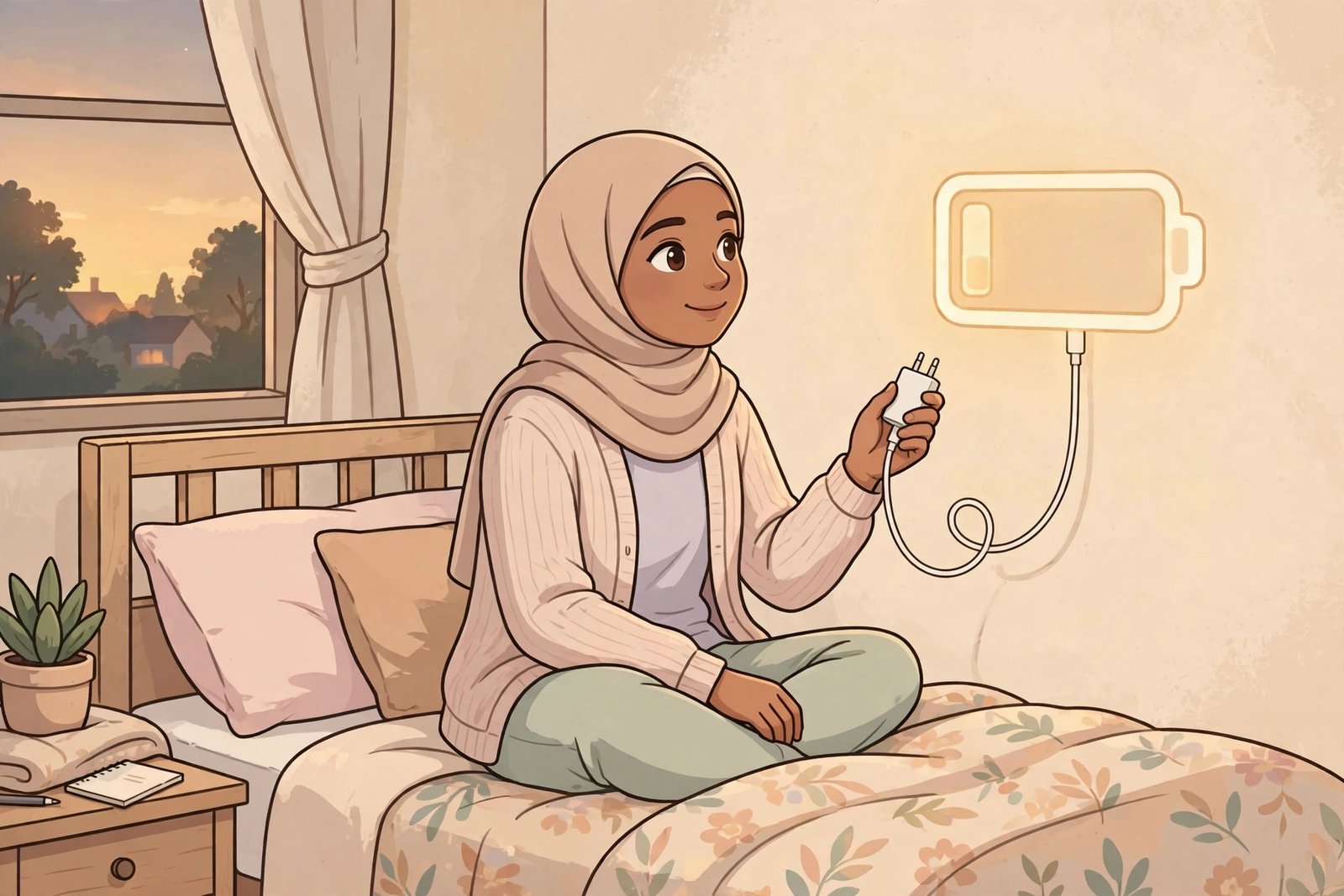
Here’s the short answer. Yes, it’s normal. Many teens need real alone time every day, and some need whole quiet days now and then. School is loud, social, and full of small demands from morning to night. Your room might be the only place where nobody needs anything from you. Wanting that place isn’t a flaw. It’s your system asking for a recharge. Asking is it normal to want to be alone all day is really asking whether your charger is broken, and it isn’t.
The key word is chosen. Alone time you pick, enjoy, and come back from feeling steadier is healthy. It helps you think, rest, create, and sort your feelings. Girls ask is it normal to want to be alone all day most often after a draining week, and the honest answer is that a quiet day can be exactly what a drained brain needs.
The warning side is different. If the wish to be alone comes with a heavy mood that won’t lift, if you stop caring about the things you used to love, if days pass and you feel worse alone instead of better, that’s no longer simple recharging. That’s a sign to bring an adult into the picture. Not as a punishment. As support.
So hold both truths at once. Your quiet is allowed, and your quiet has a healthy shape. This guide shows you the shape. You’ll learn what good alone time does for you, how to spot when it stops helping, and how to ask for space without hurting the people who love you. By the end, is it normal to want to be alone all day will feel less like a worried secret and more like a simple fact about how you’re wired.
Yes, Wanting Quiet Is a Real Need
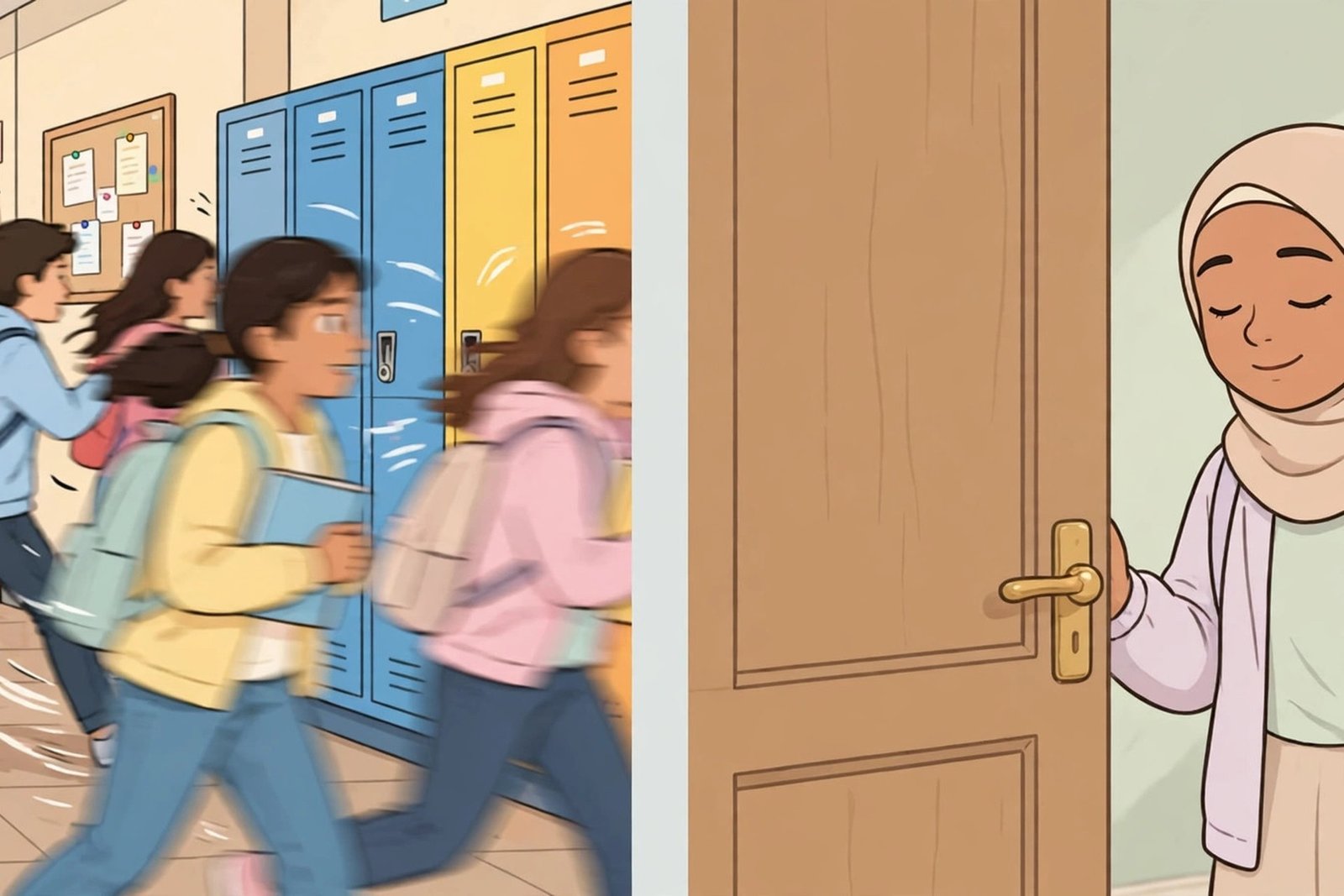
Think about what a school day asks of you. You perform from the first bell. You follow rules, track moods, read faces, answer questions, laugh at the right times, and hold your own feelings in check for hours. Even girls who love people pay a price for that. It’s like running a long race in a nice outfit. You can do it. You just can’t do it forever without a rest stop.
Alone time is the rest stop. With the door closed, the performance ends. Nobody is reading your face. Nobody needs a reply. Your shoulders drop, maybe for the first time all day. That drop isn’t laziness. That’s your body and brain doing repair work. Rest is a need, like sleep and food. It just looks quieter. Girls who ask is it normal to want to be alone all day are usually just girls whose rest stop got questioned.
Some girls need more of it than others, and that spread is normal too. One girl recharges in twenty minutes and runs back to the group. Another needs a full evening alone to feel like herself again. A third wants a whole slow Saturday with no plans at all. None of those girls is broken. They just run on different batteries. Asking is it normal to want to be alone all day is a bit like asking if it’s normal to be hungry sooner than your friend. Bodies and brains differ. Needs differ. That’s all.
Your age plays a part as well. The teen years are when you build your own inner world, your tastes, your thoughts, your sense of who you’re when nobody is watching. That building work needs some privacy. A closed door is often where a girl figures out what she actually thinks, instead of what the group thinks. Wanting that space is a sign of growing, not a sign of pulling away from life.
So if your perfect day sometimes starts with no plans and no people, let it be perfect. You’re allowed to like your own company. You’re allowed to find peace in a quiet room, a long walk, a sketchbook, or music through headphones with the world on mute. When friends ask why you vanished, the honest answer can be simple. I needed quiet. Good friends learn that sentence fast, and the next section helps you teach the rest of the people in your life.
Chosen Alone Time Is Not the Same as Loneliness
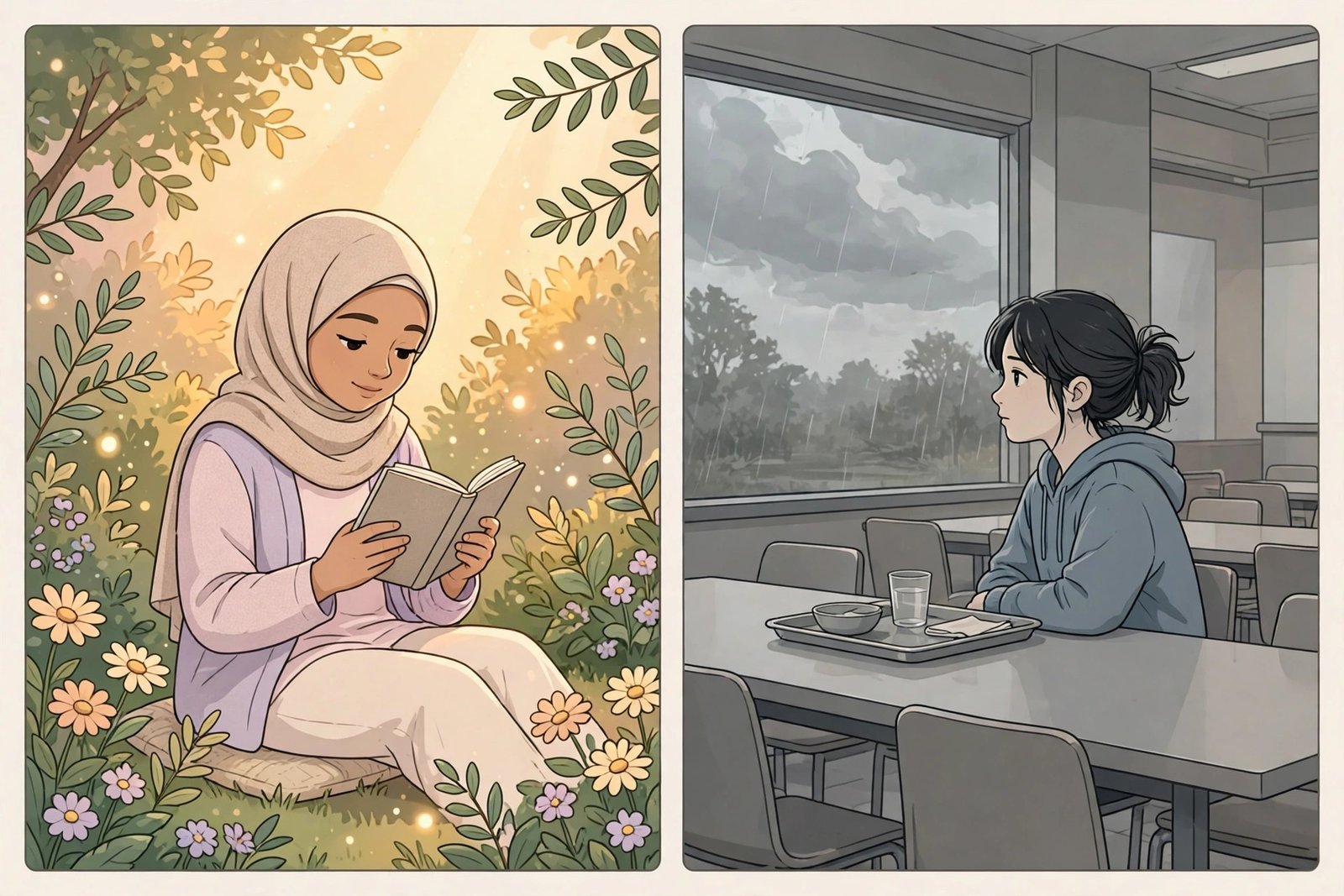
This part matters, so let us draw the line in bright ink. Alone is a place. Lonely is a feeling. They often travel together, but they aren’t the same thing, and mixing them up causes a lot of needless fear.
Chosen alone time feels like relief. You pick it, you enjoy it, and you can leave it when you want. You read, rest, draw, think, snack, stretch, daydream. When a friend texts, the world doesn’t feel far away. You’re refilling, and part of you knows you’ll rejoin everyone when you’re ready. The door is closed, but it isn’t locked from the inside by sadness.
Loneliness feels like an ache. It can hit in a silent room, but it can also hit in a crowd, at a full lunch table, even mid laugh with friends. It’s the feeling of being unseen and unchosen, of having nobody who really gets you. A whole guide on this site explores is it normal to feel lonely even when you have friends, because so many girls know that strange ache of being surrounded and still feeling apart. The ache has its own answers, and they aren’t the same as the answer to is it normal to want to be alone all day.
Why does the split matter for you? Because girls often panic over the wrong one. They fear their love of quiet means they’re lonely or strange. It doesn’t. If your alone time feels good and you still care about your people, you aren’t lonely. You’re recharging. The fear itself is usually the only problem, and fear shrinks when you name things right.
The reverse is worth knowing too. If you’re alone a lot and it aches, that ache is information, not character. It may mean you need people more than quiet right now, or different people, or one real talk with someone. Aches are signals. Signals are useful. You don’t have to shame yourself for having one.
Hold the two words apart from now on. Alone: a place you choose. Lonely: a feeling you didn’t choose. Most days, when you ask is it normal to want to be alone all day, you’re asking about the place, and the place is fine. On the rare days you’re really asking about the ache, that deserves a different, kinder answer, and this guide gives you that one too, a little further down.
What Good Alone Time Actually Does for You

Quiet isn’t empty time. A lot of real work happens in it, under the surface, where you can’t watch it happen. Think of it like sleep for your waking mind. You lie down tired and wake up clearer, and you did nothing but rest. Alone time works in a similar way for your feelings and thoughts.
First, it calms your system down. A Psychology Today piece on the benefits of freely chosen solitude describes how time alone lets your mood and body settle, like a shaken snow globe going still. After loud days, that settling isn’t a luxury. It’s how you get back to your normal self, the one who can laugh and cope and be patient with people again.
Second, quiet gives your feelings room to arrive. At school, feelings queue up and wait. The small embarrassment, the friend worry, the tired sadness, all of it stands in line behind the next class bell. Alone, the line finally moves. You might cry a little, or feel angry for ten minutes, and then it passes through instead of piling up. Girls often ask is it normal to want to be alone all day right after a week of holding everything in. Yes. The queue got long. The quiet is where it clears.
Third, alone time grows your own voice. With no one reacting, you find out what you really like. The music you pick when nobody judges it. The story you write that nobody will grade. The opinion you hold even when the group holds the opposite. A self is built in those moments. You can’t hear your own voice in a room where everyone talks at once, including you.
Fourth, it feeds creating. Drawing, writing, building, baking, dancing alone in your room like nobody will ever know. Creating needs a safe, unwatched space, especially at the start, when the work is clumsy and shy. Many girls only create alone, and that isn’t a quirk. That’s how new skills have always grown, in private, at their own pace. Quiet rooms raise whole selves, which is one more reason the answer to is it normal to want to be alone all day can stay a calm yes.
So treat your quiet like it matters, because it does. Guard a daily dose of it the way you guard sleep. Even thirty honest minutes can change an evening. On the big recharge days, let the hours be slow and plain. When someone asks what you did all day, the true answer might be, I rested my brain back to life. That’s a full and worthy answer, and asking is it normal to want to be alone all day becomes easier once you know what the day is quietly doing for you.
Signs Your Alone Time Is Helping You

How can you tell if your alone time is the healthy kind? Read the after feeling. Healthy quiet leaves a trace, and the trace is easy to spot once you know it.
You come back softer. After a good stretch alone, people feel easier. Your patience is back. A sibling’s noise bothers you less. You can join dinner, answer a text, or walk into school the next day without that tight, frayed feeling. The world feels possible again. That softness is the signature of a real recharge.
You come back with something. A clearer head about a problem. A page of writing. A decision made. Energy for tomorrow. It doesn’t have to be big. Sometimes the something is just a calmer mood and a full stomach. But healthy alone time pays you back, even in small coins. Payback like that is how you know the answer to is it normal to want to be alone all day is yes, for you.
You still want your people, just not right now. This one matters. Healthy solitude is a visit, not a move. You enjoy your friends when you see them. You look forward to some things. You laugh for real sometimes. The wish for quiet sits next to a living social side, even if that side is small and picky. A girl with two close friends and a lot of quiet can be perfectly healthy. Count warmth, not heads.
You can still step out when it counts. A family event, a friend who truly needs you, a plan you promised. Healthy quiet bends for real life. You might sigh, but you go, and often you end up glad. Your alone time serves your life. It doesn’t swallow it.
Keep these signs in mind like a small checklist. Softer after. Something gained. People still wanted. Able to step out. If your quiet days mostly tick those boxes, you can stop worrying about them. You have your answer to is it normal to want to be alone all day, written by your own life, in your own after feelings. Trust that evidence more than any comment from someone who recharges differently than you.
When Alone Time Stops Feeling Good

Now the honest other half, because this guide promised you both. Alone time has a shadow side, and it shows up when the quiet stops being chosen and starts being a hiding place.
Watch for the flat feeling. You spend the day alone and come out of it emptier, not softer. The hours blur. Nothing sounds fun, not even the things you used to love doing solo, like your show, your game, your drawing. When alone time stops paying you back day after day, something has changed, and it’s worth paying attention to.
Watch for the shrinking world. First you skip the party. Then the small hangout. Then you stop answering texts at all, and leaving your room starts to feel like a mountain. Each no makes the next no easier, until your world is one room and one screen. That slide is slow, which is why it fools people. Girls in that slide often asked is it normal to want to be alone all day weeks earlier, when it still was. The slide is the part that isn’t.
Watch for alone time that isn’t chosen at all. Being left out isn’t solitude. Eating lunch alone because nobody saved you a seat is a different pain, and it deserves its own care. There’s a gentle guide on what to do if you always eat lunch alone at school for that exact spot. Don’t rename imposed loneliness as me time. The two need opposite answers. Chosen quiet heals. Imposed aloneness needs people, and asking for them is brave, not weak.
Watch your body too. Sleep flipping upside down. Food losing its pull, or becoming the only comfort. Headaches, heaviness, a tiredness that rest doesn’t fix. Bodies speak early. Listen to yours like you would listen to a friend.
None of this means you need to fear your quiet days. It means you watch them the way you watch the weather, with honest eyes. Most days, your alone time is a charger doing its job. On the days it turns into a cave, the next section and the last one in this guide show you what to do, and who to tell. Noticing the change early is the whole trick, and you’re already doing it by reading this far.
How to Ask for Space Without Hurting People

One hard part of loving quiet is the people who take it personally. A friend hears I need space and reads I’m mad at you. A parent sees a closed door and worries, or knocks every ten minutes to check. Clear words fix most of this, and clear words are a skill you can learn fast.
Name the need, not the person. Say, I recharge alone, so I go quiet after school. That sentence explains you. It doesn’t accuse anyone. Compare it with, you’re all too much for me, which lands like a slap even when it feels true at 4 p.m. Same need, softer frame. People accept frames they aren’t blamed inside of.
Give a time shape. People relax when quiet has edges. I need an hour alone, then I will come down for dinner. I’m taking Saturday for myself, and I will see you Sunday. A promise with a time on it tells your people the door will open again. Most hurt feelings come from the fear that it won’t. A clear shape also answers their worried version of is it normal to want to be alone all day, the one they ask about with their faces at dinner.
Teach your friends your pattern before you need it. The worst time to explain your battery is mid drain, when your tone is flat and your face is blank. Explain on a good day, with humor if you can. I go silent to recharge, not because I’m mad. If I vanish for a day, I’m fine, and I will be back. Friends who know the pattern stop worrying, and stop texting are you mad at me, which saves you both.
Meet your family halfway where you can. If a parent needs signs of life, agree on small ones. A knock code. A text back at dinner time. Showing up for one shared thing a day, like tea or a walk. Small proofs of love make big space possible. You aren’t surrendering your quiet. You’re paying its rent in kindness, and most parents lower the rent a lot once they understand.
And if someone keeps mocking your need for quiet, calling you cold or weird, hold your ground kindly. Your recharge style isn’t a character flaw up for debate. You can say it once, clearly, and then let the closed door repeat it for you. Girls ask is it normal to want to be alone all day partly because someone made them feel strange for it. It isn’t strange. It’s yours. The right people learn it, and the learning usually sticks.
When Wanting to Hide Away Means Telling an Adult

Most of this guide has defended your quiet, because your quiet deserves defending. This last part defends something else. You, on the days when quiet isn’t the answer anymore.
Here’s the line, as clearly as it can be drawn. If you want to be alone for many days in a row and the wish doesn’t lift, tell an adult. If you lose interest in everything, even the solo things you used to love, tell an adult. If you feel worse alone instead of better, day after day, tell an adult. If heavy or hopeless thoughts start visiting during your quiet and won’t leave, tell an adult soon. These aren’t failures of willpower. They’re signs your load got bigger than quiet can carry, and bigger loads need more hands.
Who counts as the adult? A parent is the usual first door. If that door feels hard, try another. A school counsellor. A nurse. An aunt. A coach. An older sibling who can help you tell. Pick the person who listens calmly. You can start tiny and plain. I have been wanting to hide in my room for weeks, and I don’t feel better, and I think I need help. That’s a complete first step. You don’t need the perfect words. You need one honest sentence and one safe person. Telling one doesn’t cancel your quiet, and it doesn’t change your answer to is it normal to want to be alone all day on the good days.
Expect the talk to help in ways you can’t script in advance. Sometimes the adult just listens, and the weight halves because it’s shared. Sometimes they connect you with a counsellor, who has tools built for exactly this. Sometimes a doctor checks the plain stuff, like sleep or health, that can drag a mood down quietly. Every one of those is a win. None of them happens if the door stays closed and the secret stays yours alone.
And let this sit beside it, so the balance of this guide stays true. Needing help once doesn’t make your love of quiet a sickness. Plenty of girls who adore alone time also go through a rough patch and talk to someone. The two facts live side by side without canceling each other. You’re still a girl who recharges in peace. You’re just also a girl who knew when peace stopped being enough.
So here’s your whole map, in one place. Enjoy chosen quiet without guilt, because it calms you, clears your feelings, grows your own voice, and feeds your creating. Check the after feeling to be sure it’s still helping. Ask for space with clear, kind words, and teach your people your pattern. And if the quiet ever turns into hiding, shrinking, or feeling worse for days on end, bring an adult in early. Do that, and is it normal to want to be alone all day stops being a worried search at midnight.
It becomes a question you can answer for yourself, most days with a calm yes, and on the rare hard days, with the courage to say I need someone. Both answers make you strong. Both answers are yours to use, and is it normal to want to be alone all day will never scare you the same way again.
Frequently Asked Questions
Is it weird that I like whole days with no plans and no people?
No, it isn’t weird at all. Many teens love a full quiet day the way others love a full party day. It’s a taste, like liking rain more than sun. Your day alone lets your brain rest, your feelings settle, and your energy come back. As long as you still enjoy your people when you see them, and you come out of the day feeling steadier, that quiet day is doing you good, not harm.
How much alone time is too much?
There’s no magic number, so read the signs instead of the clock. Alone time is likely fine while you feel better after it, keep up with school and basic care, and still want some contact with people you like. It leans toward too much when days blur together, you stop caring about things you loved, or leaving your room starts to feel impossible. The after feeling is a better meter than any hour count someone could give you.
My parents worry when I stay in my room all day. What can I say?
Try explaining your battery on a calm day, not mid argument. Say that being alone is how you recharge, the way rest helps after sport. Give your quiet a shape they can see, like joining dinner, or texting back at set times. Many parents relax fast once they hear it’s a need with edges, not a door closing on them. If worry keeps growing on their side, a school counsellor can help you have that talk together.
What if I feel better alone but guilty about it?
That guilt usually comes from other people’s rules, not from your own truth. The world praises loud, busy, social girls, so a quiet girl can feel like she’s doing life wrong. She isn’t. Check your own evidence instead. Do you come back kinder, calmer, and more yourself after quiet? Then your quiet is working. Guilt fades as you trust your own data. And the question is it normal to want to be alone all day gets easier each time you answer it with your own proof.
When is wanting to be alone a sign I should talk to someone?
Talk to a trusted adult if the wish to hide lasts for many days without lifting, if you lose interest in everything you used to enjoy, or if you feel worse alone instead of rested. Also speak up if heavy thoughts keep visiting and won’t leave. If you keep asking yourself is it normal to want to be alone all day while the days get darker instead of calmer, that’s reason enough. A parent, counsellor, or doctor can help, and asking early is always the strong move.
Pingback: Why Do I Only Feel Productive at Night? - The Honest Truth
Pingback: Why Do I Feel Bored Even When I Have Nothing to Do? - The Honest Truth