
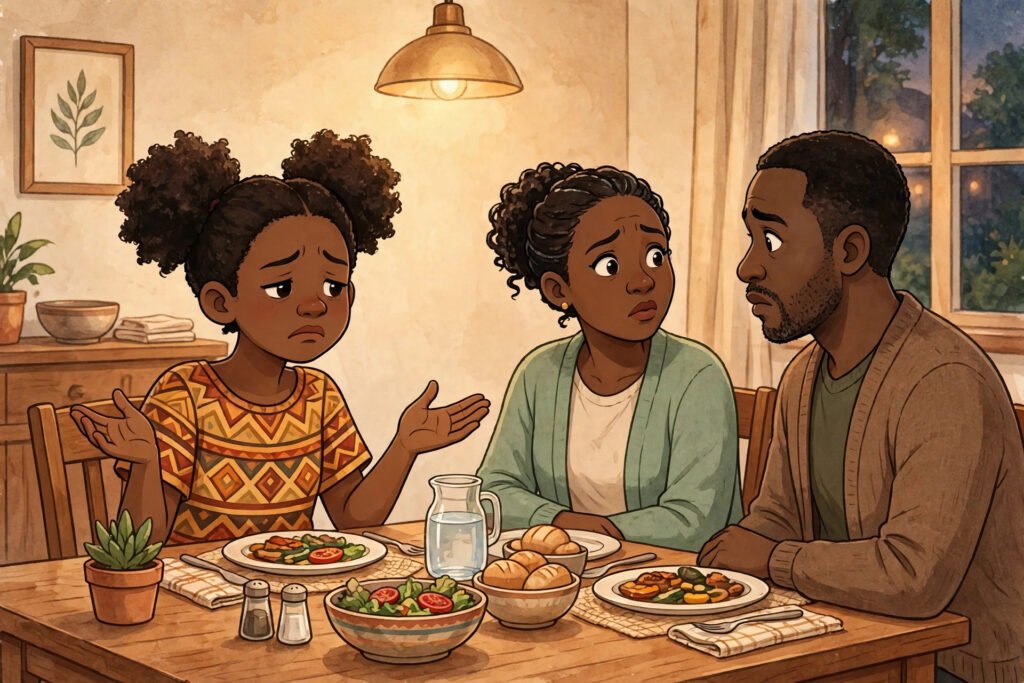
You told her about your whole day. The test, the group chat mess, the thing your friend said at lunch. You used real words, in the right order, out loud. And your mom answered with a story about her own school days and a warning about your phone. You walked away thinking, she didn’t hear one single thing I said. If you keep asking yourself why do i feel like my parents never understand me, you’re not being dramatic. You’re describing one of the loneliest feelings in a house full of people.
It isn’t that they don’t love you. That’s the confusing part. The love is there, in lunches packed and rides given and worry at midnight. But love and feeling understood are two different things. You can be deeply loved and still feel like a stranger at your own table. When a girl wonders why do i feel like my parents never understand me, she’s usually not asking for more love. She’s asking for one person at home who gets what her life actually feels like from the inside.
Here’s the honest truth that helps. This gap is incredibly common in the teen years, and it has real causes on both sides. Your world has changed fast. Their picture of you hasn’t caught up. You speak in feelings, they answer in fixes. None of that means the bridge between you is broken forever. It means it needs small repairs, from both banks of the river. This guide will walk through why the gap grows, what each side keeps missing, and the small honest moves that make real talks possible again. By the end, why do i feel like my parents never understand me will feel less like a life sentence and more like a phase with handles.
The Short Answer

Here’s the short answer. You feel misunderstood because you and your parents are often having two different conversations at once. You bring a feeling and want it heard. They hear a problem and try to fix it, warn about it, or compare it to their own past. Neither side is evil. You’re just tuned to different stations, and the static between the stations is where the lonely feeling lives.
So why do i feel like my parents never understand me? A few big reasons team up. Their picture of you is a few years out of date, because kids change faster than parents can redraw. Your inner life has grown huge and private, so they only see the tip of it. Stress makes them jump to danger and lectures. And you, like most teens, often open the biggest talks at the worst moments, tired, late, or already upset. Four small causes, one big feeling.
The fix is not one giant heart to heart that changes everything by Friday. It’s smaller and slower than that. One topic at a time. A headline before the story, so they know you want listening, not fixing. Calm moments instead of doorway ambushes. And a little grace for the fact that they’re learning a new version of you while you are too.
And if you’re asking why do i feel like my parents never understand me because you fear your family is just colder than others, breathe. In most homes, this feeling peaks in the teen years and softens as everyone adjusts. The girl who feels like a stranger at fourteen often has long, easy talks with her mom at twenty. The bridge isn’t gone. It’s just under repair, like everything else in these years. Keep reading, and let’s look at the repairs together.
Talking, Explaining, and Still Not Landing
Let’s sit inside the feeling for a minute, because naming it well is half the cure. It’s not one big blowup. It’s a hundred small misses. You say the group project is a mess, and they hear laziness. You say you’re sad about a friendship, and they hear drama that will pass. You show them a song that means the world to you, and they hear noise. Each miss is tiny. Together, they build a wall.
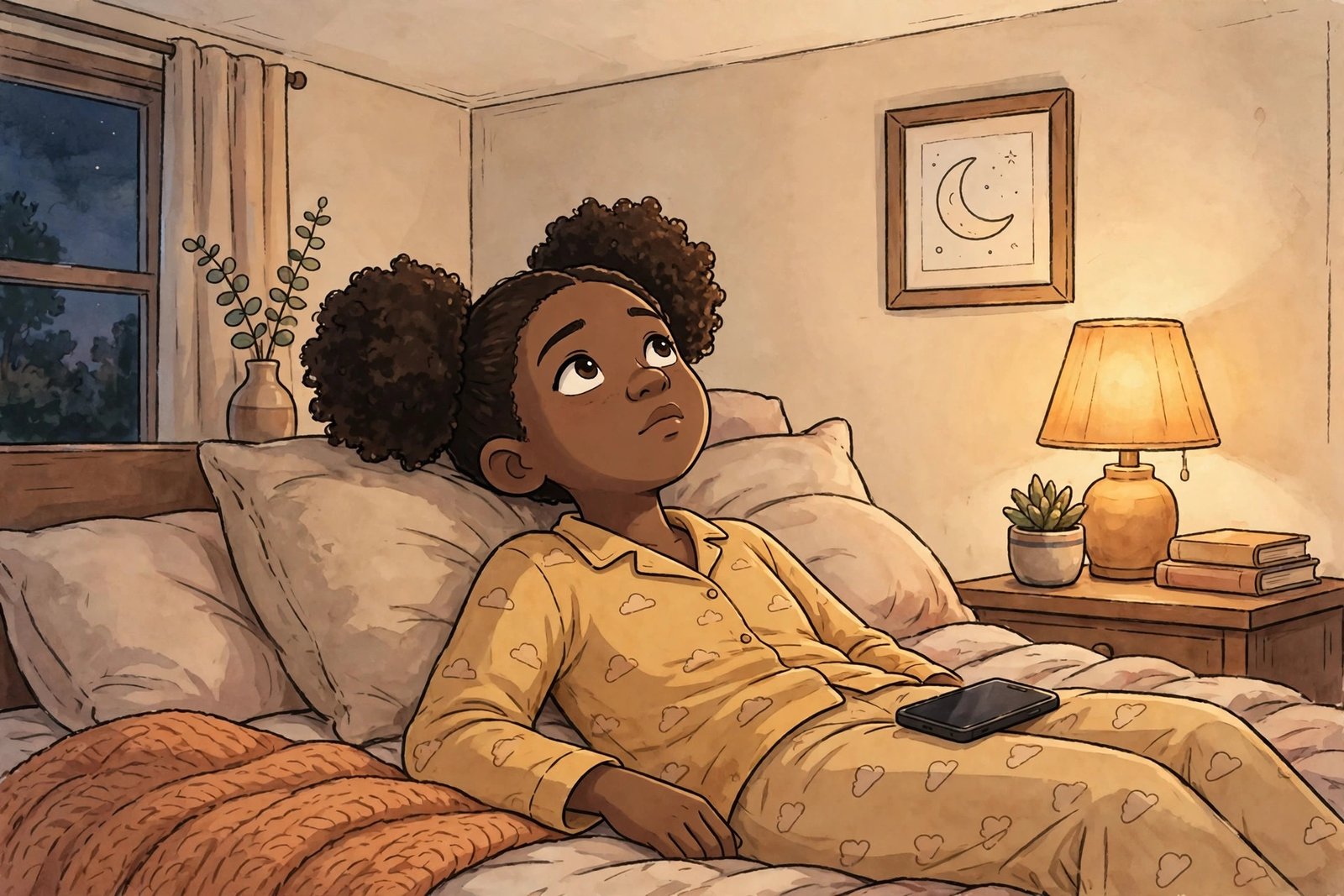
The worst misses share a shape. You bring something soft and real, and it comes back to you hard and small. Minimized. Solved in one line. Turned into a lesson. After enough rounds, a smart girl stops bringing soft things. She brings facts instead. School is fine. Dinner is fine. Everything is fine. And then the house is quiet, and she’s lonelier than before, and nobody can work out why. If you’ve ever asked why do i feel like my parents never understand me while staring at a ceiling at night, that quiet is usually the reason. It’s not that talks went wrong. It’s that they stopped happening at all.
That lonely in a full house feeling has cousins, by the way. Girls feel a version of it with friends too, standing in a laughing circle and feeling oddly far away. If that rings a bell, you’ll find comfort in reading about feeling lonely even when you have friends. The home version has its own flavor, though. These are your parents. They’ve known you since before you could talk. If anyone should get you, surely it’s them. That surely is what makes the misses hurt so much more.
Notice one more thing. The feeling often spikes right after you tried. You opened up, which took nerve, and the answer missed, which took the nerve back with interest. So the sting isn’t just about being misunderstood. It’s about being misunderstood at the exact moment you were brave. No wonder the question why do i feel like my parents never understand me comes with tears so often. It’s not weakness. It’s the price of having hoped, out loud, in your own kitchen.
Why the Gap Grows in the Teen Years

This gap isn’t a family failure. It’s almost a scheduled stop on the road of growing up, and seeing the schedule takes some of the blame away. Start with speed. Between twelve and seventeen, your world rebuilds itself about five times. New school worlds, new friend rules, new feelings, new pressures, a body and brain under heavy construction. Your parents’ picture of you was drawn during the last version. They’re navigating with an old map of a city that keeps moving streets.
Your inner life has also grown private, and rightly so. A seven year old narrates her whole day. A fifteen year old has thoughts she’d never say out loud, jokes that only make sense at school, worries she hasn’t found words for yet. Your parents now see maybe a fifth of your life. They fill the rest with guesses, and their guesses run on old data. When you wonder why do i feel like my parents never understand me, part of the answer is simple math.
They can’t understand rooms they’re never invited into, and inviting them in is scary for you. That’s the map problem sitting inside why do i feel like my parents never understand me, and map problems can be worked on. Both things are true at once.
There’s also the tug of war built into these years. Your job, as a teen, is to become your own person. That means your opinions get louder, your taste gets stranger to them, and their word stops being the final word in your head. Their job, as they see it, is to keep you safe until you’re grown. Two honest jobs, pulling in opposite directions. Friction isn’t a sign something’s broken. It’s the sound of both jobs being done at once.
And let’s be fair about time. Your parents are not standing still either. Work stress, money, their own parents aging, their own tired hearts. A distracted listener misses more. A worried listener hears danger in everything. When you ask why do i feel like my parents never understand me, some of the answer may be that the adults in your house are running on empty. That doesn’t make it okay. It makes it human, and humans can be talked to, which is more than can be said for walls.
What Your Parents Might Be Missing
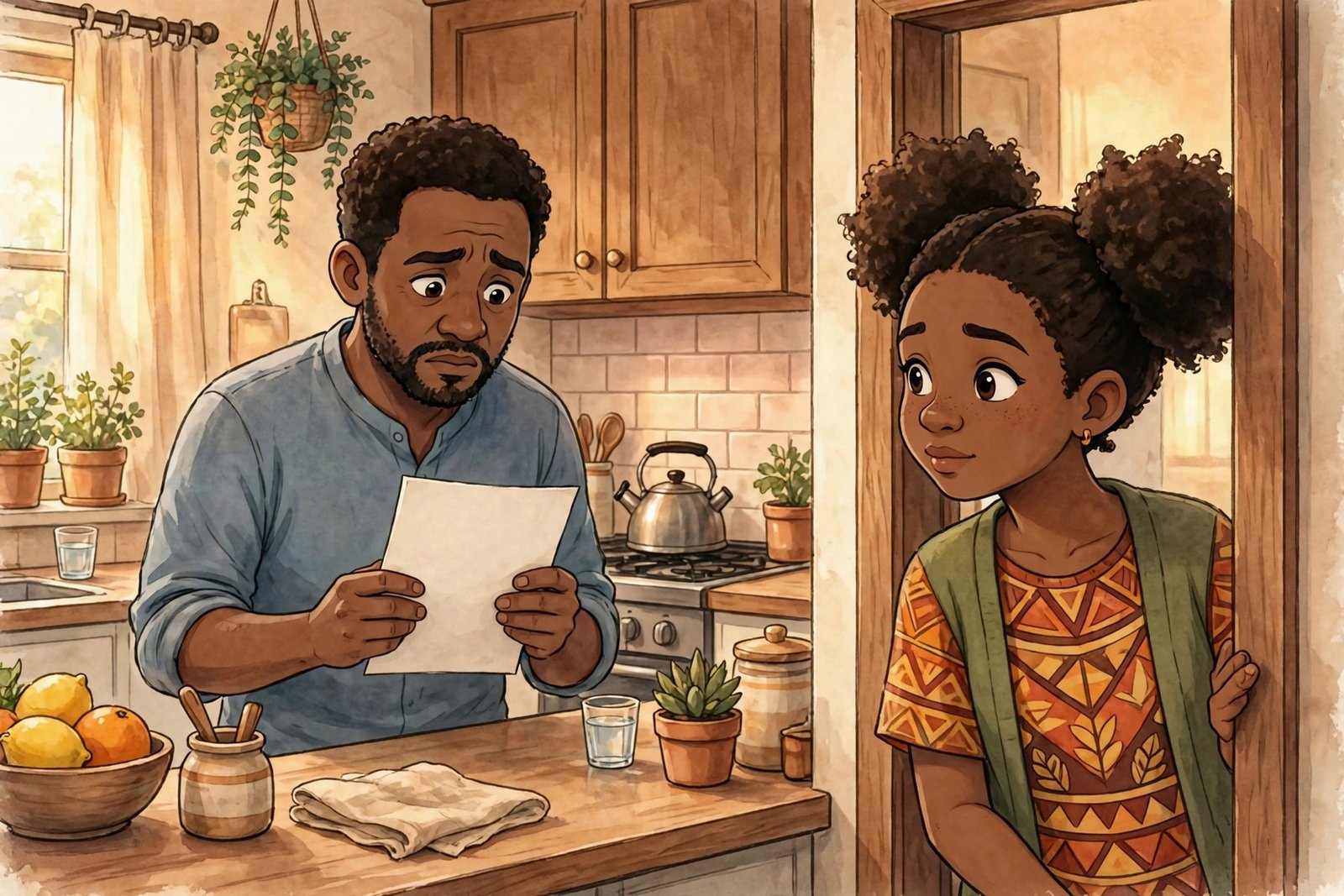
Now let’s look at their side of the static, because you’ll talk to them better once you can see it. The first thing many parents miss is the difference between hearing and understanding. They hear your words fine. What they miss is the weight the words carry for you. A friend group crack that looks small from the kitchen can be an earthquake from inside your school life. They answer the size they see, not the size you feel, and the mismatch makes you feel invisible.
Many parents also carry a quiet belief that understanding means agreeing. So when you say you want more freedom, or that a rule feels unfair, they hear a request they must refuse, and they skip straight to defending the rule. The feeling you brought never gets touched. Nobody said, I hear that this feels unfair to you. That one sentence costs nothing and changes everything, and most parents never learned it because nobody said it to them either. The TeensHealth guide to talking with your parents has calm ideas for both sides of this wall, and it’s a kind, practical read when you’re planning a better talk.
Fear does a lot of missing too. A parent who hears about friend drama may instantly picture the worst endings: bad crowds, bad choices, a daughter slipping away. Fear makes them grab the steering wheel. Out comes the warning, the rule, the story from the news. What you needed was a witness. What you got was a guard. Guards mean well. Witnesses heal. Your parents keep showing up as guards because fear is louder in them than you know.
And some parents miss how much you’ve grown because growth is sneaky. You didn’t change on one day they could circle. You changed in a thousand small hours while they were at work, on the phone, paying bills. They’re still talking to the girl from the old map. When she doesn’t match the girl in front of them, they get confused, and confusion often comes out as dismissal. She’s being dramatic. It’s a phase. If you’re tallying up why do i feel like my parents never understand me, write that one down in pencil. Maps can be redrawn. That part is fixable, and later parts of this guide show how you help redraw it.
What You Might Be Missing on Their Side
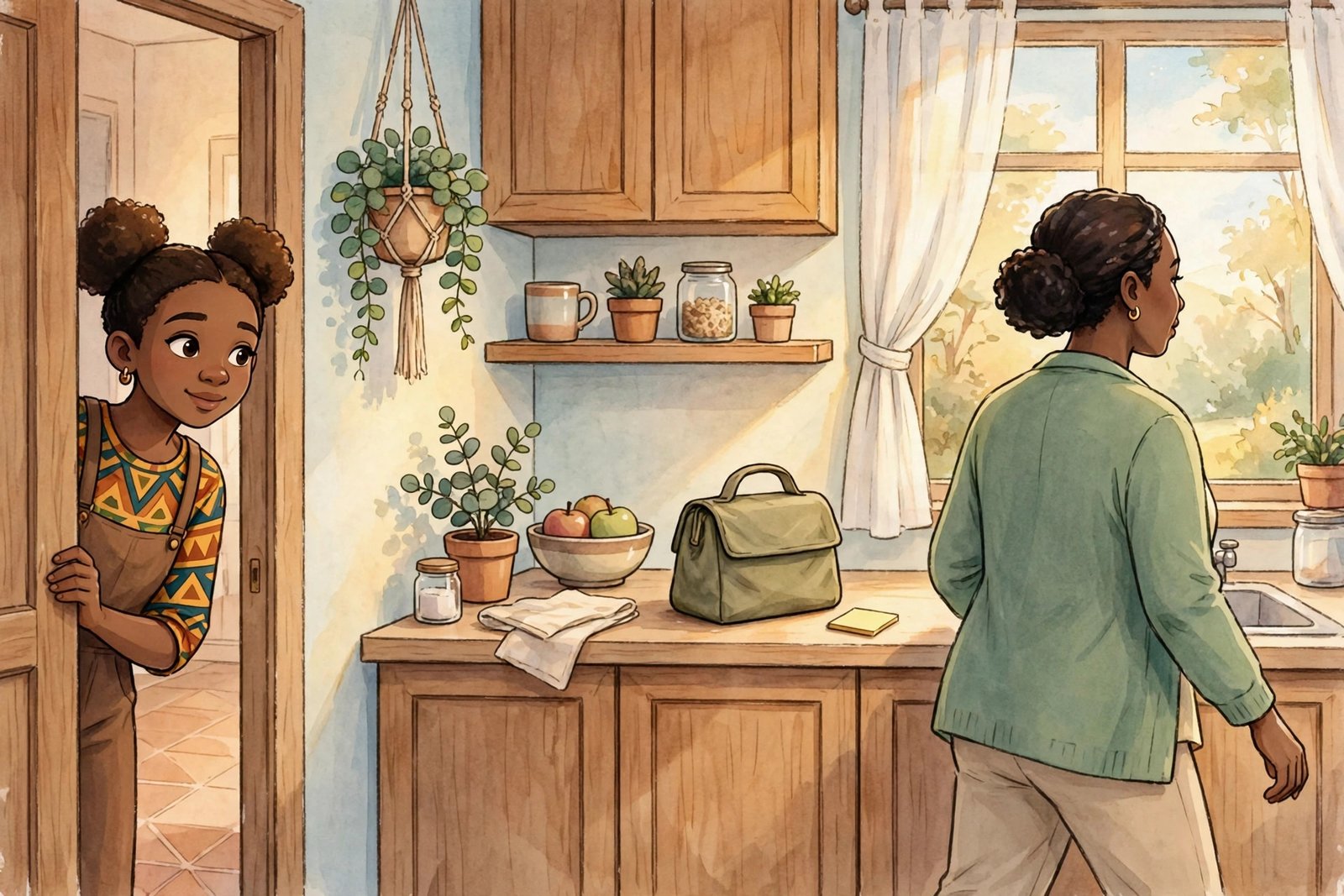
Deep breath. This part isn’t blame. It’s intel. There are a few things on their side of the wall that most teens never get told, and knowing them makes the whole puzzle less personal and less hopeless. The first is this. Most of your parents were not understood by their parents either. Many grew up in houses where feelings weren’t discussed at all. They aren’t withholding a skill they have. They’re missing a skill they were never taught. You’re asking for a language they may be learning alongside you.
The second thing is how love gets expressed in grown up dialect. You speak feeling. They speak doing. Rides, meals, fees paid, a fixed bike, a worried call to the school. In their dialect, that is the sentence I love you, said all day long. It doesn’t replace being heard, and you still need to be heard. But it does answer part of why do i feel like my parents never understand me with a kinder story: the love is fluent, it’s the listening that’s still learning. And noticing the dialect can soften the story you tell yourself at night. The house may be less cold than the quiet makes it feel.
Third, parents often hear your sadness as an accusation. When you cry and say nobody gets it, a tired parent may hear, you’re failing me. That sting makes them defend, explain, or lecture, which is the opposite of what you need. It’s not fair that your pain lands on them as blame. But knowing it happens lets you defuse it early with one line: I’m not blaming you. I just need you to hear me for a minute. That line is small magic. Use it.
And fourth, the thing nobody says at dinner. Your growing up is also a loss for them. The little girl who told them everything is becoming a young woman with a locked inner door, and that aches in a way they rarely admit. Some of their clumsiness is grief wearing work clothes. When you ask why do i feel like my parents never understand me, you’re often asking about two people missing each other from opposite sides of the same door. That’s not a tragedy. That’s an invitation, and invitations can be sent from either side. The next parts are about sending yours well.
Why Honest Talks Turn Into Lectures

You’ve probably noticed the pattern. You start a talk with a full heart. Two minutes later, you’re being lectured about attitude, grades, or the phone, and the thing you came to say has left the room. If that scene is your house’s weekly show, you already know how fast why do i feel like my parents never understand me turns from a question into a belief. Lectures aren’t born from cruelty. They’re born from a few repeatable mechanics, and mechanics can be changed once you can see them.
Timing is the first mechanic. Big talks that start in doorways, at midnight, in the car before school, or mid argument almost always derail. A tired, cornered parent grabs the nearest tool, and the nearest tool is usually a lecture. Add a headline problem on top: most teens open with the whole flood at once. The friend thing, the school thing, the feeling thing, all in one breath. A flooded listener panics and starts handing out rules like sandbags. Neither of you chose the lecture. The setup built it.
Tone is the second mechanic, and it cuts both ways. If your first line carries an edge, like you never listen anyway, their guard goes up before your sentence ends. If their first reply carries one, like here we go again, yours does the same. Two guards can’t hear each other. They can only fence. Many girls who ask why do i feel like my parents never understand me are really describing fencing matches, not talks. The words were there. The hearing never stood a chance.
The third mechanic is the fix reflex. Parents are trained by life to solve. A leaking tap gets fixed, a broken bike gets fixed, so a sad daughter must get fixed. Advice feels like love to the giver. To the receiver who wanted a witness, it feels like being skipped. Every unasked fix quietly says, your feelings are a problem to clear, not a thing to sit with. That’s why lectures feel so lonely even when they’re full of true words.
Here’s the hopeful bit. Mechanics have handles. You can change the timing, soften the first line, and name what you need before the flood starts. You can’t control their reflexes, but you can set a table their better side can sit at. That’s exactly what the next part is for: small changes, tested in real kitchens, that turn fencing matches back into talks.
Small Changes That Help You Feel Heard

Time for the practical part. These are small moves, not magic spells, and they work slowly. But slow work is how walls actually come down. Start with the headline trick. Before any story, give your parents the instruction your heart needs. I want to tell you something, and I just need you to listen, not fix it yet. Or, I need advice on this one, actually. Same parents, same evening, totally different talk, because now they know which job you’re handing them. A girl who asks why do i feel like my parents never understand me often finds that one headline sentence changes more than a year of hoping they’ll guess.
One topic at a time is the second move. Bring the friend thing tonight. Let the school thing wait for Thursday. Small talks get finished. Finished talks build trust. And trust is the soil where being understood grows. It’s the same reason borrowed first lines help with every hard family talk. Girls planning how to talk to their mom about their period use the same trick: one topic, one calm moment, one plain first sentence. Hard talks are a skill, and skills are learnable at any age, by daughters and parents alike.
Third, ask for the echo. When you’ve said your piece, try, can you tell me what you heard me say? It sounds odd the first time. Then it works like a lamp. They repeat back their version, you fix the two spots where it bent, and for once the thing in their head matches the thing in yours. If they roll their eyes, smile and keep it light. Most parents, once they’ve echoed well one time, quietly like it. Being sure they got it feels good on their side too.
Fourth, catch them doing it right, out loud. When a parent does listen, even for two plain minutes, name it. That helped. Thank you for just hearing that. Parents, like everyone, repeat what gets thanked. You’re training the house’s ears with kindness, which is slower than shouting and stronger than silence. And when a talk still misses, end it gently instead of slamming it. Let’s try again tomorrow. A door left open a crack lets tomorrow’s talk walk in.
Last, write when talking fails. A short note, left where they’ll read it alone, can carry what your voice keeps dropping. Keep it to one page. Say the feeling, say the need, say one thing you’d like to be different. Paper doesn’t get interrupted, doesn’t cry mid sentence, and can be reread at midnight when the house is honest. Many girls who once typed why do i feel like my parents never understand me into a phone at 1 a.m. found that the same words, written kindly on paper, finally landed.
The question why do i feel like my parents never understand me deserves a real answer, and sometimes the answer has to arrive in ink before it can arrive in voices.
Slow Bridges Back to Each Other

Let’s end with the long view, because this feeling has one. Feeling misunderstood by your parents is, for most girls, a season, not a life. Seasons change through a hundred small warmths, not one grand summit. A shared joke in the car. A parent who asks about the friend thing the next day, unprompted. You, telling them one true small thing before it becomes a big thing. Bridges are built from planks that small.
You can lay planks on ordinary days. Invite them into one tiny room of your world at a time. Play them the song, but tell them which line is yours. Tell them the school story with the boring middle left in, so they see your real days, not just your headlines. Every small true thing updates their old map. Updated maps are how being understood grows. And each redrawn square of that map shrinks the question why do i feel like my parents never understand me a little more.
It’s quiet work, and some weeks it will feel one sided. Do it anyway, in the weeks when you can. You’re not begging to be known. You’re teaching people how to know the new you.
And give the same grace you’d want. When a parent tries and lands at seventy percent, take the seventy. Perfection is not on the menu in any family. A mom who listens badly but cooks your favorite meal after a hard talk is speaking her dialect. A dad who goes quiet but drives you anywhere without a sigh is speaking his. Fluency in each other’s dialects is the real finish line here. It comes with practice, on both sides, across years.
If the gap in your house is heavier than a season, if talks are always cold, if you feel invisible every single day and it’s sinking your mood for weeks at a time, please widen the circle. A school counselor, a trusted teacher, an aunt, a coach. Being understood is a real human need, not a luxury, and if home can’t meet it yet, other safe adults can help carry it while home learns. That’s not giving up on your parents. It’s taking care of you, which is also their job, even when they’re slow at it.
So, why do i feel like my parents never understand me? Because you’re becoming someone new at high speed, in a house full of love that speaks a slightly different language, with adults who are learning you while you learn yourself. That’s a fixable sentence. Keep your talks small, your headlines clear, and your door open a crack. One day, mid ordinary conversation, you’ll realize they just understood you, fully, without trying. And you’ll think of this season the way you think of old shoes: tight once, outgrown now, and part of how you got here.
Frequently Asked Questions
Is it normal to feel like my parents never understand me?
Yes, it’s one of the most common feelings of the teen years. Your world is changing fast, your inner life is bigger and more private, and your parents are still working from an older picture of you. That mix produces the exact ache behind why do i feel like my parents never understand me. Normal doesn’t mean painless, and it doesn’t mean you should just swallow it. It means you’re not broken and neither is your family. You’re in a season that small honest talks can genuinely improve.
Why does every talk with my parents turn into a lecture?
Because talks have mechanics, and a few common ones build lectures. Big topics opened late, tired, or mid fight make parents grab their nearest tool, which is advice and rules. A flood of five problems at once does the same. So does a first line with an edge in it. Change the mechanics and the talk changes. Pick a calm moment, bring one topic, and start with a headline: I need you to listen, not fix. You’ll be surprised how often the lecture simply doesn’t show up.
What can I actually say so my parents listen?
Borrow plain lines. Start with, I’m not blaming you, I just need you to hear me for a minute. Give the headline before the story: this is a listening one, not a fixing one. Then ask for the echo: can you tell me what you heard me say? When girls ask what to say about why do i feel like my parents never understand me, these lines are the honest answer. They don’t force anyone. They invite clearly, and clear invites get accepted far more often than hints.
What if I tried and they still do not understand me?
Then widen the circle and keep your own heart safe. One trusted adult who truly hears you, a counselor, teacher, aunt, or coach, can meet a real need while home catches up. Keep your talks at home small and kind, and don’t let each miss close your door completely. Some parents need many calm tries across many months. Some need to see you growing steady before they can redraw their map. Your job is to stay honest and supported, not to fix two adults by yourself.
Will I always feel this way with my parents?
Almost certainly not. For most girls, this feeling peaks in the middle teen years and softens as parents adjust to the new you and learn better ways to talk. Ask any twenty year old about her mom and you’ll often hear a laugh about talks that once felt impossible. If you’re asking will it always feel like why do i feel like my parents never understand me, the honest answer is no. Seasons turn. Bridges get built. These talking skills will serve every close relationship you ever have.