
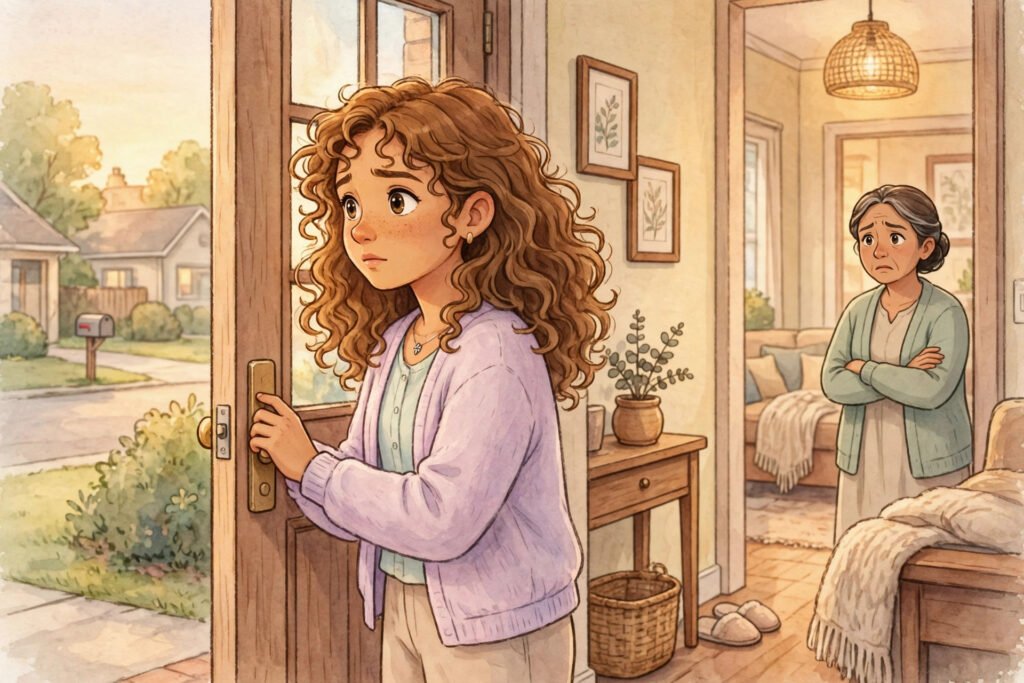
It usually starts with a small sentence. Your friend leaves after a study afternoon, the door closes, and your mom says, I don’t know about that girl. Or your dad goes quiet in a way that says more than words. And suddenly you’re standing in the middle of a tug of war you never signed up for. If you’re asking what should i do if my parents don’t like my friends, you’re not choosing sides yet. You’re just hurting in the middle.
Your friends are your chosen people. They’re the ones who know your school self, your jokes, your worst days. Your parents are your home people. They’re the ones who raised you and worry about you in their sleep. When those two worlds rub against each other, it feels awful, because both sides matter to you. That’s exactly why the question what should i do if my parents don’t like my friends feels so big. It’s not about one sleepover. It’s about love pulling in two directions.
Here’s the good news before we start. This problem is common, it’s often fixable, and it doesn’t always mean your parents are right or your friends are wrong. Sometimes your parents are seeing a real red flag that love has made you blind to. Sometimes they’re judging a book by a very loud cover. Most of the time, it’s a mix, and it can be untangled. This guide will help you hear their real reasons, look at your friends with clear eyes, and talk like a person instead of a cornered animal. By the end, what should i do if my parents don’t like my friends will have steps, not just stress.
The Short Answer
Here’s the short answer. Don’t decide anything in the heat of the first comment. First, find out what your parents actually dislike. Is it something your friend did? Something she wears, says, or posts? Or is it a vague feeling they can’t explain? Each kind of dislike needs a different answer, and you can’t pick an answer until you know which one you’re holding.
Next, look at your friend honestly, the way you’d look if your little sister brought her home. Parents are sometimes wrong, but they’re not always wrong, and a true friend can survive an honest look. Then talk to your parents calmly about what your friend is really like, and let them see more of her in small, easy ways. Most dislike melts a lot when it’s fed facts instead of fears.
So what should i do if my parents don’t like my friends, in one line? Listen first, check the facts second, talk third, and decide last. That’s the order that protects both your home peace and your friendships. Jumping straight to secret hangouts or giant fights skips the steps that actually fix things.
And if you’re still wondering what should i do if my parents don’t like my friends because you feel guilty just reading this, put the guilt down. Loving your friends doesn’t betray your parents. Questioning a friend doesn’t betray her either. You’re not a traitor in either direction. You’re a teen doing a hard, grown up thing: holding two loyalties at once and handling both with care.
Caught in the Middle Between People You Love
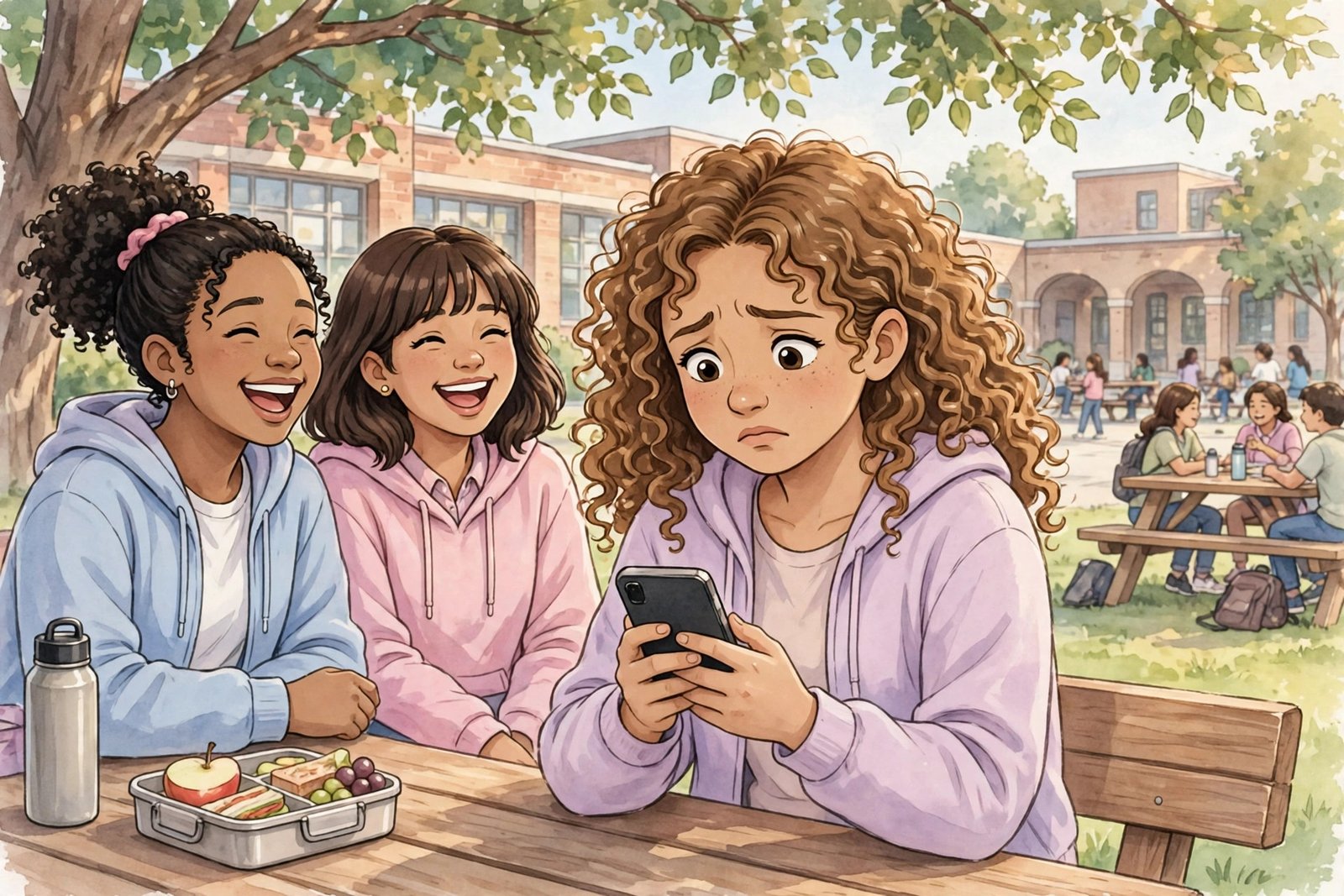
Let’s name the feeling first, because it’s a specific one. It’s not quite anger and not quite sadness. It’s the squeeze. Your friend texts, your parents sigh. Your parents praise another girl, your friend rolls her eyes at all adults. You start editing yourself in both houses. Quieter about your friends at home. Quieter about your parents with your friends. That editing is exhausting, and it’s usually the first sign you’re caught in the middle.
The squeeze gets worse because both sides talk about the other one to you. Your parents make comments at dinner. Your friends make jokes about strict parents. And you become the messenger, the shield, and the referee, all unpaid. No wonder you end up searching what should i do if my parents don’t like my friends at midnight. The middle is a lonely post, even for a girl surrounded by people.
It helps to know that friendships carry huge weight at your age, and adults sometimes forget that. Your friends aren’t a hobby. They’re a big part of how you learn who you are. The TeensHealth page on peer pressure and friendship explains how big a role friends play at your age, in good ways and hard ones, and it’s worth a read on a day when the squeeze feels heavy. Your parents aren’t wrong that home matters most in the long run. But your friendships matter now, and that now counts too.
Here’s a thought that frees a lot of girls. You don’t have to solve the whole war. You only have to handle your own post in the middle with honesty. You can refuse to carry cruel messages back and forth. You can say, I love you, and I won’t be the rope in this game. That one boundary already makes the middle a calmer place to stand.
And when you ask what should i do if my parents don’t like my friends, remember you’re not asking how to win. You’re asking how to live in both worlds without lying in either. That’s a much better question, and it has real answers. The next parts walk through them one by one, starting with the step almost everyone skips: finding out what your parents actually mean.
Find Out What They Actually Dislike
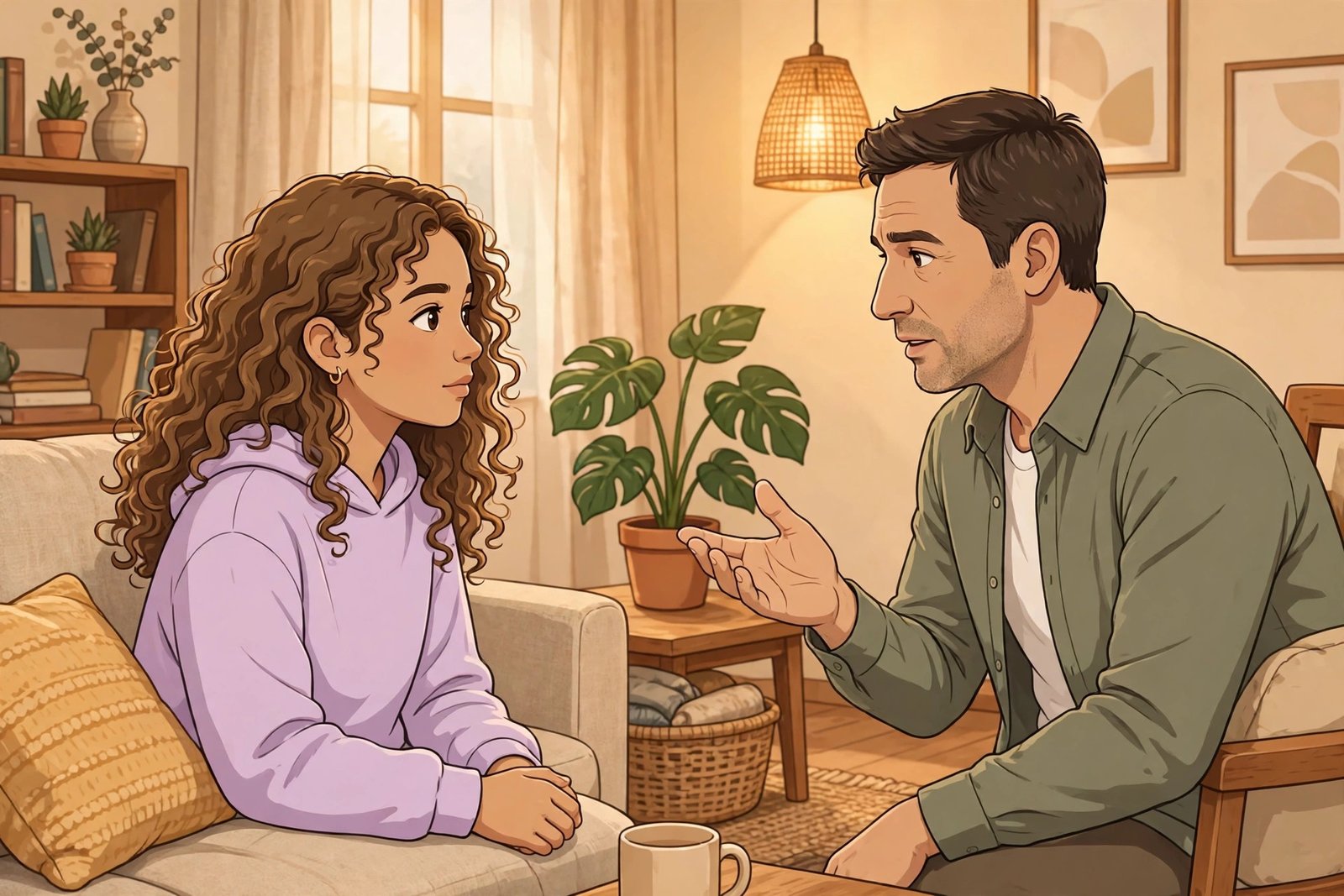
Most girls argue with a dislike they haven’t actually heard yet. A parent says, I don’t know about that girl, and the daughter hears, we hate her, she’s banned, it’s war. But that small sentence can hide ten different meanings. Your first job is detective work. You need the real reason, in real words, before you can do anything useful with it.
Ask plainly, at a calm time. You can say, you’ve said a few things about Mia. Can you tell me what worries you about her? Then comes the hard part. Listen to the whole answer without jumping in. Let them finish every sentence, even the unfair ones. You’re not agreeing. You’re collecting. A parent who feels heard will give you the true reason. A parent who feels fought will just repeat the loudest one.
Sort what you hear into piles. Pile one is behavior. She got you home late. She swore at the table. She got in trouble at school. Behavior is real data, and it needs a real answer. Pile two is style. Her hair, her clothes, her loud laugh, her music. Style is taste, not danger, and taste can be talked about. Pile three is rumors and vibes. A story from another parent. A feeling they can’t name. Vibes deserve the gentlest handling, because they’re often fear wearing a costume. When you ask what should i do if my parents don’t like my friends, this sorting is the answer’s first half. Different piles, different tools.
Ask a follow up that does quiet magic. What would she have to do, or what would you have to see, for you to feel better about her? That question turns a wall into a door. Some parents blink and say, honestly, I don’t know. That’s useful too. It tells you the dislike is a feeling, not a verdict, and feelings can move when they meet facts.
Watch out for one trap while you dig. Don’t defend your friend mid answer. Every but she’s actually has a cost in this talk. It tells your parents you’re not listening, only waiting to fight. Save your side for its own moment, which is coming two parts from now. A girl who listens first earns the right to be heard second. It isn’t fair that it works that way. It just works that way, in kitchens everywhere. So when you’re stuck on what should i do if my parents don’t like my friends, start here, with your ears. It feels slow. It’s actually the fastest road there is.
Look at Your Friends With Honest Eyes
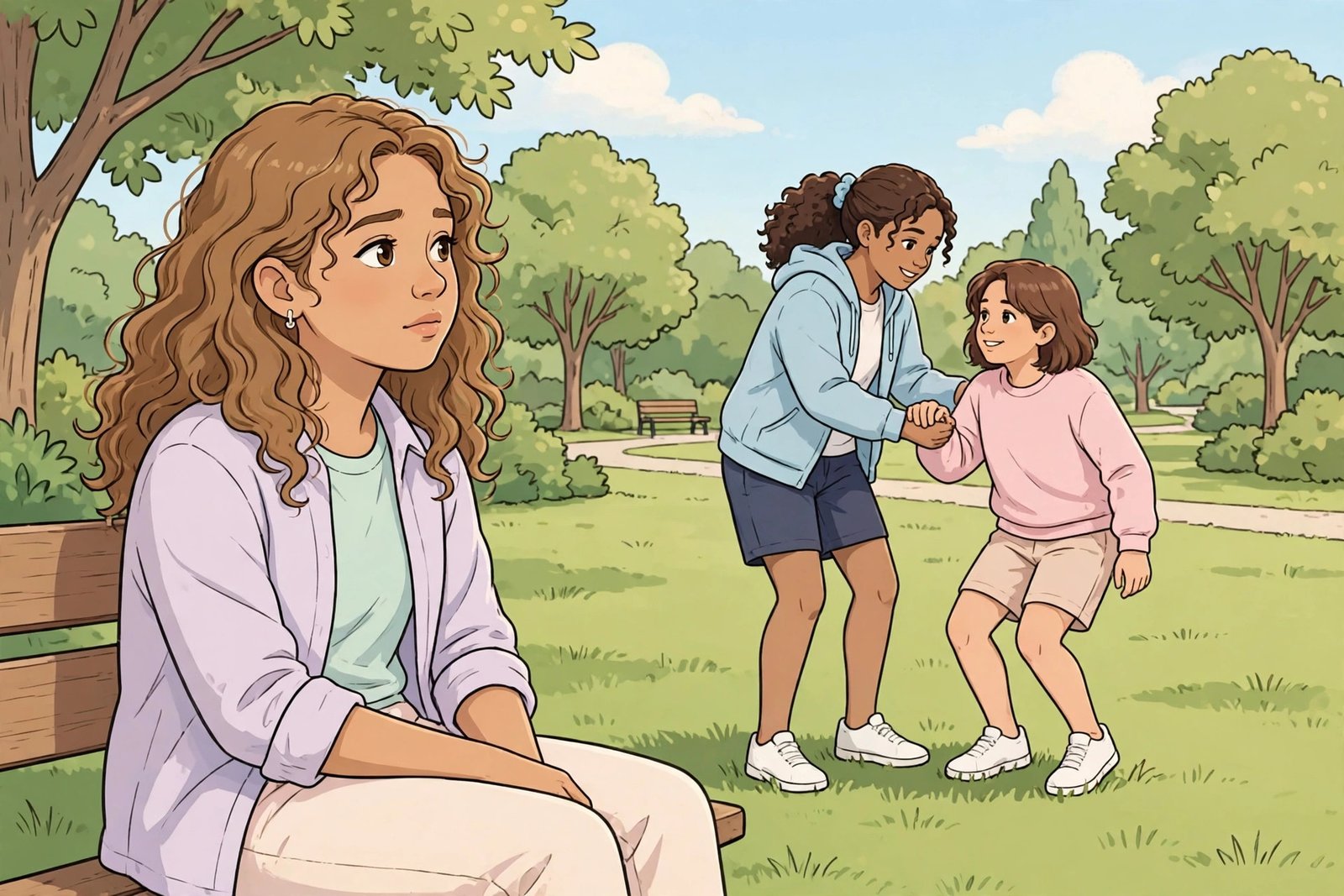
Now for the part nobody loves. Once you’ve heard your parents’ reasons, take one honest look at your friend, as if you were the adult for a day. Not a loyal look. Not a guilty look. A clear one. How does she treat you when nobody’s watching? Does she keep your secrets? Does she cheer when you win, or go cold? Do you feel calm after seeing her, or drained and a bit smaller?
This look matters because parents, for all their blind spots, have one advantage. They aren’t inside the friendship’s feelings. They see the outside, and the outside sometimes shows what love edits out. If your friend mocks you in front of others, pressures you into things, or only calls when she needs something, those are facts, not tastes. Reading up on how to tell if a friend is fake can help you sort a rough patch from a real pattern. A rough patch is weather. A pattern is climate.
Be fair in the other direction too. Maybe your honest look shows a kind girl with a loud laugh and a messy home life. Maybe her crime is being poor, or shy, or from a family your parents don’t know. If your clear look finds a good heart under a style they dislike, that’s data too, and it will arm your side of the talk. Facts are your friends in this whole story, whichever way they point.
And if the look hurts? If you see, quietly, that your parents have a point about one real thing? That doesn’t mean the friendship must end by Friday. It might mean one honest talk with your friend. I love hanging out with you. I need us to stop being late, or stop with the jokes about my parents. Real friends can hear one true thing. And if she explodes at one true thing, well. That’s also an answer, isn’t it?
Girls often ask what should i do if my parents don’t like my friends and hope the answer skips this part. It can’t. Your parents will take your defense seriously only if they believe you’ve actually looked. A defense from a girl who has looked is worth ten from a girl who just feels. So look, bravely, before you speak. Whatever you find, you’ll handle the next steps with a steadier heart. And if you’re wondering what should i do if my parents don’t like my friends when the look shows she’s genuinely good for you, the answer starts with a smile. You defend her, with facts, in the calm talk that’s coming next.
Tell Your Side Without Starting a War
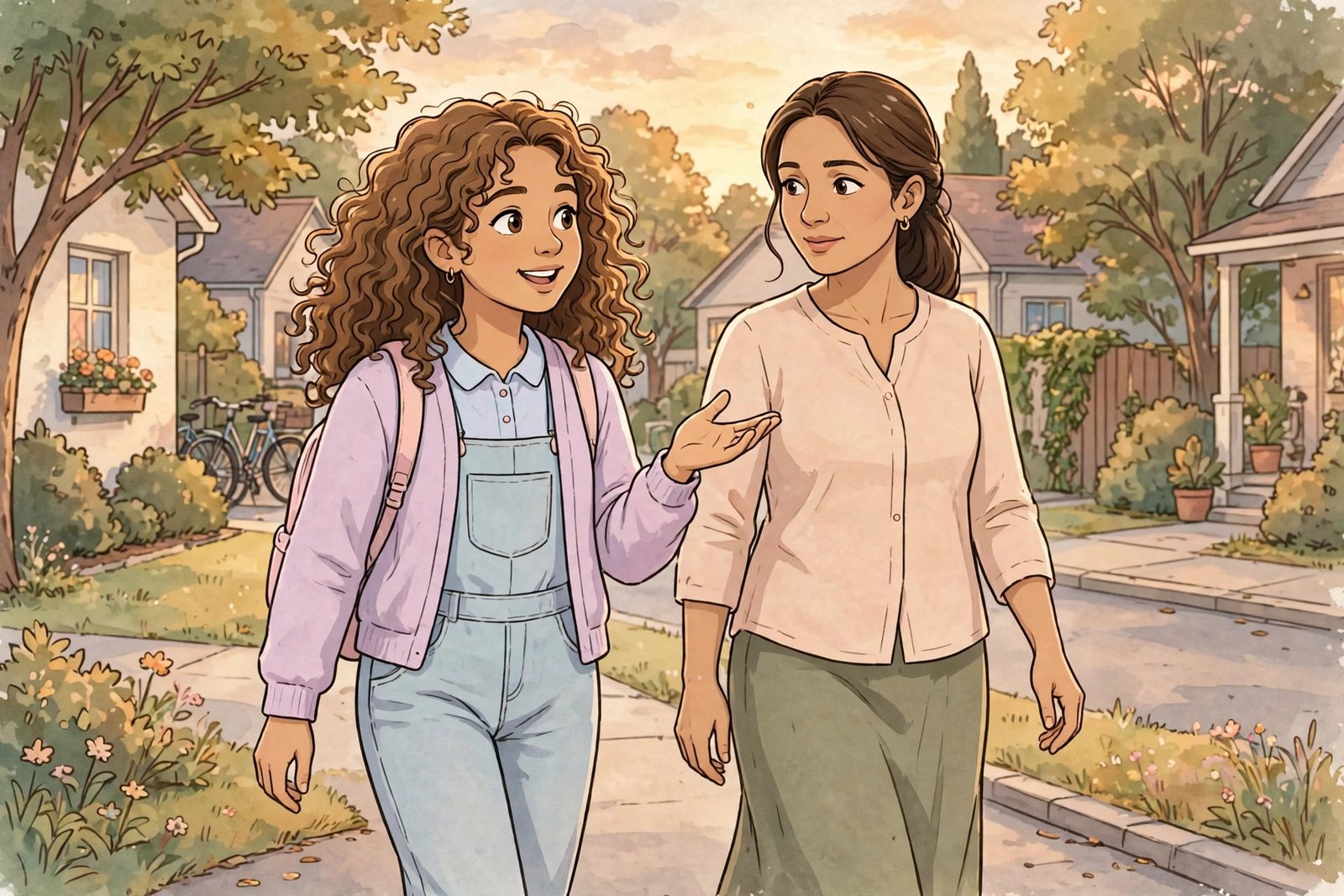
Now it’s your turn to be heard, and how you say it will decide whether it lands. Pick a calm moment, the same way you would for any hard talk at home. Not right after your friend leaves. Not during a row about something else. A quiet evening, a walk, a car ride where nobody can storm off. Start with the bridge, not the battle. I listened to what worries you. Can I tell you what she’s like with me?
Speak in scenes, not labels. Parents swat labels away. She’s nice bounces right off. But scenes stick. Tell them about the time she stayed on the phone while you cried about a test. The time she shared her notes when you were sick. The way she treats her little brother. Scenes are small movies, and movies change minds in ways that claims never do. This is the practical heart of what should i do if my parents don’t like my friends. You trade their imagined version of her for the real one, one scene at a time.
Stay off the two phrases that start wars. You never listen and you just hate all my friends. Both may feel true in a hot second. Both make your parents stop hearing you. Swap them for smaller, truer lines. I feel stuck in the middle, and it hurts. I want you to know her like I do. Small true lines get carried into the next day. Big hot lines just get repeated back at you.
If the talk heats up anyway, slow it down instead of winning it. You can say, I don’t want to fight. I want us to figure this out. If voices rise past talking, pause the talk and name a return time. Later tonight. Tomorrow after lunch. A paused talk is not a lost talk. It’s a talk with adults in it, even if one of the adults is you.
And accept a truth about pace. Minds about people rarely flip in one evening. Your talk plants things. The scenes you told will sit in their heads while they watch her at the next visit, the next pickup, the next story you tell. You’re not looking for a verdict of innocent by Friday. You’re looking for doubt in their dislike. Doubt is the crack where light gets in. So if you’re asking what should i do if my parents don’t like my friends, and you’ve listened well and spoken in scenes, you’ve done the heaviest work there is. The rest is bridges and time.
Little Bridges That Let Them See the Real Friend
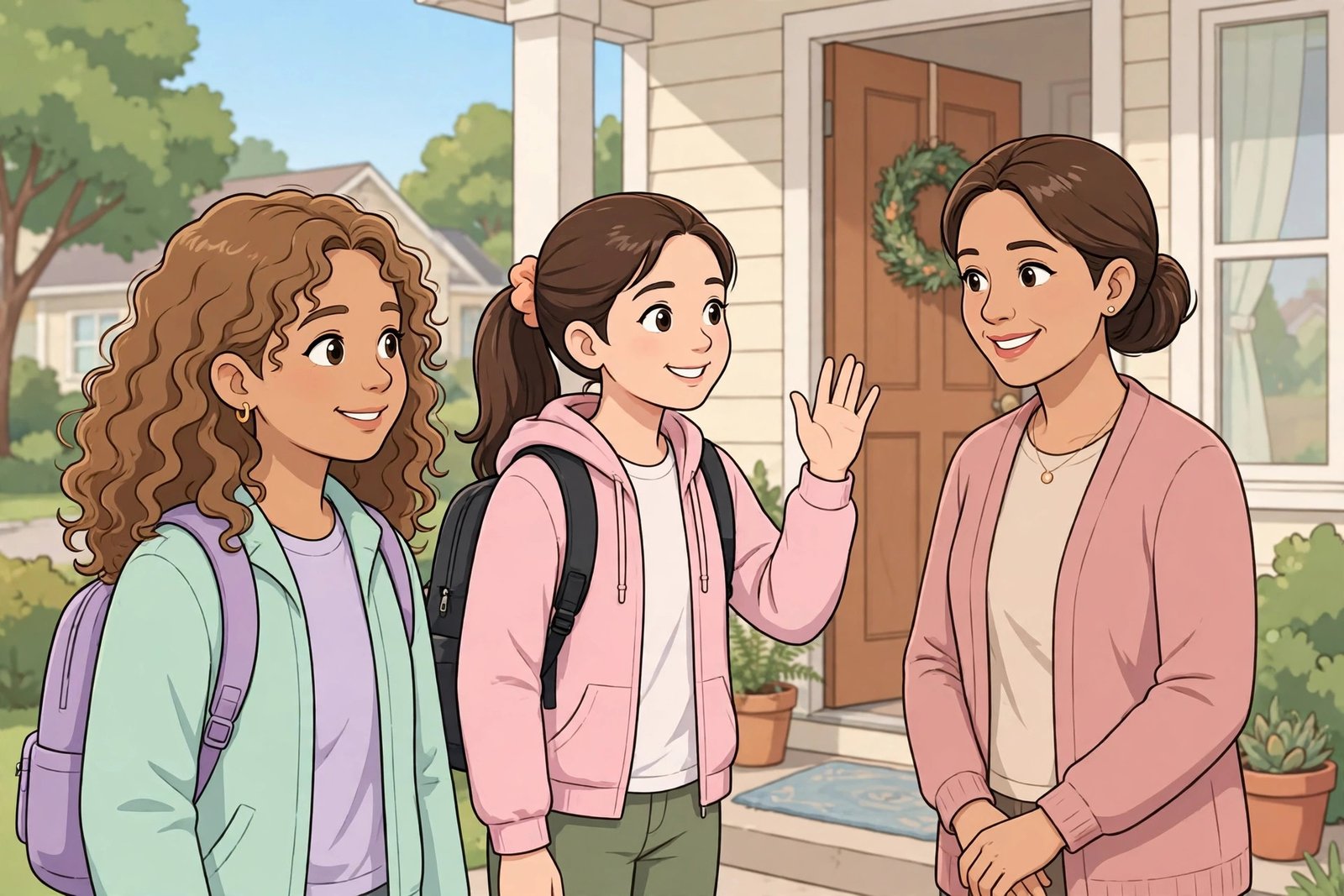
Talks open minds a crack. Bridges walk the real girl through the crack. A bridge is any small, easy moment where your parents see your friend as a person, not a problem. The trick is to keep bridges small and low pressure. You’re not staging a royal visit. You’re just letting normal life do the convincing. It’s bridge building, the quiet half of what should i do if my parents don’t like my friends.
Start tiny. Your friend says hi properly at pickup and asks your mom about her day. She comes in for ten minutes after school instead of vanishing at the gate. She thanks your dad for the ride. None of this is fake manners. It’s just letting your parents collect kind data with their own eyes, which beats any speech you could give. When a parent asks herself, hmm, she was sweet today, the wall loses a brick.
Your friend has a part in this, and it’s fair to tell her so. Not, my parents hate you, act better. Try, my parents are still getting to know you, and first impressions stick hard with them. Most friends get it instantly, because most of them have parents too. She might even laugh and say, say less, I’ll bring my manners. Friends who care about you will happily help build bridges. Friends who mock the whole idea are telling you something, and you already know how to read it now.
Group settings are secret weapons. A study afternoon with three friends feels safer to parents than one intense best friend world. A team, a club, a class project at your house, all of these show your friend inside normal, healthy life. Parents relax when they see your whole circle, not just one name. And honestly, a wider circle is good for you too, whichever way this story ends.
Give bridges time to work. Weeks, not days. Each small good moment is a drop, and drops fill buckets. Meanwhile, keep your own behavior boring and golden. Home on time. Phone answered. No sneaking. Every week you stay trustworthy adds weight to your side of the scale. So yes, part of what should i do if my parents don’t like my friends is simply this. Live so well that doubting your judgment gets harder and harder for them. It’s slow magic, but magic all the same.
Middle Ground Rules Everyone Can Live With
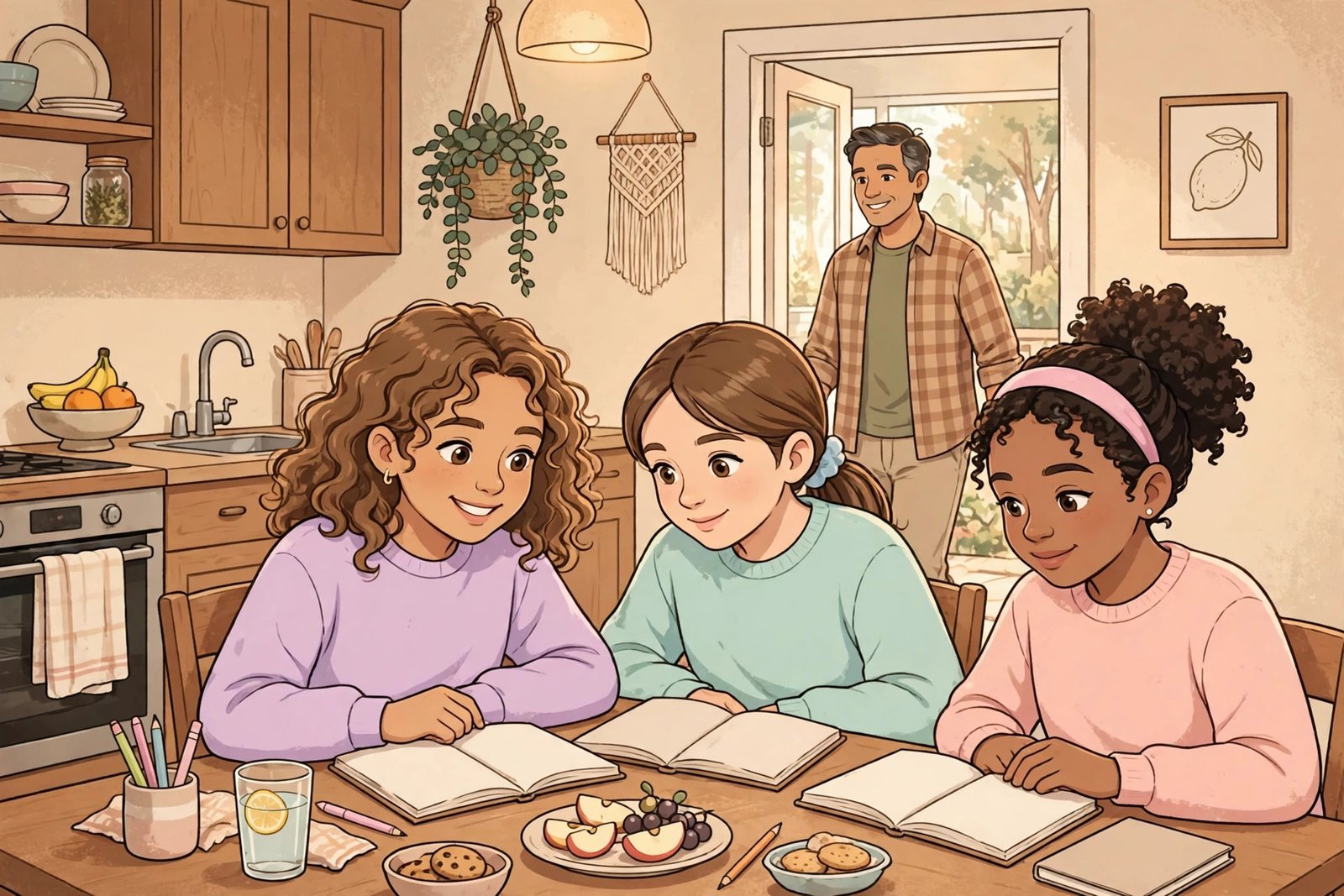
At some point, this story needs rules, because feelings alone don’t run a house. Middle ground rules are the deals that let everyone breathe. Your parents get safety and respect. You get to keep a friend who matters. Nobody gets everything, and everybody gets the thing they need most. That trade is what peace looks like in real families. It’s the practical deal hidden inside what should i do if my parents don’t like my friends: trade, don’t fight.
Offer deals before they’re demanded. Deals you suggest carry your voice in them. Try things like these. She can come over on weekend afternoons, not late nights. We’ll study in the kitchen, not behind a closed door. If I go to her place, her mom will be home, and I’ll text you when I get there and when I leave. Each deal answers a fear in your parents’ pile. You’re not surrendering. You’re engineering trust, one clause at a time.
Aim your deals at their actual pile. If their worry was lateness, the deal is about clocks. If it was one wild party story, the deal is about where you hang out, not whether the friend exists. Deals aimed at real fears get yes. Deals that ignore the real fear get no and a lecture. This is the grown math inside what should i do if my parents don’t like my friends. You don’t fight the whole dislike. You dissolve it fear by fear.
Write nothing down unless your family loves that. Just say the deals clearly, then keep them like they’re made of glass. Keeping a deal for a month does more than ten talks. Breaking one in week one, even a small one, even for a good reason, resets the whole game to zero. Parents remember broken deals the way goalkeepers remember goals. Protect your deals. They’re your friendship’s passport.
And let the rules be allowed to grow. A deal for this term can loosen next term, once it’s been kept and the sky didn’t fall. Say that out loud when you agree. Can we try this for two months and look again? A review date turns a hard no into a patient yes. It also gives your parents an exit that saves face, and saving face is how adults change their minds without admitting they were wrong. Whatever your house lands on, hold this thought. Rules you helped build are not a cage. They’re the road your friendship travels on while the grown ups catch up.
Protecting a Friendship You Truly Believe In
Sometimes, after listening, looking, talking, and bridging, your parents still dislike your friend. The dislike may soften but not die. So what then? First, know what’s actually in your hands. You probably can’t force sleepovers or holidays together. But a friendship doesn’t live at your house alone. It lives at school, in clubs, on walks, in group chats, in a hundred daylight places. A house ban shrinks a friendship. It doesn’t have to end one.
Stay honest while you adjust. This is the part where sneaking tempts hard, so let’s look at it plainly. Secret meetups feel like loyalty to your friend. But they’re a loan taken against your parents’ trust, and the interest is brutal. One discovery can cost you freedoms far beyond this one friendship. When girls ask what should i do if my parents don’t like my friends and the talks stall, the bravest answer is often the least dramatic one. Keep the friendship in the open places. Keep your word at home. Let time and your clean record argue for you.
Keep widening your world at the same time. A girl with one single friend is a girl who can be cornered by one single ban. Friends from class, from sport, from a club, all make your life bigger and your parents calmer. Learning how to make new friends in high school isn’t giving up on your best friend. It’s making sure no one decision, by any adult, can shrink your whole social world to nothing. Wide worlds are safer worlds. And a wider world quietly changes the whole question of what should i do if my parents don’t like my friends, because one friendship stops carrying your entire sky.
And keep checking the friendship itself as months pass. People grow at different speeds at your age. The friend worth all this work is the one who also grows with you, respects your house rules even when she finds them strict, and never asks you to lie for her. If she starts demanding you choose her over your home, every day, at any cost, reread the honest eyes part of this guide. Loyalty is a two way street, and you deserve it coming back.
So here’s the last word on what should i do if my parents don’t like my friends. You listen like a detective, look like a judge, speak like a daughter, and build like an engineer. You protect your friend without lying, and you protect your home without surrendering. Some parents come all the way around. Some only come partway. Either way, you’ll know you handled the middle like a person of your word. And that girl, the one who keeps her word in both worlds, is a girl both sides end up respecting.
Frequently Asked Questions
Should I drop a friend just because my parents dislike her?
Not on dislike alone, no. Dislike is a starting point for questions, not a verdict. First find out what they actually dislike and sort it into behavior, style, or vibes. Then look at your friend honestly. If the honest look shows a kind, loyal friend, dropping her would punish you both for someone else’s taste. If you’re still asking what should i do if my parents don’t like my friends, start with facts, not fear. Decisions made on facts age well. Decisions made in a panic rarely do.
What if my parents judge my friend before really knowing her?
That happens a lot, and it has a fix: small doses of the real girl. Parents judge covers because covers are all they have. Give them pages. Short visits, polite hellos, study afternoons in shared rooms, stories from you about kind things she did. Don’t argue that they’re judging. Just feed the cure, which is knowing. Most unfair dislike is really just missing information. It fades as the information arrives, one ordinary afternoon at a time. Stay patient and keep your own behavior spotless while the pages pile up.
What if my parents are right and I do not want to admit it?
Then you’re in painful, important territory, and you’re braver than you feel for even asking. Parents can spot a draining friend from the porch while you’re still inside the feelings. If their reasons match things you’ve quietly seen too, the pressing question stops being what should i do if my parents don’t like my friends. It becomes how to step back from someone who isn’t good for you. You can cool a friendship slowly and kindly. Less time, fewer secrets, more other people. It hurts. It also frees you.
Can I stay friends with someone my parents banned from our house?
Usually yes, in the open places. A house ban rules your house, not the whole map. School, clubs, teams, group plans, and walks home can all hold a friendship, as long as you’re honest about where you are and who you’re with. What you can’t do, without paying for it later, is lie. No fake study sessions, no secret meetups. A friendship kept in daylight can survive a house rule. A friendship kept by lying tends to blow up and take your freedom with it.
How do I stop feeling guilty between my parents and my friends?
Remind yourself what guilt proves. It proves you love people on both sides. That’s a good heart, not a crime. You’re not betraying your parents by having friends, or your friend by listening to your parents. When the squeeze comes, go back to the steps for what should i do if my parents don’t like my friends. Listen, look, talk, build. A plan feels better than a knot. If the squeeze gets heavy, tell one trusted adult. You don’t have to carry the middle alone.