

Toronto can feel overwhelming on a first visit, not because it is hard, but because it is many cities at once. A soaring downtown on Lake Ontario, a castle on a hill, markets that have fed the city for generations, and neighbourhoods where a single block can hold five languages and three continents of food. If you are deciding what to do in toronto for the first time, the secret is not to chase everything. It is to mix the icons with the neighbourhoods, and to let the food lead at least half your decisions.
This guide organises what to do in toronto in the order a first visit actually works. The skyline sights first, so you can orient yourself. Then the great museums, the neighbourhoods that give the city its character, the lake and the Islands, and a practical plan for eating, timing and getting around. No invented prices, no fake precision on hours, just verified places and honest advice.
The quick plan
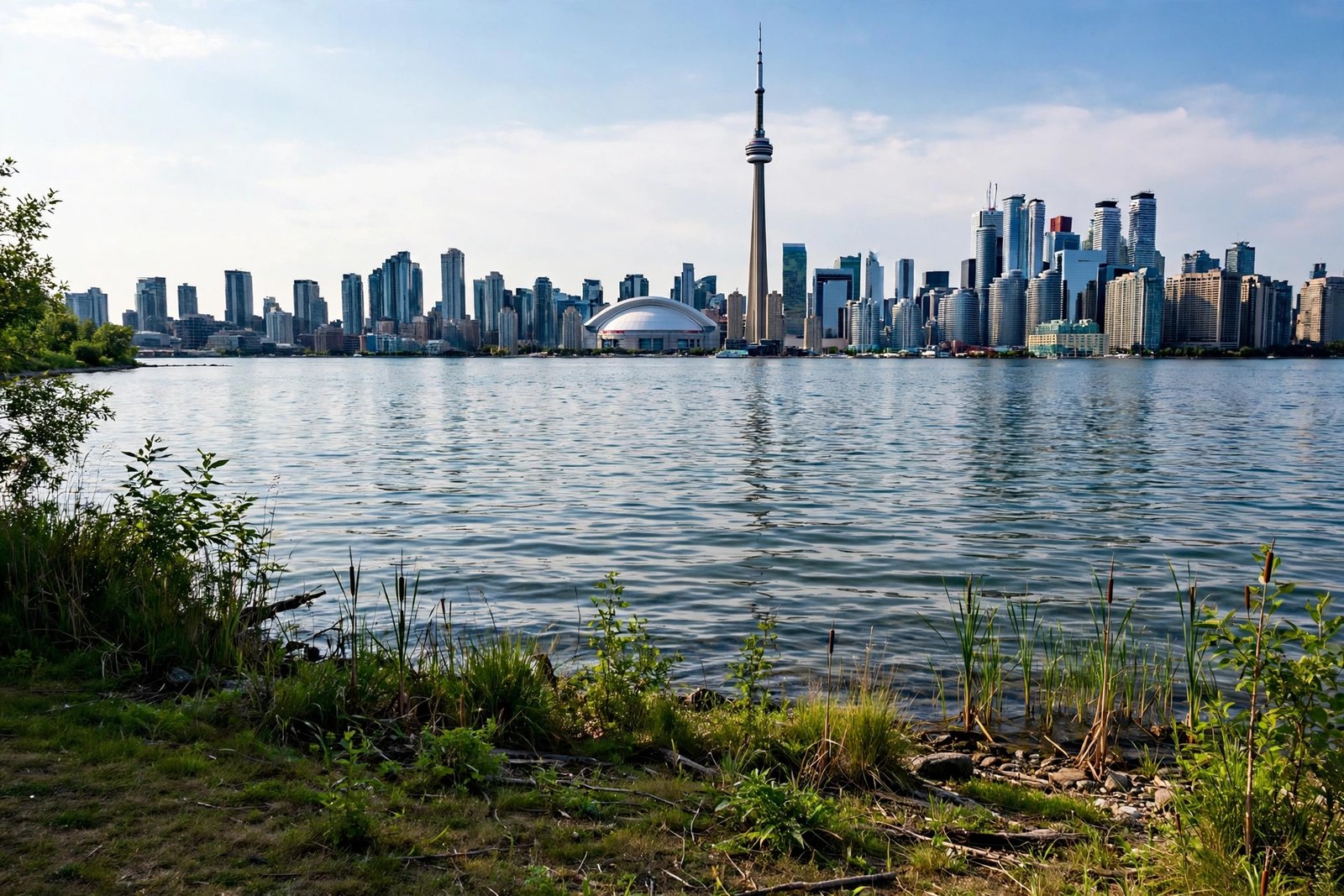
If you need the short version of what to do in toronto, these five experiences cover the city in miniature and work in almost any season.
First, go up the CN Tower for the full geography lesson: the lake, the Islands, the grid of streets and, on a clear day, a view that seems to go on forever. Second, cross by ferry to the Toronto Islands and look back at the skyline from the water, the single best view of the city. Third, graze your way through St. Lawrence Market, a Toronto institution for nearly 200 years according to Destination Toronto, and once named among the great food markets of the world.
Fourth, choose one great museum, the Royal Ontario Museum for world cultures and natural history, or the Art Gallery of Ontario for art, and give it a real half day. Fifth, spend an evening in a neighbourhood that is not downtown: Kensington Market, Queen West, the Distillery District or Ossington, eating and wandering where Torontonians actually spend their free time.
That is the skeleton of what to do in toronto. The rest of this guide puts flesh on it, season by season and neighbourhood by neighbourhood.
What to do in toronto downtown: CN Tower, aquarium and the waterfront
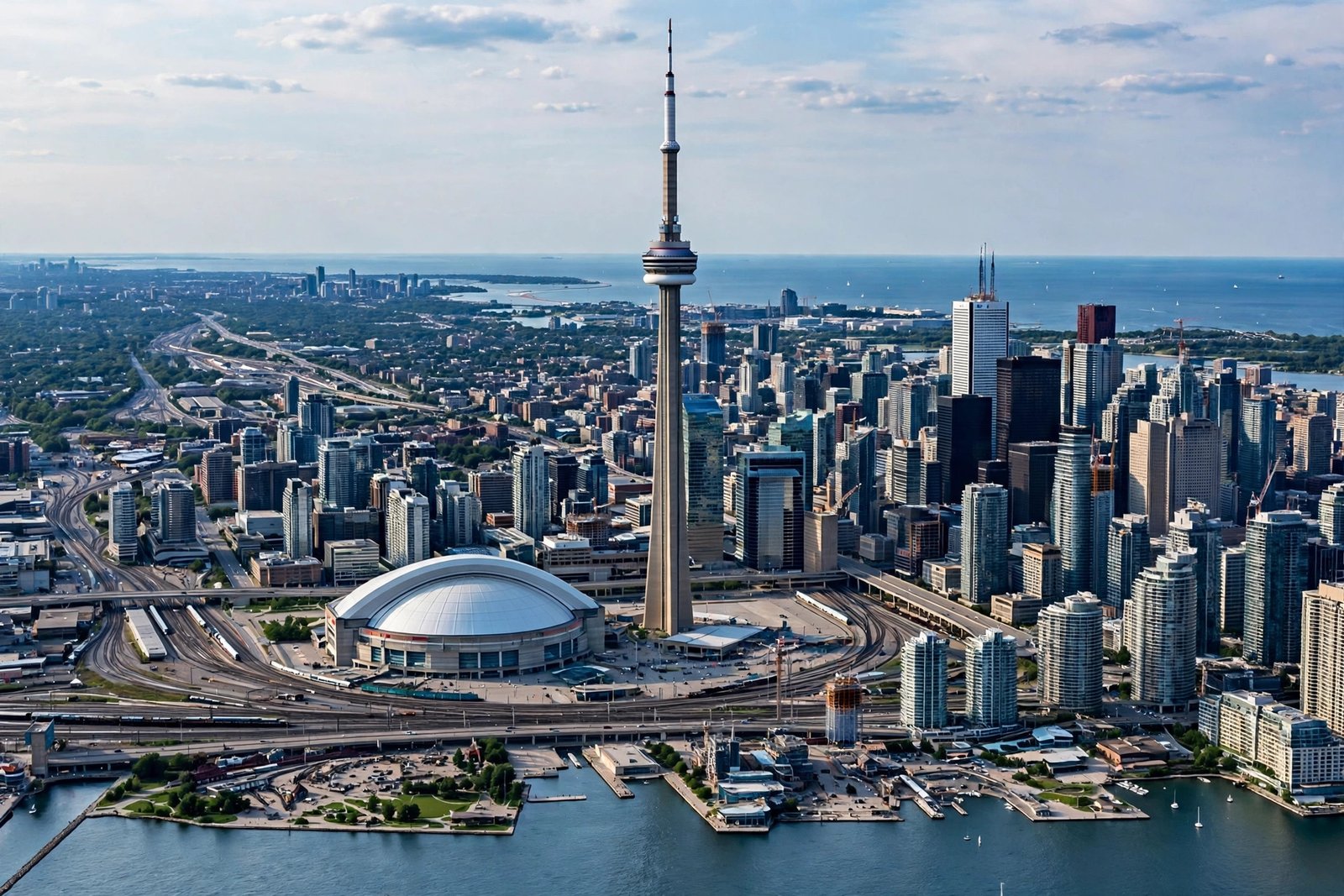
Downtown is where most first visits start, and the cluster around the CN Tower makes an efficient and spectacular first morning. When people ask what to do in toronto and want the postcard, this is the postcard, except that in person it is taller, wider and louder than any photograph suggests.
The CN Tower and the Entertainment District
The CN Tower is a 553 metre communications and observation tower completed in 1976, built on the former Railway Lands in downtown Toronto, according to its official site. Its observation levels, Glass Floor and SkyPod deliver the panoramic views the tower is famous for, the 360 Restaurant revolves high above the city, and EdgeWalk offers a hands free walk on an outside ledge for the truly brave.
Go early in the day or toward sunset for the clearest light and the calmest experience, a tip Destination Toronto also gives in its official attractions guide. Even if heights are not your thing, seeing the tower from below, lit at night and reflected across the harbour, is part of the Toronto ritual. At its base sit Rogers Centre, home of the Toronto Blue Jays, and the roundhouse and railway lands that remind you this skyline grew out of an industrial waterfront.
Ripley’s Aquarium of Canada and the South Core
Right at the base of the tower, Ripley’s Aquarium of Canada is home to more than 20,000 marine animals of more than 450 species, with North America longest underwater viewing tunnel, where a moving walkway carries you past rays, turtles and sharks, according to Destination Toronto. It is one of the most reliable family stops in the city and a strong rainy day or deep winter anchor for a downtown day.
Around it, the South Core and Entertainment District hold Scotiabank Arena, theatres, concert halls and the dense restaurant streets around King West. If a Blue Jays game, a hockey night or a major show fits your dates, build your evening here. Few things explain Toronto faster than joining the river of fans pouring out of a game toward Union Station.
Union Station, the PATH and Yonge-Dundas
Union Station is the grand front hall of the city, worth a look even if you arrive by plane and train in from the airport. From it spreads the PATH, an underground walkway network of more than 30 kilometres linking downtown buildings, stations, shops and food courts, as Destination Toronto notes in its downtown guide. In winter or heavy rain, the PATH is not a curiosity. It is how downtown keeps moving.
North along Yonge Street, Yonge-Dundas Square and the Eaton Centre give you the busy, bright, commercial heart of the city, useful for shopping and for feeling the sheer energy of downtown. Treat it as a pass through rather than a destination, because the more interesting version of what to do in toronto usually waits one neighbourhood over.
Museums and castles: ROM, AGO and Casa Loma

Toronto culture is not decoration on the trip. It is one of the main reasons to come, and choosing well here shapes your whole sense of the city. These three stops cover deep history, great art and pure storybook pleasure.
Royal Ontario Museum
The Royal Ontario Museum, known everywhere as the ROM, is Canada largest museum of world cultures and natural history, famous for dinosaur skeletons, Egyptian material, and galleries that range from Earth sciences to global textiles, according to Destination Toronto. Its striking Michael Lee-Chin Crystal addition makes the building itself a landmark on Bloor Street at the edge of Yorkville and the University of Toronto.
Give the ROM a half day minimum and choose your galleries rather than trying to conquer the whole building. Families make a beeline for the dinosaurs and the natural history floors. Design and world culture lovers can happily lose the same hours elsewhere in the building. It is the museum that best answers what to do in toronto with curious children, and it works just as well for adults travelling without them.
Art Gallery of Ontario
The Art Gallery of Ontario, the AGO, holds a collection of more than 80,000 works, from the first century to the present day, with major strengths in Canadian and Indigenous art, European art, photography and modern and contemporary work, according to the gallery itself. The building, reshaped by architect Frank Gehry, who was born in Toronto, is worth the visit for its sweeping wooden staircase and light filled halls alone.
The AGO sits in the Grange Park district on Dundas Street West, an easy walk from Kensington Market and Chinatown, which makes it simple to pair a morning of art with an afternoon of market food. Check the gallery site before you go for current exhibitions and any special evening programming, since the AGO is a living part of the city cultural calendar, not only a daytime museum.
Casa Loma
Every big North American city has a house museum. Toronto has a castle. Casa Loma is a Gothic Revival estate built between 1911 and 1914 for financier Sir Henry Mill Pellatt, with 98 rooms, secret passages, an 800 foot underground tunnel to the stables, and five acres of gardens, according to its official site, which calls it Canada majestic castle.
Casa Loma works because it is both beautiful and slightly improbable, a European daydream built on a Toronto hill with a perfect view back to the skyline. Tour the great hall, the conservatory and the towers, walk the tunnel to the stables and vintage cars, and time a summer visit for the gardens at their best. It sits in midtown, a short transit ride from downtown, and pairs naturally with a ROM or Yorkville afternoon. For many first timers, it ends up the surprise favourite on their list of what to do in toronto.
Smaller stops worth knowing
If you have a second museum day, the Hockey Hall of Fame downtown celebrates the national winter game with trophies, memorabilia and interactive exhibits, and it is an easy add on near Union Station. The Bata Shoe Museum near the ROM turns footwear into world history in a way that delights people who expected nothing from it. Little Canada, a vast animated miniature world near Yonge-Dundas, gives families a playful overview of the country.
Neighbourhoods that show you the real city
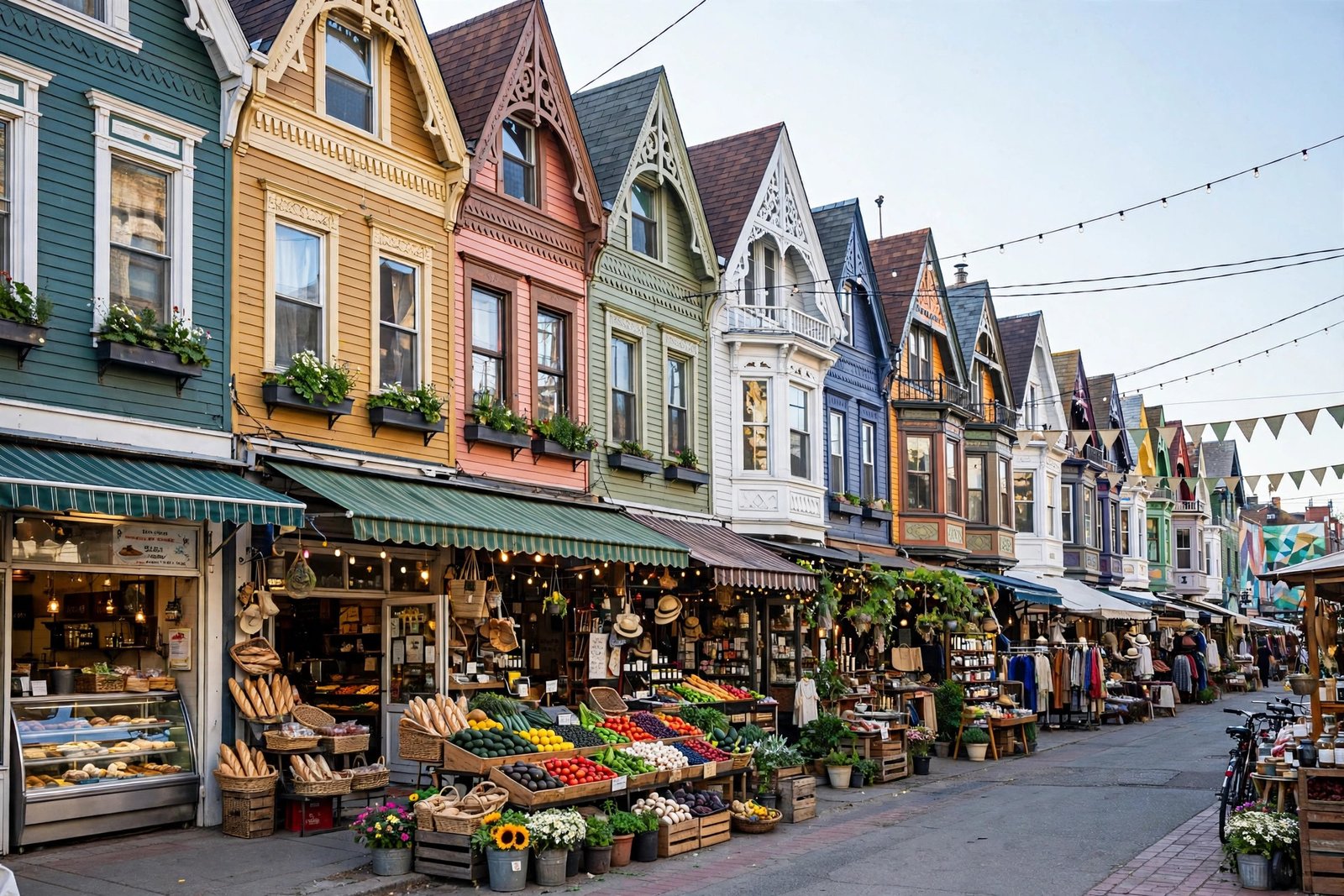
Ask a Torontonian what to do in toronto and they will rarely start with a tower. They will name neighbourhoods. Toronto identity lives at street level, in main streets shaped by successive waves of immigration, artists, students and small businesses. This is the section to protect time for.
Kensington Market and Chinatown
Kensington Market is a National Historic Site and one of the most distinctive districts in Canada: a dense grid of Victorian houses turned into vintage shops, grocers, cheese and spice stores, bakeries, cafes and food counters from Latin America, the Caribbean, Asia and beyond. It is bohemian, a little chaotic and completely unpolished, and that is its glory.
Graze rather than plan. Try a pastry here, a taco there, coffee where the line is local, then dig through vintage racks on Kensington Avenue. On summer Sundays, Pedestrian Sundays close streets to cars and the market becomes a street festival. Beside it, Spadina Avenue Chinatown adds dumpling houses, bakeries, herbal shops and some of the best value eating downtown. Together, Kensington and Chinatown are the strongest half day answer to what to do in toronto on foot.
Queen West, West Queen West and Ossington
Queen Street West has long been the city creative spine, lined with galleries, design shops, music venues, independent boutiques and street art, including the famous Graffiti Alley near Spadina, where entire walls are given over to murals. Walk west and the energy shifts from big brand storefronts near the centre to the more independent West Queen West, around Trinity Bellwoods Park.
Trinity Bellwoods is the park to join on a sunny afternoon, with a picnic, a coffee and no agenda at all. From its north edge, the Ossington strip adds some of the city most talked about restaurants and bars in converted garages and storefronts. This whole west end arc is where Toronto feels youngest and most itself, and it makes an ideal late afternoon into evening plan.
The Distillery District and Old Town
East of downtown, the Distillery District preserves the Victorian industrial buildings of the former Gooderham and Worts distillery, once among the largest distilleries in Canada, now a pedestrian only village of cobblestone lanes, galleries, design shops, cafes, restaurants and performance spaces. It is beautiful in every season and famous in winter for its holiday market atmosphere.
The district sits in Old Town, the original townsite of York, which also holds St. Lawrence Market and the flatiron shaped Gooderham Building, one of the most photographed small buildings in the city. Combine the three and you have a full morning of history you can eat your way through. If you only pick one historic district beyond downtown, make it this one.
Yorkville, the Annex and Greektown
Yorkville, just north of Bloor, is the polished counterpoint to Kensington: designer boutiques along the Mink Mile, galleries, fine dining and the landscaped Yorkville Park with its great slab of Canadian Shield rock. It pairs perfectly with the ROM next door. West along Bloor, the Annex mixes students, bookshops and sushi counters around the University of Toronto.
East across the Don Valley, Greektown on the Danforth offers one of the city great food streets, with Greek restaurants and bakeries layered among newer arrivals of every cuisine. Further afield, Leslieville and the Junction reward those with a third or fourth day and a taste for local main streets. You cannot do them all. Pick two neighbourhoods that match your interests and walk them properly instead of sampling six from a streetcar window.
What to do in toronto on the water: Islands and Harbourfront

Toronto faces a lake so wide it feels like a sea, and forgetting the water is the most common first visit mistake. This part of what to do in toronto gives you air, skyline views and the city summer rhythm.
The Toronto Islands
The Toronto Islands are a chain of small islands just offshore from the city centre, reached by City of Toronto ferries from the Jack Layton Ferry Terminal at the foot of Bay Street, with routes to Centre Island, Ward Island and Hanlan Point, according to the City of Toronto. The island community is considered the largest urban car free community in North America, and the parkland, beaches, picnic areas and cycling paths make the Islands feel like a cottage day without leaving the city.
Centre Island suits families, with the Centreville amusement park, gardens, fountains and bike rentals. Ward Island is quiet and residential, with boardwalk walks and a lovely village feel. Hanlan Point offers wide beaches and sunset views. On the return ferry at golden hour, the skyline view alone justifies the trip. In peak summer, go early, buy your ferry plan with patience, and check the City of Toronto Island park page for current service before you set out.
Harbourfront and the waterfront trail
Back on the mainland, Harbourfront Centre anchors the central waterfront with arts programming, exhibitions, skating in winter and festivals through the year. The Martin Goodman Trail runs along the entire waterfront for walking and cycling, linking beaches east and west, and the Toronto Music Garden, designed with cellist Yo-Yo Ma as an inspiration, turns a small park into a piece of music you can stroll through.
In summer, harbour cruises, kayaking and paddleboarding get you onto the water itself, and patios along Queens Quay West fill from lunch to sunset. In winter the waterfront turns stark and beautiful, with ice on the harbour and the Islands white across the bay. Either way, build at least one slow waterfront hour into every version of your plan for what to do in toronto.
Where to eat: markets and food neighbourhoods
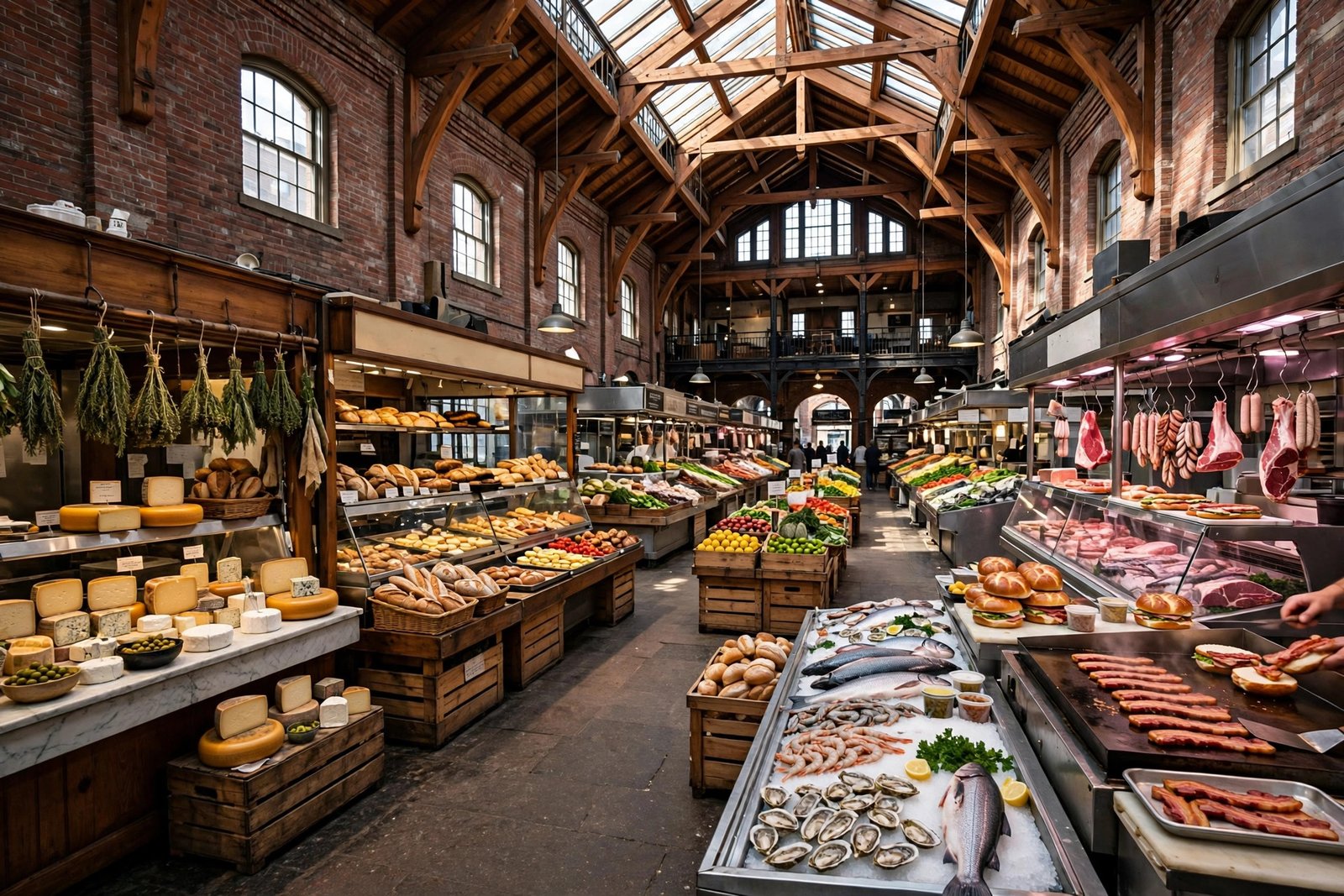
Toronto is one of the most multicultural cities in the world, and its food is the clearest proof. You can eat a different regional cuisine every meal for a week without repeating yourself, and the best strategy is geographic: eat where each community actually eats.
St. Lawrence Market
Start at St. Lawrence Market in Old Town, a Toronto institution for nearly 200 years with more than 120 merchants in its South Market building, according to Destination Toronto sustainable travel guide, plus a Saturday farmers market tradition and a Sunday antique market in the North Market. The market most famous bite is the peameal bacon sandwich, a Toronto original of cornmeal crusted back bacon on a bun, and you should absolutely try one.
Beyond the sandwich, graze the cheese counters, bakeries, butchers, seafood stalls and prepared food stands, and visit the Market Gallery upstairs in the old council chamber space for a dose of city history with your lunch. Weekdays give you room to browse. Saturdays give you the full, buzzing atmosphere. Either is a core answer to what to do in toronto for anyone who loves food markets.
Eating by neighbourhood
In Kensington Market, eat small and often: Latin American counters, Caribbean patties, bakeries, cheese and global street food within a few blocks. In Chinatown on Spadina, choose dumplings, hand pulled noodles, barbecue or a bakery crawl. On Queen West and Ossington, aim for the chef led rooms and wine bars that made the west end a dining destination. In Greektown, settle into a long Danforth dinner. In Yorkville and downtown, the fine dining and hotel restaurant scene concentrates, including restaurants recognised by the MICHELIN Guide Toronto selection, which Destination Toronto covers in its dining guide.
Practical advice beats a list of names that can change: reserve for popular dinner spots, especially on weekends, eat one big market lunch instead of a sit down midday meal, and follow the lunch lines of office workers and students. Toronto also does brunch with total commitment on weekends, so join a queue once and consider it cultural research.
Coffee, bakeries and sweet stops are woven through every neighbourhood in this guide, from Italian cafes in Little Italy on College Street to Portuguese bakeries further west. Dessert can be its own plan here, and in summer it should be, ideally eaten in a park.
A perfect first day: what to do in toronto from morning to night

Here is one full day that connects the icons, a museum, a market and a neighbourhood without backtracking across the city. Adjust the museum to your taste and the evening to your energy.
Morning: Start early at the CN Tower before the day builds, taking in the city from above while you plan it on the ground. Walk down to the harbour for coffee and lake air, then head east along the waterfront and into Old Town for a grazing lunch at St. Lawrence Market, peameal bacon sandwich included.
Afternoon: Ride transit north to the ROM for dinosaurs, world cultures and the Crystal, or stay central at the AGO if art is your priority. Afterwards, walk into Kensington Market for vintage shops, snacks and the best people watching in the city, drifting south through Chinatown as the light changes.
Evening: Continue west to Queen West and Trinity Bellwoods as the city comes out for the evening, then dinner on Ossington or back downtown in the Entertainment District if you have theatre or game tickets. End with the tower lit above you and the lake dark beyond the harbour. That single arc, tower to market to museum to neighbourhood, is what to do in toronto distilled into one very good day.
Day two template: Morning on the Toronto Islands with a picnic and a skyline ferry return. Afternoon at Casa Loma and Yorkville. Evening in the Distillery District. Day three: pick the neighbourhoods you missed, Greektown, Leslieville or West Queen West in depth, add the Hockey Hall of Fame or Little Canada with kids, and leave unstructured time. Toronto grows on people in its unplanned hours.
Practical tips for first-time visitors

Getting around: The TTC runs the subway, streetcars and buses, and downtown Toronto is one of Canada most walkable city centres, as Destination Toronto notes. Union Station connects the UP Express airport train, regional GO Transit, the subway and the PATH. Ferries to the Islands leave from the Jack Layton Ferry Terminal. Driving downtown is rarely the smart choice for a visitor, given traffic and the ease of transit between every sight in this guide.
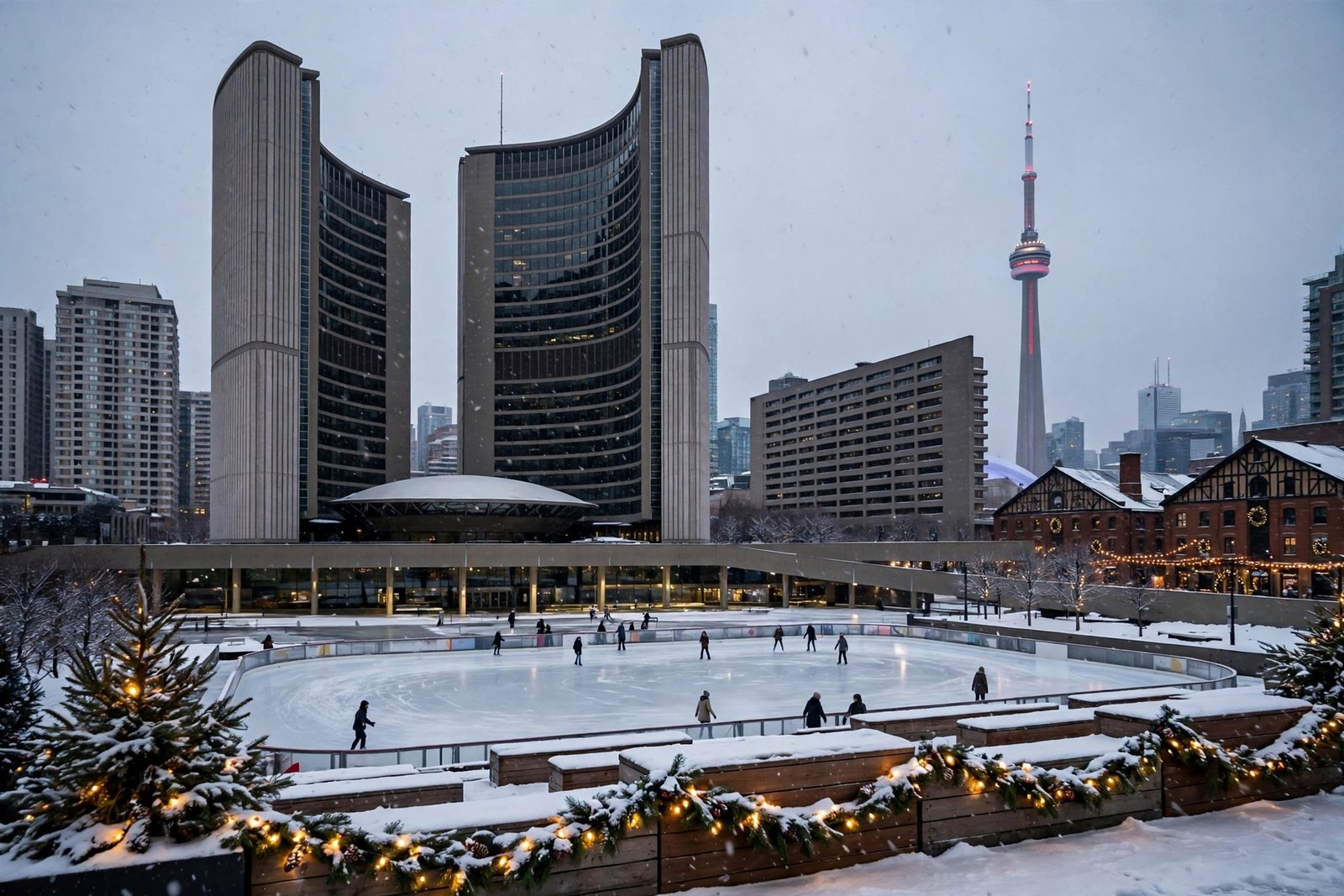
When to come: Summer brings festivals almost every weekend, island beaches, patios and the Canadian National Exhibition in late summer. Autumn offers cooler walking weather, fall colour in High Park and the ravines, and the Toronto International Film Festival each September, when the Entertainment District becomes the centre of the film world. Winter is genuinely cold, with skating at Nathan Phillips Square and Harbourfront, holiday markets and the PATH earning its keep. Spring is quieter and changeable, with cherry blossoms in High Park as its famous reward when timing aligns. Check official event and attraction pages close to your dates rather than trusting any guide, including this one, for seasonal schedules.
Where to base yourself: Downtown near the Entertainment District, Old Town or Queen West puts most sights within walking or a short transit ride. Yorkville suits a museum and luxury shopping focus. Staying on a subway line matters more than staying at a famous address. Book ahead for festival weekends, major sports events and September film season.
Weather and packing: Toronto weather swings with the lake. Bring layers in every season, serious winter clothing including boots, hat and gloves in the cold months, and sun protection and water for island and waterfront days in summer. Comfortable walking shoes are non negotiable. The city is built for long days on foot.
Combining cities: Toronto pairs beautifully with Niagara Falls as a day trip or overnight, and with Montreal and Quebec City as a classic eastern Canada route by train or short flight. If Montreal is on your itinerary, read our companion guide to what to do in Montreal for the other half of the trip. Travelling as a couple and talking about what love looks like when daily life gets busy? Our essay on can you love someone but not want them is the Mxralis piece readers share most from trips like this one. For official planning, start with the must-see attractions guide from Destination Toronto.
What to do in toronto in each season

Spring: Cherry blossoms in High Park draw crowds for a short and lovely window, gardens wake up across the city, and patios reopen with collective joy. Museums and markets are less crowded than in summer, and baseball season begins at Rogers Centre. Pack for rain and for warm surprises in the same week.
Summer: This is festival season at full strength, with food, music and cultural festivals across the city, Pride Toronto celebrations centred on Church-Wellesley Village, island beach days, harbour cruises and long evenings on Queens Quay. Book attractions and restaurants earlier than you think, start big sights early in the day, and treat the Islands as a full plan, not an afterthought.
Autumn: Film festival energy in September, fall colour in the Don Valley, High Park and the Toronto Islands, harvest menus and comfortable walking temperatures make autumn a favourite for repeat visitors. It is also the best season for neighbourhood wandering, when summer crowds thin and the city settles into its local rhythm.
Winter: Skating trails and rinks, the Distillery winter village atmosphere, museum days at the ROM and AGO, hockey nights, theatre and the PATH make winter a cultural season rather than a write off. Dress properly, plan indoor anchors, and use the cold as a reason to eat and drink well. For many travellers, their clearest answer to what to do in toronto ends up being a winter one: a great museum, a long lunch and a rink at night, with the tower lit above the snow.
FAQ
What to do in toronto in one day?
Go up the CN Tower early, lunch at St. Lawrence Market, spend the afternoon at the ROM or the AGO, then walk Kensington Market and Queen West into the evening. If the weather is excellent and you prefer outdoors to museums, swap the museum for the Toronto Islands and keep the same market and neighbourhood evening.
How many days do you need in Toronto?
Three days is the sweet spot for a first visit: one downtown and museum day, one Islands and Distillery day, and one neighbourhood day with Casa Loma. Two days can cover the highlights at a brisk pace. Four or more days let you add a Niagara Falls excursion and the deeper neighbourhoods without rushing any of them.
Is Toronto worth visiting in winter?
Yes, if you dress for it. Winter Toronto is about museums, food, hockey, theatre, skating and the underground PATH, with holiday atmosphere in the Distillery District and at downtown rinks. The Islands and waterfront are stark rather than summery, so trade beach plans for cultural plans and long, warm meals.
What is Toronto best known for?
The CN Tower and skyline, its multicultural neighbourhoods and food scene, the Toronto Islands and Lake Ontario waterfront, major museums such as the ROM and AGO, the Blue Jays and Maple Leafs, and festivals including the Toronto International Film Festival. Above all, it is known as a city of neighbourhoods, each with its own main street and flavour.
What to do in toronto with kids?
Start with Ripley’s Aquarium and the CN Tower downtown, the dinosaurs at the ROM, and a ferry day on Centre Island with Centreville, bikes and beaches in season. Add Little Canada for a playful miniature tour of the country, and build in park and market time. Toronto is easy with children when you cluster sights by area and let transit and ferries become part of the fun.
Toronto does not hand you its charm in one square or one street. It builds, neighbourhood by neighbourhood, market by market, until somewhere around day two you stop consulting lists and start following your appetite and curiosity. Use this guide to start, then let the city take over. That is the real secret behind every good answer to what to do in toronto.