
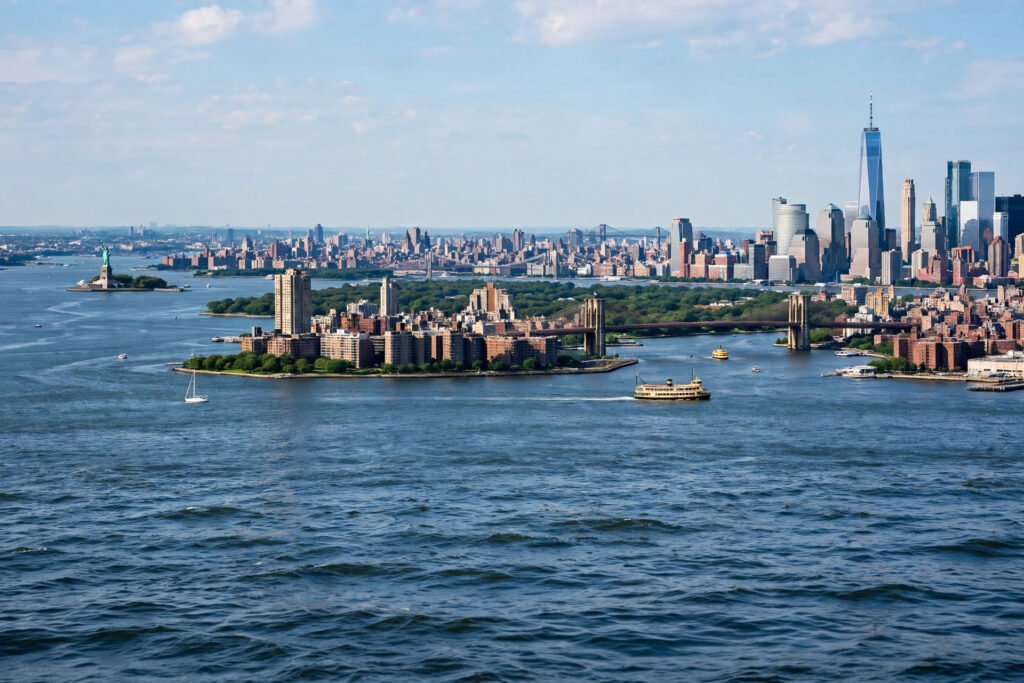
New York can overwhelm a first time visitor in the best possible way. Every street seems famous, every neighborhood promises something different and every local has a strong opinion about what you must not miss.
If you are asking what to do in new york, start by accepting one simple truth. You cannot see it all in one trip, and trying to do so will ruin the trip you actually have. The city rewards focus, walking and a plan built by neighborhood, not a race between landmarks.
This guide answers what to do in new york for first timers in a practical order. You will find the quick plan first, then the essential landmarks, a borough and neighborhood breakdown, museums, parks and views, evenings, a realistic itinerary, food and the practical tips that save time and energy.
The quick plan
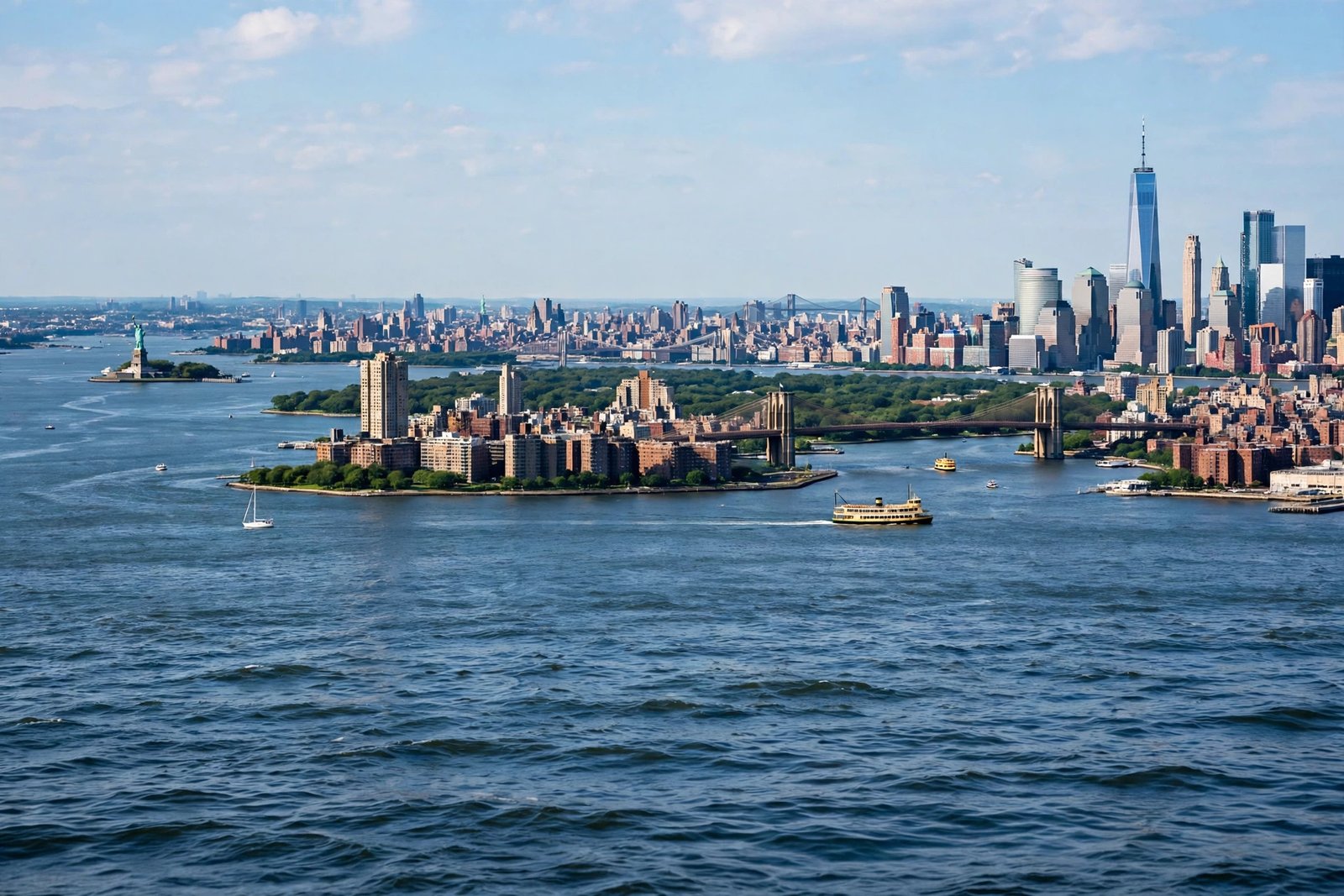
Short on time? Here is the simplest answer to what to do in new york on a first visit.
See the Statue of Liberty and Ellis Island by ferry. Walk in Central Park and visit one major museum well, either The Met or MoMA. Cross the Brooklyn Bridge on foot and spend time in Brooklyn at the other end.
Add Times Square and Broadway for one evening, the High Line and Greenwich Village for another afternoon and Grand Central Terminal and the Empire State Building for classic New York architecture. Eat in at least three different neighborhoods, not only near your hotel.
That short list already covers the heart of what to do in new york for most first timers. The sections below help you place each experience on the right day, in the right area and at a pace that leaves room for surprises.
New York is a walking city layered over a subway city. Group sights that sit near each other, start early for the most popular stops and leave one unscheduled half day. The unscheduled time is often where the city becomes personal.
The essential landmarks for anyone asking what to do in new york
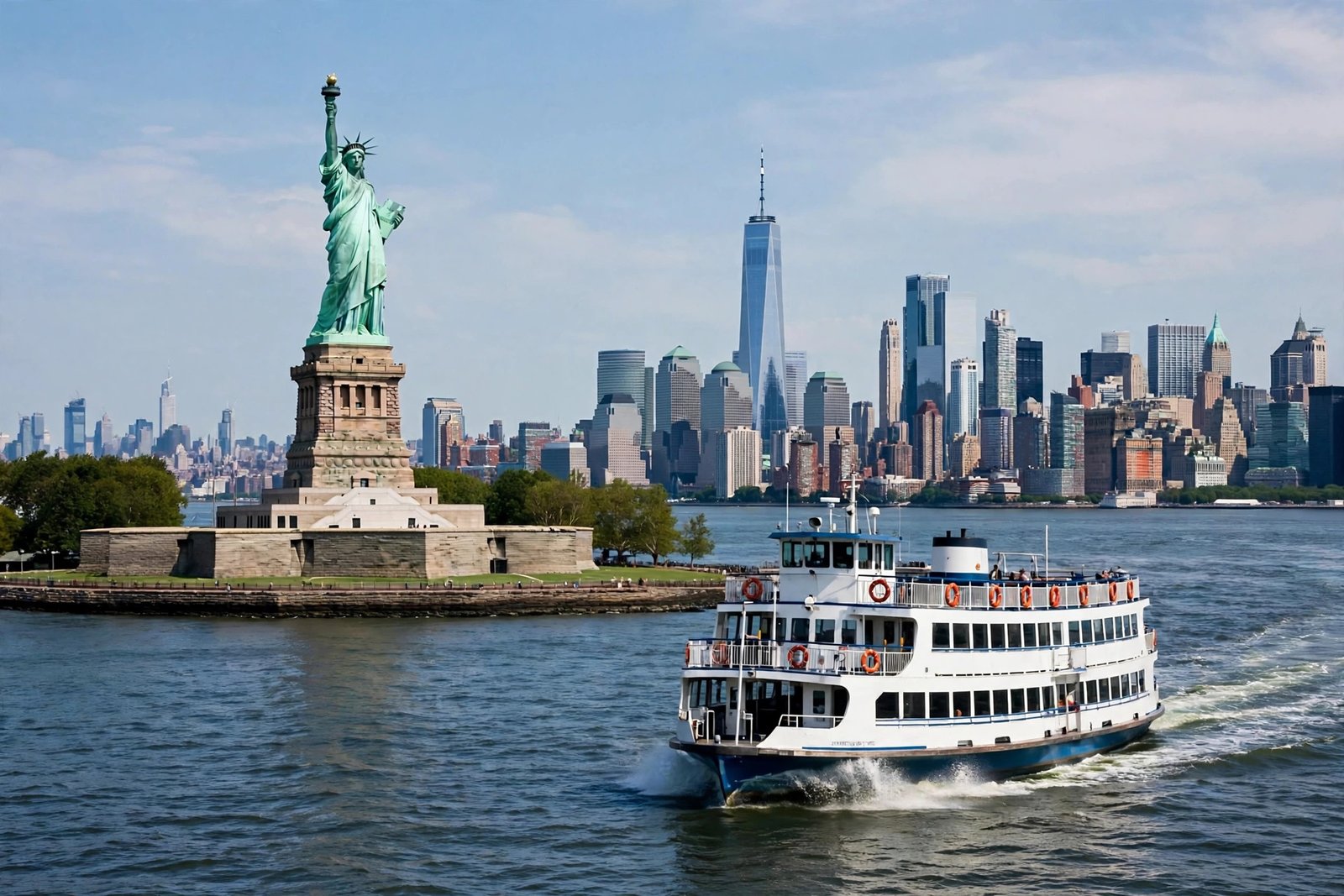
Take the ferry to the Statue of Liberty and Ellis Island
The Statue of Liberty National Monument, managed by the National Park Service, remains the defining first visit experience. Liberty Island gives you the statue up close and views back toward the Manhattan skyline, while Ellis Island and its National Museum of Immigration tell the story of the millions who arrived through New York Harbor.
The National Park Service is clear about tickets. Ferries are operated by Statue City Cruises, the only authorized ferry service to the islands, departing from The Battery at the southern tip of Manhattan and from Liberty State Park in New Jersey. All ferry tickets include access to the Statue of Liberty Museum and the Ellis Island museum, while pedestal and crown access require advance reservations and are limited.
Book in advance, take an early ferry if you want both islands in one day and buy only through the authorized seller named by the National Park Service. Street sellers around The Battery are a classic first timer trap.
Stand in Times Square, then move on
Times Square, around 42nd Street and Broadway, is loud, bright and crowded, and a first timer should still see it once. Go in the evening when the screens and theatre marquees give the full effect, take it in, take your photos and then keep walking.
Its real value in a plan for what to do in new york is as a gateway. The Broadway theatre district surrounds it, Grand Central and Fifth Avenue sit within walking distance and many subway lines cross nearby. See it, enjoy the shock of it and use it as a starting point, not as your whole New York.
Look out from the Empire State Building
The Empire State Building, at 350 Fifth Avenue by 34th Street, is the classic New York observation experience. Its Art Deco architecture matters as much as the view, so slow down in the lobby and exhibits rather than rushing only to the top.
Choose your viewpoint strategy carefully. One great observatory done well is better than three done in a hurry. Visit at a time that fits the rest of your day in Midtown, check the official site for current visitor information and expect security and queues at busy periods.
One World Observatory in Lower Manhattan offers a different angle, with the Empire State Building itself in the skyline.
Pay your respects at the 9/11 Memorial in Lower Manhattan
The 9/11 Memorial in Lower Manhattan, with its reflecting pools set in the footprints of the former towers, is one of the most moving public spaces in the city. It sits near One World Trade Center and within easy reach of The Battery and Wall Street.
Give it quiet time. This is not a stop to rush between photos. Combine it naturally with Lower Manhattan, the ferry to Liberty Island or a walk across the Brooklyn Bridge, since all of these sit in the same part of the city.
Walk into Grand Central Terminal
Grand Central Terminal, on East 42nd Street, is a landmark you experience from inside. The main concourse, its high ceiling and the flow of commuters show New York working, not just New York performing for visitors.
Look up, find the famous clock and notice how a transport building became a civic room. It is a short stop that fits almost any Midtown day.
What to do in new york by neighborhood and borough
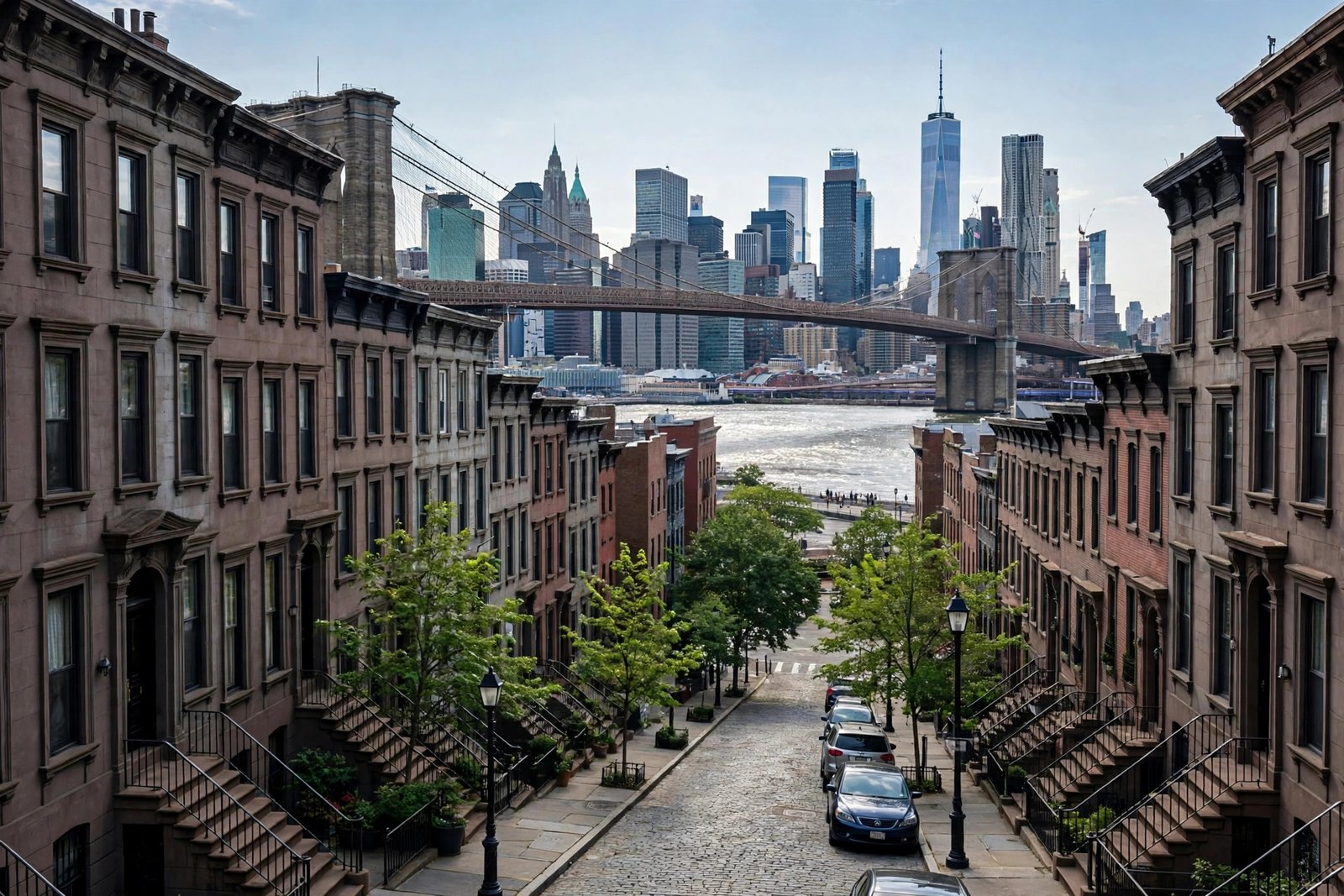
New York City has five boroughs, Manhattan, Brooklyn, Queens, the Bronx and Staten Island, and NYC Tourism describes each borough as a smaller city inside the metropolis. First timers will spend most time in Manhattan and Brooklyn, but understanding the five borough map changes how you think about what to do in new york.
Manhattan south: Lower Manhattan and the Financial District
Start where the city started. Lower Manhattan holds the Statue of Liberty ferry at The Battery, the 9/11 Memorial, Wall Street and the New York Stock Exchange area, Trinity Church and the start of the Brooklyn Bridge by City Hall.
Walk it in the morning, take the ferry or cross the bridge and notice how the skyline becomes streets you can touch.
Manhattan center: Midtown, Times Square and Fifth Avenue
Midtown is classic visitor New York. Times Square, Broadway theatres, the Empire State Building, Grand Central, the New York Public Library area, Rockefeller Center and Fifth Avenue shopping all sit within a compact grid.
It is intense and efficient. Do Midtown in blocks, one morning for Grand Central and Fifth Avenue, one evening for Broadway and Times Square. Trying to do all of Midtown in one exhausted rush is a common first timer mistake.
The Upper East and Upper West Sides: museums and Central Park life
The Upper East Side, along Fifth Avenue and Madison Avenue, is elegant, residential and museum rich, home to The Met at 1000 Fifth Avenue at 82nd Street. The Upper West Side, along Central Park West, holds the American Museum of Natural History and a calmer, family friendly rhythm.
These neighborhoods show how New Yorkers live beside famous institutions. Walk the side streets, sit in a cafe and enter Central Park from both sides if you can.
Greenwich Village, Chelsea and the High Line
Greenwich Village breaks the grid with lower buildings, historic streets and Washington Square Park at its heart. It is a neighborhood for wandering, music history and small restaurants rather than a single headline attraction.
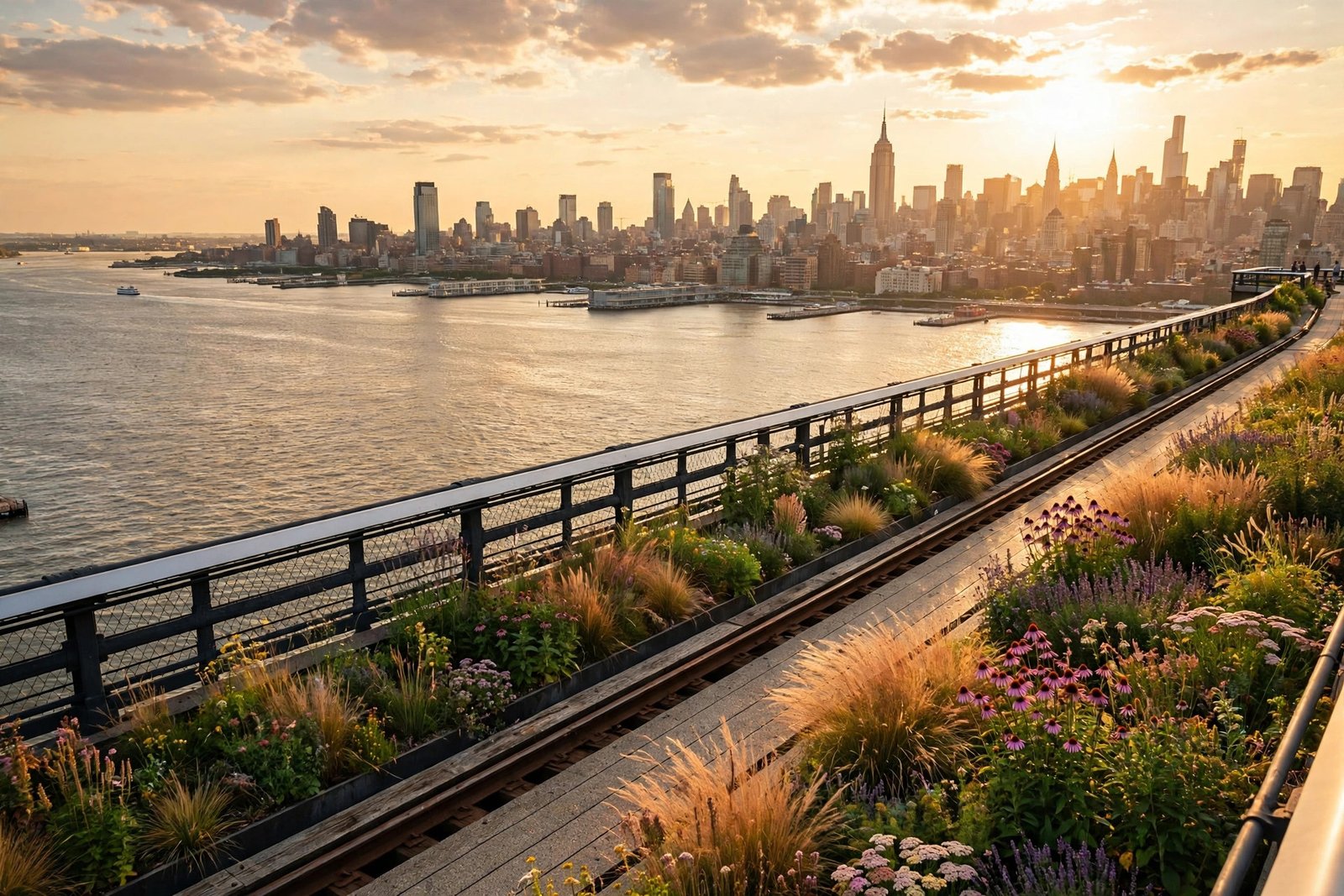
Just north and west, Chelsea leads to the High Line, the elevated park built on a former rail line running above the West Side, roughly from Gansevoort Street in the Meatpacking District up toward West 30th Street and beyond. Walk it slowly, look at the art and city views and drop down into Chelsea or the Village when a street catches your eye.
This west side route is one of the most pleasant answers to what to do in new york on a fine afternoon. Park, neighborhood and food combine without a ticket queue.
Harlem and Upper Manhattan
Harlem, in Upper Manhattan, carries a deep cultural and musical history, from the Apollo Theater tradition to churches, brownstones and soul food. A visit here adds history and living culture that Midtown alone cannot give you.
Go with respect and with time. Eat in a local restaurant and walk the avenues rather than treating the neighborhood as a backdrop.
Brooklyn: Brooklyn Heights, DUMBO and Williamsburg
Brooklyn is not a side trip. For many visitors it becomes a favorite part of the trip. Cross the Brooklyn Bridge into Brooklyn Heights for historic streets and skyline views from the promenade area, then continue to DUMBO, between the Manhattan and Brooklyn bridges, for cobblestone streets, Brooklyn Bridge Park and the famous view of the Manhattan Bridge framed by old warehouse streets.
Williamsburg, further along, offers a younger energy, vintage shops, street art, music venues and East River views back to Manhattan. Give Brooklyn at least a half day, ideally a full afternoon into evening, with dinner on the Brooklyn side.
Queens, the Bronx and Staten Island: the wider city
Queens is one of the most diverse urban areas in the world, famous with food lovers for neighborhoods such as Astoria, Flushing and Jackson Heights, where a single walk can pass cuisines from across the globe. If food is central to your trip, Queens deserves a dedicated outing.
The Bronx is the birthplace of hip hop, home to Yankee Stadium and to its own Little Italy around Arthur Avenue, where NYC Tourism notes visitors can feast on old world classics. It also holds major green and cultural institutions that reward a longer stay or a return visit.
Staten Island is reached by the Staten Island Ferry from Lower Manhattan, a ride known for harbor and Statue of Liberty views. Even travelers who do not explore the island deeply often take the ferry as a simple, scenic break from Manhattan crowds. Check current sailing information before you go.
Museums and culture: what to do in new york indoors

New York museums can swallow entire days, so choose by interest and visit fewer, better. This cultural choice sits at the center of what to do in new york for many readers, and it deserves honesty. You will not see everything, and that is fine.
Choose The Met for range and history
The Metropolitan Museum of Art, The Met, on Fifth Avenue at the edge of Central Park, holds collections that span thousands of years and cultures around the world, with more than two million works in its care according to museum and guide sources.
First timers should pick a few wings in advance, Egyptian, European paintings, American or another personal priority, and accept getting happily lost between them. Add the roof in season if it is open during your visit for views over Central Park, and check the museum site for current days and visitor rules before you go.
Choose MoMA for modern icons
The Museum of Modern Art, MoMA, at 11 West 53rd Street in Midtown, is the essential modern art stop. Its collection includes Vincent van Gogh’s The Starry Night and major works by Picasso, Warhol, Monet and Dali, presented across several floors with a sculpture garden as a calm pause.
MoMA suits a focused half day paired with Midtown. It is more compact than The Met, which makes it easier for visitors who want world famous art without museum exhaustion. Book or check visitor information in advance at busy times.
Add one museum that matches you personally
Beyond the two giants, follow your own curiosity. Natural history fans head to the American Museum of Natural History on Central Park West. One personal museum, visited with energy, will stay with you longer than a fourth famous museum visited on tired feet.
Culture also lives outside museums, in libraries, historic houses and small galleries. Leave space for the room you discover by accident.
Parks, bridges and skyline views: the outdoor side of what to do in new york

Outdoor New York balances the museums and theatres. Rivers, parks and bridges give the city air, and many of the best memories cost nothing but time and good shoes. Any balanced list of what to do in new york needs this outdoor layer.
Give Central Park real time, not a photo stop
Central Park stretches from 59th Street to 110th Street between Fifth Avenue and Central Park West, covering about 843 acres in the heart of Manhattan. It was designed by Frederick Law Olmsted and Calvert Vaux and it works as the city’s shared living room.
Enter with a loose route. Bethesda Terrace and Fountain, Bow Bridge over the Lake, Strawberry Fields as a memorial to John Lennon, Belvedere Castle and the Ramble each show a different mood. Sit on the grass, watch buskers and families and let the skyline appear and disappear behind trees.
First timers often underestimate its size. You cannot walk all of it and do everything else on the same day. Choose the southern and central parts for a first visit, enter near Columbus Circle or Fifth Avenue and exit by a museum on either side.
Cross the Brooklyn Bridge on foot
Walking the Brooklyn Bridge from Manhattan toward Brooklyn is a first visit ritual for good reason. The pedestrian path above the traffic gives open views of the harbor, Lower Manhattan and the Brooklyn waterfront, and the bridge structure itself is the attraction.
Start early or later in the day to avoid the densest crowds and the strongest heat in summer. Stay in the pedestrian lane, watch for cyclists and keep walking until you reach Brooklyn. The reward is not only the bridge, it is arriving in Brooklyn Heights or DUMBO on foot.
Walk the High Line and rest in small parks
The High Line shows how New York reinvents itself. A former elevated rail line became a linear park with planting, art and new angles on Chelsea and the Hudson side of Manhattan. It is best walked slowly, in one direction, with a coffee stop before or after in Chelsea or the Meatpacking District.
Add smaller parks to ordinary days. Washington Square Park in the Village, Bryant Park behind the New York Public Library in Midtown and Brooklyn Bridge Park in Brooklyn each give a different local rhythm. Parks are where a trip breathes.
Views do not always need a ticket. The Brooklyn waterfront, the Staten Island Ferry ride and the bridges deliver skyline moments many visitors prefer to a crowded deck.
Broadway and evenings: what to do in new york after dark
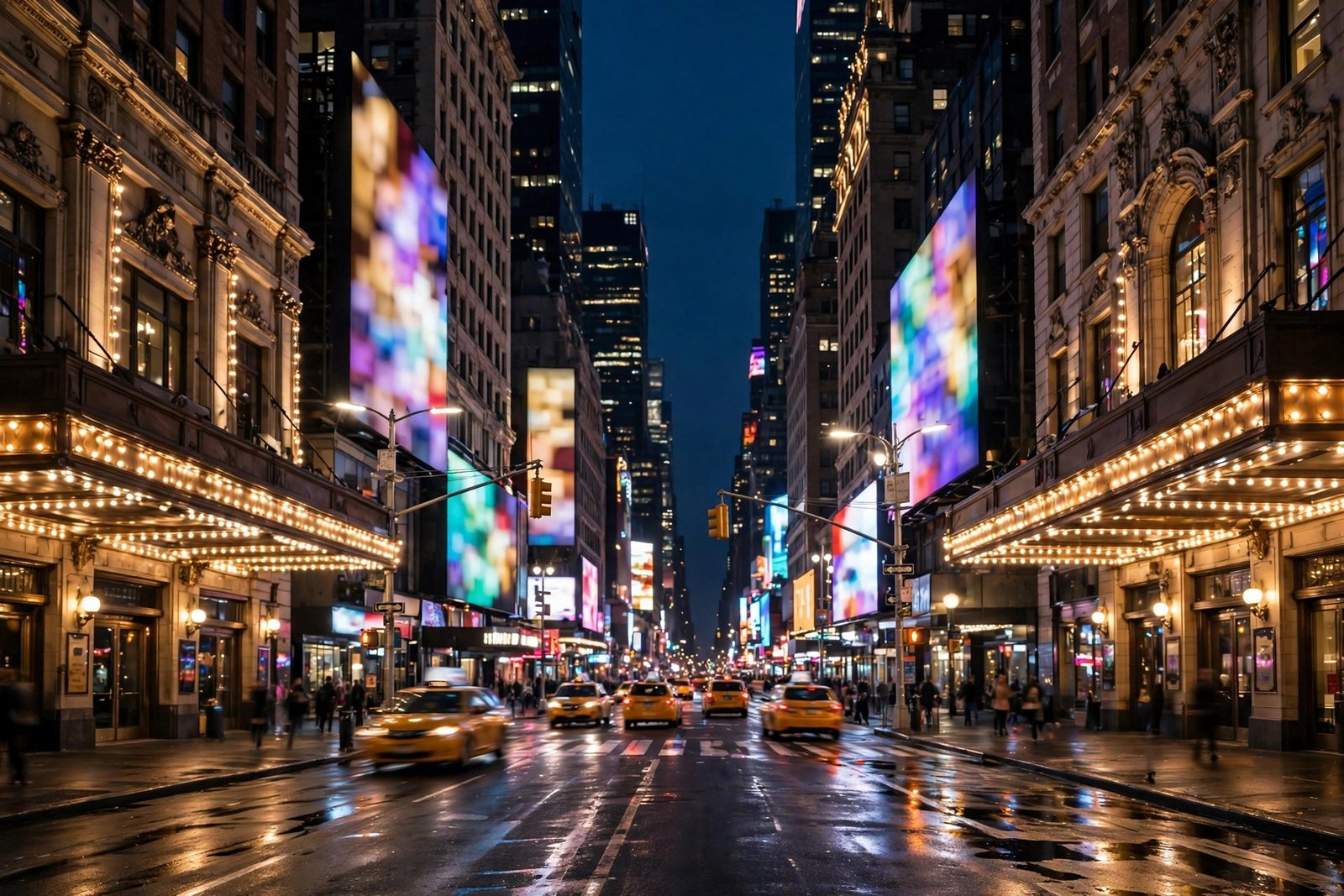
Evenings transform the question of what to do in new york. The city that taught you history by day becomes theatre, music, late dinners and lit streets by night.
Broadway is the headline. A musical or a play in the theatre district around Times Square remains a defining New York night, especially for first timers. Choose a show you genuinely want to see, book through official or clearly authorized channels and check NYC Tourism and theatre sites for current productions and any seasonal theatre programs.
Off Broadway and smaller venues offer a different reward, new writing, intimate rooms and lower key discoveries in neighborhoods such as the Village and the Lower East Side. Comedy clubs, jazz rooms and live music bars fill the same evening map. Harlem and Brooklyn each add their own music traditions.
Dinner timing shapes the night. Before a show, eat early and close to the theatre in Midtown or Hell’s Kitchen just west of it, where restaurants are used to pre theatre service. After a show, walk a few blocks away from Times Square before choosing a late table and the quality and calm will improve.
Not every evening needs a ticket. Walk Fifth Avenue lit up, cross a bridge at dusk or wander the Village as lights come on.
Stay aware as in any large city, keep late routes simple and do not pair an early ferry with a late show if you will be exhausted.
A realistic itinerary for your first three days in New York
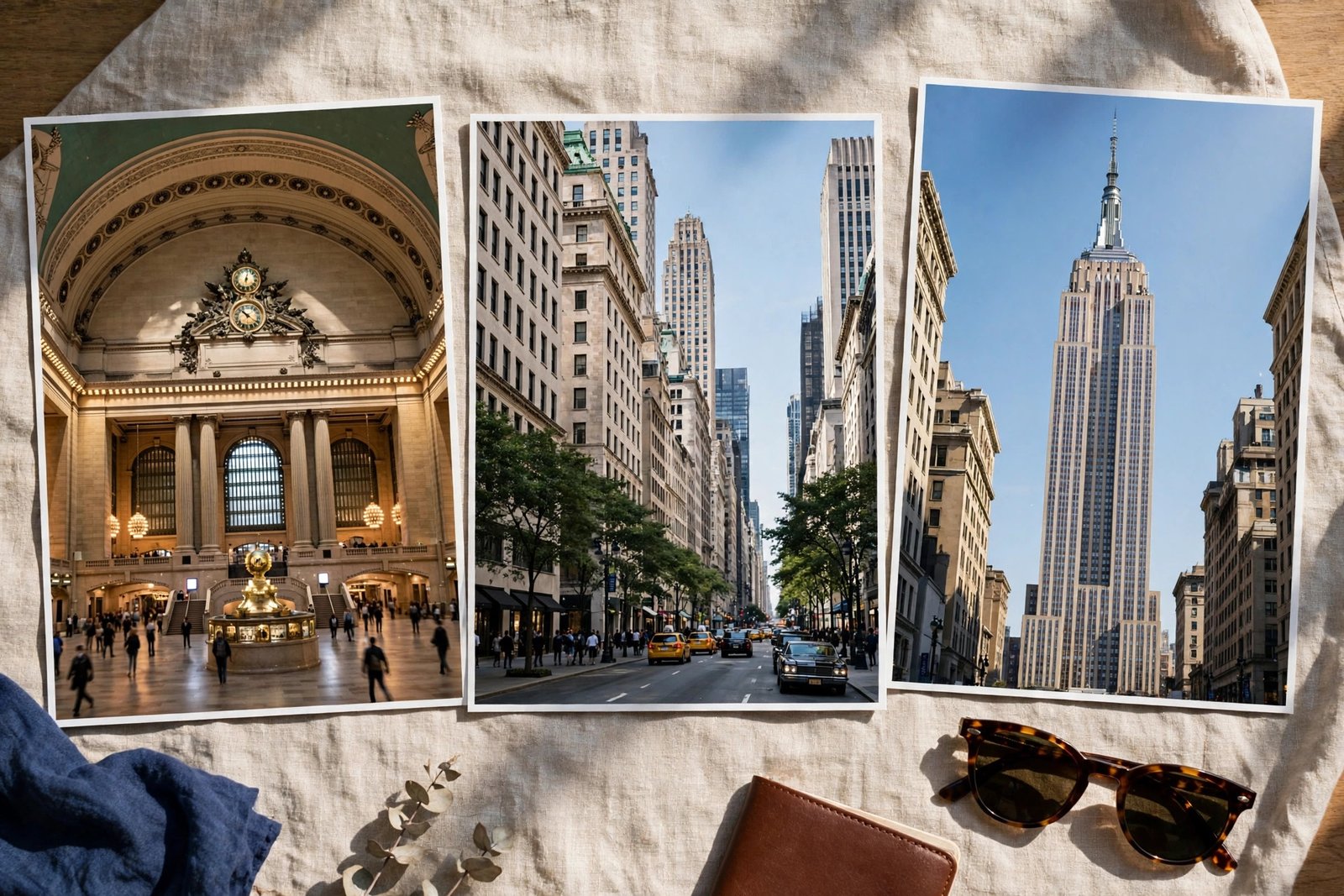
A good itinerary groups by area and alternates heavy and light blocks. Here is a realistic three day version of what to do in new york, built to be adapted, not obeyed minute by minute.
Day one, Lower Manhattan and Brooklyn: start early with the ferry from The Battery to Liberty Island and Ellis Island if you booked it. After returning, walk to the 9/11 Memorial and through the Financial District. Have lunch, then cross the Brooklyn Bridge on foot in the afternoon light.
Spend the rest of day one in Brooklyn. Explore DUMBO and Brooklyn Bridge Park, walk into Brooklyn Heights and stay for dinner with skyline views. Return to Manhattan by subway. You will have covered harbor history, memorial space and the bridge in one coherent geographic arc.
Day two, Central Park and museums: enter Central Park in the morning and walk to Bethesda Terrace, Bow Bridge and Strawberry Fields without rushing. Exit on the east side for The Met or on the west side for the American Museum of Natural History, and give your chosen museum the middle of the day.
Keep the late afternoon light. Rest in the park or in an Upper Side cafe, walk Madison or Columbus Avenue and eat in the neighborhood. If energy remains, this is a good night for a smaller performance or an early night before a Broadway day.
Day three, Midtown and the West Side: start at Grand Central Terminal, walk Fifth Avenue toward Rockefeller Center and continue to MoMA for a focused visit. Have lunch in Midtown or Hell’s Kitchen, then move west and south to the High Line.
Walk the High Line down into Chelsea and Greenwich Village, rest in Washington Square Park and eat in the Village. Finish with a Broadway show back in Midtown or with a Village music or comedy night. Day three mixes architecture, modern art, park and neighborhood in a single flowing line.
If you only have one day, compress honestly. Choose Lower Manhattan and the bridge in the morning, Central Park and one museum in the afternoon and Times Square in the evening. Know that it is a taste, and let that be enough.
If you have four or five days, add what the three day plan had to leave out. Add a Queens food outing, a Bronx or Harlem cultural day, a second museum, a fuller Brooklyn day in Williamsburg and Prospect Park area or a slow day with no landmark at all. Depth, not a longer checklist, is the reward of extra days.
While you plan days with a partner or a friend, notice who loves museums, who needs parks and who lives for evenings. A trip works when both people get their priority honored, a small version of the larger question we explore in can you love someone but not want them.
For a Canadian pairing that many readers love, combine New York with a separate trip north and read our guide to what to do in Montreal for a very different, French speaking city rhythm.
Where to eat and practical tips for visiting New York
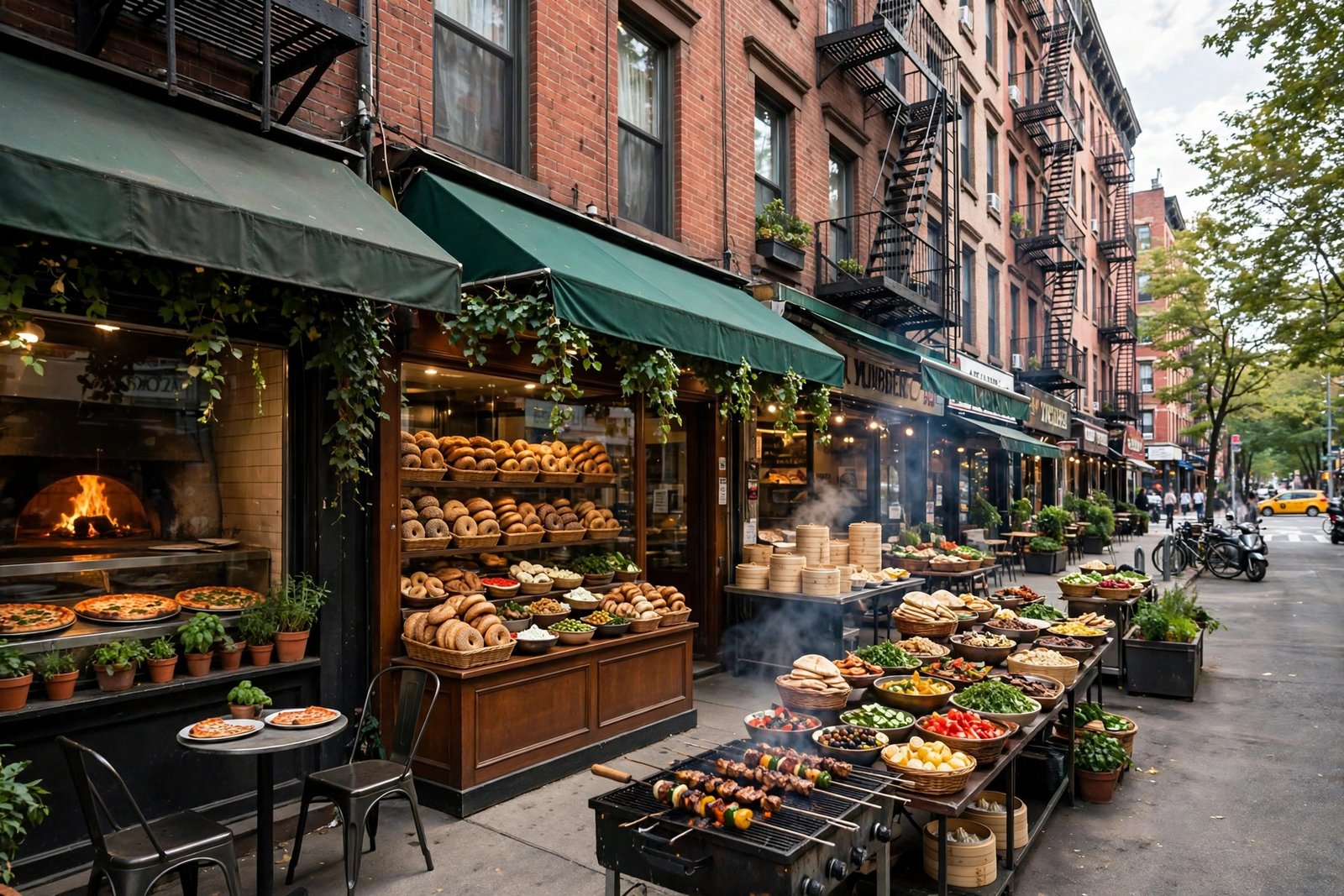
New York is one of the great eating cities of the world, and the best first timer strategy is to eat by neighborhood. NYC Tourism promotes the flavors of all five boroughs for a reason. Every area gives you a different city on the plate.
In Manhattan, build a few anchors into the plan. A classic bagel breakfast, a slice of New York pizza on the move, a deli or diner lunch and one sit down dinner you choose with care will teach you more than chasing a single famous name. Midtown is convenient, the Village and Lower East Side are rich for wandering dinners and the Upper Sides suit calm neighborhood meals after museums.
In Brooklyn, eat where you walk. DUMBO and Brooklyn Heights suit a skyline dinner, Williamsburg suits a younger, creative food scene and long established Italian, Middle Eastern and many other community restaurants reward exploration across the borough. In Queens, go specifically to eat and let the neighborhood choose the cuisine.
Reserve popular dinners in advance, especially before theatre, and keep lunches flexible. Food carts, markets and bakeries are part of the experience.
Getting around works best on foot and by subway. The subway runs across Manhattan, Brooklyn, Queens and the Bronx and connects most visitor areas, while buses and ferries fill gaps such as the Staten Island Ferry and East River routes. Use the official MTA information for current service, expect changes especially on weekends and allow extra time for any trip that ends at a ferry or a theatre curtain.
Walking is often faster than traffic in Midtown. Wear shoes you trust, because a sightseeing day involves far more steps than you expect.
Where you stay shapes your days. Midtown suits first timers who want Broadway and classic sights on foot. The Upper West or Upper East Sides suit museum and park lovers who want calmer nights. The Village and Lower Manhattan suit travelers who prefer neighborhood evenings and history. Brooklyn suits return visitors and anyone who wants space and skyline views, as long as the subway commute fits the plan.
The best time to visit depends on your priorities. Spring and fall are widely favored for comfortable walking weather and park color or blossom. Summer brings outdoor life, festivals and heat. Winter brings theatre season energy, holiday displays in December and cold that requires real layers. There is no wrong season, only a wrong wardrobe and a wrong pace.
Avoid three classic mistakes. First, do not book every hour. Second, do not stay only in Times Square and judge the whole city by its loudest block. Third, do not buy Liberty Island tickets from unauthorized street sellers, a warning the National Park Service repeats for a reason.
For official citywide listings, borough guides and current visitor programs, check NYC Tourism before and during your trip. For Liberty and Ellis Island rules specifically, the National Park Service pages linked through that planning are the authority to trust.
Final thought: the best answer to what to do in new york is not the longest list. It is a trip with one harbor morning, one great museum, one bridge walk, one neighborhood you fall for and one evening that feels unmistakably New York. Build that, and the city will do the rest.
FAQ
What is New York best known for?
New York is best known for the Statue of Liberty, Central Park, Times Square and Broadway, the Empire State Building, the Brooklyn Bridge, world class museums such as The Met and MoMA and for neighborhoods and boroughs that each feel like a different city. Its energy, diversity and skyline make it one of the most recognized cities in the world.
How many days do you need and what to do in new york if you only have a weekend?
Three full days is a strong first visit minimum. It lets you cover Lower Manhattan and Brooklyn, Central Park and a museum and Midtown with the High Line and Broadway without constant rushing. A weekend of two days still works if you choose two areas well and accept that Queens, the Bronx and a second museum wait for a return trip focused on what to do in new york beyond the classics.
Is New York worth visiting for a first time traveler?
Yes, New York is worth visiting for a first time traveler who enjoys cities, walking, culture and food. It can feel intense, but grouping sights by neighborhood, booking key tickets in advance and leaving free time make it manageable and deeply rewarding. Many first visits turn into a plan to return.
What are the best free things to do in New York?
Walking in Central Park, crossing the Brooklyn Bridge, walking the High Line, visiting Grand Central Terminal, exploring neighborhoods such as Greenwich Village and Brooklyn Heights and riding harbor view ferries where they are offered without a fare are among the best free experiences. Always confirm current ferry and attraction information on official sites before you go.
When is the best time of year to visit New York?
Spring and fall are often the most comfortable for walking, museums and park time combined. Summer suits outdoor events and long evenings if you handle heat well, while winter suits theatre, museums and holiday atmosphere with proper cold weather clothing. Choose the season that matches your energy and your top priorities.