
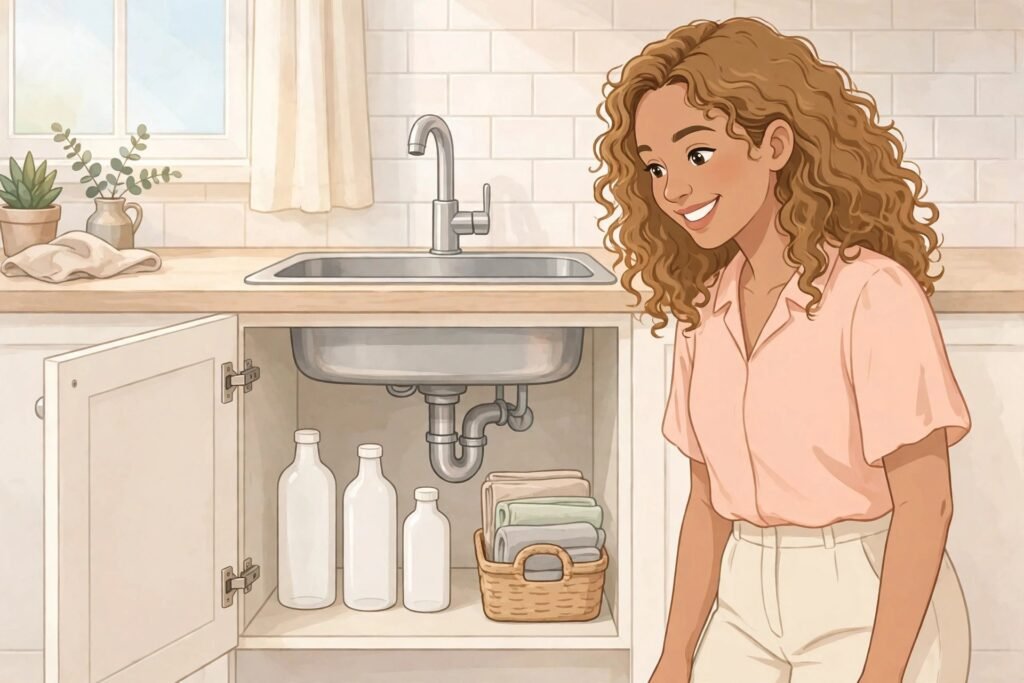
Stand in any supermarket cleaning aisle and count. Sprays for glass, sprays for granite, sprays for floors that are wood, floors that are not wood, floors that are pretending to be wood. Wipes for counters, wipes for leather, wipes for screens. It feels like a test you’re failing. Your under sink cupboard at home tells the same story: twelve bottles, three of them crusty, most of them half used and forgotten.
So let’s answer the real question, plainly: what cleaning products do you absolutely need at home? Fewer than you fear. Most homes, whatever their size, run well on a short core kit: one all purpose cleaner, a bathroom cleaner for toilet and tile, dish soap, a floor cleaner that suits your floors, and glass cleaner if you have mirrors you care about. Add a small supporting cast and you’re done. The honest surprise inside what cleaning products do you absolutely need at home is how short the list is once each product has one clear job.
This guide goes product by product, the way a friend would if she stood in your kitchen and edited your cupboard with you. You’ll learn what each core product actually does, which popular bottles are pure marketing, and how to store the small kit safely. No brand pushing, no giant shopping list. Just what cleaning products do you absolutely need at home, and what can go.
There’s a reason this question shows up right after a move, a breakup with a shared flat, or a first solo home. Suddenly you’re the only adult in charge of the cupboard, and nobody handed you the list. Older relatives clean with what they’ve always used. Stores push what’s new. Friends swear by one miracle bottle each, all different. This guide cuts through the noise with the working kit, the one real homes actually run on week after week.
One promise before we start: this is an edit, not a haul. You likely own most of your core kit already, hiding behind the bottles you don’t use. By the end, you’ll know what cleaning products do you absolutely need at home, and you’ll have a cupboard with space in it, maybe for the first time since you moved in.
The Short Answer

The short answer: five core products and a few helpers. An all purpose cleaner for counters, sinks, and most surfaces. A bathroom cleaner that handles toilet and tile. Dish soap, which quietly does far more than dishes. A floor cleaner matched to your floor type. And a glass cleaner for mirrors and windows. That short list is the working answer to what cleaning products do you absolutely need at home.
Around those five, keep a small supporting cast: baking soda for gentle scrubbing and smells, white vinegar for limescale on the right surfaces, microfiber cloths, a scrub brush, sponges, and gloves. Tools matter as much as bottles here. Good cloths plus five products beat fifteen products plus a sad sponge. Ask what cleaning products do you absolutely need at home and the honest answer is a kit, not a collection.
Picture the finished cupboard, so you know what you’re aiming at. One shelf. Five bottles standing in a row. A small caddy with cloths, a brush, and gloves. A box of baking soda. Air around everything, so you can see each item at a glance and grab it without moving three others. That picture is the whole method. If a shelf in a store can’t beat that picture, the product stays in the store.
Everything else is optional, specific, or marketing. A specialty spray earns its place only if you use it every week for a job the core five can’t do. That rule alone will stop most impulse buys in the aisle. Keep the kit small, stored in one place, and topped up as bottles empty. Small is what makes what cleaning products do you absolutely need at home a question you only ask once.
Why the Cleaning Aisle Wants You to Overbuy
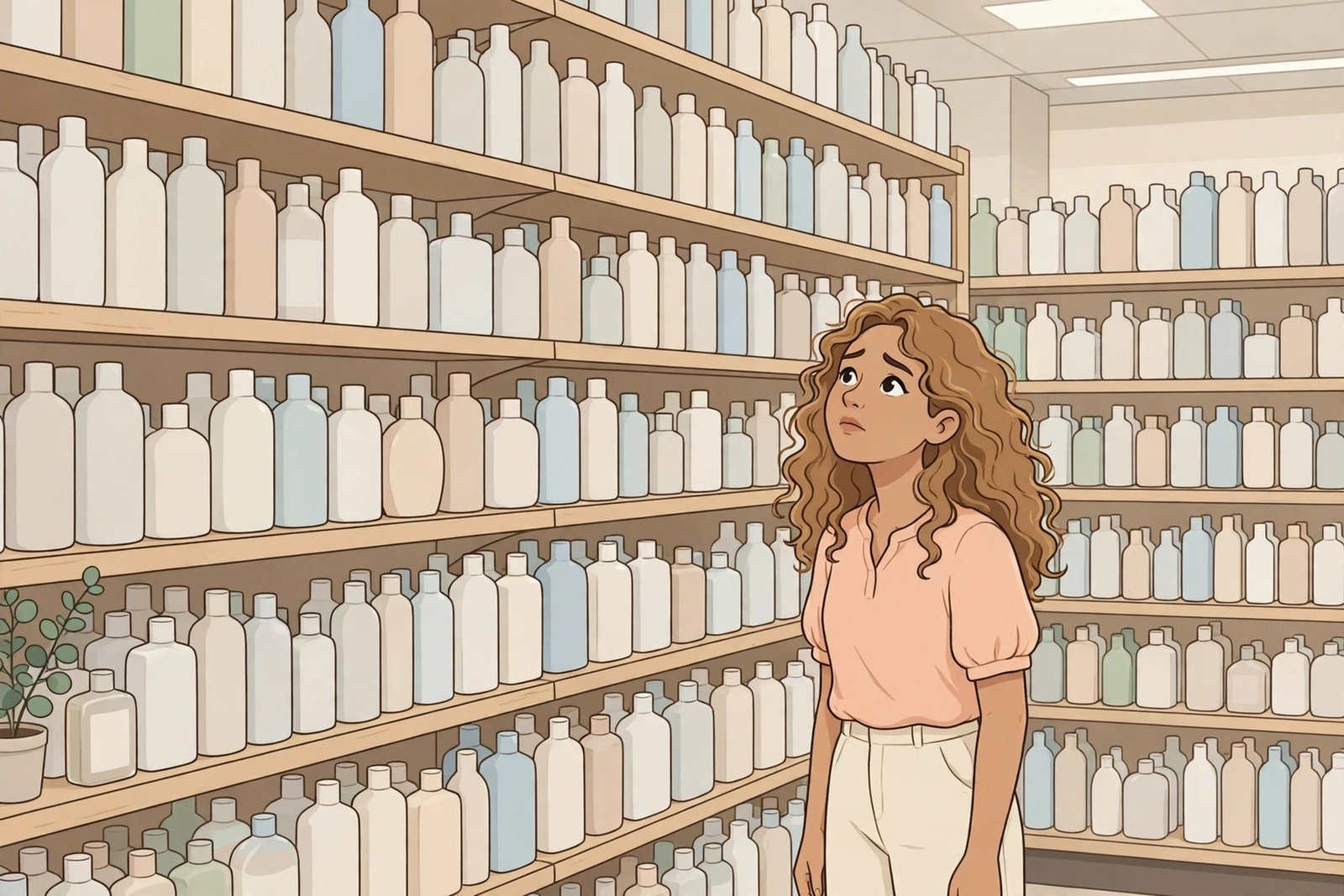
Cleaning brands sell problems, not soap. A bottle for every surface sounds careful, but it’s mostly the same few cleaning agents wearing different labels and scents. The granite spray and the counter spray are close cousins. The wood floor bottle and the tile floor bottle often differ less than their prices suggest. The aisle is designed so your cupboard fills and your wallet empties.
There’s a second cost: decision weight. Twelve bottles mean twelve choices every time you clean, plus a cupboard you can’t see into, so you rebuy what you already own. A short kit removes the friction. You grab, you clean, you put it back. When friends ask what cleaning products do you absolutely need at home, they’re often really asking how to stop the cupboard chaos. The chaos ends when each product has one job and one spot.
Marketing also loves fear. Ads show glowing germs and warn you about every surface, as if a normal home were a hospital ward gone wrong. A normal home is not sterile, and it doesn’t need to be. Regular cleaning with soap based products removes the daily layer of dirt and most germs along with it. Save the heavy disinfecting for illness in the house and for the few spots that truly need it, like the toilet and the board after raw meat. Calm beats panic, in cleaning as in most things.
Specialty products do have a place, a narrow one. A home with a big glass shower may want a daily shower spray. A cat owner may keep an enzyme cleaner for accidents. The rule is simple: a specialty bottle must answer a weekly, real problem in your home, not a problem in an ad. If you can’t name the day you’ll use it, it stays on the shelf at the store.
So before the product by product tour, set your mindset: you’re building the smallest kit that keeps your home clean and healthy. Small is not cheap or lazy. Small is edited. Editors are the people who know what cleaning products do you absolutely need at home because they’ve thrown the rest away.
One All Purpose Cleaner Does Most of the Work
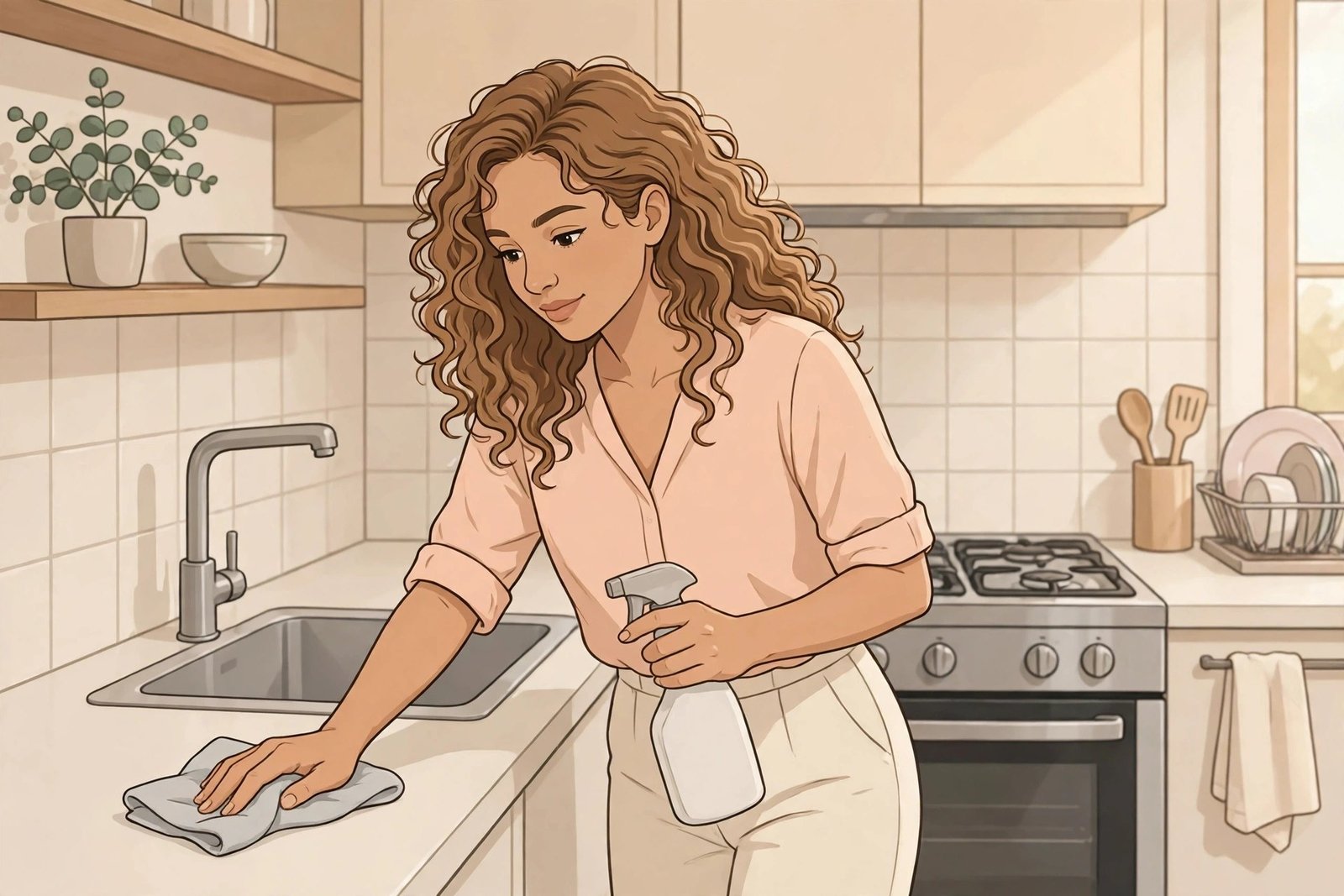
If your kit had to start with one bottle, it’s this one. A good all purpose cleaner handles kitchen counters, the sink, the stove front, cabinet doors, the dining table, door handles, and most bathroom surfaces that aren’t the toilet bowl itself. It wipes grease, lifts the sticky film, and leaves things feeling clean without drama. In a small home, this bottle does about two thirds of all cleaning.
Home guides land in the same place. Angi’s list of cleaning supplies every household should have builds its basics around the same core: an all purpose cleaner, glass cleaner, a sanitizing spray for the spots that need it, plus simple tools like microfiber cloths, a broom, and a bucket. Notice how short that basics list is. It’s a useful check when you’re deciding what cleaning products do you absolutely need at home: the pros start small too.
A word about how these cleaners work, in plain terms. Most dirt in a home is grease, dust, and dried spills held together by oils from cooking and skin. A cleaner loosens that grip so a cloth can lift it away. That’s why warm water and a minute of patience help any product work better: spray, wait a breath, then wipe. Brute force scrubbing is usually a sign the product needed thirty more seconds, not a stronger cousin. Work smarter and the basic bottle suddenly looks like the strong one.
Choose one you like using. A scent you enjoy, a spray that doesn’t leave streaks, a formula that suits your surfaces. Check the label for surfaces to avoid: some cleaners don’t belong on natural stone or unsealed wood. Concentrates you dilute yourself save money and cupboard space, and one refill bottle replaces four empties a year. Whatever you pick, one bottle, one job, no twins.
Keep it where the mess is. In many homes that means the all purpose spray lives in the kitchen, with a second cloth in the bathroom, not buried at the back of a deep cupboard. A product you can reach in five seconds gets used in the moment, and cleaning in the moment is what keeps a home easy. Placement is a quiet part of what cleaning products do you absolutely need at home: the right bottle, in the right room, beats the perfect bottle in the wrong one.
The Bathroom Pair: Toilet and Tile
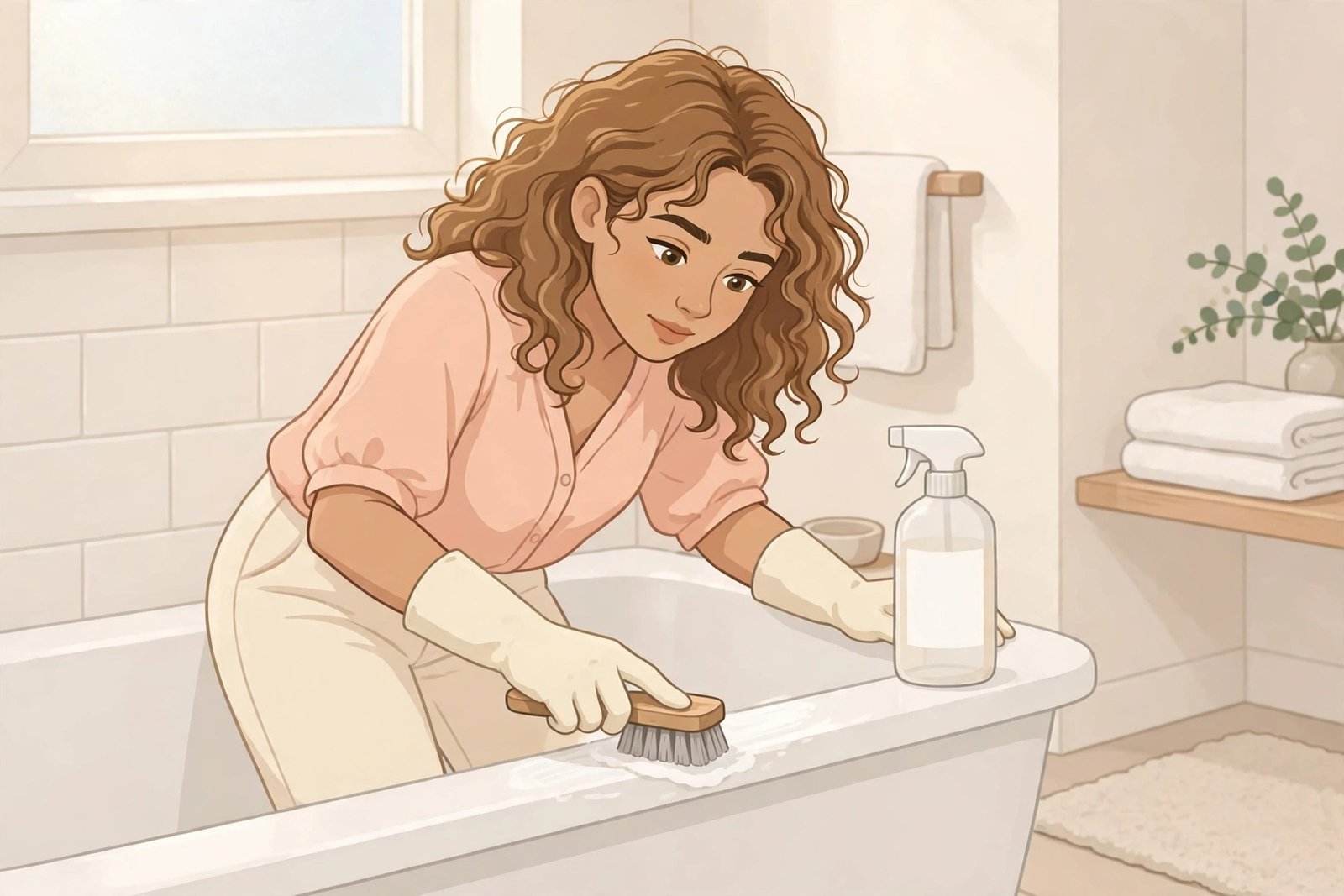
The bathroom is where the core kit earns a specialist, or rather two. The toilet needs its own cleaner: a toilet bowl cleaner that clings under the rim and handles stains and germs in the bowl. This is one product you don’t improvise. A brush that lives beside the toilet and a weekly date with both keeps the job at two minutes.
The second half of the pair handles tile, tub, and shower: a bathroom cleaner made for soap scum and water spots. Soap scum is a different enemy from kitchen grease, which is why your all purpose spray struggles there. When people wonder what cleaning products do you absolutely need at home, this pair is the answer for the bathroom: bowl cleaner for the bowl, tile cleaner for the wet zone, done.
How often each half works is simple. The bowl gets a brush and cleaner once a week in a normal home, more if you share the bathroom. The tile and tub get a real clean weekly too, with a quick rinse and squeegee between times if you’re quick about it. Two small dates a week, and the bathroom never reaches the state that makes people buy the scary industrial bottle with the warning skull. Steady beats strong, again.
Hard water changes the math a little. If your shower glass clouds and your taps wear white crust, add white vinegar to your supporting cast for limescale, used on the surfaces that tolerate it, and keep it away from natural stone. A squeegee run over the shower after use, ten seconds a day, can cut how often you need the tile cleaner at all. Prevention is the cheapest product in this whole guide.
Safety lives in this room, so one calm rule, stated once: never mix bleach with ammonia or with acidic cleaners like vinegar or toilet cleaner. The mix can make fumes that hurt your lungs. Read the label, open a window or run the fan while you clean, and store bottles out of reach of kids and pets. That’s basic good practice, and it belongs in any honest answer to what cleaning products do you absolutely need at home: the right products, used the safe way.
Floors and Glass: Two Quiet Workhorses

Floors take the most space in your home and the least product. Most hard floors clean beautifully with warm water and a small amount of a floor cleaner made for your floor type, or even a drop of dish soap in the bucket for many sealed floors. Wood wants a gentle touch and little water. Tile forgives more. Laminate sits in between. One bottle matched to your main floor is enough; you don’t need a wardrobe of floor potions.
The mop matters more than the mix. A flat mop with washable pads beats a stringy mop that pushes dirty water around, and it stores flat against a wall. Vacuum or sweep first, mop second, and let the floor dry before you walk the socks test. When you ask what cleaning products do you absolutely need at home, floors answer: one matched cleaner, one decent mop, and warm water doing the quiet work.
Carpet and rugs, if you have them, ask for almost nothing bottled. The vacuum is the product. For spills, blot fast with a cloth and a little dish soap in water, and most marks lift before they set. A carpet shampoo is a rare rental or a once a year event for most flats, not a shelf resident. Rent the machine for a day if a deep clean is truly due, then give it back and let your shelf stay small.
Glass is the fifth core product, and the smallest job of all. A basic glass cleaner, or even your all purpose spray on some glass, handles mirrors and windows with a microfiber cloth and a dry second pass. Most streaks come from too much product and a tired cloth, not from the wrong bottle. Two cloths, one damp, one dry, and your bathroom mirror stops being a daily annoyance.
A quick note on scent: clean has no smell. The lemon blast in ads is perfume, not proof. If a fresh scent makes you happy, enjoy it, but judge your floors and glass by sight and feel, not by fragrance. That mindset keeps what cleaning products do you absolutely need at home from growing every time a new scent launches.
The Small Supporting Cast Worth Keeping
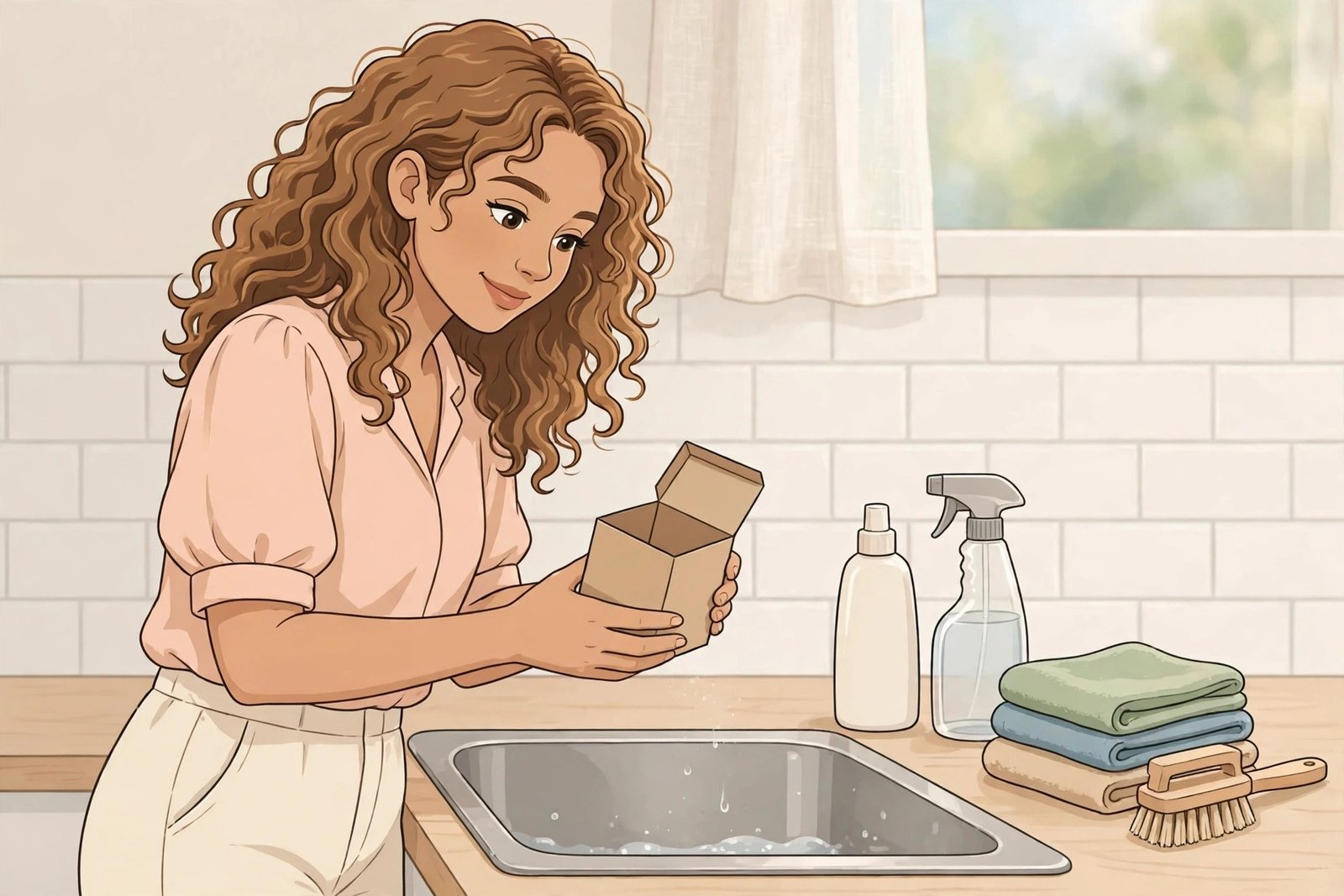
Around the core five, a few cheap helpers earn their shelf. Baking soda: a gentle scrub for sinks and a natural deodorizer for the fridge and bins. White vinegar: limescale and glass on tolerant surfaces, and a rescue for cloudy glasses. Dish soap you’ve already met: degreaser for the stove, spot cleaner for fabric, and the secret in many floor buckets. These three live in your kitchen already, which is the point.
Tools are the other half of the cast. Microfiber cloths, several, so a clean one is always ready. A scrub brush for grout lines and the sink edge. Sponges you actually replace when they smell. Rubber gloves that protect your hands and make hot water cleaning easier. A broom and dustpan, a bucket, and a toilet brush. None of this is glamorous, and all of it decides what cleaning products do you absolutely need at home far more than a new spray does.
Baking soda deserves its own cheer. A small open box keeps the fridge neutral, a paste lifts sink marks, and a sprinkle before vacuuming freshens a rug. Pair that with the simple scent habits in our guide on how to make your home smell good and your home smells clean because it is clean, not because a bottle perfumed the air. Small cast, big effect. That’s the pattern behind what cleaning products do you absolutely need at home: a few multi use helpers, used often.
One more quiet hero: the humble spray bottle, empty, bought once. Fill one with your diluted all purpose mix for daily wipes, and jobs that used to wait for “cleaning time” start happening in the moment: the stove splash after dinner, the sink ring after brushing. Half of a clean home is timing, and timing is a bottle at arm’s reach. Label it with a strip of tape and a marker so future you knows what’s inside, and refill it from the main bottle each time it runs dry.
Buy the cast once, in sturdy versions. A good brush lasts years. Cloths wash and return. The supporting cast is where a little money spent once replaces a lot of money spent repeatedly on specialty bottles. Keep the whole cast in one caddy or on one shelf so the kit travels room to room with you.
Products You Can Honestly Skip

Now the fun part: what to stop buying. Separate sprays for granite, marble, stainless, and glass tops, when your all purpose cleaner already covers your actual surfaces. A different floor product for every room. Antibacterial everything, when normal cleaning with your core kit is what daily life needs. Most of these bottles duplicate a job you already own.
Also skip the gadget end of the aisle: scented trash bags at triple price, single use wipes for every surface when a washable cloth does the same work, and foaming novelties that clean one tiny thing. Disposable wipes do have one fair use: the truly gross job you want to throw away after. Keep one pack for that, not five types. The skip list is where what cleaning products do you absolutely need at home turns into money back in your pocket.
Air fresheners deserve a calm word too. Sprays and plug ins mostly cover smells rather than remove them, and the cover lasts an hour while the source stays. The lasting fix is boring: take the trash out, wash the cloth that’s sour, open a window, and let baking soda sit where smells live. A home that smells of nothing much is a clean home. Spend the freshener money on cloths and brushes instead; your nose and your shelf will both notice the difference within a week.
A harder skip: the bulk buy. Three giant bottles of a cleaner you tolerate is not a saving; it’s storage debt and a scent you’re stuck with. Buy the size you’ll finish. When a bottle empties, that’s your review moment: did it earn a refill, or does it leave the kit? Kits stay small by voting at every empty.
And if a product was a gift or a sample and you hate it, let it go. Pass it to a friend, use it up on the balcony tiles, or bin it responsibly. Your cupboard is not a museum of other people’s cleaning opinions. It’s a toolbox, and toolboxes stay useful by staying edited. That’s the spirit of what cleaning products do you absolutely need at home: ruthless about bottles, relaxed about everything else.
Store the Kit Safely and Keep It Small
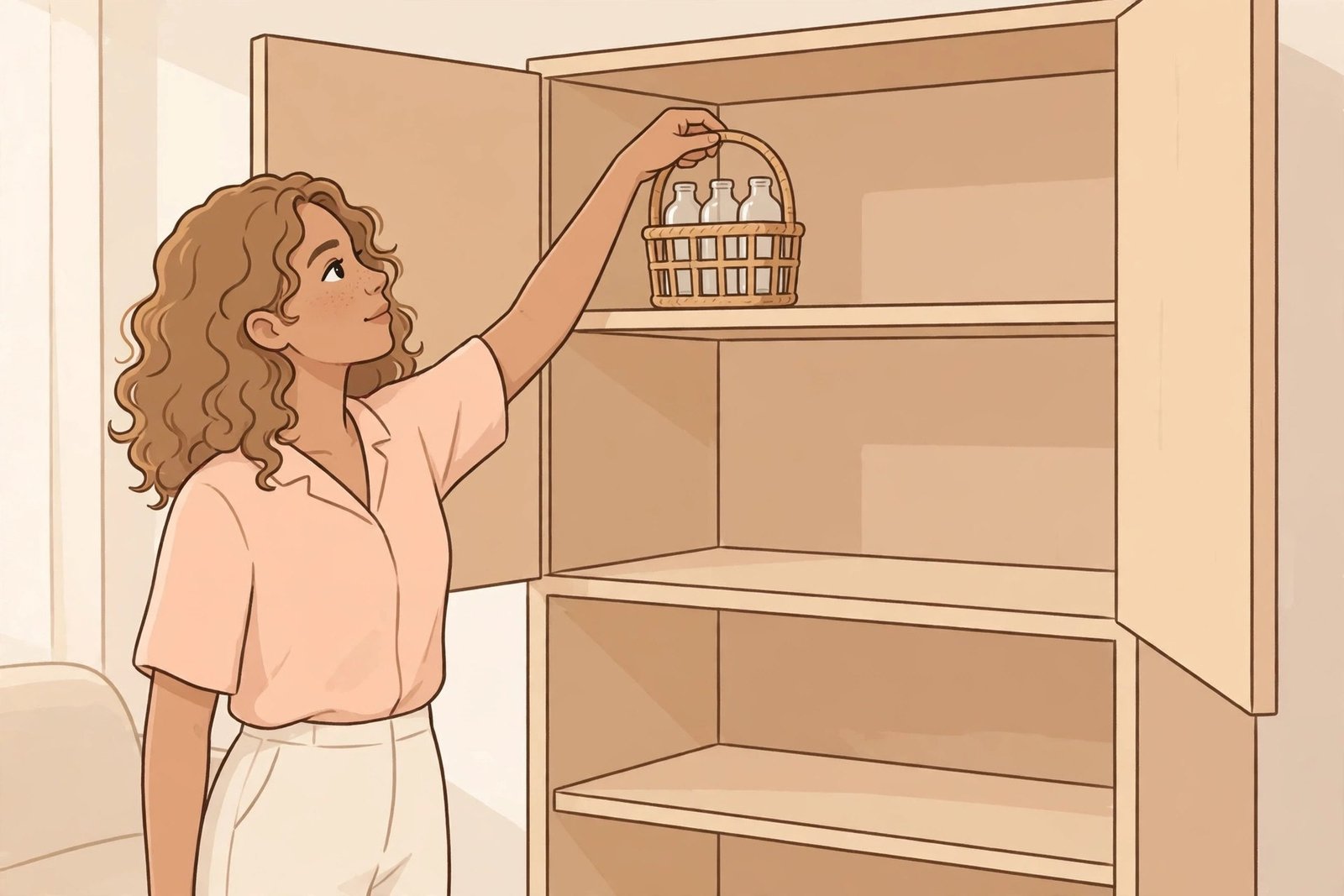
Where the kit lives decides how well it works. One shelf or one caddy, in the room where most cleaning happens, with every bottle visible in one glance. If you can see it, you’ll use it and you won’t rebuy it. Deep cupboards where bottles hide behind bottles are where duplicates are born. A shallow, honest shelf is a system all by itself.
Safety rules for storage are short and plain. Keep products in their original bottles, labels on, so future you knows what’s inside and how to use it. Store them away from food, and out of reach of children and pets, ideally behind a closed door or on a high shelf. Never decant strong cleaners into drink bottles. Open a window when you clean with anything strong, and let the room air out after.
Renters, one extra note: keep the kit where a leak or a spill can’t hurt the floor or the cupboard itself. A small tray or a washable mat under the bottles catches drips and saves you a cleaning charge at move out. And when you do move, a small kit is a gift: one caddy to carry to the new place, no box of mystery bottles to unpack with regret. Small kits travel well because they were honest from the start.
Give the kit the same one in, one out rule you’d give a closet. The edit works exactly like the one in our guide to organize my wardrobe: a new thing enters only when something leaves, and everything kept has a spot and a job. A cleaning shelf held to wardrobe rules stays small for years, and small is what keeps cleaning quick.
So, the cupboard edit, one last time: five core products, three kitchen helpers, a handful of honest tools, all in one place, all with a job. Ask the question what cleaning products do you absolutely need at home in any store, anywhere, and you already know your answer by heart. Walk past the long aisle. Buy the one refill you came for. Go home to a cupboard with air in it.
Frequently Asked Questions
Can I clean my whole home with just dish soap and vinegar?
For a surprising amount of it, yes. Dish soap degreases counters, floors, and sinks, and vinegar handles limescale and glass on surfaces that tolerate acid. Where the duo falls short is the toilet bowl, heavy soap scum, and stone or unsealed wood, which vinegar can damage. Think of them as two strong members of the kit rather than the whole kit, and you’ll rarely be caught without the right tool.
How many cleaning products does the average home really use?
Far fewer than it owns. Most cupboards hold ten to twenty products, while the weekly cleaning of a normal home runs on about five, plus cloths and a brush. The rest are duplicates, gifts, and good intentions. If you’re counting what cleaning products do you absolutely need at home for your own shelf, count what you touched this month. That honest handful is your real kit.
Are eco friendly cleaners as good as regular ones?
For everyday mess, often yes. Plant based all purpose cleaners and simple helpers like baking soda and vinegar handle daily dirt well. Where classic products still pull ahead is heavy grease, strong limescale, and disinfecting during illness. A mixed kit is a fair middle: gentle products for the daily round, one stronger bottle for the rare heavy job, and no guilt either way.
How do I know when to replace sponges and cloths?
Sponges: when they smell even after a rinse, tear, or crumble, usually every few weeks. Wash them hot or run them through the dishwasher to stretch their life a little. Microfiber cloths last far longer: wash them without fabric softener, which coats the fibers, and retire them when they stop picking up water. Fresh tools are part of what cleaning products do you absolutely need at home, because dead tools make every job harder.
What should I buy first if I’m starting from zero?
Buy in this order: one all purpose cleaner, a toilet bowl cleaner, dish soap, a pack of microfiber cloths, a scrub brush, and gloves. That handful covers kitchen, bathroom, and surfaces from day one. Add the floor cleaner matched to your floors and a glass cleaner next month. Starting small is the whole lesson of what cleaning products do you absolutely need at home: a working kit first, extras only when a real weekly job asks for them.