
It starts small. Hair in the brush, more than you remember. Hair in the shower drain, in a little swirl that makes your stomach drop. Hair on your sweater, your pillow, your hands when you run them through your hair in the shower. One morning you look at the brush instead of through it, and a quiet panic starts. You’re twenty five. This is not supposed to happen at twenty five.
So let’s answer the question you actually typed: is it normal to lose hair at 25? Mostly, yes. Hair sheds every day of your life, by design, and there are seasons when it sheds much more than usual for reasons that are common, ordinary, and temporary. That “mostly” matters, and this guide will be honest about its edges. But the starting point is calm: noticing hair loss at 25 is one of the most common beauty worries there is, and most of the time, it is not a sign of anything serious.
The real question behind is it normal to lose hair at 25 is usually a different one. It’s “is something wrong with me?” or “will it all come out?” or, quietly, “am I still going to look like me?” Those questions deserve better than either panic or dismissal. They deserve the actual facts: how much shedding is ordinary, why it spikes, how to tell shedding from breakage, and the short list of signs that mean a doctor, not a new shampoo.
The internet sells fear faster than facts, so let’s be clear about what this article does. It explains, in plain words, when the honest answer to is it normal to lose hair at 25 is “yes, and here’s why,” and when the answer becomes “let’s get this one checked.” It will never diagnose you, and it will never promise you a treatment. What it can do is replace a 2 a.m. spiral with a calm map. You’ll leave knowing the normal numbers, the usual triggers, and exactly which signs deserve an appointment, so the next time you ask yourself is it normal to lose hair at 25, you’ll have facts to stand on.
The Short Answer
So, is it normal to lose hair at 25? Yes. In most cases, what you’re seeing is ordinary daily shedding, sometimes turned up louder for a while by a stressful season, a recent illness, or another common trigger we’ll walk through. Your head holds roughly a hundred thousand hairs, and losing dozens of them a day is simply how the system renews itself.
Doctors hear is it normal to lose hair at 25 every single week, and their first move isn’t alarm. It’s questions. When did it start? What was happening in your life two or three months before that? Is the loss even, or in patches? Is your scalp sore or flaky, or calm? Those questions sort the ordinary from the check-it-out far better than staring at the brush does.
That’s the honest shape of the answer to is it normal to lose hair at 25. Usually yes. Sometimes worth checking. And always, the feelings about it deserve to be taken seriously, because hair is not vanity. It’s identity, and losing more than usual can feel like losing a piece of how the world knows you. Both things are true at once, and this guide will hold both.
How Much Hair Loss Is Actually Normal
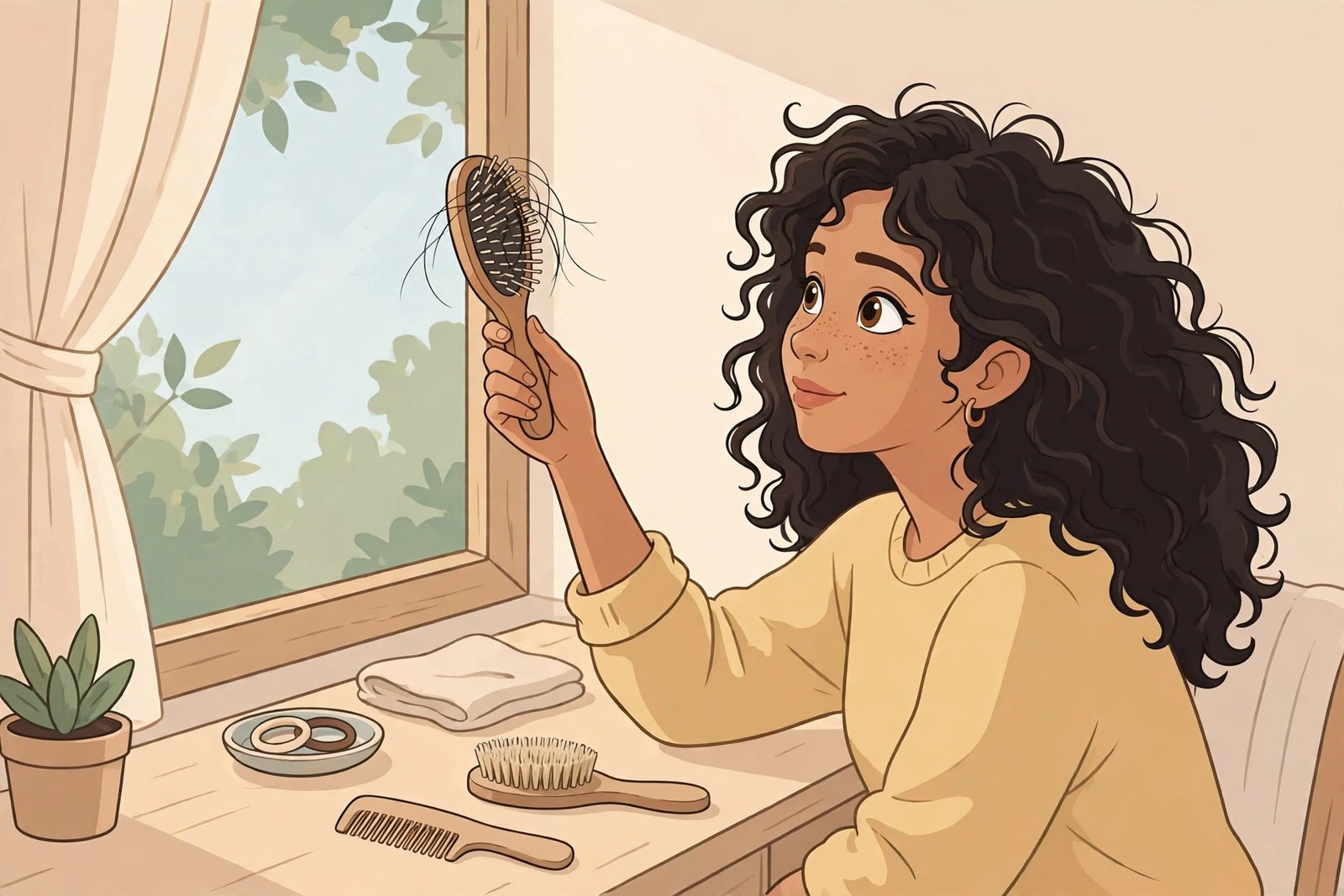
Let’s put numbers on the thing you’re counting in the shower. The NHS explains that losing hair is a normal part of the hair cycle, and that we can lose between 50 and 100 hairs a day, often without even noticing. Read that again, because it changes the picture. A brush holding forty hairs is not a crisis. It’s a Tuesday. Your head carries about a hundred thousand hairs, so a hundred a day is a tiny, planned turnover, the way skin renews itself without asking your permission.
Here’s why it can look worse than it is. Long hair looks like more hair. One long strand wrapped around a brush seems like five. Wash day also concentrates the evidence: hairs that loosened over two or three days come out together in the shower, so the drain collects a weekend’s worth of normal shedding in one frightening swirl. Curly hair does the same trick even more, since shed hairs stay trapped in the curls until washing frees them all at once. The pile is real. The emergency usually isn’t.
The hair cycle itself explains the rhythm. Each hair grows for a few years, rests, then sheds so a new one can take its place. At any moment, most of your hair is in the growing phase, and a small share is near the end of its shift. So when you ask is it normal to lose hair at 25, start by comparing your brush to that 50 to 100 range, not to a shampoo ad or to your memory of being sixteen. Memory is a shaky witness. Almost everyone remembers their teenage hair as thicker than any hair has ever been.
If counting helps you feel calmer, count roughly for a week: brush, shower, pillow, averaged out. Data is what turns is it normal to lose hair at 25 from a spiral into a question with an answer. Under or near that range, with a calm scalp and no patches, you’re most likely watching the ordinary cycle do its job. Above it, or with other signs, keep reading. The next sections sort the rest.
Shedding Versus Breakage: Know Which One You Have
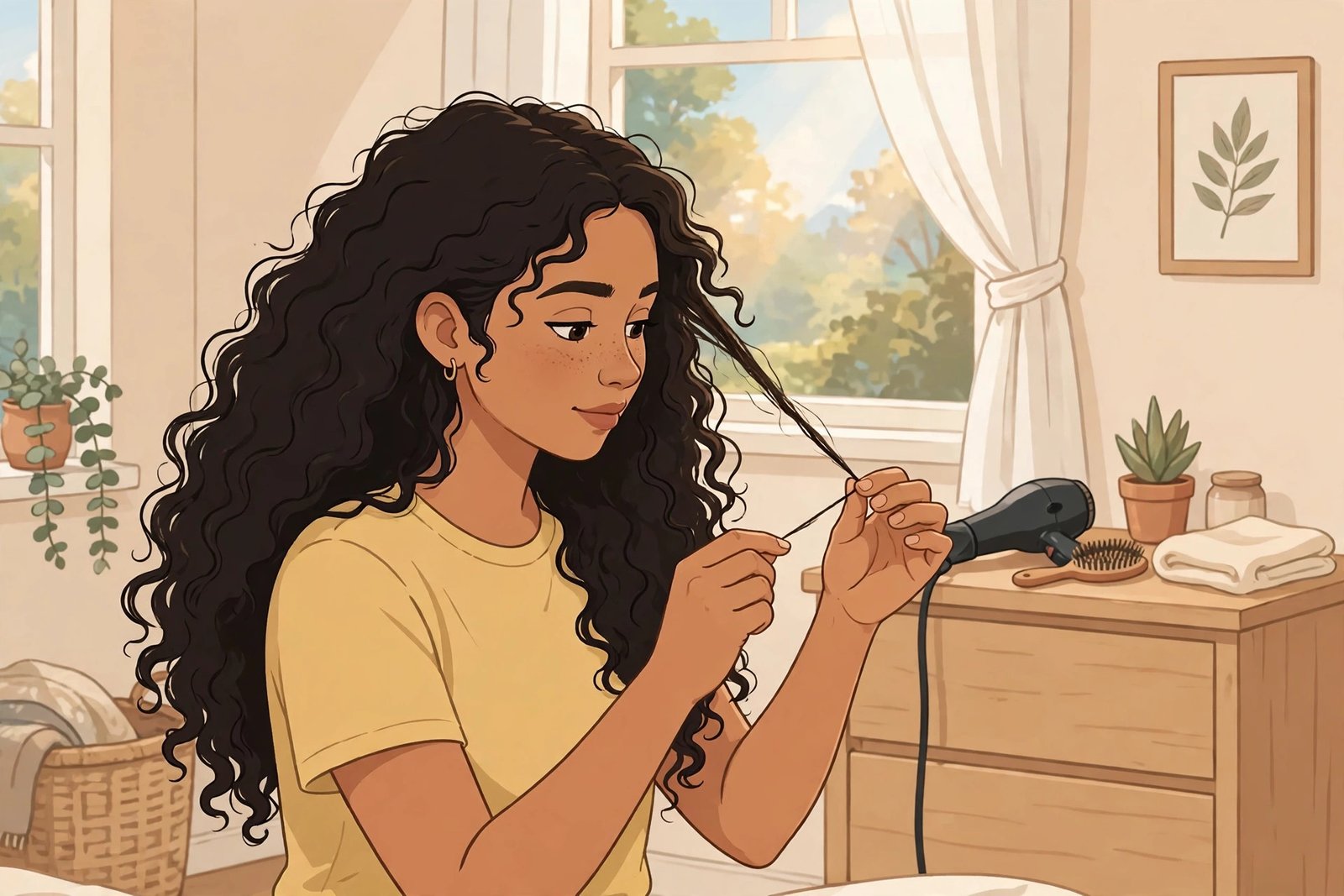
Before anything else, learn to tell two different problems apart, because they look alike in the brush and have almost nothing in common. Shedding is hair leaving from the root. A shed hair is full length, and it often has a tiny pale bulb at one end, the root it grew from. Shedding is the body releasing whole hairs on schedule, or ahead of schedule when a trigger pushes more of them into the shedding phase at once.
Breakage is different. A broken hair snaps somewhere along the length, weakened by heat, bleaching, tight styling, rough brushing, or dry fragile ends. Broken pieces are shorter, uneven, and have no bulb at the end. Breakage doesn’t come from your scalp or your health. It comes from what the lengths have been through, and it answers to gentler care, trims, and less heat, a different fix for a different problem.
This matters because is it normal to lose hair at 25 is a question about shedding, about hair leaving from the root. If most of what you collect is full length hairs with a tiny bulb, you’re dealing with shedding, and the rest of this article is your map. Look closely one morning, in good light, at a few hairs from your brush. It takes one minute and teaches you which problem you actually have.
And if most of what you lose has no root, and your ends look frayed, split, or straw like, your question isn’t really is it normal to lose hair at 25. It’s a hair care question about damaged lengths, and the answer lives in gentler handling, moisture, and the hairdryer settings, not in worry about your roots. Many women have a bit of both at once, some shedding, some breakage, which is why the one minute check is worth doing before any panic, or any shopping.
The Common Adult Triggers Nobody Warns You About
Most spikes behind the question is it normal to lose hair at 25 trace back to a short list of ordinary adult triggers. Naming them won’t diagnose you. It will give you a checklist to hold against your own last few months, which is exactly what a doctor will do first. Read it like a timeline, not a verdict.
A stressful season is the classic. Exams, a brutal work project, a breakup, grief, moving cities: heavy stress can push more hairs than usual into the shedding phase. A recent illness can do the same, especially anything with a fever, and so can the months after having a baby, when the full hair of pregnancy meets normal life again and sheds the extra all at once. Big, fast weight changes and crash diets can leave the body short on building materials, and nutrition gaps in general, too little food overall or a very restricted diet, are on the usual suspect list.
The NHS also lists plain iron deficiency among the common temporary causes, which is one more reason blood work, not guesswork, is the doctor’s job.
Tight hairstyles deserve their own line, because they’re the trigger hiding in plain sight. Slicked back buns, tight ponytails, braids that pull, extensions that weigh: worn day after day, constant pulling stresses the roots, especially around the hairline. It isn’t about one tight bun for a wedding. It’s about the same tension, in the same spots, for months. If your hairline feels sore after styling, your scalp is filing a complaint worth hearing.
One more pattern belongs on this list. Some women notice heavier shedding at certain times of year. Autumn gets blamed the most. The research talk around it is light, and it is not the main story here. But if your brush fills up every fall and calms down by winter, you may be seeing your own yearly rhythm. Plenty of women ask is it normal to lose hair at 25 every autumn, then forget the question by spring. A pattern that repeats and then settles is worth noting in your timeline. It is data. It also cuts the panic in half, because a rhythm is not a collapse. Write down the months when it rises and falls.
Next year, you will thank yourself for the notes.
Keep the list in proportion, though. These are general explanations for a general pattern, not labels to stick on yourself tonight. Plenty of women shed more for a while with no clear trigger at all, and the body quietly sorts it out. None of these make you broken. They’re the body’s bookkeeping, delayed and untidy, and they’re the reason is it normal to lose hair at 25 is so often answered yes.
What Stress, Illness, and Big Changes Do to Hair

The delay is the confusing part. Hair doesn’t shed the week life gets hard. The follicle gets its signal, finishes its cycle early, and the hair lets go roughly two to three months later. So you ask is it normal to lose hair at 25 in June about a stress that happened in March, and the two never get connected in your head. You stand in June’s shower thinking your body is falling apart now, when it’s actually reporting on spring.
This is why the doctor’s first question is always about the past, not the present. Sit with your own calendar for a minute. Two to four months before the shedding started, what happened? A fever that kept you in bed. The end of a relationship. A new job, a lost job, a move. The end of a pregnancy, or of a strict diet. You may find nothing, and that’s common too. But many women find the season sitting right there on the calendar, and the relief of seeing it is real.
The hopeful part is built into the mechanism. This kind of shedding is the body clearing a backlog, not closing down production. The follicles are still there, still working, and new growth follows on its own schedule once the trigger has passed. The frustrating part is the schedule: hair grows slowly, about a centimeter a month, so fullness returns gradually, over months, with shorter new hairs appearing along the part and hairline first. Baby hairs that annoy you in photos are, in this story, the good news arriving early.
Once the trigger passes, shedding usually calms down on its own, which is why is it normal to lose hair at 25 so often ends with “yes, and it settled.” Your job during the wait is mostly not to add new stress, physical or chemical, to a scalp that’s already working through a backlog. The next section covers that gentle holding pattern, and the one after it draws the clear line where waiting stops being the right plan.
Gentle Care While Your Hair Feels Fragile
Gentle care won’t change what your roots decide to do. Let’s keep that honest from the first line of this section. But while you wait out a shedding season, kind handling protects the hair you have, reduces the breakage that piles on top of shedding, and simply feels better than waging war on your own head every morning. Think of it as good nursing, not treatment.
Loosen the styles first. If tight buns and slick ponytails are your daily uniform, rotate in loose days, lower tension, softer ties. Your roots get a rest, and the sore scalp feeling fades. Wash as often as your scalp actually needs rather than on a fixed fear schedule: a clean, calm scalp is a healthy place for hair to grow, and skipping washes out of fear just collects more shed hairs for one dramatic shower. Brush gently, from the ends upward, and go easy with heat while lengths feel fragile. None of this costs money, which matters, because worry is a fantastic salesperson and your wallet doesn’t need to join this.
Our guide on how to take care of your hair on a small budget fits this season well, since its whole point is that good hair care is mostly habits, not hauls. Simple, gentle, regular beats expensive and frantic, especially now. While you wait for the cycle to calm, it’s also the kindest answer to the daily mirror question: treat the hair you have well, and let your body handle the roots.
Skip the harsh experiments in this season. Bleach over already fragile lengths, aggressive new treatments, a carousel of miracle products changed every two weeks: each one muddies the picture and can add breakage to shedding, leaving you unsure which problem you’re looking at. Boring and stable is a strategy here. When you’re asking is it normal to lose hair at 25, pulling less, heating less, and changing less is free help, and it keeps the evidence clean for you, and for a doctor if you ever need one.
The Signs That Mean a Doctor, Not a Shampoo

Here’s the line, drawn as clearly as an article can draw it. Is it normal to lose hair at 25 stops being a home question when the pattern changes shape. Sudden patches of loss, round bare spots, or a scalp you can suddenly see in one area are a book an appointment sign. Rapid loss that keeps accelerating month after month is another. So is anything happening on the scalp itself: pain, serious itching, scaling, redness, sores, or a rash that doesn’t settle. Shedding joined by feeling unwell in other ways, or loss that has you deeply distressed, also belongs in a doctor’s office. Not because it’s certainly serious.
Because it deserves real eyes, real questions, and, if needed, real tests like blood work, none of which a shelf of products can do.
What will a doctor actually do? Ask the timeline questions, examine your scalp, and sometimes order blood tests to check the general causes that hide underneath, things like iron levels. That’s information you cannot get from a mirror. The NHS adds one piece of advice worth framing: if you’re worried about hair loss, see your GP, and see your GP before turning to commercial hair clinics. Clinics sell. Doctors diagnose. Start with the one whose job is the truth, and bring your timeline and your photos.
Be skeptical of anyone who promises regrowth, on a label, in an ad, or across a glossy counter. No treatment works for everyone, and the NHS is plain that no treatment is one hundred percent effective. Anyone guaranteeing your hair back is guaranteeing something nobody can. A doctor will be honest about what can and can’t be done for your specific case, and that honesty, even when it’s not the answer you wanted, is worth more than a miracle in a bottle.
And notice this: bringing a doctor the question is it normal to lose hair at 25 is never an overreaction. It’s their daily bread. You are not wasting anyone’s time by asking early, and you are not being vain. You’re being thorough about a change in your body, which is exactly what adults are supposed to do. If the answer is “all normal, here’s why,” you’ll sleep better. If something needs care, you started sooner. Both outcomes beat another month of drain counting.
Living With It While You Wait for Answers
The hardest part of a shedding season isn’t the hair. It’s the wait, and the mirror, and the way a bad hair morning can quietly tax a whole day. Let’s talk about that part honestly, because pretending the feelings are silly doesn’t make them smaller. Hair is tied up with how feminine, how young, how like yourself you feel. Losing more than usual at 25 can stir up grief that surprises you with its size. That grief is proportionate. You’re not dramatic. You’re a person watching a piece of her identity change without her permission.
The mirror math gets cruel in this season. You start comparing: to last year’s photos, to your friend’s ponytail, to strangers on the train. Our piece on how to stop comparing yourself to other women speaks to exactly that spiral, and its advice holds here too. Compare to evidence instead: your timeline, your rough counts, the new short growth along your part. Facts are kinder company than other women’s hair.
Practical kindness helps while you wait. A slightly different part can soften how thin a spot looks. A trim can make lengths look fuller and healthier in one visit. If a hat, a scarf, or a style makes you feel more like yourself on hard days, wear it without treating it as defeat. These aren’t lies. They’re how people dress through every kind of body season, and you’re allowed the same grace you’d give a friend, which brings us to the last point.
Photos help more than memory here too. Take one clear photo of your part and hairline each month. Same light. Same angle. Same time of day. Hair changes too slowly for daily checks to mean anything. But a monthly record shows a trend with no drama. Is the part stable? Is new growth showing at the edges? That record answers is it normal to lose hair at 25 with your own proof, not with your worst morning. It also makes a doctor visit ten times more useful if you ever book one. You will walk in with a timeline instead of a feeling. Doctors love timelines. Feelings they can only guess at.
Support is normal, and asking for it is strength, not fuss. Tell a friend it’s getting to you. If the distress is heavy or constant, say that out loud to your doctor too, because the emotional side is part of the picture and they can point you toward support. On the hard days, come back to what the facts say about is it normal to lose hair at 25. It’s common. It’s usually temporary. It has clear warning signs that you’d act on, and you’re watching for them. And it is not, on any day, a measure of your worth, your beauty, or how well you’re doing at being 25.
Frequently Asked Questions
How many hairs a day is actually normal to lose?
Health services put ordinary daily loss at roughly 50 to 100 hairs a day, and most of us never notice most of them. Wash days make it look bigger, because loose hairs from several days come out together, and long or curly hair makes every strand look like three. Count roughly over a week if numbers calm you. A steady count near that range, with a calm scalp and no patches, is the ordinary cycle doing its rounds.
How long does shedding after stress or illness usually last?
When women ask is it normal to lose hair at 25 after a rough season, the timeline usually goes like this. Shedding rises about two to three months after the trigger, runs for a few months, then eases as the cycle resets. New growth follows slowly, since hair grows about a centimeter a month, so fullness returns gradually. If shedding keeps climbing past six months, or new signs appear, that’s your cue to trade waiting for a doctor’s opinion.
Can tight hairstyles really make hair fall out?
Yes, constant tension can. One tight style for one evening is not the issue. The issue is the same pulling, in the same places, day after day for months: slick buns, tight ponytails, heavy extensions, braids that ache. The hairline and temples usually complain first, sometimes with soreness or little bumps. Looser styles, softer ties, and rest days for your roots are the simple fix, and catching it early matters, because early tension loss can settle once the pulling stops.
Should I buy a hair growth product or supplement?
Be careful, and be skeptical of promises. No product works for everyone, and honest health guidance is plain that no treatment is one hundred percent effective. Supplements only make sense if you actually lack something, which is a blood test question, not a guess. Before spending real money, spend one appointment: a doctor can check the common hidden causes and tell you honestly what, if anything, is worth trying in your case. That’s cheaper than a year of hopeful bottles.
When should I stop searching and just book the doctor?
Book it if you see patches or bare spots, if the loss is rapid or still climbing after a few months, if your scalp hurts, scales, or stays red, or if you’re shedding alongside feeling unwell. Also book it for the simplest reason of all: worry that won’t quiet down. If you’re still asking is it normal to lose hair at 25 with a knot in your stomach, that knot is reason enough. An answer from a person beats a hundred searches.