
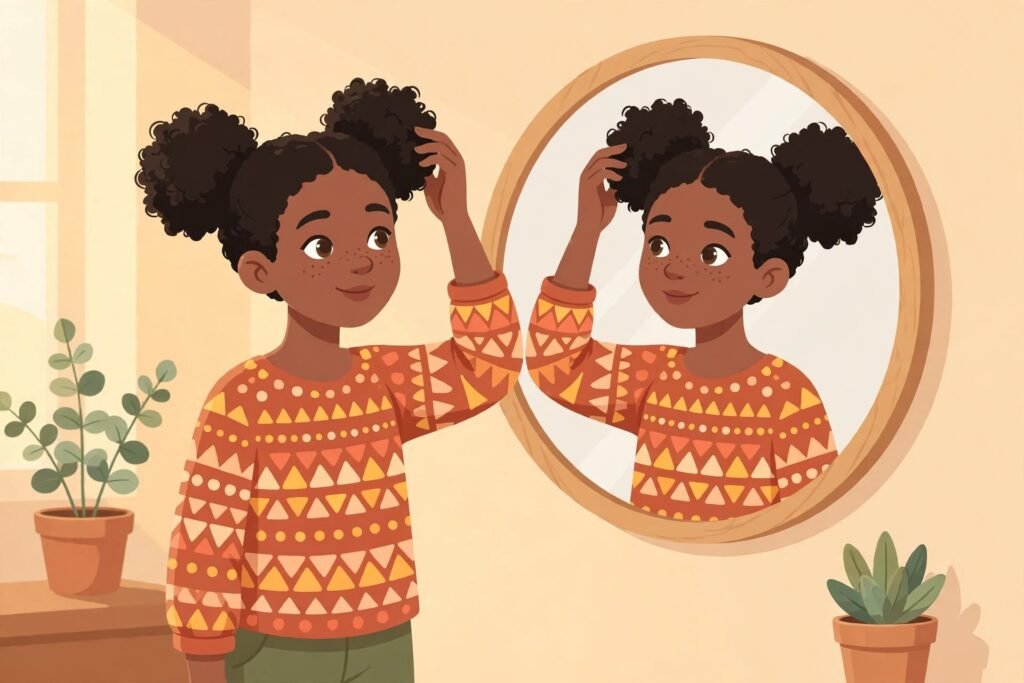
Think back to before the app. You got dressed, glanced in the mirror, and went to live your day. Your face was just your face. Not great, not awful, just yours. Then you joined TikTok. And slowly, mirror checks got longer. Selfies took forty tries. Group photos started to feel like a threat. Now the thought shows up daily, plain and heavy: i don’t like my appearance since i joined tiktok.
Notice what that sentence is really saying. It’s not “I want to look like her.” It’s not “scrolling made me sad tonight.” It’s quieter and closer than both. Your own face, the one you’ve had your whole life, started to feel wrong to you. Girls whisper i don’t like my appearance since i joined tiktok like it’s a shameful confession. It’s not. It’s one of the most common side effects of that app, and it has very little to do with your actual face.
Here is the good news buried in that sentence: if a mirror got bent, it can be unbent. Your face didn’t change this year. The way you look at it did. That means the fix is not a new face, new skin, or a new nose. The fix is repairing the mirror. If you’re thinking i don’t like my appearance since i joined tiktok, this guide will show you how the bend happened, and how girls straighten it back out, one honest step at a time.
Watch the morning routine, because that’s where it shows. You wake up fine. Then you scroll while you brush your teeth, three perfect faces before the toothpaste is out. By the time you reach your own mirror, the grading has already started, and your real face walks into a contest it never entered. Girls describe it the same way, over and over: i don’t like my appearance since i joined tiktok, and mornings are when it bites hardest. The day didn’t change. The order did. Faces first, then your face, judged last and judged worst. Keep that order in mind. It becomes a tool later in this page.
The Short Answer
Your face did not get worse. Your mirror got rigged. TikTok shows you hundreds of faces a day, filtered, angled, lit, and picked from dozens of takes, and your brain quietly starts grading your real, unedited face against them. Of course your face “loses.” It’s the only honest one in the contest. When a girl says i don’t like my appearance since i joined tiktok, the dislike is almost always about the feed, not the face. The way back is clear: learn how the trick works, check your real face in real life, clean up your feed, and retrain how you talk to yourself.
And if the dislike ever gets so heavy that it runs your days, that’s the moment to tell an adult and get real support. Start with the truth: i don’t like my appearance since i joined tiktok is a sentence about an app, not a verdict on your face.
One more promise before the how to starts. Nothing in this guide will ask you to lie to yourself. No fake chanting in the mirror. No “just love yourself” poster talk. This is repair work, honest and step by step, the kind that holds on bad days too. If your eye got trained by an app, then training, real training, is the respectful answer. Let’s get to it.
Your Face Did Not Change: The Mirror in Your Phone Did
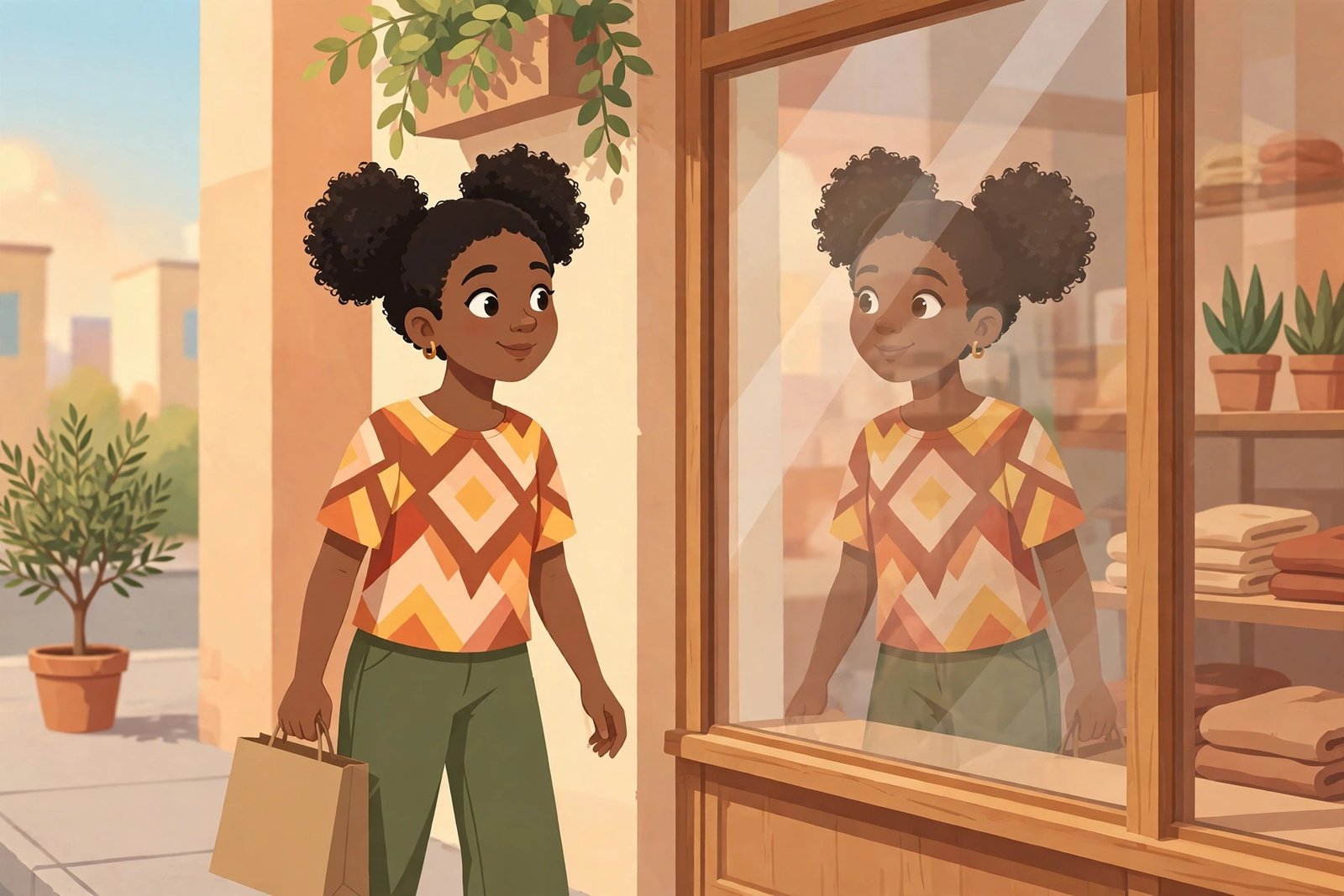
Let’s lay out the timeline, because the timeline is the proof. A year ago, you could pass a shop window, catch your reflection, and feel fine. Now the same reflection gets graded, feature by feature, like a test you keep failing. Did your face really fall apart in one year? Faces don’t work like that. Faces change slowly, over years, in small ways. What changed fast was your training. You trained your eyes on TikTok.
Think of it like this. If you spent months listening only to concert pianists, your own piano playing would start to sound clumsy to you, even if it never changed. Your ear moved. Your hands didn’t. TikTok moved your eye the same way. It raised your “normal” to a level that real faces, including the faces in the videos before filters, never actually reach. Wanting to copy a creator’s whole look is a different trap, and how to stop wanting to look like girls on tiktok covers that one. Your trap is sneakier. You’re not chasing their faces. You’re losing your own.
So the first repair step is just naming this correctly. Not “my face got worse.” But “my eye got trained.” Girls who keep saying i don’t like my appearance since i joined tiktok as if it’s a fact about their skin stay stuck. Girls who hear it as a fact about an app start to get free. Words steer feelings. Choose the true sentence.
Here’s a quick experiment that proves the timeline point. Find a photo of yourself from before the app, one you used to like. Look at it now. Odds are you judge it harder today than you did back then, spotting “flaws” you never saw. The photo didn’t change. Your face in it didn’t change. Your eye did, in less than a year, just from daily scrolling. That’s not vanity. That’s training, visible in one photo. And it’s why so many girls land on the same sentence, i don’t like my appearance since i joined tiktok, even about pictures from their happiest days. The past looks worse because the ruler got bent.
How Filters and Angles Bend What You See
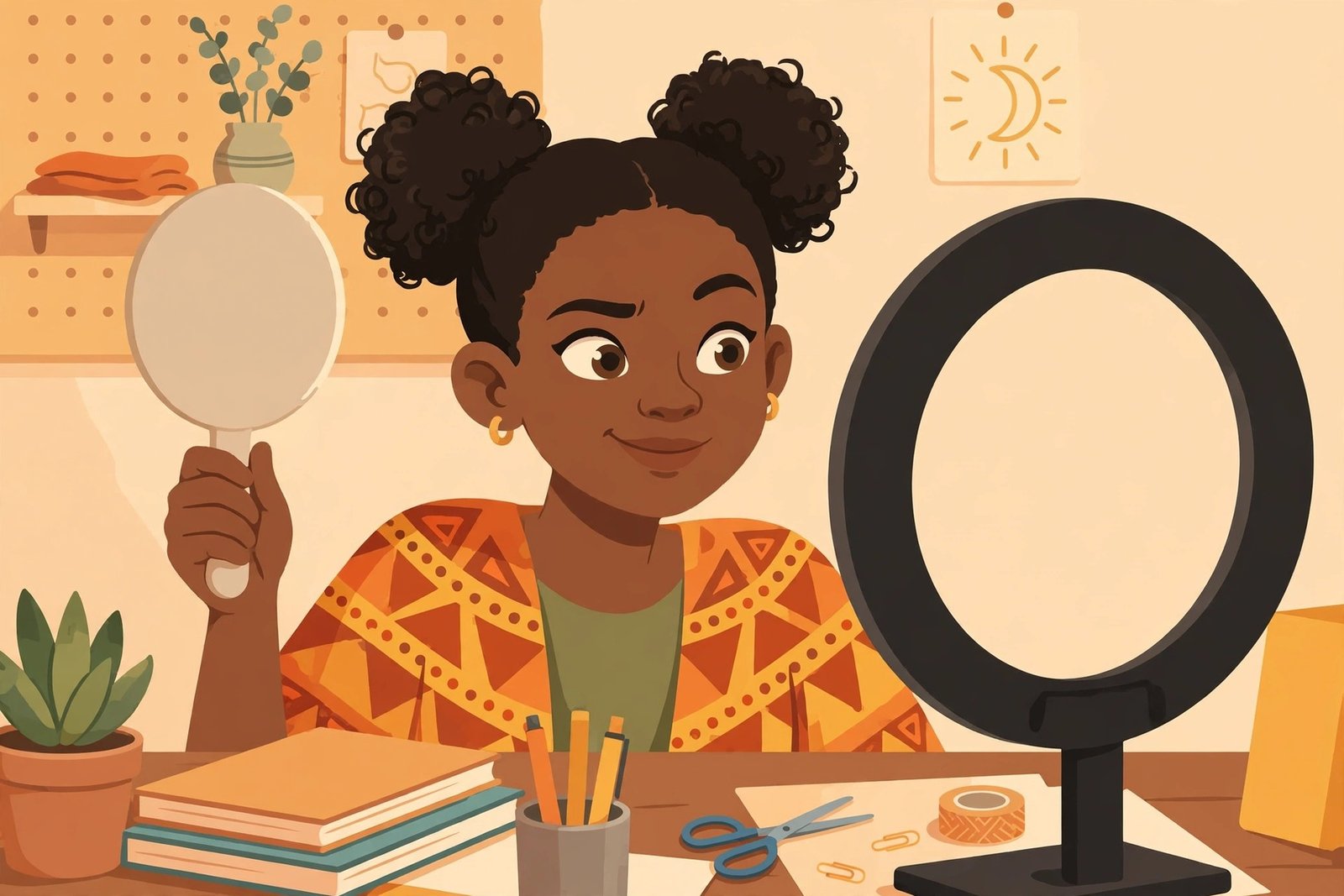
Now let’s open the machine and look at the gears. A beauty filter is not a light touch. It can slim a jaw, lift eyes, smooth skin to glass, shrink a nose, and plump lips, all in real time, all invisibly. Many girls in videos you envy don’t look like their videos in person. Nobody does. The filter is a mask that never comes off on camera, so you never learn it’s there. You’re comparing your bathroom mirror to a digital costume.
Angles bend things too. A camera held high and close shrinks a forehead and widens eyes. A front camera adds slight distortion that changes a face’s true shape, which is why your selfies can look “off” compared to your mirror. That off feeling is the lens, not you. Add ring lights that erase every shadow, skin smoothing turned on by default in some apps, and the best three seconds chosen from thirty takes. The face you end up grading yourself against is a stack of tricks wearing a girl’s name.
And here’s the part girls rarely hear: the creators know. Many of them pick apart their own unfiltered faces too, in their own mirrors, at night. The app bends everyone’s mirror, even the ones holding the phone. So when the thought i don’t like my appearance since i joined tiktok lands, answer it with the gear list: filter, angle, light, best take. Four tricks, zero facts about your real face. You were never losing a fair contest. There was no fair contest.
There’s also a quiet money fact under all of this. The app earns more when you stay, and you stay longer when you feel a small itch that one more video might scratch. Faces that make you compare keep you scrolling: a bit of envy, a bit of hope, a product link waiting nearby. Your low feeling is not an accident of the design. It’s closer to the design’s fuel. Knowing that doesn’t fix the feeling by itself, but it moves the blame to the right address. When the thought i don’t like my appearance since i joined tiktok shows up, remember who profits from you believing it. It was never going to be you.
And one more mirror got bent that nobody talks about: other people’s phones. A friend posts a group photo taken on a front camera, from below, under the worst light in the building. You zoom in on your face and suffer. But that’s the worst camera, the worst angle, and the worst light, all at once, chosen by pure chance. Judging your face by that shot is like judging your singing by a recording made in a tunnel. When a girl sighs i don’t like my appearance since i joined tiktok over a blurry group photo, she’s grading a tunnel recording. The voice is fine. The tunnel is the problem.
And the tunnel loves it when i don’t like my appearance since i joined tiktok becomes her final verdict.
The Compare Trap: Why Your Brain Believes the Feed
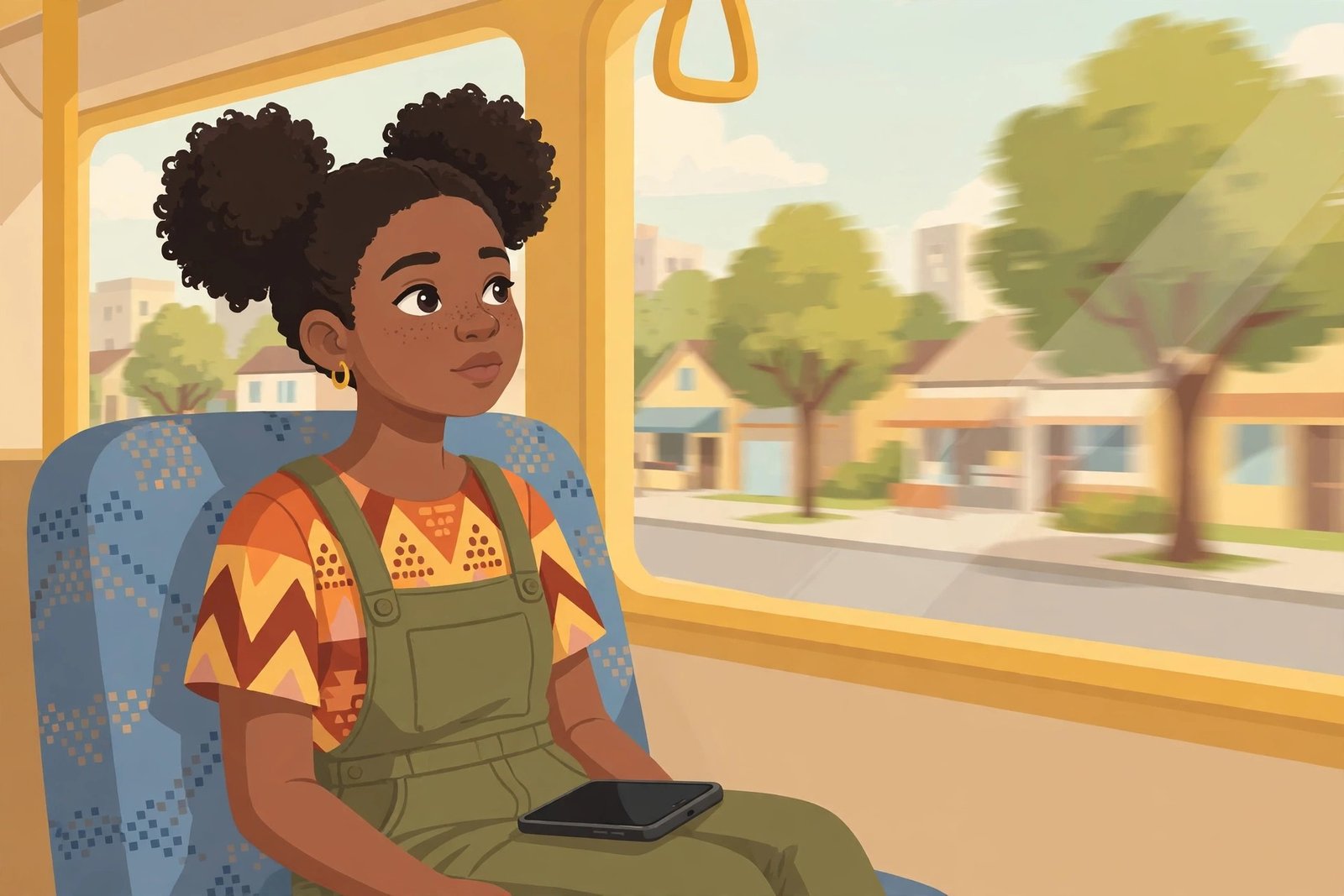
Knowing the tricks helps, but the trap has a second layer: your brain believes the feed anyway. Why? Because your brain judges by whatever it sees most. See one face type all day, the smooth, filtered, same shaped face, and your brain files it as “normal.” Your own real face, with pores and a nose that has an actual size, then reads as “wrong” by comparison. It’s a counting error. Your brain counted a rigged sample.
It gets worse on bad days. The Child Mind Institute’s guide on social media and self doubt explains that teens read their feeds through the lens of their own mood: if you’re already feeling low, every polished photo lands as proof you’re behind. Low mood plus a beauty feed is a nasty mix. The photos don’t change. Your lens darkens, and every image turns into evidence.
That’s why the feeling can hit even when you’re “just watching for fun.” Your guard is down. The counting happens quietly, scroll after scroll, day after day. A girl doesn’t decide “i don’t like my appearance since i joined tiktok” in one moment. She absorbs it in a thousand small ones. Which is also hopeful news: what was trained in slowly can be trained out the same way, scroll by scroll, choice by choice. And if the low mood came first and the scrolling just feeds it, why do i feel sad after scrolling tiktok digs into that side of the loop.
For most girls who say i don’t like my appearance since i joined tiktok, both doors are open: the feed bent the mirror, and the bent mirror darkens the mood, round and round. We’re going to break the loop at its weakest point: what you feed your eyes.
One more brain habit stacks the deck: your brain remembers the peak and forgets the plain. You scroll past two hundred faces and keep the five most striking. Then you compare your everyday face to that top five highlight pack and call it “everyone.” It was never everyone. It was five winners of a contest you didn’t know you were judging, chosen by an app that sorts for extremes. Real streets, real schools, real buses are full of real faces, and yours fits right into them. The feed is the only place on earth where it doesn’t. Hold that fact close. It gets truer every time you look up from the screen.
Reality Checks: Your Real Face in Real Life

Time to gather honest data. Your real face lives most of its life in motion, in warm light, mid laugh, mid sentence. That’s the face your friends know and love. The frozen front camera shot is the least true version of you that exists. So let’s collect better evidence, the kind a fair judge would use.
Check one: the normal mirror test. Stand at arm’s length from a regular mirror, in daylight, like you would to talk to a friend. No leaning in. No zoom face. Look at the whole face, not one pore at a time. This is how every human on earth actually sees you. Stay a full minute. The panic usually drops when you stop inspecting and start just seeing.
Check two: the life photo test. Look at candid photos of you at birthdays, games, trips, laughing with people. Not posed selfies. Candids catch the real, moving you, and most girls are startled by how fine, how alive, they look in them. That girl in the photo is the same one you’re grading so hard. Check three: the friend test. Ask yourself if you’d ever judge your best friend’s face the way you judge yours. You wouldn’t. You’d see her. Give yourself the same eyes.
Do these checks on a calm day and write down what you honestly see. On the hard days, when i don’t like my appearance since i joined tiktok gets loud, read your own notes back. Feelings shout. Facts wait quietly on paper. Building this little file of real evidence is how you stop letting a bent mirror be the only witness in the room.
Add one more check, the voice note test, because it’s sneaky and strong. Record yourself telling a story, then listen. Notice how nobody, hearing that voice and that laugh, would grade your nose. People fall for faces in motion, with voices and jokes attached. That whole package is the real you, the one friends adore. A still selfie is a book judged by one frozen letter. When i don’t like my appearance since i joined tiktok gets loud, go listen to your own laugh on that recording. That’s the girl the world actually knows. She’s doing fine.
Curate Your Feed Like It Is Your Room
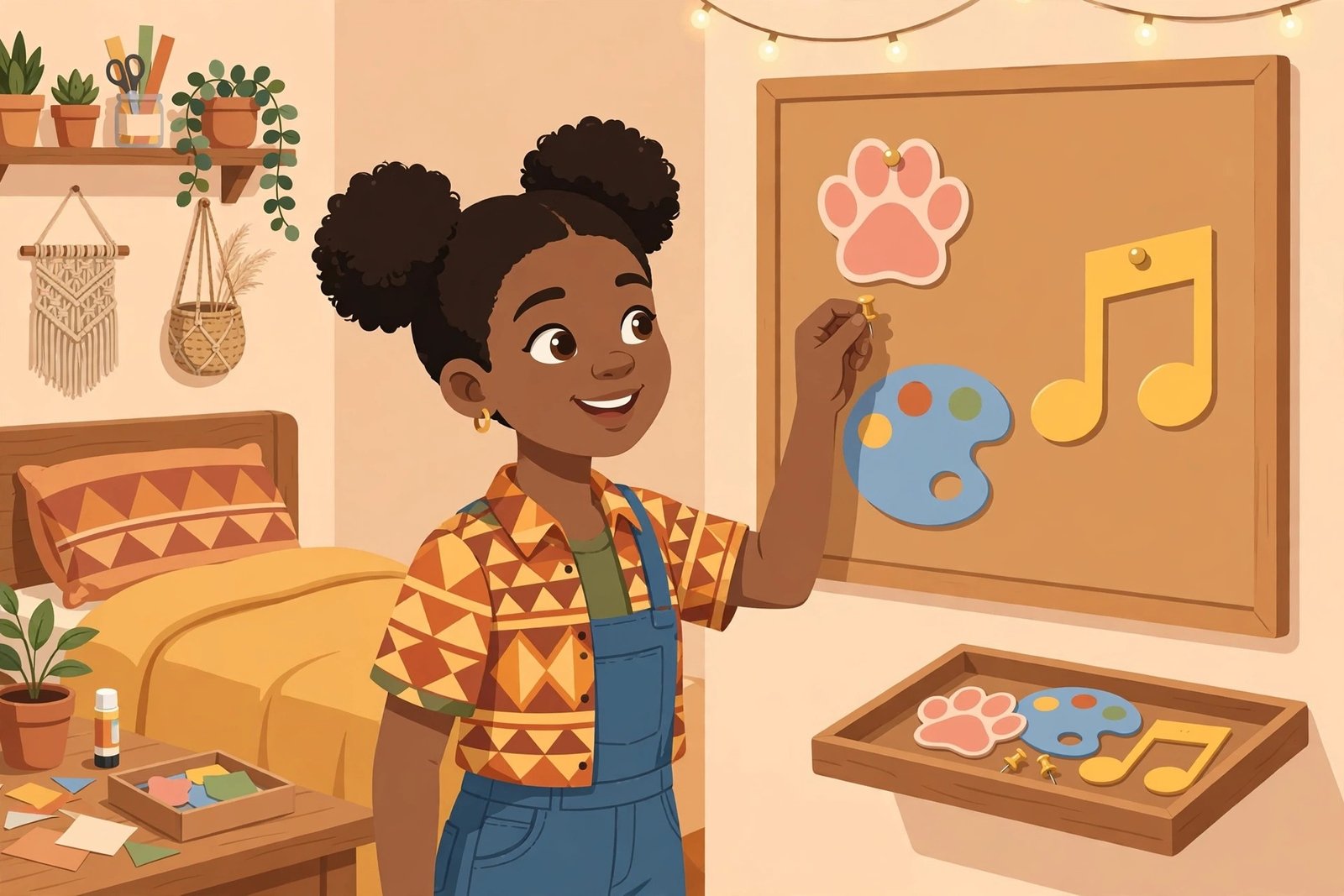
You would not let someone plaster your bedroom walls with posters that make you cry. Your feed is a room you live in for hours a day. Decorate it like you mean it. This is not about quitting the app in a dramatic storm. It’s about taking control of what trains your eyes.
Start with the mute and unfollow pass. Every account that leaves you touching your face, zooming your skin, or hating your hair has to go, or at least go silent. You don’t owe any creator your self worth. Hit “not interested” on beauty content that stings. The app learns fast. Within a week, your feed will start to shift, because you taught it to.
Then plant better seeds on purpose. Follow girls with real skin, real noses, bodies like bodies. Follow humor, animals, art, dance, sports, science, whatever makes you feel awake instead of graded. Mix in creators who post unfiltered faces and talk about normal things. Your brain counts what it sees most. Feed it a fair sample, and “normal” starts to look human again.
Add one small habit: a scroll curfew before the mirror moments. Don’t scroll beauty content right before school photos, parties, or dates, when your confidence has a job to do. Guard the doorway moments. Girls who curate hard often say the sentence i don’t like my appearance since i joined tiktok starts to fade within weeks, not because their faces improved, but because their walls did. Your feed is your room. You live there. Make it kind.
Expect a small grief in the first days of muting, and don’t let it scare you off. Those accounts felt like friends, or like goals. Losing them can feel flat for a week. Fill the space on purpose: a series to watch, a group chat that’s actually kind, music for the bus. Flat is not failure. Flat is your brain detoxing from a hit it used to get every scroll. On the other side of that flat week, girls often notice the sentence i don’t like my appearance since i joined tiktok showing up less, like a song they used to hear everywhere. Quiet is progress. Let it be quiet.
Rebuild How You Talk to Your Own Face
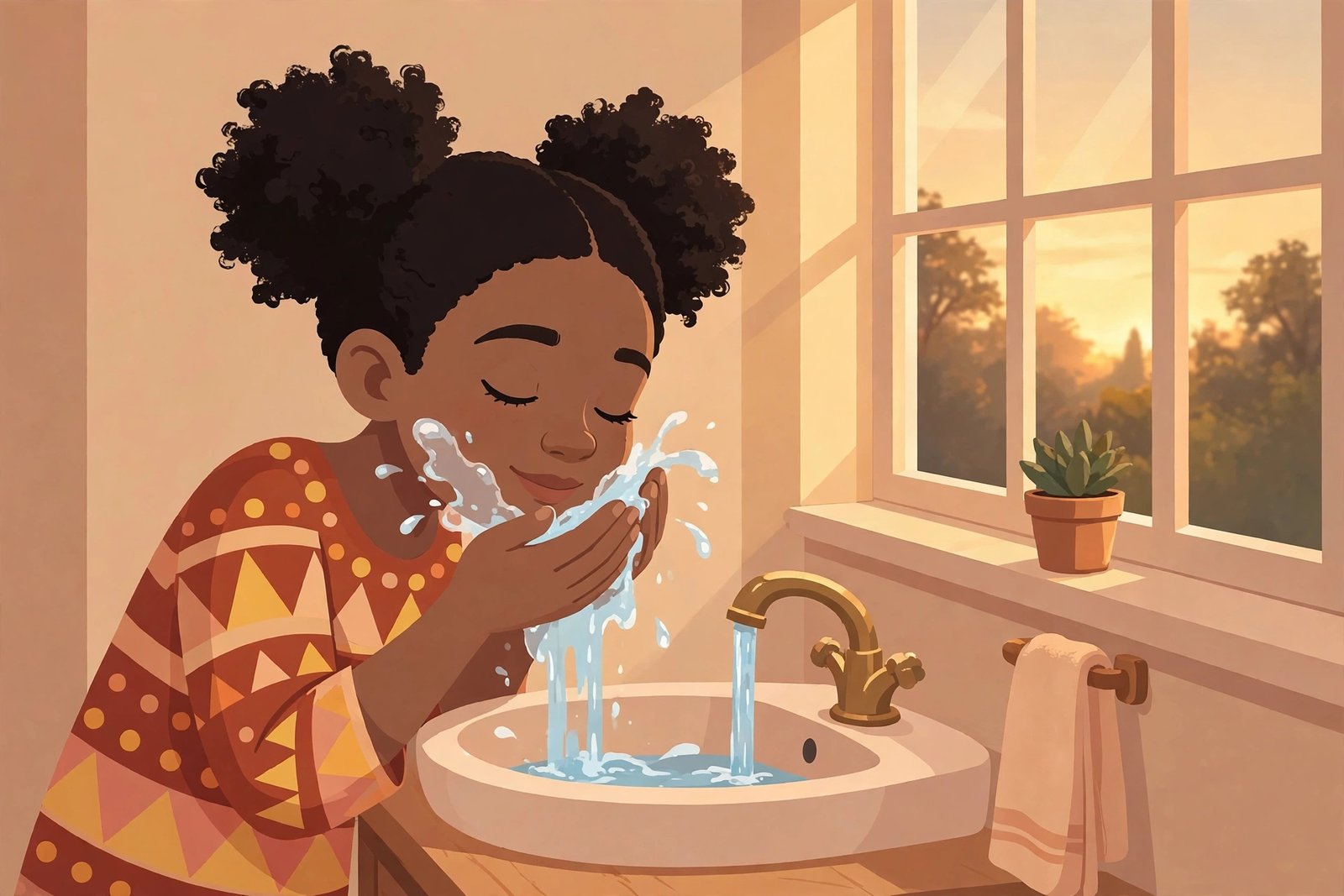
The feed is the outside wall. This section is the inside voice, because for many girls the harshest filter is the one in their head. Listen to how you greet your own reflection. If a friend talked to you that way, you’d drop her. Yet the inner voice gets a free pass, all day, in words you’d never say out loud to anyone. That voice was trained. It can be retrained.
Start by going neutral, not fake positive. You don’t have to chant “I’m gorgeous” and believe a lie. Neutral is honest and much easier: “That’s my face. It works. It smiles. It’s mine.” Neutral lines don’t start an argument in your head, so they stick. Use them every time you catch a cruel one. Every single time. You’re building a new reflex, and reflexes grow by reps, not by one big speech.
Then, shrink the inspection habit. Set a simple rule: mirror time is for tasks. Hair, teeth, done. No ten minute audits, no skin checks under the bright light at midnight. The audit doesn’t protect you. It trains the flaw hunt. Replace one audit a day with one kind act for your face instead: wash it gently, moisturize, smile at it once like a friend. Silly? A little. It works anyway.
Last, talk about your face less like a project and more like a place you live. Projects get graded. Homes get kept. When the old sentence rises, i don’t like my appearance since i joined tiktok, answer it out loud with the truer one: “My eye got trained. I’m retraining it.” Saying it out loud matters. Your brain believes the voice it hears most, and for a while now, that voice has been the app. Take the mic back.
One habit ties this whole section together: catch the sentence early. The thought i don’t like my appearance since i joined tiktok usually arrives as a whisper while you’re scrolling, dressing, or fixing your hair. That’s the moment to answer it, out loud if you can: “Rigged mirror. Real face. Moving on.” Short, factual, a bit bored, like you’re correcting a weather report. Boredom is the goal, by the way. A face should be boring news in your day, background, like your own hands. Nobody grades their hands each morning. The day your face gets that ordinary again, you’ve won.
When the Dislike Gets Heavy: Tell an Adult

Most girls bend back toward okay with the steps above. But sometimes the dislike gets heavy, and heavy is a signal to bring in a person, not another tip. Watch for these signs. You start avoiding mirrors completely, or you can’t stop checking them. You skip photos, parties, or school days because of your face. You cry about your appearance most days. Thoughts about food, weight, or fixing your face get loud and bossy, and they won’t quiet down. If that list sounds like your life right now, this stopped being a feed problem. It became a health one, and health problems deserve real help.
Tell a trusted adult: a parent, a school counsellor, a coach, an aunt. Use plain words: “Since I’ve been on TikTok, I can’t stand how I look, and it’s getting worse, not better.” You don’t need a prettier sentence than that. Adults can loop in real support, and there are counsellors who work on exactly this, body image, every week. If talking at home feels too hard to start, Kids Help Phone listens day and night at 1-800-668-6868, or by text at 686868 with the word CONNECT. It’s free, private, and made for talks like this.
Hear this clearly: needing help with this does not mean you’re vain or weak. It means an app trained your brain hard, and brains sometimes need a hand untraining. Strong girls ask. If a girl you loved sat where you’re sitting, thinking i don’t like my appearance since i joined tiktok every hour of the day, you’d want her to tell someone. Give yourself the same love you’d give her. Your face was never the problem. And with the mirror fixed and support beside you, one day soon it will just be your face again: familiar, yours, and fine.
Frequently Asked Questions
Did TikTok really change how my face looks to me?
Yes, in a real and sneaky way. Your face stayed the same, but your eyes got retrained by hundreds of filtered, angled faces every day. Your brain judges by what it sees most, so real skin and real noses started reading as flaws. That’s a counting error, not a fact about you. If you catch yourself thinking i don’t like my appearance since i joined tiktok, hear it as proof your training changed, not proof your face did. Training can be redone.
How long does it take to like my face again?
For most girls, weeks, not days, once the feed changes. The first win comes fast: muting the accounts that sting usually softens the mirror within a week or two. The deeper calm builds over a month of better inputs and kinder self talk. Be patient with the process. You spent months training your eye the wrong way. Give it at least a few honest weeks of training it back before you judge the results.
Should I just delete TikTok completely?
You can, and for some girls a break works wonders. But deletion isn’t the only door. Many girls keep the app and fix the feed: mute the sting, follow real faces and fun topics, and keep beauty content out of the hours before school and events. Try the curfew and curation first for two weeks. If the dislike stays loud anyway, take a full break and see how your mirror feels. Let results, not guilt, make the call.
My friends all use filters. Should I stop too?
Filters for fun, a dog nose with your little cousin, are harmless. The line is the everyday beauty filter, the one you can’t post without, the one that makes your real face look wrong after. If you need it on to feel okay, it’s not a toy anymore, it’s a crutch that keeps the wound open. Try posting one honest photo to close friends. The sky won’t fall. Your people know your real face, and they already like it.
What if I still hate my face even after fixing my feed?
Then take it seriously and get support, the way this page’s last section explains. If the dislike survives a cleaner feed, rules your days, or drags food, weight, or mood down with it, talk to a trusted adult or a counsellor soon. You deserve more than tips at that point. A girl can think i don’t like my appearance since i joined tiktok and still get her reflection back, with help, time, and a fair mirror. Asking for that help is the bravest step on this whole page.