

The message says: send more, or pay, or everyone sees. Maybe there’s a photo attached, proof that he really has it. Maybe it’s a stranger from an app. Maybe it’s a boy you trusted. Your hands shake. Your heart slams. Your brain screams one thing: my life is over. It is not over. If someone is threatening to share my private photos, there is a name for what is happening, and there is a plan for what to do next. Read it slowly. Then do it step by step.
The name is sextortion. It is blackmail with intimate images, and it is a crime. Not a drama. Not a mistake you made. A crime he is choosing to commit, against you. Police have a word for him too: offender. And a word for you: victim. Victims get help, protection, and belief. That’s you.
This page is your plan, in order. It was built for the exact moment you’re in. So if you’re thinking someone is threatening to share my private photos and I can’t breathe, start at the top and work down. You do not have to fix this alone, and you do not have to fix it in the next ten minutes. You just have to take the first right step, then the next one. Girls get through this. With support, they get through it faster and safer. If the sentence someone is threatening to share my private photos is running your whole day right now, let’s take your day back, one move at a time.
A quick word on who does this, because it helps to know your enemy. Sometimes it’s a stranger who friended you fast and turned sweet talk into threats in days. Sometimes it’s organized: adults running the same script on many girls at once, from far away, like a job. Sometimes it’s a boy from your own world. The script is the same in every case: rush you, shame you, isolate you, cash in. When someone is threatening to share my private photos, I am not facing one clever person. I am facing a known pattern, and known patterns have known counters. This page is those counters.
The Short Answer

Stop. This is not your fault, whatever you sent before, whatever you trusted. The only guilty person here is the one making threats. If someone is threatening to share my private photos, do these five things. One: do not pay, and do not send anything else, ever. Giving in almost never ends it. It makes the demands grow. Two: keep the proof before you block. Screenshot the messages, his profile, and his usernames. Three: report the account on the app, then block him. Four: report it for real, to the CyberTipline and to the police. Five: tell a trusted adult today. Not next week. Today. Shame is his only real weapon, and it dies the moment you bring in help.
There are free services built for this exact crime, like Take It Down, which helps remove images of minors, and Kids Help Phone at 1-800-668-6868. If someone is threatening to share my private photos, you are not the one in trouble. He is. Act like it, with adults beside you.
First, Breathe: This Is Not Your Fault

Let’s get the blame placed right, because everything else stands on it. Maybe you sent a photo once, to someone you liked. Maybe you were pressured into it. Maybe the image was taken or saved without you even knowing. None of that makes threats your fault. Sending a photo in trust is not a crime against yourself. Threatening to spread it is a crime against you. Those are two completely different things, and the guilt belongs on only one side of that line.
Blackmailers work hard to flip that guilt onto you. They say: you did this, you broke the rules, your parents will be so ashamed, no one will believe you. Every line is a tool. Shame makes you silent. Silence makes you easy to control. When someone is threatening to share my private photos, his whole plan needs you too scared and too ashamed to tell. The moment you tell, his plan starts to collapse.
Here is what adults actually know: this pattern is everywhere now. Police units, school counsellors, and helplines see it every single week. Girls your age. Boys too. Smart, careful kids, tricked or pressured by people who do this as a routine. You will not be the first person to walk in with this story, and you will not shock anyone with it. So when someone is threatening to share my private photos, hear this in the clearest words on this page: you are a victim of a crime, and victims deserve help, not blame. Hold that thought. It will carry you through every step below.
Run the “whatever” list, because girls blame themselves in slices. Even if you sent it smiling. Even if you sent it twice. Even if you lied about your age on the app. Even if you broke a house rule that night. None of it transfers the guilt. A person who finds a wallet and keeps it is a thief, even if the wallet was dropped carelessly. A person who threatens you is a criminal, even if you once trusted him. When someone is threatening to share my private photos, I don’t grade my past choices. I protect my present self. That is the only job that matters now.
Never Pay and Never Send More: Why Giving In Backfires

His message will push for speed. Pay now. Send more now. You have one hour. That rush is fake, and it’s a trick. He wants you to act while you’re panicking, before you’ve told anyone, before you’ve thought. Panic is his best worker. Slow is your best defense. Nothing real is decided in the next ten minutes, whatever he claims.
Now the hard rule, with no wiggle room: do not pay, and do not send one more thing. Not money. Not gift cards. Not more photos. Not a video “to prove you’ll cooperate.” Here is why, and it matters: giving in almost never ends the threats. Think about it from his side. The moment you pay, he learns the lever works. A working lever gets pulled again. Girls who pay usually face a second demand, then a third, each one higher. Sending more images hands him more material and more power. Obeying feels like buying safety. It actually buys more danger.
The same goes for begging, bargaining, and long talks. Don’t negotiate prices. Don’t explain your life, your family, your fears. Every fact you share becomes a new handle he can grab: your school name, your parents’ jobs, your friends’ accounts. Go quiet instead. Silence feels weak, but it starves him. If someone is threatening to share my private photos, the messages I send back should be none at all, once I’ve saved the proof. And if you already paid or sent something before reading this, don’t sink. That was fear talking, and it’s common. Just stop now. The rule starts from this minute.
When someone is threatening to share my private photos, stopping today still protects you far more than one more payment ever will.
Two traps to skip while you refuse. First, don’t delete your accounts in a panic. It feels like escaping, but it burns your proof, your reports, and your friend list, while he keeps everything he saved. Second, don’t answer him from a new account “just to talk.” Any fresh contact restarts his clock and his hope. And about his famous deadline: deadlines pass every day, in case after case, with nothing posted, because posting ends his income. Don’t test that by waiting in silence, though. If someone is threatening to share my private photos, I use the deadline hours to save proof, report, and tell, so his clock runs out on a girl who is already protected.
Save the Proof Before You Block
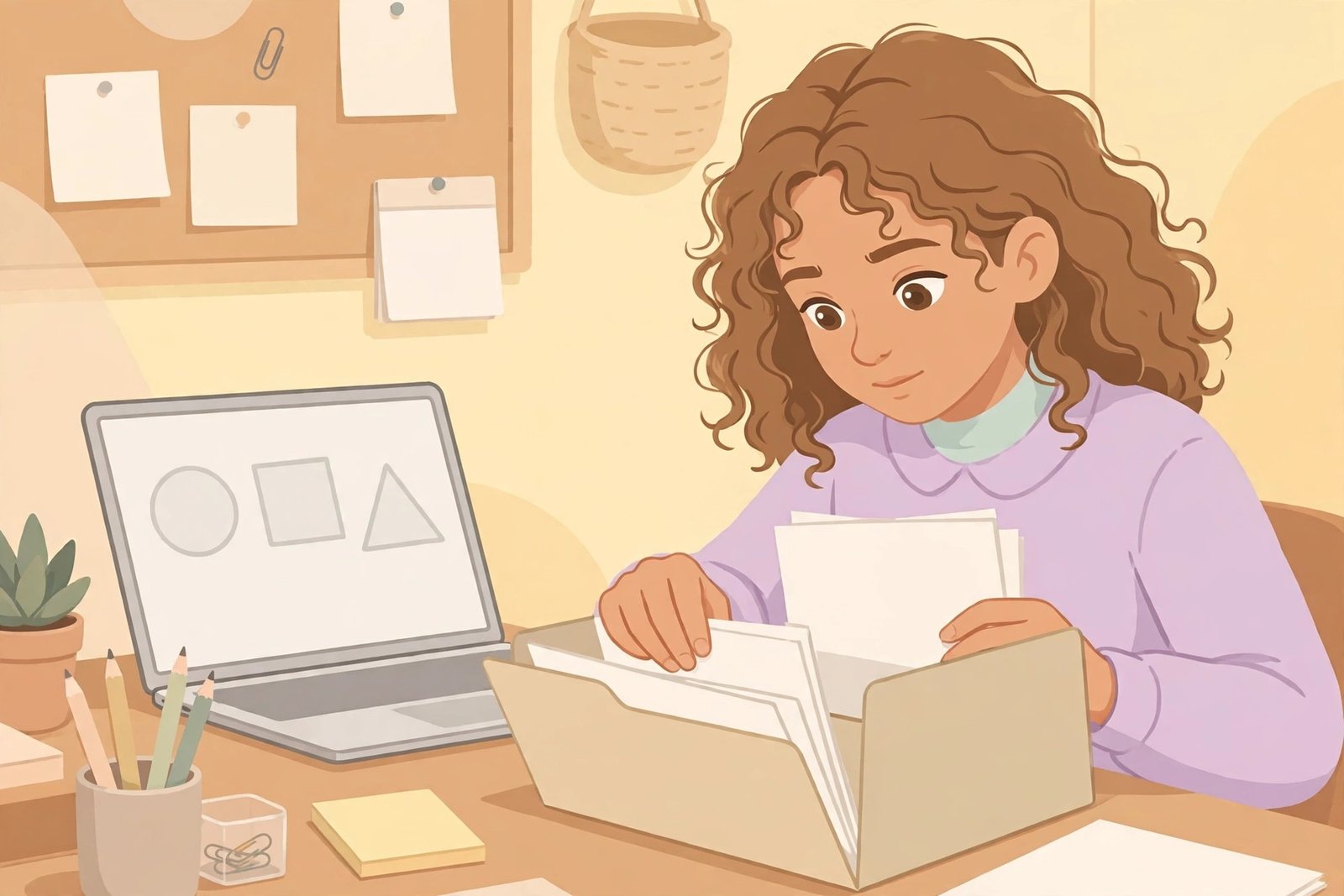
Your first real job, before blocking, before deleting anything: save the proof. This takes five calm minutes and it powers everything after. Screenshots are how platforms ban him, how police build a case, and how removal services act. Panic wants you to erase the whole chat and make it vanish. Don’t. That chat is evidence, and evidence is power on your side.
Here is exactly what to capture. Screenshot his messages, especially every threat, in order. Screenshot his profile page: the photo, the name, the username, the handle, any links in his bio. Screenshot any payment asks, account names, or phone numbers he used. If you can, note the dates and times. Save the pictures of the proof in a folder, and send a copy to a friend or an email you control, so it lives in two places. If his messages vanish by design on the app, use another phone to photograph the screen, or write down his exact words and username right away.
Do not delete the chat, and do not delete the original photo from your own phone yet, even if you hate looking at it. Removal tools may need it later, and we’ll explain that step soon. Do not warn him that you’re reporting him. Just go quiet, save everything, then move to the next step. If someone is threatening to share my private photos, my screenshots are my shield. They prove the threats happened, they prove who sent them, and they keep working for me long after I’ve blocked him and closed the app.
One more capture trick, so your proof is court strong: take a screen recording too. Scroll slowly through the chat from the top, with his username visible at the top of the screen. Show the dates. Then screenshot the key threats again, still and clear. Save the files in two places, like a cloud folder and a trusted friend’s phone. Write down his profile link and any other accounts he used, in a plain note, with the times things happened. Ten minutes of this care now saves hours of “I think he said” later. Proof is boring to make and priceless to own.
Report Everywhere: Platform, CyberTipline, and Police
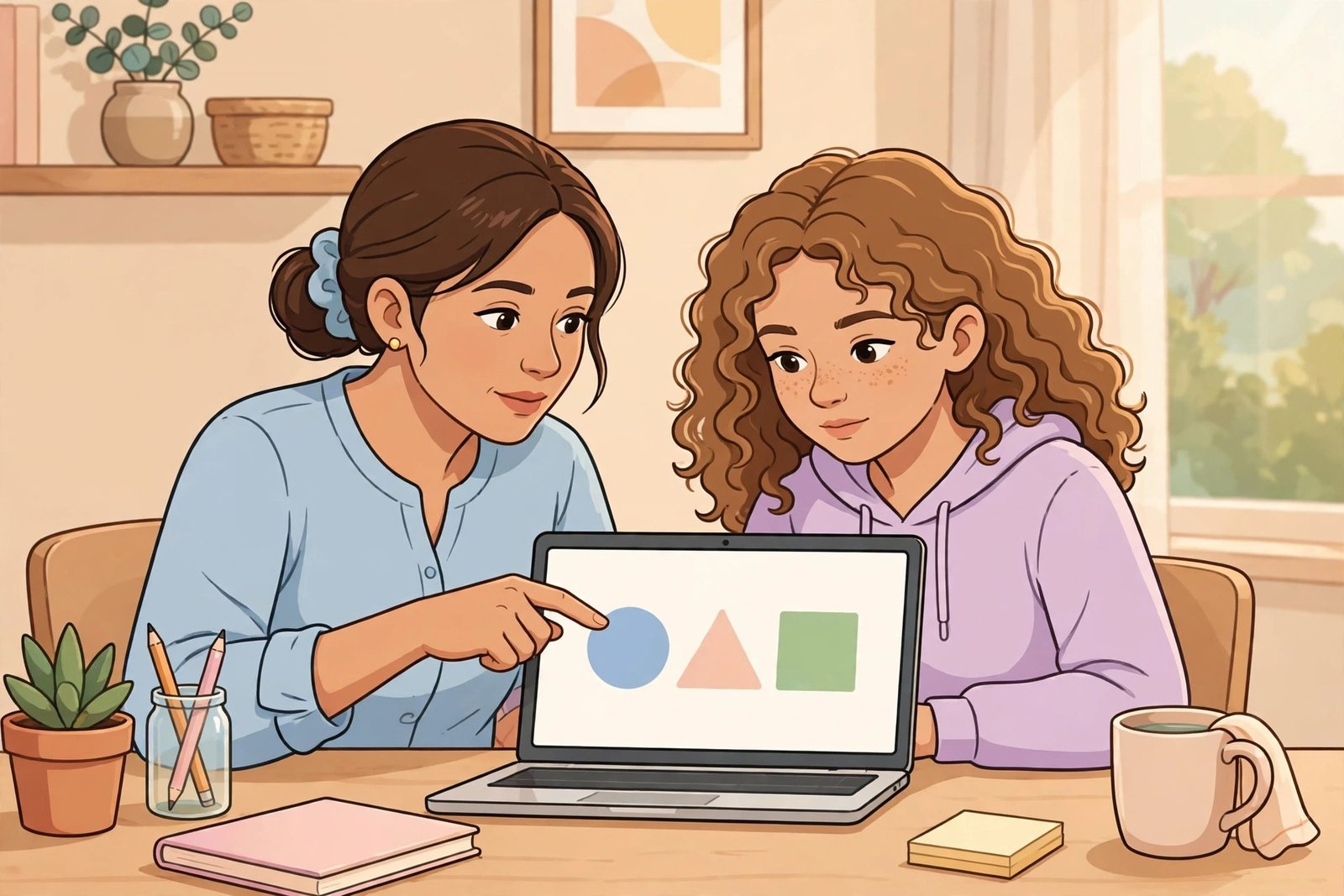
With proof saved, reporting starts. Report in three places. Each one does a different job, and together they close in on him from three sides.
First, the platform. Every big app has a report path for threats and intimate images. Use it, and pick the options about threats, blackmail, or sexual content involving a minor if they appear. Then block the account, so his messages stop landing on your screen and your nerves. If he pops back up on a new account, don’t answer. Screenshot it, report it, block it. Same drill, every time.
Second, the CyberTipline, run by the National Center for Missing and Exploited Children. You can file a report online at report.cybertip.org. It takes a few minutes. This is the main reporting line in the United States for exactly this crime, and reports there reach people whose whole job is cases like yours. If you’re in Canada, Cybertip.ca takes the same kind of report. If someone is threatening to share my private photos, a CyberTipline report puts my case on the desks of specialists, not just an app’s auto system.
Third, the police. Yes, really. Sextortion is a crime, and reporting it is not an overreaction. You can go with your trusted adult to your local police, or call the non emergency line and ask how to report. Bring your screenshots. You are not confessing to anything. You are reporting a person who is threatening you, and police see this pattern so often now that many have officers who handle only these cases. If someone is threatening to share my private photos, the police report also protects the next girl he tries this on. Your report is a shield for her too.
Set your hopes right for the days after you report, so slow moments don’t scare you. Platforms sometimes answer in hours, sometimes in days. Police may take your statement, ask for your screenshots, and then work quietly for a while. Quiet does not mean nothing is happening. It means your case joined a system that has handled thousands like it. Keep your copies of everything, answer follow ups when they come, and let the machine grind. If someone is threatening to share my private photos, my reports keep working even on the days I hear nothing back. That is how this system is built.
Tell a Trusted Adult Today

This step feels like the hardest one, and it’s the one that changes everything. Pick a trusted adult and tell them today. A parent. An aunt. A school counsellor. A coach. An older sibling who’s grown. Pick the one who stays calmest under stress. If the first adult reacts badly, tell a second one. You deserve support, and one bad reaction doesn’t get the final word.
How to start? Keep it short and plain, like this: “I need help with something serious. Someone online is threatening me. It’s not my fault, and I need an adult with me.” You don’t have to tell the whole story in the first breath. You can show them this page. You can show them the screenshots. Let the proof talk while you catch your breath. Many girls find that once the first sentence is out, the rest gets easier, because the secret is already broken.
Why is this step so central? Because shame is the blackmailer’s whole weapon. He is counting on your silence the way a thief counts on a dark street. Adults turn the lights on. They can call the police with you, talk to the school, deal with platforms, and sit beside you on the hard days. And here is the truth again: adults and police know this pattern well. You will not be the first. You will be believed. If telling face to face feels impossible right now, call Kids Help Phone at 1-800-668-6868, or text CONNECT to 686868, and practice the words with a counsellor first.
And if you need help finding the words for that first talk, how can i talk to an adult about an intimate question has gentle openers that work. When someone is threatening to share my private photos, telling an adult is not snitching and not surrender. It’s reinforcements arriving. No girl should fight a blackmailer alone, and with this step, you won’t.
Maybe your fear is specific: my parents will lose it. They’ll take my phone forever. They’ll never trust me again. Sit with the real math. Parents can be shocked for an evening. A blackmailer stays dangerous for months. Almost every parent, once the facts land, aims their anger at the right target: the person threatening their child. And if home truly feels unsafe for this talk, start with a counsellor or another trusted adult first, and let them help you plan the home talk. If someone is threatening to share my private photos, I don’t have to pick the perfect adult. I just have to pick one, today, and start.
Getting Images Removed, or Stopping Them From Spreading
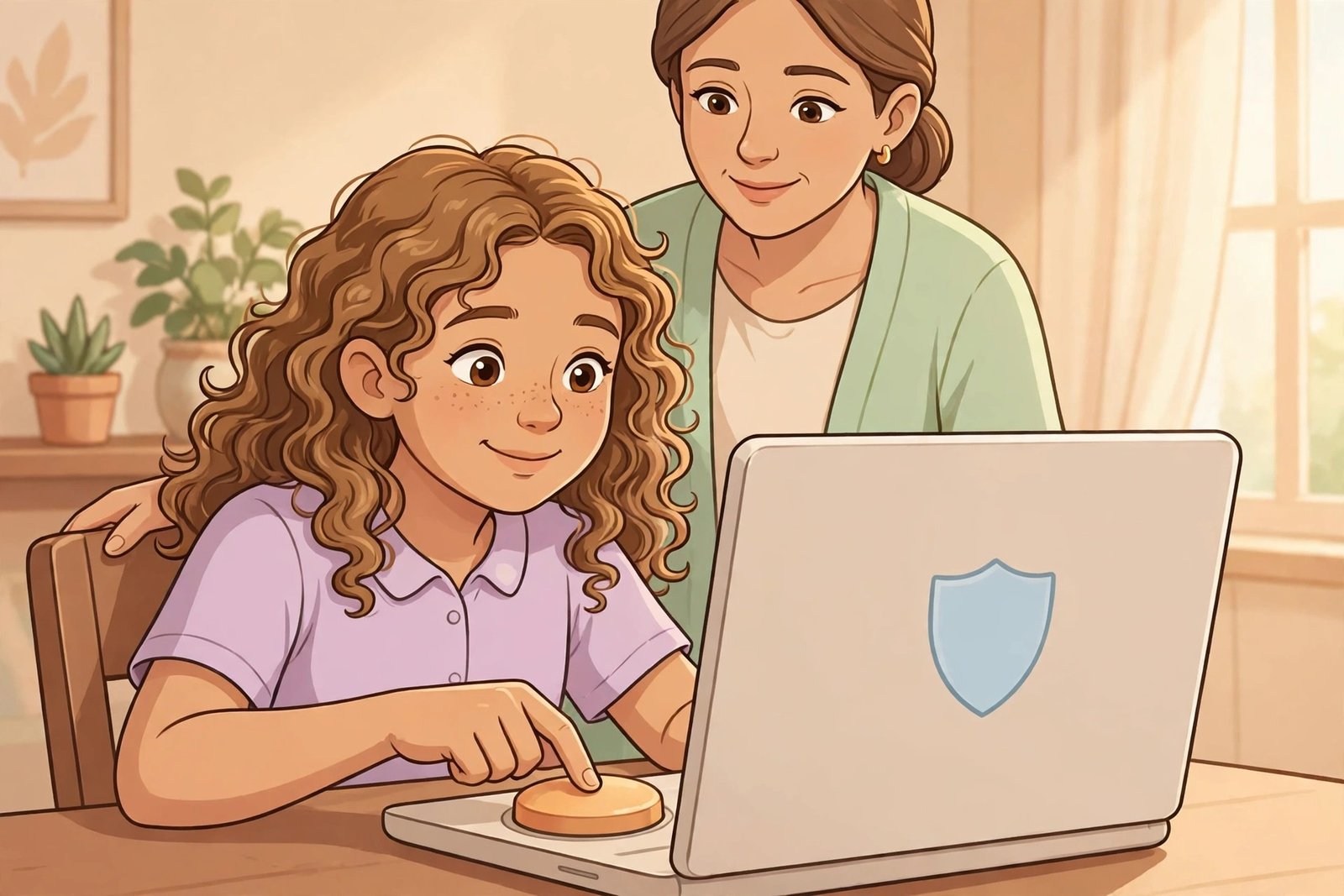
Maybe his scariest line is this: the photo is already out there, or it will be tonight. Take a breath. Even here, you have real tools, and they were built for minors, for free.
The main one is called Take It Down. It’s a free service run by the National Center for Missing and Exploited Children, at takeitdown.ncmec.org. Here is how it works, and it’s clever: the service makes a digital fingerprint of the image, right from your phone, without the image itself ever being uploaded or seen by anyone. Big platforms use that fingerprint to find copies and remove them, and to block the image from being posted again. You stay anonymous. You don’t send your photo to a stranger. That’s why keeping the original file on your phone, for now, matters. Start there, with your adult beside you if you can.
Also report the image inside every app where it appears. Platforms must act on reports of intimate images of minors, and they do, every day. Send them the post link, not the image itself. If a private conversation or screenshot of yours was already passed around, what to do if someone shares a screenshot of your private conversation gives the first moves for that exact mess.
One honest note, so no one can shake you with it later: no tool can promise that every copy everywhere vanishes. The internet is wide. But most sharing happens on big platforms, and those are exactly where these tools hit hardest. Every removal shrinks the spread. And most people who repost do it lazily, once, and move on. It does not follow you forever the way fear says it will. If someone is threatening to share my private photos, removal tools plus reports plus police are a real wall, not a hope. Use all of them.
Two quick clarifications that stop common mix ups. Take It Down is for images taken while you were under 18, which is your case. There is a sister tool, StopNCII, but that one is for adults, so don’t let a search result steer you there. And if you’re in Canada, NeedHelpNow.ca also helps young people get images removed and plan next steps. Different doors, same hallway: all of them exist because this crime is common and because kids deserve removal help that is free, private, and kind.
Getting Through the Next Days: Fear, Shame, and Support

The steps protect your accounts and your case. This last section is about protecting you. The days after threats start can feel awful: jumpy at every buzz, sick at school, crying at night for no clear reason. That’s not weakness. That’s a normal body and brain reacting to being threatened. It passes, especially with support around you.
Keep your world steady where you can. Sleep. Eat real food. Go to school, or tell your adult if school feels impossible right now, and let them help you plan. Stay close to the friend or two who know and are kind. Put the phone in another room for stretches of the day. You are allowed to not watch this unfold minute by minute. Let the adults and the reports do their work in the background.
Watch the shame, because it will try to come back wearing new clothes: everyone will know, my life is ruined, I did this. Answer it with the facts from this page. A crime was committed against you. People are handling it. Lives are not ruined by a blackmailer whom police, platforms, and your own family are shutting down. If the fear or sadness gets very heavy, or you ever feel like hurting yourself, call or text 988 right away, or call Kids Help Phone at 1-800-668-6868. Those lines are free, private, and staffed by people who take this pain seriously, day and night. If someone is threatening to share my private photos, my job is not to be fearless.
My job is to not be alone. Tell, report, save, block. And then let people who care about you help carry the rest. You will get through this, and one day this will be a hard chapter you survived, not the story of who you are.
About school, since that’s where your fear lives most: if whispers start, you don’t owe anyone an explanation tour. A flat “I’m not talking about that” and a walk away is a complete answer. Real friends close ranks fast, and you’ll learn who they are within a week. Teachers and counsellors can shut down hallway talk when they know, which is one more reason they should know. When someone is threatening to share my private photos, my story feels giant to me. To everyone else, it’s one hard week in a long school year, and then the year moves on, with me still in it.
Frequently Asked Questions
Should I just pay him so he goes away?
No. Paying feels like buying peace, but it almost always buys more demands. The moment money moves, he knows the threat works on you, and working threats get used again. The second demand usually comes fast, and higher. The same is true for sending more images. Each thing you hand over gives him more power, not less. The fastest real exit is the boring one: save the proof, report, block, and tell an adult. It ends his income and his access at the same time.
What if I never sent any photo, but he says he has one?
He may be bluffing. Some blackmailers claim they have images they don’t have, or they build fake ones from normal photos of your face. The steps stay the same either way. Do not send proof, money, or new images to “check.” Save his messages, report the account, block it, and tell an adult. If someone is threatening to share my private photos, even a fake claim is a crime, and adults and police will treat it seriously. You don’t have to solve whether he’s lying. That’s their job.
Will I get in trouble for the photo I sent before?
You are the victim here, and help lines, police, and counsellors treat you that way. Their focus is the person making threats, because threatening is the crime. Adults know teens get tricked and pressured, and they know this pattern well. Fear of getting in trouble is the exact lever he pulls to keep you quiet. Don’t let it work. Tell anyway. Being honest with a trusted adult protects you far more than silence ever will.
What if the person threatening me is someone I know?
It changes nothing about the plan, and you’re not betraying him by reporting. He chose threats. A classmate, an ex, or a friend of a friend gets the same response as a stranger: save the proof, report on the platform, tell an adult, and let the school and police handle their side. People who know you count on your loyalty and your shame to keep you quiet. Loyalty never covers blackmail. The moment he threatened you, he stepped out of the role of friend.
What if a photo already got shared at my school?
Then act today, with an adult. Report every post in the app, and send the links to Take It Down and the CyberTipline. Tell the school counsellor, who can act on sharing among students. Save proof of each share. And hold on to this: people get through this. Images fade from feeds and memory faster than fear predicts, and support matters more than blame. If someone is threatening to share my private photos, or already has, help is real, it is free, and it starts with telling an adult today.