
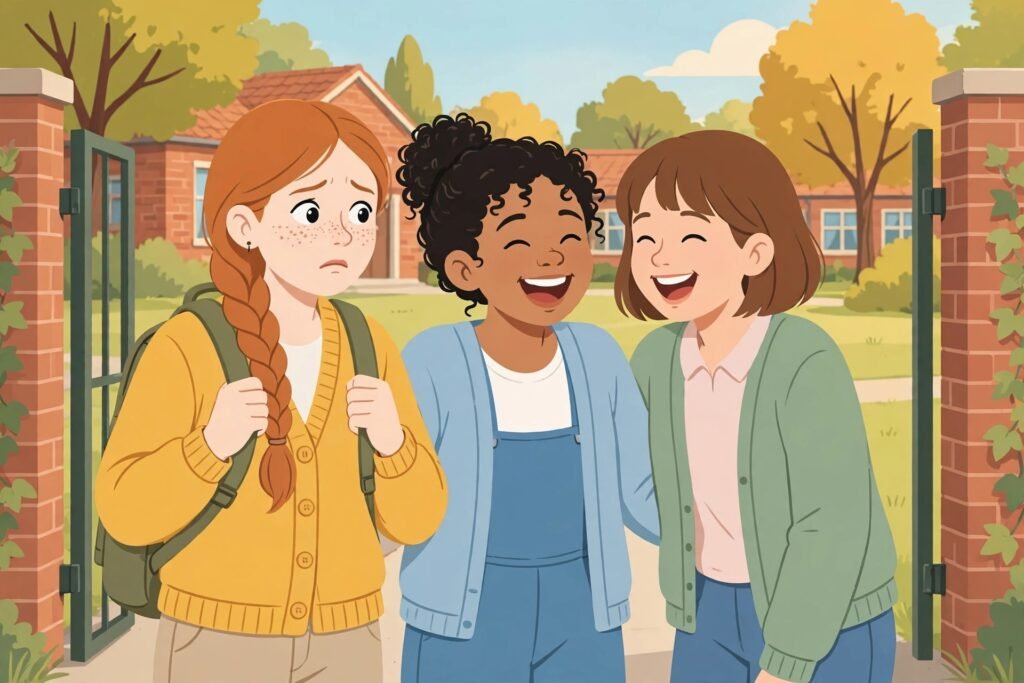
The news rarely arrives in a big dramatic way. It comes at dinner, between two bites. A parent gets a new job across town. The family needs a bigger place, or a cheaper one. And just like that, you hear the words: next term, you’ll go to a different school. You nod. You say okay. Then you go to your room, close the door, and your stomach drops.
Because the building isn’t what scares you. You aren’t lying awake thinking about new hallways or a new cafeteria. You’re thinking about your people. The friend who saves you a seat. The group chat that never sleeps. The girls who know your whole history, every crush, every bad day, every inside joke since you were ten. That night, one sentence loops in your head: I’m afraid of changing schools and losing my friends. You say it in the shower. You say it at 1 a.m. You don’t say it out loud, because it sounds too big.
Hear this first: you aren’t dramatic, and you aren’t weak. When a girl thinks I’m afraid of changing schools and losing my friends, she isn’t scared of a school. She’s scared of losing her daily life as she knows it. Friends at your age aren’t a bonus. They’re the ground you stand on. Of course the ground shaking feels terrifying.
This guide stays with you before the move, not after it. We’ll look at why this fear feels so huge, why real friendships survive far more than you think, and how to tell your friends in a way that pulls them closer. We’ll build small, steady habits that keep your friendships alive across two schools. And yes, we’ll get you ready for the new place too, gently, without pretending it’s easy. If you’re afraid of changing schools and losing my friends is your midnight sentence, stay here. There’s a lot you can do, and most of it starts now, while you’re still together.
The Short Answer

Here’s the honest short version. Changing schools doesn’t end real friendships. It tests them, yes. It changes their shape, yes. But the friends who matter find a new rhythm, and it’s usually built from small things: messages, calls, plans, honesty. Distance ends weak friendships. It rarely ends strong ones.
So if you keep thinking I’m afraid of changing schools and losing my friends, the answer isn’t to cling, panic, or quietly pull away before it hurts. The answer is to talk early, keep small habits alive, and prepare your heart step by step. Your friends can’t read your mind. Say the true sentence out loud: I’m afraid of changing schools and losing my friends. Once it’s said, most friends will meet you halfway. The fear is real. The ending you’re imagining isn’t written yet. You still get to shape what happens next.
Why Losing Your Friends Feels Like Losing Everything
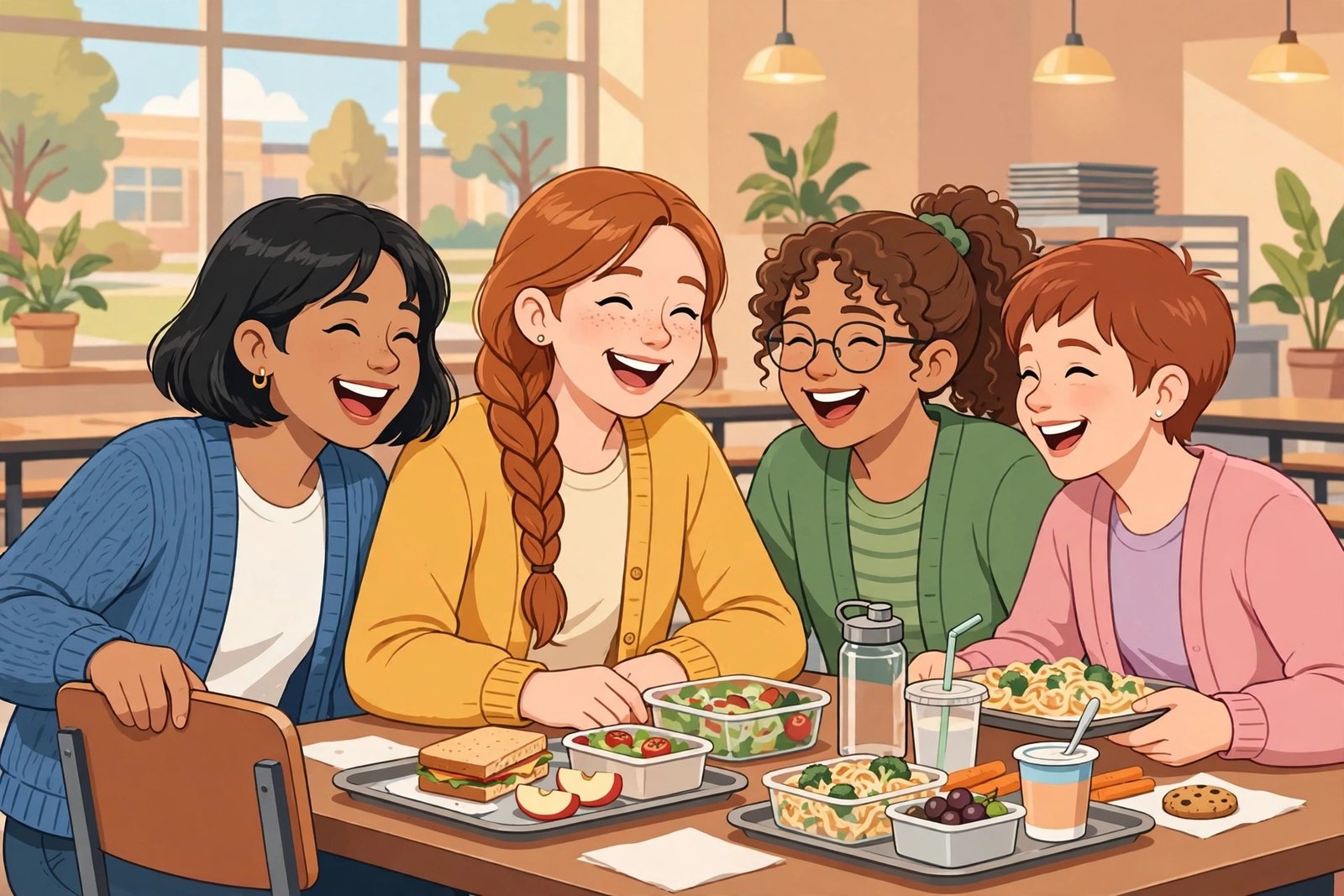
Let’s name what’s really going on, because the fear gets smaller when it has words. Your friends aren’t just people you like. At your age, they’re part of how your whole day works. They’re the seat saved at lunch. They’re the walk home. They’re the first message when something happens, good or bad. They’re the ones who know why a certain song makes you cry and why a certain teacher ruins your week.
So when a school change shows up, your brain doesn’t hear “new building.” It hears “new life, without them in it.” That’s why a girl can think I’m afraid of changing schools and losing my friends and feel it in her chest, like real grief. In a way, it’s grief. It’s grief ahead of time, for moments that haven’t even been lost yet. You’re already missing people who are still right here.
Under the big fear, there are usually smaller fears stacked up. You fear the group chat going quiet. You fear a new girl taking your place. You fear hearing about parties you weren’t invited to, because you aren’t there anymore. You fear that “we should meet up” will slowly turn into nothing. Each one of those fears feels like proof. Together, they build the sentence I’m afraid of changing schools and losing my friends, and they build it strong.
Notice one thing, though. Every one of those fears is about a story that hasn’t happened. Your brain is writing the saddest ending first, because that’s what worried brains do. They rehearse the worst case so you’ll feel ready. But rehearsing isn’t knowing. The future of your friendships isn’t decided by your fear. It’s decided by small, real actions, yours and theirs, over the next weeks and months.
It also helps to say the fear plainly, at least to yourself. Not “I’m fine with the move,” when you aren’t. Not jokes about it, when it hurts. Just the truth: I’m afraid of changing schools and losing my friends, and it makes sense that I’m. A fear you admit is a fear you can work with. A fear you hide runs the whole show from the dark. The rest of this guide is about working with it, one honest piece at a time.
The Truth: Distance Does Not End Real Friendships
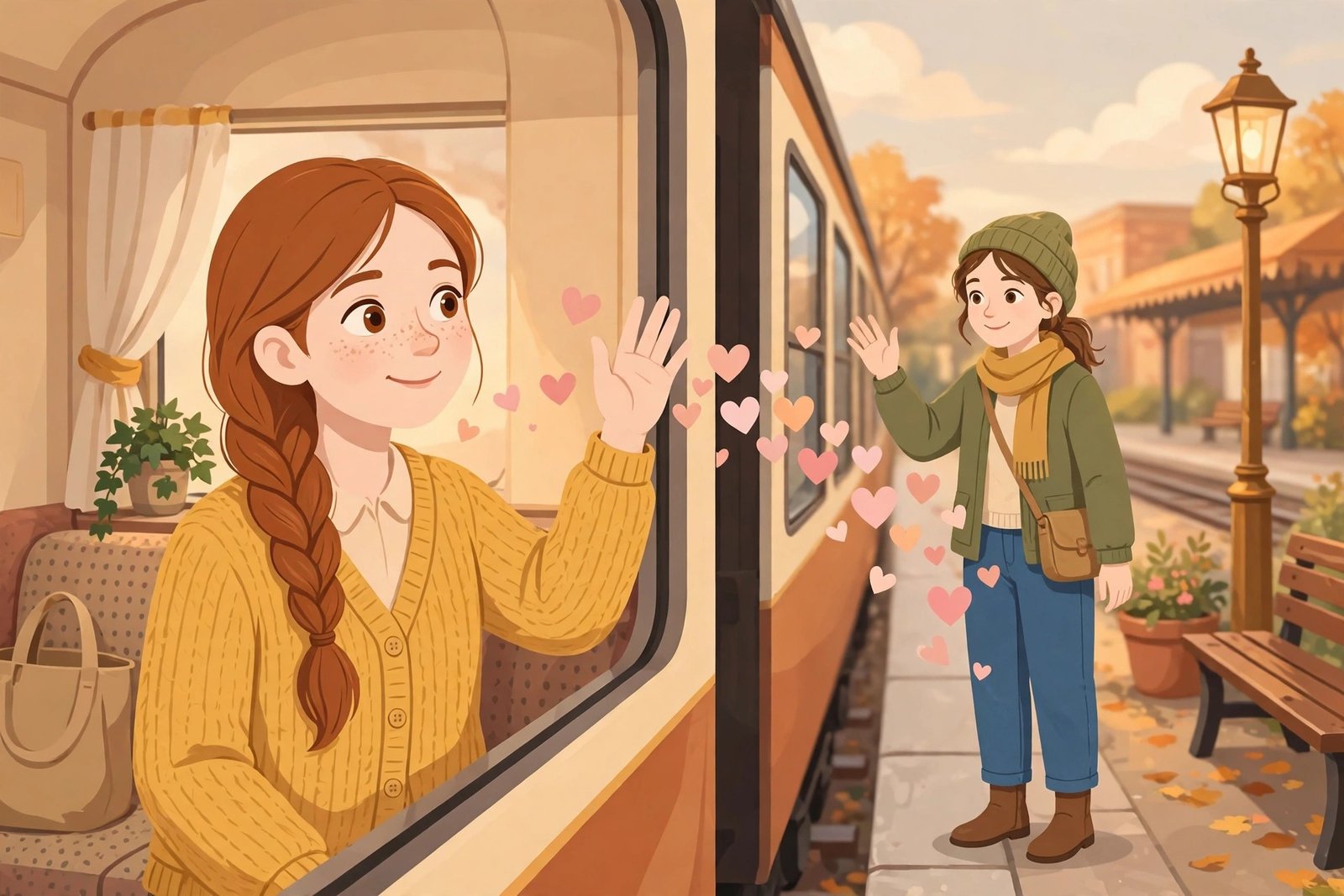
Here’s the fact your worried brain keeps skipping: friendships don’t live in a school building. They never did. They live in contact, in jokes, in “did you see this,” in showing up for each other in small ways. The building just made contact easy and automatic. Take the building away, and the friendship needs a bit more intention. That’s all. Intention is something you can learn and plan.
Think of the proof you already know. You’ve friends you barely see in the summer, and September feels normal again in one day. You may have a cousin in another city who still feels like your person. Girls keep best friends across towns, across countries, across whole oceans, for years. They do it with phones, with plans, with honesty when life gets busy. None of them do it by magic. They do it on purpose, in small doses, often.
The Child Mind Institute makes the same point for families who move: for teens, the hardest part of relocating is leaving close friends behind, and keeping in touch with old friends helps a girl hold on to a part of herself while everything else changes. You can read their full guide on advice for moving with children if you want the grown up version of this truth. The short version is simple: adults who study this stuff don’t treat old friendships as lost. They treat them as worth keeping, and keepable.
What actually ends friendships isn’t distance. It’s silence. It’s both girls assuming the other one has moved on. It’s pride, and waiting, and “she didn’t text, so I won’t text.” That slow fade can happen across a town, and it can also happen across a classroom. Which means the opposite is true too: a friendship can stay alive across two schools if both girls keep choosing it, out loud, in small ways.
So when the thought comes back, I’m afraid of changing schools and losing my friends, answer it with the fuller truth. You might lose the everyday version of your friendships. That part is real, and it’s okay to grieve it. But the girls themselves? You keep them by telling them the truth early and feeding the bond on purpose. A girl who whispers I’m afraid of changing schools and losing my friends and then does nothing is in danger. A girl who says it out loud and makes a plan is a girl whose friends are about to prove something beautiful to her. And a plan starts with one conversation, which is exactly where we go next.
If the words I’m afraid of changing schools and losing my friends still scare you, good. Let them push you toward that talk, not away from it.
Tell Your Friends Early, and Tell Them Honestly
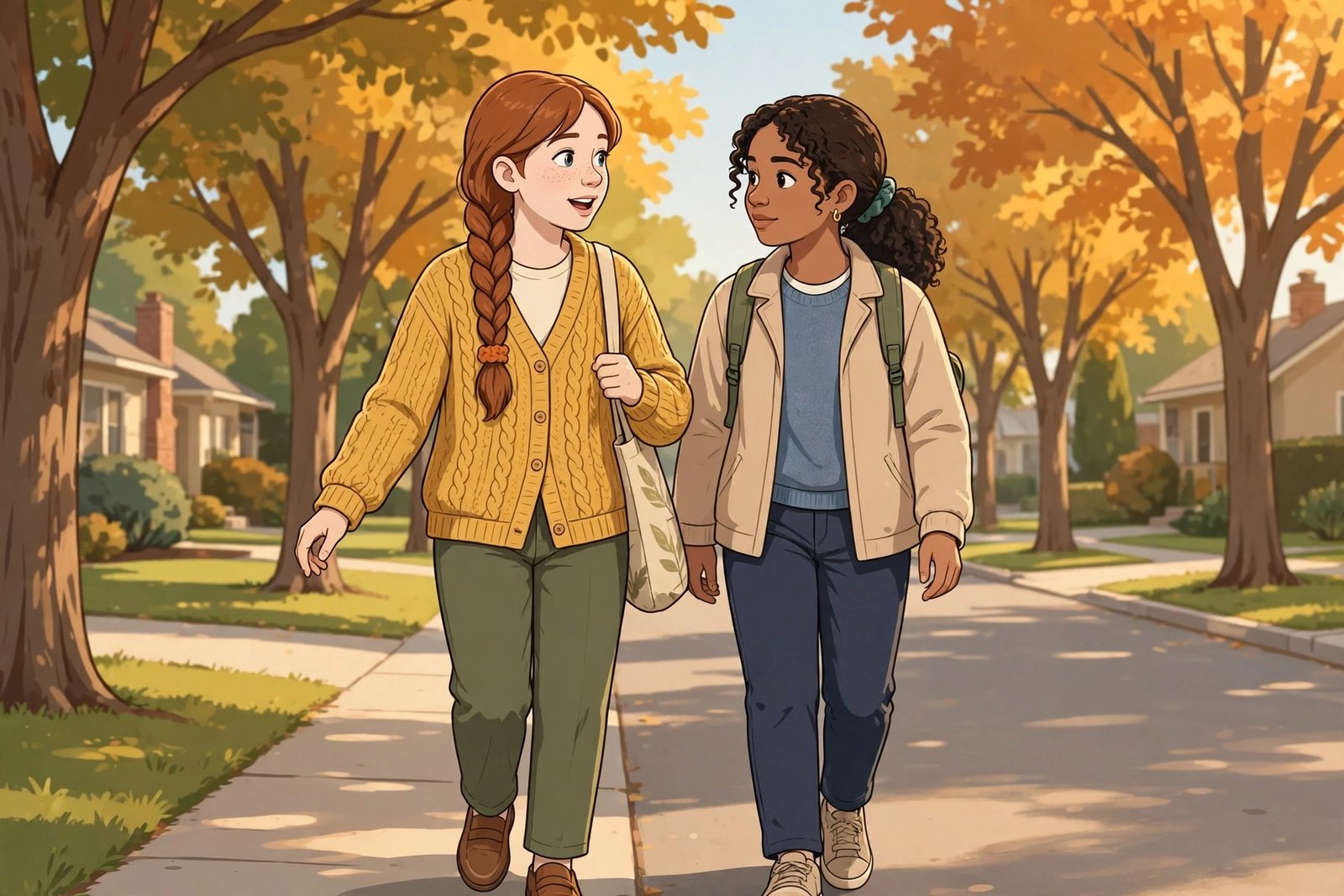
The first brave step is telling your friends yourself, early, before the rumor mill does it for you. A friend who learns your news from someone else hears two things: the move, and the fact that you didn’t trust her with it. That second part hurts more than the first. So take a breath and be the one who says it, while there’s still plenty of time to be sad together and then make plans.
Pick a calm, normal moment. Not a party. Not the night before a big exam. A walk home, a quiet lunch, a sleepover evening. Then say the simple version first: “I’ve to tell you something. My family is moving, and I’ll change schools next term.” Let that land. Then say the part that matters most, the true sentence: I’m afraid of changing schools and losing my friends. Especially you. Saying it out loud does three things at once. It explains your weird moods of the last days. It tells her she matters. And it invites her into the problem, instead of leaving her outside it.
Don’t ask for impossible promises. “Promise we’ll stay best friends forever” sounds sweet, but it puts a weight on both of you that no one can carry. Ask for honest, human things instead. “Can we keep our Friday calls?” “Will you still tell me the news first?” “If I go quiet, will you check on me?” These are promises a real friend can keep, and keeping small promises is how big friendships survive.
Her reaction might surprise you. She may cry. She may go quiet. She may get angry at the move, or make jokes to hide that she’s sad too. All of that’s her version of the same fear. She’s also thinking: I’m afraid of changing schools and losing my friends, from the other side of the table. You aren’t losing a friend in that moment. You’re watching a friend start to miss you, which is proof of exactly what you were scared of losing.
One more thing: tell the whole group, not just one girl in secret. Secrets split groups, and you need your group whole. A group that hears the news together can grieve together, plan together, and protect the friendship together. And when the sad part is shared, it gets lighter for everyone, including you.
Everyday Habits That Keep Long Distance Friendships Alive
After the talk comes the part that actually saves friendships: habits. Not big dramatic gestures. Small, repeatable things that say “you’re still my person” week after week. A friendship across two schools doesn’t need more love. It needs a rhythm. Here’s how girls build one that lasts.
First, keep one ritual sacred. A Friday night call. A Sunday voice note catch up. Watching the same show on the same night and texting through it. Playing the same game at the same hour on Saturdays. One ritual, kept most weeks, does more than a hundred random messages. It gives the friendship a heartbeat. When life gets loud, the heartbeat is what you both come back to.
Second, master the tiny touches. A meme that’s so her. A photo of the weird cloud, the cute dog, the shoes she would love. A “good luck, you’ve got this” text on the morning of her test. These take ten seconds, and they’re the daily glue. A girl who thinks I’m afraid of changing schools and losing my friends often imagines she must do something huge to keep them. She doesn’t. She must do small things, on purpose, again and again.
Third, plan real meetings like they matter, because they do. Once a month, if you can: the mall, the park, a sleepover, her place or yours. Put it in the calendar like an appointment, not a vague “soon.” Friendships fade on “soon.” They survive on dates. And when you meet, be fully there. Phone down. Stories out. The hours will feel short, so spend them like they count.
Fourth, keep sharing the boring stuff. Big news travels on its own. What distance steals is the small daily material: the annoying teacher, the new song, the dumb joke from math class. Send those too. A friend who still hears your boring news still lives in your life. A friend who only gets big announcements slowly becomes an audience, and audiences drift away.
Last, say the quiet parts when they come. If a busy month makes you think I’m afraid of changing schools and losing my friends all over again, say so. One honest message beats three weeks of silent worry. Your friends would rather hear “I miss you, are we okay?” than guess why you went cold. Distance isn’t what ends friendships, remember? Silence is. Keep talking, in small ways, on ordinary days, and the bond you’re so afraid of changing schools and losing my friends over will quietly prove itself stronger than a school address.
Making the Last Weeks Count Without the Drama
The last weeks at your old school are precious, and there are two traps that can steal them. The first trap is the countdown. If every lunch becomes “only twelve days left with you,” and every joke ends with tears, the goodbyes eat the friendship alive before the move even happens. Sadness is allowed. A countdown isn’t required. Let most days be normal days. Normal days are the ones you’ll want to remember anyway.
The second trap is sneakier: pulling away early to make the goodbye hurt less. Some girls go quiet. They skip plans. They tell themselves, “I’m afraid of changing schools and losing my friends, so I’ll start losing them now, slowly, on my terms.” It feels like protection. It isn’t. It’s just losing them sooner, by your own hand, and it confuses friends who did nothing wrong. If you catch yourself doing it, name it and stop. Stay close while you’re here. Close is the whole point.
Keep one ordinary ritual running right until the end, too: the usual walk home, the usual Friday snack, the usual seat at lunch. Ordinary things done one last time, on purpose, and done together, settle the heart better than any big farewell event ever could.
Instead of traps, choose a few memory makers. Not a huge production. A photo walk through your favorite places. A playlist each of you builds for the other. A letter she opens on your first day at the new school, and one she gives you for yours. A last ordinary sleepover, done properly, with the snacks and the show and the 2 a.m. talking. Small anchors like these give your heart something warm to hold on the hard days.
Also, let your friends be part of the new chapter, not just the old one. Show them photos of the new neighborhood. Ask which club they would join if it were them. Let them tease you about the new uniform. When friends feel included in what comes next, they stay connected to it. They aren’t being left behind by your story. They’re in it.
And when a wave hits in the middle of a normal day, because one will, let it be short and honest. “Sorry. It just hit me again. I’m afraid of changing schools and losing my friends, and then I look at you and I feel better.” Then laugh, and go back to lunch. Feelings that are allowed to visit don’t move in and take over. That’s true this month, and it’ll be true after the move too.
Preparing Your Heart for the New School
Now, gently, the other side of the move: the new school itself. Notice the order of this guide. Your old friends came first, on purpose, because they’re the heart of your fear. But the new place will feel a lot less scary if it stops being a dark unknown. Unknown is where fear grows best. Facts shrink it.
If you can, visit before the first day. Walk the halls. Find your classrooms, your locker, the cafeteria, the library. A building you’ve already seen is just a building. A building you’ve only imagined is a monster. Many schools let new students tour in the weeks before term. Ask. The worst answer is no, and even then, photos and a map online will help more than you think.
Learn the fun stuff early too. What clubs exist? Which team, choir, art room, coding group, or drama stage fits the things you already love? Having one activity waiting for you changes the whole feel of a first week. You aren’t just “the new girl.” You’re the girl who shows up at volleyball on Tuesday. We wrote a full guide on how to find your place at a new high school, for when you’re ready to think about that side of the story. For now, just knowing your place can exist is enough.
Keep your family in the loop while you prepare. Parents often see the packing and the paperwork. They don’t always see the 1 a.m. version of you, the one whispering I’m afraid of changing schools and losing my friends into the dark. Tell them that sentence too. Most parents, once they hear the real fear, stop saying “you’ll make new friends!” like it fixes everything, and start actually helping: rides to meet ups, hosting your friends, giving the goodbye the time it deserves.
Last, lower the bar for the first weeks, way down. You don’t need a new best friend by Friday. You don’t need to love the place by October. You need small, survivable days: one friendly face, one class you don’t hate, one thing after school that’s yours. A girl who’s afraid of changing schools and losing my friends often thinks she must replace her whole life at once. She must not. She only has to begin. Beginnings are allowed to be slow, wobbly, and unfinished.
When the Move Comes: First Steps, Same Friends
Then the day comes. New uniform, new halls, a stomach full of bees. Here’s what the first weeks usually look like when nobody warns you: week one is a blur of names and rooms. Around week three or four, the newness wears off and the missing gets louder for a while. That wobble is normal. It isn’t proof that things are going wrong. It’s just the middle of adjusting, and middles are always the hardest part.
On the hard days, run your systems, not your fears. Keep the Friday call. Send the tiny touches. Look at the letter she wrote you. A girl in week four whispering I’m afraid of changing schools and losing my friends needs her habits the most exactly then, when motivation is low and sadness is loud. Habits carry you on the days feelings can’t.
And here’s the quiet surprise waiting on the other side: new people will slowly appear. Not replacements. Additions. A girl in your science class with your exact humor. A teammate who walks your way home. It may start inside groups where everyone seems settled, and if that day comes, our guide on how to make friends when everyone already knows each other walks you through it kindly. New friends don’t betray old ones. Your heart isn’t a seat that only one friendship can sit in. It grows more chairs.
Give the two worlds time to become one life. Some months, the old friends will feel closer. Some months, the new ones will. Both are allowed to be true. The girl who once cried I’m afraid of changing schools and losing my friends will, one ordinary day, realize she hasn’t thought that sentence in weeks. She’ll have her people in two places, her rituals running, her own proof in her pocket. Not because the fear was silly. Because she answered it, step by step, with honesty and small habits. That girl is you, a little further down this road.
Frequently Asked Questions
Is it normal to cry about changing schools before it even happens?
Yes, fully normal. You’re grieving something real: your daily life with your friends as it’s now. Tears before a change aren’t weakness and they aren’t a sign you can’t cope. They’re a sign you love your people. Let the cry happen, tell a friend or a parent what it’s about, and then go back to one small step. Feelings that get air rarely take over the whole week.
How do I tell my best friend I am changing schools?
Tell her yourself, early, in a calm and private moment. Start with the fact, plainly: my family is moving and I’ll change schools. Then say why you’re telling her first: because she matters most. It’s fine to cry. It’s fine if she cries too. Don’t end with heavy forever promises. End with a plan you can both keep, like a weekly call and a first meet up date. Honesty plus a plan beats drama every time.
Will my friends forget me after I leave?
No, forgetting isn’t how this works. Friends don’t delete years of jokes, secrets, and history because a school address changed. What can happen is drift, when both sides stop reaching out and wait for the other. Drift is preventable. Keep your small rituals, send the tiny messages, and plan real meet ups. A friendship that still gets fed doesn’t get forgotten. You’ve far more power here than your fear admits.
What if my friends make new friends at my old school?
They probably will, and it doesn’t have to cost you anything. Their group will shift, someone new may join their lunch table, and seeing photos of it can sting. But a new girl at their table isn’t sitting in your chair. Your place in their hearts is built on history no newcomer can copy. Be honest if a photo hurts, cheer for their joy when you can, and remember: you’ll add people too. Adding isn’t replacing, on either side.
How long does it take to feel okay at a new school?
For most girls, the heavy part lasts a few weeks to a few months, and it fades in waves, not in one clean line. Give yourself a term before you judge the place. Keep your old friendships warm, build one anchor at the new school, and let slow days be slow. The girl who once thought I’m afraid of changing schools and losing my friends usually finds, by the end of that first term, that the fear is a memory and her life is bigger than it was.