

It happens in half a second. You’re walking through the cafeteria, or standing by the lockers, or reading a comment out loud in class, and someone makes the joke. The loud one. The one built to make the whole room look at you and laugh. Your face burns. Your hands shake. Every eye feels like a hot light. In that frozen second, the only thought in your head is: how should I react when someone tries to humiliate me?
This article is your answer, written before you need it, so it’s there when you do. You’ll learn what’s really happening in that moment, what to do with your first five seconds, the short answers that protect your dignity, and how your body can speak when your voice won’t. Because the honest truth is this: when you know how should I react when someone tries to humiliate me, the moment loses most of its power. The joke may still land. But you won’t shatter.
One thing first, and it matters more than any comeback. Being humiliated is never your fault, and it’s never something you have to carry in silence. If it happens again and again, or it comes with threats, or it follows you online, tell a trusted adult or the school. That’s not a last resort you save for the end of this article. It’s a rule that stands from the very first time. Keep it in your pocket while you read, right next to the question of how should I react when someone tries to humiliate me.
The Short Answer

Here’s the short version. When someone tries to humiliate you, their goal is a reaction: tears, a meltdown, a big scene they can enjoy. Your power move is to deny them that show. Breathe. Keep your face calm and your answers short and flat. Say one steady line, or say nothing at all, and walk away with your head level. Then tell a friend what happened, and an adult if it repeats. That’s really the heart of how should I react when someone tries to humiliate me: starve the show, protect your dignity, and don’t carry it alone. The embarrassment belongs to the person who tried to shame you in public, not to you.
Composure feels impossible in the moment, but it’s a skill, and skills can be learned before you need them. By the end of this page, you’ll know exactly how should I react when someone tries to humiliate me, step by step.
What Is Really Happening in That Moment

To beat the moment, it helps to see how it’s built. Public humiliation is a small piece of theater, and it needs three things: a performer, a target, and an audience. The performer is the one making the joke or the comment. You’re the target. And the audience is the fuel. Without laughs, gasps, and turned heads, the whole show runs out of air fast.
That’s why humiliation almost never happens when you’re alone with the person. There’s no crowd to impress. It happens in hallways, group chats, lunch tables, and classrooms, anywhere eyes are cheap and reactions are loud. The performer is usually not even thinking about you that much. They’re thinking about the audience: will they laugh, will they think I’m bold, will my status go up?
Knowing this changes the scene. You’re not standing in front of a judge who’s revealing the truth about you. You’re standing in front of a performer who’s begging a crowd for points. Those are very different moments. One is about your worth. The other is about their hunger. It’s about their hunger.
It also explains the strange physical storm you feel: hot face, pounding heart, shaky hands, the urge to cry or run. That’s your body flooding with stress chemicals because it reads public shame as danger. Every human body does this. Even confident adults do this. The storm is not proof that you’re weak or that the joke was true. It’s just biology doing its loud, clumsy job. The storm peaks fast and fades fast, usually within a minute or two, if you don’t feed it.
So the first answer to how should I react when someone tries to humiliate me is inside your own head: name what’s happening. “This is a show. They want a reaction. My body is just loud right now.” Naming it moves you from actor in their scene to observer of it. And observers are much harder to humiliate. Once you see the strings, the puppet show gets a lot less scary, and the question of how should I react when someone tries to humiliate me becomes a plan instead of a panic.
There’s one more piece of the machine worth seeing: the performer’s own fear. Most public cruelty is armor. The kid mocking you is often terrified of being the target next week, so they fire first and call it humor. That doesn’t excuse a word of it. But it shrinks the performer from a giant to a scared kid with a loud defense. And scared kids are much easier to stay calm in front of. When you think about how should I react when someone tries to humiliate me, picture their fear for one second. Then picture your plan. The plan wins.
That small picture is part of how should I react when someone tries to humiliate me without handing them your whole day.
The First Five Seconds: Steady Yourself
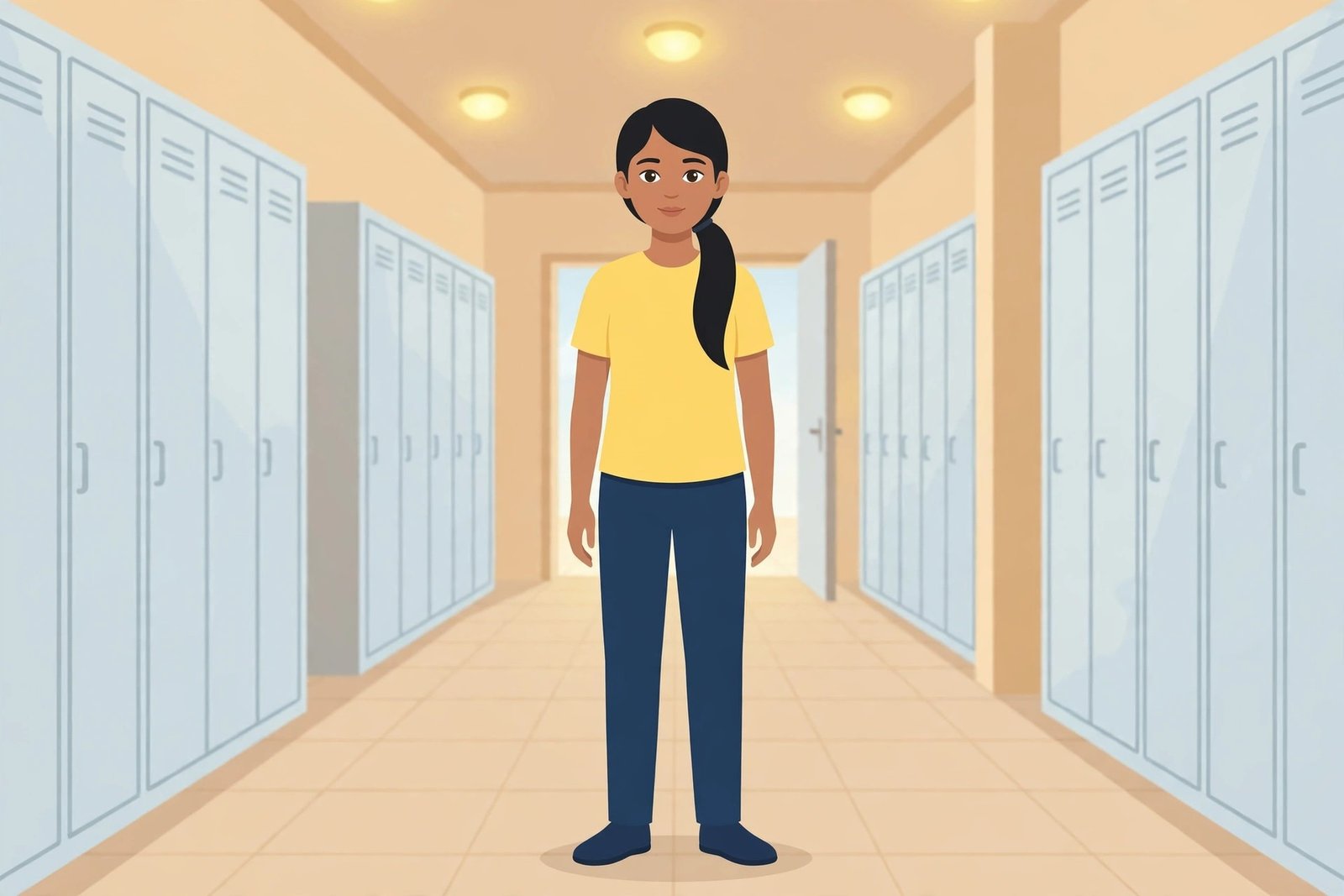
Everything about a humiliation moment is decided fast. The crowd watches your first five seconds like they’re the whole movie. The good news: five seconds is a short time to hold yourself together. Anyone can do anything for five seconds. Here’s how to spend them.
First, breathe out. Not a big dramatic breath, just a slow exhale through your mouth, like you’re cooling a hot drink. A long exhale is a signal to your body that the danger is passing. It lowers the storm a notch. Do it while your face stays calm and your eyes stay up.
Second, plant your feet and drop your shoulders. Stress pulls shoulders up to your ears and pushes your body into a curl. Undo it on purpose. Feet flat. Shoulders down. Chin level. You will look calm even if you don’t feel calm yet, and looking calm is half the battle, because the crowd reads your body, not your heartbeat.
Third, buy time with silence. You don’t owe anyone an instant reply. A two second pause feels endless to you and looks like ice cold control to everyone else. In that pause, pick your move from the next section: one flat line, a bored look, or a smooth exit.
Fourth, remind yourself of one true sentence. Pick it now, while you’re calm, so it’s ready later. Something like: “This says everything about them and nothing about me.” Or: “Ninety seconds and this is over.” A ready sentence is a rope. Grab it instead of the wild thoughts spinning in your head.
That’s your five seconds. Breathe, plant, pause, remember. Practice the moves in your head a few times this week, the way athletes picture a play. When the real moment comes, your body will know the steps even while your heart pounds. Preparation is the quiet answer to how should I react when someone tries to humiliate me that nobody sees, and it works precisely because you did it before the crowd, the lights, and the burning face.
Short Answers That Protect Your Dignity
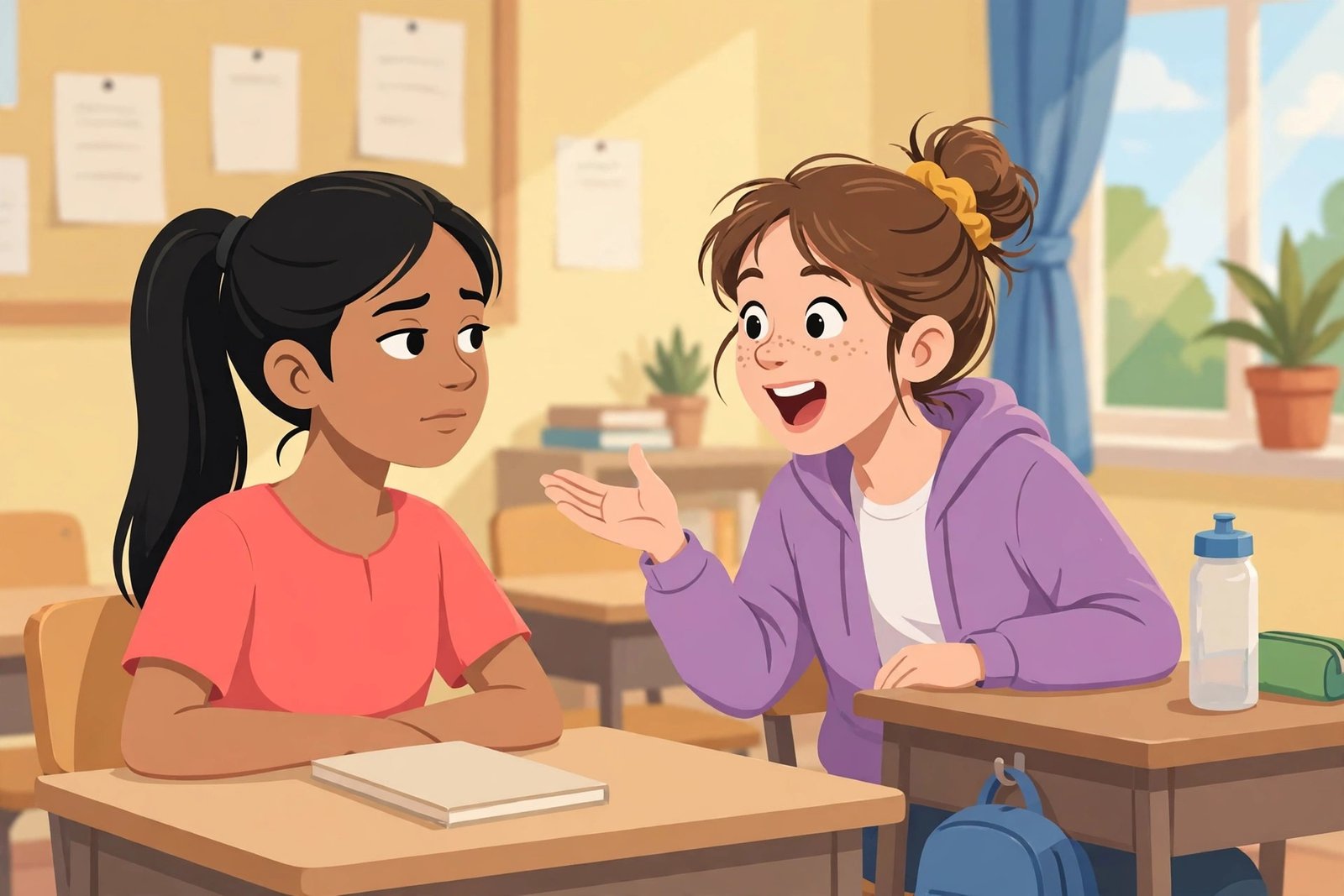
Now for the words. The best answers in a humiliation moment share three traits: they’re short, they’re flat, and they end the exchange instead of feeding it. You’re not trying to win a comedy contest. You’re trying to close the show. A bored tone is your best tool. Practice saying these out loud once, in your room, so your mouth knows them.
For the mocking joke at your expense: “Wow. Okay.” Then nothing. Flat face, small shrug, turn back to what you were doing. The flatness is the message: that didn’t reach me. For the fake sweet insult: “Thanks for sharing.” Cool, polite, empty of feeling. It gives them no handle to grab. For the loud comment about your looks, your clothes, or your voice: “You done?” Said calmly, once, while looking at them like you’re mildly bored. Then walk. It’s amazing how much power sits in looking bored. Bored says their best shot was dull.
For the public callout, like reading your private message aloud or announcing your mistake to the room: “That’s mine. Give it back.” Short, factual, no pleading. Or simply hold out your hand and wait. Silence plus a steady hand is hard to laugh at for long.
Notice what none of these answers do. They don’t insult back. Insulting back starts a duel, and duels are exactly the show the performer wants. They don’t explain or defend, because defending argues that the joke deserved a trial. And they don’t laugh along at your own expense. A fake laugh tells the crowd you’re fair game. You don’t have to laugh to be safe. A calm face is safe enough.
If words won’t come at all, that’s fine too. A look can be a full answer: eyes on them for one beat, eyebrow slightly raised, then turn away and carry on. Silence, used on purpose, is not freezing. It’s a choice, and crowds can tell the difference more than you’d think.
Keep one or two of these lines in your pocket and you’ll always know how should I react when someone tries to humiliate me with words: keep it short, keep it flat, keep it boring for them. The performer wanted a fire. Hand them a candle, then take the candle away too.
If you’re worried a flat line will make things worse, look at the math. Big reactions get replayed, quoted, and begged for again. Flat lines get forgotten by Friday. The crowd came for a show and got a shrug; they move on. Your dignity stays right where it was. And if the performer pushes a second joke right after your line, that’s your cue to switch tools: no second line, just the look and the exit. Two attempts with no reaction is where most performers quit. This is the practical core of how should I react when someone tries to humiliate me with jokes: starve, don’t spar. Sparring is their sport. Starving ends the season.
Remember it the next time you’re deciding how should I react when someone tries to humiliate me.
Your Body Can Say What Words Cannot

Some moments, your voice just won’t work. The lump in your throat is real, and forcing words can crack them into tears. Fine. Your body has a full vocabulary of its own, and it doesn’t need your throat’s permission.
The slow blink is a classic. When the joke lands, blink once, slowly, like you’re mildly puzzled that this was supposed to be funny. It reads as calm and unimpressed. Pair it with a small tilt of the head and you’ve said, “That was weak,” without a single word.
Uncross your arms. It feels safer to wrap up tight, but a closed body reads as wounded, and wounded is what the crowd is watching for. Let your arms rest loose. Slow your movements down by half. Nervous energy speeds people up: fast steps, fast fidgets, fast talking. Deliberate slowness does the opposite. It makes you look like the calmest person in the scene, and often, after a few seconds, you start to feel like it too.
Use your space. If you’re sitting, you can stand. Standing changes the picture: you’re no longer a small target in a chair while they tower. If you’re standing, you can take one step to the side, pick up your bag, adjust your book. Small purposeful movements tell your body you’re not trapped. You’re a person in a room, free to move.
And hold your gaze level. You don’t need a staring contest. Just don’t study the floor. Eyes level, face soft, and then look away by choice, toward a friend, a door, your next class. Looking away by choice is power. Looking down by force is what they’re hoping for. The difference is tiny on the outside and huge on the inside.
Your body is how should I react when someone tries to humiliate me when your voice goes missing: slow, level, loose, and unhurried. The crowd believes bodies more than words anyway. Give them a body that says “unbothered,” and half the time, the room will believe it before you do. Then, an hour later, you’ll believe it too.
If tears threaten mid-moment, use your body to buy privacy. Turn slightly sideways. Look at a fixed point. Press your feet into the floor and count the pressure. These tiny anchors give your brain a job besides panic, and jobs calm brains. Nobody watching can see any of it. They just see a girl who isn’t melting. And when girls ask how should I react when someone tries to humiliate me without betraying a single feeling, this is the honest answer: you don’t have to hide the feelings forever. You only have to postpone them by two minutes. Postponing is a body skill.
That’s why how should I react when someone tries to humiliate me is partly a question for your shoulders, your breath, and your feet.
Walking Away Is a Power Move
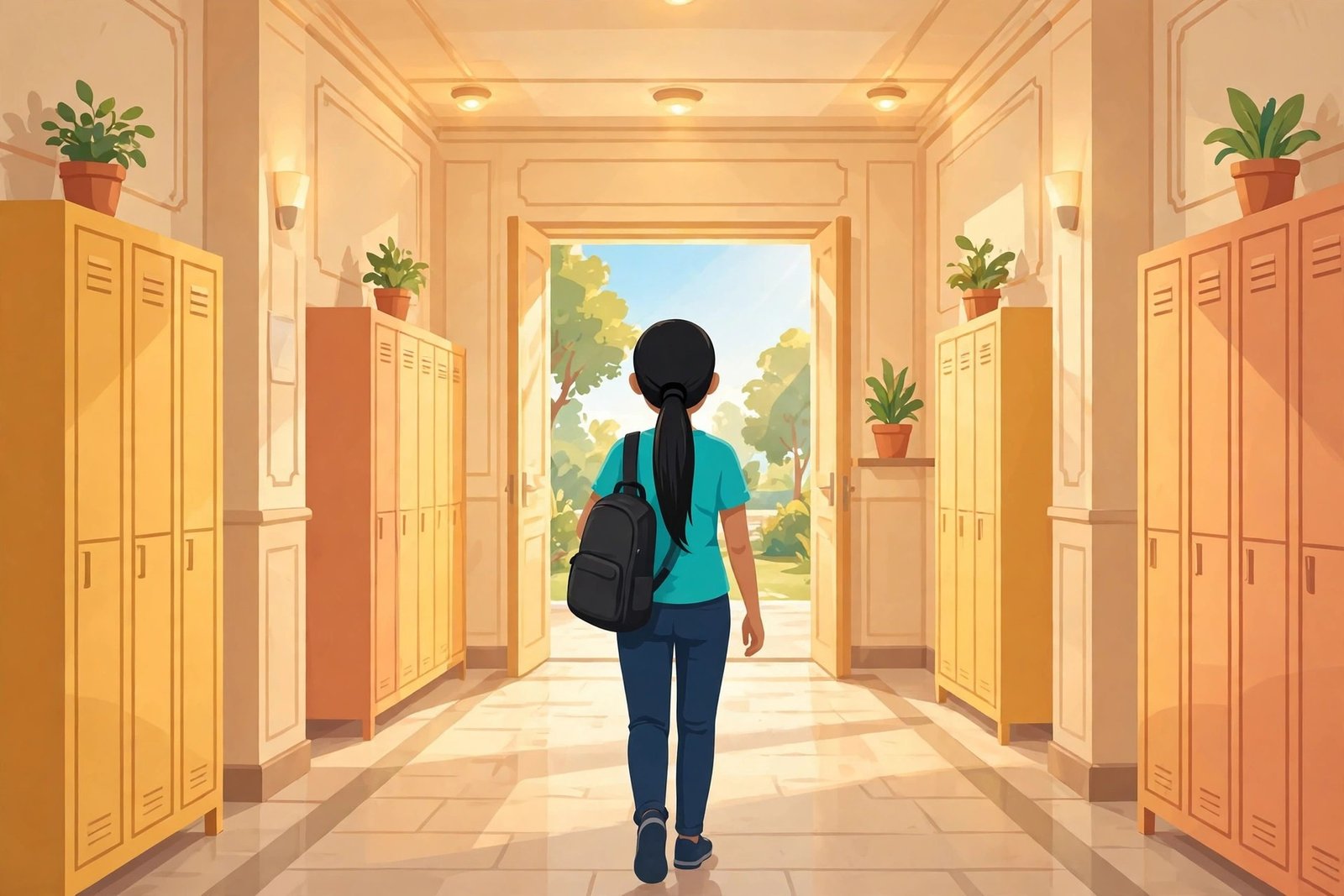
Let’s kill a myth: walking away is not losing. Staying to fight a performer on their stage, in front of their audience, on their topic, is how you lose. Walking away is you closing their show mid-scene and taking the audience’s attention with you. Nothing deflates a joke like the target calmly leaving while it’s still hanging in the air.
Walk away well, though. The details matter. Don’t run. Don’t stomp. Don’t slam anything on your way out. Turn like you just remembered somewhere better to be, and go at your normal pace. If a friend is with you, a quiet “Come on, let’s go” pulls them with you and doubles the effect. If you’re mid-task, like in class, you may not be able to leave the room. Then walk away in place: turn back to your work, open your book, start writing. Attention is the stage. Remove yours and the stage shrinks.
Timing helps too. Leave at the end of your flat line, not in the middle of their next one. Line, beat, turn, walk. It looks planned, because it is. And if they shout something at your back, let it stay behind you. Answering a shout from down the hall restarts the show at a distance. Silence from a walking back is unbearable for a performer. It’s the one review they can’t spin.
Some girls worry that leaving makes them look scared. Watch any truly confident person handle a rude stranger and you’ll see the same move: a flat look, a turn, gone. Leaving is what people do when a scene isn’t worth their time. That’s the story your exit tells. And if you need a place to land, walk toward people who are safe: your friends’ table, a teacher’s doorway, the library. Walking toward safety is smart, not weak.
So add this to your pocket next to the flat lines: how should I react when someone tries to humiliate me and the moment keeps growing? Leave. Calmly, early, and without a backward glance. You are not running from the fight. You are refusing to be the entertainment, and that refusal is the strongest answer in this whole article on how should I react when someone tries to humiliate me.
Right After: Who to Tell and What to Save
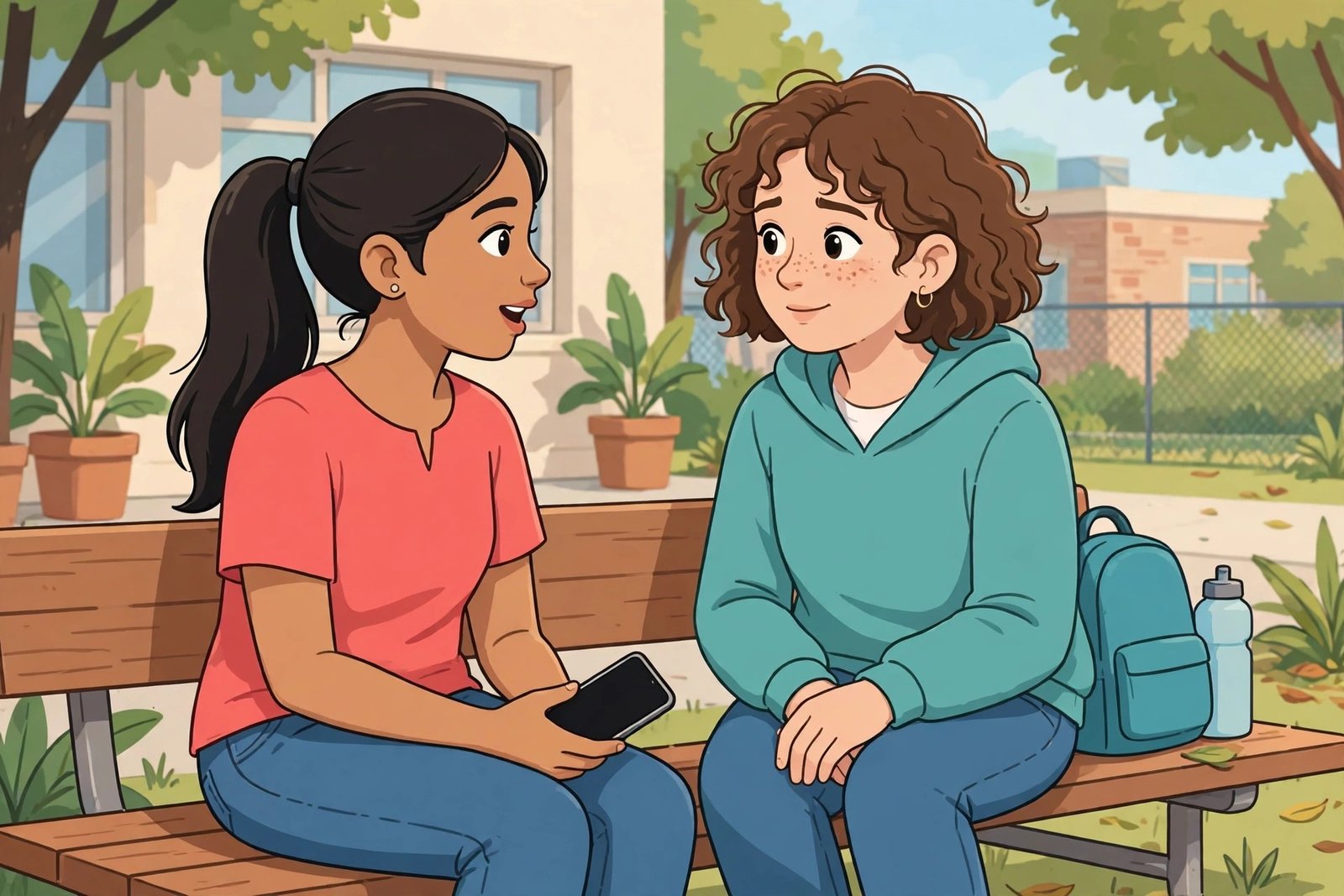
The moment ends, but your feelings won’t, not right away. The walk to your next class can feel longer than the joke itself. This part matters just as much, so don’t skip it. What you do in the hour after decides how long the moment lives in your head.
First, find your person. A close friend, a sister, someone safe. Tell them plainly what happened, even if your voice shakes. Saying it out loud shrinks it. Jokes that echo in silence grow teeth; told to a kind face, they become a story about a rude kid, and stories can be closed. If the replay keeps looping for days, our guide on how to stop thinking about a humiliation from months ago can help you put it down for good.
Second, save the evidence if there’s any to save. Screenshots of comments or messages, with dates. Names of who was there. A few lines written in your notes app about what was said and when, while it’s fresh. Do this even if you never plan to use it. If the behavior repeats, that folder turns “it’s just your word” into a clear pattern an adult can act on. The federal anti-bullying site StopBullying.gov’s page for teens says the same thing in plain words: speak up, stay calm and respectful, and tell an adult as soon as you can.
Third, tell an adult sooner than feels natural. A parent, a counselor, a teacher you trust. You are not “making it a big deal.” You are handing the problem to people whose job includes stopping it. If the first adult shrugs it off, tell another one. Keep going until someone listens. That persistence is not drama. It’s how problems actually get solved in schools.
And take care of the body storm too. Eat something. Drink water. Move a little. The stress chemicals fade faster when your body gets normal signals again. Be gentle with yourself that evening. A hot shower and an early night are not luxuries after a day like that. They’re repairs.
One more repair tool: write the moment down the way it actually happened, plainly, that same day. Memory inflates insults at night. Paper keeps them their real size. Girls are often shocked, reading their own notes a week later, at how small the giant moment looks in plain words. Small enough to learn from. Small enough to file away. This habit is the long game inside how should I react when someone tries to humiliate me: you become the narrator of the story, not its victim. And narrators decide what the story means.
That’s real power, the quiet kind, and it’s a big part of how should I react when someone tries to humiliate me after the crowd has gone home.
If It Keeps Happening, It Is Not Yours to Carry Alone

One joke is an incident. A pattern is something else, and it has a name: bullying. If the same person or group keeps targeting you, in person or online, the rules change. It’s no longer about your perfect reaction. It’s about getting the weight off your shoulders and onto the systems built to carry it.
That means the school, plainly and in writing if you can. It means your parents knowing the full picture, not the softened version. It can mean the platform’s reporting tools for group chats and posts, and blocking without guilt. If you’re being targeted because of lies being spread about you, our article on what to do when a girl in your class is spreading lies about you walks through that specific fight, step by step.
Also watch what the pattern does to you. If you start dreading school, changing your routes, quitting things you love, or feeling low most days, tell an adult that too, and ask about the school counselor. If things ever feel truly dark, you can call or text 988 in Canada and the US any time, or reach Kids Help Phone at 1-800-668-6868, or by texting CONNECT to 686868, in Canada. Those lines exist for exactly the nights when carrying it alone stops working.
Hear this last part as clearly as you can. A person who needs a crowd to feel big is telling the truth about their own size. Your job was never to fix them, out-joke them, or earn your way out of being a target. Your job is to protect your dignity in the moment and your peace after it. You now know the moment skills: breathe, plant, pause, flat line, walk. And you know the after skills: tell, save, report, rest. If the pattern ever starts, use the after skills at full strength, right away.
That’s how should I react when someone tries to humiliate me when once becomes again and again: loudly, on paper, and with adults beside you, until it stops.
And if an adult ever tells you to just ignore it while it keeps happening, that adult has failed the assignment, not you. Ignoring is a fine tool for one joke. It is not a plan for a pattern. Escalate politely, and keep escalating. Your safety outranks everyone’s comfort, including the school’s. That’s the last word on how should I react when someone tries to humiliate me as a pattern: with witnesses, with records, and with backup.
Frequently Asked Questions
What if I cry even though I try to stay calm?
Then you cry, and the world does not end. Tears are a body response, not a defeat, and everyone in that crowd has cried in public at some point in their life. If it happens, don’t apologize for it. Wipe your face, keep your chin level, and leave the scene when you can. Find your person after. One tearful moment doesn’t erase your dignity. People forget the tears far faster than you will. What they remember is that you didn’t beg, plead, or perform for anyone.
Should I come up with a clever comeback instead?
Clever sounds great in the shower the next day. In the real moment, comebacks are risky. They can flop, they can escalate, and they always extend the show. A duel of insults is the performer’s home turf, and they practice more than you. Flat and boring beats clever almost every time, because flat ends the scene while clever feeds it. Save your wit for your friends, who deserve it. In the hallway, your calm is the sharpest thing you own.
What if the person humiliating me is my friend?
Then it stings twice, and the rules bend a little. A friend gets one private conversation: “That joke in front of everyone hurt. Don’t do that again.” Said calmly, once, with a steady voice. A real friend hears it and stops. If it keeps happening after that talk, you’re not looking at a friend problem anymore. You’re looking at someone who enjoys an audience more than your feelings. Believe the pattern, step back, and protect your heart.
What if it happens online in a group chat?
Don’t wrestle in the chat. Screenshot everything first, with names and times visible. Then leave the chat or mute it, block the main offender if you need to, and report inside the app. Online humiliation feels endless because it can be re-read, but screenshots turn it into evidence instead of a loop in your head. Tell a parent the same day. Adults can contact the school and the platform with far more weight than one teen account can.
What if teachers saw it and did nothing?
It happens, and it’s frustrating, but it’s not the end. One teacher freezing is common; a written report is harder to ignore. Tell a counselor or another teacher you trust, bring your evidence, and let your parents know too. Schools move faster when a pattern sits on paper. Keep asking until someone acts. And remember: the fact that you can now answer how should I react when someone tries to humiliate me, calmly and with a plan, means the power in that hallway has started to shift to you.