
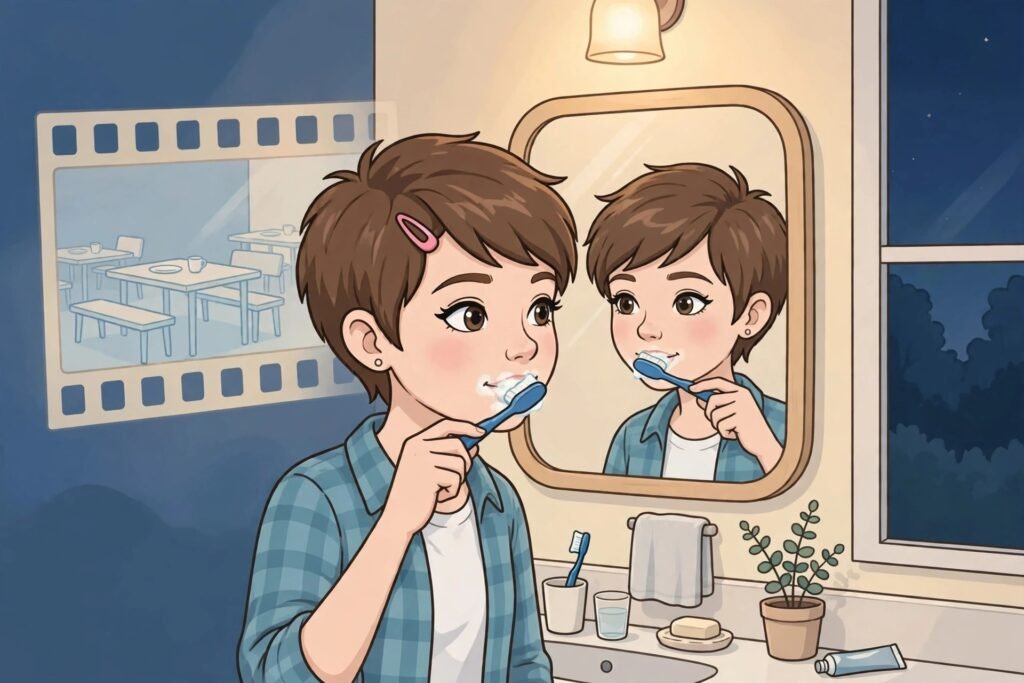
It happened months ago. One lunch period, maybe thirty seconds of your life. A girl at the table announced your private crush secret like it was news for the whole cafeteria. Heads turned. People laughed. Your face burned so hot you thought it might never cool down. Then lunch ended, the day moved on, and everyone went back to their own lives.
Everyone except you. Because for you it never really ended. The moment replays while you brush your teeth. It replays in the shower, in the car, in the quiet second before sleep. You hear the laugh again. You see the turned heads again. And it has been months. If you can’t stop thinking about a humiliation from months ago, this guide is written for exactly that loop.
First, hear this clearly. Wanting the replay to stop isn’t vanity, and still hurting isn’t weakness. Something was done to you, in front of witnesses, and it hit the part of you that cares about your place among people. That pain has a reason. It also has an end, and ends can be helped along. Learning to stop thinking about a humiliation from months ago starts with believing that end exists.
This guide isn’t about the moment itself. The moment is old news to everyone but you. It’s about why your brain keeps the tape, why the tape lies about its size, and how to wear it out until it fades like every other memory. Girls who want to stop thinking about a humiliation from months ago don’t need to erase the past. They need to shrink it back to its true size, one honest step at a time.
The Short Answer

Here’s the short answer. Your brain replays the moment because it filed it under danger, not under memory. To your brain, being laughed at by the group once felt like a threat to your place with people, so it keeps the tape close, the way you keep a hand near a hot stove you once touched. The replay is protection that outlived its job.
The way out isn’t forgetting by force. Forcing never works, and the more you wrestle the memory, the fresher it stays. The way out is teaching your brain that the danger is over. You learn what others actually remember, which is far less than you fear. You tell the story out loud so it stops growing in the dark. And you answer the replay with the full story, including the boring, kind ending where life simply went on. That’s the real shape of how to stop thinking about a humiliation from months ago.
It takes time, but not forever. Memories that get handled this way lose their sting in a steady order. First the replay hurts a little less. Then it comes a little less often. Then one day you notice a whole week went by without it. That’s how to stop thinking about a humiliation from months ago in real life. Not a delete button. A slow, honest fade, and this guide walks you through every step of it.
And if the memory is tied to something still happening, like the laughing never stopped, that’s a different problem and it deserves adult help fast. This guide is for the finished moment with the unfinished feeling. If you’re safe now but haunted anyway, you’re in the right place, and asking how to stop thinking about a humiliation from months ago is the first real step out of the loop.
What Happened Was Done to You, and That Matters
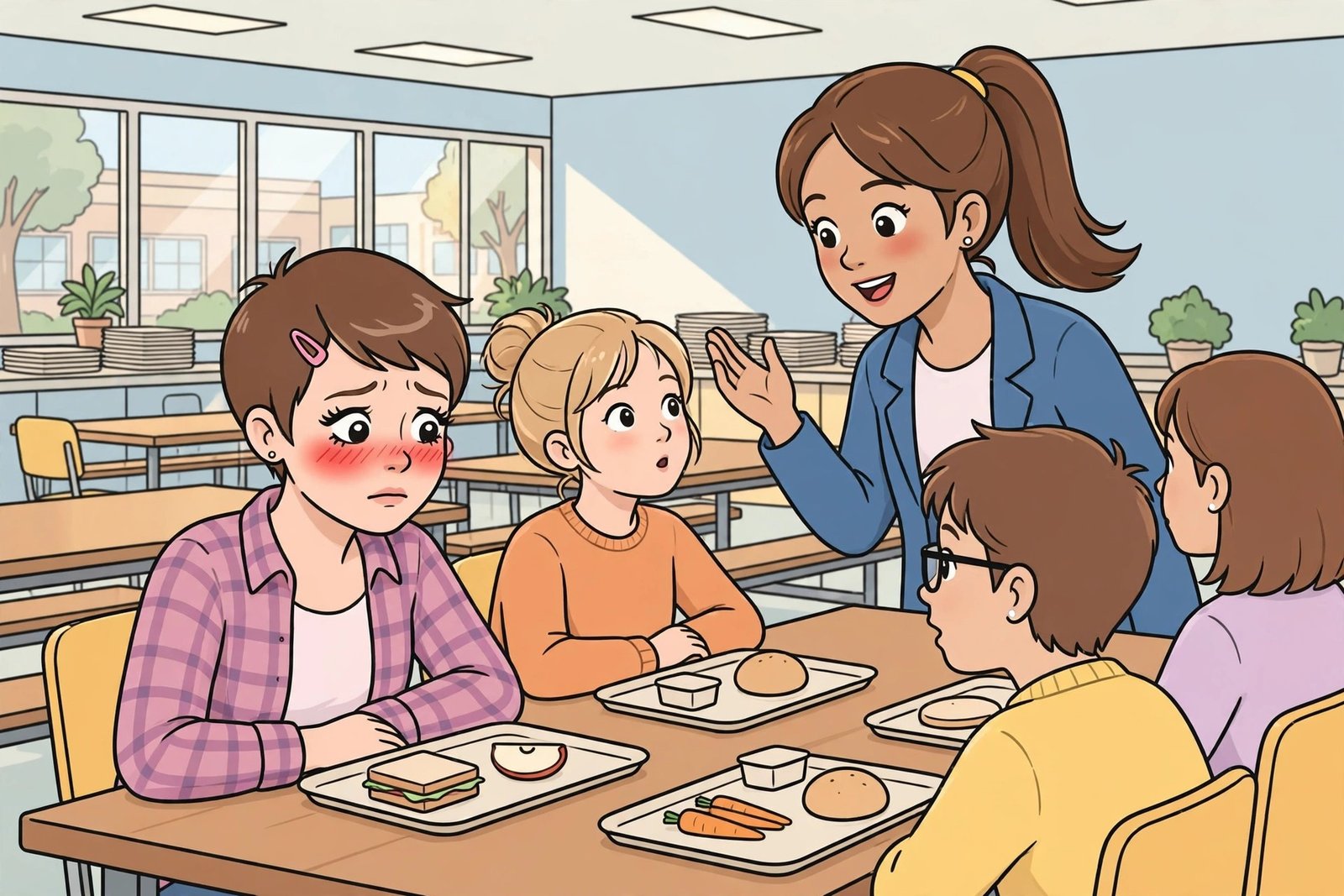
Let us start by putting the blame in the right seat, because shame loves to sit in the wrong one. You didn’t humiliate yourself. You were humiliated. A person chose to say the thing, in front of people, for a laugh. The laugh was bought with your pain, and everyone at that table knew the price, even if they paid it without thinking.
This matters because of a quiet lie the replay tells. When the moment loops, it zooms in on your face. Your burning cheeks. Your frozen smile. Your weak reply, or no reply at all. Loop after loop, the star of the film starts to look like the problem. She isn’t. She was a girl eating lunch until someone turned her into entertainment. If a friend told you this story about herself, you would never blame her. You would be angry at the girl with the loud mouth. Give yourself that same clear sight. Clear sight is step one for any girl trying to stop thinking about a humiliation from months ago.
It also matters what kind of moment this was. Being laughed at, exposed, or put down in public is social pain, and social pain is real pain. Humans are built to fear being pushed out of the group. For your ancestors, the group meant safety itself. So a public shaming lands in an old, deep place. It isn’t a small thing just because it lasted thirty seconds. The clock isn’t the measure. The witnesses are.
You may have looked for a guide on reacting in the moment, and those exist, like this one on how to react when someone makes fun of you at school. That help is for the day it happens. Your problem is different. The day is long over. What remains is the echo, and echoes need their own tools. Naming that difference is step one, because you can’t fix an echo with advice meant for a shout.
So say it straight, at least to yourself. Something unfair was done to me, in front of people, and it hurt, and it’s allowed to have hurt. Girls who want to stop thinking about a humiliation from months ago often skip this step and jump to fixing themselves. There’s less of you to fix than you think. Most of the work is on the memory, not on the girl. And the memory, unlike that lunch period, can still be changed.
Why Your Brain Keeps Replaying the Moment
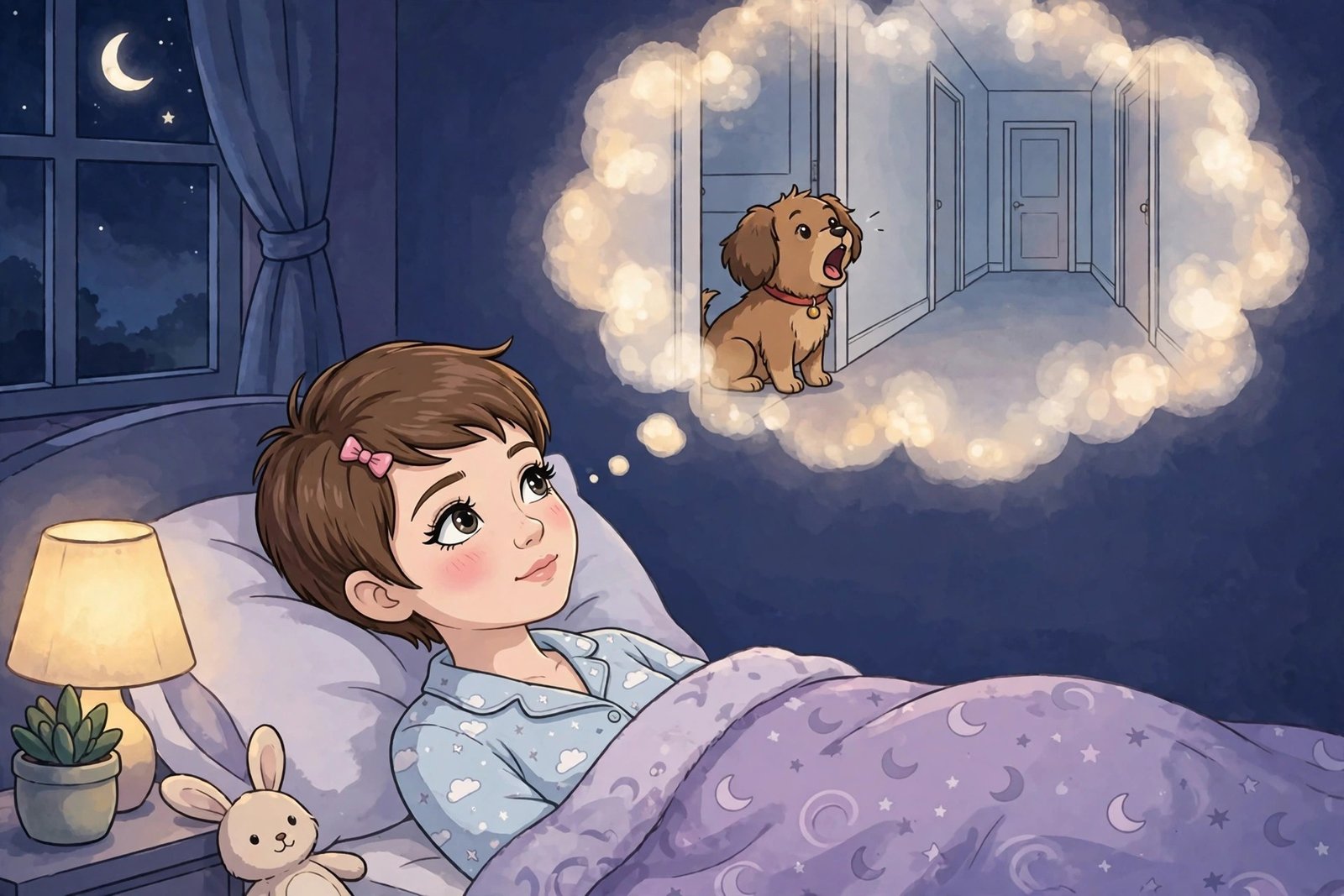
Brains keep what they think will protect you. That’s the whole secret, and once you see it, the replay looks less like a curse and more like a guard dog that never learned the danger left. Your brain marked that lunch as a threat to your standing. So it rehearses it. If it happens again, it wants you ready. Ready to leave sooner. Ready with a reply. Ready to never be caught open like that again.
Rehearsal feels awful, but the motive is care. The trouble is the brain can’t tell a finished danger from a live one. The table is gone. The laugh is months old. The people have new haircuts and new dramas. Your guard dog still barks at the empty doorway, because nobody told it the visitor left for good. A big part of this guide is telling it, in ways it can believe. Telling it well is the heart of how to stop thinking about a humiliation from months ago.
Shame is the glue on the tape. Embarrassing moments you did to yourself fade faster, because they carry a lesson and then let go. Shame sticks, because it carries a fear. What if they all still see me that way? What if that moment is who I’m to them now? Every replay is your brain checking that fear, and the checking itself keeps the fear fed. It’s a loop with its own fuel, which is why doing nothing rarely fixes it.
There’s also a habits side to it. A thought you think every day builds a path, and paths get easier to walk. The replay at tooth brushing time. The replay at lights out. Soon the path is a rut, and your mind slides into it without asking you. To stop thinking about a humiliation from months ago, you’ll need to build a few new paths next to the rut, and this guide gives you those in the next sections.
One more thing to know, because it brings real relief. The replay getting quieter doesn’t depend on the people from that day at all. You don’t need an apology, a redo, or their permission. The tape lives in your head, and your head is yours. Everything in the rest of this guide happens inside your own mind and your own days. That’s good news. It means the way out is already where you live, and nobody from that cafeteria gets a vote on when you get free of it.
The Spotlight Lie: Others Remember Far Less Than You Think
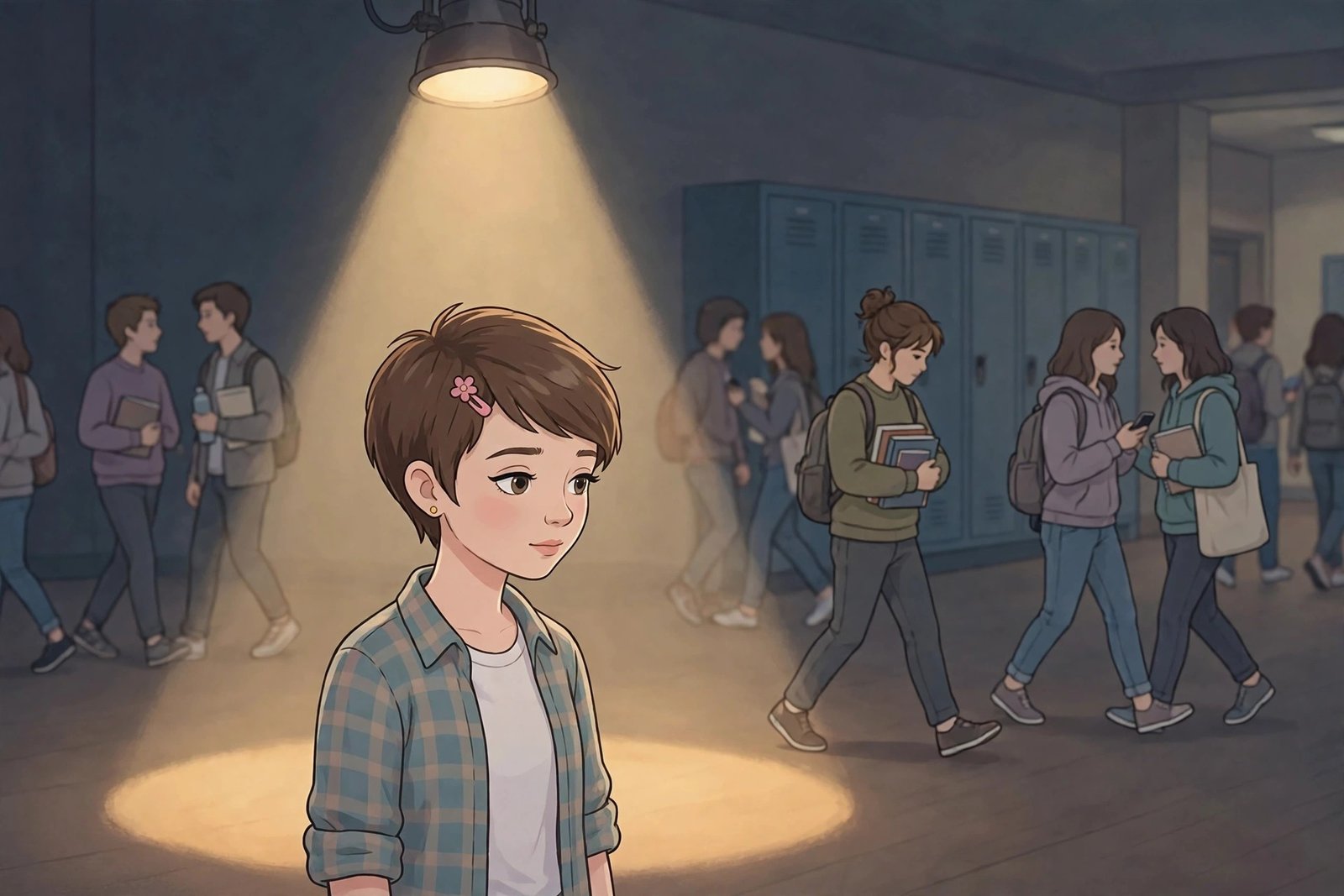
Here’s the fear under the whole loop. They all remember. They all still picture it when they see me. That fear feels like fact. It isn’t. It’s one of the best studied tricks the mind plays, and it even has a name. The spotlight effect. We all think we stand in a bright spotlight, with every eye on us. In truth, the room is dim, and everyone is busy worrying about their own spotlight.
In one famous study, a student had to walk into a room of other students wearing a t-shirt with a singer’s face that teens at the time found deeply uncool. Afterward, the wearer guessed about half the room had noticed the shirt. The real number was about half of the guess. We overcount our audience by a wide margin, every time, because we feel our moments from the inside, in full color, while others catch a second of them between their own worries. That overcount is a huge part of why you can’t stop thinking about a humiliation from months ago, and it isn’t evidence.
A Psychology Today piece on the spotlight effect and replaying cringe moments puts it plainly. People suspend belief when told nobody noticed, and they go on replaying the moment on repeat anyway. Sound familiar? The replay isn’t proof the moment was huge. The replay is proof the spotlight effect is running. Those are very different things, and only one of them is about you.
Now apply it to your cafeteria. Those students went home to their own math tests, their own crushes, their own family noise. Your thirty seconds isn’t playing in their heads at night. It’s barely a file in their memory at all, if it’s even still saved. You’re the only one with the tape on loop, because you’re the only one it happened to. They were the audience for a second. You were the stage. Stages remember. Audiences wander off.
Test it yourself with one honest memory check. Think of the last time another girl had an embarrassing public moment at school. Not you. Her. How much detail can you honestly pull up? A blur, probably. A vague sense of oh yeah, that happened. You didn’t judge her forever. You barely kept the file. That blur is what your moment looks like inside everyone else’s head. Girls who learn to stop thinking about a humiliation from months ago often say this blur test is the first time they truly believed the moment had shrunk for everyone but them.
Even if a few people do remember the outline, remembering isn’t the same as judging. Most teens who recall a scene like that recall it kindly, or as gossip that went stale, or as the day the loud girl was mean. In many retellings, the one who looks bad in the long run is the one who caused the pain, not the one who felt it. Time has a way of grading cruelty correctly, even when the moment itself felt like it graded you.
Shame Grows in Silence: Tell the Story Out Loud

Shame has one simple rule. It grows in silence and shrinks in daylight. As long as the moment lives only in your head, it stays the size your fear makes it. Said out loud, in plain words, to one safe person, it has to become a story. And stories have edges. Stories end.
Pick your listener with care. A best friend with a track record of keeping things. A parent or older sibling who has heard you cry before. A counsellor, if the story feels too hot for anyone you know. You aren’t looking for an audience. You’re looking for one witness, the way a court needs one person to say, yes, I see what happened here, and it wasn’t okay. One safe witness is a real step to stop thinking about a humiliation from months ago.
Then tell it straight, with the boring parts included. Say what she announced. Say who laughed. Say what you did, even if what you did was freeze. Say how long it has been replaying, because that part of the story matters most and nobody can see it from outside. The listener’s face doesn’t do what the fear promised. It doesn’t cringe away. It gets angry for you, or sad for you, or it laughs gently at the size difference between the moment and the months it stole.
Expect a wave after telling. Relief and a weird fresh embarrassment often arrive together, like weather mixing. What stays is the change in the tape. A replayed moment that has been spoken is a moment your brain starts filing as handled. The guard dog heard a human voice say the danger is known and over. It barks less after that. Not never. Less. And less is the road to rare.
If talking feels impossible today, write the story first, the whole thing, on paper nobody will see. Writing is telling with a smaller door. Many girls write it, read it once out loud to an empty room, and feel the shame drop a size before any person hears a word. Then, when a talk does come, the words are already built. That’s where shame starves, and where girls who can’t stop thinking about a humiliation from months ago finally start to feel the tape wear thin.
Answer the Replay With the Full Story
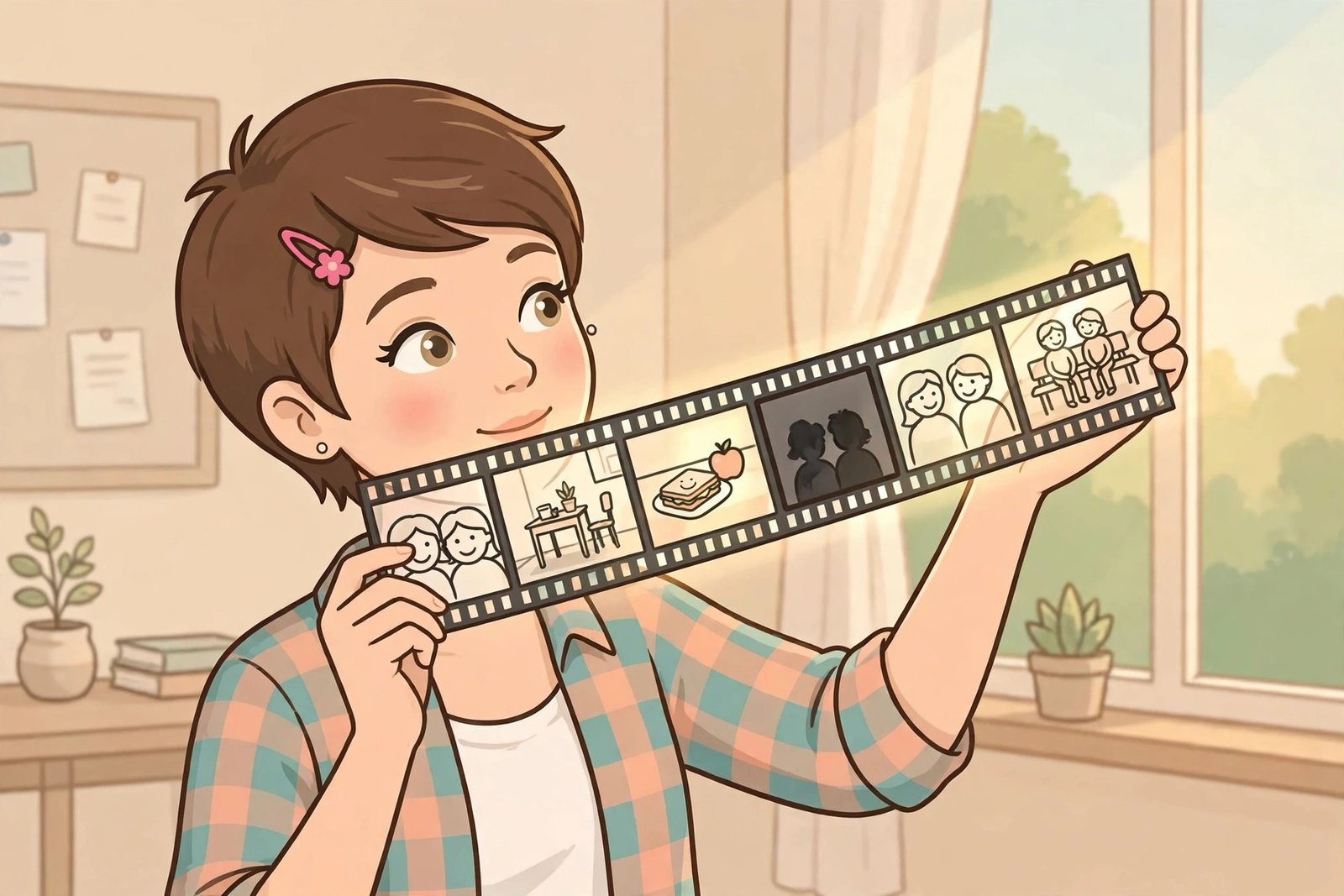
Now for the daily tool, the one you’ll use in the shower, in the car, at lights out, every time the tape starts. The replay lies by cutting. It shows the ten worst seconds, on loop, with the sound turned up. Your job isn’t to stop the film. Your job is to play the full version, every time, until the full version becomes the memory. That daily habit is the engine of how to stop thinking about a humiliation from months ago.
The full story has a beginning the replay skips. Before that lunch, you were a girl with friends, jokes, good days, and a crush you trusted someone with. The full story has a middle with the blame in the right seat. A girl chose cruelty for a laugh. And the full story has an ending the replay never shows. Lunch ended. Nobody brought it up the next week. You kept your friends. You laughed again, many times, in that same cafeteria. The ending is boring. Boring is what healing looks like from up close.
So build your answer lines in daylight, when you’re calm, and keep them ready. That was one lunch, months ago, and it ended. She was unkind, and that says more about her than me. The people who matter don’t see me that way, and I have proof of normal days since. Short, true, and plain. Not fake cheer. Just the facts the replay cropped out.
When the tape starts, don’t argue with the first ten seconds. Let them play, then speak your lines and roll the ending. The bell rang. The trays clattered. I walked to class. Life went on, loudly, all around that one moment, and it has been going on ever since. With practice, your brain starts to attach the ending on its own. Stories end. That’s the whole trick, and it works because it isn’t a trick. It’s the truth, replayed as faithfully as the lie was.
There’s a sister problem to yours, by the way. Some girls weren’t laughed at once but get put down in public again and again by the same person. That pattern needs its own answer, and there’s a guide on how to respond when a girl puts you down in front of everyone for it. Girls who stop thinking about a humiliation from months ago almost all describe this same shift. They didn’t forget. They just stopped meeting the memory alone and unarmed.
Fill the Space the Memory Keeps Visiting

A replay needs a stage, and the stage is usually the same few empty moments. The shower. The bus seat. The last ten minutes before sleep. Your mind drifts in those gaps, and the rut is right there waiting. You can’t delete the gaps. But you can furnish the gaps, so the drift lands somewhere kinder.
Give the stage a new show. An audiobook you love for the shower. A playlist with a rule, only songs in another language, so your brain listens instead of looping. A podcast for the bus. A paperback by the bed for the last ten minutes. This isn’t distraction as a life plan. It’s stage management while the tape wears out. A busy mind can still heal. It just heals with fewer ambushes per day. Fewer ambushes per day is real progress when you’re learning to stop thinking about a humiliation from months ago.
Move your body in the hard windows too. If nights are the worst, a walk after dinner or a short stretch routine before bed can lower the charge the replay feeds on. Tired bodies replay less. It’s something girls notice within a week of moving more. It just knocks on a quieter house.
Grow new memories on purpose, in the same places if you can. Sit in that cafeteria with your people and collect ordinary, funny, nothing lunches, one after another. Twenty normal lunches don’t erase the one bad one. They bury it at the right depth, where it belongs, under a pile of proof that the room is mostly safe and you’re mostly fine in it.
And feed the parts of your life that have nothing to do with that audience. A skill you’re building. A team, a craft, a game, a job, a project with an ending you control. The replay shrinks fastest in a life that’s getting bigger, because the moment takes up less and less of the whole picture. To stop thinking about a humiliation from months ago, you don’t stare the memory down. You outgrow the room it echoes in, one filled gap, one new file, one ordinary lunch at a time.
When the Memory Still Hurts Too Much: Getting Support

Most replays fade with the work in this guide. Some don’t, and that isn’t a failure on your part. It’s information. A memory that still ambushes you daily after months of honest effort, that’s changing how you live, deserves more hands on it than yours alone. Some girls stop thinking about a humiliation from months ago with a counsellor’s help, and that’s the plan working, not failing.
Read these signs like a friend would. You start avoiding places, people, or whole lunches to dodge the memory. Your mood sits low most days, not just when the tape plays. You feel jumpy at school, watching for the next ambush. Or the replay isn’t really about one finished lunch anymore, because the teasing quietly continued and you’ve been calling it the past to cope. Any of those means it’s time to bring in an adult, soon, and that’s a strong move, not a surrender.
Who to tell is the same list as always, because it works. A parent first, if home is safe for hard talks. A school counsellor, who hears versions of this story every single term and knows the school side of it cold. A doctor can help too, if sleep and mood are taking the hit. Start with the truest sentence you have. Something happened months ago, everyone else forgot, and I can’t, and it’s starting to run my days.
Support can also be practical. If anything from that day is still circulating, a screenshot or a post, tell an adult and use the reporting tools on the app. You don’t have to handle copies of your worst moment on your own. Schools and platforms both have ways to pull that kind of thing down, and adults know how to push those buttons harder than you can alone.
Here’s the part to hold onto, whatever your tape does next. The size of the memory isn’t the size of you. You’re the girl who lived a hundred days after that lunch, who kept showing up. That isn’t a small person. That’s a stubborn, brave one. The work in this guide, the full story, the witness, the filled gaps, is how to stop thinking about a humiliation from months ago at the pace real healing moves. And if your pace stalls, help isn’t a last resort. It’s the next step, and it’s yours to take whenever you say so.
So here’s your whole map in one place. Shrink the audience in your mind to its real size. Tell the story once, out loud, to someone safe. Answer every replay with the full story, ending included. Furnish the empty moments so the tape finds fewer stages. And bring in an adult if the hurt starts steering your life. Do those things, and one ordinary week you’ll notice the quiet. A shower with no ambush. A lunch with no echo. It’s the sound of a girl who learned how to stop thinking about a humiliation from months ago, and did the slow work until the tape wore out.
Frequently Asked Questions
Why does it still hurt months later if everyone else forgot?
Because your brain filed the moment under danger, not under old news. Being laughed at or exposed in front of people feels, to the part of your brain that guards your place in the group, like a threat worth rehearsing. So it replays the tape to keep you ready. The replay is protection that outlived its job. It doesn’t mean the moment was huge, and it doesn’t mean you’re weak. It means the guard dog needs retraining, which this guide is for.
Should I confront the girl who humiliated me?
Only if it feels safe, and only with support nearby. A calm word weeks later can help some girls close the story, but it can also reopen the wound if she’s still cruel or if an audience gathers. You don’t owe her a scene, and your healing doesn’t depend on her answer. Many girls close the story fully without ever speaking to her again. If you do want to talk, tell a friend or an adult first, and keep it short, private, and on your terms.
What if people saved a photo or a post about it?
Then tell an adult, even if the moment itself is old. A saved photo or a post that keeps traveling isn’t just a memory problem. It’s an ongoing one, and adults can help you get it reported and taken down through the school and the app. You shouldn’t have to chase copies of your worst moment by yourself. Ask early, show the adult what’s circulating, and let them push the buttons that exist exactly for this.
Will this memory ever fully go away?
Probably not fully, and that’s okay, because total erasing isn’t the goal. The goal is a memory that sits quiet, like an old photo in a drawer. You’ll likely always be able to find it if you go looking. But it can stop ambushing you in the shower, stop steering your lunches, and stop feeling like who you’re. Girls who stop thinking about a humiliation from months ago describe exactly that. The tape still exists. It just no longer runs the house.
When should I tell an adult that I cannot shake a memory?
Tell an adult if the replay is changing how you live. Skipping lunches or places to dodge it, sleeping badly most nights, feeling low most days, or staying jumpy at school are all clear signs. Also speak up if the teasing never really stopped. You don’t need to wait for it to get worse. If you’ve tried for a long while and still can’t stop thinking about a humiliation from months ago, that’s reason enough. A counsellor or a trusted adult can help you carry the last stretch.