
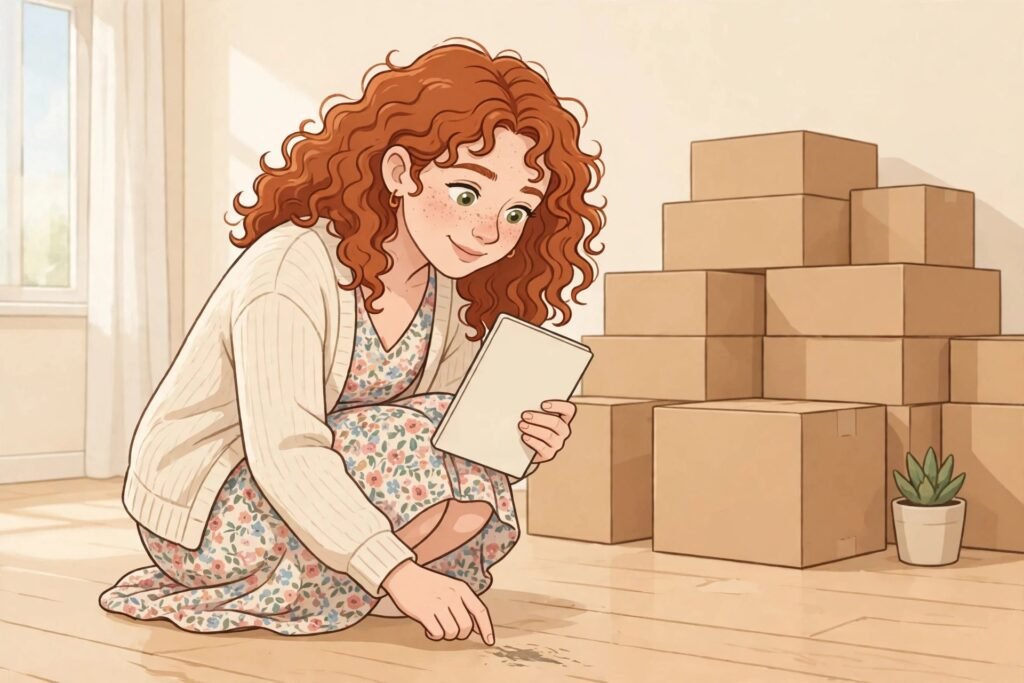
The keys are in your hand, the boxes are in the hall, and the place is finally yours. Then you run the shower and the water pressure is a sad trickle. You open a kitchen cabinet and meet a smell that wasn’t there at the visit. A stain spreads across the bathroom ceiling by week two, and the heating bill lands like a second rent. None of these moments means you chose badly. They mean the home kept a few secrets, the way most homes do. The good news is that almost every rental surprise has the same weak spot: it shows itself early, to someone who’s looking. So the real question isn’t whether your place has quirks.
It’s how can i avoid bad surprises when renting by catching them while they’re still small, written down, and someone else’s job to fix?
If you’re asking how can i avoid bad surprises when renting, you’re already ahead of most first time renters, because the secret isn’t luck and it isn’t a perfect landlord. It’s paperwork and photos, done in the first days, while the place is still empty and every mark on the wall is easy to prove. A rental can’t argue with a dated photo. A landlord can’t deduct for a scratch that your signed inventory listed before you moved a single box in. The habits in this guide are boring for exactly one weekend, and then they quietly protect you for the whole tenancy, deposit included.
Here’s the heart of it. A bad surprise is usually just a fact you learned too late. The damp patch was there under the paint. The drain was slow at the visit too, you just didn’t run the tap long enough. The charges sheet had a line nobody read out loud. When you learn these facts on day one, they’re notes on a form. When you learn them in month six, they’re arguments, bills, and stress. This guide walks the order that works: the slow walkthrough, the photos, the tests, the written promises, and the first week checks.
By the end, you’ll know how can i avoid bad surprises when renting in a way that holds up all year, not just on moving day.
The Short Answer

Start before the furniture. Walk the empty home slowly, room by room, with the landlord or agent if you can, and write down every mark, scratch, stain, and wobble on a condition report or inventory that you both sign and date. Photograph everything the same day, wide shots and close ups, with the date visible in your phone’s records. Test what photos can’t show: taps, drains, appliances, windows, heating, and the smoke alarm. Send your notes and photos to the landlord in writing within the first days, so there’s a dated record they received them. That’s the short answer to how can i avoid bad surprises when renting.
Then keep going for one more week. Live in the place with your eyes open: run the shower at full heat, cook a real meal, listen at night, watch for damp after rain. Report anything new in writing, right away, kindly and with dates. A problem reported in week one is a repair. The same problem reported in month eight can be called your fault. Keep every paper, receipt, and message in one folder for the whole tenancy. Boring habits, yes. But they’re exactly how can i avoid bad surprises when renting stops being a worry and becomes a system that runs itself.
Most Rental Surprises Were Visible on Day One

Let’s start with a calming truth: rental surprises rarely come out of nowhere. The crack over the door frame was there when you visited. The carpet burn hid under the previous tenant’s rug. The window that doesn’t quite close was stiff the day you toured, and the slow drain was slow then too. Visits are short and full of feelings, so your eyes slide past small flaws while your heart is busy picturing the couch. That’s human. It isn’t carelessness, and it doesn’t make the flaws your fault. It just means day one needs a second, slower look, with your inspector hat on instead of your daydream hat.
Why does that second look matter so much? Because timing is proof. A flaw you note before you move in is, by simple logic, not yours. A flaw you first mention months later has to be argued, and arguments are where deposits go to shrink. The whole game of how can i avoid bad surprises when renting is played in that gap: the days between getting the keys and filling the rooms. In those days, the home is empty, honest, and easy to read. Every scuff is visible. Every appliance can be run. Nothing is hidden behind your furniture yet, because your furniture isn’t there.
There’s a second reason day one matters, and it’s kinder than proof. Early notes make early repairs. Landlords fix things fastest at the start of a tenancy, when the handover is fresh and they want you settled and happy. A wobbly toilet reported on day two gets a visit this week. The same wobble reported in month nine joins a queue and a debate about wear and tear. Reporting early isn’t complaining. It’s giving the home its best chance to be good to you, and giving the landlord a fair, clear list while the trail is warm.
So give day one a job title: it’s your evidence day and your repair day in one. Walk slowly. Touch things. Write like a person who’s describing the place to a friend who’ll check your work later, because in a way, you are. Future you, at move out, deposit on the line, will read these notes and be so glad you bothered. That’s the spirit under this whole guide: how can i avoid bad surprises when renting is mostly how can i be kind to my future self with one careful hour today?
Do the Walkthrough Like an Inspector, Not a Guest
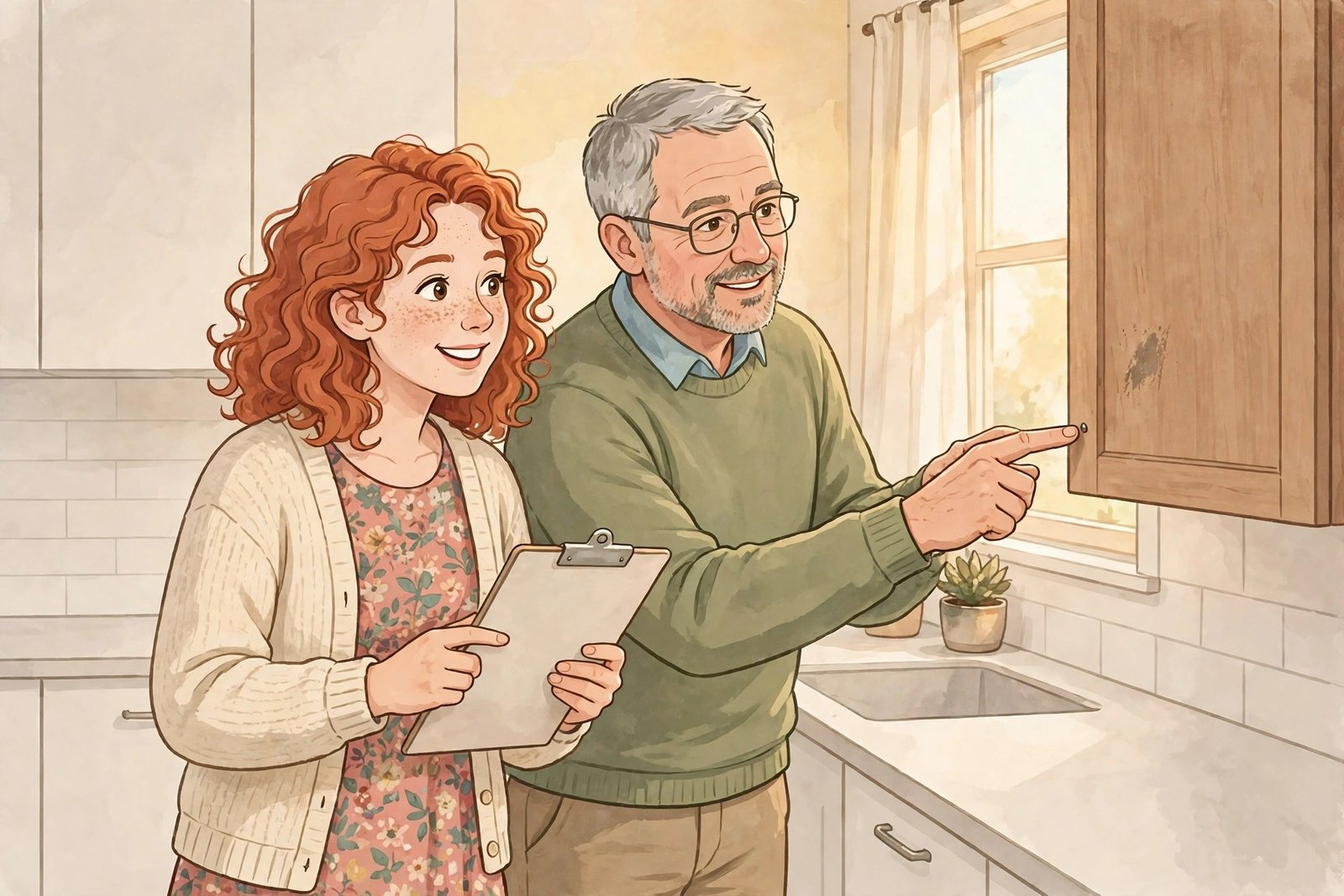
The walkthrough is where most deposits are quietly won or lost, so treat it like the main event, not a formality between the keys and the boxes. Ask the landlord or agent to walk it with you. If they can’t, walk it yourself and send the results in writing the same day. Go room by room, in the same order every time: floors, walls, ceilings, windows, doors, then the fixtures. An order keeps you from skipping the dull corners, and the dull corners are where the marks live. Write down even small things. “Tiny chip, left of the bedroom door” is a sentence that can save you real money one day.
Look with all your senses, not just your eyes. Run a hand along walls for damp or bubbling paint. Sniff under sinks and inside cabinets for the musty smell that means water has been visiting. Our readers who love a fresh home know the scent tricks in how to make your home smell good, but day one isn’t about making it smell nice. It’s about catching the smells that are trying to tell you something: damp, old leaks, a drain that needs love. Note them in words, not just in your head. A smell written down on day one is a fact. A smell remembered in month five is an opinion.
Describe problems like a camera would. “Damage to carpet” is weak. “Burn mark, two inches wide, beside the living room window” is strong, because nobody can stretch it or shrink it later. Nolo’s tenant guides make the same point: the more specific the note, the clearer it is that you didn’t cause it. Fill the form together if you can, sign it, date it, and keep your copy somewhere safe. If your landlord has no form, bring your own notes. A signed page of your careful notes still beats a memory and a shrug.
And walk the edges people forget: inside the oven, under the fridge’s crisper drawer, the seal of the washing machine, the tops of doors, the balcony drain, the storage locker if you have one. Check that the windows lock, the doors latch, and the keys you were given open everything they should. This slow pass is the practical core of how can i avoid bad surprises when renting. It feels fussy for forty minutes. Then it protects you for years, and fussing once is a trade you’ll make every time. Remember, the question how can i avoid bad surprises when renting is answered less by luck than by this one unglamorous hour.
Photograph Everything Before a Single Box Comes In

If the written inventory is your testimony, photos are your proof, and proof beats memory in every deposit talk ever held. So before one box crosses the door, take your photo pass. Start with a wide shot of each room from the doorway, so the general state is on record. Then take close ups of every flaw you noted: every scratch, stain, chip, crack, and mark, with something in frame for scale, like a coin or your hand. A close up with no scale can be argued about. A close up with a coin beside the chip cannot.
Take a slow video too, walking the whole home and saying the date out loud as you go. Video catches the things still photos miss: the tap that sputters, the door that scrapes, the fridge that hums like a small aircraft. Nolo’s move-in checklist guide backs the same pairing, a written list plus dated photos and video, because each one covers the other’s gaps. Make sure your phone stamps the date and time on your shots, or that the file data keeps it. Dated evidence is the kind that ends arguments before they start.
Then do the step most renters skip, the one that makes the photos count double: send them. Email the landlord or agent your signed inventory and a set of the photos within the first day or two, with a short, friendly note: here’s the condition as I found it, please keep it with my file. Now there’s a dated record in their inbox that they received it, not just a folder on your phone. If they reply, even with a thanks, that reply is gold. Keep it. You’re not being dramatic. You’re doing what careful adults do with anything valuable: you’re keeping the receipts.
Store your set in two places, your phone and one cloud folder, named by date. You’ll add to it across the tenancy: the repair visit, the new stain the roof leak made, the before and after of anything that changes. How can i avoid bad surprises when renting? Partly like this: build a small, dated album of the home’s truth, starting empty and honest on day one. When move out day comes, and it always comes, you’ll walk the same rooms with the same list, and the deposit talk will be short, calm, and mostly about handing your money back. That’s the quiet prize at the end of how can i avoid bad surprises when renting done right.
Test the Things Photos Cannot Show
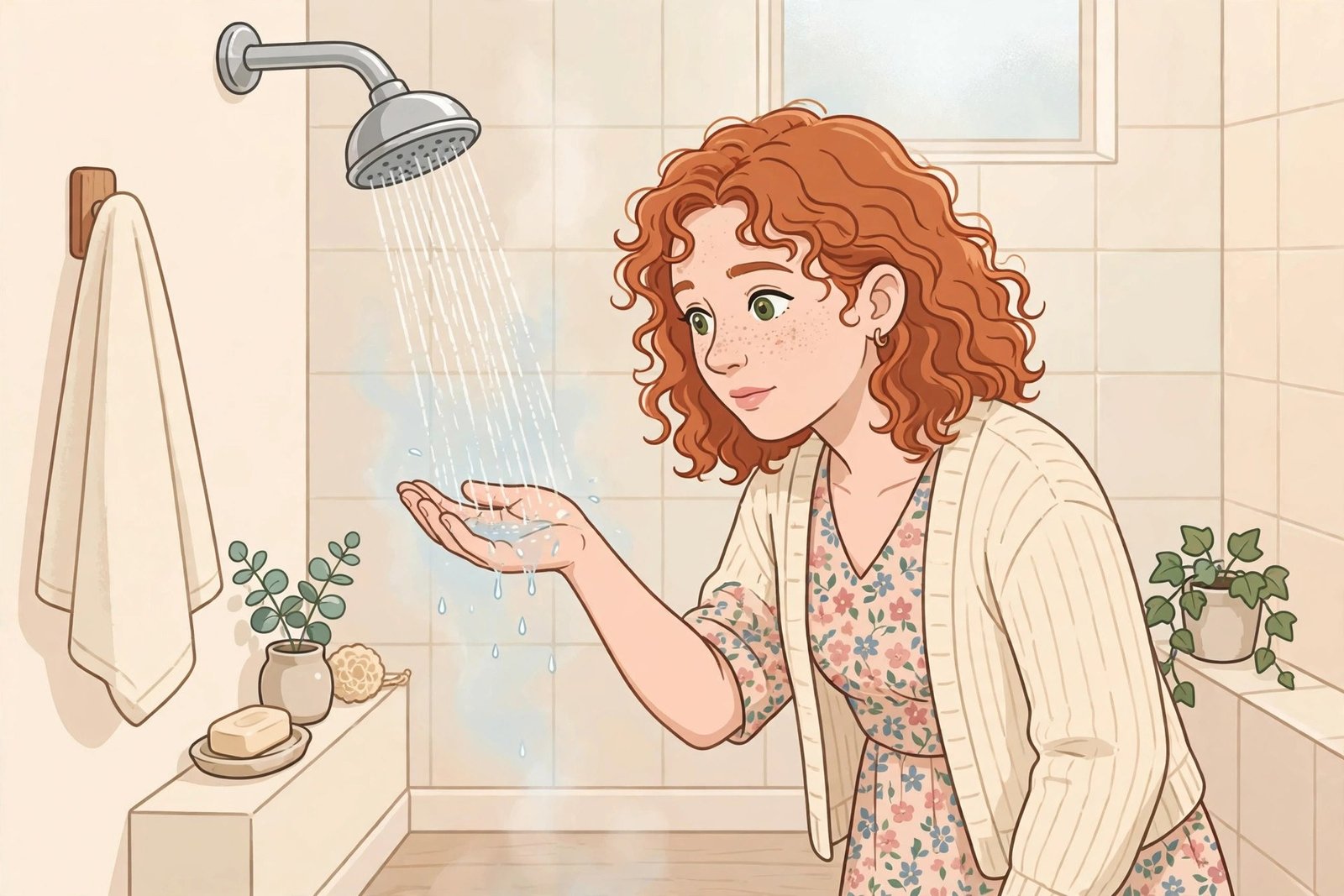
Photos record how a home looks. Tests record how it lives, and a home can photograph beautifully while its shower dribbles and its oven gives up at 180 degrees. So run the place like you mean to use it, because for the next year, you will. Turn on every tap and let it run. Watch the pressure, watch how fast the sink drains, and flush every toilet. Slow drainage on day one is a note. Slow drainage discovered in month three, with your hair in the trap, is a debate about who clogged it. Write the day one version down and the debate never happens.
Run every appliance through one real cycle. Boil water on each stove ring. Turn the oven on and check it actually heats. Open the fridge and freezer and feel for real cold, then listen: a fridge that rattles loudly on day one is telling you its age. Run the washing machine empty if there is one, and the dishwasher too. Check the heating in every room, even in summer, because the middle of your first cold snap is the worst time to learn a radiator is dead. Test the hot water and time it: a shower that runs cold in four minutes is a fact to report now, kindly, while repairs are quick and goodwill is fresh.
Test the safety basics with the same care. Press the smoke alarm button. Look for a carbon monoxide alarm where your area requires one, near the boiler or in the sleeping area. Flip every light switch. Plug your phone charger into a few sockets in each room. Open and close every window and check that they lock, and check the front door’s lock and latch twice, because you’ll trust your sleep to them. Choosing to live on your own is a proud step, the one we explore in is it selfish to want to live alone, and a home that locks well and alarms well is part of enjoying it.
Anything that fails a test goes on the written list the same day, in the same specific words: “bedroom window doesn’t latch,” not “window issue.” Send the list with your inventory and photos, so the home’s day one truth is in one tidy bundle in the landlord’s inbox. That’s the testing half of how can i avoid bad surprises when renting: looks in the photos, life in the tests, both of them dated. And when the landlord fixes a day one failure fast, note that too. Your paper trail should be fair, not just defensive. A trail that records the good responses as well as the flaws is the kind people believe, and the kind that keeps a tenancy friendly.
Keep the question how can i avoid bad surprises when renting in mind as you test: you’re not hunting for faults, you’re building the home’s starting line.
Get Every Promise in Writing

Rental surprises don’t only hide in walls. They hide in sentences. “We’ll repaint before you move in.” “The parking spot is basically yours.” “If the noise bothers you, we’ll sort it.” Said with a smile at a visit, these promises feel solid. Three months later, memory edits them for both sides, and the sentence you heard and the sentence they said stop matching. The fix is simple and it’s never rude: get it in writing. A promise in the lease is best. A promise in an email or message from the landlord is nearly as good. A promise in the air is weather.
After any visit talk, send one short, warm message: “Thanks for today. Just so I have it straight, you’ll repaint the bedroom and fix the bathroom fan before the first, and the storage locker is included. Shout if I’ve got any of that wrong.” If they reply, or even if they don’t correct it, you now hold a dated summary they saw. Do the same for anything agreed later: a repair date, a permission to paint, a change to a due date. Thirty seconds of typing, a year of clarity. This is one of the highest value habits in this whole guide.
Writing protects the relationship, not just your rights. Most landlord tension isn’t malice, it’s two honest memories of one fuzzy talk. A paper trail lets both of you be generous, because neither of you has to win an argument about the past. You just scroll up. And if a real dispute ever comes, the tenant office or board in your area will ask for exactly this: dates, messages, the signed inventory, the photos. Handing over a tidy bundle changes how the whole talk goes. It says you were careful from day one, which is the most believable thing a renter can say.
So make it a reflex. If it matters, it’s written. If it’s written, it’s dated. If it’s dated, it’s kept. Verbal is for kindness, paper is for facts, and a good tenancy needs both. Add this reflex to your list whenever you ask how can i avoid bad surprises when renting, because half the surprises in renting aren’t in the home at all. They’re in the gap between what was said and what was saved. Close the gap the same day, every time, and it stays closed. That, more than any single check, is how can i avoid bad surprises when renting in real life: nothing important lives only in someone’s memory.
The First Week Checks That Catch Hidden Problems
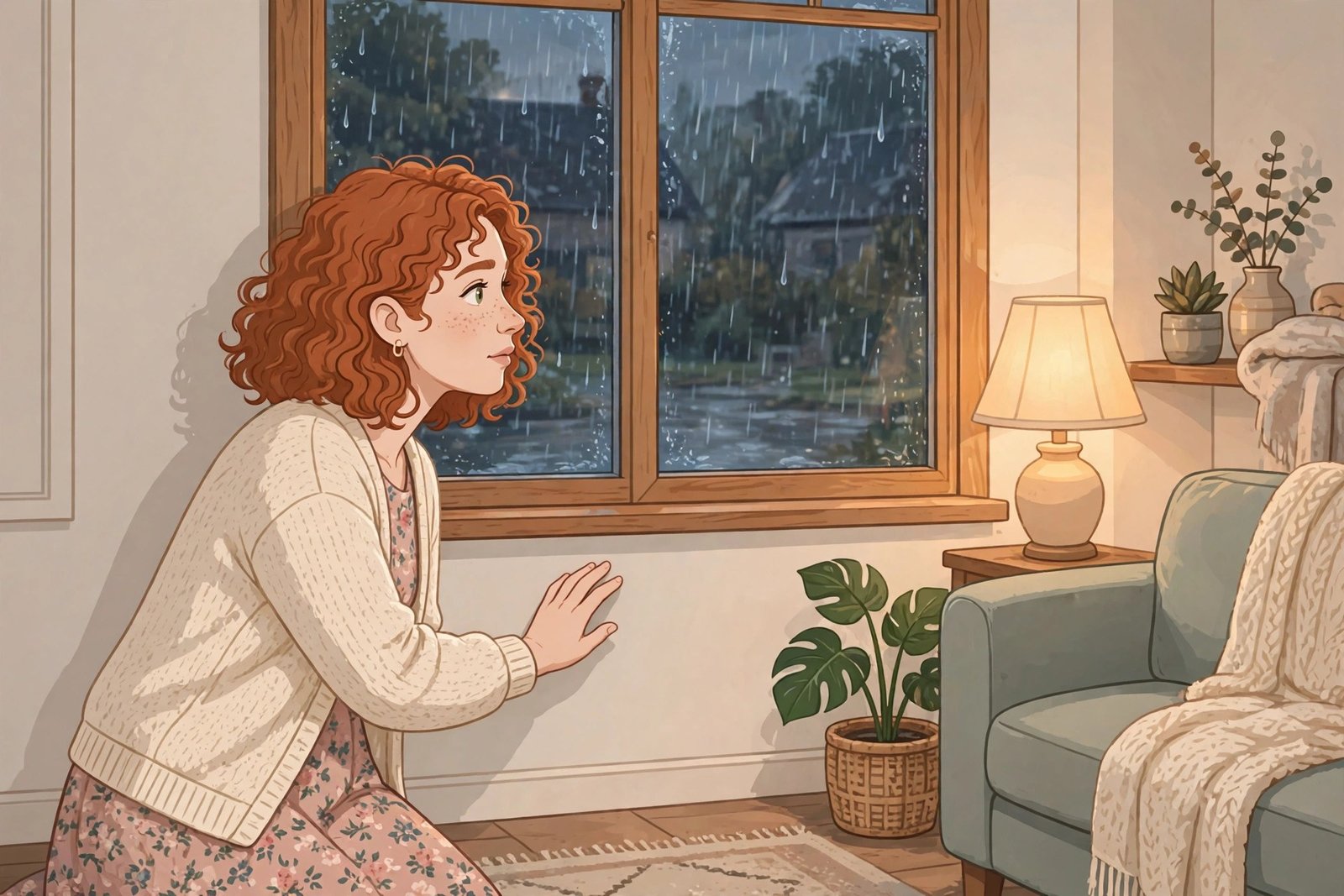
Some problems only appear when a home is lived in, so give your first week a quiet second inspection, folded into normal life. Cook a real meal and watch the oven hold its heat and the extractor do its job. Take a full shower at the time you’ll usually take one, and check the pressure when the building is busy, not just at noon. Run a load of laundry. These aren’t chores, they’re tests wearing aprons, and they catch the gap between the empty home you inspected and the working home you rented.
Listen to your new home at different hours. Buildings have a daily soundtrack: pipes at dawn, the upstairs floor at midnight, the street on Friday night. A visit at noon on a Tuesday can’t show you any of it. In your first week, note what you hear and when. Most of it will just become the normal music of the place. But if a noise is truly heavy, a pump that bangs all night, a neighbor’s bass through the wall at 2 am, note the dates and times from the start. A dated pattern is a fact a landlord can act on. A general complaint in month four is a shrug.
Watch the wet places after real use and real weather. After showers, check the bathroom ceiling and the wall behind the toilet for damp or new marks. After rain, look at window corners and the wall under them. Damp spreads slowly and repairs best early, and the first storm of the season is the home’s honest report about its seals. Do the same with heat: on the first cold evening, walk the radiators and windows and feel for drafts and dead spots. Every find goes into a message while it’s small. Small and early is the whole strategy.
Keep your tone in these reports warm and plain. You’re not building a case against anyone. You’re being the tenant every landlord wants: the one who spots a drip while it’s a drip. Most first week finds get fixed fast, and each fix teaches you the home and builds trust on both sides. That’s the lived in half of how can i avoid bad surprises when renting. Day one catches the visible. Week one catches the behavioral. Together they leave very little for month six to ambush you with, which is the practical heart of how can i avoid bad surprises when renting.
And if you keep asking how can i avoid bad surprises when renting as the weeks pass, you’ll notice the answer gets easier: the home has fewer and fewer secrets left to tell.
Keep a Paper Trail for the Whole Tenancy

Day one habits fade if they stay day one habits, so give your future self one simple system: a single folder, on paper or in the cloud, where everything about this home lives. The signed lease and inventory. Your day one photos and the email that sent them. Every receipt: deposit, rent, the pet fee if there was one. Every message about repairs, promises, and permissions. Every bill with your name on it. One folder, no hunting. When anything is questioned, you won’t rely on memory or mood. You’ll open the folder.
Pay rent in ways that leave a trail. A bank transfer or a payment app record beats cash with no receipt every single time. If you ever do pay in cash, get a signed receipt with the amount and date, the same day. Renewals and changes go in the folder too: the new rent amount, the landlord’s notice of it, your written reply. Even small things earn their place, like the landlord’s yes to your paint color. Permission in writing has saved more deposits than any argument ever has. It’s one more quiet answer to how can i avoid bad surprises when renting.
Once or twice a year, add fresh photos of the home as it is: clean, cared for, unchanged in the ways that matter. If a pipe leaks in month ten and stains a ceiling, photograph it the day it happens and report it the same day, so the damage is tied to the event and not to you. A trail that grows calmly across the whole tenancy tells one clear story: this renter noticed things early, reported them kindly, and kept her home well. That story is your deposit’s best friend and your reference letter’s quiet author.
So here’s the whole guide in one breath. Walk the empty home like an inspector. Photograph it before a box comes in. Test everything a photo can’t judge. Write down every promise. Spend week one listening, cooking, showering, and watching the wet corners. Then keep one folder for everything, all year. Do that, and the answer to how can i avoid bad surprises when renting is simply: you mostly won’t meet any, because you met the home honestly at the start, and you kept the proof. Your future self, keys in hand and deposit coming home, says thanks.
Frequently Asked Questions
Do I really need a written inventory if the place looks perfect?
Yes, especially then. A perfect looking home still has a history: a carpet stain under the rug, a chip inside the oven, a window that never quite closed. If it isn’t written down on day one, it can be priced as your damage on the last day. The inventory isn’t about distrust. It’s the home’s starting photo in words, and it’s the simplest answer to how can i avoid bad surprises when renting: write the truth down while it’s easy to see.
What should my day one photos actually show?
Start wide: one shot of each room from the door, so the general state is on record. Then go close on every flaw: scratches, stains, chips, cracks, worn seals, marks on walls and floors, with a coin or your hand in frame for scale. Photograph inside appliances too, and the meter readings if you can. Add one slow video where you say the date out loud. Send the set to your landlord the same week, so the record lives in their inbox too, not just on your phone.
What if I only find a problem after I’ve moved in?
Report it in writing as soon as you find it, with the date and a photo, and keep your tone plain and kind. Plenty of real problems only show up in use: a drain that slows, damp after the first storm, heating that fails on the first cold night. A fast, dated report ties the problem to the home, not to your habits. Waiting is what turns a repair into an argument, and quick notes are how can i avoid bad surprises when renting even after day one.
How long should I keep all this paperwork?
Keep the whole folder until your deposit is back in your account and any final bills are settled, then a little longer for safety. That means the lease, the signed inventory, your day one photos, every receipt, and every message about repairs or permissions. Storage is free and tiny. Recreating a lost trail is not. Most renters never need the folder at all, and that’s the best outcome. The folder isn’t there because trouble is coming. It’s there so trouble has nowhere to sit.
What’s the one habit that protects me the most?
The dated paper trail, started on day one. Photos, a signed inventory, promises in messages, receipts for every payment, all in one folder. Landlords change, memories blur, agents move jobs, but a date on a document doesn’t move. If you do nothing else in this guide, do that. It’s the habit under every habit here, and it’s the honest core of how can i avoid bad surprises when renting: you don’t need a perfect home, you need proof of the real one, kept from day one.