
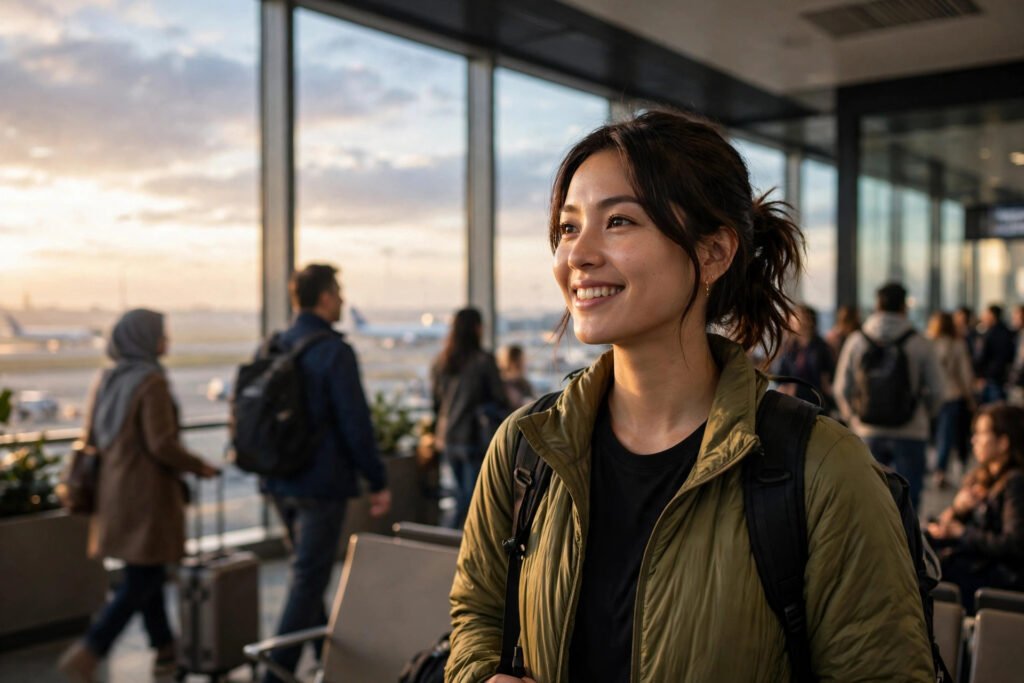
At airports, in mountain towns, at single tables in busy restaurants, a sight that once drew questions now barely draws a glance: a woman travelling entirely on her own, and clearly enjoying it. The rise of solo travel for women is not a niche story about a few unusually brave travellers. It is a mainstream shift in how women spend money, use free time, and mark the turning points of their lives.
This article explains the rise of solo travel for women without the usual myths. These travellers are not all escaping something, not all searching for themselves, and not all wealthy or young. Many are ordinary travellers who reached a simple conclusion: waiting for the perfect companion, the perfect schedule match, and the perfect moment was costing them the trips they actually wanted to take.
The short answer
The short answer is that the rise of solo travel for women happened when three things lined up at once. Women gained more independent income and control over their own calendars. Technology made travelling alone far easier to plan, navigate, and make safer. And the culture changed: a woman eating alone, hiking alone, or checking into a hotel alone stopped being treated as an oddity and started being treated as a traveller.
There is also a lesson many women describe in almost identical words. Group trips fail quietly. Friends agree in January and cancel by spring. Partners have different budgets, different leave dates, different ideas of fun. Going alone removes the negotiation that killed so many plans. Seen that way, the rise of solo travel for women is less a rejection of other people than a refusal to postpone a life until other people are ready.
Solo here also needs a careful definition. A solo traveller may join a day tour, eat with people she met yesterday, or book a small group trip where everyone arrived alone. The point is not isolation. The point is that the decision, the itinerary, and the pace belong to one person. She is travelling under her own authority, even when her days are full of company.
What research says about the rise of solo travel for women
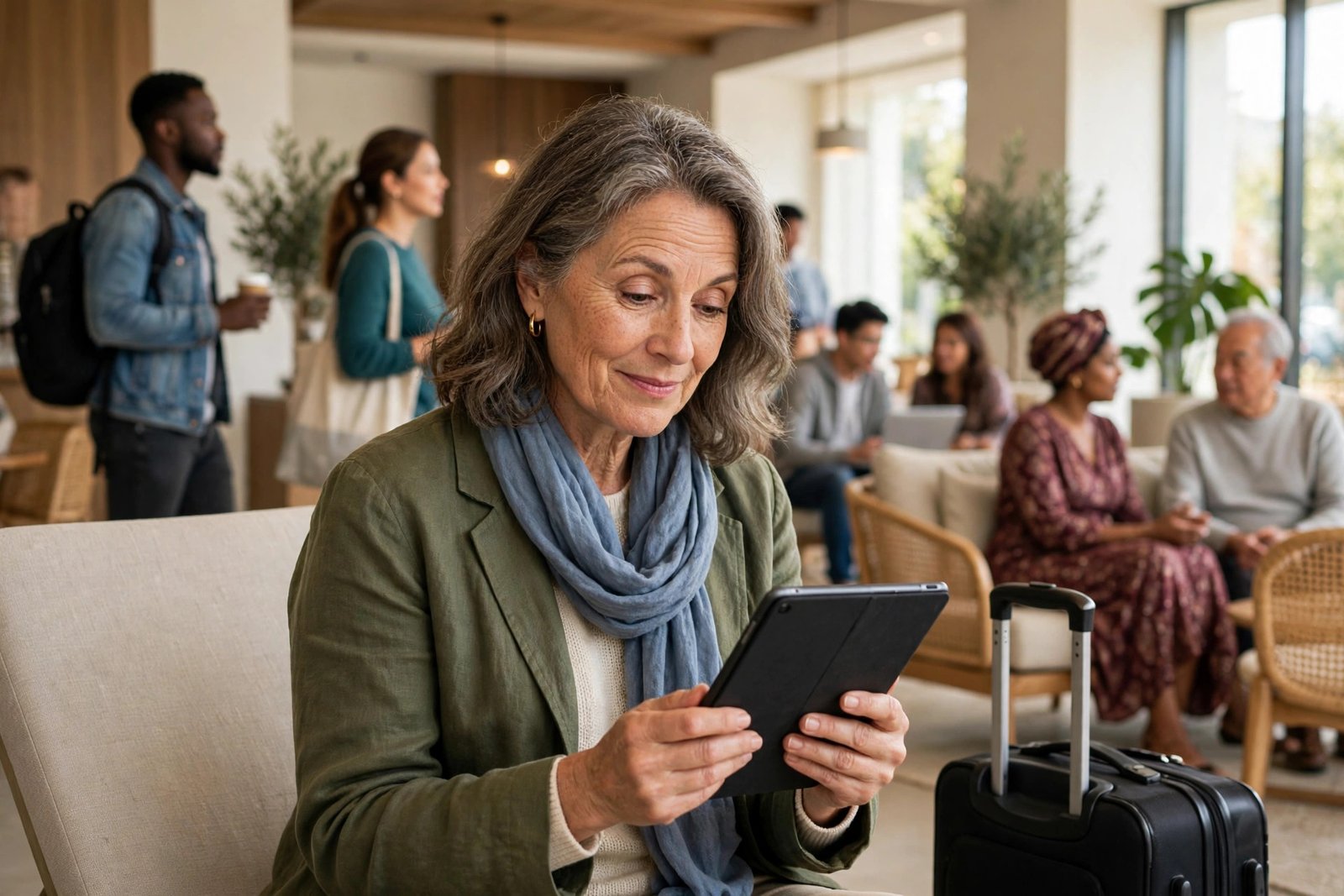
Travel industry reporting has tracked this growth from several directions at once, which makes the overall direction hard to dismiss even if individual surveys differ. Operators report more solo bookings by women, insurers report more solo policies bought by women, and search and booking platforms report sustained interest that survived the return to normal travel after the pandemic years.
A concrete example helps. Reporting by Travel Weekly on trends for 2026 cited a 2025 Booking.com survey finding that more than 60 percent of American women planned to travel solo within the next two years, with women over 45 the fastest growing group. The same reporting noted a 35 percent year on year increase in solo female travel insurance purchases reported by United States travel insurers. Those figures describe intentions and purchases in one market, not the whole world, but they illustrate the scale behind the rise of solo travel for women.
Motivation research adds an important correction to the stereotype. Women travelling alone do not describe only freedom, though freedom matters. They describe rest, curiosity, learning, food, nature, and the pleasure of competence: navigating a new city, solving problems in another language, finding that they are more capable than their daily routine lets them show. Operators quoted in industry reporting also note a move away from checklist sightseeing and toward slower trips built around reset, culture, and meaning.
Age is the other correction. Coverage often pictures a traveller in her twenties with a backpack, and she exists. But women in their forties, fifties, and beyond are a major and growing part of this story, often with more money, clearer tastes, and less patience for compromise than they had at 25. Any serious account of the rise of solo travel for women has to make room for the divorced traveller, the retired traveller, the widow travelling again, and the mother taking her first trip alone in decades.
What research cannot do is give one motive to millions of strangers. Surveys capture booking behaviour and stated reasons, not the full interior story. So the honest summary is this: the behaviour is measurably more common, the travellers are more diverse in age than the stereotype suggests, and the reasons combine practicality, pleasure, and life change in proportions that vary from woman to woman.
Why now: money, time, technology, and permission
Money comes first, as it usually does. Travel alone is more expensive per person than travel shared: one traveller pays the whole room, the whole taxi, the whole fee. That women are doing it in growing numbers anyway signals real earning power and real priority. A solo trip is often not a leftover purchase. Women save for it, plan leave around it, and cut other spending to protect it. That budgeting seriousness is part of the rise of solo travel for women that glossy coverage tends to skip.
Time works differently than people expect. As lives get busier, coordinating two or four adults becomes the hardest part of any trip. One calendar is manageable. Four calendars are a project. Going alone converts months of group messages into a single decision. For women whose work and family schedules already involve coordinating everyone else, a trip with no coordination at all is not a small benefit. It is the benefit.
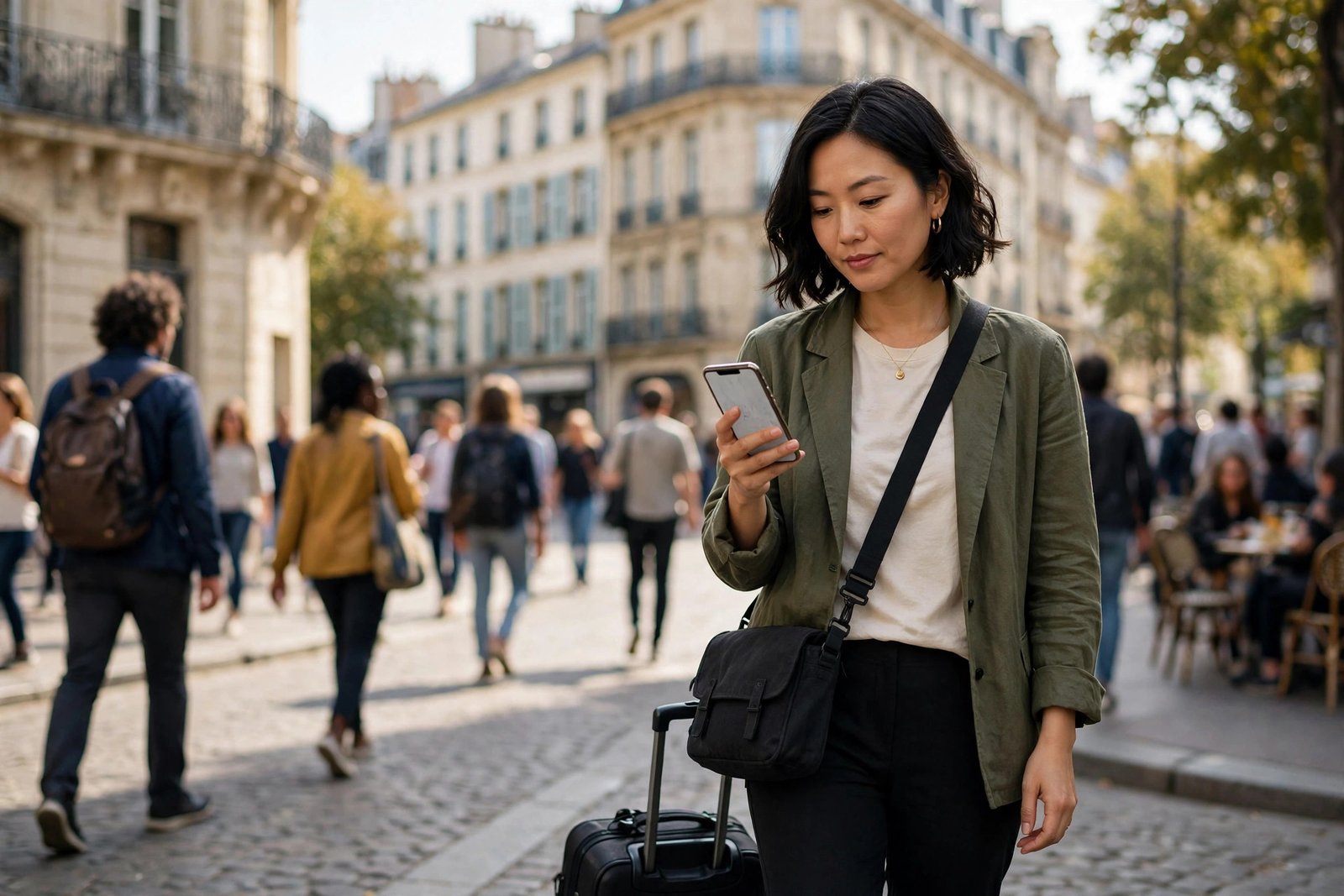
Technology quietly removed a stack of fears that once stopped solo trips before they started. Maps in your pocket. Translation in your pocket. Reviews of every hotel and street. Rides you can track, locations you can share, money you can move without carrying cash, and family you can reach from a mountain village. None of this makes travel risk free. It makes the unknown more manageable, and manageable unknown is exactly what many first time solo travellers needed.
Permission changed too, and it may be the deepest factor of all. Earlier generations of women often travelled within structures: family trips, honeymoon trips, trips organised around someone else’s work. Travelling alone for pleasure, with no justification beyond wanting to, is a claim about whose desires count. Each woman who does it visibly, posts about it, and comes home with ordinary happy stories lowers the social cost for the next woman. That normalising loop helps explain the rise of solo travel for women better than any single product or app.
Social media plays a double role in that loop. It spreads real knowledge: routes, neighbourhoods, honest warnings, women only communities where questions can be asked without ridicule. It also sells a polished fantasy that real trips rarely match. Experienced solo travellers tend to use the first and discount the second, taking tips from other women while keeping their expectations set by their own budget and energy.
Solo, but not isolated: the social side of travelling alone

One of the most persistent misunderstandings is that solo travellers want to be left alone for two weeks. Most do not. Travelling alone often makes people more social, not less, because conversation is no longer optional background. When you have no companion, you talk to the guesthouse owner, the woman at the next table, the guide, the stranger on the train. Many of those small encounters become the stories travellers retell for years.
Group formats designed for solo travellers have grown alongside independent trips. Small group tours where most people book alone, cooking classes, walking tours, retreats, and women only departures all let a traveller keep her independence while buying company by the day or by the week. This hybrid model is a large, practical part of the rise of solo travel for women, especially for first trips and for destinations a traveller prefers not to navigate entirely alone.
Eating alone deserves its own mention, because it is the moment many women dread before a first solo trip and stop fearing by the third day. A book, a journal, a seat at a counter, an early dinner: the toolkit is simple. Restaurants in many cities have also adapted, with counter seating and staff who no longer treat a table for one as a problem to hide in a corner. The solo diner is now a customer category, not an embarrassment.
Destinations benefit when they understand this social texture. A city that works well for a solo traveller usually has walkable centres, good public transport, lively public spaces, and food cultures where a single diner is unremarkable. If you want a concrete example of planning days that work beautifully alone, our guide to what to do in Montreal shows the kind of neighbourhood based, market and museum filled itinerary that solo travellers tend to love.
Friendship formed on the road has its own character. It is fast, honest, and often surprisingly durable, because people travelling alone tend to present themselves plainly. Some of those friendships become annual travel partnerships. Others last exactly one train ride and are complete as they are. Either way, the rise of solo travel for women is producing new networks of women who exchange routes, warnings, spare rooms, and encouragement across countries.
There is a relationship side to this too. Many solo travellers are happily partnered. They travel alone because tastes differ, leave dates differ, or because a trip alone maintains a sense of self inside a shared life. Travelling without a partner is not automatically a comment on the relationship, a nuance our article can you love someone but not want them explores from a different direction: closeness and independence can coexist, at home and on the road.
Safety is part of the story, not the whole story
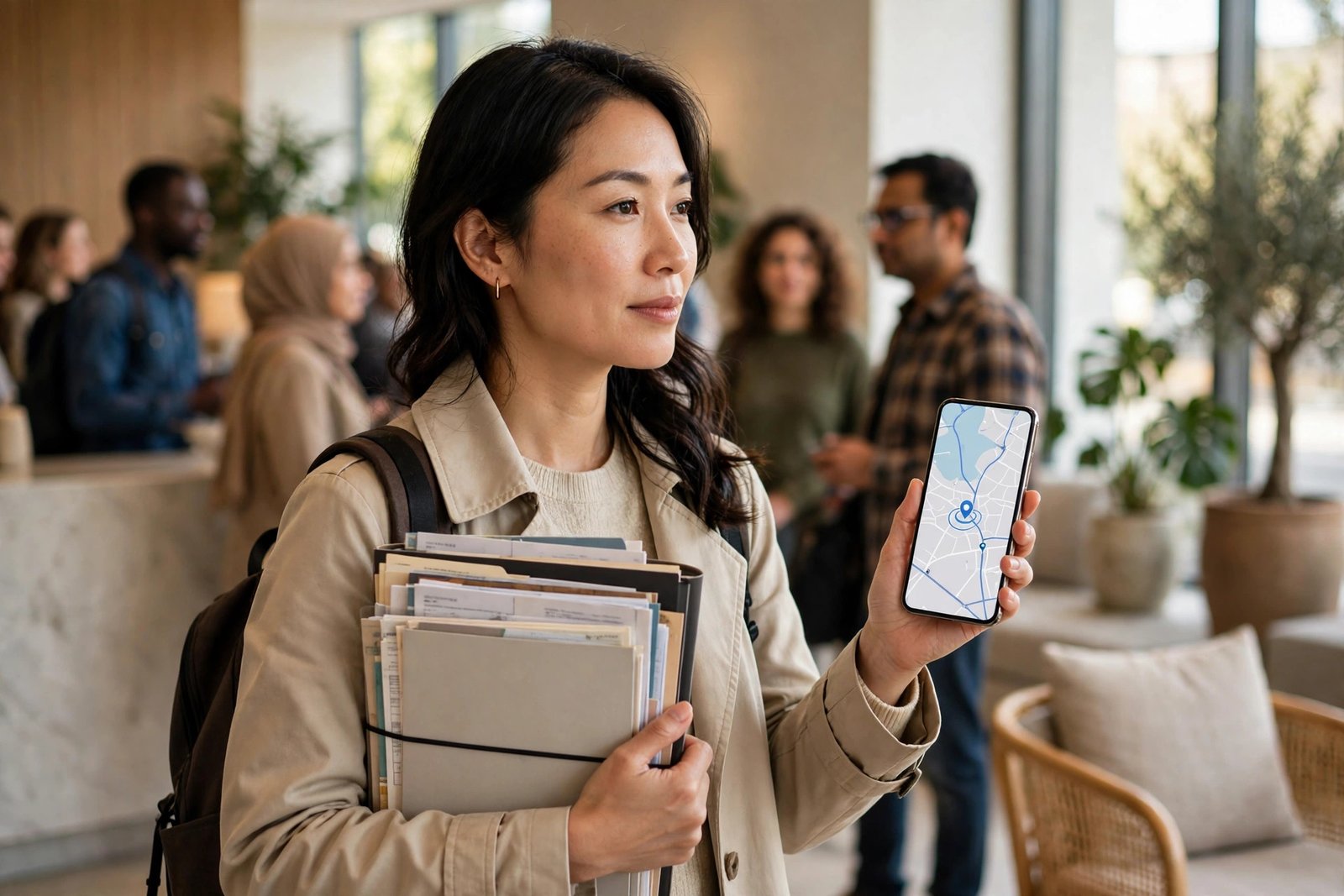
No honest article on this subject can skip safety, and no honest article should reduce women travellers to it. Women travelling alone assess risk constantly: neighbourhoods, arrival times, transport choices, alcohol, accommodation security, how a street feels after dark. That assessment is a skill built from daily life, transferred to travel. It deserves respect, not pity.
Practical habits recur among experienced solo travellers. Arrive in a new place in daylight when possible. Keep the first night simple and close to your lodging. Share your live location and itinerary with someone at home. Keep money and documents split. Research local norms on dress and behaviour, not to accept unfair rules, but to move through a place with information instead of surprise. Trust the internal alarm that says a situation has changed, and leave before you need a better reason.
Technology helps and can also mislead. A phone with no battery, no signal, or no local data plan is not a safety plan. Paper backups, offline maps, a hotel card in the local language, and cash for one taxi remain unglamorous and effective. The travellers who look most relaxed about safety are usually the ones who handled the boring details before departure, not the ones who never thought about them.
It also matters to say clearly where responsibility for danger lies. Harassment and violence are the fault of the people who commit them, everywhere, at home and abroad. Precautions are tools for moving through the world as it is, not admissions that a woman travelling alone invited trouble. Keeping both truths in one article matters, because the rise of solo travel for women will stall in public debate if every discussion turns into a warning and never reaches the joy that keeps women travelling.
Risk varies sharply by destination, by traveller, and by activity, which is why specific, current, local information beats generic fear. Government travel advice, local women, recent reviews by other solo travellers, and reputable operators each reveal a different layer. A careful traveller reads more than one kind of source before deciding, and updates her judgement on the ground when a place feels different from its reputation in either direction.
Life transitions and the reset trip

Look at when women book their first solo trips and a pattern appears: after. After a divorce, after a bereavement, after children start school or leave home, after a demanding job ends, after a recovery, after a milestone birthday. The trip is not an escape hatch from a life. It is punctuation. It marks the end of one chapter in a way that staying home rarely can.
There is real psychology in that punctuation, kept simple. A new environment interrupts old routines and the roles attached to them. At home, a woman may be the organiser, the carer, the one who remembers everything. On the road, no one knows her job in the family. She is simply a traveller deciding where to have coffee. That temporary anonymity can be deeply restorative, and it is one of the most human drivers of the rise of solo travel for women.
Grief travellers describe a particular benefit: a place with no shared memories. A new city does not ambush you with the restaurant you always visited together or the street you walked every Sunday. The sadness travels with you, but the triggers do not. Many women return from such trips not finished with grief, because that is not how grief works, but rested inside it and able to imagine the next year.
Reinvention trips look different. A language course. A long hike. Learning to dive, to cook a cuisine at its source, to travel by train across a continent. Skill based travel gives a transition a forward direction: proof, in the body and not just in theory, that new things are still beginning. Women who take these trips often describe the competence as the souvenir they kept longest.
Not every solo trip needs a big reason, and this section should not create pressure to justify one. A cheap flight, a free week, a museum exhibition, a beach and a novel: those are complete reasons. Part of the cultural change behind the rise of solo travel for women is that a trip can be ordinary. It no longer has to be a dramatic quest to deserve the money and the days.
How the travel industry is changing in response
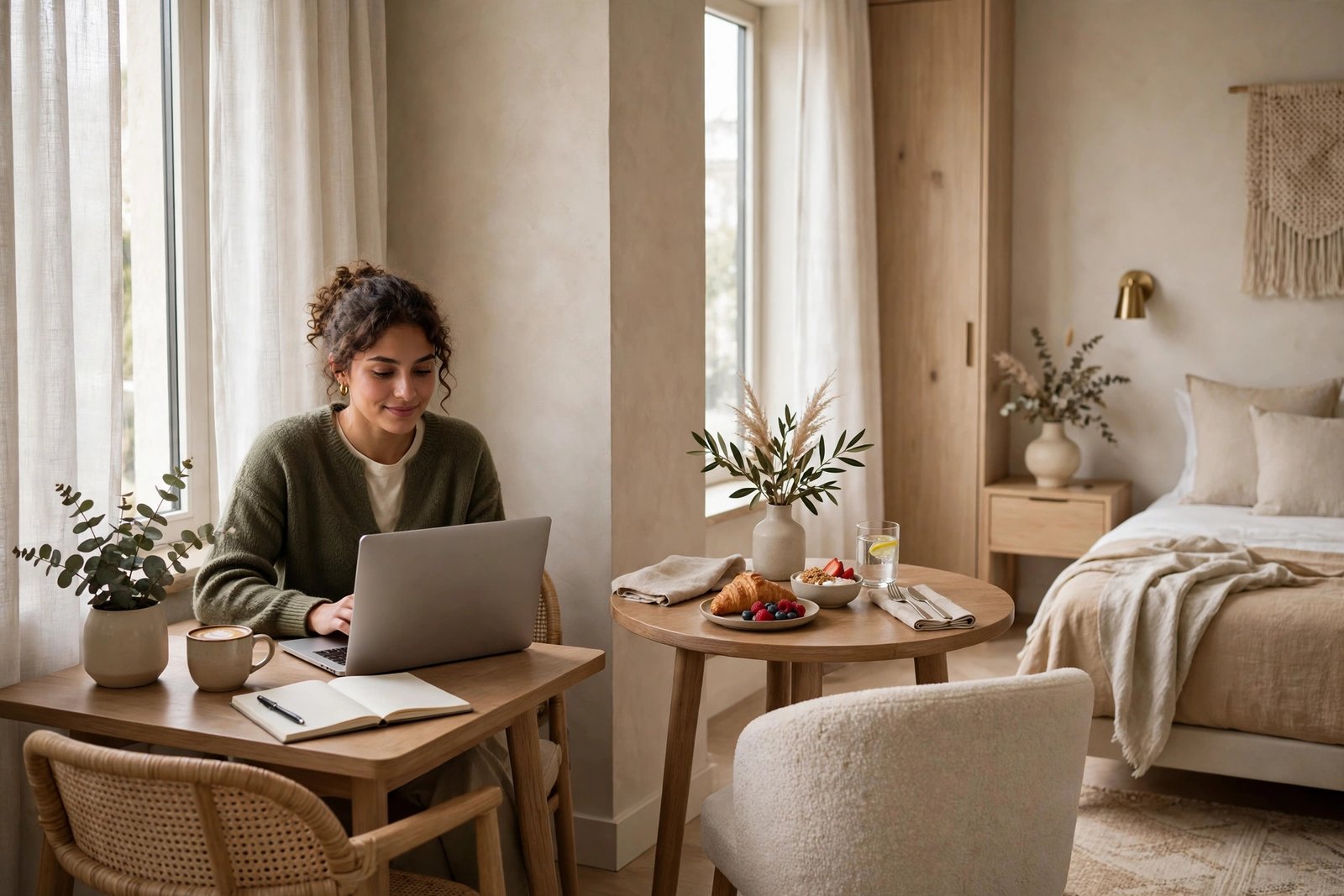
Industries follow bookings. Hotels that once treated single occupancy as a pricing penalty to hide are learning to sell the solo stay properly: smaller well designed rooms, good desks and lighting, secure floors, breakfast settings where one person feels normal, and staff trained to give local advice without a hint of surprise. The change is uneven, but the direction is clear.
Tour companies have moved faster. Women only small group trips, departures guaranteed without a minimum of couples, and itineraries built around food, craft, wellness, and walking rather than rushing have multiplied. Industry reporting regularly describes operators creating products specifically for women travelling alone or arriving alone to join a group, because the demand kept arriving whether they designed for it or not. That supply response is both a result of the rise of solo travel for women and a cause of its next stage, as nervous first time travellers find formats that feel doable.
Pricing remains the industry sore point. Single supplements, the extra charge for occupying a room built for two, are the complaint solo travellers raise most consistently. Some operators now waive or reduce them, match roommates for those who want one, or design genuine single rooms. Travellers have learned to compare the full price, not the headline price, and to reward companies that treat one traveller as a full customer rather than half of a couple.
Destination marketing is changing its pictures as well. Campaigns increasingly show women travelling on their own as the normal centre of the story: hiking, eating, working remotely, exploring cities at night markets and museums. Representation sounds like a soft factor until you remember that many women plan trips using images of people like them doing the thing safely and happily. Seeing it is a form of information.
The industry still has real work to do on safety, accessibility, and respect for older travellers and travellers with disabilities, who are part of this trend and often designed for last. But measured by product, marketing, and booking behaviour together, the rise of solo travel for women has moved from a trend page in a trade magazine to a planning assumption across the sector.
The trade offs and honest downsides
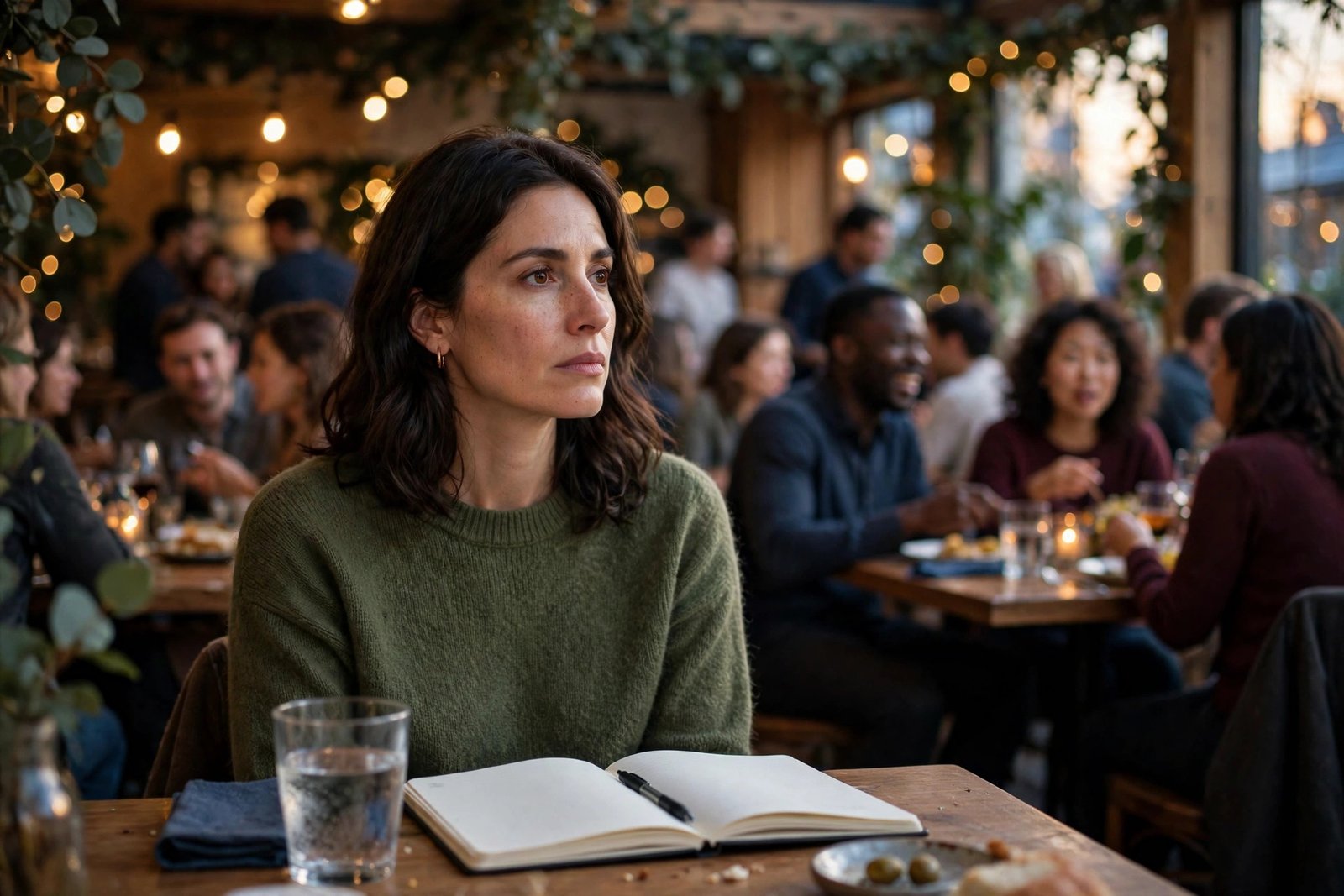
Solo travel costs more per person, and pretending otherwise helps no one. Rooms, private transfers, and many tours price for two. A solo traveller also carries every task herself: navigation, decisions, documents, luggage, and the constant low level planning that companions usually share. Decision fatigue on day nine of a trip is real, and it is the moment many travellers learn to schedule rest days with nothing in them.
Loneliness can visit even committed solo travellers. It tends to arrive at specific moments: a spectacular view with no one to turn to, a difficult travel day, a celebration dinner in a room full of groups. Most women develop answers that work for them: a call home, a group activity the next day, a journal, an early night. The feeling usually passes, but an honest guide should admit it exists rather than promise two weeks of uninterrupted empowerment.
There is also the mental load of vigilance discussed earlier. Being the only person watching your bag, your drink, your route, and your documents is tiring in a way shared travel is not. Some trips justify it easily. Others, very active or logistically complex ones, may genuinely work better with a companion or a group. Choosing company for a particular trip is not a failure of independence. It is trip planning.
Environmental and local impact deserves a sentence too. Solo travellers can strain housing in popular cities just as any tourists can, and single occupancy is not the lightest way to travel. Staying in licensed accommodation, travelling off peak when possible, and spending with local businesses do not erase the footprint, but they are the same responsible choices asked of every traveller, alone or not. Naming the costs plainly strengthens, rather than weakens, the case for the rise of solo travel for women as a durable and adult way to travel. Keeping that honesty is also essential to understanding the rise of solo travel for women without hype.
What to do next if you want to try solo travel
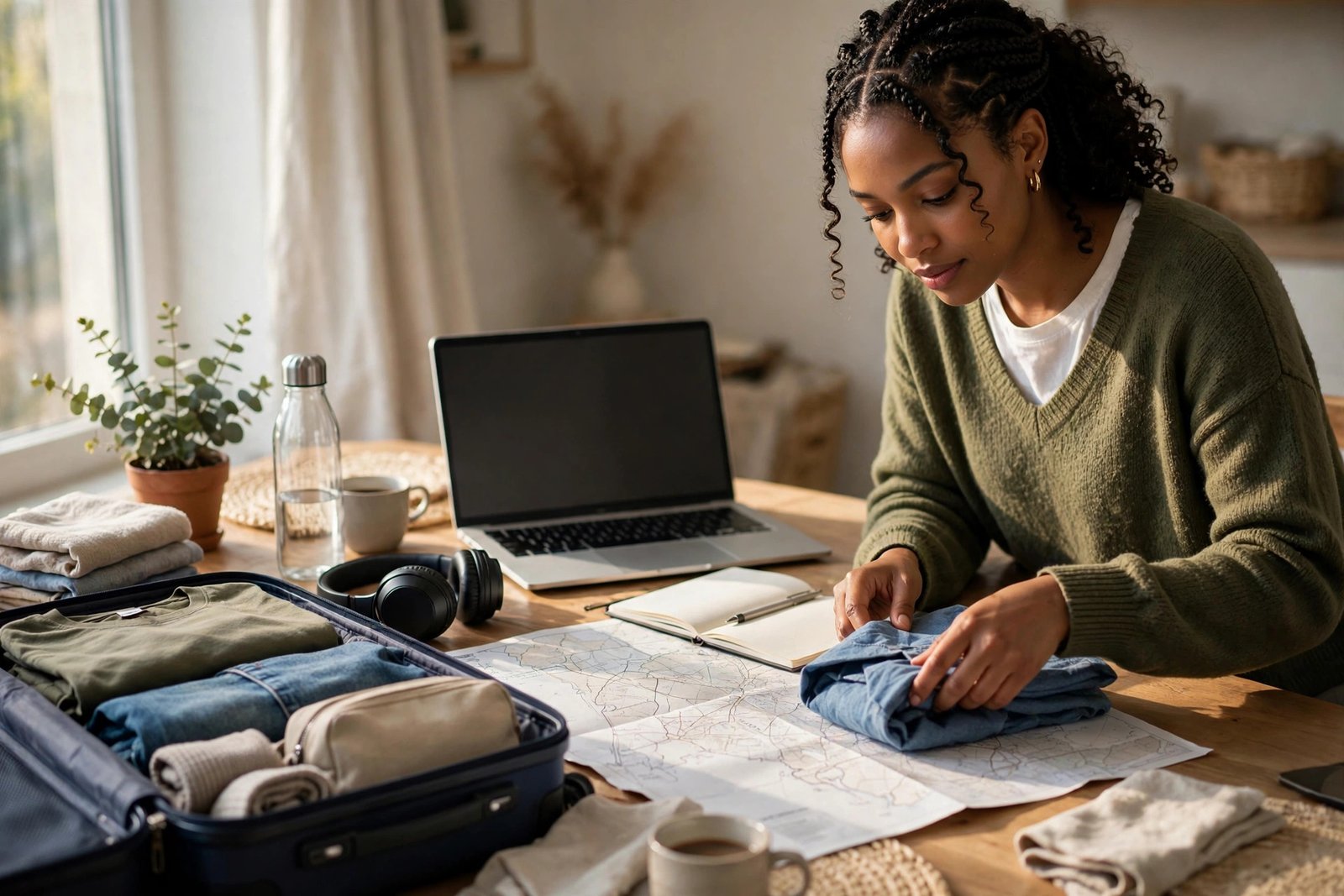
Start smaller than your ambition. A first solo trip works best when it is short, logistically simple, and built around things you already love. Two or three nights in a city with good transport, or a base town with day trips, teaches you your own rhythms: how much company you want, how early you like to start, how much planning feels good before it feels like a cage.
Choose the destination for your confidence, not for someone else’s list. Good first solo destinations usually share practical traits: easy arrival, walkable centre, reliable transport, plenty of other travellers, and accommodation with staff present around the clock. Save the complex multi stop route for your second or third trip, when you know your habits. Sequencing trips this way is how many experienced travellers quietly built the confidence now visible in the rise of solo travel for women.
Prepare the boring essentials before you go. Copies of documents stored separately from the originals. Insurance that actually covers your activities. A first night booked, a route from the airport decided, offline maps downloaded, and one person at home holding your itinerary. Then stop preparing. Over planning is its own trap, and the discoveries travellers treasure most are usually the ones no spreadsheet contained.
Set a social plan as deliberately as a sightseeing plan. Book one group tour early in the trip, when local knowledge and easy company help most. Learn how you like to eat alone before the trip feels long: counter seats, lunch as the main meal, a market picnic. And agree with yourself, before departure, that changing the plan is allowed. Solo travel’s deepest luxury is not doing everything. It is being answerable to no itinerary but your own judgement.
When you come home, notice what the trip proved. Most first time solo travellers return with the same discovery, phrased a hundred ways: I can rely on myself in an unfamiliar place. That proof tends to travel back into ordinary life, into work, family negotiations, and future plans. Which is why the rise of solo travel for women matters beyond tourism. Each trip is small evidence, repeated millions of times, that a woman’s own company is not a waiting room. It is a place she can live, and travel, from.
FAQ

Is solo travel for women actually a new thing?
Women have travelled alone for as long as travel has existed, as writers, workers, pilgrims, and adventurers whose stories were often treated as exceptions. What is new is the scale and the ordinariness. The rise of solo travel for women describes a behaviour moving from exceptional to normal, supported by income, technology, and an industry that finally designs for it.
What is the best age to start travelling solo?
There is no best age, only a best first trip for the stage you are in. Travellers in their twenties often prioritise budget and distance, travellers in midlife often prioritise depth and rest, and older travellers often bring the clearest sense of what they want from each day. The fastest growing group in recent industry reporting was women over 45, which suggests starting later is increasingly normal.
How do solo travellers handle safety without ruining the trip?
They front load it. Research, daylight arrivals, a simple first night, secure accommodation, shared itineraries, and local information turn safety into background habits rather than constant worry. Most experienced solo travellers describe vigilance as a routine that fades into the background, leaving the days free for the trip itself.
Is travelling alone more expensive than travelling with someone?
Usually, per person, yes, mainly because accommodation and private transport are not shared. Travellers narrow the gap with single rooms, off peak dates, public transport, and operators that reduce or waive single supplements. Many also report spending less on compromises: no tickets to things they never wanted to see, no meals chosen to keep a group happy.
Can you travel solo if you are in a relationship?
Yes, and many solo travellers do. Partners travel separately for practical reasons, different interests, or the simple value of time alone, then share the stories at home. Understood that way, the rise of solo travel for women is not a story about relationships failing. It is a story about travel becoming personal property, something a woman keeps for herself across every stage and status of her life.