
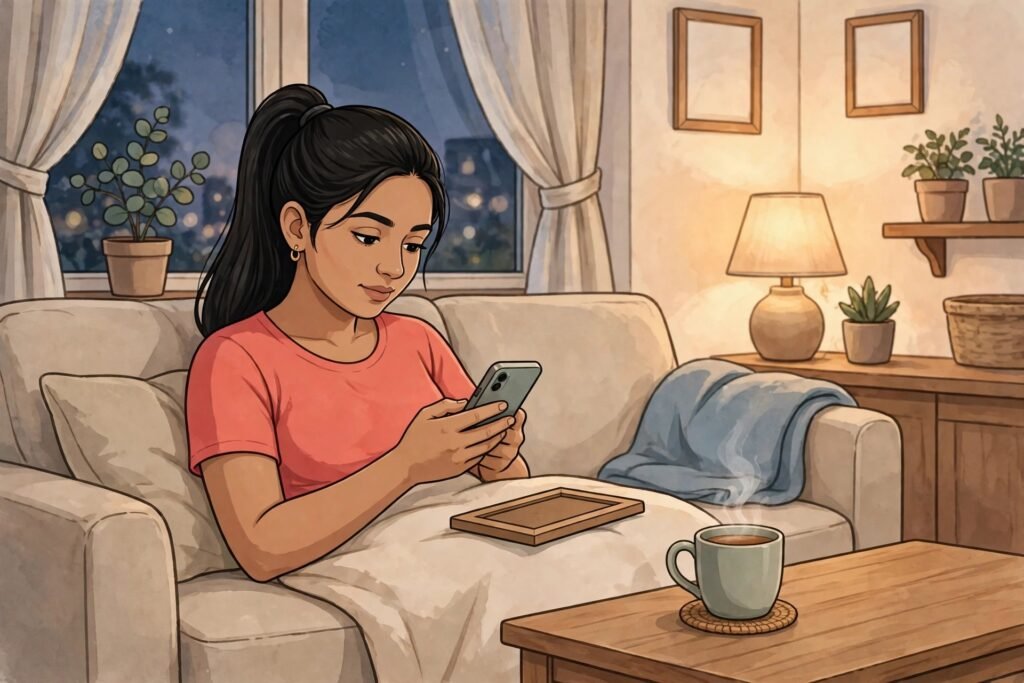
The wedding was perfect. You cried during the vows. You danced in shoes that hurt. You meant every word of your speech about loving her forever. Then two months passed. Now you’re staring at your phone, wondering when you last had a real conversation with her. Nobody warned you about this part.
Nothing dramatic happened. Nobody betrayed anybody. There was no fight, no cold message, no slammed door. The friendship just quietly changed shape, one cancelled plan and one slow reply at a time. And because you’re happy for her, you feel almost guilty for missing her. You tell yourself you’re being dramatic. You’re not.
And it isn’t only you. Ask around and you’ll hear the same story everywhere, from both sides of every wedding. A bride who feels guilty for vanishing into her new life. A bridesmaid who feels silly for crying over a group chat. Two people who love each other, both quietly sure they’re the only one struggling with the new distance. The struggle is not a sign that something is wrong with your friendship. It’s a sign that your friendship has reached the exact age where every long friendship gets tested: the age where lives stop running on the same timetable.
This is one of the most common quiet losses of your twenties: friendships that change after marriage. Almost nobody escapes it, on either side of the aisle. Friendships that change after marriage are not broken friendships. They’re friendships running on a new schedule, inside a new life. And here’s the part nobody says out loud: friendships that change after marriage can stay deep, loyal, and real. They just can’t stay the same. This guide is about the difference, and about how you handle it without guilt, scorekeeping, or silent drifting.
The Short Answer
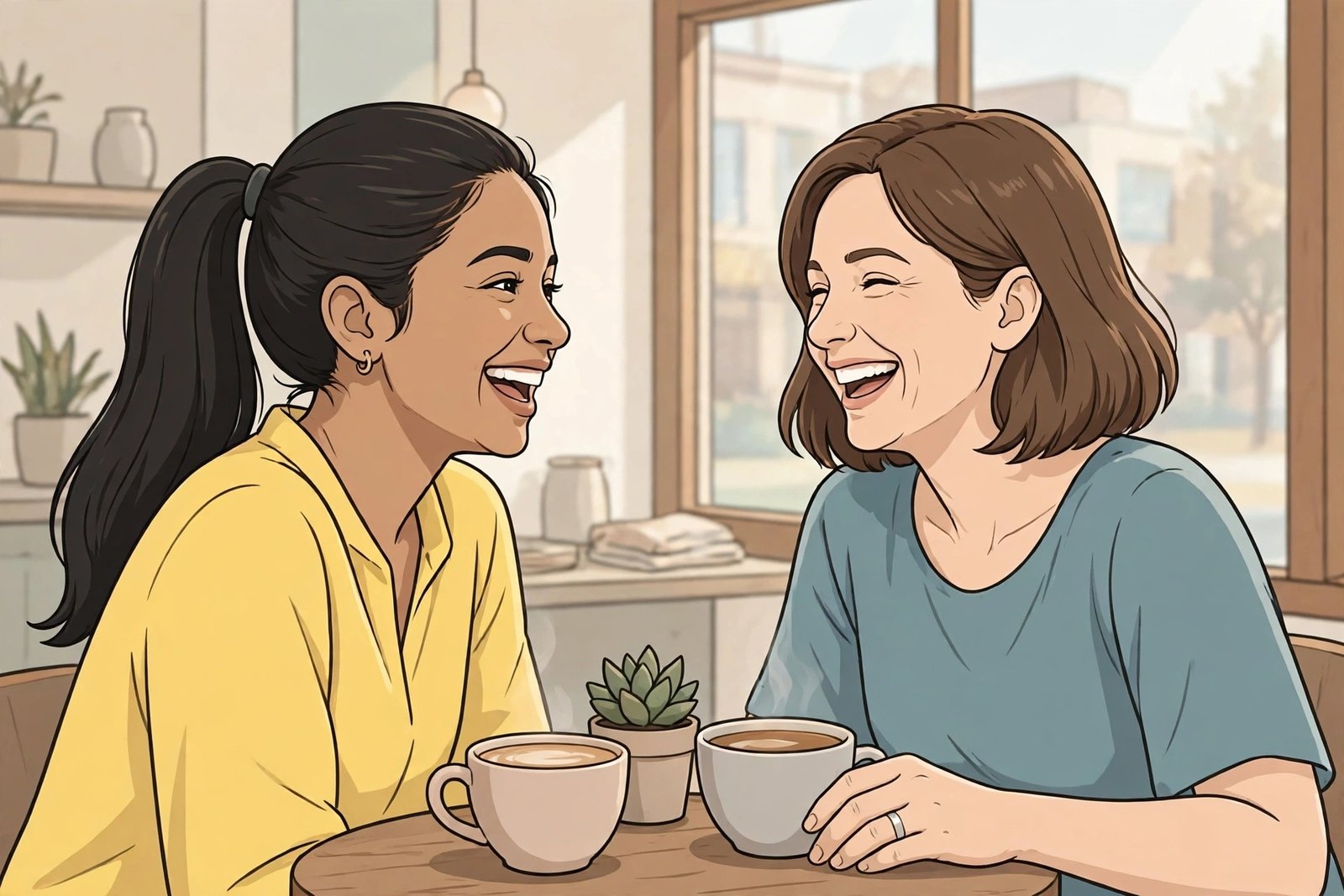
The short answer is this: friendships that change after marriage are adjusting, not dying. A wedding reorganizes a person’s time, money, home, and first loyalty. Expect less spontaneity and slower replies. Protect one small ritual instead of mourning the old daily rhythm. Say what you miss, early and kindly, instead of testing her in silence. Most friendships that change after marriage settle into a new shape within the first year or two.
Psychology Today makes a point worth sitting with in Betrayed by Your Best Friend? 6 Ways to Heal Your Heart. What feels like betrayal is very often just a change in life situation, like a friend who marries and has less time than before. The women interviewed put it simply: we’re all in the same boat, we meet when we can, and it’s less than it used to be. That is the honest map of most friendships that change after marriage. Less contact. Same love, if you let it be.
A Wedding Moves the Furniture of a Friendship
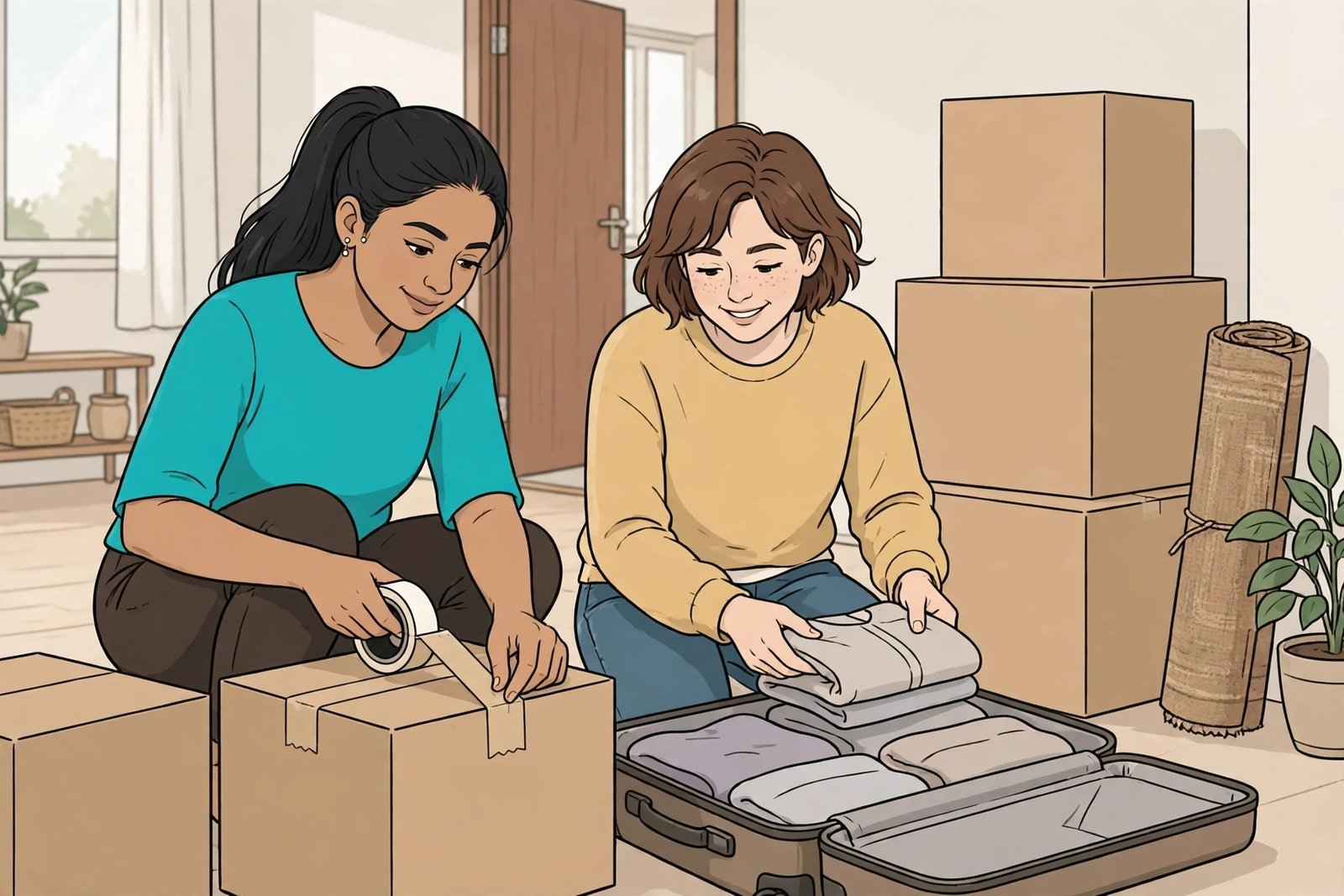
Start with the practical stuff, because most of the change is practical. Before the wedding, your friend had one household: hers. Her evenings were hers to give away. Her weekends had gaps in them. Now she shares a home, a budget, a calendar, and a couch. Decisions that used to take one text now take a quick check-in with another person.
Then there’s the money. Weddings cost a fortune. Many couples spend the first year paying the wedding off, saving for a place, or both. The spontaneous weekend trip you two used to book on a Thursday night? It’s not rejection when she says she can’t. It’s arithmetic.
The emotional furniture moves too. A partner becomes the default person. He’s the one who’s there at 11 pm when the day needs retelling. He’s the first call for small news. That used to be you. Losing the first-call spot hurts even when you understand it completely, and even when you’d want the same thing in her place.
Add in-laws, couple obligations, and family events on two sides. Her social calendar now has columns you never see. None of this means she chose him over you in some final ranking. It means her life got wider and more crowded at the same time.
If this pattern feels familiar from before the wedding, you’re not imagining it. The dating stage often rehearses it. If your friend slowly vanished when she got a boyfriend, you may recognize the early draft of it in why my best friend ignores me since she got a boyfriend. Marriage is that shift with paperwork. The good news: weddings also end the chaos. The planning stress disappears. What settles after is usually steadier than the engagement year was.
Watch the first holiday season and you’ll see the new math in action. Two families now have claims on the same four weekends. Her December fills up before your own plans even start. She isn’t choosing them over you. She’s being scheduled by a system bigger than both of you. Of all friendships that change after marriage, the ones that wobble first are usually the spontaneous ones, because spontaneity is exactly what a shared household eats for breakfast. The planned friendships survive on a calendar. The drop-by-anytime friendships have to learn a new way to exist.
And here’s the hopeful part buried in the logistics: friendships that change after marriage often become more deliberate, and deliberate friendship is sturdier than convenient friendship ever was. Convenience ends. Choosing each other doesn’t have to.
If You Are the One Who Got Married
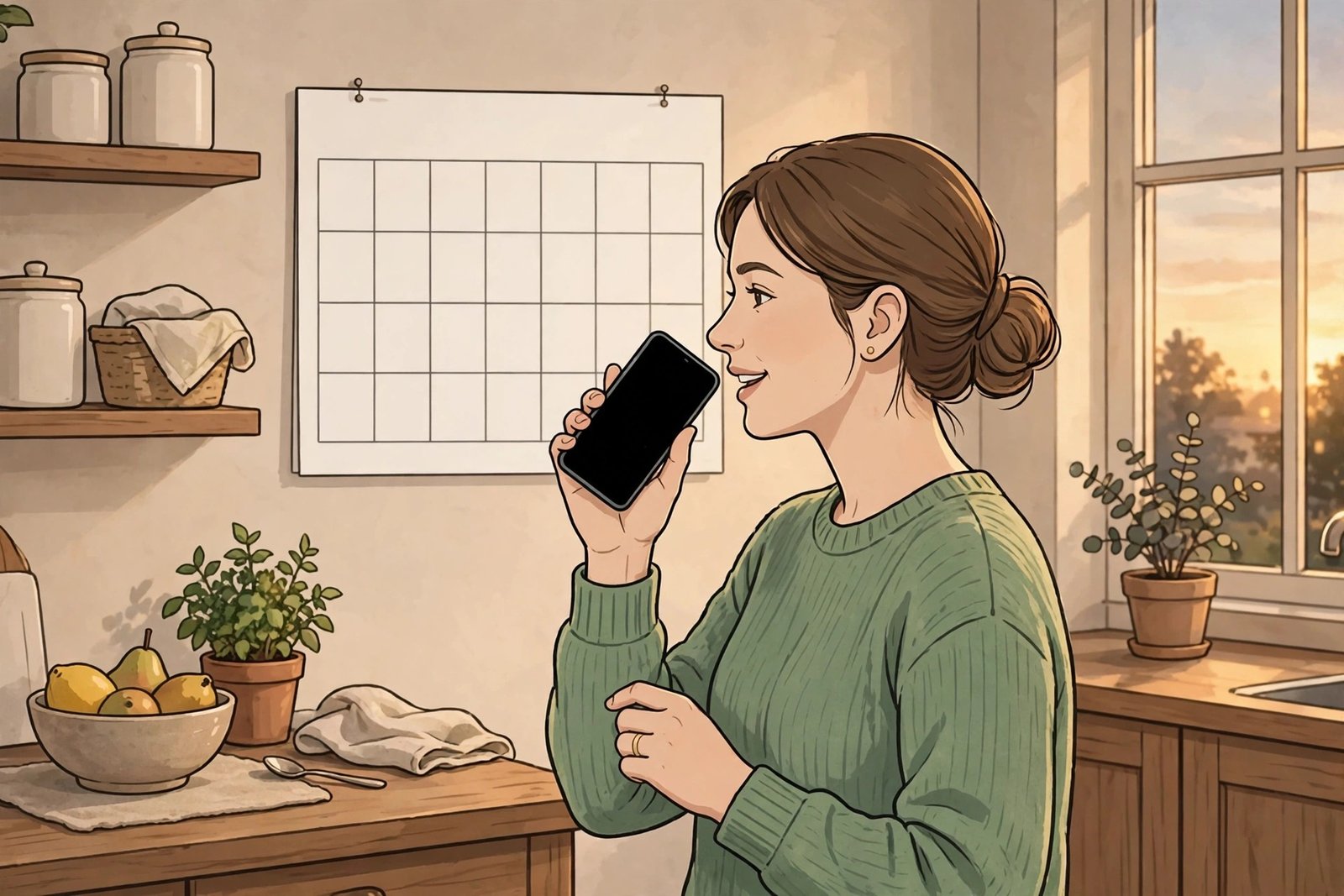
Maybe you’re reading this from the other side. You’re the married one. You love your friends. You also haven’t answered the group chat in four days, and you feel a small wave of guilt every time you see it. Welcome to the most common guilt of the newly married.
Here’s what your friends may not see. Your partner is now your roommate, your family, and your default plan. Even in a happy marriage, your social energy gets spent at home first. By Friday, the tank can be empty. Cancelling isn’t disinterest. It’s depletion.
You also carry a new mental load. Two families. Two sets of birthdays and holidays. A shared budget that makes every girls’ trip a negotiation. Your friends see the no. They don’t see the spreadsheet behind it.
So what actually helps? Small, kept promises beat grand intentions. Don’t say “we need to hang out soon” for six months. Say “walk, Sunday, 10 am, our usual route” and show up. Protect one ritual with each close friend, even a tiny one. A voice note on her commute. A standing call on the first Monday of the month.
Answer properly, even if the answer is slow. A real reply two days later beats a heart emoji now and silence after. And initiate sometimes. Your friends need proof that they still occur to you. One “saw this and thought of you” message can carry a friendship for weeks. Married life is a real reason. Just don’t let it become a locked door.
You can also just say the quiet part out loud. Your friends can’t see your calendar, your budget talks, or your in-law obligations. All they see is the surface: fewer replies, fewer plans, longer gaps. One honest sentence fixes the guesswork. “Married life is eating my weeks right now. It’s not you. I still want us.” Newly married women describe the same private stress inside friendships that change after marriage: the fear of being silently reclassified as the friend who disappeared. Naming the season beats letting people write your story for you. And the rule that protects friendships that change after marriage from your side of the fence is almost insultingly simple: under-promise, then over-deliver.
Small kept plans rebuild trust faster than big postponed ones, every single time. Your friends don’t need the old you back. They need proof the current you still shows up.
If You Are the Friend Watching Her Get Married
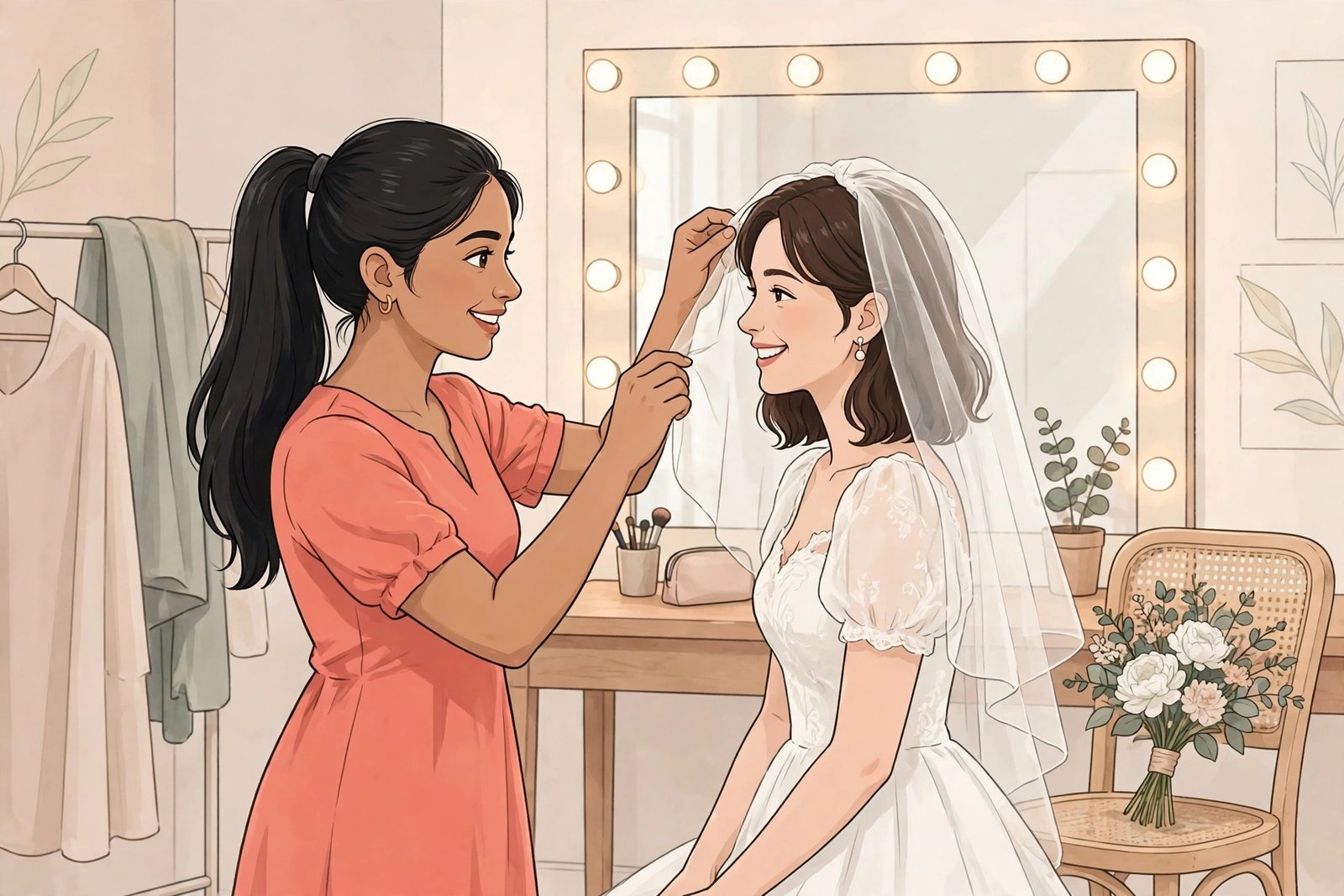
Now the other seat. You’re the friend. You held her dress in the bathroom. You cried happy tears. And somewhere under the happiness, there’s a grief you feel you have no right to. You do have the right. Grief for a changing friendship is not disloyalty. It’s evidence the friendship mattered.
You’ll feel small stings you didn’t expect. Hearing her news second, from the group chat. Realizing “we” now means her and him. Watching couple plans replace the plans that used to be yours. Each sting is tiny. Together they can feel like being demoted in a life you helped build.
Resist the scoreboard. It’s easy to start counting: her wedding year was all about her, and now her marriage is too. But friendship isn’t a court. The wedding season asked a lot of you, and it’s fair to feel tired. It’s not fair to invoice her for it forever. Feelings age badly when they’re stored, not said.
Also, be honest about what you actually miss. Sometimes it’s her. Sometimes it’s the version of your own life that had a built-in person. Those are different losses, and they need different answers. The second one isn’t hers to fix.
What helps most is saying the small true thing early. Not “you’ve changed.” Try “I miss you. Can we find our thing again?” Said kindly, that sentence opens doors. Said six months late, after silent testing and cold replies, it lands like an accusation. Your friend is not a mind reader. Most brides have no idea their friends are quietly hurting. Tell her while it’s still small.
One trap deserves its own warning: don’t keep your life on hold waiting for her old availability to come back. It won’t, and the waiting will quietly make you bitter at someone who hasn’t actually wronged you. Fill the space instead. Other friends, your own projects, your own plans on Friday night. In friendships that change after marriage, the friend who keeps a full life of her own almost always keeps the friendship too, because there’s no resentment leaking into every reunion. The people who struggle most inside friendships that change after marriage are the ones who made one person their entire social world. A wider life isn’t a consolation prize.
It’s the structure that lets a changed friendship stay light instead of loaded, and it gives you something to bring to the table when you do see her.
New Rhythms: Fewer Plans, Slower Replies, Still Real
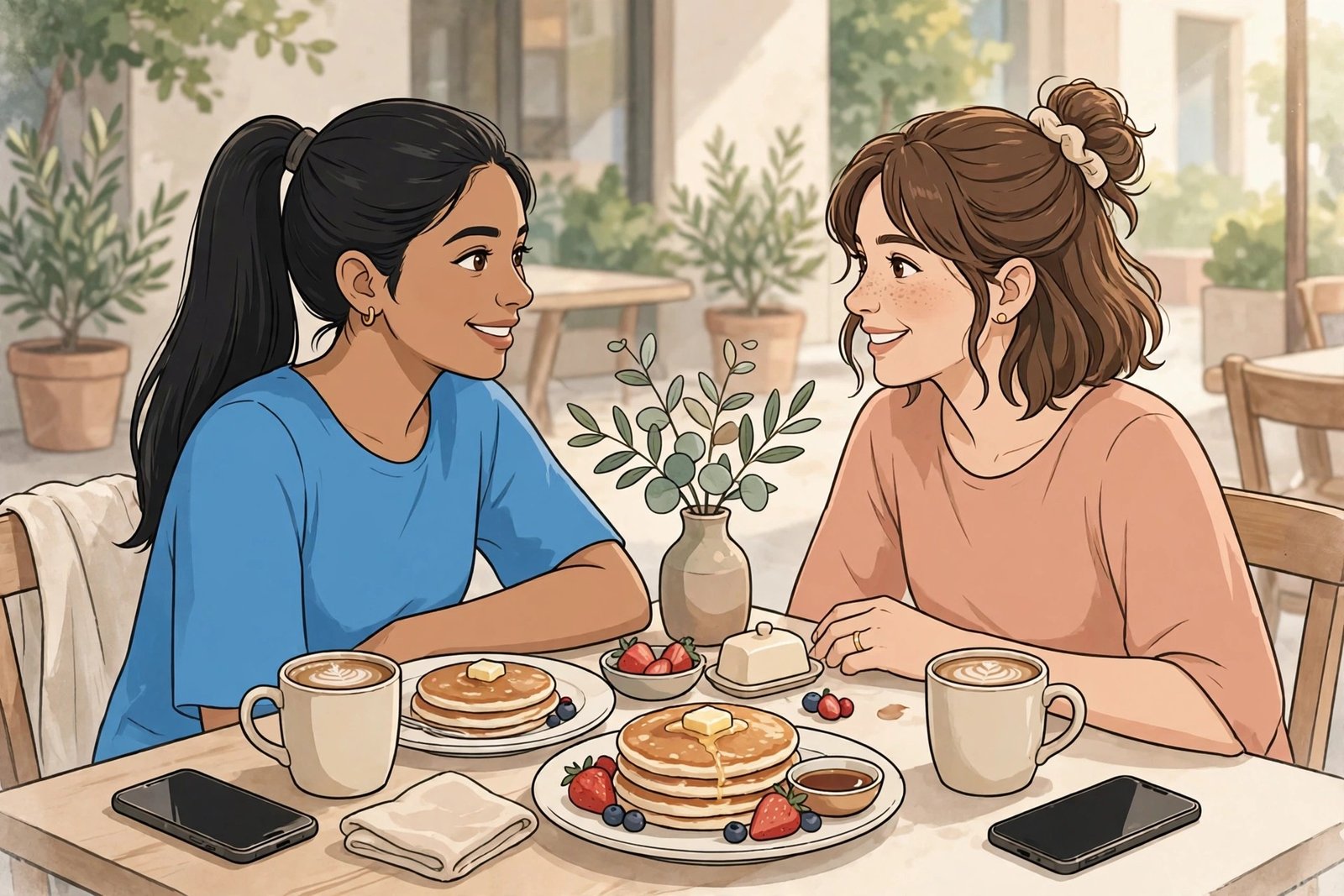
The old rhythm is gone, and mourning it is half the pain. In school and in your early twenties, friendship ran on volume. Daily texts. Random drop-ins. Plans made an hour ahead. That volume was never the friendship itself. It was just the delivery system your life stage allowed.
Adult friendship runs on a different system: lower volume, higher intention. A married friend who texts back in two days but shows up at your hospital, your breakup, and your birthday dinner is not a lesser friend. She’s a friend whose love now travels by appointment instead of by ambient presence.
So recalibrate what counts as evidence. Stop measuring reply speed. Start measuring follow-through. Does she come when it matters? Does she remember the big things? Does she ask real questions when you do talk? Those are the vital signs now.
Build asynchronous habits. Voice notes are gold for this stage of life. She can send one while folding laundry. You can answer on your commute. No scheduling, no pressure, and you still hear her actual voice laughing. Photos of nothing help too. The ugly cake. The weird cloud. Small proof of “you still live in my head.”
Then protect one recurring plan. Monthly brunch. A walk every second Sunday. A call while she cooks on Thursdays. Recurring plans survive busy lives because nobody has to organize them from zero. When a plan repeats, friendship stops depending on who’s free and starts depending on a rhythm. Rhythms are what carry friendships that change after marriage through the crowded years.
Expect an awkward middle season, and don’t grade the friendship during it. The first months after a wedding are the worst sample you could possibly take. She’s unpacking boxes and merging two lives. You’re adjusting to reply delays that still feel personal. Plenty of friendships that change after marriage look shaky at month six and completely solid at month eighteen, with no dramatic repair in between. Time did the work. The friendship just needed the new rhythm to stop feeling new. So give it a grace period before you write any verdicts. Judge the pattern across a year, not across one bad month, and you’ll grade a lot of good friendships much more fairly.
Couple Friends, Solo Friends, and Room for Both
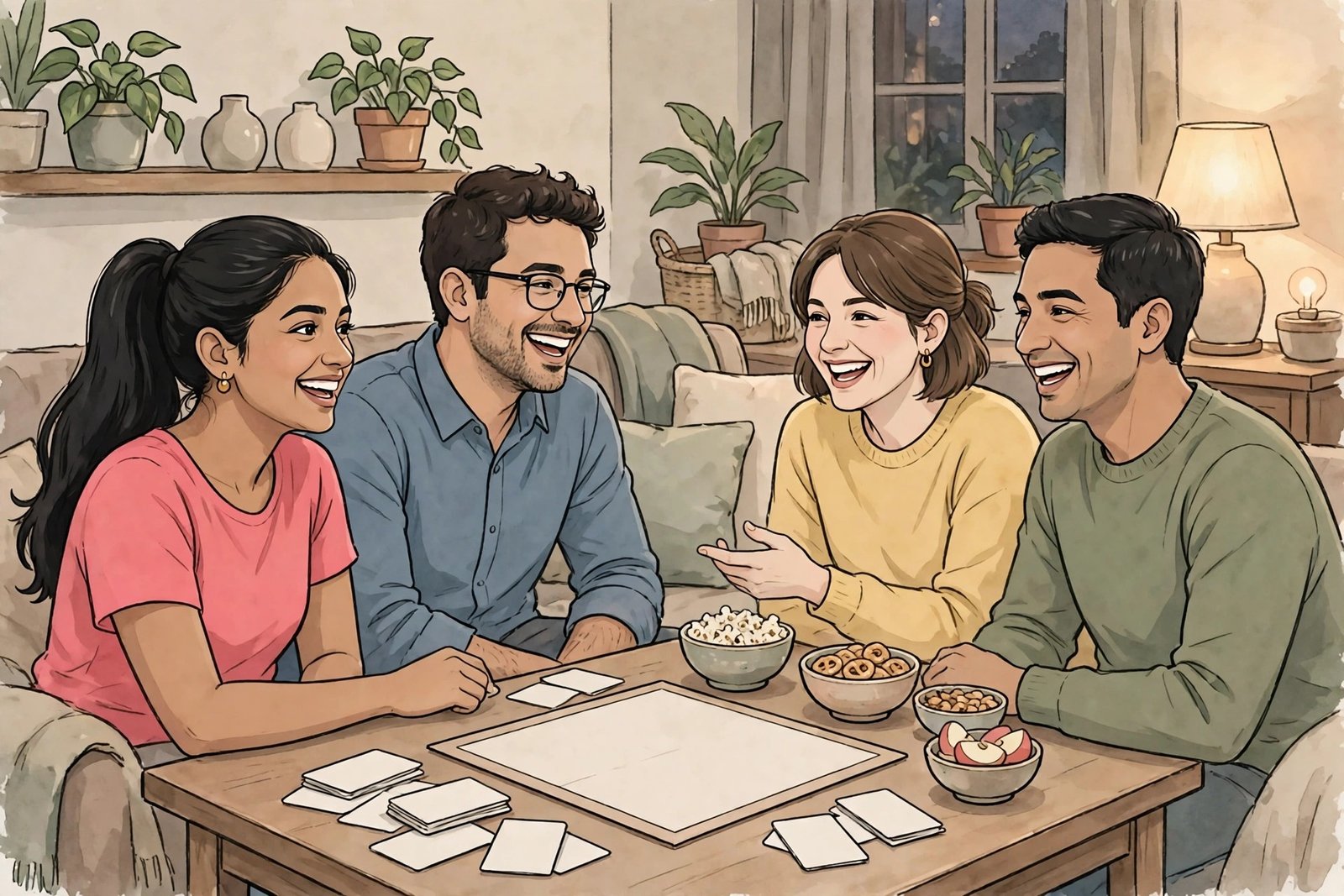
A new shape appears after a wedding: couple socializing. Double dates. Dinners with his friends and their partners. Game nights for four. This can be genuinely fun. It can also quietly eat the entire friendship if it becomes the only format.
Here’s the risk. In couple mode, you never get her alone. Conversations stay at group depth. The real talk, the 1 am kind, needs privacy and time. If every meeting includes partners, the friendship slowly becomes a social arrangement between households. Pleasant. And thinner every year.
So ask for solo time without apologizing. “Can we do a just-us coffee this month?” is a normal request between adults, not a threat to her marriage. A secure partner won’t mind. A good friend will usually be relieved you asked, because she misses the unfiltered version of you too.
At the same time, let couple friendships be real. His friends may become your friends. Her partner may become someone you genuinely like, not just tolerate at dinners. That’s not a loss of territory. That’s your circle growing a new wing.
And if you’re single, name the awkward thing once, kindly, instead of swallowing it for years. Being the permanent third wheel at every plan can sting. Rotating formats fixes most of it. Solo coffee with her. Group dinner sometimes. Your own plans other weekends. Balance, not exile, is the goal.
If you’re married as well, the puzzle doubles and somehow gets easier. Both of you now speak fluent calendar. Both of you know what “let me check at home” actually means. Friendships that change after marriage on both sides often skip the hurt phase entirely, because nobody takes the new logistics personally. You just become two households that genuinely like each other, booking dinners three weeks out like tiny companies. It’s less spontaneous than your old life. It can also be strangely peaceful. The friendship stops being tested by every single plan, because both sides finally understand the machine it runs on, and nobody mistakes a full calendar for a closed heart anymore.
The Honest Conversation That Ends the Guessing
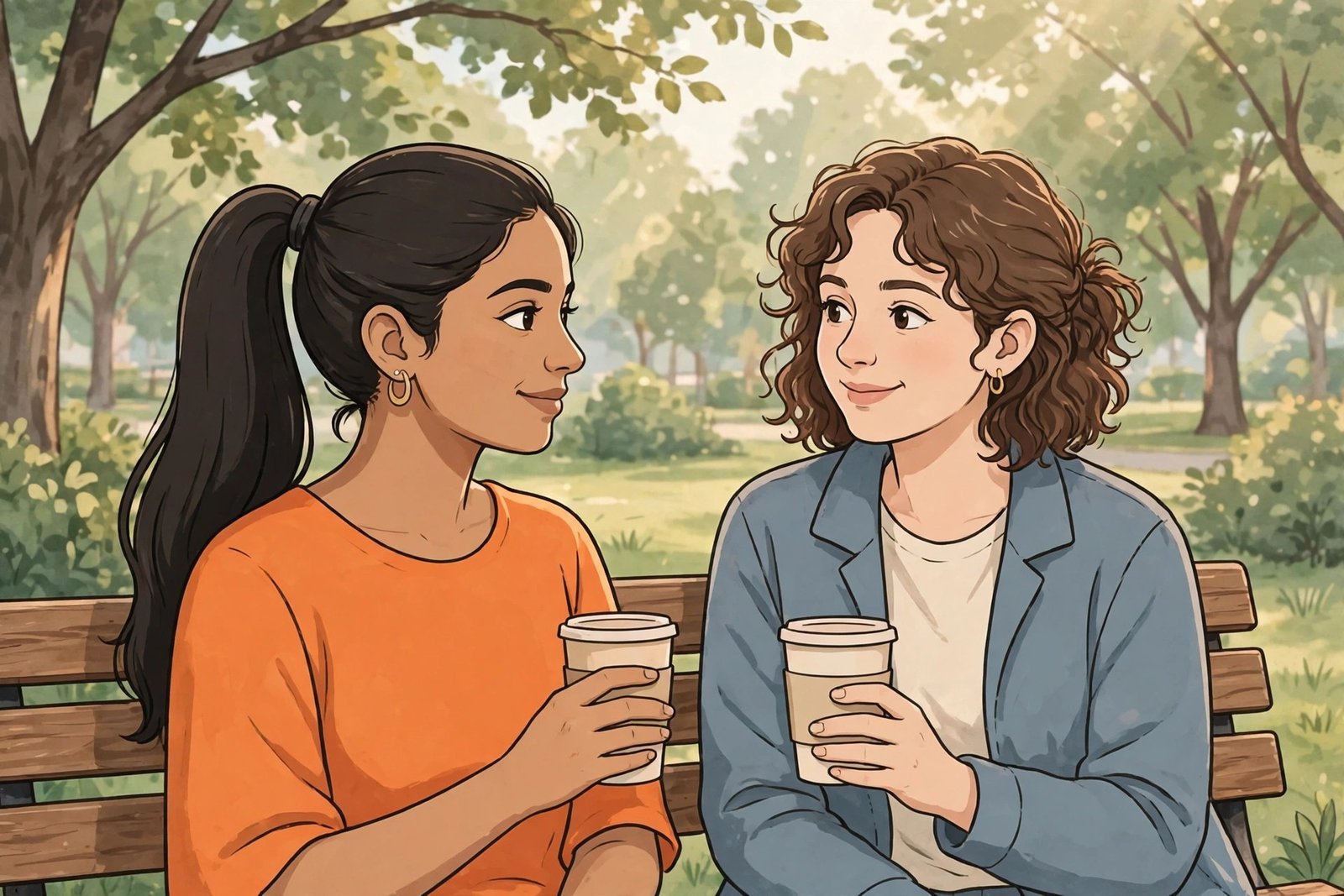
Most friendship pain after a wedding isn’t caused by the change. It’s caused by the guessing. You guess she’s too busy for you now. She guesses you’re mad about something. Both of you wait for the other to fix it. Months pass. The gap starts to feel like the truth.
One honest conversation can end all of that. It doesn’t need to be a summit. Twenty honest minutes over coffee will do. The formula is simple: name the change, own your feeling, propose the new shape. “Since the wedding I see you less, and I miss you. I know life’s full. Can we lock in one plan a month that’s just ours?”
Notice what that script doesn’t do. It doesn’t accuse. It doesn’t list her failures since the wedding. It doesn’t compare you to her husband. It asks for something concrete and small enough to keep. Concrete asks get yeses. Vague longing gets apologies and no change.
Timing matters. Don’t have this talk during wedding stress, moving week, or a family crisis. Pick an ordinary day. And have it in person or by call, not by text. Tone gets lost in text, and this conversation lives or dies on tone.
What if she gets defensive? Stay on your sentence. You’re not charging her with a crime. You’re describing your side of the street. If she hears you and adjusts even a little, that’s the friendship working. If you say it clearly, kindly, twice, and nothing ever changes, that information matters too. But give the conversation a real chance before you decide what the silence meant.
Then watch what happens in the month after the talk, because that’s where the real answer lives. Healthy friendships that change after marriage share one trait after an honest conversation: a small, visible adjustment. She books the coffee. She starts the call sometimes. Nothing dramatic, just proof the message landed. Stuck friendships that change after marriage show the opposite pattern. The talk goes beautifully. The apology is heartfelt. And the calendar never moves, not even an inch. If you’ve spoken clearly twice, believe the calendar. It isn’t cruelty to adjust your expectations to the evidence.
It’s how adults stop auditioning for a version of a friendship that no longer exists, and start investing in the one that’s actually in front of them.
Some Bend, a Few Break, Most Just Change Shape
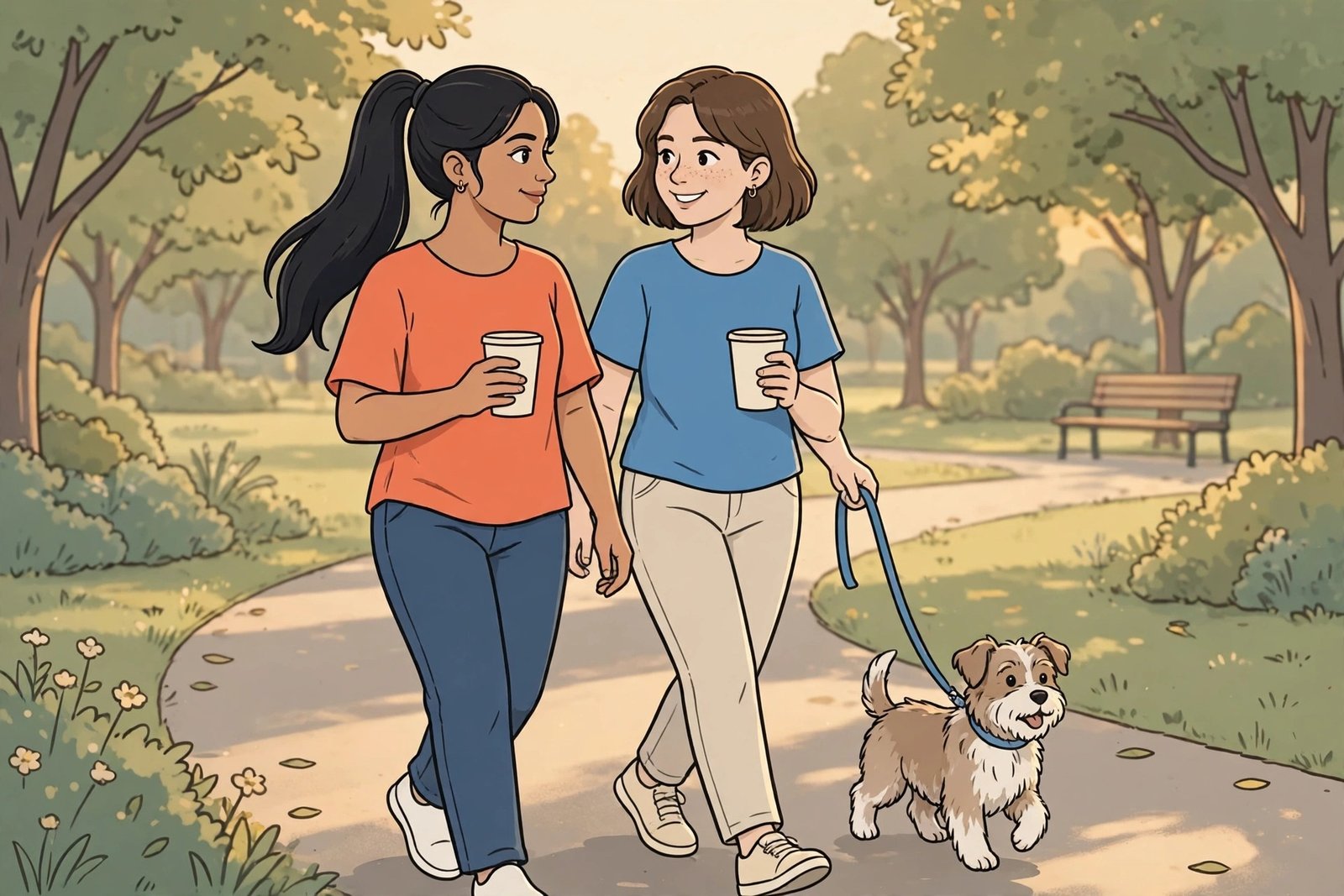
Zoom out for a second. Almost every long friendship passes through several shapes. The school shape. The first-job shape. The wedding shape. Later, maybe, the kids shape or the caring-for-parents shape. Each transition feels like the end while you’re in it. Most are just renovations.
Friendships have seasons, and seasons return. The first married year is usually the tightest squeeze. Then couples find their routines. Friendships often warm up again in year two or three, in the new rhythm. Friends who survive the squeeze usually come out of it with something sturdier: proof that the bond doesn’t need daily contact to hold.
But let’s be honest about the other cases. Some friendships do end around weddings. Not because of the marriage itself, but because the wedding stress reveals what was already thin. If you’re always the giver, always the audience, always the flexible one, a wedding can be the moment you finally see it.
There’s a difference between a friend who’s absorbed in a new marriage and a friend who has simply dropped you. If every door is closed, every effort is yours, and your needs are treated like noise, that is a different problem. It looks more like what to do when your best friend drops you for a boyfriend, and it deserves a different response than patience.
For most of you, though, the story will be slower and kinder. You’ll miss the old shape. You’ll build a new one, plan by kept plan. One day you’ll realize you haven’t mourned the group chat in months, because the friendship found its grown-up form. That’s not a lesser ending. That’s what lasting actually looks like.
Picture the friendship five years from now, done well. You don’t text all day. You have a standing dinner that survives almost everything, and a group chat that wakes up exactly when it matters. She knows your life in detail anyway, because the talks you do have are real ones. The sweet spot of friendships that change after marriage was never the old closeness copied forward. It’s this: less static, more signal. And the friendships that change after marriage and actually last share one final trait. Both people kept choosing the new version, on purpose, in small ways, for years. That’s not a sad story. That’s the definition of a grown-up friend.
Frequently Asked Questions
Is it normal to feel sad when your best friend gets married?
Yes, completely normal, and it says nothing bad about you. You’re happy for her and sad for the version of life that’s ending. Both can be true at once. Many people quietly grieve friendships that change after marriage while smiling in every wedding photo. Let yourself feel it without turning it into blame. Sadness that gets named usually softens. Sadness that gets hidden tends to come out later as distance or sharp comments you don’t really mean.
How often should married friends actually see each other?
There’s no correct number, and anyone who gives you one is guessing. Most friendships that change after marriage run on much less contact than the old version. For many adult friends, one real plan a month plus light contact in between keeps the bond warm. Quality carries more weight than frequency now. One long, honest dinner does more than six rushed coffees. What matters is that contact is mutual and roughly reliable. If plans constantly collapse on one side, the rhythm needs a conversation, not a calendar rule.
Should I tell my married friend that I miss her?
Yes, and sooner than you think. Most married friends have no idea their friends are quietly hurting. They’re busy, not psychic. Saying “I miss you, can we find our thing again” is information, not pressure, especially when you pair it with a small concrete idea. Friendships that change after marriage usually suffer from guessing, not from honesty. One kind sentence early can prevent a year of silent testing, hurt feelings, and stories you invent about why she didn’t call.
What if my friend only wants couple plans now?
Ask for one solo plan, plainly and without drama. Some couples default to couple mode out of habit, not policy. She may not realize every invitation now includes a partner. A simple “can we do a just-us walk this month?” fixes most cases. If solo time is always refused, that’s real information about the friendship’s new terms. You can then decide how much couple-format friendship you actually want, instead of quietly resenting every dinner for four. Most healthy friendships survive this small, honest ask without any drama at all.
Can a friendship go back to how it was before the wedding?
Not exactly, and that’s okay. The schedule, the home, and the first loyalty have changed for good. What can come back is the closeness, in a new form: fewer plans, deeper talks, loyalty that shows up when it counts. Many friendships that change after marriage end up stronger than the daily-text version, because they had to be chosen on purpose. Aim for close in a new way, not identical to the old way. Chosen on purpose is not a downgrade.