
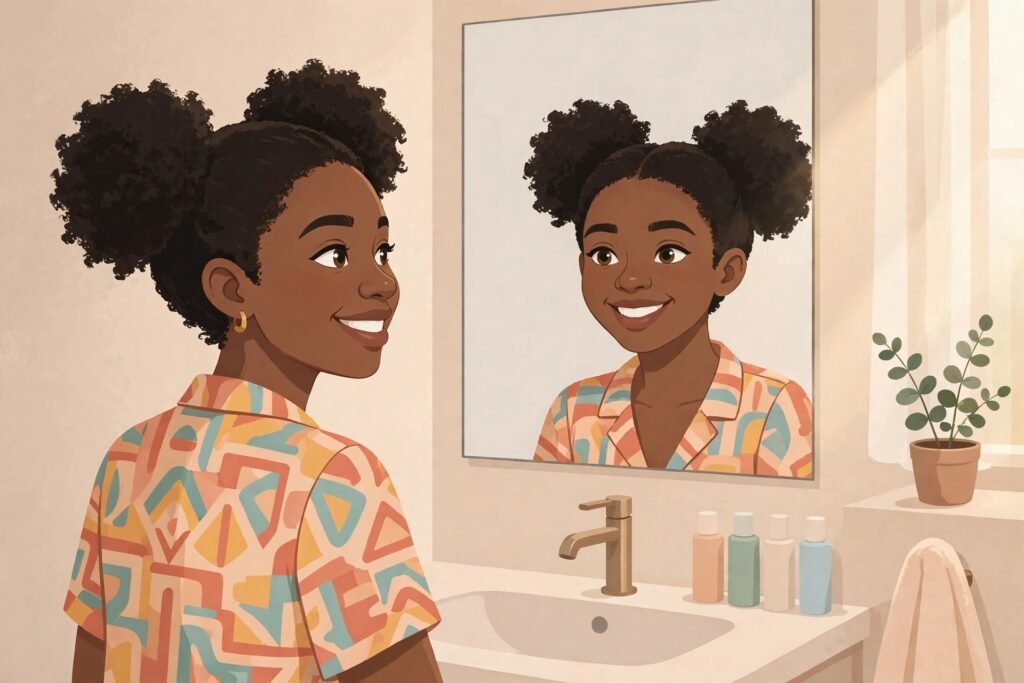
You’re 25, maybe 26. You catch your face in the bathroom mirror one morning and there it’s. A small line near your eye that doesn’t smooth out right away. It stays for a second. Then it fades. And suddenly you’re standing there in your towel, phone in hand, typing the question half the beauty world lives on: at what age should you start anti-aging skincare?
Here’s the honest part nobody puts on the jar. Your skin at 25 isn’t failing. It’s doing its job well. The changes you notice now are slow and small. They are the early pages of a long book, not a fire alarm. Yet the ads treat 25 like a deadline. Creams for “early aging” crowd the shelves. Serums promise to freeze time. And every scroll makes the question louder: at what age should you start anti-aging skincare, before it’s too late?
Take a breath. It’s not too late. It was never going to be too late at 25. What you do now matters, yes. But it matters in a calm, steady way. Think habits, not hauls. Think years, not weeks. The women whose skin looks great at 40 rarely credit one magic jar. They credit boring things done for a long time. So when you ask at what age should you start anti-aging skincare, the real answer is about timing your habits, not racing a clock.
This guide gives you that timing. You will learn what prevention truly does in your twenties. You will learn what can wait until your thirties with zero guilt. And you will learn how to spot the marketing tricks built to make you panic buy. By the end, the question at what age should you start anti-aging skincare will feel small and clear, because it’s. Your skin is on your side here. Let’s keep it that way, one calm step at a time. And yes, we’ll talk about at what age should you start anti-aging skincare without a single miracle promise.
Maybe your story starts smaller. A coworker, two years older, leans over at lunch and says she’s “so behind” on her skin. She lists the creams on her nightstand like homework she failed. Or your younger cousin, 22 and glowing, posts her nine step routine and you feel a weird pang. You’re not vain. You’re not silly. You’re a normal adult woman doing math in a world that sells worry by the jar. The worry feels real because it’s designed to. Hold onto that thought. It’ll make the rest of this guide much easier to hear.
The Short Answer

Start the habits now, and let most products wait. If you’re asking at what age should you start anti-aging skincare, the short answer is this: prevention starts in your mid twenties, but prevention mostly means sun protection, sleep, and gentle daily care. Not a shelf of strong actives. A daily sunscreen and a kind cleanser do more for your future face than any pricey cream.
The strong stuff can wait. Retinoids, rich repair creams, and layered treatments earn their place later, when your skin actually asks for them. So the calm reply to at what age should you start anti-aging skincare is: start protecting today, start treating when your skin changes, and ignore any brand that tries to sell you fear at 25.
Start With the Habits That Do the Heavy Lifting

Before any jar enters the chat, look at your week. Your skin keeps score of your habits long before it notices your products. Sleep is the big one. On short nights, your face shows it by 9 a.m. Puffy eyes. Dull tone. Makeup sitting wrong. One rough night is fine. A year of rough nights adds up. Guard your sleep like it’s part of your routine, because it’s. Seven to eight hours isn’t a luxury. It’s skincare you do with your eyes closed.
Smoking sits at the other end of the scale. Nothing ages skin faster, not even the sun. If you smoke, quitting does more for your face than any product ever made. If you don’t smoke, keep it that way and skip the tanning bed too. Add steady water through the day. Add food with color on the plate. None of this is glamorous. All of it works.
Don’t underestimate the boring trio of food, water, and moving your body, either. Skin is an organ, and it eats what you eat. A week of skipped lunches and vending machine dinners shows up as a grey, tired face that no highlighter fully hides. You don’t need a perfect diet. You need regular meals with some protein, some color, and enough water that you’re not running on fumes by 4 p.m. A short walk after dinner helps more than it has any right to. It clears your head, drops your stress a notch, and sends you to bed ready to actually sleep. That’s the unglamorous engine under every “she’s glowing” comment you’ve ever heard. It isn’t a jar.
It’s a life that isn’t running on empty.
Stress plays a role too. A hard month at work can show up as breakouts, dryness, and a tired look that sleep alone doesn’t fix. You can’t delete stress. But small resets help: a walk at lunch, a real break from your screen, ten slow minutes before bed. Your skin lives in your life. Treat the life, and the skin follows.
This is why the question at what age should you start anti-aging skincare starts with habits, not shopping. A 25 year old with good sleep, no smoking, and daily shade habits is already doing anti-aging. She just isn’t paying a brand for the label. When women ask me at what age should you start anti-aging skincare, I ask about their pillow and their weekends first. The jar comes second. It always comes second.
Sun Protection Is the First Real Anti-Aging Step

If this whole article shrank to one line, it would be this: wear sunscreen. Sunlight is the main driver of early lines, dark spots, and loss of firmness. Not birthdays. Sunlight. The damage builds quietly, day after day, even through office windows and on cloudy mornings. A walk to the train counts. A lunch on a patio counts. It all counts.
That’s why dermatologists keep repeating the same plain advice. In guidance from dermatologists shared through the American Academy of Dermatology, the plan for your twenties stays simple: wash gently, moisturize, and use sun protection every day. For your twenties, they point to a gentle cleanser, a moisturizer with SPF 30, and time in the shade when the sun is strong. No ten step ritual. No panic.
Make it easy on yourself. Pick a sunscreen you like wearing, because the best one is the one you will actually use at 7 a.m. on a Tuesday. Cream or gel, matte or dewy, drugstore or fancy: the label matters less than the habit. Put it where you brush your teeth. Tie it to a thing you never skip. Reapply if you’re outside for hours. Wear the hat. Sit in the shade at the café. Small moves, done daily, beat one heroic beach day routine.
Here’s the part that surprises people: cloudy days count too. Clouds block some light, not all of it, and the rays that age skin slip through on grey mornings and through car windows on long drives. That’s why dermatologists don’t say “wear sunscreen at the beach.” They say wear it daily, like a seatbelt. You don’t debate the seatbelt each morning. You just click it. Aim for the same energy here. A pea sized blob for your face, a bit more for your neck, done in under a minute while the kettle boils. On days you’ll be outside for hours, top it up at lunch. It isn’t a ritual. It’s a click.
Notice what this means for your budget. The most proven anti-aging step costs less than most serums. So when a brand asks at what age should you start anti-aging skincare and points at a costly jar, remember the order of things. Protection first. It’s cheap, it’s daily, and it works while you live your life. Women often ask at what age should you start anti-aging skincare expecting a product date. The real date is the day you make sunscreen boring and automatic. That day can be today.
What Your Skin Actually Needs in Your Twenties
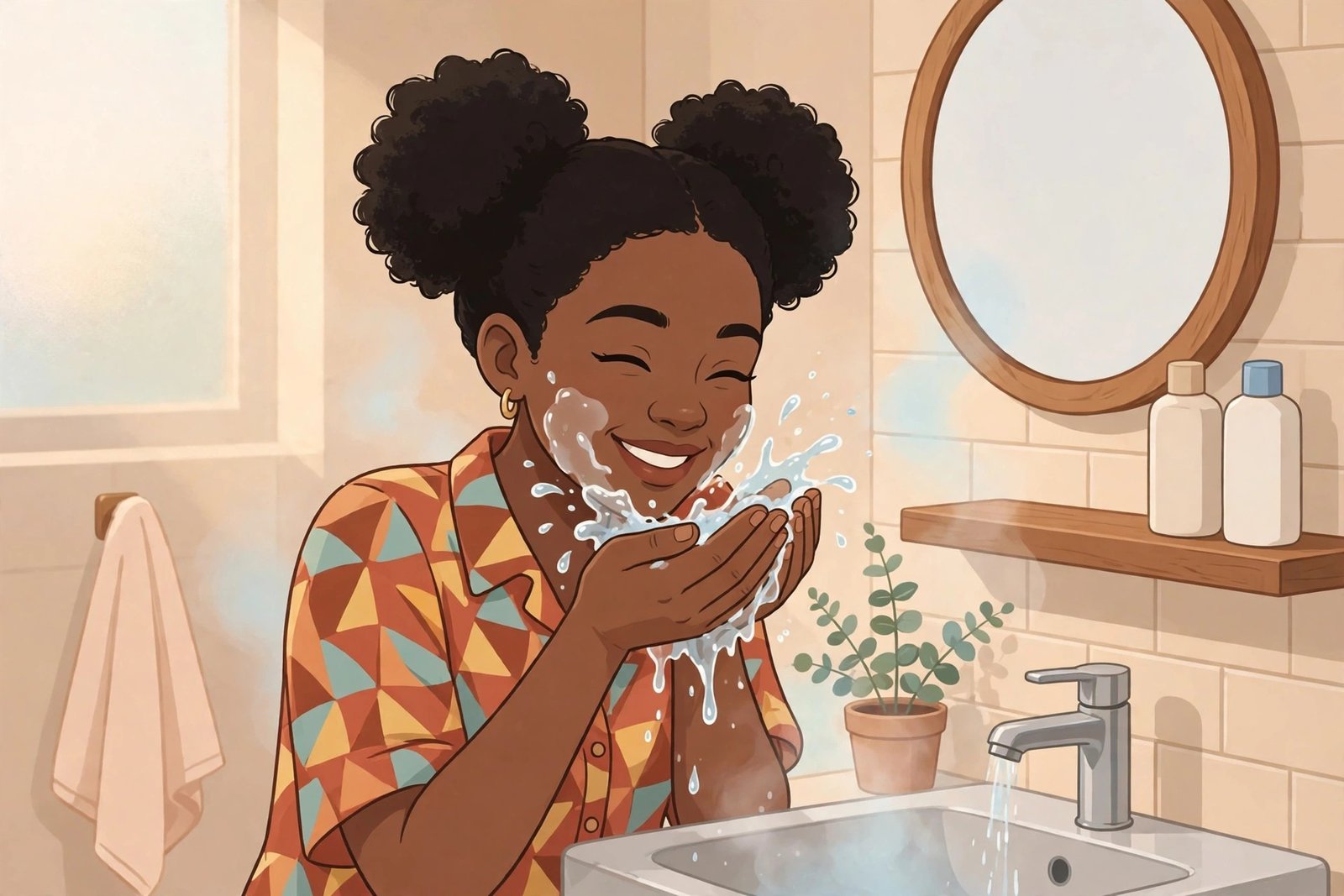
Strip it back to basics. In your twenties, healthy skin needs three things: a gentle clean, enough moisture, and daily sun protection. That’s the whole skeleton. A soft cleanser once or twice a day. A moisturizer that fits your skin type. Sunscreen each morning. If your routine does those three things well, your skin has what it needs to stay strong.
You can see this skeleton inside a simple 10 minute morning skincare routine: short, kind, and done before your coffee cools. That isn’t a lazy routine. That’s a correct one for this decade. Skin in its twenties still renews itself at a good pace. It holds water well. It bounces back from a late night. Your job is to not get in its way.
So skip the harsh scrubs. Skip the toner that stings and calls it working. Skip washing three times a day because your T zone shines by noon. Shine is normal. Stripping your skin to fight it just makes it produce more oil and feel tight and sore. Gentle wins. Boring wins. Your future face is built on boring.
A word on moisturizer, since it’s the step women most often overbuy. Your skin doesn’t need a different cream for every mood it has. It needs one that fits its type and feels good enough that you’ll use it daily. Oily skin usually likes a light gel that sinks in fast. Dry skin wants a richer cream that keeps cheeks soft past noon. If your face feels calm, not tight and not greasy, you’ve found your match. That’s it. That’s the test. A ten dollar cream you love beats a sixty dollar cream you skip because it pills under makeup.
Where does that leave extras? One gentle extra is fine if you enjoy it: a simple antioxidant serum in the morning, or a mild retinoid a few nights a week if your skin takes it well and a dermatologist agrees it suits you. Fine. Optional. Not owed. The question at what age should you start anti-aging skincare isn’t asking for a bigger shelf. It’s asking for the right small shelf, kept steady. And remember, at what age should you start anti-aging skincare also depends on your skin, not your feed. Your friend’s shelf isn’t your prescription.
And here’s a small habit that ties it all together: keep your products where your mornings already happen. Cleanser by the sink. Moisturizer next to your toothbrush. Sunscreen by the door if that’s where your brain finally wakes up. A routine you can see is a routine you’ll keep, and a routine you keep is worth ten routines you admire online and abandon by Friday. Placement is a tiny thing. Tiny things are the whole game at 25.
The Products That Can Honestly Wait

Now the freeing part. A long list of famous products can wait for your thirties, or later, and your skin won’t hold it against you. Rich repair creams built for dry, thinning skin? Wait. Strong peels and high strength acids sold as weekly events? Wait. Firming treatments for deep lines you don’t have? Wait, with a clear conscience. Using them early doesn’t bank extra youth. Skin doesn’t store treatments like savings.
Think of it like shoes. You don’t buy running shoes two sizes big and grow into them. You buy the pair that fits the feet you have. Products work the same way. A cream made for 45 year old skin solves problems you don’t have yet. On young skin it often just sits there, heavy and costly, and sometimes it clogs or stings. Money spent, nothing gained.
Run the money math once and it sticks. One prestige anti-aging cream can cost the same as a full year of good sunscreen. Read that again. A year of the step that does the most, or one jar of a step your skin doesn’t need yet. Budgets are real. Rent is real. If your money is choosing between the two, the sunscreen wins every single time, and it isn’t close. The expensive jar can have its turn in a later decade, when it’ll actually have a job to do on your skin. Money you don’t spend at 25 on fear is money you still have at 35 for the good stuff, chosen calmly.
There’s also a real risk in starting strong too soon. Pile on actives early and your skin can get red, flaky, and sore. Then you buy more products to fix the damage from the products. It’s a silly loop, and brands profit from every lap. If you want a calm way to add anything new later, learn how to layer skincare products one step at a time, so each product earns its place.
So when should the wait end? When your skin changes in ways basics can’t answer: deeper lines that stay all day, stubborn spots, a rough texture that gentle care doesn’t smooth. That’s the signal, usually in your thirties. Until then, the answer to at what age should you start anti-aging skincare stays light. And if a shelf is calling your name today, ask the only question that matters: at what age should you start anti-aging skincare products like this one? If the honest answer is “not yet,” put it back and feel good about it.
How Marketing Sells You a Younger Start Date

Let’s name the game, because it’s a game. Brands make more money when you start earlier and buy more. So the start age keeps sliding down. First the ads spoke to women at 40. Then 30. Now they whisper to 22 year olds about “pre-aging.” The skin didn’t change. The sales target did. Your worry is the product being sold.
Watch the tricks. A photo with harsh light makes normal skin look tired. A filter free selfie gets compared to a filtered one. Words like “preventative” make a plain moisturizer sound like medicine. A countdown, a limited batch, a celebrity routine with nine steps. Each trick has one job: make a healthy 25 year old feel behind. You aren’t behind. You’re the target.
Social media pours fuel on it. A creator with great lighting and good genes holds up a jar, and the jar gets the credit. Skin also gets help from sleep, food, money, and plain luck, and none of that fits in a caption. Compare your bathroom shelf to her studio setup and you will always feel late. That feeling is manufactured. Name it, and it loses power.
The word “preventative” deserves its own warning label. It sounds like medicine. It sounds responsible, even smart. But on a jar for 24 year olds, it’s often just a plain moisturizer wearing a lab coat. Prevention is real, but real prevention is sunscreen and habits, the cheap unglamorous stuff. A brand can’t bottle your sleep schedule. It can’t sell you shade. So it sells the word instead, printed in clean letters on a heavy jar. Don’t buy words. Buy functions. If a product can’t tell you plainly what it does, in one honest sentence, it isn’t ready for your shelf or your money.
Here’s a calmer test for any ad. Ask: is this selling me a habit or a fear? Habits are cheap and slow: sunscreen, sleep, gentle care. Fear is pricey and fast: buy now, start now, or else. When an ad pushes at what age should you start anti-aging skincare with a clock and a warning, it’s selling fear. Walk away. And when you catch yourself asking at what age should you start anti-aging skincare at 1 a.m. with a full cart open, close the tab. Morning you will thank you. She usually does.
A Simple Timeline From 25 to 40

Timelines calm people down, so here’s a plain one. From 25 to about 28, your job is the base: cleanser, moisturizer, sunscreen, sleep. That’s the whole assignment. If your skin is happy, change nothing. Happy skin is the goal, not a shelf that looks impressive in photos.
In your late twenties, you can add one gentle extra if you want to. An antioxidant serum in the morning is a common pick. Some women start a mild retinoid a few nights a week, low and slow, and stop if their skin hates it. Both are choices, not duties. Skin that stays calm and clear without them isn’t missing out.
One more timeline truth: your skin won’t follow this chart like a train schedule, and that’s fine. A woman who worked summers outdoors may see sun spots at 29. Her friend who lived in hoodies may not see them at 39. Genes deal some of the cards. Sun history deals others. Your timeline is yours. Use the decades as a loose map, not a report card, and never grade yourself against a friend’s face. Maps help you travel. They don’t get to judge the trip.
In your early thirties, look again with fresh eyes. Lines that used to fade by breakfast may start to stay. Skin may feel a touch drier. That’s the season to talk about a retinoid more seriously, or a richer moisturizer at night. Add one thing. Give it two or three months. Judge by your mirror, not by ads.
By your late thirties, a yearly skin check with a dermatologist is a smart habit, like the dentist. They can spot changes early and tell you what your skin truly needs next. Notice the pattern across this whole timeline. At what age should you start anti-aging skincare steps? Each step arrives when your skin asks, not when a launch calendar says so. So if you’re 26 and calm, you’re on schedule. And if you’re 34 and just starting, you’re also on schedule. There’s no late. There’s only your skin, your pace, and the steady habits under it all.
Ask once more, at what age should you start anti-aging skincare, and the timeline answers: in layers, across years, with room to breathe.
When Your Skin Asks for More, Listen Early

Listening to your skin beats obeying a calendar. Your skin sends small signals when its needs change. Makeup settles into lines that used to vanish. Your usual cream suddenly feels too light by noon. Spots from a breakout linger for weeks. These are notes, not emergencies. They mean: adjust one thing, gently, and watch.
Some signals deserve a professional, not a product. A mole that changes shape, color, or size. A patch that bleeds, crusts, or won’t heal. A sudden rash, strong pain, or swelling. Book a dermatologist for those, promptly. That isn’t anti-aging shopping. That’s health care, and it always outranks a new serum. General guides can explain normal changes, but only a doctor who sees your skin can judge your skin.
Also listen for the quiet signal of overwhelm. If your face stings at plain water, if everything burns, if redness won’t settle, your skin is asking for less, not more. Strip back to the base. Cleanser, moisturizer, sunscreen. Give it two calm weeks. Many “aging” worries at 27 turn out to be a tired skin barrier that just needed a rest and kinder care.
That’s the grown up way to hold this whole topic. At what age should you start anti-aging skincare? You start by paying attention now, protecting daily, and adding help only when your skin writes you a clear note. No fear. No race. Just a woman, her mirror, and a plan that fits both.
So tomorrow morning, keep it small. Wash gently. Moisturize. Sunscreen while the kettle boils. Then go live your day: work, friends, the good ordinary stuff your skin is quietly part of. You’re not behind, and you’re not racing anyone. You’re a 25 year old building the calmest kind of beauty plan there’s, the kind that still works at 40 because it was never built on panic. That’s not a small thing. That’s the whole thing.
Frequently Asked Questions
I’m 23. Should I start now?
At 23, your skin is still doing its job very well. Start the habits now: daily sunscreen, gentle cleansing, real sleep, and no tanning. You don’t need anti-aging products yet, and using them early buys you nothing extra. If you enjoy one light serum, fine, keep it simple. Save your money. The base you build now carries your skin further than any early jar.
Is sunscreen really enough on its own?
For prevention in your twenties, sunscreen does the heaviest work, yes. Sunlight drives most early lines and dark spots, so blocking it daily beats any cream you add later. Keep the rest simple around it: a gentle cleanser, a moisturizer that suits your skin, and reapplying sunscreen on long outdoor days. That trio covers your twenties well. Add more only when your skin shows a clear need.
When should I think about a retinoid?
Most women do fine waiting until their late twenties or early thirties. A retinoid is a stronger step, so it earns its place when fine lines start to linger or texture stays rough despite gentle care. Start low, go slow, and ask a dermatologist if your skin is sensitive. It’s one honest answer inside at what age should you start anti-aging skincare, but it’s a later chapter, not page one.
My friends all use anti-aging creams. Am I behind?
You aren’t behind. Your friends aren’t ahead either. Skin ages on its own clock, shaped by sun, sleep, genes, and habits, not by who bought a cream first. A friend with a ten step shelf can still skip sunscreen and undo it all. Keep your calm basics, spend on your life, and let your skin set the pace. Group chats aren’t dermatology.
So what is the bottom line for my age?
Here’s the bottom line. When you ask at what age should you start anti-aging skincare, split the answer in two. Habits start now: sunscreen every morning, gentle care, good sleep, no smoking, no tanning. Products start later, when your skin shows real changes basics can’t fix. That split is the whole secret. So at what age should you start anti-aging skincare? Today for protection. Years from now for treatment. Your skin will thank you for both.