
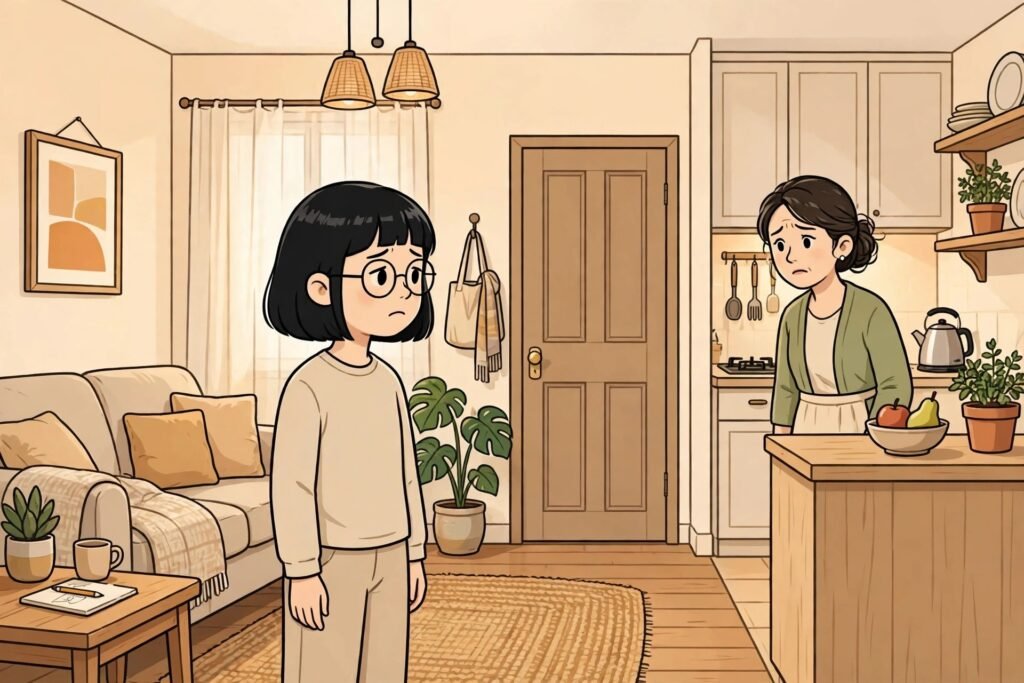
You ask if you can sleep over at your friend’s house on Saturday. Your mom doesn’t even look up from her phone. No. Just no, in two flat seconds. No talk, no reason, no chance to explain. You stand there with your whole plan ready in your head, and it all dies in one small word.
Later that night, the question starts to loop. Why don’t my parents trust me? You get good grades. You come home on time. You’re not out doing wild things. So why does it feel like you’re on trial in your own house?
If that loop sounds familiar, this guide is for you. We will look at what trust really means to a parent. We will look at the fears that sit behind all the checking and the no’s. And we will look at why the answer to why don’t my parents trust me is rarely as simple as you being a bad kid. Most of the time, you’re not.
The Short Answer

Here is the short answer. When you ask why don’t my parents trust me, the real answer is often fear, not dislike. Parents don’t hold back trust because they think you’re awful. They hold it back because the world feels risky to them, and you’re the person they love most in it. Their fear comes out as rules, checks, and fast no’s.
Trust also works on a delay. Your parents judge you on a long film, not on one good week. One old mistake can stay in their heads for months. And new proof takes time to pile up. So the trust you want often grows back slower than you expect, even when you’re doing everything right.
It also helps to know this. Being trusted less at thirteen or fourteen is very common. Almost every teen hits a wall of rules at some point. It doesn’t mean your parents have given up on you. It often means they’re scared, busy, or stuck in habits from when you were small.
And here is the part nobody tells you. Sometimes the answer to why don’t my parents trust me has almost nothing to do with you. A hard week at work, a scary story on the news, or a tale from a friend’s family can tighten every rule in your house. You didn’t change. Their worry did.
The good news is that trust can grow back. It grows through small, steady proof, and through calm talks where both sides feel heard. Later in this guide, we will look at the signs that it’s already growing.
What Trust Really Means to a Parent
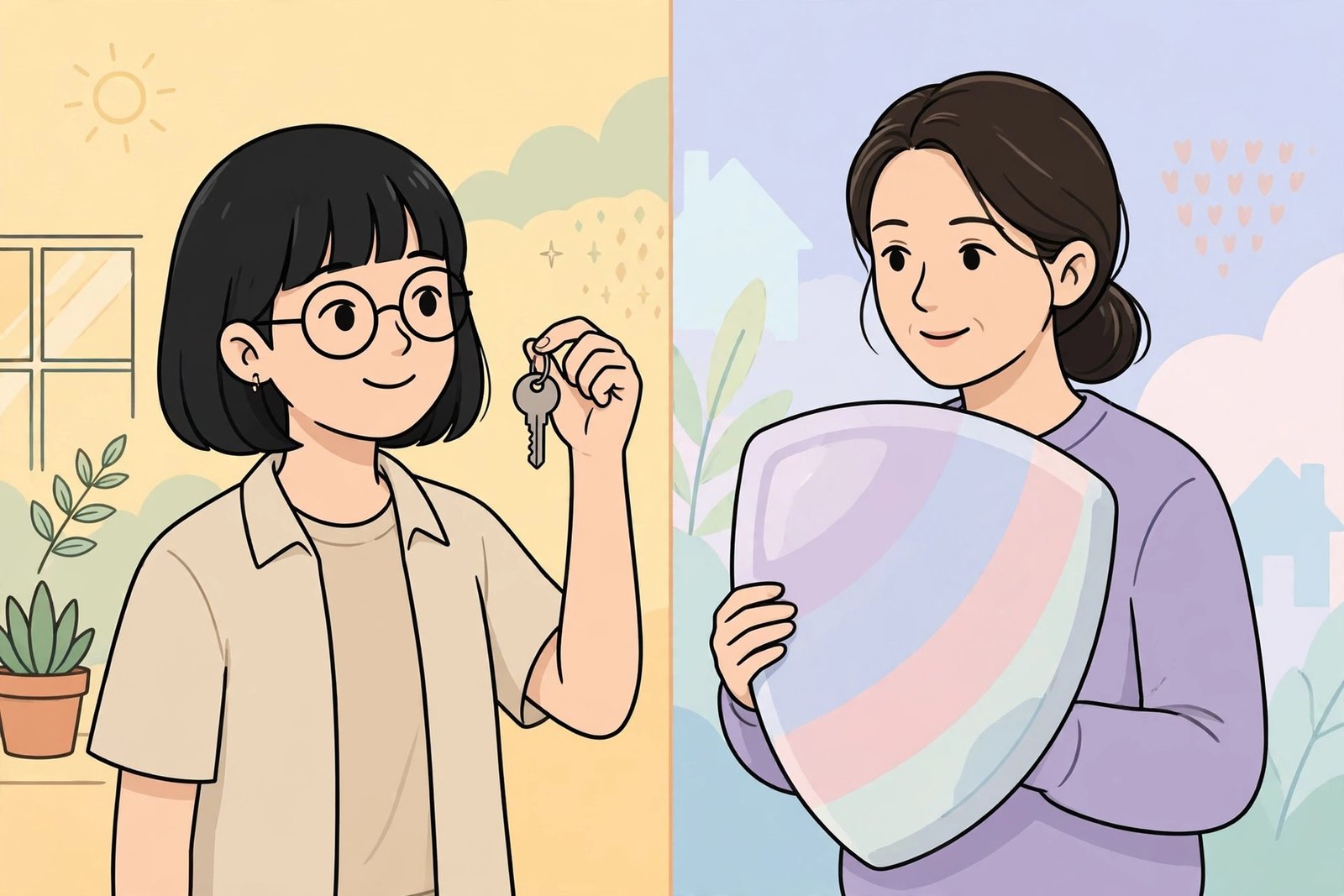
Trust sounds like one simple word. But parents and teens often mean two different things by it. When you say trust, you mean freedom. Let me go. Let me decide. Let me have a life that’s mine. When your parents say trust, they often mean something else. They mean peace of mind.
A parent who trusts you can relax when you’re out. She isn’t picturing the worst thing every ten minutes. She believes you’ll call if plans change. She believes you’ll leave a bad spot before it gets worse. That calm feeling is what she is guarding. Every rule she makes is a way to protect it.
This is why the question why don’t my parents trust me can feel so unfair. You’re counting your good deeds. She is counting her fears. You say, I have never done anything wrong. She hears, but what if the one time you do, I’m not there? You’re both telling the truth. You’re just using two different scales.
It also helps to know that trust isn’t one big pot. Parents trust in zones. Your mom may trust you fully with school work. She may trust you with money. But she may not trust you yet with late nights, new friends, or a phone at 1 a.m. One closed zone doesn’t mean the whole house is closed. It just means that one room is still locked.
The sleepover zone may open this year. The later curfew may open next year. That slow pace can feel painful when your friends seem to have every door open. But slow doesn’t mean never. It means your parents open doors when their fear goes down, not when your pleading goes up.
So when you ask yourself why don’t my parents trust me, try a small shift. Ask instead, what are they still scared of in this one zone? That question is easier to work with. Fear can be answered. A flat wall can’t.
One more thing helps here. When parents say the word trust, they often picture the worst day, not the normal day. They picture the party where drinks show up. The ride home with a driver who has been drinking. The stranger who seems kind online. So when you wonder why don’t my parents trust me on a normal Tuesday, remember they’re not judging your Tuesday. They’re rehearsing their worst Friday night. Your normal days are fine with them. It’s the rare, bad day they’re trying to plan for.
The Fears That Sit Behind a Parent’s No
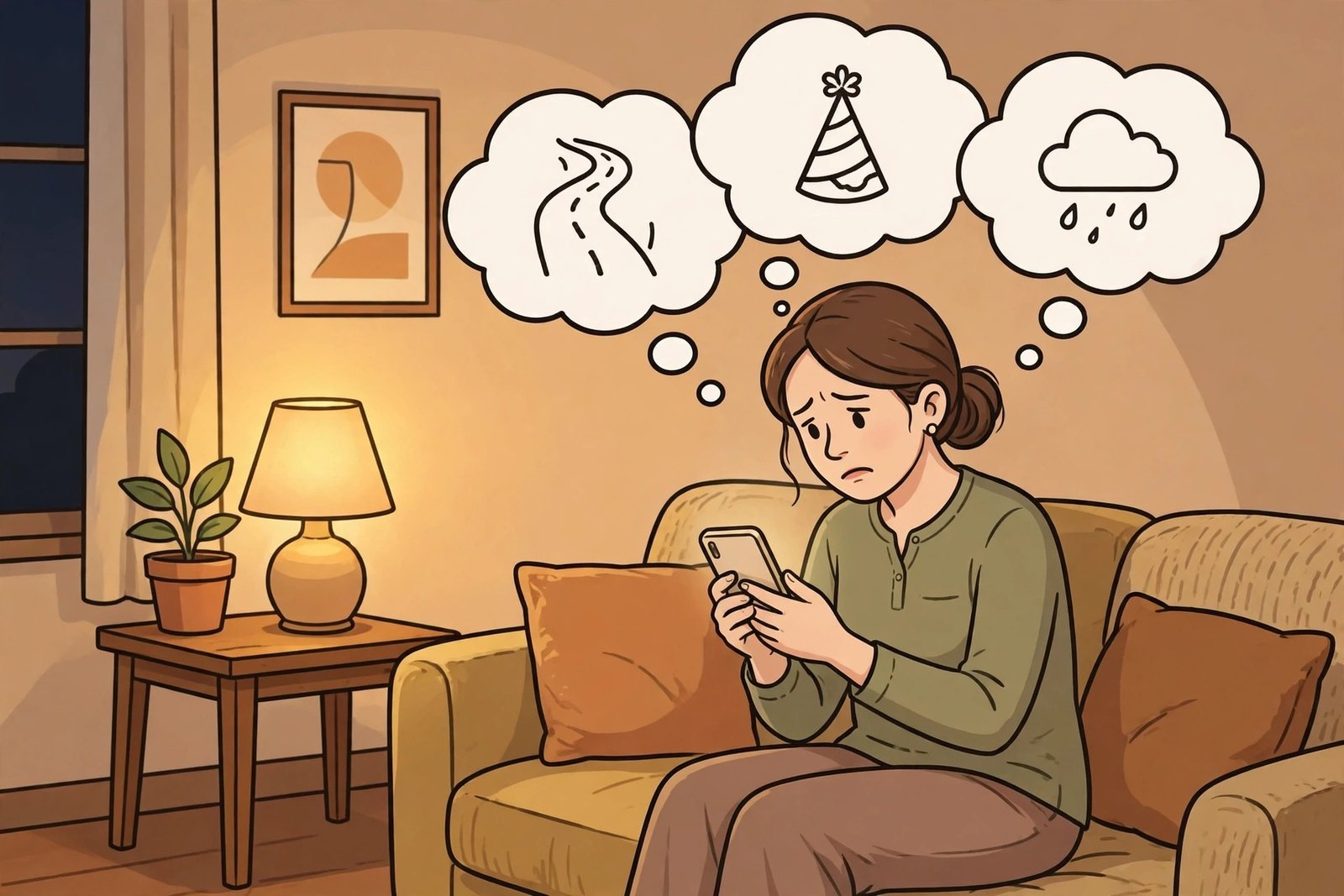
Let’s name the fears, because they run the whole show. Most parents are scared of the same short list. They fear you getting hurt. They fear you being pushed into things by a group. They fear the phone in your hand and the strangers inside it. They fear one bad night that can’t be undone.
Your mom scrolls past three scary stories before breakfast. A missing girl. A party that went wrong. A teen hurt by someone she met online. Your mom knows the odds are low. But love doesn’t do maths very well. Love just sees your face on every story.
There’s one more fear that’s hard for parents to say out loud. They fear being judged. If something goes wrong on their watch, other adults will ask where the parents were. That shame sits on them like a weight. Some of the strictness you feel is them protecting you. Some of it’s them protecting themselves from blame.
Parents also carry their own teen years into your house. Your dad remembers the lies he told at fifteen. Your mom remembers the friend who led her into trouble. When they look at you, they sometimes see their younger selves. And they didn’t trust those kids either. So part of the answer to why don’t my parents trust me is that they’re arguing with ghosts. You’re paying for things a younger version of them once did.
None of this makes a fast, unfair no feel good. It still stings. But knowing the fear behind it changes the shape of the problem. You’re not fighting a wall of hate. You’re standing in front of a wall of worry. Worry can soften. Worry can be talked to. That’s a much better fight to be in.
Try to listen for the fear inside one of their rules this week. The rule about texting when you arrive is fear of the road. The rule about meeting a friend’s parents first is fear of the unknown house. When you can hear the fear, the rule stops sounding like a verdict on you. It starts sounding like a worry you might be able to calm.
It can also help to remember that fear makes parents clumsy. A scared parent doesn’t always speak gently. Fear can come out as a sharp tone, a slammed rule, or a no with no reason given. That doesn’t make it kind, and it doesn’t make it your fault. But if you keep asking why don’t my parents trust me, part of the answer may be this: they do trust you more than their scared voice shows. Fear is just louder than trust in most parents.
It shouts. Trust whispers. Learning to hear the whisper under the shout takes practice, for you and for them.
How One Small Mistake Can Echo for Months
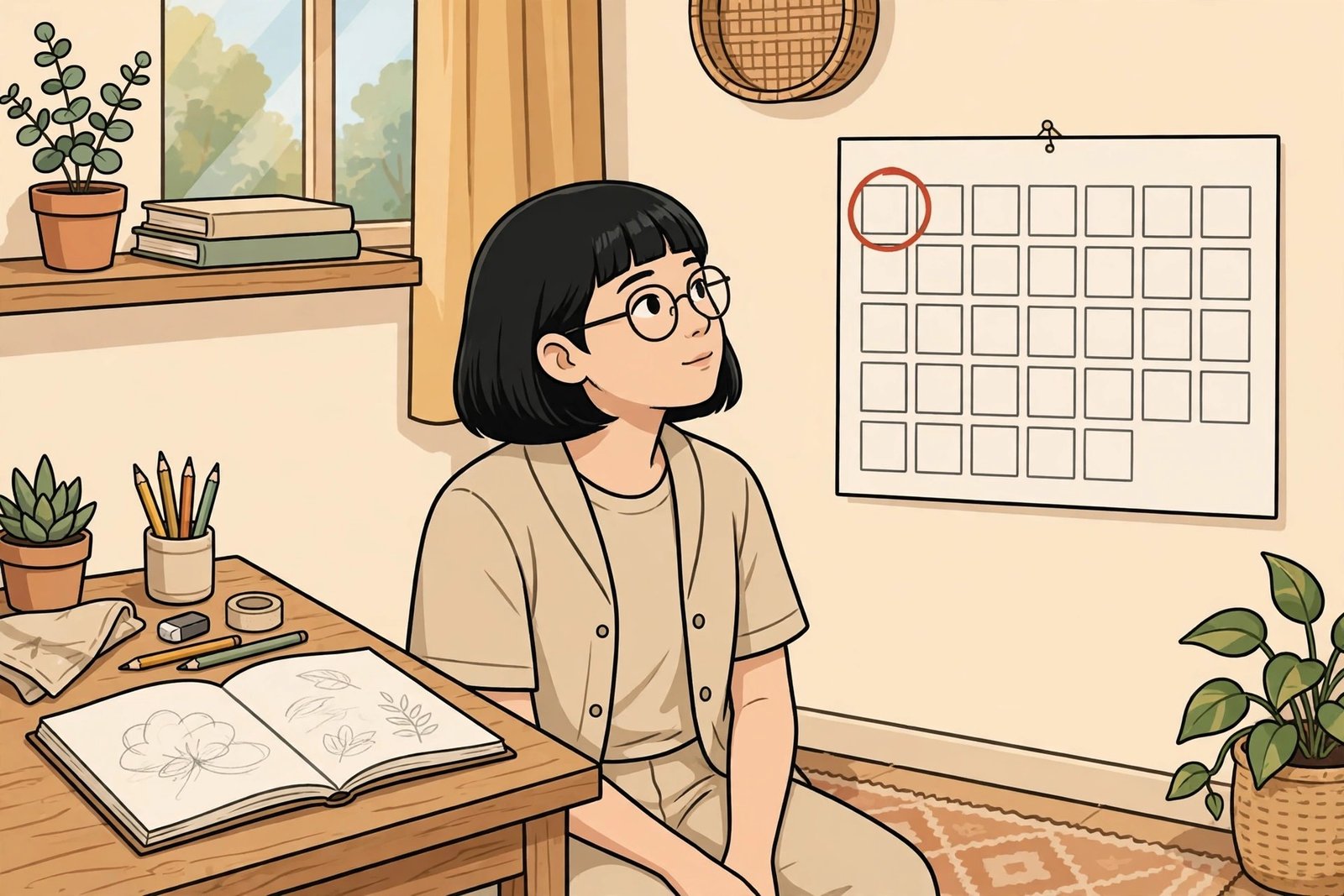
Maybe your story has a clear chapter. You lied about where you were. You hid a bad grade. You took money, or broke a rule you had agreed on. And since that day, everything is locked down. If so, this part is for you, and please read it gently. A mistake is an event. It’s not who you’re.
Here is how parents’ brains work after a broken trust. The one lie becomes proof of a pattern. They start to re-read the past. Was she lying then too? What else don’t we know? One crack makes them check the whole wall. That’s why one slip can cost you much more than it seems to deserve. It’s not fair maths, but it’s human maths.
Time feels different on each side too. To you, that lie was six months ago, ancient history. To your parents, it can feel like last week. They’re not trying to punish you forever. Their trust just heals slower than your memory does. When you ask why don’t my parents trust me after all this time, this slow healing is often the honest answer.
It also matters what happened right after the mistake. A fast, honest owning up heals trust. A lie stacked on a lie breaks it twice. Parents remember how a mistake ended as much as how it started. If you came clean, that counts more than you think. If you didn’t, a calm talk now can still change the ending of that old story.
And here is a hope to hold onto. The echo does fade. Every boring, honest week turns the volume down a little. Parents start to expect the good pattern again. One day you’ll notice a door open that used to be shut. That’s the echo ending. It rarely gets announced. It just quietly stops.
So don’t let one chapter convince you that you’re the villain of the whole book. You’re a teen who messed up once, like almost every human on earth. The echo is loud right now. Loud isn’t the same as forever.
There’s also a quiet truth about the echo that can help you breathe. Parents often test the wall before they trust it again. They give you one small chance and watch closely. Then another. These tiny tests can feel like traps, but they’re really just parents checking if the crack has healed. Every small test you pass without drama is a brick of trust going back into the wall. So if you’re wondering why don’t my parents trust me enough for the big things yet, look at the small tests. Passing those, again and again, is exactly how the big things come back.
Why Parents Check, Ask, and Check Again
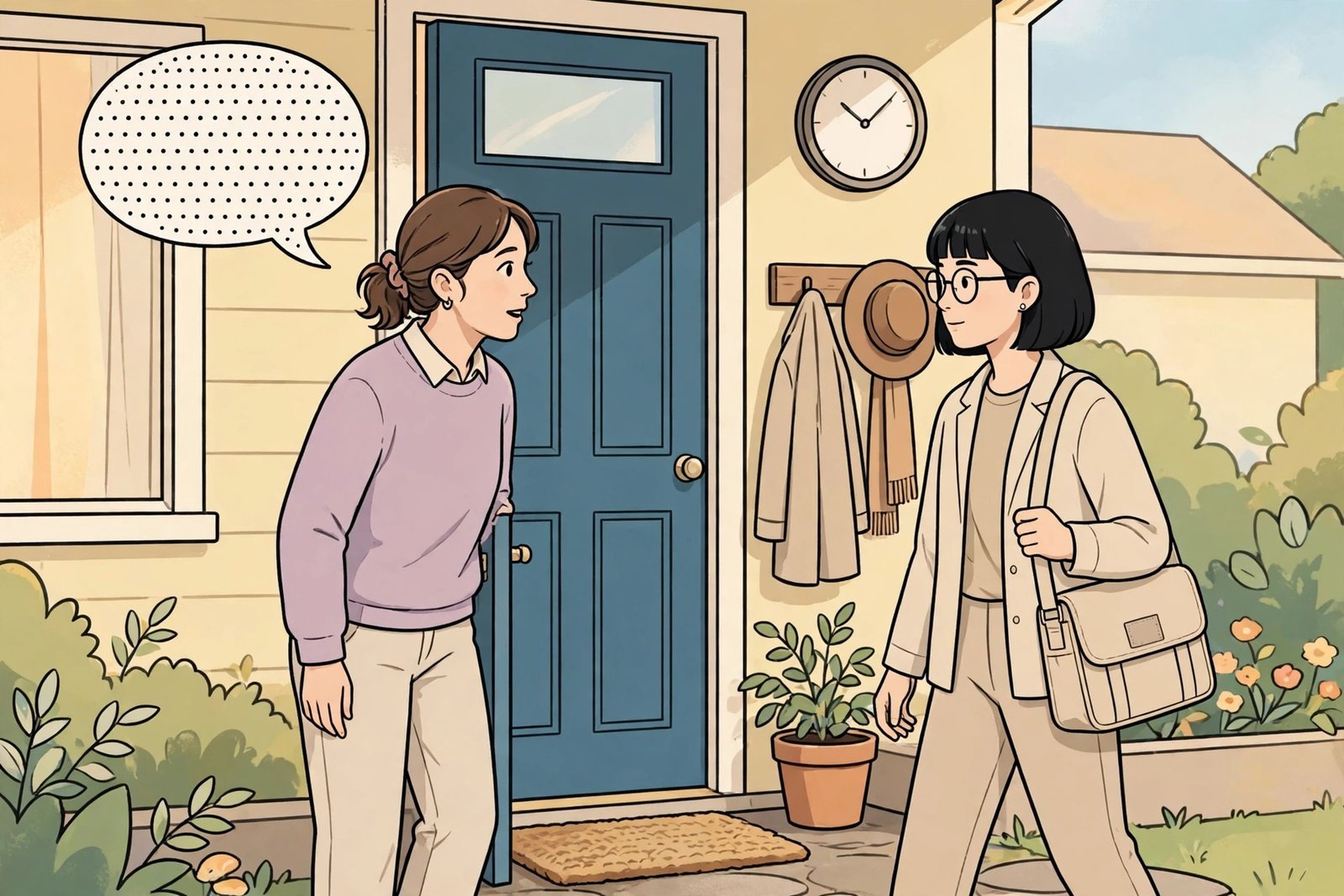
The questions can feel like rain. Where are you going? Who will be there? When will you be back? Will adults be home? Then the texts start before you even arrive. Did you get there? Send a photo. Who is that in the back? It can feel like living under a lamp that never turns off.
Checking is often a habit, not a verdict. Your parents have checked on you since you were two years old. They checked your breathing in the crib. They checked your seatbelt, your lunch, your fever. The checks grew up with you. They just changed shape. The habit is old, even when the questions feel like fresh doubt.
Some checking is also a parent’s way of staying close. Asking about your day is how your mom knits herself into your life. If she stops asking, she fears you’ll drift too far. So the tenth question of the day may be love in a clumsy costume. Annoying, yes. But not always an attack.
Still, let us be honest. Checking can go too far. If every move you make is tracked, timed, and judged, it makes sense that you ask why don’t my parents trust me with even small things. Feeling watched all the time can push a teen to hide more, not less. Many parents don’t see that loop. They check because they worry, and the checking itself creates new hiding, which creates new worry.
If the checking in your house feels heavy, the calm way to name it’s with feelings, not charges. Not, you never trust me. More like, when every plan gets twenty questions, I feel like you think I’m lying, and that hurts. Feelings open ears. Charges close them. We will talk more about calm talks near the end of this guide.
For now, one small comfort. Being asked questions doesn’t prove you’re doubted. Often it proves you’re on someone’s mind all day. You can hold both truths at once. The questions can be too much. And they can come from love. Both fit in the same house.
One small trick can change how the questions feel. Answer before you’re asked. A quick text that says where you’re, who is there, and when you’ll be home takes the fuel out of the checking habit. Parents check less when the answers arrive on their own. It’s not about being a perfect kid. It’s about making their worry bored. And on the days you still ask yourself why don’t my parents trust me with this one small thing, remember that habits built over fourteen years don’t melt in a week. They melt over a season of small, steady answers.
Sometimes It Is Not About You at All
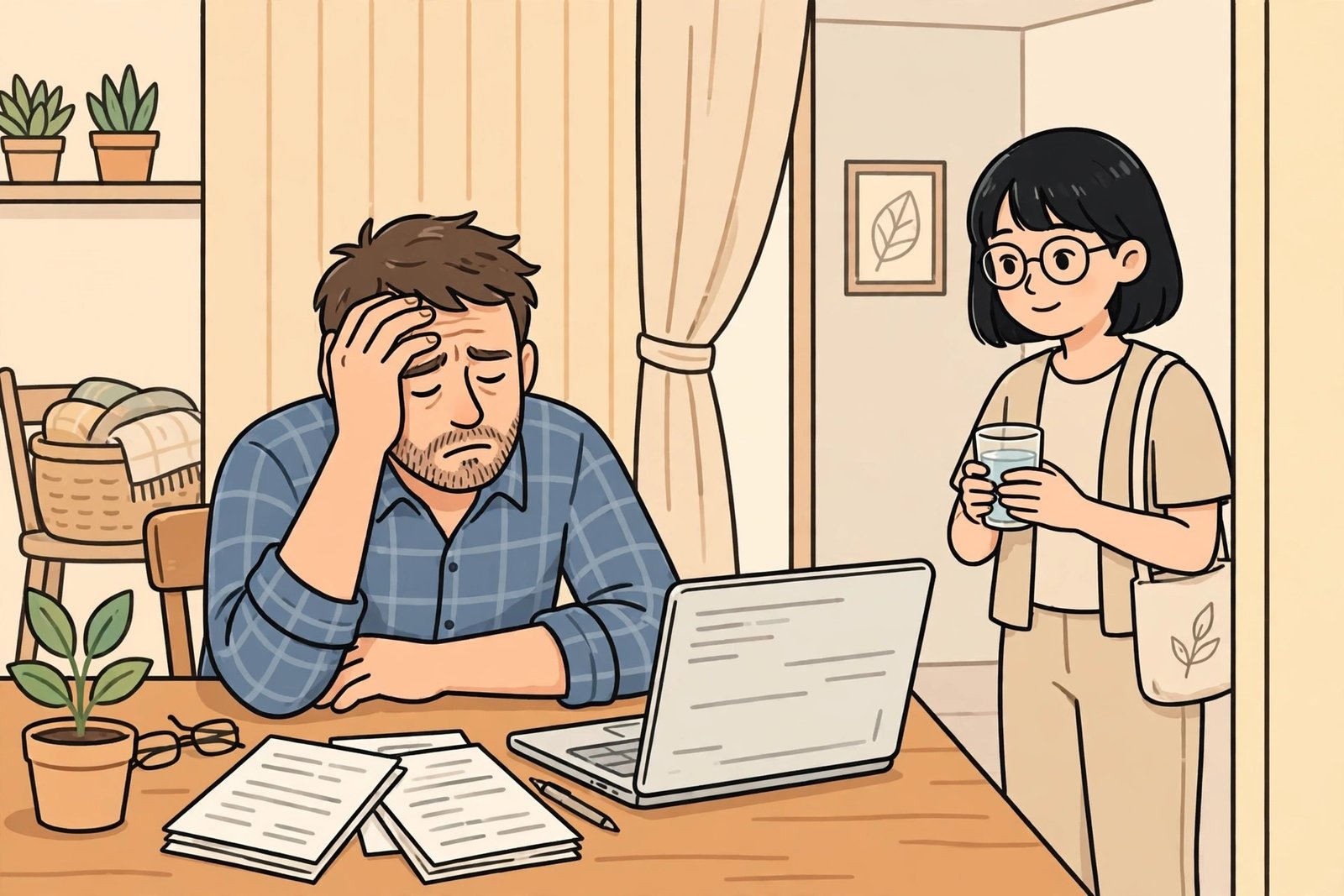
This section might be the most freeing one in the whole guide. Sometimes you ask why don’t my parents trust me, and the true answer is: their stress is spilling. Parents are people with jobs, bills, and bad weeks. When life squeezes them, rules get tighter. Not because you changed, but because their nerves did.
A scary news week can do it too. One story about a teen in trouble, and suddenly your whole house is on lockdown. Your parents aren’t really seeing you in that moment. They’re seeing the girl from the story, and grabbing at every rule that might keep you safe. The storm passes. The rules usually loosen when it does.
Other families play a part as well. If your cousin got caught doing something wild, your parents may tighten your rules the same day. If a friend’s daughter lied about a party, your mom hears that story as a warning bell. You’re being judged by a jury of other people’s kids. It’s not fair, and it’s very common.
Even your age alone can tighten things. The first years of being a teen scare parents. You look older, you want more, and they’re still catching up to the change. Many parents grip harder at thirteen and fourteen, then slowly ease off as they watch you handle small freedoms well. The grip is about the stage, not your record.
When a no or a new rule lands out of nowhere, it can help to look at the week around it. Was work awful for your dad? Did your mom just hear a bad story? Was there a family money scare? If you can spot the storm, you stop taking the rain so personally.
And if that feeling grows, like everyone at home is against you and no one is on your side, you’re not the only teen who has felt it. Reading about why you can feel like everyone hates you can help you sort real rejection from a house full of stressed, worried people. Often, it’s the second one.
Small Signs That Trust Is Already Growing Back
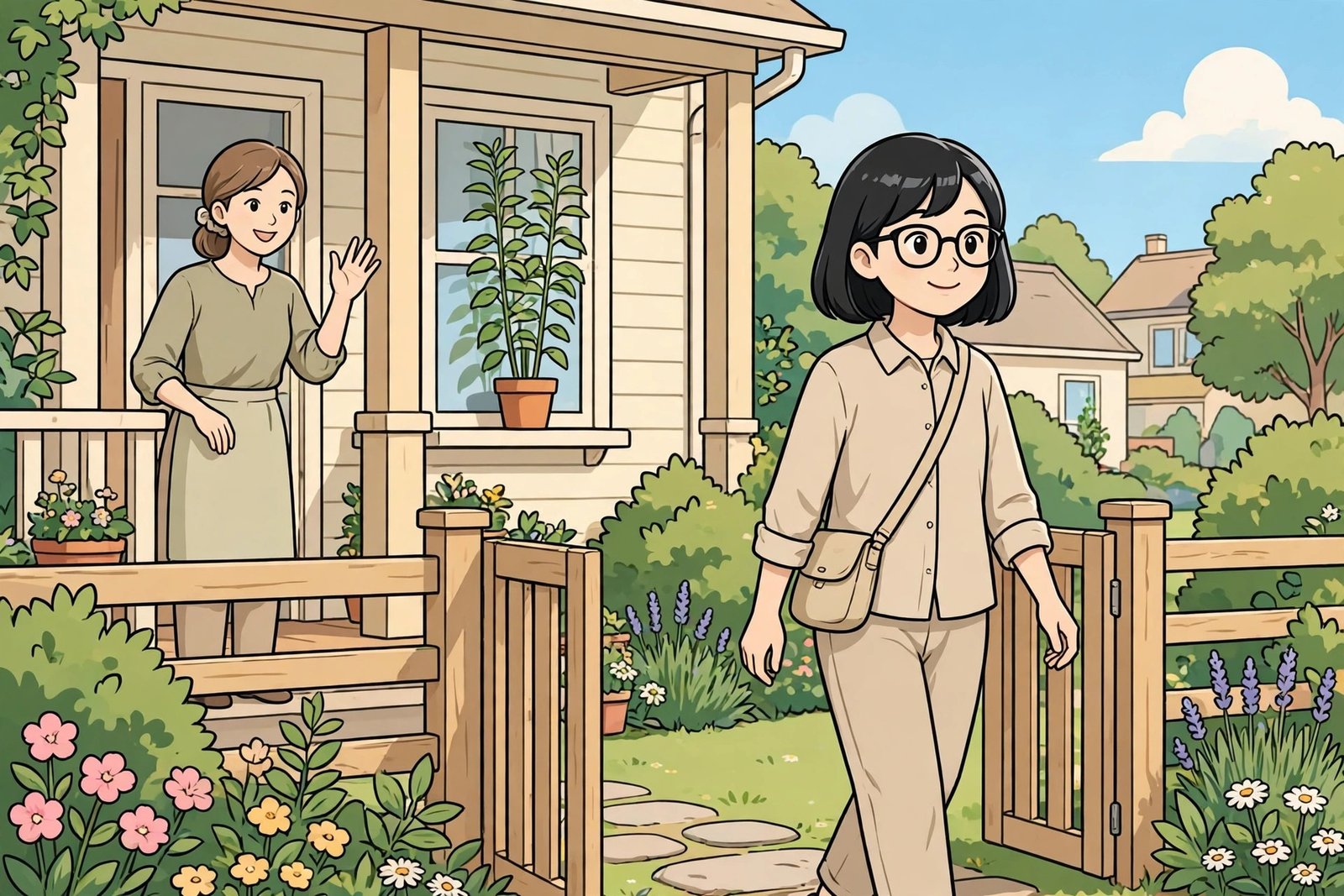
Trust rarely comes back with a speech. Nobody sits you down and says, we trust you now, here is a medal. It comes back in tiny, boring moments that are easy to miss. Learning to spot them matters. They’re proof that your steady weeks are working, even when the big freedoms still feel far away.
Watch for small doors opening. Your mom asks fewer questions before a yes. Your dad lets you walk to the shop alone without a text check. You get asked your view on a family choice, and your answer counts. A rule that used to be iron is now open to a talk. These are trust payments, paid in small coins.
Watch for tone, too. Jokes come back. Your parents tease you again instead of only warning you. They tell you things about their own day, their own worries. Parents share their real lives with people they trust. If your mom tells you about her hard day at work, that’s a trust sign hiding in plain sight.
There’s one more sign teens almost always miss. When parents relax a rule for your younger brother or sister, it often means your good run changed the whole house. You showed them a teen can handle something, and the lesson stuck. It may not feel like your win. It’s.
So if you still catch yourself asking why don’t my parents trust me, try keeping a small list for one month. Write down each tiny loosening you notice. On a hard day, read the list back. Trust grows like a plant, not like a light switch. The list helps you see the leaves before the plant looks tall.
And be patient with the pace. Parents open doors one at a time, and they close them again at the first scare. A door that closes once isn’t closed forever. It’s just a parent being a parent. Your job is the steady part. Their job is the brave part. Both take time.
It also helps to know what isn’t a trust sign, so you don’t chase the wrong things. A parent who suddenly stops caring where you’re isn’t showing trust. That’s a parent who is tired, busy, or giving up for a while. Real trust looks engaged. It looks like questions that get shorter, rules that get softer, and a mom who sleeps fine while you’re out. When you ask why don’t my parents trust me and then look for a total hands off house, you may be aiming at the wrong picture. Aim for calm, not for absence. Calm is what trust actually feels like from the inside.
How to Start One Honest Talk About Trust

At some point, the question why don’t my parents trust me needs to leave your head and enter a real talk. Not a fight. Not a courtroom speech during a no. A calm, planned talk, at a calm, planned time. This isn’t the full plan for winning trust back. It’s just the first honest door.
Pick the moment with care. Not in the car on the way to the thing you want. Not right after a rule lands and your voice is still hot. A quiet evening, a walk, a kitchen chat after dinner. Calm moments make brave words easier to hear.
Start with a feeling and a wish, not a charge. You could say: I feel sad that you don’t trust me yet. I want to understand what you need from me. Those two sentences do a lot of work. They don’t accuse. They invite. And they ask the one question that matters: what would proof look like to you?
Then listen, really listen. Your parents may name the old mistake. They may name a fear you never guessed. Don’t defend every point in the moment. You’re there to learn what sits on their side of the wall. You can share your side right after. Talks about how to talk to your mom about a question that feels embarrassing use the same skill: small first words, a calm moment, and room for the other side to answer.
If the talk gets hot, it’s okay to pause it. You can say: I want to keep talking, but can we take ten minutes and come back? Walking away mid fight to cool down isn’t losing. It’s protecting the talk. Parents respect that move more than teens expect.
The Child Mind Institute shares kind, clear guides for families on getting through hard talks like this one, and reading one together can even give you and your parents the same words to use. You don’t have to find perfect words alone. Borrow good ones.
End the talk with one small, clear step you both agree on. Not ten promises. One. Maybe it’s texting when plans change, every time, for a month. Small steps give trust something solid to stand on. And when you keep that one step, you have proof to bring to the next talk. That’s how the wall gets a door.
And if the first talk doesn’t land the way you hoped, don’t read it as a final answer. First talks are often awkward on both sides. Your parents may need a night to think about what you said. Many teens find that the second or third small talk goes much better than the first. So if you walk away still asking why don’t my parents trust me, give it a little time, keep your one small step, and try the talk again in a few weeks.
Doors that are shut for years rarely open on the first knock. They open on the third or the fourth, when the knocking has stayed kind. If you keep asking yourself why don’t my parents trust me, look at the pattern of small moments, not just one bad day. And when the question why don’t my parents trust me comes back at night, remember that trust can grow again, one kept promise at a time.
Frequently Asked Questions
Is it normal for parents to trust you less during the teen years?
Yes, it’s very common. The teen years bring new freedoms, new friends, and new risks all at once, and many parents grip tighter while they adjust. It doesn’t mean they love you less or think you’re a bad kid. It usually means they’re scared and still learning how to parent a teen. For most girls, trust grows back as parents watch you handle small freedoms well over time.
My parents bring up one old mistake again and again. Will they ever let it go?
They will, but it may take longer than feels fair. Parents hold a mistake in mind because they fear a repeat, not because they enjoy the subject. Every honest, steady month turns the memory down a little more. If it comes up in a calm moment, you can say you understand why it scared them and that you’re working to prove you learned. Then let your actions do the rest.
Why do my parents check my phone and ask so many questions?
Mostly, fear and habit. Checking is how many parents try to feel close and keep you safe at the same time. Phones worry them because so much of a teen’s world hides inside one. If the checking feels like too much, say so calmly and with feelings, not charges. Ask what would help them worry less. Sometimes a small deal, like open talks about new apps, eases the checks a lot.
What if I truly have done nothing wrong and they still don’t trust me?
Then the low trust is probably not about your record at all. It may be their fears, their own teen years, stress, or scary stories they have heard. That’s hard, because you can’t fix a problem you didn’t cause. What you can do is ask, calmly, what would help them feel safer. Keep being steady. And remember their worry says more about their love and fear than about your worth.
How can I bring this up without it turning into a fight?
Pick a calm moment, not the heat of a fresh no, and open with a feeling and a wish instead of a charge. Say what you feel, ask what they need, and listen to the whole answer before you reply. If voices rise, pause the talk and come back to it later. And if you’re still asking yourself why don’t my parents trust me after that first talk, that’s okay. One talk opens the door. Trust walks through it slowly, one honest week at a time.
Pingback: How Can I Earn My Parents' Trust? - The Honest Truth