

A song comes on and your eyes fill up. Your friend takes an hour to reply and you’re blinking back tears. You drop your sandwich at lunch and feel like crying over that too. Then comes the shame spiral. You ask yourself, why do I cry over things that seem insignificant, and what’s wrong with me?
Let me answer the shame first. Nothing is wrong with you. Crying easily in your teen years is common, and it has real reasons behind it. Small things land on a full heart. And a full heart spills fast.
This guide will walk you through those reasons, one by one. You’ll learn what’s happening in your body and brain, what to do in the exact moment tears come, and the line between normal teen tears and the kind you should tell an adult about. By the end, that question, why do I cry over things that seem insignificant, will feel a lot less scary.
The Short Answer

Here’s the short answer. You cry over small things because the small thing is rarely the whole story. It’s the last drop in a cup that’s already full. Stress, tiredness, hormones, and a hard week fill the cup. Then a tiny thing tips it over. The tears look out of size, but the cup was already there.
Teen brains feel things at full volume. The feeling part of your brain is fast and strong right now. The calming, steering part is still under construction. So feelings arrive loud and leave slow. That’s a big part of why do I cry over things that seem insignificant has such a simple root. Your volume knob is set high by design, at this age.
Hormones add their own waves. Around your period, feelings often sit closer to the surface. Poor sleep does the same. So does hunger, believe it or not. A tired, hungry, hormonal day can make a dropped pen feel like a disaster. It’s not drama. It’s load.
Crying itself is not a problem to fix. It’s a release valve your body was born with. Tears can actually help you calm down after a spike of feeling. Many girls feel clearer and softer after a good cry. You’re not weak for crying. You’re built to.
Still, there are times to speak up. If you cry most days for weeks, if you stop enjoying things you loved, or if sadness sits on you and won’t lift, tell an adult. That’s a different pattern, and it deserves real support. We’ll map that line out fully later in this guide.
Your Feelings Are Not Too Much

First, let’s clear out the meanest myth. The myth says you’re too sensitive, too dramatic, too much. You may have heard it from a sibling, a classmate, or even your own head at 2 a.m. But feeling deeply is not a flaw in your character. It’s a setting, and at your age, it’s a common one.
Sensitive people notice things. You catch the shift in a friend’s voice. You feel the mood in a room change. That same radar that makes you cry at a sad scene also makes you a kind friend. You can’t turn down the tears without turning down the good parts too.
It also helps to hear that crying is a body function, like sweating. You don’t shame yourself for sweating on a hot run. Tears are the same kind of thing, a pressure release. When you ask why do I cry over things that seem insignificant, part of the answer is plain biology. Your body lets the pressure out the fastest way it knows.
You’re not too much. You’re a teen with a full cup and a strong heart. The goal of this guide isn’t to stop your tears. It’s to help you understand them, ride them, and know when they carry a message you should share with an adult.
What Is Happening in Your Body and Brain

Let’s look under the hood, in simple words. Your brain has an alarm and feeling center. In the teen years, that center is strong and quick. It fires fast at sad songs, sharp words, and sweet moments alike. It doesn’t check the size of the thing first. It just feels it, at full blast.
Your brain also has a steering center, the part that says, okay, this is small, let’s calm down. That part is still growing in teens. It won’t be fully built until your mid twenties. So the feeling center often wins the first round. Tears come before the steering even gets a say. That’s not immaturity. That’s construction timing.
Hormones stir the mix as well. Estrogen and progesterone swing across your cycle. Those swings can make feelings sit nearer the surface, mostly in the days before your period. Many girls notice they’re teary in that week and steadier in others. If that’s you, your cycle is part of the answer to why do I cry over things that seem insignificant.
Stress hormones matter too. When you’re stressed for days, your body stays on alert, and an on alert body has a hair trigger. A small slight can set off a big release. It’s like a glass filled to the brim. The last drop is never the real cause. The full glass is.
None of this needs a diagnosis or a label. It’s the normal build of a teen brain and body. You’re not falling apart. You’re running strong feelings on a still growing steering system.
It may help to know you’re standing in a very long line. Poets, singers, and whole songs exist about crying over small things. Teen girls write it in diaries every night, in every country, in every language. If you ask why do I cry over things that seem insignificant, you’re asking one of the most human questions there is. The answers have filled books. This guide gives you the teen version, the one about cups and triggers and growing brains.
There’s a word people throw at girls like you: oversensitive. Let’s retire it. Sensitivity is a scale, not a flaw. Some people sit low on it and barely cry at funerals. Some sit high and cry at adverts with kind grandpas in them. Neither end is better. They’re just settings. And the high setting comes with gifts: you notice fast, you care hard, you love at full size. When you ask why do I cry over things that seem insignificant, you’re often just meeting your own setting. Meeting it is step one. Working with it kindly is the rest.
Also, notice something kind about tears. They usually come when you finally feel safe. In the car with your mom. In your room at night. On the phone with your best friend. Your body holds it together in public, then lets go where it’s safe. That’s not falling apart. That’s timing. Your system waited for a safe shore before it opened the flood gates. If you ask why do I cry over things that seem insignificant at the oddest moments, check where you were. Safety opens taps. That’s smart design, not a glitch.
The Real Reasons Small Things Can Trigger Big Tears
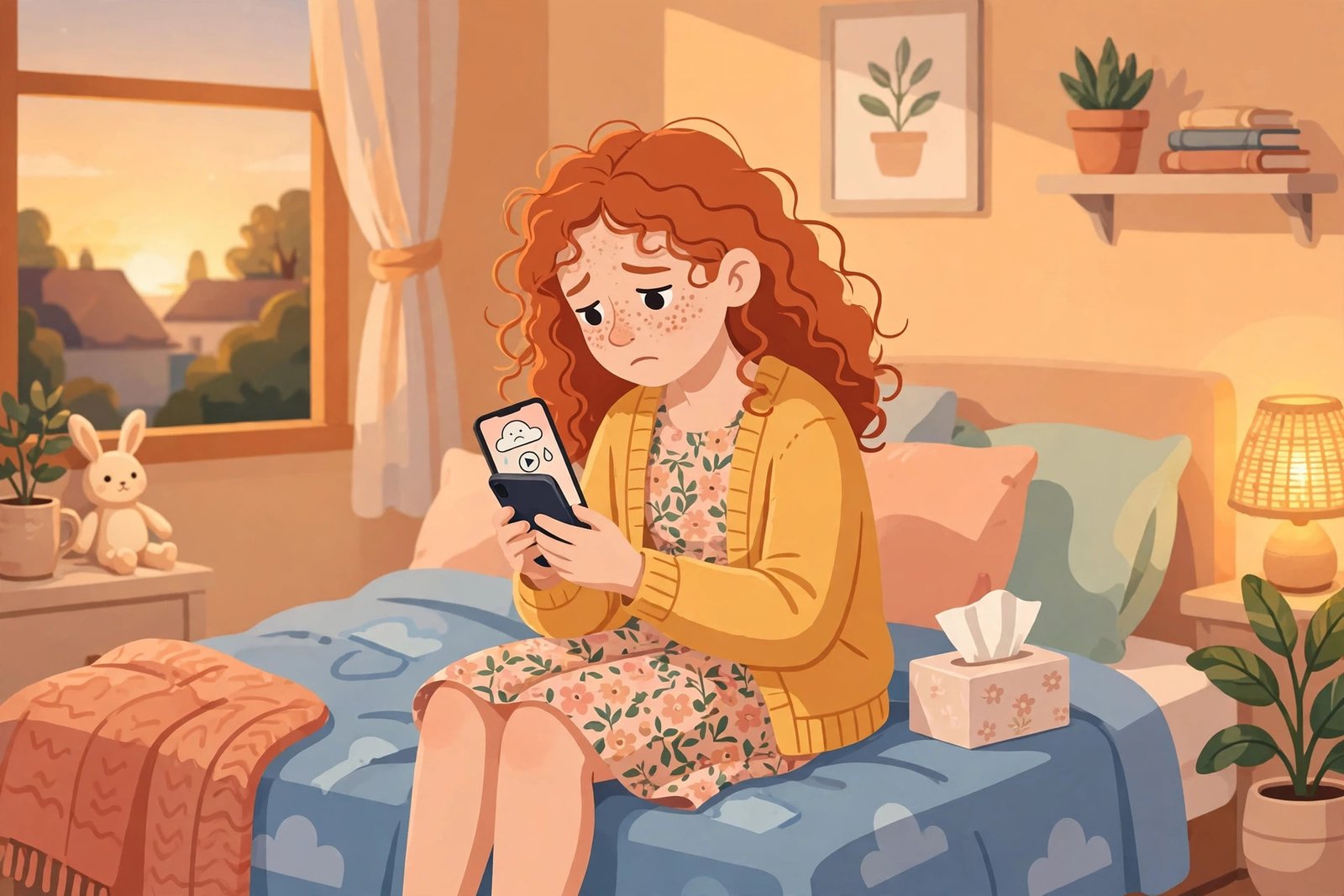
Now let’s name the usual triggers, so you can spot yours. The first is the full cup. A week of tests, a fight at home, a friend who’s been distant. None of it made you cry on its own. Then your pen runs out in class, and you’re done. The pen didn’t break you. The week filled you, and the pen just opened the tap.
The second trigger is care. You cry because things matter to you. A sad story about a dog you’ll never meet. A friend’s pain that isn’t even yours. That’s empathy, and it’s a good trait wearing wet clothes. Girls who cry at the world caring are not silly. They’re tuned in. The world needs more tuned in people, not fewer.
Screens are a third trigger, and a sneaky one. Sad videos stack up fast in a feed. One teary clip primes the next, and the next feels huge. If you’ve ever ended a scrolling session in tears, you may know the pattern from feeling sad after scrolling on TikTok. It’s not just you. Feeds are built to stir feelings, and a full cup spills right on cue.
The fourth trigger is feeling misunderstood. Someone shrugs at your news. A joke lands on the exact sore spot. Your mom says it’s not a big deal when, to you, it is. The tears there aren’t about the thing. They’re about feeling alone with the thing. That kind of cry is a signal. It says, I need someone to get it.
And the fifth trigger is plain body load. Hungry, tired, pre period, a headache coming on. Your steering runs on fuel and rest. Low fuel, weak steering. That’s why the same comment can roll off you on Saturday and wreck you on a tired Tuesday. The comment didn’t change. Your cup did.
When you spot your trigger, the tears make sense. Sense takes the shame out. You’ll still cry, because you’re human and a teen. But you’ll know why do I cry over things that seem insignificant has an answer with your name on it. It’s your cup, your triggers, your pattern. And patterns can be worked with, kindly.
There’s also a pattern test you can run on yourself. For one week, note each teary moment in your phone. Just the trigger and one word for the day: tired, hungry, pre period, fine. At the end of the week, read the list. Most girls find the tears weren’t random at all. They cluster on the tired days, the hungry days, the days before a period. The question why do I cry over things that seem insignificant often turns into a much calmer one: oh, it’s a cup thing. And a cup thing has cup sized fixes.
Run the test again in a calmer week, like a holiday week. If school weeks are full of tears and holiday weeks are calm, your cup is being filled by school load, not by some flaw in you. Girls who ask why do I cry over things that seem insignificant with proof in hand stop blaming their hearts. They start managing their load. Small levers, real change.
And if your list shows tears nearly every day, in calm weeks too, that’s data of a different kind. Hold onto it. It becomes the clearest thing you can hand an adult later in this guide. Dates and notes beat a vague I cry a lot. They show the pattern plainly, and plain patterns get real help. Either way the test serves you. It proves the tears make sense, or it proves they need support. Both answers are wins, because both end the guessing.
What to Do in the Moment When Tears Come

Tears at the wrong moment feel awful. In class, in the hall, mid sentence with a friend. Here’s a small in the moment kit. First, breathe out slowly. Long exhales calm the body faster than deep gulps of air. Count your out breath to four, a few times. It won’t stop the tears like a switch. It will take the edge off the wave.
Second, ground yourself. Feel your feet on the floor. Press your fingertips together. Name five things you can see. Grounding pulls your brain back to the room. It gives your steering a chance to catch up. The wave gets shorter when you ride it this way, instead of fighting it.
Third, give yourself a pause. Ask to get water. Step to the bathroom. Splash cool water on your face. A two minute reset is not running away. It’s smart steering. Most teachers get it, and most friends do too.
Fourth, if you’re with someone safe, you can just say it. I cry easily, give me a sec. That one sentence kills the awkwardness. People are kinder than our fears suggest. And hiding tears often makes them stronger. Letting them pass, with a small warning to the room, is usually the fastest way through.
Don’t shame yourself mid cry. The inner voice that says, stop being a baby, is not helping. Talk to yourself like you’d talk to a friend. This is a wave. It will pass. I’m okay. Kind self talk works like a brake. Use it every time, and the waves will scare you less.
And if the tears come at home, let them come fully. A real cry in a safe place clears the cup. Ten honest minutes can save you a whole evening of leaking. That’s not weakness. That’s good plumbing.
One more in the moment tool: change the temperature. Hold something cold, like a water bottle from the fridge. Splash cold water on your wrists. Cold tells your nervous system to settle, fast. It’s a trick nurses and therapists teach because it works on the body directly. Keep it in your kit next to the slow breaths. Breath for the mind, cold for the body, and the wave shrinks from two sides at once.
And give the moment a name while you’re in it. In your head, say: this is a wave, it’s a full cup, it will pass. Naming what’s happening turns a flood into a thing with edges. Edges can be held. Floods can’t. Girls who learn to name the wave stop fearing it. They still cry. They just cry with a map in hand. That map is a big part of the answer to why do I cry over things that seem insignificant. You’re not lost in the feeling. You can see its shape, its cause, and its end coming.
If a wave hits in front of someone unkind, protect yourself first and explain never. Move away, find your safe people, handle it there. You don’t owe a teaser a single word about your heart. The right people get your honesty. The wrong people get your footsteps walking away. Save your soft side for soft hands. That’s not cold. That’s wisdom, and it will serve you for life.
Kind Ways to Calm Down After a Cry
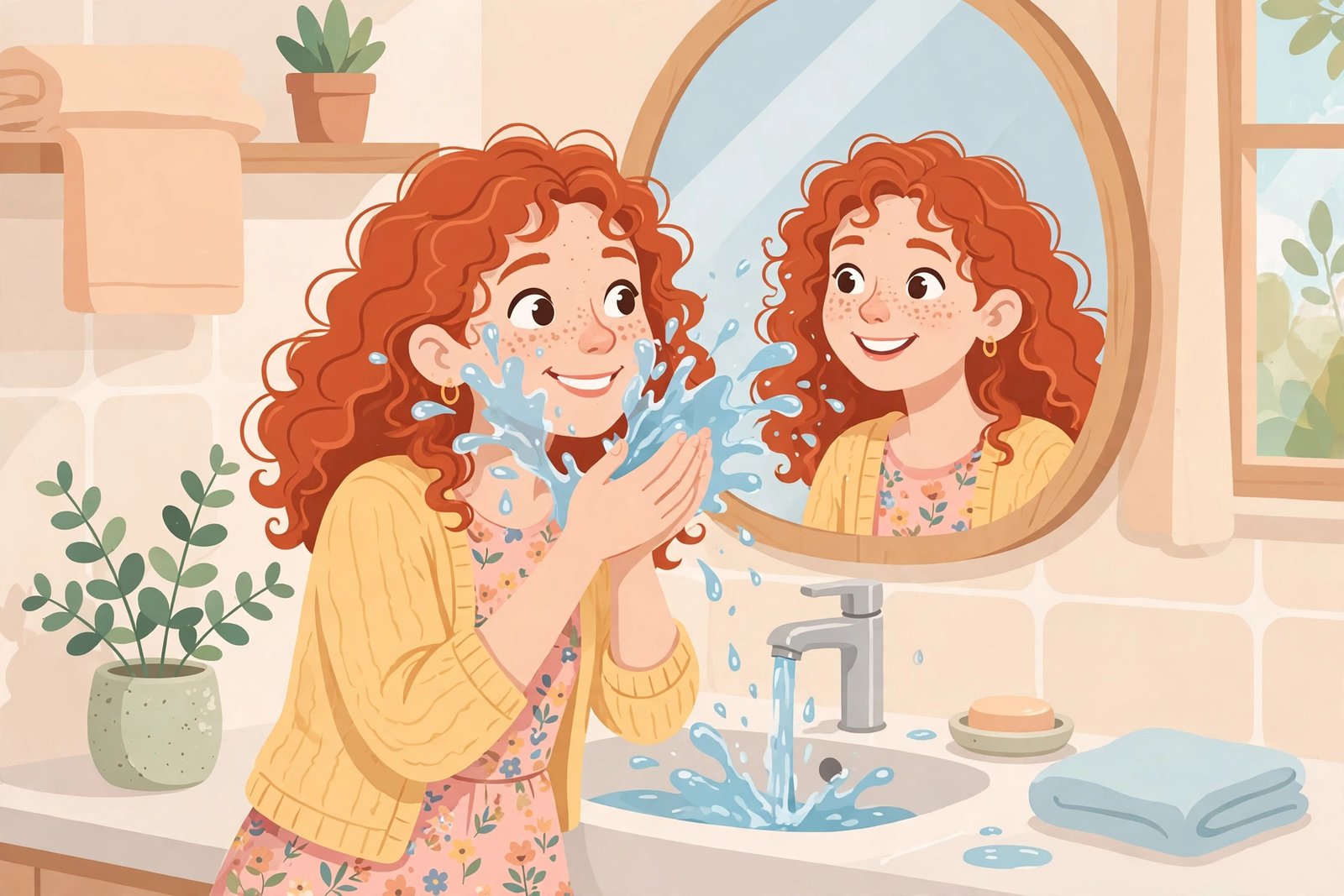
After the wave, you may feel shaky, tired, or oddly calm. All of that is normal. Your body just did hard work. Treat the after part with the same kindness. Drink some water. Tears and stress dry you out. A glass of water is a small reset button.
Wash your face with cool water if you can. It eases puffy eyes and feels like a fresh page. If your eyes stay red for a while, that’s fine too. Red eyes fade. You don’t owe anyone a perfect face right after a feeling.
Move a little. A short walk, a stretch, a few songs while you tidy your desk. Movement burns off the leftover stress chemicals and tells your body the danger is over. Many girls find the fog lifts after ten minutes of simple motion. A lap around the block counts.
Then, when you feel steadier, do a tiny review. What filled my cup today? What was the last drop? You don’t need a full diary entry. One line in your notes app is plenty. Over weeks, those lines will teach you your map. You’ll see your tired days, your pre period days, your screen heavy days. The map is how the question why do I cry over things that seem insignificant slowly answers itself.
Be careful with the replay trap, though. Going over the moment fifty times keeps the cup full. One kind look back is learning. Fifty harsh replays are just self bullying in a loop. On days when you feel like everyone hates you and the tears won’t stop, close the replay and call a person instead. A voice beats a loop, every time.
How to Talk About Your Feelings Without Feeling Silly

Talking is the step many girls skip, and it helps the most. You don’t need a big speech. Pick one safe person. A mom, an older sister, a best friend, a school counsellor. Then start small and plain. I cry a lot lately and I don’t fully get why. That’s a fine opening line.
Expect a kind surprise. Most people you trust have cried over small things too. They may tell you their own story, and the shame shrinks on the spot. You may walk in feeling like the only crier alive. You’ll likely walk out knowing you’re one of millions.
If talking face to face feels too big, write it. A note, a text, a letter you hand over. Writing lets you pick your words while your steering is calm. The other person can read it twice and reply with care. Many big talks go better on paper first. There’s no rule that feelings must be spoken out loud to count.
You can also tell people what helps you. Some girls want a hug. Some want quiet company. Some want jokes after the wave passes. People can’t guess your settings. Telling them is not needy. It’s a user manual, and it makes every future cry easier.
And if the first person shrugs you off, don’t let that be the end. Try the next safe person. One shrug says more about them than about you. Your feelings deserve one good listener. Keep going until you find yours. Most girls do, often closer than they thought.
Let’s make the talking part even more practical. Pick your moment, not just your person. A calm car ride beats a rushed morning. A walk beats a kitchen full of siblings. Start with the smallest true sentence you have. I’ve been crying a lot and I want to understand it. Then let the talk be a talk, not a test. The other person may ask questions, may share their own teen tears, may just listen. All three are wins.
If you’re scared the talk will make it a big deal, say that too. I don’t need a big fix. I just need you to know. Adults respect that framing more than teens expect. And friends your own age get it instantly. Most of them have asked why do I cry over things that seem insignificant in their own heads at least once this month. You’re not confessing a strange secret. You’re naming a shared one, out loud, first. That’s leadership, not weakness.
Keep the door open after the first talk. Feelings change week to week. A person who knows your pattern can spot your full cup days before you can. They’ll hand you the snack, the pause, the hug, at the right time. That’s what support networks are for. Building yours now, one honest talk at a time, is some of the most grown up work a teen can do. And it makes every future wave smaller, because you won’t ride it alone.
When Crying a Lot Means You Should Tell an Adult

Now the serious part, said calmly. Most teen tears are normal, full stop. But some patterns mean you need real support, not just tips. If you cry most days for two weeks or more, tell an adult. If sadness sits on you nearly all day and won’t lift, tell an adult. These are not wait it out patterns.
Watch for friends of that pattern too. Losing interest in things you used to love. Sleep or appetite changing a lot and staying changed. Pulling away from everyone. Feeling hopeless, or feeling like you’re a burden. Any of these, lasting weeks, mean it’s time to speak up. The TeensHealth guide to depression lays out these signs in plain words, and it’s worth a read with a calm head.
Telling an adult is not overreacting. It’s how help starts. A doctor, a school counsellor, or a parent can connect you to real support. Low moods that last are common in teens too, and they’re treatable. Catching them early makes the road back shorter. You deserve that shorter road.
If you ever feel unsafe, or you have thoughts of hurting yourself, tell someone the same day. A parent, a teacher, a counsellor, or an adult you trust. Don’t wait for a better moment. That rule beats every other rule in this guide. Your safety comes first, always, no fine print.
So why do I cry over things that seem insignificant? Now you know. A full cup, a strong feeling brain, a steering system still growing, and a heart that cares at full volume. Work with your cup. Rest, eat, track your patterns, talk to your people. And when the pattern turns heavy and lasting, speak up fast. That’s not giving up on handling it. That’s handling it, the brave way.
One last thought to carry out the door. Your tears are information, not a verdict. They tell you your cup is full, your heart is working, your body needs rest or your feelings need a listener. Read them that way and they stop being a shame and start being a guide. You’ll meet future teary days with a map, a kit, and people who know. Nothing is wrong with you. There never was.
So the next time you catch yourself asking why do I cry over things that seem insignificant, answer yourself like a friend would. Because my cup was full. Because I care. Because I’m a teen with a strong heart and a growing brain. Then do the next kind thing: water, rest, a talk, a walk. Repeat as needed, for years. This is not a problem you solve once. It’s a self you learn, kindly, over time.
And you’re already learning her. Look how far one honest guide has taken you. Imagine what a year of this kindness will do. And every time you ask yourself why do I cry over things that seem insignificant from now on, answer like that friend would. That’s the whole secret behind why do i cry over things that seem insignificant: a full cup, a kind answer, and a little rest.
Frequently Asked Questions
Is crying a lot a sign that something is wrong with me?
Usually, no. In the teen years, crying easily is common and has plain causes. A strong feeling brain, a still growing steering system, hormones, stress, and poor sleep all play a part. Small things tip a full cup. That said, watch the pattern, not one day. If tears come most days for weeks and sadness won’t lift, tell an adult or see a doctor. That’s the line between common teen tears and a pattern that needs support.
Why do I cry when I’m angry, even though I’m not sad?
That’s very common. Anger and sadness run on some of the same tracks in the body. When anger spikes fast, tears can come with it, mostly when you feel unheard or trapped. It doesn’t mean you’re not really angry. It means your body releases pressure as tears. Take a pause, breathe out slowly, and say your point once you’re calmer. Your anger is valid. The tears are just how it leaves your body.
How can I stop tears during class without making a scene?
Use the quiet kit. Breathe out slowly, a few times. Press your feet into the floor and name five things you can see. Ask to get water or step to the bathroom for two minutes. Splash cool water on your face. Most waves pass within a few minutes when you don’t fight them. And remember, classmates forget these moments fast. The scene feels huge to you and tiny to everyone else in the room.
Why do sad songs and sad videos make me cry so fast?
Songs and videos are built to hit feelings on purpose. Music goes straight past your steering and into the feeling center. A feed stacks sad clips back to back, so each one lands on a fuller cup. On a tired or pre period day, the effect doubles. If a scrolling session often ends in tears, take breaks and mix in lighter content. Knowing why do I cry over things that seem insignificant online too can help you scroll smarter.
Should I tell my friends that I cry easily?
If they’re kind friends, yes, when you feel ready. One plain sentence is enough. I cry easily, it’s just how I’m wired. Good friends will shrug, nod, and maybe share that they do too. Telling them means no panic or teasing when a wave hits mid hangout. It also lets them help the way you like, with a hug or quiet company. You don’t owe this talk to anyone unsafe. Pick kind people only. It also answers why do i cry over things that seem insignificant before anyone has to ask. And if a friend ever wonders why do i cry over things that seem insignificant, you can simply say your cup was already full.
Pingback: Why Do I Sometimes Feel Sad Without Knowing Why? - The Honest Truth