
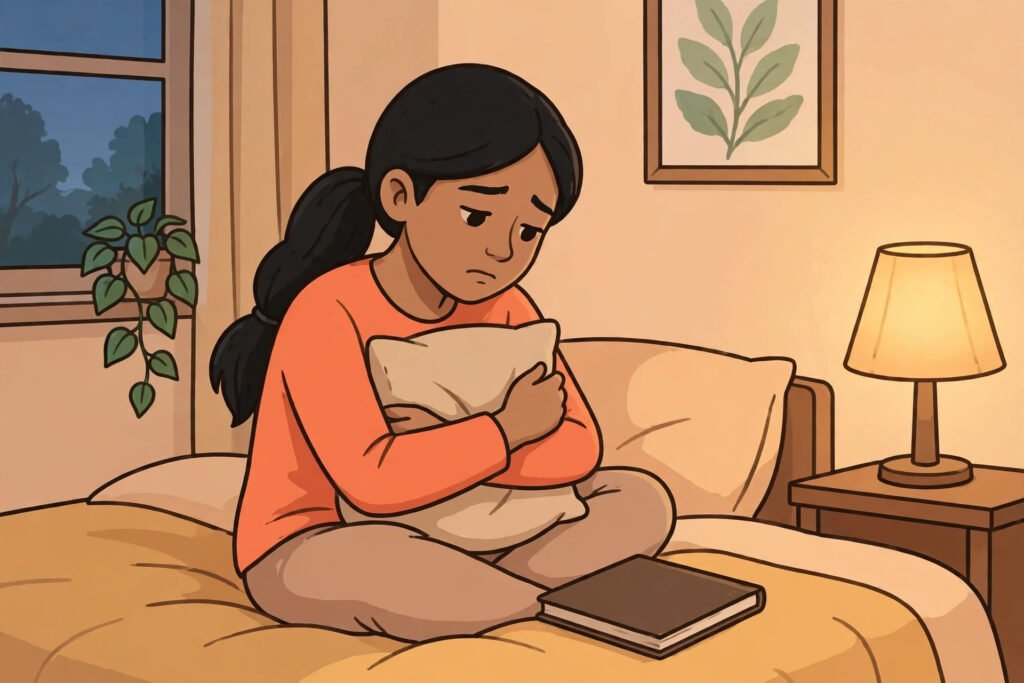
There’s something heavy on your chest. A problem at school. A friendship that hurts. A feeling you can’t shake. You know you should tell someone. But every time you walk toward the kitchen, your courage melts. Your mouth goes dry. You say, never mind, and you carry the thing back to your room. Then you lie awake asking yourself, what can I do if I’m too scared to talk to my family about this?
First, hear this clearly. Being scared to talk doesn’t make you weak, dramatic, or ungrateful. Lots of girls love their families and still freeze at the thought of certain talks. The freeze is common. The silence after it is what makes problems grow. A problem kept in a drawer doesn’t shrink. It just gets heavier to carry alone.
So let’s find you another way through. This guide is for the girl who keeps asking what can I do if I’m too scared to talk to my family and feels stuck at step one. You’ll learn why the fear shows up. You’ll learn smaller ways to start. You’ll meet other safe people who can listen first. And you’ll learn the helplines that exist for exactly this moment. You don’t have to carry this by yourself. Not anymore.
The Short Answer
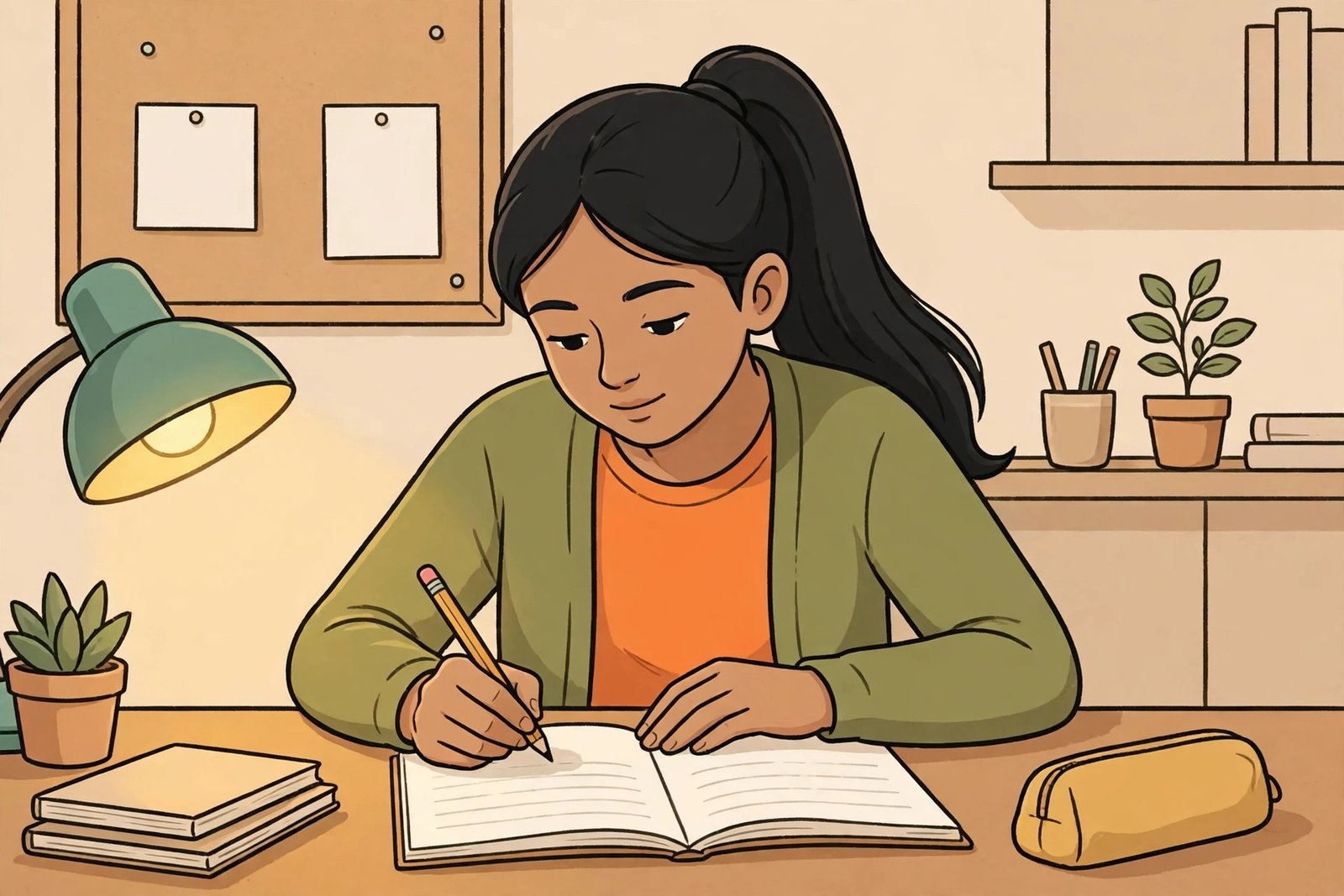
Here’s the short answer. If talking to your family feels impossible right now, you’re allowed to start somewhere else. A trusted aunt, a school counsellor, a coach, a friend’s parent. Even a letter, a note, or a helpline. The first person you tell doesn’t have to be the final person. They just have to be a safe first door.
So what can I do if I’m too scared to talk to my family today? Start smaller than the big talk you’re picturing. You don’t need to say everything at once. One honest sentence to one safe person is a real beginning. Something like, I have been struggling and I needed someone to know. That sentence can change the whole weight of your week.
And please know this. Asking what can I do if I’m too scared to talk to my family isn’t giving up on your family. Many girls talk to someone else first, gather their courage and their words, and only then go to their parents. The order can be flexible. What matters is that the silence ends somewhere safe.
One more thing before we go deeper. If your problem is about safety, if someone is hurting you or you feel unsafe at home, skip the small steps. Tell an adult outside your home as soon as you can, like a teacher or a counsellor, or call a helpline today. Safety talks aren’t small talks. They deserve fast, full help. The rest of this guide will show you how.
You Are Not the Only One Who Feels This Scared
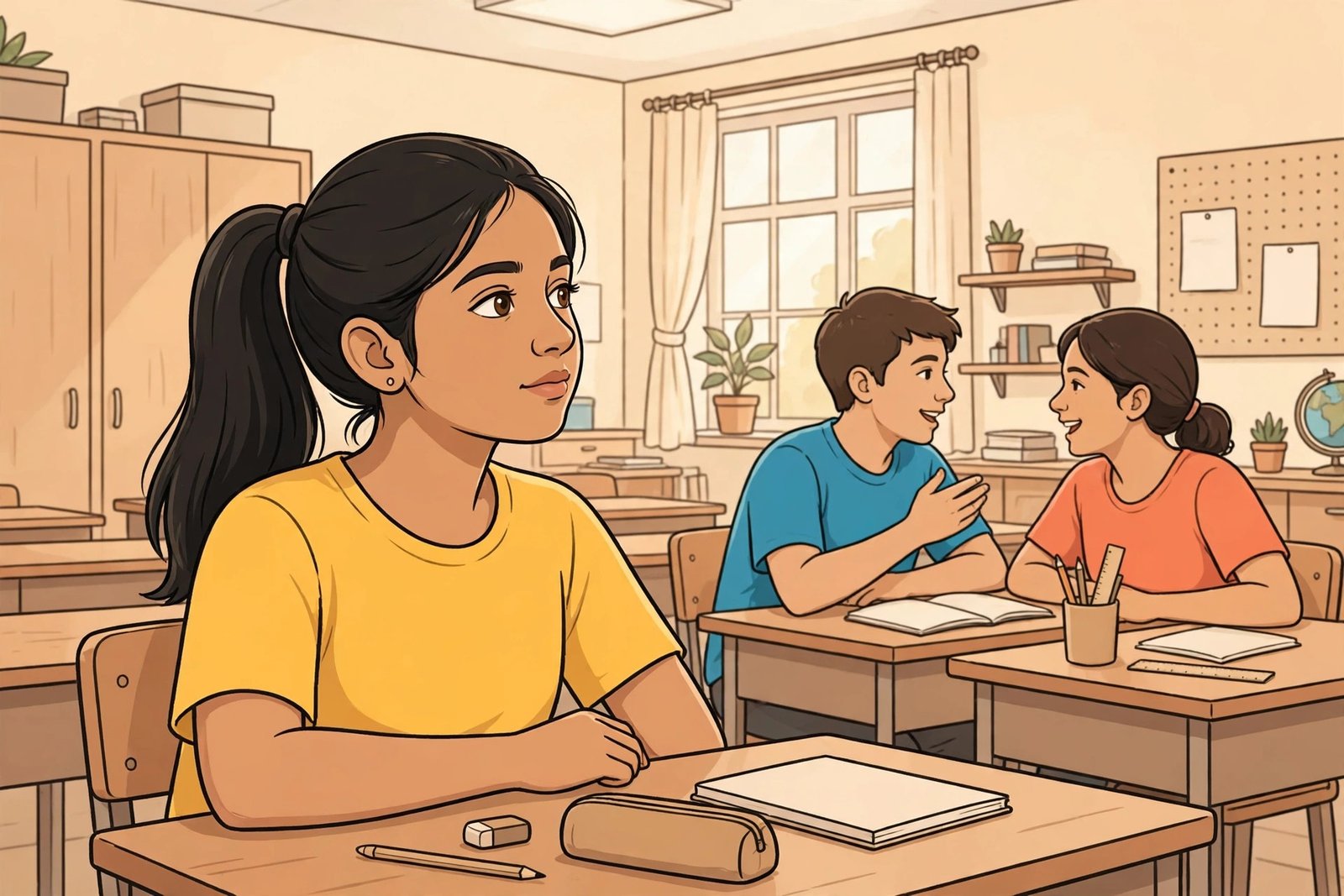
It can feel like every other girl just walks up to her mom and says everything. That’s not real. Sit in any classroom and you’re sitting among girls who have swallowed a hundred unsaid sentences. The girl laughing at lunch may be carrying something huge. She’s just carrying it quietly, like you.
Fear of this talk has many shapes. Some girls fear making their parents sad or worried. Some fear anger, a lecture, or being told they’re overreacting. Some fear the talk will change how their parents see them. All of those fears are human. None of them means you’re doing family wrong.
It helps to hear that what can I do if I’m too scared to talk to my family is one of the most common questions teen girls ask online, in school offices, and in their diaries. You’re not a rare case. You’re one of millions. The feeling is common. The good news is that the way out is common too, and it’s learnable.
There’s also a sneaky trap to name. The longer a problem stays secret, the bigger it feels. And the bigger it feels, the scarier the talk seems. The fear grows in the dark. That’s why even a tiny first step matters so much. A little light makes the whole thing smaller.
So if you’re reading this at midnight with a tight chest, you’re already doing something brave. You’re looking for a way. Girls who ask what can I do if I’m too scared to talk to my family aren’t girls who gave up. They’re girls mid search. Let’s finish the search together, one kind step at a time.
Notice something important about that midnight question. You didn’t ask how to stop being scared. You asked what can I do if I’m too scared to talk to my family, scared exactly as you are. That’s a smarter question, because it doesn’t wait for the fear to leave before you move. And here’s the honest answer you’ll keep meeting in this guide. You don’t have to beat the fear first. You just have to walk around it, with help, one small door at a time. Fear can ride along. It just doesn’t get to drive.
Why Talking to Family Can Feel So Hard
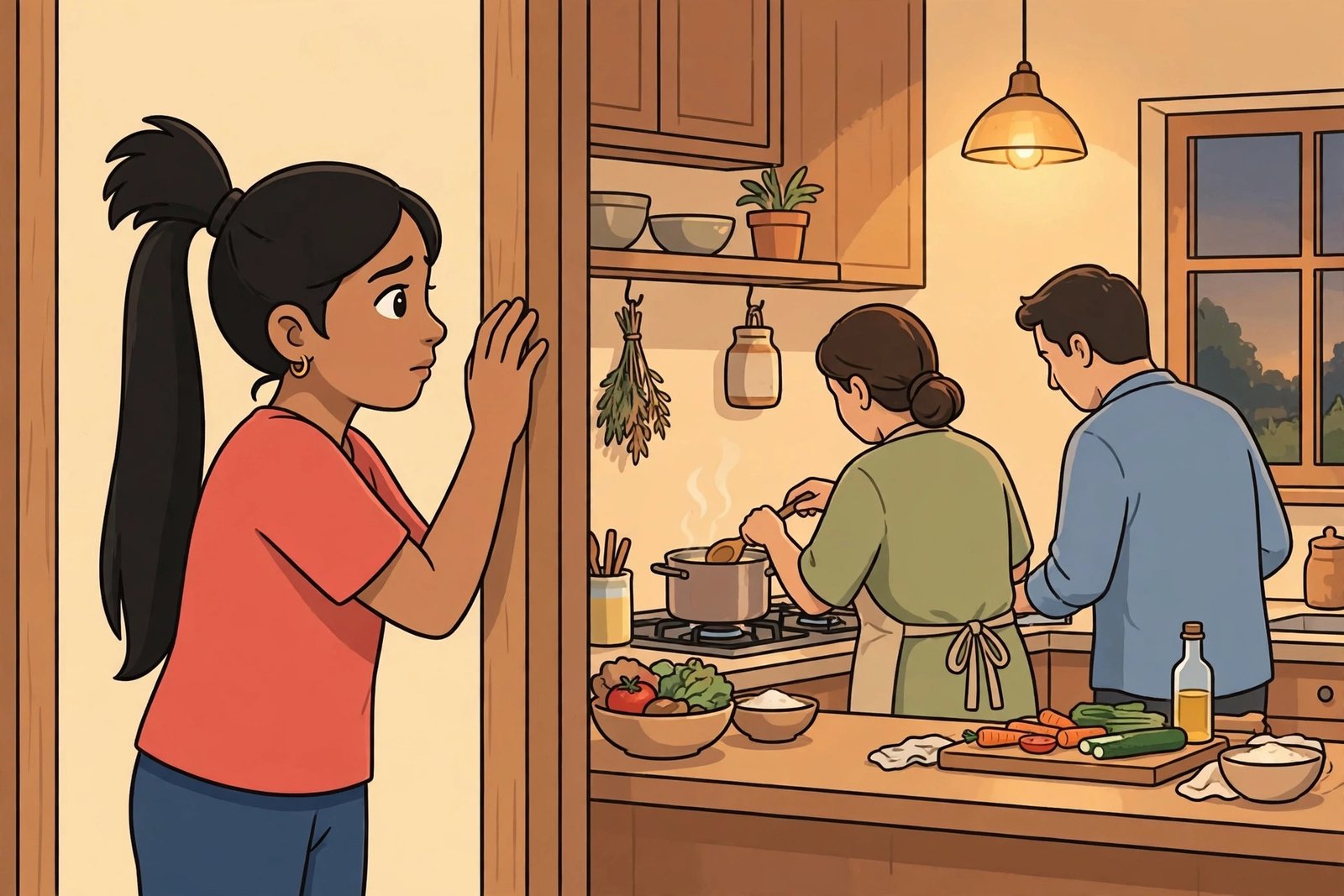
It helps to know your fear has reasons. You’re not scared for nothing. Your brain is trying to protect your place in the family. Home is your whole world right now. Risking a storm inside it feels dangerous, even when the storm would probably pass. That protective instinct is strong in kind girls.
Sometimes the fear comes from past talks. Maybe you opened up once and got laughed at, brushed off, or punished for the truth. Your brain remembers. It now guards you by whispering, don’t risk that again. That whisper isn’t wisdom. It’s an old alarm that needs updating, gently and slowly.
Sometimes the fear is about the topic itself. Some subjects feel too big, too embarrassing, or too tangled to say out loud. Girls often feel this with body questions, friendship pain, or low moods. The topic feels like it needs a perfect speech. And since no perfect speech exists, the talk never happens.
Culture and family habits play a part too. In some homes, feelings are shared easily. In others, everyone loves each other but nobody talks about hard things. If your home runs quiet, opening up can feel like breaking an unspoken rule. You’re not breaking anything. You’re just the first one to try a new door.
Knowing all this changes the question. It’s not, what’s wrong with me? It is, what can I do if I’m too scared to talk to my family, given all these real reasons? That question has answers. Real, small, doable answers. The next sections are full of them, and you only need to try one at a time.
And remember, your fear makes sense even when your family is kind. Love and fear can live in the same house. Plenty of girls ask what can I do if I’m too scared to talk to my family while knowing their parents would probably help. The fear is about the moment, not the people. Moments can be made smaller. That’s the whole trick.
One more reason deserves a name, because so many girls carry it quietly. Sometimes you aren’t scared of anger at all. You’re scared of being a burden. You see your parents tired, busy, stressed about money or work, and you think, I can’t add my mess to their pile. That’s a loving thought, and it still backfires. Parents would almost always rather hear the mess early than learn later that you carried it alone for months. Your problem isn’t a burden you hand them. It’s a weight you finally stop lifting solo. If you’ve been asking what can I do if I’m too scared to talk to my family because you don’t want to worry them, let that land.
Letting them worry a little, early, is kinder than protecting them into a bigger shock later. So tonight, let the question be small. What can I do if I’m too scared to talk to my family, right now, with hands still shaking? Start there.
Start Smaller Than One Big Talk
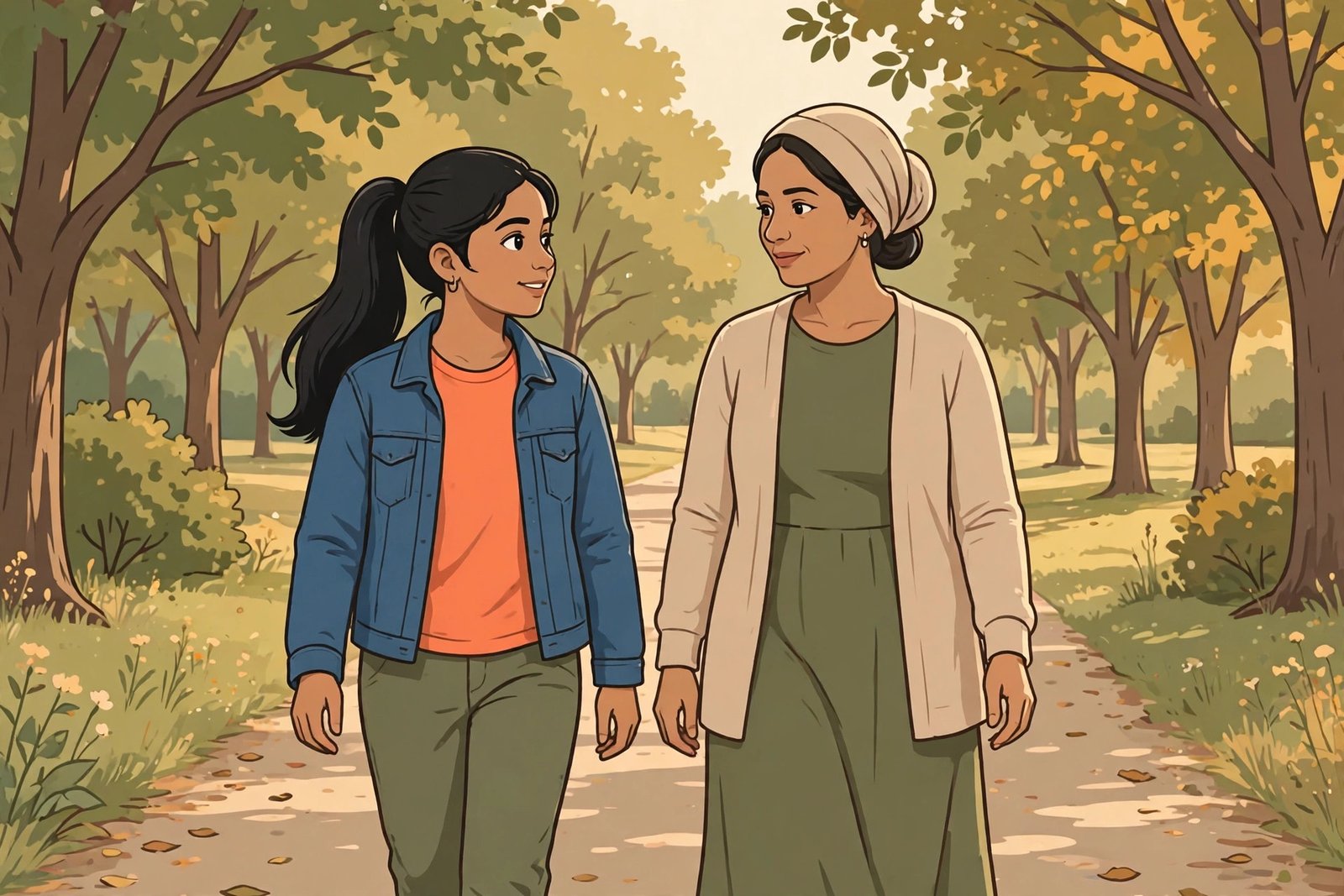
Forget the movie scene. No long speech at the dinner table. No perfect timing with candles and courage. Real first steps are much smaller. A first step can be one true sentence dropped into an ordinary moment. I have had a hard week. Something is on my mind lately. I may need to talk soon.
You can also test the water with a smaller problem first. Share something medium before the biggest thing. Watch how it lands. A calm response teaches your brain that talking is safer than it feared. Each small safe talk is practice for the bigger one. Athletes do drills before the match. You can do drills before the deep talk.
Timing helps too. Side by side moments beat face to face ones. Talks flow easier in the car, on a walk, or while doing dishes. There’s less eye contact, less pressure, and an easy end if you need a break. Many girls find their bravest voice while looking at the road instead of a face.
If even a small sentence feels too big at home, borrow the way other girls start talking to their mom about embarrassing things. The pattern is the same. Pick a calm moment. Use a first line you have practiced. Say one true thing. You don’t need to say everything. One true thing is a door, and doors can be opened wider later.
Here’s a starter menu, pick the smallest one that feels possible. Tell a parent one small true feeling. Ask a sibling if they ever feel scared to talk at home. Mention to your mom that a friend of yours is struggling, and watch her response. Each of these is a real answer to what can I do if I’m too scared to talk to my family. None of them requires you to be fearless. They only require you to be a tiny bit brave, once.
And when the small step works, notice it. Your heart will still pound. That’s fine. Courage isn’t the absence of a pounding heart. It’s a pounding heart that walks forward anyway. You’re building that muscle every time you try.
Here’s another small step girls forget. You can rehearse. Say the first line out loud in your room, to your mirror or your pillow. It feels silly for ten seconds, and then something shifts. The words stop being strangers. On the real day, your mouth has already made those shapes once. And if you catch yourself thinking, but what can I do if I’m too scared to talk to my family even after rehearsing, shrink the step again. A note. A text. A sentence said to a sibling first. There’s no step too small to count. Small is the whole design here.
Other Trusted Adults Who Can Listen First
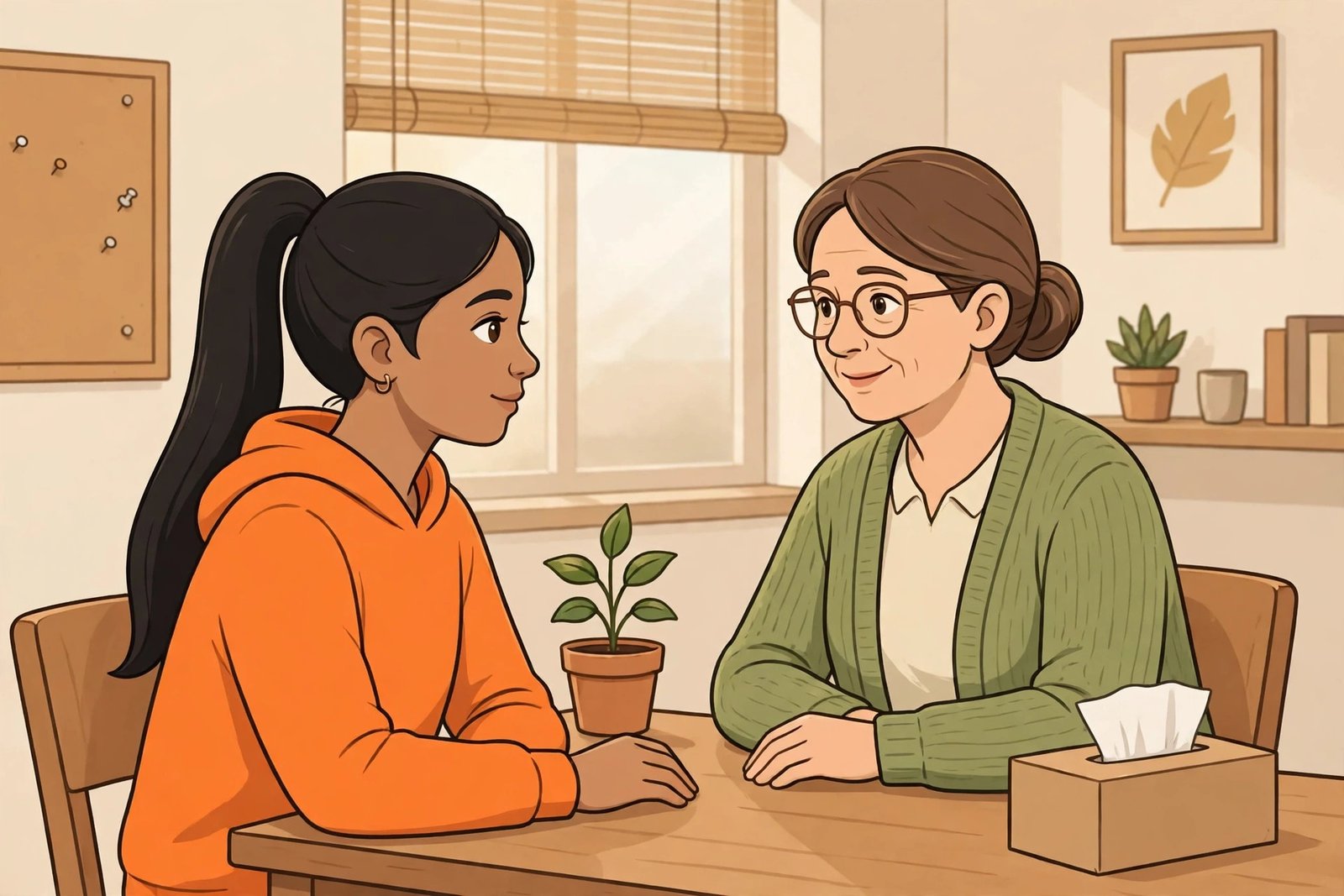
Here’s a truth that frees a lot of girls. Your family isn’t the only safe address in your life. Other adults are allowed to be your first listener. An aunt who always felt easy to talk to. A grandparent. An older cousin. A teacher who knows your name and your laugh. A school counsellor, whose whole job is listening to students.
Coaches, club leaders, and friends’ parents count too. So do nurses and doctors, who hear private things every day and don’t flinch. The TeensHealth page on talking to your parents or other adults makes this point clearly. It says other trusted adults are a real option when a talk at home feels too hard, and it gives simple ways to start. You’re not betraying your family by choosing a gentler first door.
Many girls in your spot first learn how to talk to an adult about an intimate question and then use those same steps for any hard topic. The steps travel well. Choose the person. Pick a private moment. Start with one honest line. Ask for what you need, even if it’s just listening.
A first listener can also help you with the family talk later. They can help you find your words. They can practice with you. Sometimes they can even sit beside you when you tell your parents, if you ask. Support isn’t meant to replace your family. It’s meant to help you reach them.
So what can I do if I’m too scared to talk to my family this week? You can make a short list. Write down three adults who feel safe, in any order. Circle the easiest one. That person is your first door. You don’t need the perfect person. You need a kind one with a bit of time and a closed door.
And if the first adult reacts badly, please don’t give up on all adults. One clumsy response is about that adult, not about your worth. Try the next name on your list. Safe listeners exist. Sometimes you just have to knock on two doors to find the right one. Keep knocking. Your problem deserves a listener.
You can also tell that adult exactly what you need from them. It helps more than you’d think. Try a first line like this. I need you to just listen for now, not fix anything. Or, I’m scared to say this at home yet, can this stay between us while I figure out my next step? Adults listen better when they know their job in the talk. And girls who wonder what can I do if I’m too scared to talk to my family often find that one clear request like that turns a scary maybe into a real, safe conversation. You’re not being demanding. You’re being clear, and clear is kind to everyone in the room.
Ways to Say It Without Speaking Out Loud
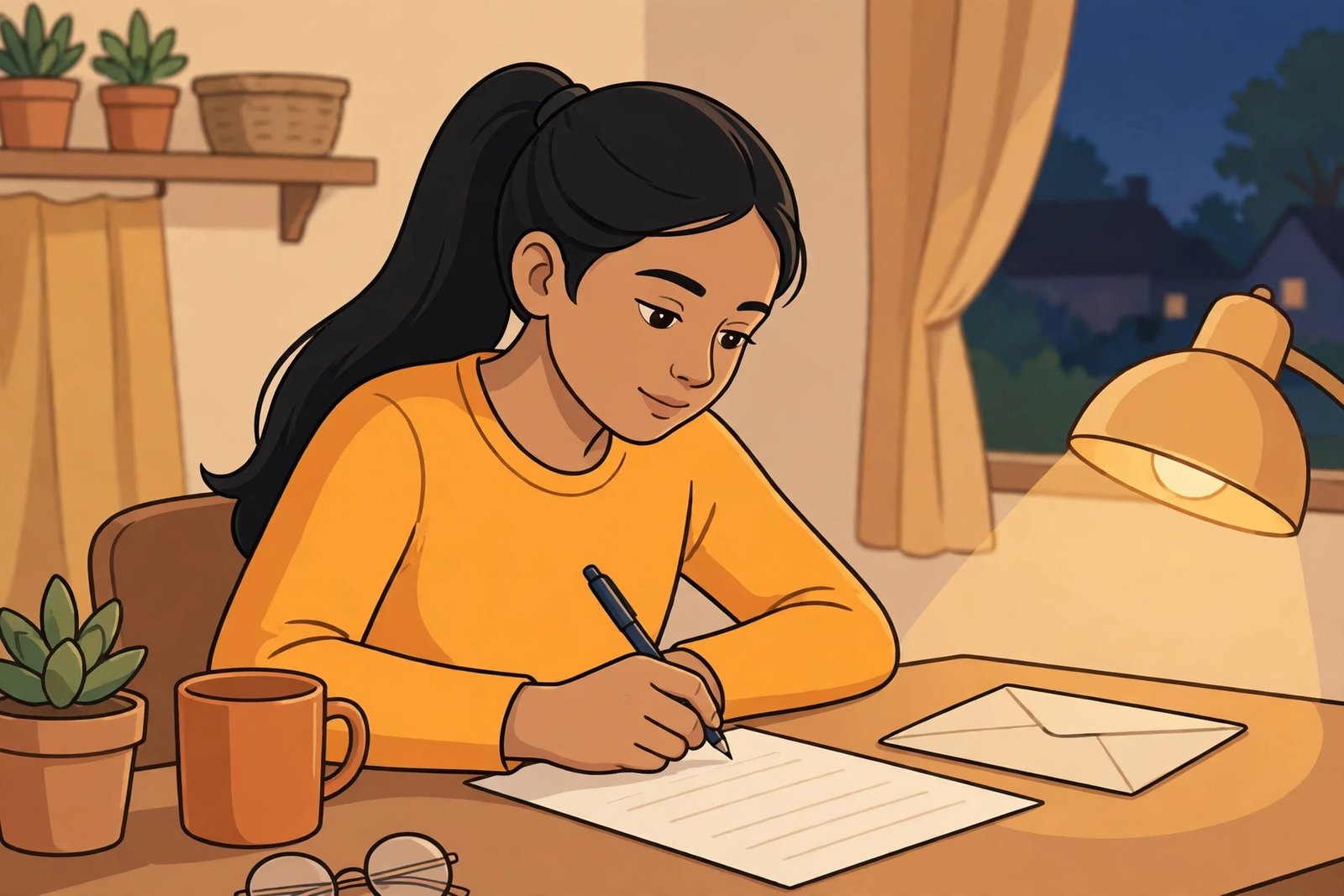
For some girls, the block isn’t the person. It’s the voice. The words exist in your head, but your throat closes when you try to say them. Good news. Words don’t need a voice to travel. You can write your way into the conversation.
A letter is a classic for a reason. You can say everything in the right order. You can cross things out. Nobody interrupts, and nobody sees you cry while you write. Leave it where the right person will find it, then give them time to read and think. Many parents respond better to a letter than we fear. They get time to calm down before they answer.
A text message works too, especially as a door opener. Something like, there’s something I need to tell you and it’s hard to say out loud. Can we talk tonight? You have now started the talk without the hardest part, the first spoken words. A short note on the kitchen counter can do the same job.
Journaling helps even if nobody reads it. Writing the problem down in your own words often shows you what you actually need. Is it advice? A hug? Help fixing something? Knowing your ask makes any talk, spoken or written, much easier. A clear ask gets a clearer answer.
Voice notes are a middle path some girls love. You can record what you want to say, alone in your room, and send it. You can re record until it sounds right. It feels more personal than text and less scary than a live talk. Use whatever path gets the words out. The path matters far less than the arriving.
So when you wonder what can I do if I’m too scared to talk to my family out loud, remember your pen and your keyboard count as courage too. Words on paper have started thousands of healing talks. Yours can be one of them. Start with three honest sentences. You can always write more tomorrow.
If writing to your parents still feels too big, write to someone safer first. A letter to an aunt. A long message to a counsellor’s school inbox. Even a letter to your future self, sealed in an envelope, can loosen the knot. The point isn’t the address on the page. The point is that your problem finally exists outside your own head. Once it’s out, it can be helped. And every girl who asks what can I do if I’m too scared to talk to my family deserves to know that out can be on paper. Out counts.
Helplines and Kind Strangers Who Are Trained for This
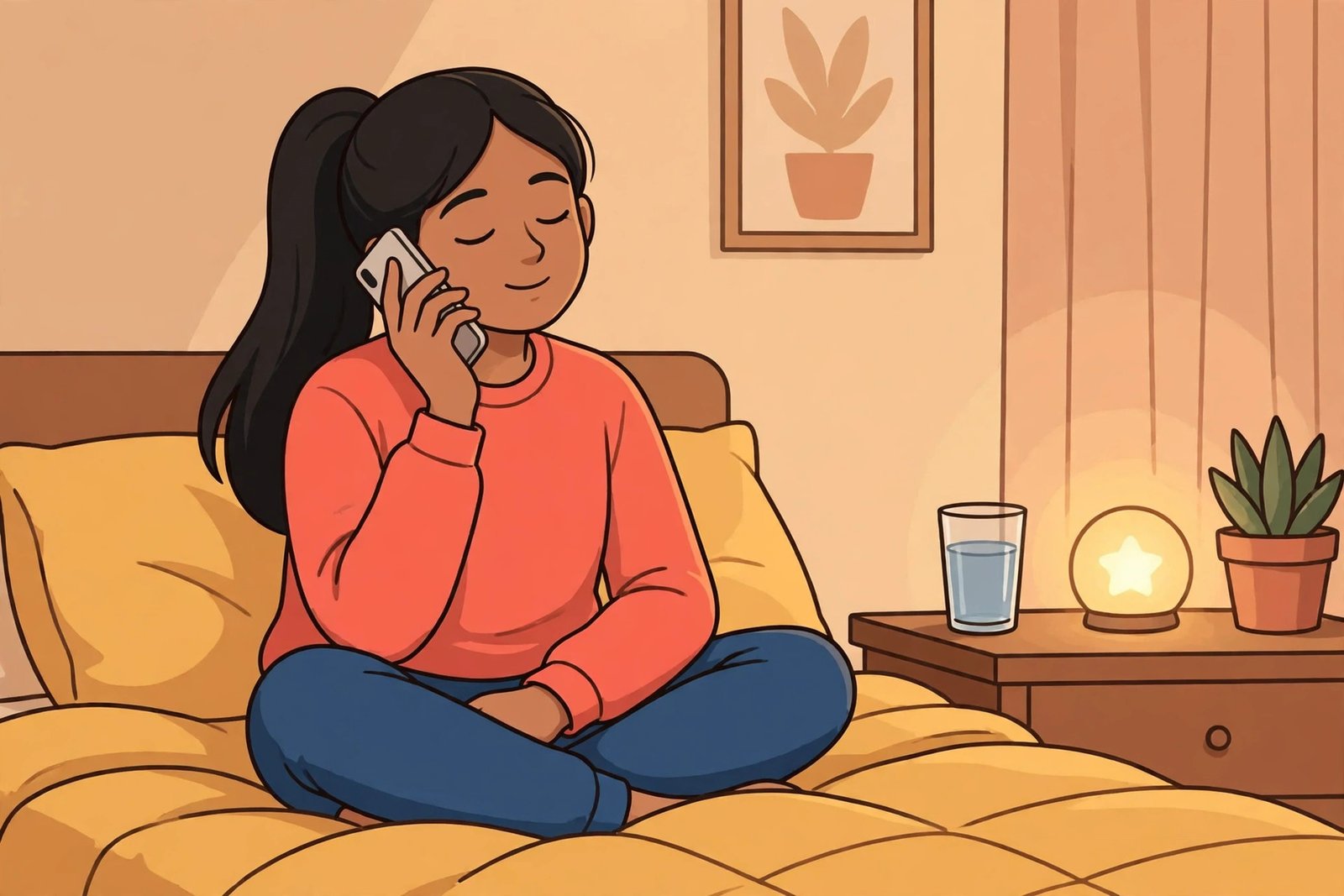
There’s one more door, and it’s open day and night. Helplines. They exist for the exact moment when every person you know feels too hard to face. The people who answer are trained to listen to teens. They won’t laugh at you, grade you, or rush you. And you can stay anonymous, which lowers the fear a lot.
In Canada, Kids Help Phone answers young people by phone at 1 800 668 6868, and by text if you send CONNECT to 686868. It’s free, it’s private, and it runs all day and all night. Crisis Text Line works in a similar way in the United States, by texting HOME to 741741. If you live somewhere else, your school counsellor or a quick search for teen helplines in your country will find your local line.
What happens when you call? A real person answers and asks what’s going on. You can say as little as, I don’t know where to start. They’re experts at slow starts. They help you sort the problem into pieces. Many girls hang up with a clearer head and a first plan.
Helplines aren’t only for the darkest moments. You can call with a friendship problem, a family fear, or a heavy mood you can’t name. Small problems are welcome there. In fact, calling early, while the problem is still small, is one of the smartest uses of a helpline. That’s what they’re for.
So add this to your answers for what can I do if I’m too scared to talk to my family. You can talk to a trained stranger who expects scared callers and knows exactly how to help them begin. No appointment. No explaining yourself to anyone at home. Just one call or one text, whenever you’re ready.
And if talking to family becomes possible later, great. If it does not, you still have support. That’s the point of these lines. Nobody should have to choose between family or silence. There’s always a third door, and it’s staffed by kind people right now.
You can also treat the first call as practice, not a verdict. You don’t have to pour out the whole problem in call one. You can say, I’m testing if I can even talk about this, and see how it feels to be listened to. Many girls find that one kind stranger resets their whole picture of asking for help. After that, the question what can I do if I’m too scared to talk to my family gets quieter, because it finally has a lived answer. This. This is what I can do. And you already did it once. That’s the question, what can I do if I’m too scared to talk to my family, turned into a memory.
Some Problems Are Too Big to Carry Alone
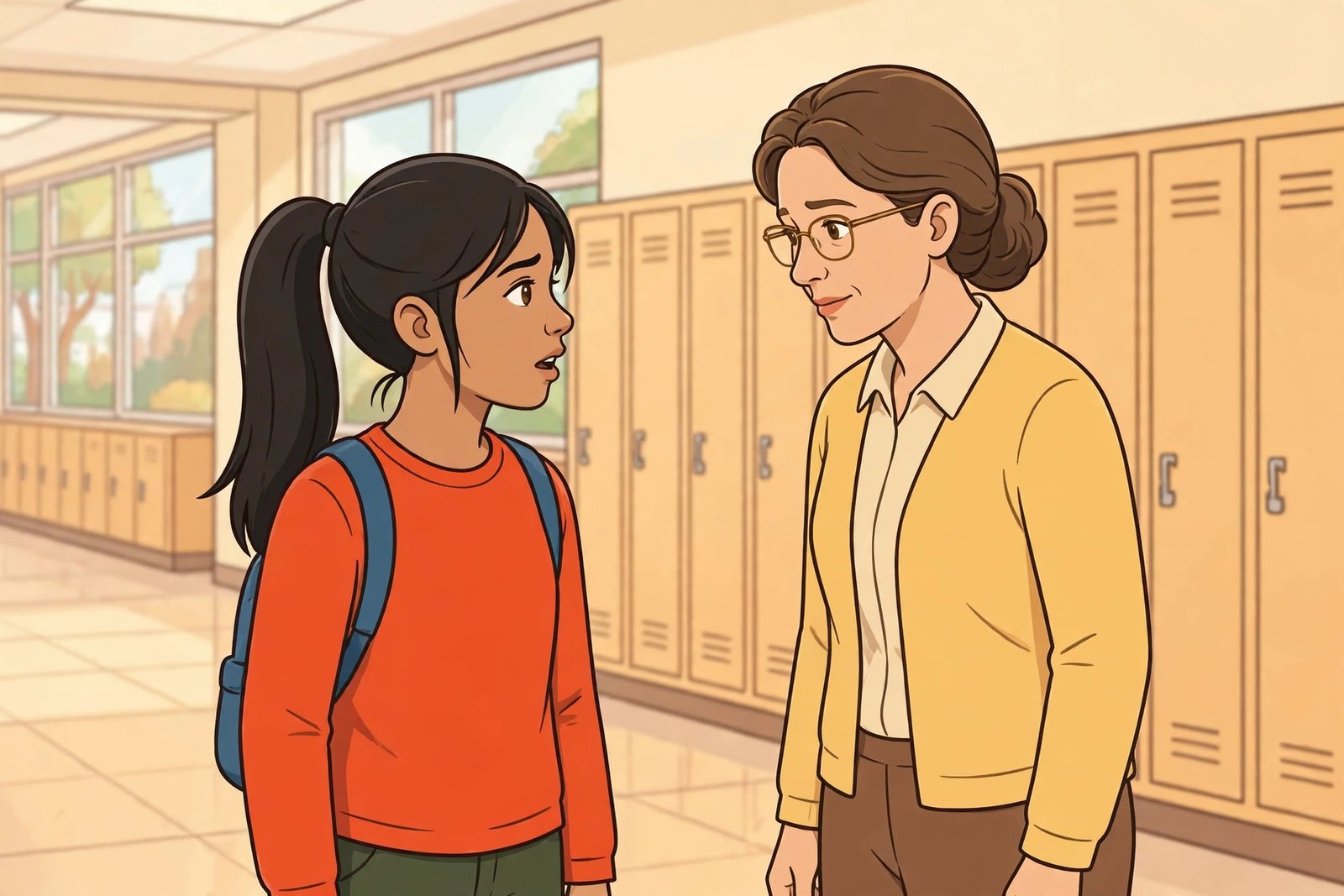
Most problems in this guide are heavy but ordinary. Friendship pain. A bad secret. A long low mood. But a few problems are different, and they change the rules. If someone is hurting you, touching you in ways that feel wrong, or threatening you, that’s not a carry it quietly problem. That’s a tell an adult outside your home problem, today.
The same is true if you feel unsafe at home, or if your thoughts ever turn to hurting yourself. Those feelings deserve fast, real help, not patience and small steps. Call a helpline right away, or tell a teacher, a counsellor, or another adult you trust outside the house. Asking fast isn’t dramatic. It’s exactly right.
If your problem is about your family itself, that’s another reason the first listener may need to live outside your walls. A school counsellor is a strong choice there. So is another relative who doesn’t live with you. You deserve a listener who can stand fully on your side.
Low moods have a rule of thumb too. If sadness, worry, or numbness lasts for weeks and starts to touch your sleep, your food, or your schoolwork, that’s a sign to bring in an adult and maybe a doctor. You don’t need to wait until it’s unbearable. Earlier is kinder, and earlier is easier to help.
Here’s the heart of it. When you ask what can I do if I’m too scared to talk to my family, and the problem is big or unsafe, the answer is simple. You go around the fear, not through it. You pick any safe adult or helpline and you tell them the plain truth. The fear doesn’t get a vote on safety. Not ever.
Read that last line again if you need to. Your fear is real, and it deserves kindness. But it doesn’t get to decide whether you stay safe. You do, and the adults whose job is protection do. So whatever size your problem is tonight, there’s a door in this guide with your name on it. Walk through the smallest one. The rest of the way gets easier to see once you’re moving.
And for every other problem, the smaller kind, the same love applies at a slower pace. Start tiny. Borrow a door. Write it down. Call the kind strangers. You have more ways forward than the fear wants you to believe. Pick the one that feels possible this week, and let it be enough. One honest step is how heavy things start to move.
Frequently Asked Questions
What if I start crying when I try to talk?
Crying is common and it’s not a failure. Tears are just feelings leaving your body while you talk. Most adults have seen a teen cry mid sentence and it doesn’t scare them. If the words stop, you can point to a note you wrote, or say, give me a minute. You can also start with writing, and let the talk come second. Your message matters more than a dry face.
Can I talk to a friend’s parent instead of my own?
Yes, you can. A friend’s parent who feels safe and kind is a fair first listener. Many girls start there because the house feels calmer and the stakes feel lower. You can ask them to just listen, or to help you plan how to tell your own parents later. One thing to know. If your problem is about safety, that adult may need to pass it on to someone who can protect you. That’s care, not betrayal.
What if my family finds out I talked to someone else first?
It might feel awkward for a moment, but it’s rarely the disaster we picture. Most parents, once the worry passes, are glad you told someone. If yours feel hurt, you can say honestly that you were scared, not sneaky, and that you chose a safe person on purpose. A counsellor or trusted adult can also help you explain. Starting somewhere safe is a strength. You don’t need to apologize for protecting your heart while you found your words.
Is writing a letter instead of talking face to face okay?
It’s more than okay. It’s a smart tool. A letter lets you order your thoughts, say the hard parts without freezing, and give your parents time to react in private. Many hard talks at home have started with a note on a pillow or the kitchen counter. If a spoken talk becomes possible after the letter, lovely. If the letter has to carry most of it, that’s fine too. Clear words count, whatever shape they travel in.
What if my problem is about my family itself?
Then your first listener should live outside your home. A school counsellor, a teacher, another relative, or a helpline can stand fully on your side. That’s exactly what can I do if I’m too scared to talk to my family means in this case. You skip the house and go straight to a safe adult beyond it. If you ever feel unsafe, treat it as urgent and tell someone today. You deserve support that nobody can talk you out of.