
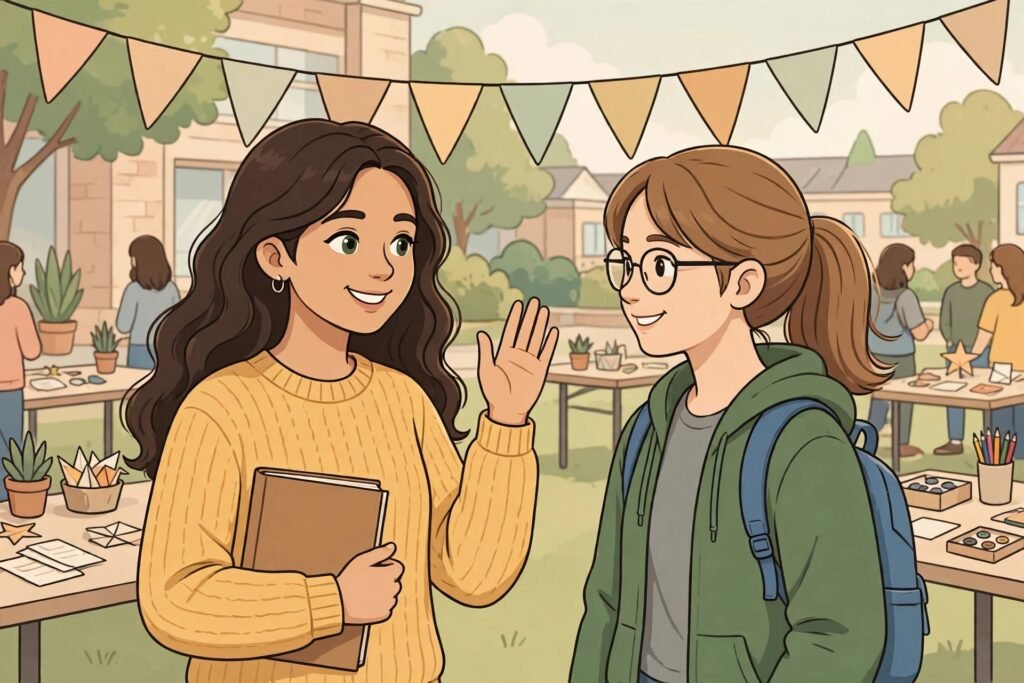
Picture this. You’re at a school club, or a party, or the first day of a new class. A girl you met twice last week walks up to you, smiling wide. “Hey! So good to see you!” Then she stops. Her smile freezes. Her eyes do a quick, panicky search of your face. You can almost hear her brain flipping through files. She has no idea what your name is.
I know that moment from the inside. When someone forgets my name, my first feeling is always the same. It’s a small, silly sting, right in the chest. I smile and act fine. Inside, though, a loud voice starts up. Am I that easy to forget? Did I not matter at all?
Here is the thing I have learned since. Your name is the most personal word you own. Of course it stings more than it “should.” But if someone forgets my name once, it almost never means what my brain tells me at 1 a.m. It doesn’t mean I’m boring. It doesn’t mean I’m invisible. It usually means one simple, very human thing. Their brain dropped a label it never really saved.
And here’s a fact that helps me every time. This doesn’t just happen to you. It happens to teachers with their own students. It happens to coaches, to cousins, to best friends after a long summer apart. I once watched a teacher blank on the name of a girl she’d taught for two years. Two years! If a name can fall out of that brain, it can fall out of anyone’s. You’re not forgettable. You’re just dealing with the leakiest part of human memory, the part that holds names.
This guide is your calm plan for that moment. You will learn why names slip so fast, what to do in the first five seconds, and easy lines that hand your name back with grace. You will also get the flip side. What do you say when you’re the one who forgot? And how do you make your name stick, so it happens less and less? Let us start with the short version.
The Short Answer
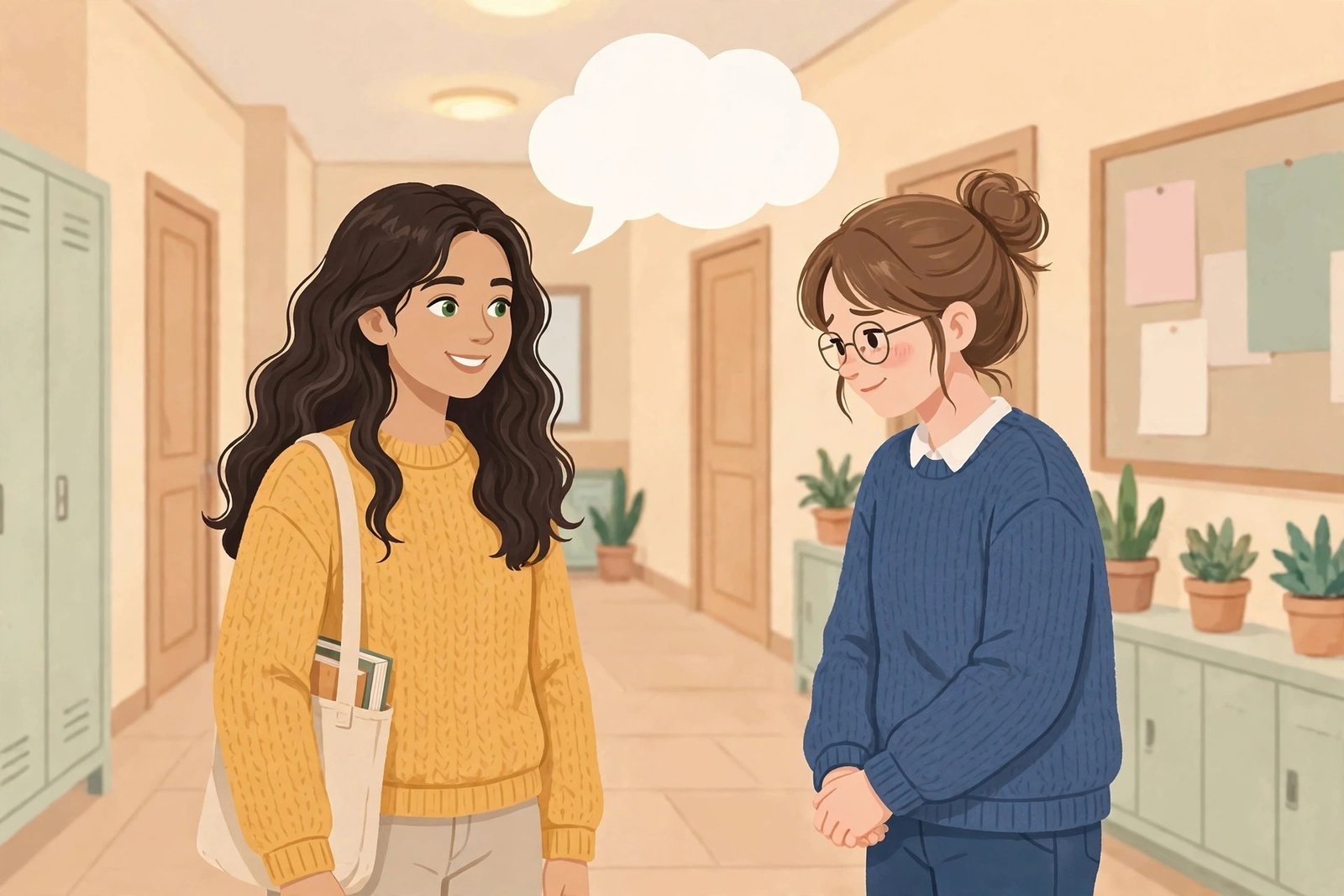
Take a breath first. When someone forgets my name, it says almost nothing about me. It says a lot about how brains work. A name is just a sound with no picture attached to it. Brains are great at faces and stories. They are pretty bad at bare labels. So names fall out of memory fast, even kind, smart, caring people drop them all the time.
So if someone forgets my name, my best move is simple. I smile. I say my name like it’s the easiest thing in the world. I add one small detail to help it stick, like where we met. Then I keep talking. No test. No cold shoulder. No silent grudge. Just grace, and the moment stays small.
One more thing before we dig in. You don’t have to fix their memory. That’s not your job, and it isn’t why you’re here. Your only job is to keep the moment light, for them and for you. A name slip lasts five seconds. How you handle it can stick in their mind for weeks, in a good way. People remember how you made a small moment feel. Get this part right, and a dropped name can even make someone like you more. Sounds odd, but it’s true. Grace under tiny pressure is rare, and people notice rare.
Why Names Are the Easiest Thing to Forget

Let us clear something up right away. Forgetting a name isn’t a character flaw. It’s a design flaw in how memory works, and it hits everyone.
Think about the word “baker.” If I tell you a man is a baker, your brain gets a whole picture for free. Flour, warm bread, early mornings, an apron. Now think about a man whose last name is Baker. Same word. But this time it tells you nothing about him. There is no picture to hold on to. Memory experts point out that this is exactly why names are so slippery. The Association for Psychological Science explains why names are so hard to remember, and the short version is kind. Names are labels with no meaning built in.
That’s why someone forgets my name most often in the first minutes after we meet. In those minutes, their brain is doing ten jobs at once. It’s planning what to say next. It’s checking if they look okay. It’s listening, smiling, and trying not to be awkward. The name floats in for half a second, and nobody files it away. It’sn’t that they didn’t care. It’s that the name never got saved in the first place.
Faces are the opposite. Your brain has special tools for faces. It can spot a face it saw once, years ago, in a crowd. Stories stick too. If she tells you she has three brothers and a dog named Pickles, you’ll remember Pickles. But her name? Gone by lunch.
So the next time someone forgets my name, try this picture instead. Picture a busy, overloaded brain, not a cold heart. That one shift makes the sting shrink fast.
Here’s another piece of the puzzle. Your brain ranks what it keeps. A face linked to a feeling gets saved fast. A name linked to nothing gets dropped. That’s not rudeness, it’s triage. Think about your own memory for a second. You can picture the girl from summer camp, her laugh, her yellow bike. Her name? It left years ago, and you liked her a lot. Liking was never the issue. Storage was. So when a name slips out of someone’s head, it usually slipped out long before you walked up. It was never really in there. That’s a much kinder story, and it’s also the true one.
What to Do in the First Five Seconds
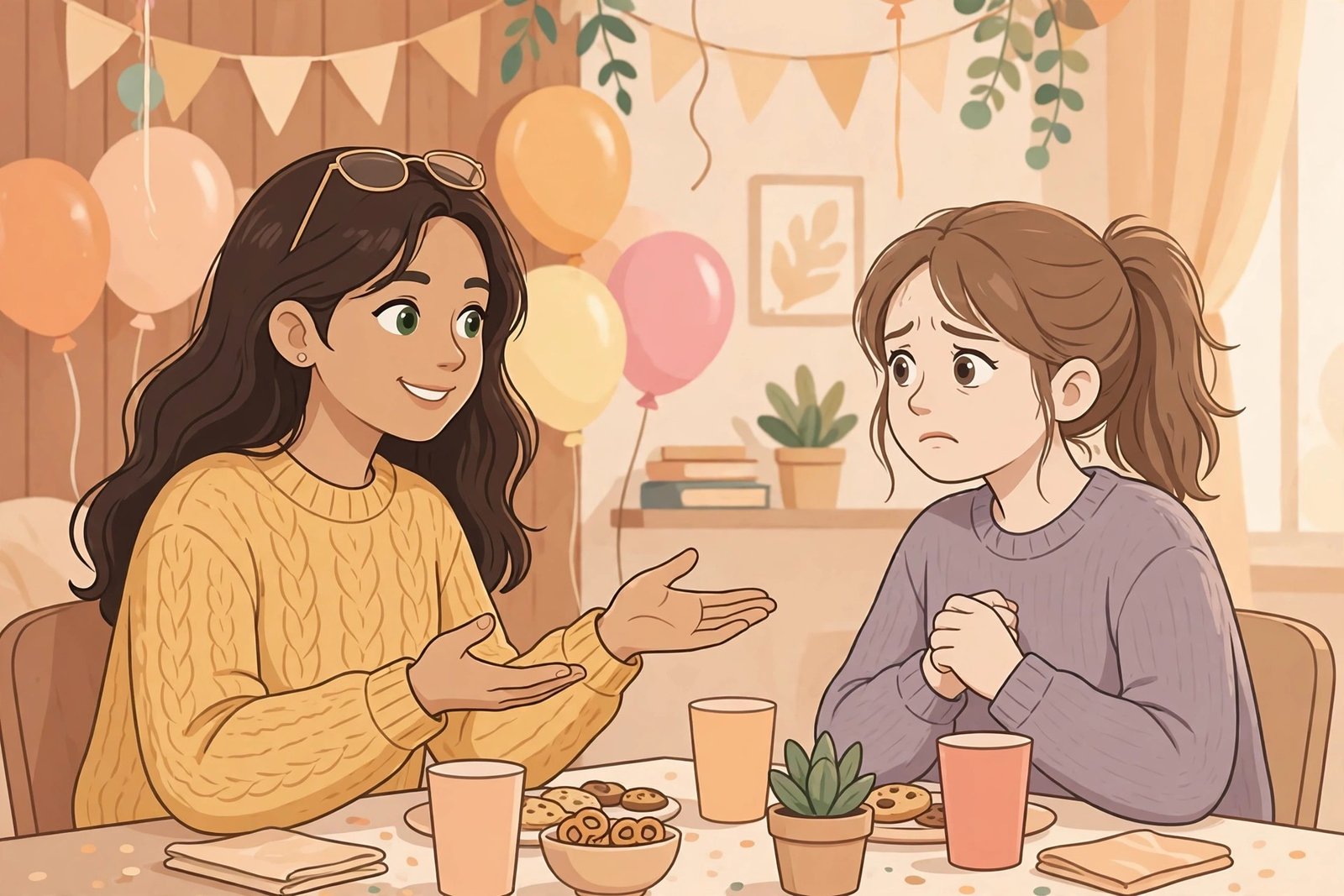
The moment itself is short. Someone trails off. They say “Hey… you!” with a bit too much cheer. Or they go quiet and glance away. Five seconds, tops. But those five seconds decide if the moment turns warm or weird.
Your first job is to breathe and smile. A real smile, not a tight one. It tells the other person, we’re fine, this isn’t a test. The second someone forgets my name, I try to remember one thing. They are more embarrassed than I’m hurt. They know they blanked. They feel it. Your calm face is a gift to both of you.
What you should not do is test them. “Do you even remember my name?” sounds like a trap, because it’s one. It turns a tiny slip into a small fight. It also puts you in a bad spot. If they guess wrong, now you both feel awful.
Don’t go cold either. Crossing your arms and turning away teaches them one lesson. It teaches them that you’ren’t safe to be human around. Most people will just avoid you next time. That’s the opposite of what you want.
When someone forgets my name and starts fishing with “Hey… buddy,” I jump in fast and save us both. I laugh a little and say my name right away, like I was about to say it anyway. Five seconds, handled. The chat moves on, and nobody has to feel small.
Your body can help you here. Uncross your arms. Drop your shoulders. Keep your voice at its normal speed. When we’re hurt, we rush or go icy without noticing. The other person reads your body before your words. A soft face says, we’re okay, louder than any line can. And take a half second before you answer. That tiny pause keeps the sting from driving. You get to choose your reply instead of blurting the hurt one. Five seconds of calm from you gives them five seconds to relax too. That’s how a wobbly moment turns into a normal one.
Easy Lines That Give Your Name Back Gracefully
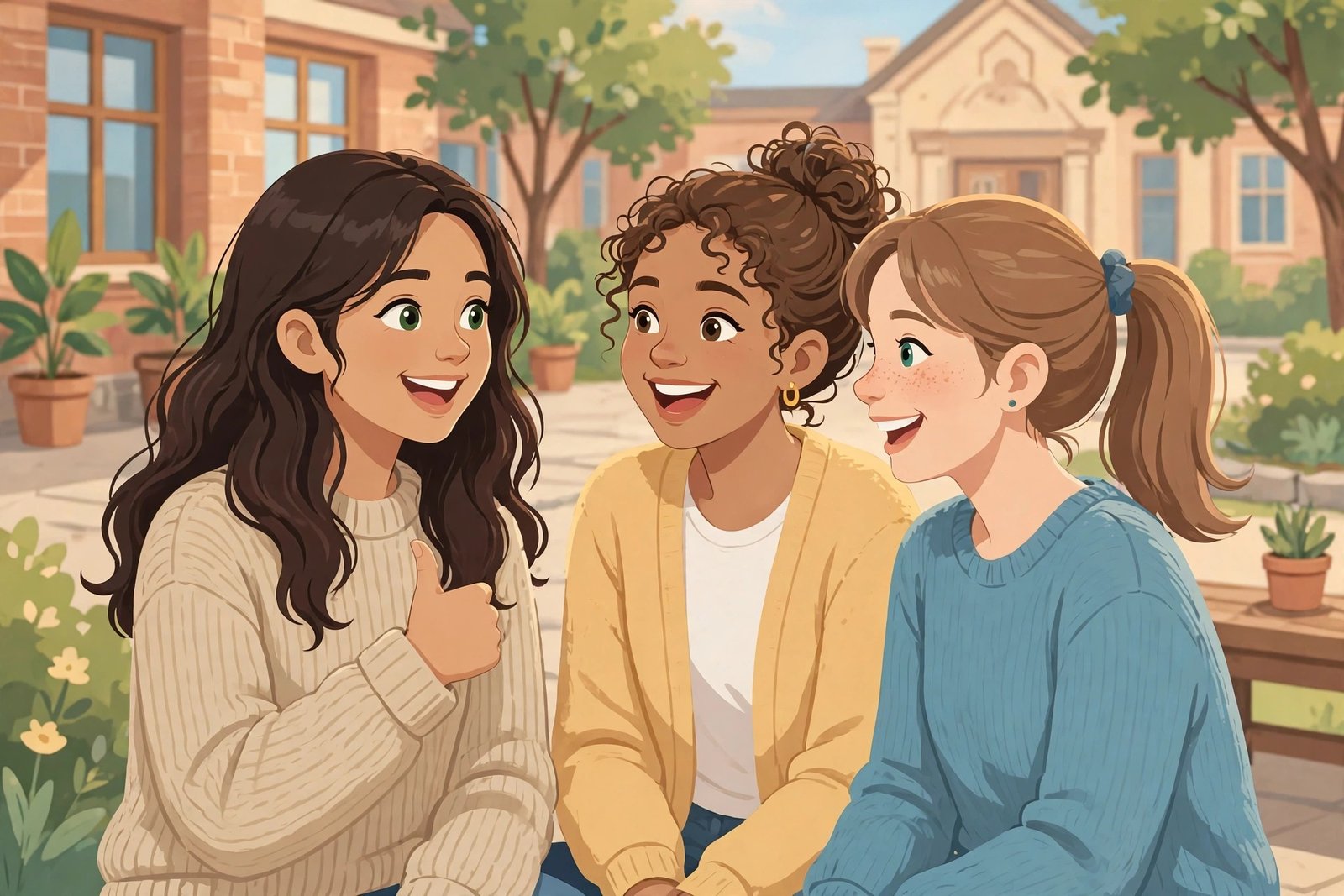
You don’t need a speech. You need one short line, said warmly, at the right moment. Here are the ones that work best. Steal them word for word.
The classic: “I’m Lina, by the way. We met at Sara’s party.” Short, warm, done. Notice the extra bit at the end. That detail about where you met is a gift. It gives their brain a hook to hang your name on.
The woven-in line: “So, I’m Lina, the one from your math class, and I still owe you those notes.” You slide your name into a normal sentence. No spotlight. No awkward pause. It feels like part of the chat, not a rescue mission.
The funny one, if humor is your style: “This is where a name tag would save us both. I’m Lina.” A small joke says, I’m not mad, we can laugh about this. Use it only if it feels like you. A forced joke lands worse than a plain smile.
My favorite move when someone forgets my name is to offer it before they have to ask. If I see the panic in their eyes, I just say it. “Good to see you! Lina, from art club.” Early, easy, kind. They will relax so fast you can almost hear it.
If someone forgets my name twice in one day, I still use the same warm trick. I just add a stronger hook. “Lina, rhymes with ballerina, sadly no talent included.” Silly? A bit. But silly sticks. They won’t forget a third time.
One last tip. Say the line like it’s no big deal, because to you, it’sn’t. Your tone does half the work. Warm and light beats perfect words said through clenched teeth, every single time.
A few more lines for your pocket, for special cases. If it’s a teacher or a coach, add the class: “I’m Lina, from third period.” If it’s a friend’s parent, add the link: “I’m Lina, Sara’s friend from school.” The link does the memory work for them. And if you’re in a group, say it to the whole group, not just one ear. “For anyone new here, I’m Lina.” Now five brains file it, not one. You’ll hear your name used back within minutes. That echo is the sound of it sticking.
When You Are the One Who Forgot Their Name
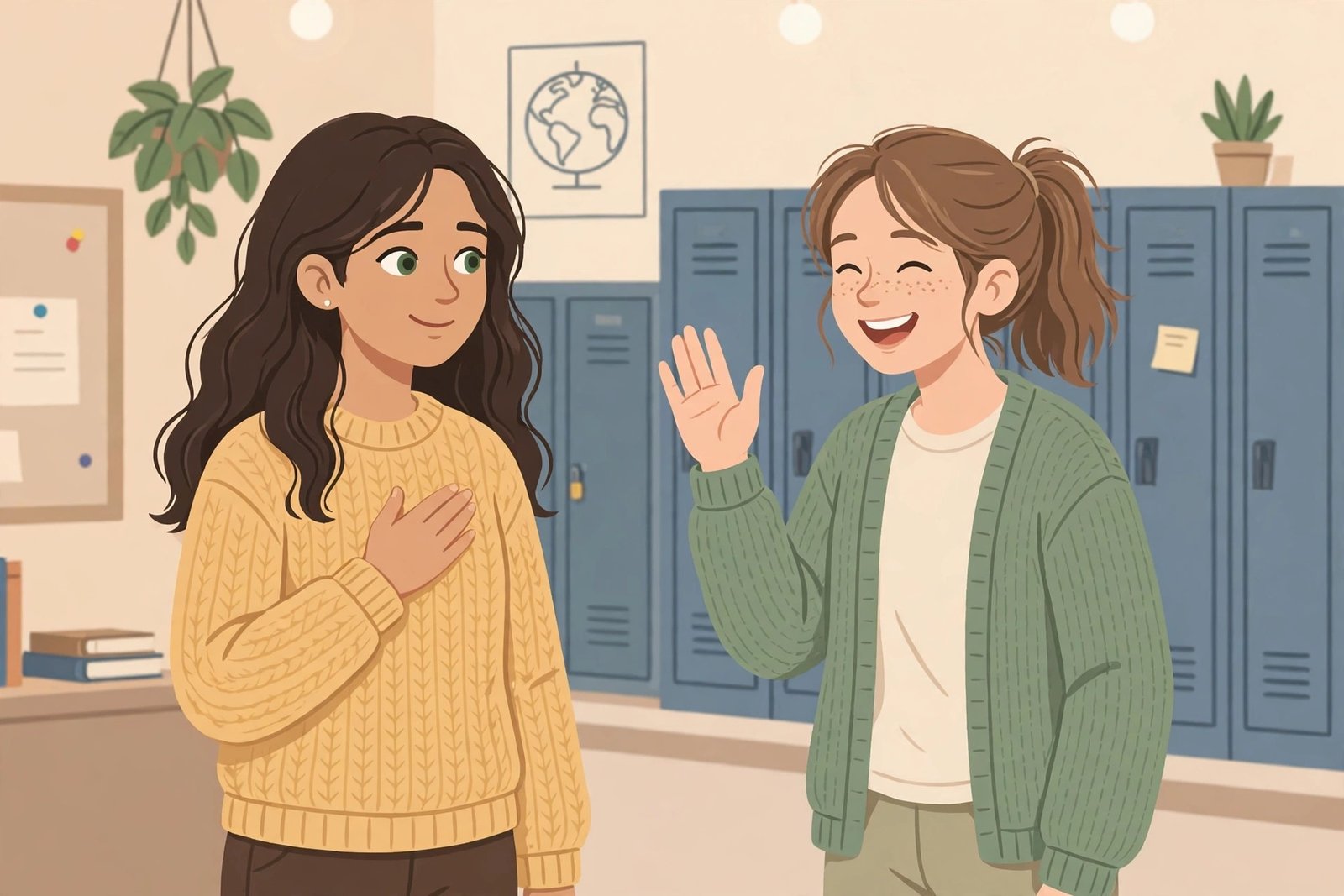
Now let us flip the camera. You’re chatting with someone. Their face is so familiar. You know their laugh, their backpack, the story about their cat. And their name is just… gone. A white wall. Nothing.
Welcome to the other side. It feels awful, and it’s deeply human. Here is the good news. Because I know how it feels when someone forgets my name, I can be gentle when I’m the forgetful one. And I know exactly which save lines I wish people would use on me.
The best move is early honesty with a smile. “I know your face so well, but your name just ran out of my head. Tell me again?” Say it in the first minute, not the twentieth. Early, it’s a tiny thing. Late, it feels like you faked the whole chat.
Another warm one: “My brain saved everything about you except the label. Help me out?” People almost always laugh and tell you. Why? Because they have been you. Everyone has stood in that exact spot, smiling at a face while their brain shows them a blank screen.
What not to do: don’t fake it for weeks. Don’t call them “hey, girl” forever and hope the name falls from the sky. It rarely does. And the longer you wait, the bigger the confession feels.
One more trick for the forgetful side. If you truly can’t ask, listen like a detective. Friends often say the name in passing. Stories include it. A teacher calls it out. Catch it, then use it once, clearly, so it locks in. But treat this as a backup, not a plan. Asking early is still kinder and braver. Most people would rather be asked once, with a smile, than be called “hey, you” for a month. Your quick honesty frees both of you.
And when someone forgets my name, I try to remember that I have done the same thing, more than once. That memory keeps me soft. Grace is just remembering your own blank moments at the right time.
There’s one more rescue worth knowing. If a friend is standing with you, let them save you. A good friend who hears you stall will slide the name in: “Oh, you remember Ana, right?” Catch it, use it right away, and thank your friend later. You can be that friend too. Listen for the stall when others talk. Dropping a name into the chat for a struggling friend is a small kindness they’ll never forget. We all take turns on both sides of this. That’s the whole point. Nobody’s memory wins every round.
Simple Tricks That Make Your Name Stick
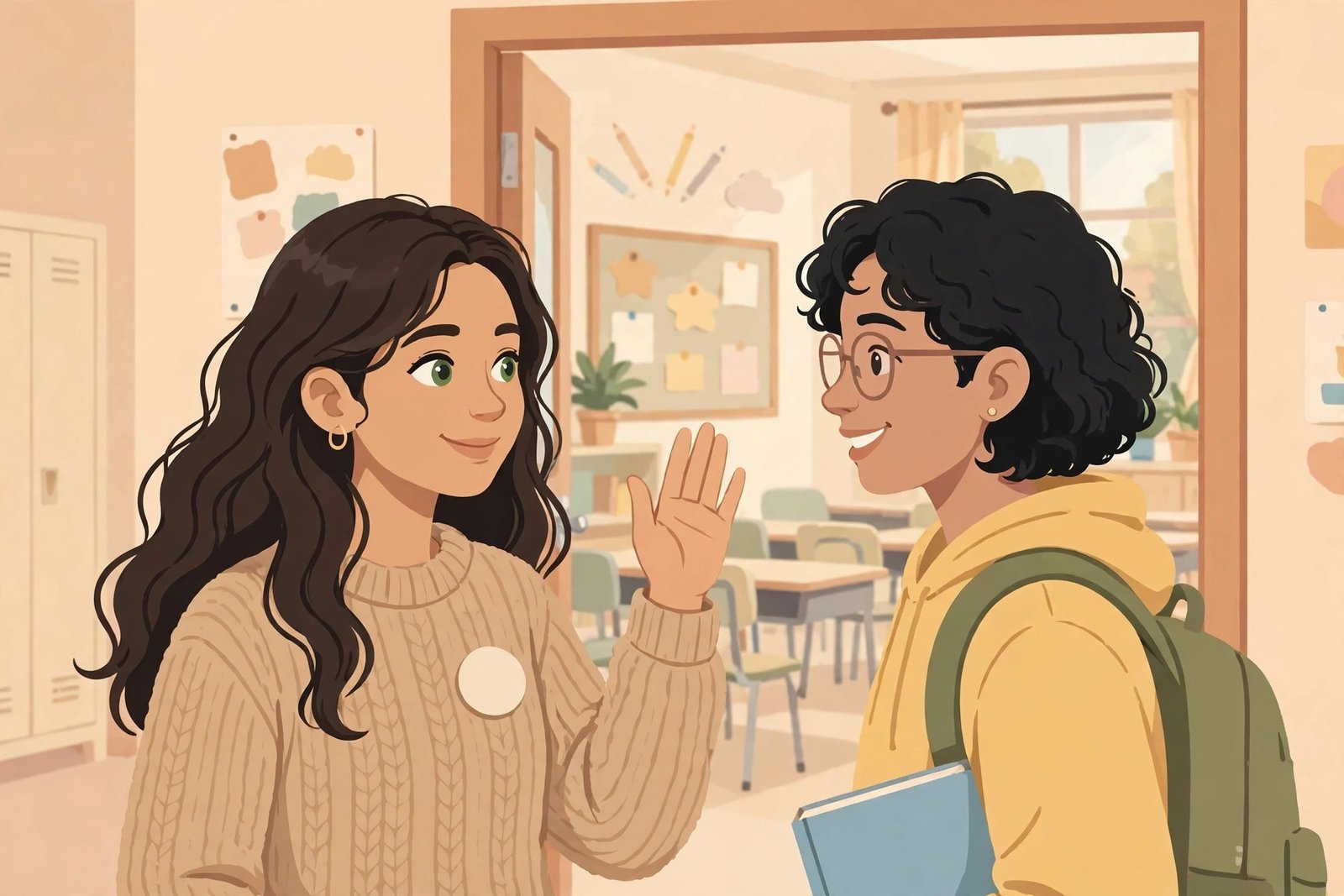
You can’t control other people’s brains. But you can make your name much easier to keep. Think of it as leaving better hooks.
Say your name slowly and clearly at hello. Lots of names get lost because they were mumbled into a handshake at a noisy party. When someone forgets my name after one rushed hello, the hello was often too fast to catch. Slow down. “Hi, I’m Lina.” Pause. Smile. Let it land.
Also, spell it out if it’s tricky. If your name sounds like another name, a tiny joke about it helps: “Lina, like Lena but with an I.” People love a small key like that. It gives them a game to play in their heads, and games stick where plain sounds slide off. Unusual name? Common name? Same trick works. Give the brain a shape to hold, not just a sound to chase.
Repeat it once, early. Work it into the chat in a natural spot. “So, Ana, I’m Lina, I’m in your brother’s class.” Two clean hearings beat one mumbled one. Their brain gets a second chance to file it.
Pair your name with one easy detail. A class. A team. A shared friend. “I’m Lina, Maya’s cousin.” Now your name is glued to a person they already know. Glue is what memory needs.
Use the tools around you. A name tag sticker at an event. Your name in your game or chat username. A quick “add me” where your full name shows on screen. Every small sighting of your name is one more hook.
This matters most when you’re meeting lots of new people at once. New school, new team, new club. If that’s your season right now, our guide on how to make new friends in high school walks through those first weeks step by step. Names are a big part of it.
And if someone forgets my name at the second meeting anyway, a friendly repeat with a detail usually fixes it for good. Second time plus a hook, and it sticks.
Your clothes and gear can quietly help too. A notebook with your name on the cover. A water bottle with your name written big. A bag tag. These sound tiny, but eyes catch names all day without trying. Each sighting is a free repeat. Think of it like this. You aren’t begging to be remembered. You’re just making the job easy for busy brains. Teachers do it with desk name cards for a reason. Camp counselors do it with cabin lists. You can do the same with the small stuff you already carry every day.
How to Get Better at Remembering Names Yourself

Here is a secret. The girls who are “good with names” aren’t born that way. They use tiny habits. You can copy every one of them.
Repeat the name the second you hear it. “Nice to meet you, Ana.” That one repeat moves the name from the air into your memory. It also makes the other person feel seen, which is a lovely bonus.
Build a silly picture hook. Ana brings bananas. Tom is tall as a tower. The dumber the picture, the better it sticks. You don’t have to say it out loud. Your brain just needs something to grab.
Use the name once or twice while you talk. “What school did you go to, Ana?” Sprinkle, don’t flood. Twenty times sounds like a sales pitch. Twice sounds like care.
Write it down later. A tiny note in your phone works. “Ana, braids, met at tryouts, has a dog.” Future you’ll be so grateful. I practice names like this because I know the sting when someone forgets my name. I don’t want to hand that sting out if I can help it.
Names are also the heart of small talk, those short chats that build real friendships over time. We wrote about why small talk matters more than you think, and names are the first tool in that box.
And honestly, when someone forgets my name now, I shrug faster than I used to. I know how hard I work at names, and I still miss some. If I miss them, everyone misses them.
One more habit, and it’s the strongest one. At the end of a first chat, say the name back one last time. “Bye, Ana, see you Thursday.” That last repeat does two jobs. It locks the name in your own head, and it makes her feel known. Feeling known is why people light up when you remember. It tells them they weren’t background noise to you. They were a person. That’s a big gift from a two-second habit. Start with one name a day. In a month, you’ll be the girl who remembers, and people will feel it.
When a Forgotten Name Means Something, and When It Does Not
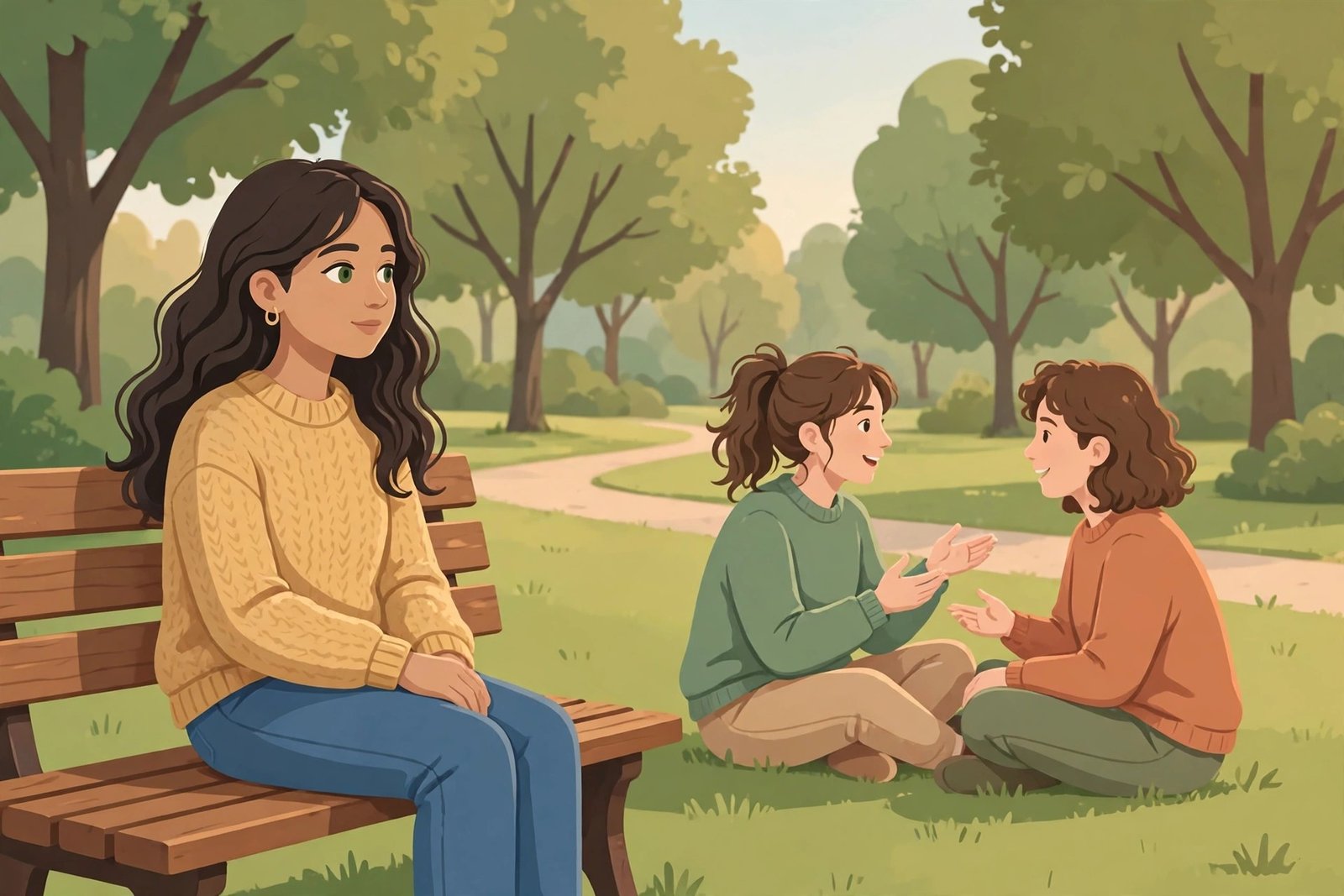
Let us be fair and clear-eyed here. Most of the time, a forgotten name means nothing at all. A busy brain. A new face. A loud room. Stress, tiredness, a hundred students in one week. One time someone forgets my name is just weather, not climate. Weather passes.
But patterns can carry a message, and you’re allowed to notice patterns. Watch for these. Someone who forgets only your name, in a group, again and again, while knowing everyone’s else. Someone who uses the wrong name on purpose, to tease you in front of others. Someone who never even tries, month after month, though you have told them plainly.
Even then, talk before you judge. A calm “Hey, my name matters to me. It’s Lina.” solves more than silent hurt does. Some people are just careless, not cruel. Your words give them a chance to fix it.
Watch what happens after you speak up. A kind person will try harder, and you’ll see it. A person who keeps doing it after a clear, kind ask has told you something real. Believe them, and spend your warmth where it’s returned.
Give it time, too. Some people are slow warmers. The quiet boy in your class may need three meetings before your name feels safe in his head. That isn’t distance. That’s just his pace. Watch the trend across weeks, not one bad Tuesday. A trend of growing warmth, even with a few slips, is a good sign. A trend of coldness is data too, but read weeks, not moments. You deserve people who learn your name and use it with care. Most people, given a fair chance, will.
So when someone forgets my name, I ask myself one question. Is this a slip, or is this a pattern? A slip gets grace. A pattern gets a talk. And if moments like this often leave you so anxious that you want to skip school or avoid friends, please tell a trusted adult or a counselor. That’s a bigger load than one article can carry, and you don’t have to carry it alone.
Frequently Asked Questions
Is it rude to correct someone who calls me by the wrong name?
Not at all, if you do it gently. Smile and say, “Close, it’s Lina,” then keep the chat moving. Most people are glad you told them. They would rather fix it in two seconds than get it wrong all year. Staying quiet and quietly fuming feels much worse. One small brave moment when someone forgets my name, or mixes it up, saves weeks of silent sting.
What if the same person keeps forgetting, week after week?
First, add a stronger hook each time. Your name plus a class, a team, or a shared friend. If it keeps happening, say it plainly and kindly: “My name is Lina. It matters to me that you use it.” Watch what they do next. Effort is the answer you’re looking for. After the third time someone forgets my name, their trying, or not trying, tells me the truth.
How do I ask for someone’s name again without making it weird?
Be honest early, and keep it light. Try this: “Your face I know, but your name just left my head. Tell me again?” Almost everyone laughs and answers, because they have done the same thing. I trade honesty for honesty. Someone forgets my name all the time too, and a quick, kind ask has never once ruined a friendship for me.
Why do I remember faces so well but names so badly?
Because your brain is built that way. Faces come with a picture, and your brain has special tools for pictures. A name is just a sound, a label with nothing to hold on to. So it slips out of memory first, even when the face stays clear for years. That’s the simple reason someone forgets my name but remembers exactly where we met and what I was wearing.
Should I feel hurt when this happens to me?
Your feelings are allowed, full stop. A small sting doesn’t make you dramatic. It makes you a person whose name matters to her, and that’s a fine thing to be. Feel the sting for a second. Then smile, offer your name with a warm hook, and let the moment stay small. So yes, it’s okay to feel it when someone forgets my name. It just doesn’t have to run your whole day.