
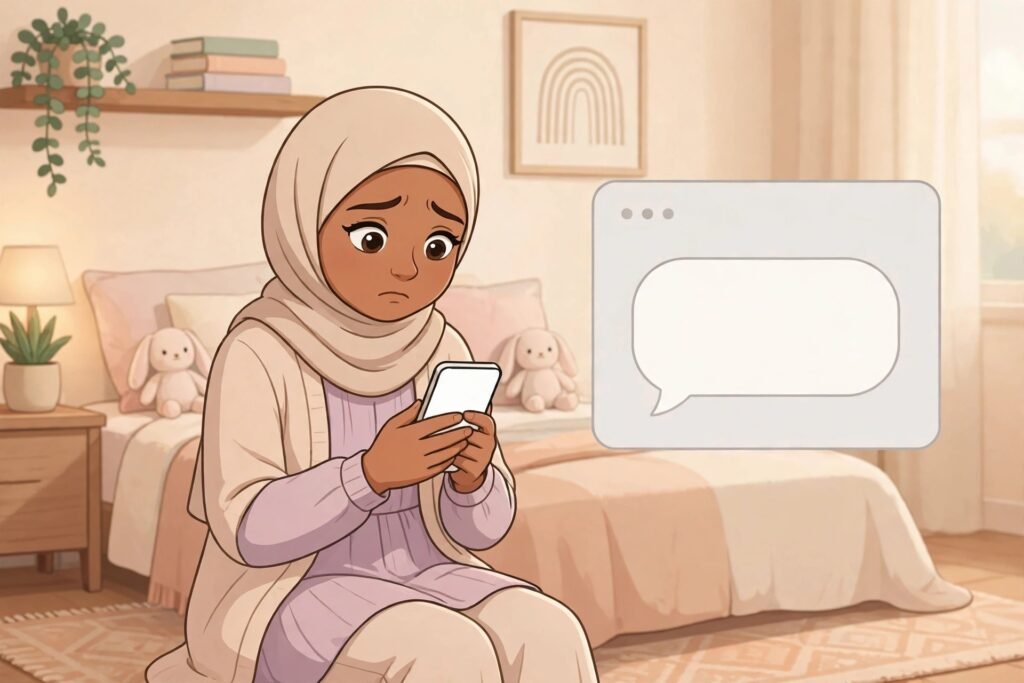
Two weeks ago, my friend Sara and I talked every single day. Memes at breakfast. Voice notes on the bus. Long chats about nothing at night. Then, almost overnight, the replies shrank. “Haha.” “Yeah.” “Busy, sorry.” Then nothing at all. No fight. No bad joke. No moment I could point at and say, there, that’s where it broke.
If this has happened to you, you know the exact ache I’m talking about. People suddenly go cold without any explanation, and your brain does what brains do. It starts digging. It replays your last ten talks like a detective. It zooms in on every word you said. It asks the same question at 1 a.m.: what did I do?
Here’s what I need you to hear first. You are not crazy for feeling this. A cold shoulder with no reason hurts in a special way. A fight at least gives you a story. You know what happened. You know where you stand. Silence gives you nothing to hold. Just a door that closed with no sound.
Maybe your version looks a bit different. A cousin who used to comment on everything, now gone. A classmate who saved you a seat every day, now walking past. A whole group chat that went quiet right after you joined. The shape changes. The sting doesn’t. A warm person turns into a closed door, and you’re left standing there, holding a friendship that felt fine last week.
And here’s the second thing, the one this whole guide is built on. When people suddenly go cold without any explanation, the reason usually lives in their world, not yours. Their stress. Their mood. Their family. Their habit of vanishing when life gets heavy. You just happen to be standing on the other side of the quiet, taking it personally, because nobody told you not to.
I have been on both sides of this, by the way. I’ve been the one refreshing a silent chat. And I’ve been the one who went quiet on a kind friend because my life felt like a storm and I had no words left. That second part taught me more than the first ever did. So let’s walk through it together. Why friends and people around you go cold. How to read the clues. The one message you’re allowed to send. And how to stop the 1 a.m. replay loop when people suddenly go cold without any explanation and leave you guessing.
The Short Answer

Here’s the short version. When people suddenly go cold without any explanation, it is rarely about one thing you did. Most of the time, they are dealing with something in their own life, and going quiet is just how they cope. You can’t fix a silence you didn’t cause. What you can do is send one warm, simple check-in, then step back and let their answer, or their silence, tell you the truth.
So if people suddenly go cold without any explanation in your life right now, do this. Ask once, kindly. Then stop chasing. Fill your days back up with the people who do show up. The not knowing will feel awful for a while, and then, slowly, it will get quieter. I promise it does.
The Shift Hurts More Than a Fight Would
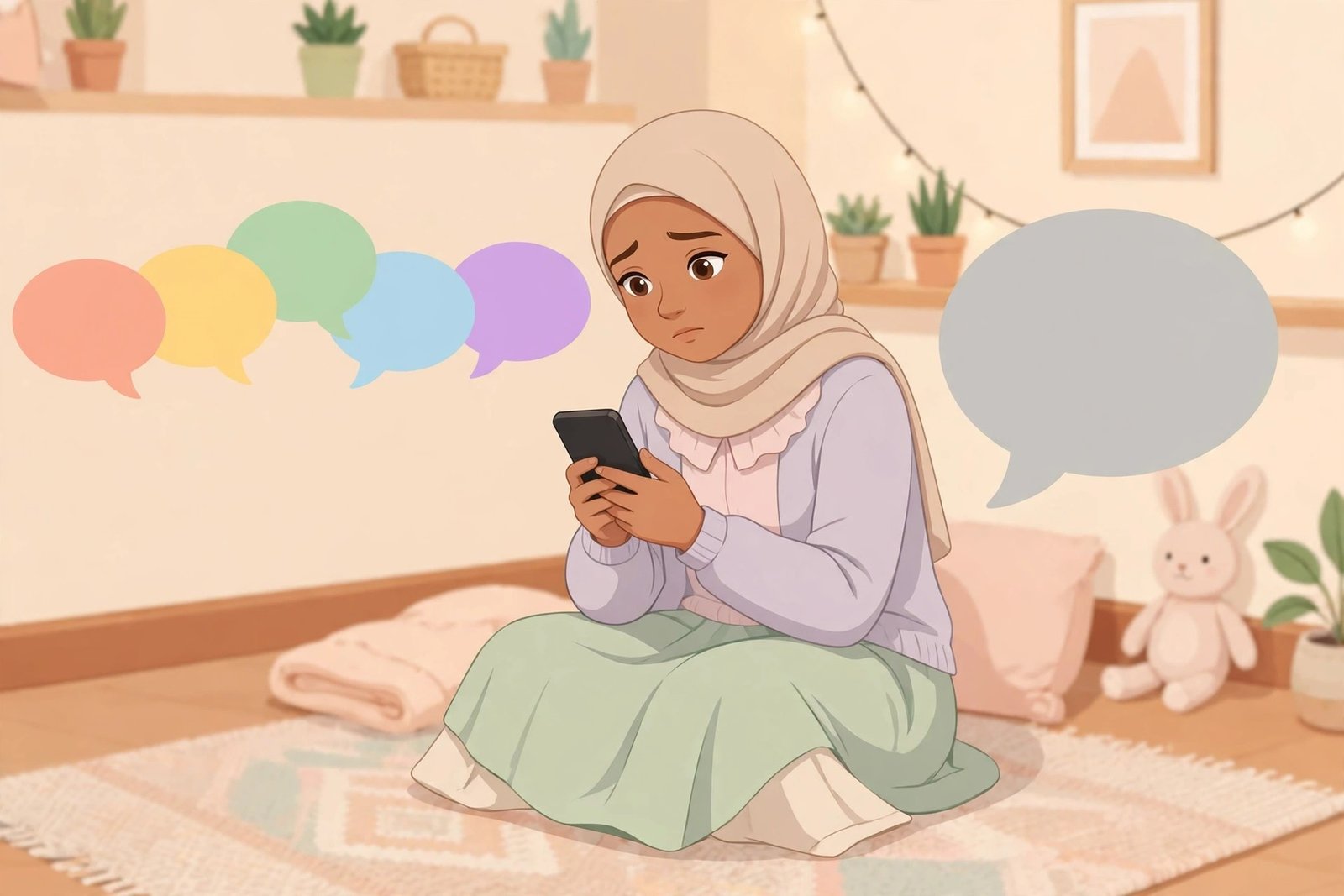
Let’s name the pain first, because it helps to know you’re not being dramatic. A sudden cold spell feels worse than a clear fight for most of us. A fight has edges. You can see it. You can point at it. You can say sorry, or hear sorry, or at least close the book.
But when people suddenly go cold without any explanation, there’s no book. There’s just a missing page. Your mind hates missing pages. It fills them in, and it never fills them in with kind guesses. It fills them with the worst story it can write. She’s mad. He’s bored of me. Everyone secretly finds me annoying. Sound familiar?
There’s a reason your body reacts like this. Being shut out taps into a very old fear. Humans are built to belong. A closed door from your group once meant real danger, long ago. So even now, a friend going cold can feel bigger than it looks. Your heart treats it like an alarm, not a small social blip.
I remember sitting on my bedroom floor, phone in hand, reading my last chat with Sara over and over. I checked if my joke about her new haircut could have landed wrong. I checked the meme. I checked the voice note where I laughed too loud. Every tiny thing looked like a clue, because that’s what a hurting brain does when people suddenly go cold without any explanation. It turns you into a detective in your own friendship.
So if you’re doing that right now, put the magnifying glass down for a second. The pain is real. The self-blame is optional. Those are two different things, and this guide will help you keep them apart.
One more thing before we go on. Feeling hurt by silence doesn’t make you needy, clingy, or too much. It makes you a person who valued a friendship and noticed when it changed. Noticing is not a flaw. It’s the starting point of every honest thing you’ll read below, so let’s keep going.
Most Cold Spells Start in Their Life, Not in Yours

Now for the part that changed everything for me. Most cold spells are weather, not climate. They pass through someone’s life like a storm cloud, and you just happen to be standing nearby when it rains.
Think about what can be going on behind a quiet phone. A parent lost a job. Grades dropped and shame moved in. A new relationship is eating all their time. Their mental health dipped, and even typing “I’m fine” feels like lifting a brick. Some people go silent the way some people sleep badly. It’s just their stress style. It’s not a review of you.
When I finally got brave and asked a friend, months later, why she had vanished that winter, she looked shocked. “You thought it was you?” she said. Her grandma had been in the hospital. Then her parents fought for weeks. She told me she barely answered her own sister. I had spent two months building a case against myself over a storm I never even saw.
There’s another quiet truth here. Some people were never taught how to say “I need space.” In their family, hard feelings got buried, not named. So when life squeezes them, they do the only thing they learned at home. They go silent. It’s not fair to you, and it still hurts. But it’s a habit they carry, not a sentence they wrote about you.
Others go cold in seasons. Exam season. A new baby in the house. A parent who needs care. The first months of a new school where everything costs energy. Their friendship battery runs on empty, and small talk is the first thing to go. You get the silence because talking is the chore, not because you are.
This is why, when people suddenly go cold without any explanation, the smartest first move is to widen the picture. Ask: what could be happening in their life right now? Not to make excuses for rude behavior. Just to remind your brain that you are one chapter in their story, not the whole book.
There’s a name for the hurt of being shut out, and writers on Psychology Today describe why being ghosted by a friend can haunt us: the silence leaves us with no ending, so the mind keeps circling back. Knowing that your brain is wired to circle helps. The circling is a feature of brains, not proof that you did something wrong.
None of this means you must accept being treated badly forever. We’ll get to patterns later. For now, just let this land: when people suddenly go cold without any explanation, start with their weather, not your worth.
The Clues That Say It Is Probably Not About You
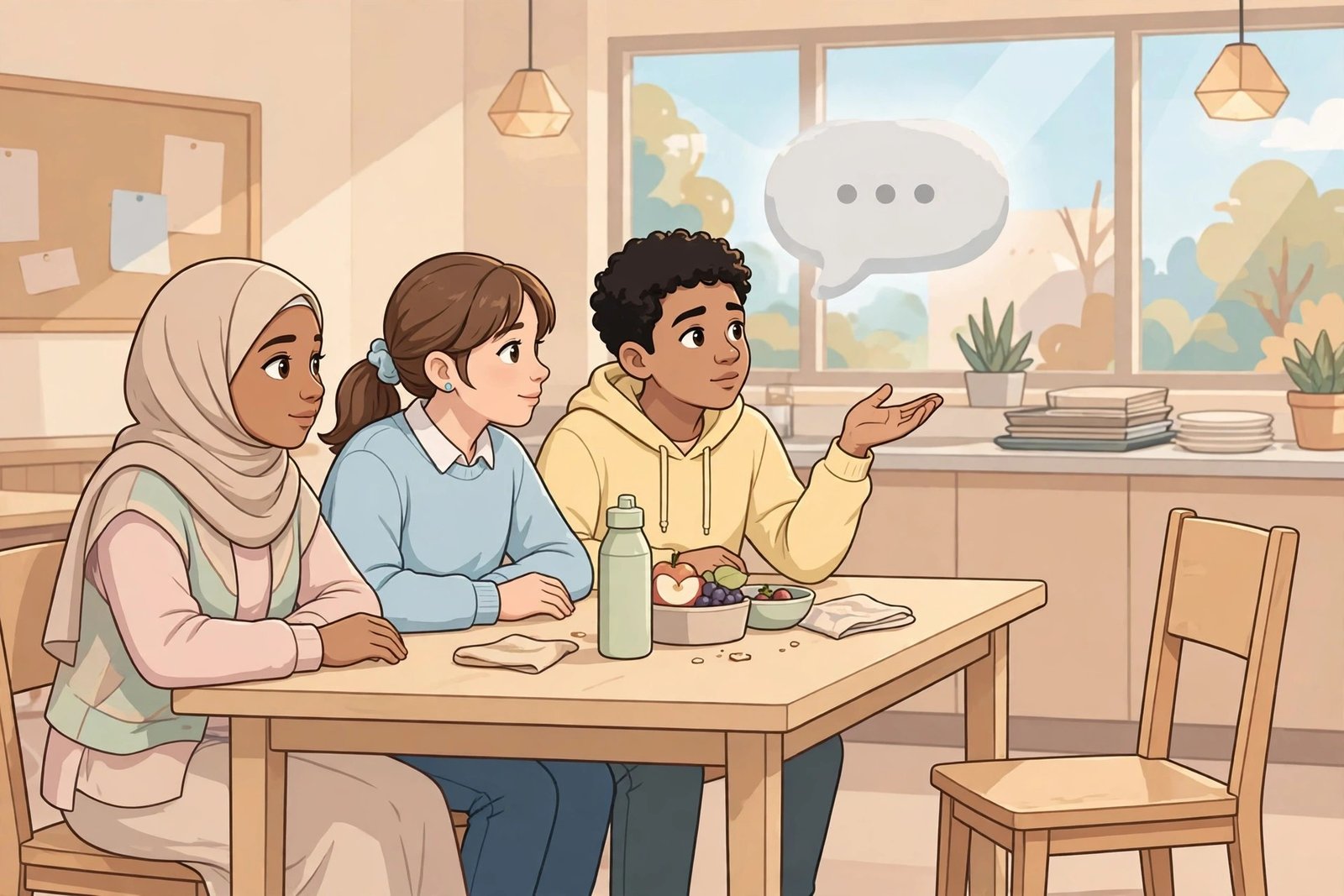
Okay, so how do you read a cold spell without losing your mind? You look for clues. Not in a creepy way. In a calm, honest way. A few signs point away from you, and spotting them can calm the 1 a.m. spiral.
Clue one: they’re quiet with everyone, not just you. Check the group chat. If their jokes stopped there too, if other friends also say “yeah, she’s been off,” then it’s a life thing. A storm, not a target. People suddenly go cold without any explanation in every direction when their plate is full.
Clue two: the cold started right after a change in their world. New school term. A breakup you know about. A family move. A big exam season. Cold spells love to follow life changes the way colds follow winter.
Clue three: before the quiet, things were warm and normal. No tension. No weird last talk. Sudden ice after real warmth is more often a shutdown than a verdict. People who are done with you usually drift, complain, or argue first. Silence out of nowhere is its own category.
Clue four: they still watch your stories or like a post now and then. That’s not nothing. It often means the door isn’t locked. They’re just standing behind it, unsure how to open it again.
Clue five: their offline life looks normal but their online life went dark. Some people take quiet breaks from their phones when they’re stressed. They stop posting, stop replying, stop everything with a screen. If their silence covers every app and every person, it’s a phone break wearing a scary mask. You’re not being singled out. You’re just one name on a long list of unread chats.
And here’s a clue that points the other way, so you can be honest with yourself too. If people suddenly go cold without any explanation only after you set a limit, shared big news, or started doing well, take note. We’ll talk about patterns in the last section. For now, hold both ideas gently. Most cold is weather. Some cold is a message. The next sections help you tell them apart without chasing.
The One Message You Are Allowed to Send
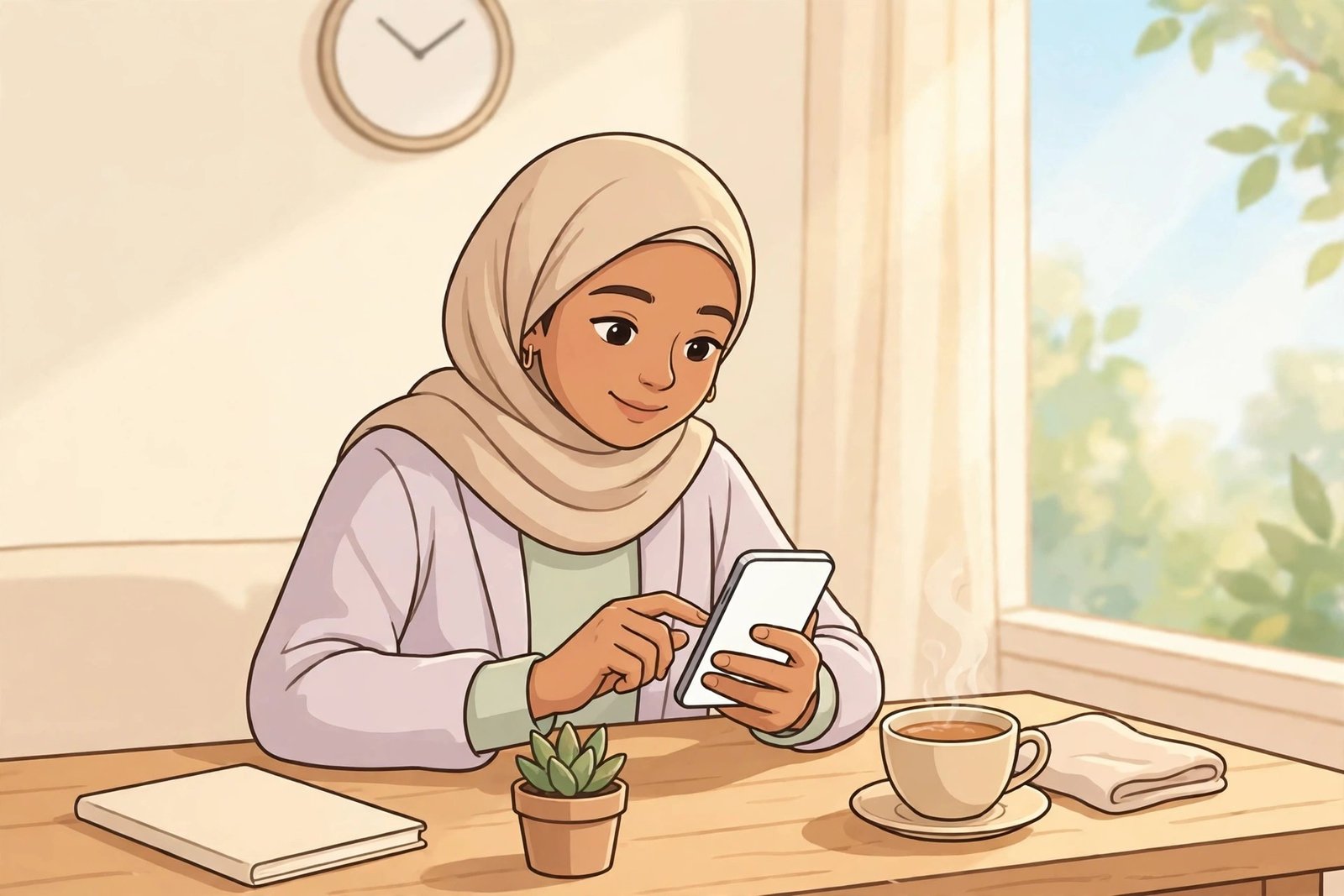
So what do you actually do? You send one message. One. Warm, short, and free of panic. Then you let it do its job.
Here’s the shape of it. Name what you noticed, say you care, leave the door open, and ask for nothing. Something like: “Hey, I’ve missed you these past days. No stress if life is a lot right now. I’m here when things calm down.” That’s it. See what it doesn’t have? No “did I do something??” No guilt. No long paragraph about your feelings at 1 a.m.
Why just one? Because one message says “I care.” Five messages say “I’m drowning, save me.” And when people suddenly go cold without any explanation, pressure from your side rarely melts the ice. It usually makes a stressed person hide deeper. Quiet people come back to doors that feel safe, not doors that feel loud.
I sent Sara exactly one message like that. She replied four days later. Four long days. Her reply was short, but it was real: family stuff, sorry, coffee soon? If I had sent my first draft, the panicky one with six questions, I think she’d have hidden longer. I almost did send it. I’m glad I slept on it instead.
One more detail that matters: send it at a normal hour, on a normal day. Not at 2 a.m. Not on their birthday. Not right after they posted a happy photo with other people, when your feelings are loudest. A calm message sent at a calm moment has the best chance of getting a calm answer. Timing is part of the kindness.
And if people suddenly go cold without any explanation and your message gets a short, flat reply like “just busy,” don’t grade it too fast. Flat and short can still mean “I’m under water, not angry.” Give that reply a week of air before you decide what it means. Tone is hard to read in three words, and pain makes us read everything in the worst voice.
After you send your one message, the rule is simple. Believe what happens next. A warm reply means the friendship is alive. A cold, tiny reply means give more space. Total silence is also an answer, even if it’s not the one you wanted. When people suddenly go cold without any explanation and stay cold after a kind check-in, you have done your part. The ball is in their court, and you are allowed to stop standing at the net.
Why Chasing Answers Usually Backfires

I know the urge. One more text can’t hurt, right? A funny meme to break the ice. A “hello??” with a joke face. A story posted just for them, to see if they watch. We have all run this playbook. Let’s talk about why it so often makes things worse.
Chasing gives you tiny hits of hope that keep the wound open. Every “seen” with no reply stings fresh. Every story view feels like a clue. You end up more stuck on them, not less. Days get measured in replies instead of in your own life. That’s a heavy price for information you mostly can’t get this way.
It also puts you in a role you don’t want. The chaser starts to feel, to the other person, like one more demand in an already loud life. When people suddenly go cold without any explanation because they’re drowning, ten more messages feel like ten more waves. Even a kind person can start avoiding the very friend who cares the most, simply because caring arrived as pressure.
There’s a close cousin of this pain. Maybe they still post stories all day while your chat stays silent. That one stings in its own way, and we wrote about it in our guide on friends who post stories but do not reply to your messages. Posting is easy and public. Replying takes heart. The two are not the same job.
There’s one more chasing trap, and it’s the sneakiest. Watching. Checking their profile. Noting who they were with. Reading meaning into a song lyric they posted. It feels like research. It acts like salt. Every check restarts the ache and tells your brain this person is still your main event. If the watching is eating your days, mute them for a while. Muting isn’t mean. It’s a bandage. You can unmute when your heart is quieter.
So here’s your new rule, and it’s a kind one. Chase once, with your one message. Then chase your own life instead. Text the friend who answers. Make the plan. Do the hobby. People suddenly go cold without any explanation sometimes warm back up when the pressure lifts, and sometimes they don’t. Either way, you stop living in a waiting room. That part is fully in your hands.
How to Sit With the Not Knowing

Let’s be real. Even with all this logic, the not knowing still hurts at night. Your brain will knock. So let’s build you a few small tools for the knocking hours.
Tool one: write the unsent letter. Get a notebook or a notes app. Say everything. The anger, the hurt, the questions. Get it out of your chest and onto a page. Then close it. Do not send it. Half the pain of people suddenly go cold without any explanation is carrying words with nowhere to go. The page gives them a home.
Tool two: shrink the question. “Why did she leave my life?” is too big for 1 a.m. Try a smaller one: “What do I need tonight?” A glass of water. A shower. Sleep. Your brain can’t solve a friendship at midnight, but it can solve thirsty. Small questions get small, kind answers.
Tool three: set a worry window. Give the friendship ten minutes a day, no more. Think about it, check the chat once, then close the door on it until tomorrow. It sounds silly. It works. Feelings that have an appointment tend to shout less at random hours.
Tool four: talk to a living person. A friend, a sibling, your mom, a counselor at school. Saying “my friend went silent and it hurts” out loud makes it smaller. Pain grows in the dark and shrinks in the light. That’s true almost every time.
Tool five: give the story an ending of your own. You may never get their reason, and waiting for it can keep you stuck for months. So write your own last line, a kind one: “She went quiet during a hard season, and I never learned why. It hurt, and I healed anyway.” Say it when the ache visits. A story with an ending, even a homemade one, is easier for a heart to carry than a story with a missing page.
And be gentle with the timeline. When people suddenly go cold without any explanation, the hurt often fades in layers. First you stop checking their profile. Then you stop dreaming about it. Then one day you realize you went a whole week without the ache. That’s not forgetting them. That’s your heart healing in the right order.
When the Cold Is a Pattern, Not a Phase

Now the honest flip side. Sometimes the cold isn’t weather. Sometimes it’s a pattern, and patterns are information.
Watch for these signs. The cold always starts when you do well. You share good news, and they vanish for days. The cold always starts when you say no. You set one small limit, and silence arrives like a punishment. Or the warmth only returns when they need something: notes, help, a favor, a ride. Warm for requests, cold for everything else.
That last pattern has a cousin you might know. A friend who fades when life gets fun with someone new, then pops back when it ends. We wrote about that exact dance in our piece on a best friend who ignores you since she got a boyfriend. Different trigger, same empty chair.
If people suddenly go cold without any explanation again and again, in the same shape, you get to make a decision. Not a dramatic one. A calm one. You can lower the friendship to the level it actually shows up at. Acquaintance energy. Friendly, light, no deep access to your heart. That’s not revenge. That’s matching.
And if a pattern of cold leaves you anxious for days, crying at night, or scared to speak up in your own friendship, please talk to a trusted adult or a school counselor. That’s not weakness. That’s you taking your own feelings as seriously as you take everyone else’s. You deserve the same care you give.
Lowering a friendship doesn’t need a speech, by the way. You don’t announce it. You just stop offering the deep stuff. You share your big news with the friends who celebrate you. You make weekend plans with the ones who show up. You keep things light and kind with the cold one, and you let the distance be what it is. Most people never notice the shift. But you will. Your days get calmer. Your phone gets quieter in the good way. And if people suddenly go cold without any explanation in that lower place, it barely touches you, because your heart isn’t standing in their doorway anymore.
Closing thought. People suddenly go cold without any explanation, and it can leave a bruise. But a bruise is not a verdict on your worth. Your worth was never up for a vote in someone else’s quiet phone. Keep your door kind. Keep your life full. The right people walk back through open doors, and the rest teach you where to build your fences.
Frequently Asked Questions
Should I ask my friend directly what I did wrong?
You can ask once, but ask softly and without a charge sheet. Try: “If I ever did something that hurt you, I’d want to know.” Then accept the answer you get, even if it’s “nothing, I’m just busy.” If people suddenly go cold without any explanation, a heavy confrontation rarely opens them up. One gentle question respects both of you. After that, their reply, or their silence, is the answer you have to work with.
How long should I wait before I check in?
Give it a few days to two weeks, based on how close you are. Daily talkers going silent earn a check-in sooner, around day four or five. Quieter friends get more room. The point of waiting isn’t a game. It’s giving a hard week time to pass on its own. Many cold spells thaw by themselves in that window, and your one kind message lands better after a breath of space.
What if they warm up again like nothing happened?
That happens a lot, and you’re allowed to feel two things at once: glad they’re back, and a bit hurt they left. You don’t have to throw a party or a grudge. Just watch what they do over time. Warm people who dip during storms usually own it a little: “sorry, life was a lot.” If it keeps happening with no care at all, reread the pattern section above.
Is going cold the same as ending the friendship?
Not always. A phase of cold is often just that, a phase. Jobs, exams, family storms and low moods can mute even loving people for a while. A friendship is ending when the cold stays after your kind check-in, repeats as a pattern, or pairs with other signs like mocking, leaving you out on purpose, or only showing up for favors. One quiet month is weather. A year of it is climate.
How do I stop blaming myself when there is no answer?
Start by remembering what this guide showed: when people suddenly go cold without any explanation, the cause usually sits in their life, not in your last text. Say it out loud if you need to. Then shrink your world back to what you control. Your one message. Your days. Your other people. Self-blame shrinks when your life gets full again, so fill it on purpose, one small plan at a time.