
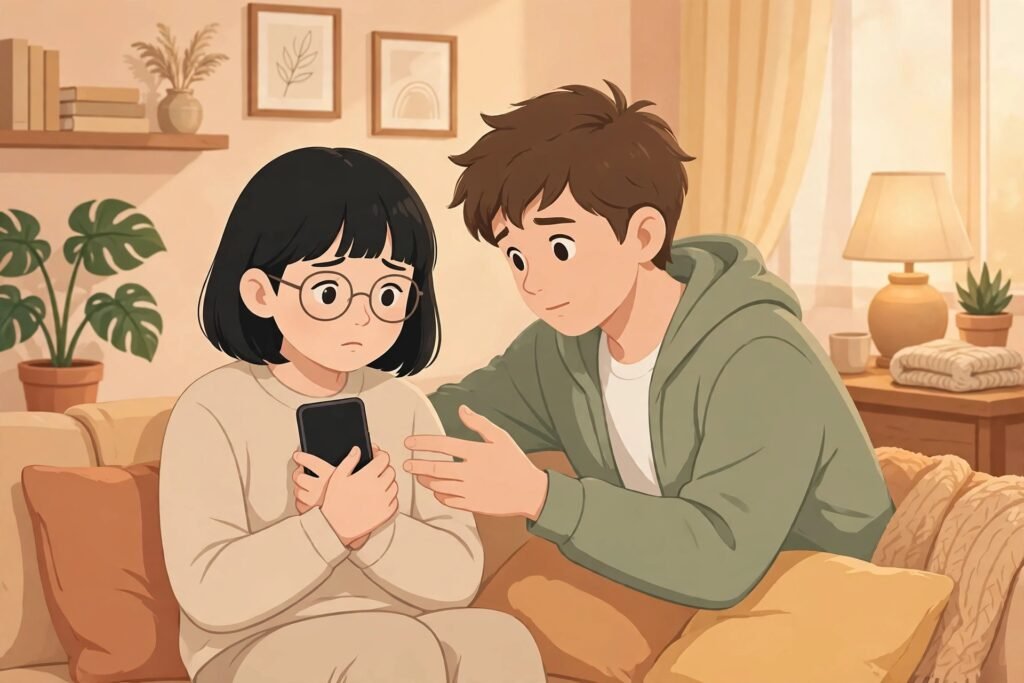
It probably sounded sweet the first time he said it. Maybe you were laughing on the couch, phones out, and he said it like a vow. “Couples who love each other share everything. No secrets.” Or maybe it came right after a small fight, when he was hurt and quiet and said he just needed to feel sure of you. Either way, the sentence is now sitting in your chest, heavy: my boyfriend wants all my passwords.
Part of you wants to hand them over and end the tension. Giving them feels easy. Giving them feels like proof. Proof that you have nothing to hide. Proof that you love him enough. That pull is real, and if you feel it, you aren’t weak or silly. It’s exactly the pull this request is built on. When my boyfriend wants all my passwords, the pressure rarely arrives looking like pressure. It arrives looking like romance.
But another part of you went quiet. Something in you doesn’t want your messages read, your photos scrolled, your whole private world handed over like a homework assignment. That quiet part isn’t cold. It isn’t guilty. It’s your instincts doing their job. This guide exists to back that part of you up with words, facts, and a plan. Because if my boyfriend wants all my passwords, the honest answer to “is that normal?” is: it happens a lot, it’s often dressed up as love, and it is not a healthy thing to agree to. Let’s slow it down and look at it properly, together.
The Short Answer
Here’s the short version. If my boyfriend wants all my passwords, that is not a trust exercise and it is not proof of love. It’s a control request, even when it’s said softly. Healthy trust means believing you, not logging in as you. You are allowed to say no, kindly and clearly, and a boyfriend who is good for you will accept that no without sulking, punishing, or asking again and again.
If you already shared them, you haven’t ruined anything. Passwords can be changed. Sessions can be closed. Two step verification can be turned on today. And if saying no makes him angry, cold, or threatening, that reaction is the loudest answer to your question. When my boyfriend wants all my passwords, how he handles my no tells me more about him than the request itself ever could.
Why Asking for Your Passwords Is Control, Not Love
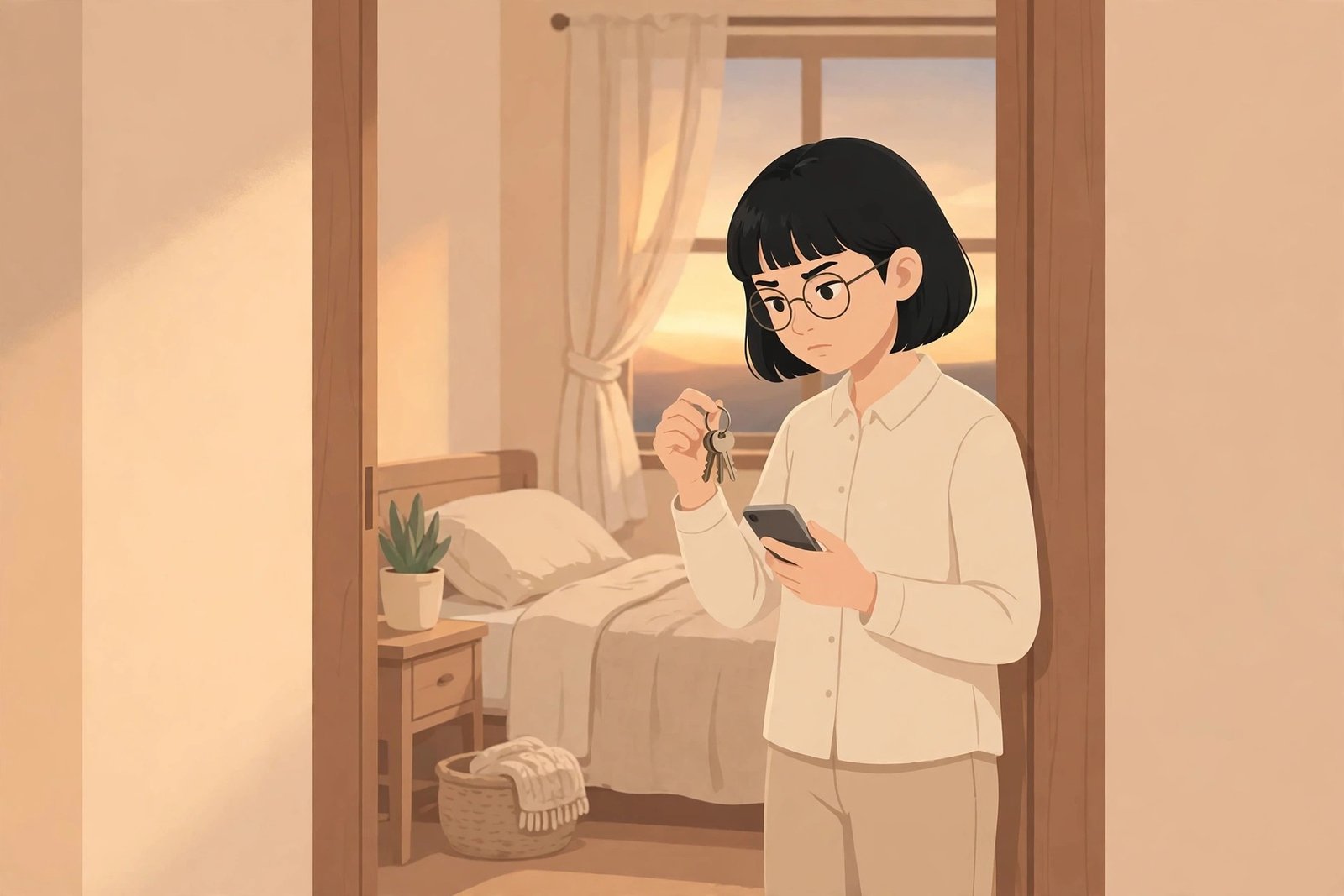
Let’s name the thing plainly, because soft words are how this request survives. Control is when one person tries to run the other person’s life: who she talks to, what she says, where she goes, what she’s allowed to keep to herself. Asking for every password is control with a smile on it. It hands him the keys to your messages, your photos, your socials, your email, and every private corner you own.
He may tell you it’s about trust. But watch the trick inside that sentence. Trust means he believes you without checking. Checking is the opposite of trust. A boy who truly trusted you would never need to read your chats to prove it. What he is asking for isn’t trust in you. It’s access over you. There’s a wide gap between those two things, and your whole private life lives in that gap.
He may tell you it’s about love. “If you loved me, you would.” Real love doesn’t collect keys. Real love doesn’t need to inspect. Think about the people who love you most in this world. Your best friend doesn’t demand your passwords. Your sister doesn’t. Love that is sure of itself leaves your private life alone. When my boyfriend wants all my passwords and calls it love, the word love is doing heavy lifting for a request that love would never make.
And he may tell you everyone does it. They don’t. Plenty of couples, happy ones, married ones, keep their passwords private their whole lives. Privacy inside a couple is normal. Privacy is what makes the sharing that does happen mean something. You share your day, your thoughts, your time, because you choose to. A password isn’t sharing. It’s surrendering the door. Our guide on how to know if you are in a toxic relationship puts this pattern in its family: control that arrives dressed as closeness. When my boyfriend wants all my passwords, I’m not looking at a romance milestone. I’m looking at the first page of that pattern, and first pages are the cheapest place to stop a story.
What a Healthy Boyfriend Does Instead
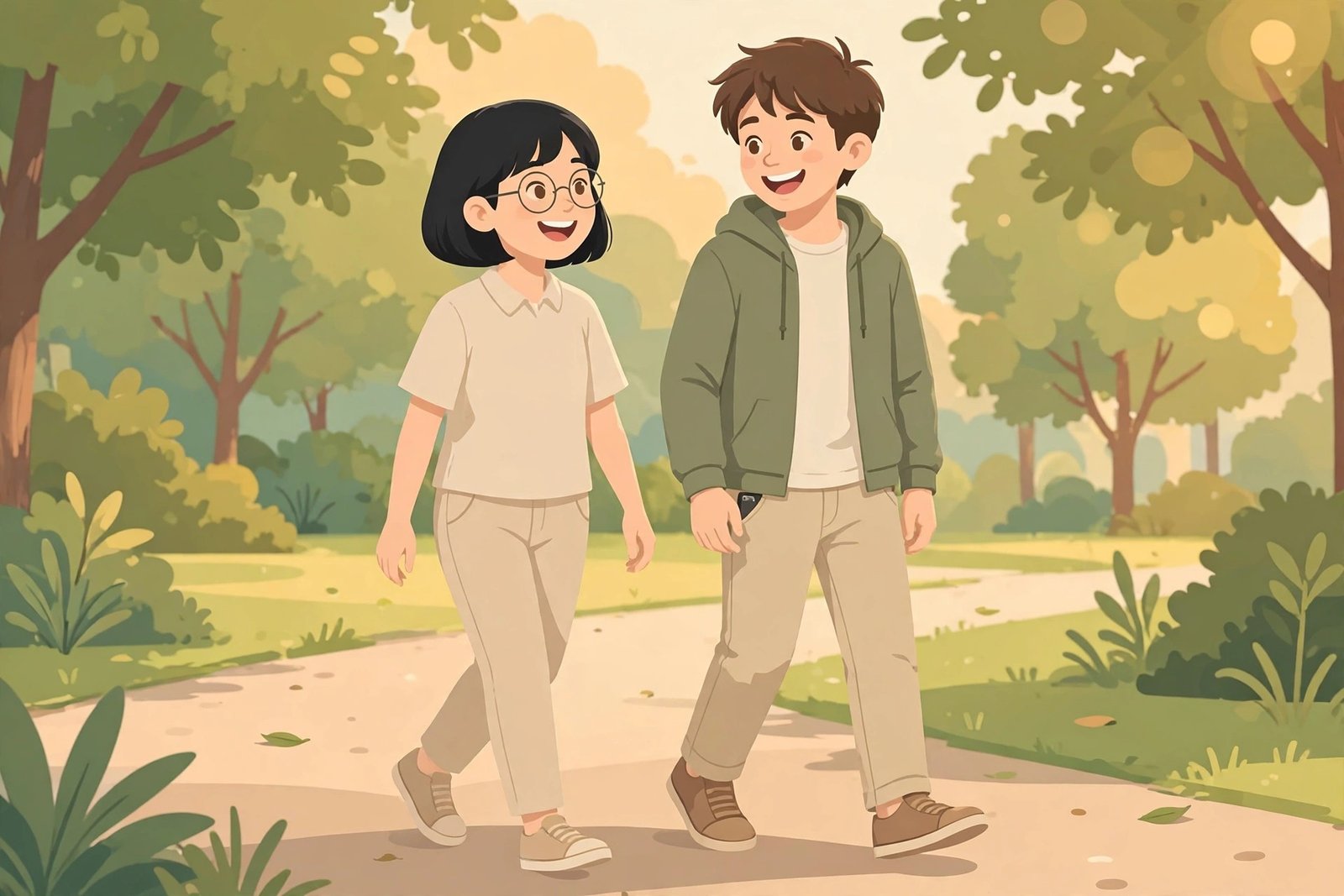
It helps to see the healthy version up close, because control can make you forget what normal even looks like. So picture the same moment with a boyfriend who is good for you.
You tell him you’re not comfortable sharing passwords. And he says: “Okay.” That’s it. Maybe he’s a little disappointed for a minute, the way anyone can be. But he doesn’t sulk for two days. He doesn’t go cold and wait for you to fix his mood with your privacy. He doesn’t bring it up again next week in a new costume. He hears the no, he respects the no, and the day moves on. That calm acceptance is what a healthy reaction looks like. Remember it. Measure everything against it.
A healthy boyfriend also trusts out loud. He says “I believe you” and then acts like it. He doesn’t check your story against your location. He doesn’t test you with trick questions about where you were. When he’s worried about something, he asks you, with words, like a person, and he lets your answer be the answer. Compare that calm with the other kind, the kind where every day has a small inspection hidden in it. When my boyfriend wants all my passwords, I never get that calm. I get a manager. A boyfriend and a manager are not the same job.
A healthy boyfriend also guards his own privacy without shame, and he’d never dream of reading your chats with your best friend, because he knows those words aren’t his. He knows your friends told you things in trust. He knows your notes app holds half written feelings that belong to you alone. He understands that you were a whole person before him, with an inner life that stays yours inside the relationship too.
Here’s a quick way to test any of this. Imagine you asked him for his passwords, every single one, tonight. Would he laugh and hand them over? Or would he suddenly discover that some things are private? Many girls find the request only ever flows one way. One way is not sharing. One way is a door that only opens toward him.
Not sure where your relationship lands? It can help to look at the whole picture, not just this one ask. Our quiz on whether you are in a healthy relationship walks through the everyday signs in a calm way. Because the truth is simple and worth taping to your mirror: when my boyfriend wants all my passwords, I don’t have to wonder what a good one would do. A good one would never ask. And if he asked once, not knowing better, my no would be the end of it.
The Real Risks of Handing Over Your Accounts
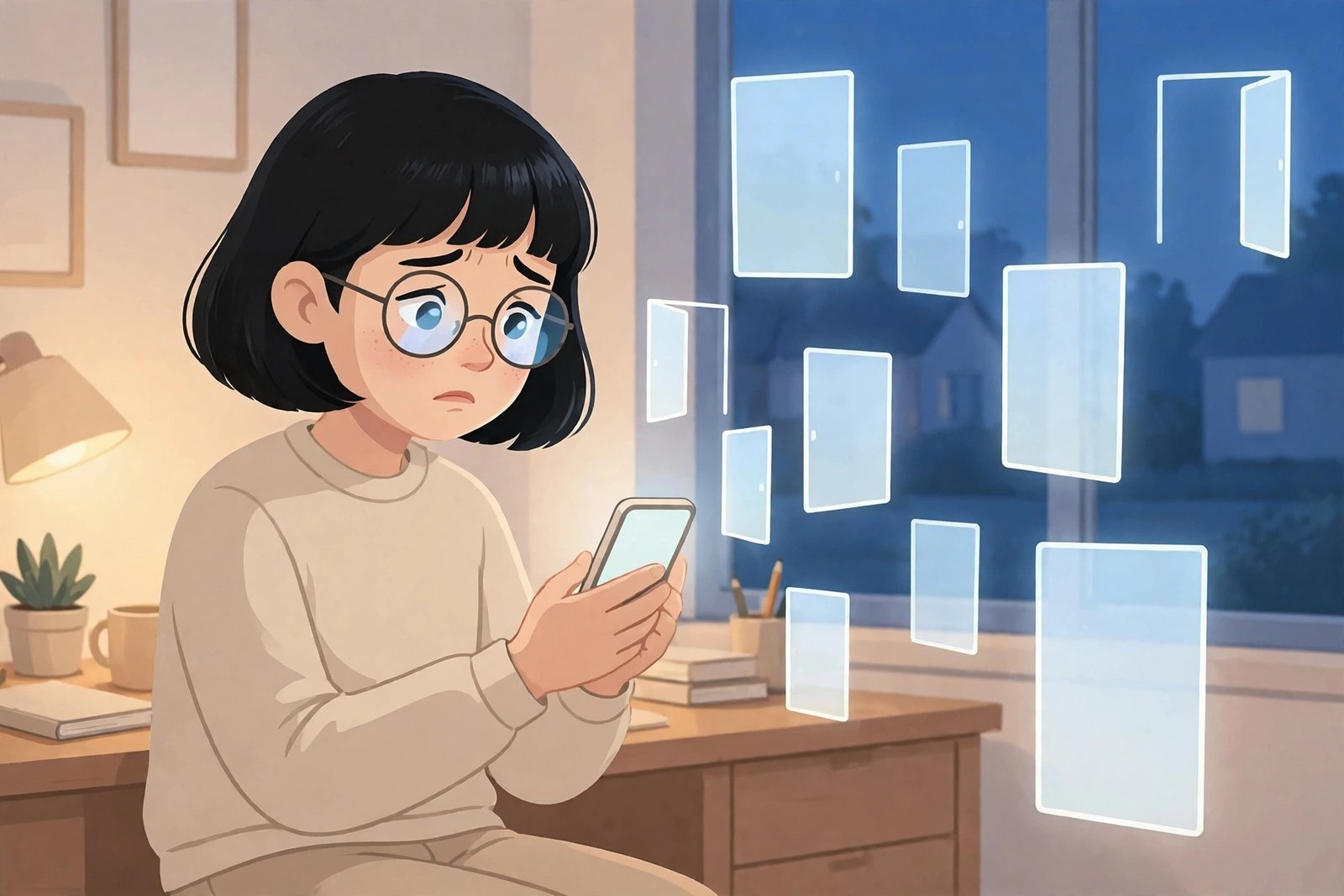
Maybe you’re thinking: I have nothing to hide, so what’s the actual harm? Fair question. Let’s answer it with real risks, not drama. Because when my boyfriend wants all my passwords, the danger isn’t today, when things are sweet. The danger is every day after.
Risk one: your friends lose their privacy through you. Your chats aren’t only yours. Your best friend told you about her parents’ divorce, her crush, her worst day, in words meant for your eyes. The moment he can log in, he can read her life too. She never agreed to that. Giving away your password quietly gives away other people’s secrets, and that isn’t yours to give.
Risk two: watching turns into policing. It starts as “just checking.” Then come the questions. Why did you like his photo? Why were you online at midnight? Who is this boy in your class chat? Every normal thing needs a defense. You start editing your whole life so it reads well to an audience of one. That’s not a relationship anymore. That’s a report.
Risk three: he can become you online. With your passwords, he can post as you, send messages as you, delete things as you. Most boys would never. But the door is open, and doors get used in bad moments, after fights, after breakups. Speaking of which, risk four: breakups happen. Most teen relationships end. And an ex with your passwords can walk into your accounts on the worst week of your life. Girls have watched exes read fresh chats, lock them out of their own profiles, or share private photos. Changing passwords in the middle of heartbreak is possible, and this guide will show you how. But not opening the door at all is kinder to future you.
There’s another risk hiding inside all the others: copies. Anything he can open, he can screenshot. A chat you delete still lives in a photo on his phone. A silly selfie you sent only to him can travel to one friend, then five, with two taps. You would never know until it reached you again, changed. Girls tell themselves he would never do that, and most days they’re right. But access doesn’t ask what kind of day it is. When my boyfriend wants all my passwords, he’s also asking for the power to copy my whole private world and keep it forever, even the parts I later take back.
Risk five is quiet and easy to miss: you lose your own room. Everyone needs one place where their thoughts are unobserved while they form. Your notes, your drafts, your searches at 1 a.m. when you’re sad and looking for words. A person with no private corner starts performing even in her own head. So when my boyfriend wants all my passwords, he isn’t asking for a small romantic gesture. He’s asking for the keys to rooms he has no right to wander, including rooms that hold other people’s trust. That’s the real size of the ask. Now you know it, and you get to answer it at its real size.
Calm, Firm Answers You Can Say Word for Word
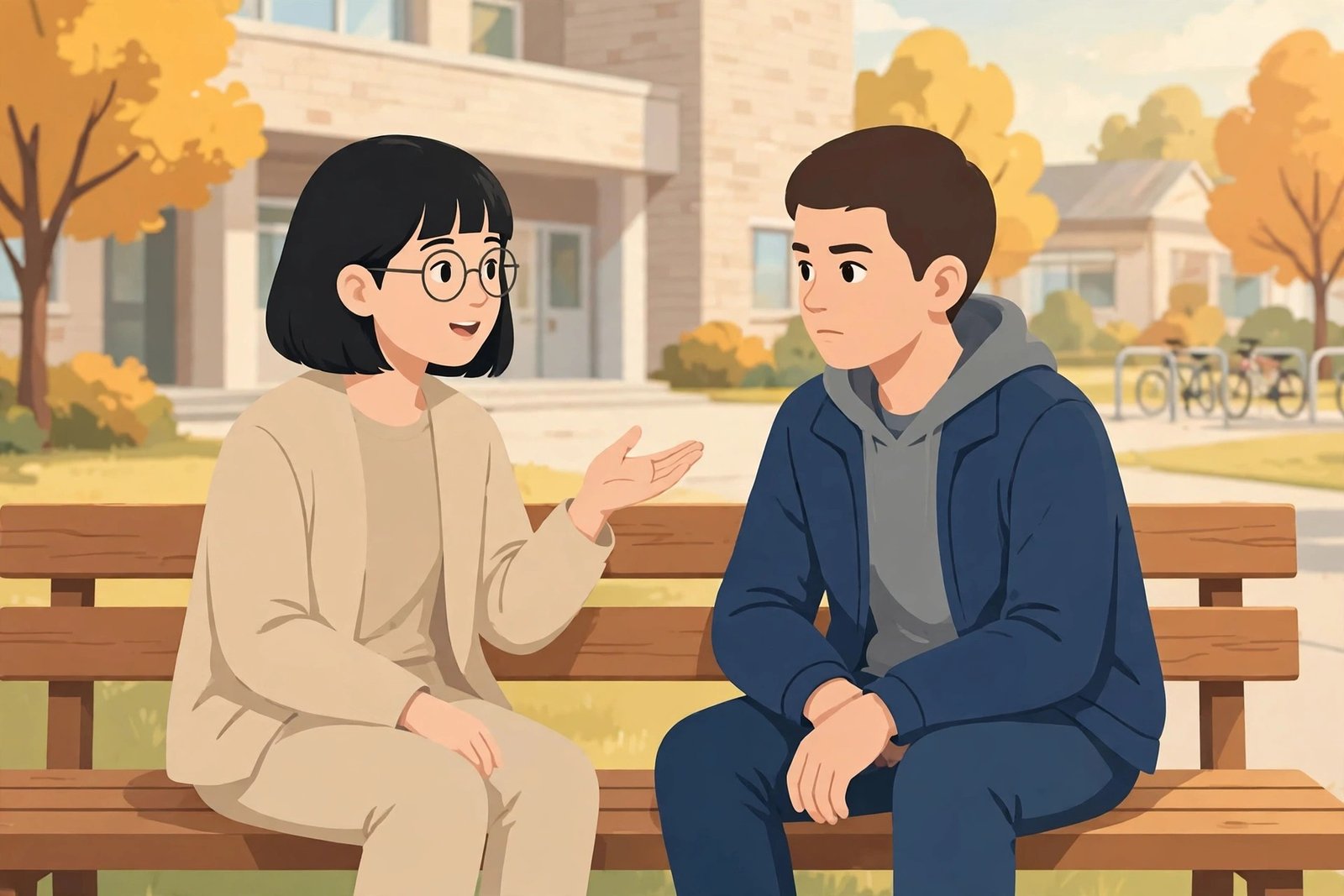
Knowing you can say no is one thing. Having the sentence ready is another. Under pressure, in the moment, brains go blank. So borrow these. They’re calm, they’re kind, and they don’t leave the door open for a debate. Practice one out loud once, so your voice has heard it before.
The simple no: “I love being with you, and I keep my passwords private. That’s true for everyone in my life, not just you.” That last part matters. It makes the rule about you and your values, not about him being accused of something. It is very hard to argue with a rule that applies to everyone.
The trust answer, for when he says it’s about trust: “If we trust each other, we don’t need each other’s passwords. Believing me is the trust part.” Short. Clear. Done. If he says it back twisted, don’t chase the twist. Repeat the same sentence once, calmly, and let the silence sit. Repeating yourself isn’t weak. It’s what firm sounds like.
The delay answer, for when you’re put on the spot and your heart is pounding: “I don’t make decisions about my accounts on the spot. Let me think.” Buying time is allowed. Nobody is owed an instant answer to a request this size. And the honest answer, for a calmer moment later: “When my boyfriend wants all my passwords, it makes me feel watched, not loved. I need my private space to stay mine.” Feelings said plainly, once, are hard to argue with.
What if he answers with hurt? “You must be hiding something.” Try this: “I understand it might feel that way. I’m not hiding a secret life. I’m keeping a private one. Those are different things.” What if he gives you the silent treatment until you fold? Then he has answered your real question. A no that gets punished was never really allowed, and a relationship where your no costs you days of cold silence is showing you its rules early. Listen to what it shows you.
One more shield: never trade passwords as a peace offering after a fight. That’s when this request loves to return, dressed as healing. “Give me your passwords and we’ll be okay again.” Peace bought with your privacy isn’t peace. It’s a payment, and payments get demanded again. When my boyfriend wants all my passwords mid fight, the answer is still no, and the fight still gets solved with words, like every healthy couple solves it.
Already Shared? Take Your Privacy Back Step by Step
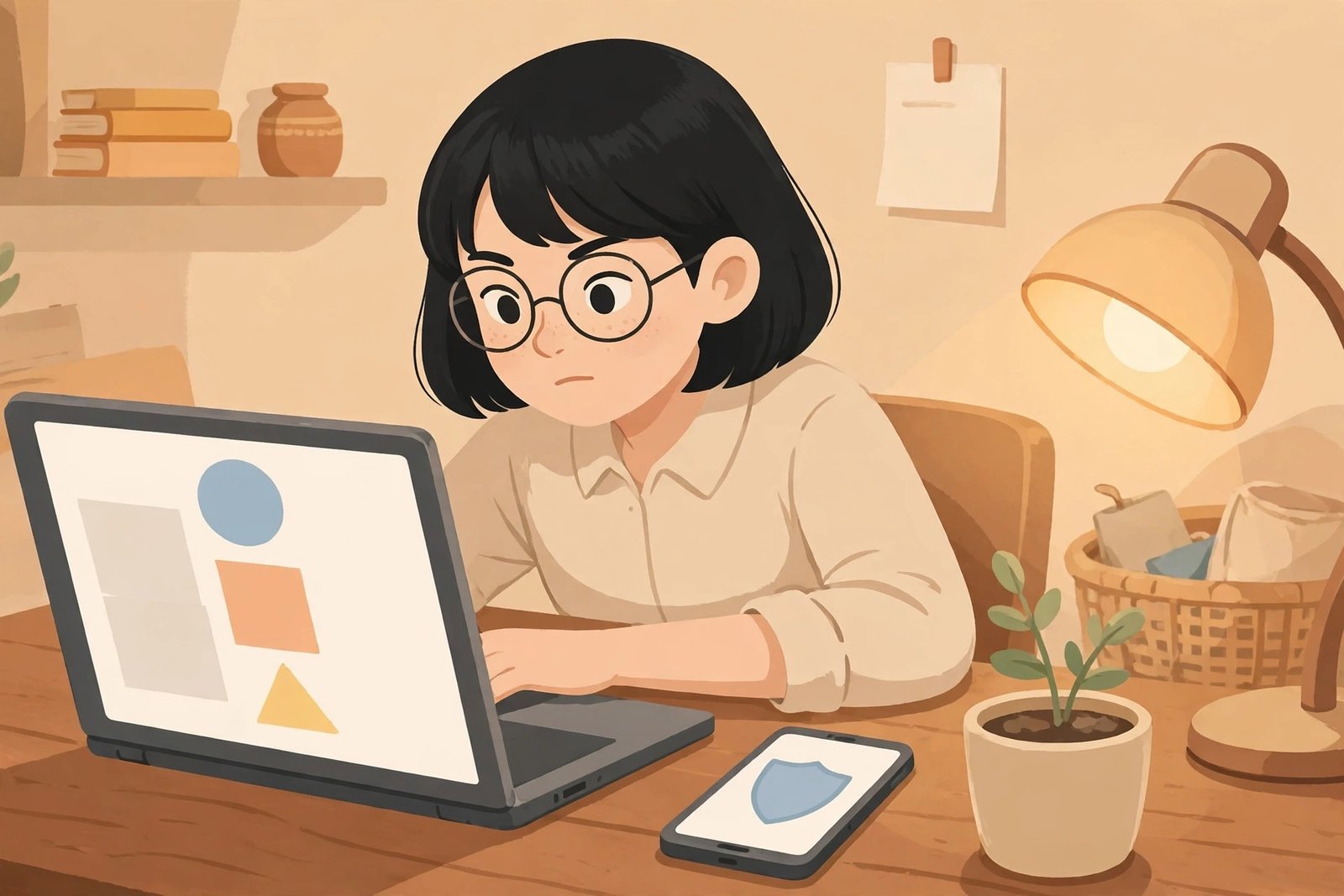
Maybe you’re reading this too late, or so it feels. You already gave him the passwords, weeks ago, because it felt easier than the argument. Hear this first: it is not too late, and you did nothing shameful. You were kind and under pressure. Privacy can be taken back, quietly, in about twenty minutes. Here’s the order.
Step one: change the big passwords first. Email first of all, because email is the master key that resets everything else. Then your main socials, your photos, your messaging apps. Pick passwords he can’t guess. Not his name, not your anniversary, not your pet. A weird little sentence you’ll remember works great.
Step two: turn on two step verification everywhere it exists. This is the lock that saves you even if a password leaks, because a code goes to your phone before anyone can enter. It takes two minutes per app. Do it while you’re in there changing things.
Step three: check who’s logged in. Most apps show you a list of devices and sessions in their settings, under words like security or devices. If you see a phone or a computer you don’t know, log it out. All of them, if you’re not sure. You can always log your own devices back in.
Step four: decide what to tell him. You don’t owe a press conference. If he asks, keep it simple: “I changed my passwords. I keep my accounts private now, like everyone should. It’s not about a secret. It’s about my space.” Some girls change them quietly and say nothing, and that’s allowed too. Your accounts are yours. You never need permission to lock your own door. And if my boyfriend wants all my passwords again after I’ve taken them back, his reaction will tell me the truth about why he wanted them. A good boyfriend shrugs and moves on. A controlling one starts a campaign. Watch, and believe what you see.
And if my boyfriend wants all my passwords back five minutes after I changed them, I won’t treat that as a small thing. The speed of the new demand is data. It tells me the access itself was the point, not closeness, not one worried evening. Girls sometimes change their passwords and then feel guilty watching him notice. Don’t. Noticing is fine. Campaigning is a confession.
One more thing. If he ever used your accounts to read your friends’ messages, tell your closest friend the plain truth, briefly, so she can protect her own words. That’s a hard little talk, and it’s a kind one. Then let it be done. You fixed the door. That’s what matters.
Warning Signs That Control Is Growing
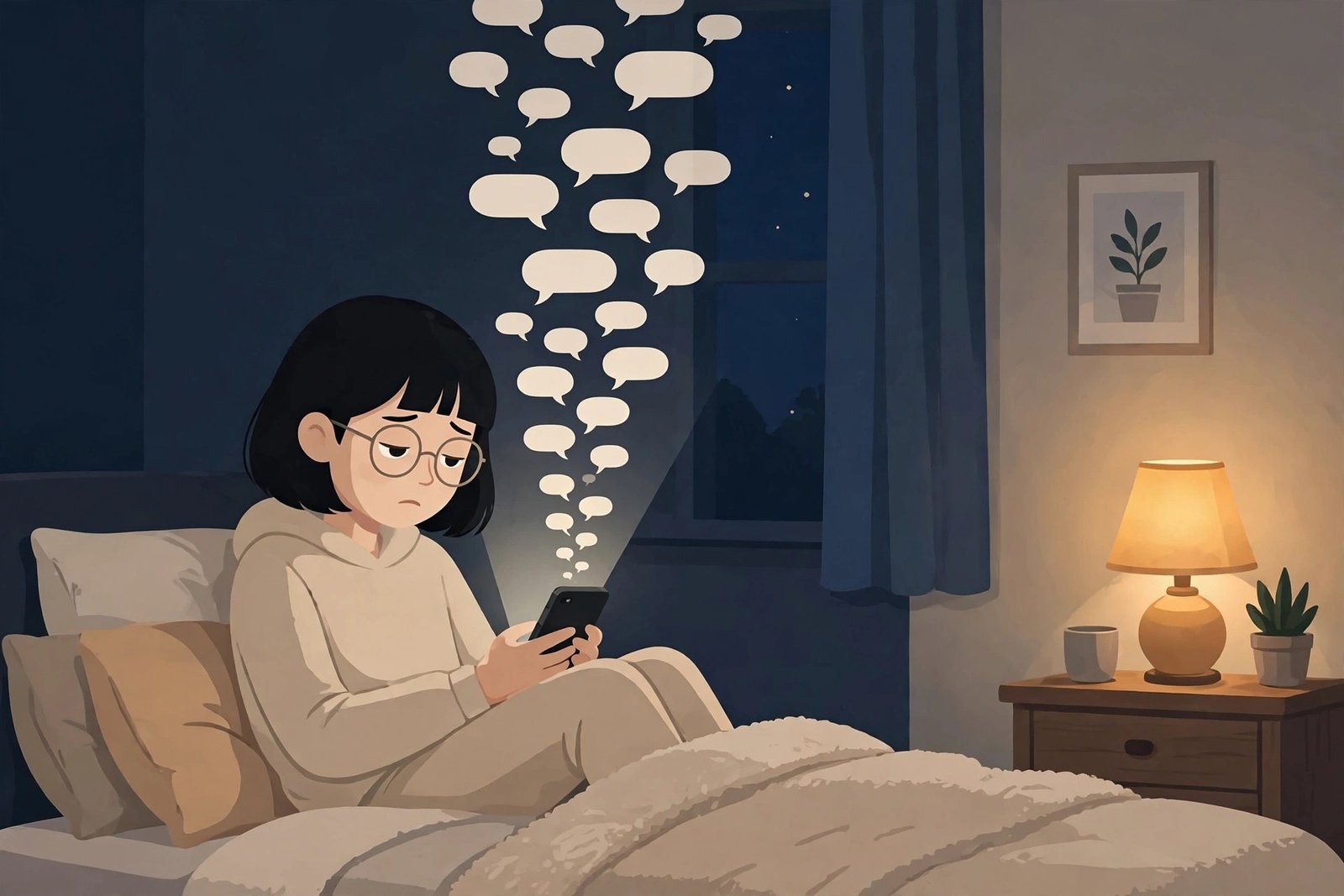
Password demands rarely travel alone. They belong to a family of behaviors, and it’s worth learning the family’s faces while they’re still small. Watch for these.
He needs your location on at all times, and checks it like a job. He expects instant replies, and a slow answer becomes a problem to solve, with anger or a flood of question marks. He comments on your clothes, your friends, your plans, in ways that slowly shrink your world. He gets angry, not just sad, when you refuse something. He turns every no into a trial where you must prove you’re not lying, not cheating, not hiding. He reads over your shoulder. He grabs your phone “as a joke.” He makes you feel guilty for time with your friends, until it’s easier to just stay home.
Notice how many of these signs are dressed as tests. Send me your location to prove you care. Answer now to prove I’m first. Give me the password to prove you’re loyal. Real love doesn’t run tests with grades. It doesn’t keep score in a notebook. When every week brings a new proof to produce, you stop being a girlfriend and start being a student who can fail. That tired, watched feeling girls describe, the one that never fully leaves, is often this: a life of small tests she never signed up for.
Alone, one of these might be a bad day. Together, they draw a map. Planned Parenthood’s guide to the warning signs of an unhealthy teen relationship names this exact pattern: a partner keeping tabs on you and controlling your behavior, and it is clear that the fault sits with the person doing it, never with you. Read that list with honest eyes. If you see your relationship in it, the next move is not another private battle. The next move is telling a trusted adult: a parent, an older sister, a counselor, a coach. Not because you’re in trouble. Because control grows in silence, and telling someone is how silence ends.
And hear this, please. If my boyfriend wants all my passwords today and rages when I say no, I am not watching love. I am watching the early chapters of a story that gets harder to leave. You don’t need to wait for it to get worse before you deserve support. Early is exactly when support works best. Tell someone while the story is still small enough to close in one hand.
Your Private Life Belongs to You
Let’s land here, on the ground under all of it. You are a person, whole and separate, even inside a relationship. Your thoughts, your drafts, your friendships, your 1 a.m. searches, your unsent words: they are yours. A boyfriend is someone you share your life with by choice, piece by piece, the way you share anything precious. He is not someone you hand your life to for inspection.
Keeping your passwords is not a wall against him. It’s a door you own. And when my boyfriend wants all my passwords, he’s asking me to hand over the only key and pretend the door is still mine. It wouldn’t be. Doors belong to whoever can open them.
Couples who last Couples who last, and stay kind, are built from two whole people who keep choosing each other, not from one person dissolving into the other’s pocket. Privacy is part of what keeps respect alive. He respects what he cannot simply take. You stay yourself, and yourself is who he fell for.
So if my boyfriend wants all my passwords, here is your answer, in full. No, said kindly. No, said once. No, with your reasons ready if you want to give them, and no apology tour afterward. Watch what he does with that no. Treasure the boy who shrugs and stays warm. Believe the warning if he punishes, pressures, or campaigns. And remember that you can change your mind about having shared, any day, any time, because the accounts were always yours.
You will not feel brave doing this. You’ll probably feel shaky, and a bit guilty, and strangely light an hour later. That lightness is the feeling of a door closing that should have stayed closed. When my boyfriend wants all my passwords, I get to be the girl who loved someone and kept herself. Both things. At the same time. That girl exists. She’s you, on an ordinary day, saying one calm no and meaning it.
Frequently Asked Questions
Is it really that serious? He just wants to feel close to me.
Closeness and access are different things. Closeness is built from time, honesty, and how you treat each other. Access is a login. A boy can feel close to you for years and never once read your messages. If my boyfriend wants all my passwords to feel close, what he’s asking for is checking, and checking has never made any couple closer. It usually makes one person smaller.
What if I have nothing to hide? Why not just share them?
Because privacy isn’t about hiding. If my boyfriend wants all my passwords, my empty secret life still isn’t an argument for opening it. Your diary isn’t a crime scene. Your chats with your best friend aren’t evidence. You keep some things yours for the same reason you close a door when you change: not guilt, just dignity. Sharing passwords also exposes your friends’ private words without their permission. Nothing to hide is not the same as nothing that’s yours.
We already share passwords. Does that mean our relationship is doomed?
No. It means a door is open that you get to close, kindly, whenever you choose. Change the passwords, turn on two step verification, and keep the talk simple if he asks. Plenty of couples start with shared passwords and grow out of it. What matters is how he responds when you take your privacy back. Respect is a good sign. Pressure is the answer to a different question.
He says couples on social media all share passwords. Is that true?
Some couples post about it, yes, usually as a joke or a flex. Posts are not a census. Offline, most healthy couples keep their accounts their own, and the ones who do share often quietly stop. Never set your privacy by what performs well online. Your accounts hold your friends’ secrets and your whole inner life. That deserves a decision made by you, not by a trend.
What should I do if he gets angry or threatens to leave when I say no?
Take the anger seriously as information. A boy who threatens to leave because you kept your own passwords is telling you the relationship runs on access, not love. Don’t fold just to end the storm. Tell a trusted adult what happened, especially if the anger scares you or the pressure keeps growing. If my boyfriend wants all my passwords and punishes my no, that is control asking to be fed, and you deserve backup, not a solo fight.