
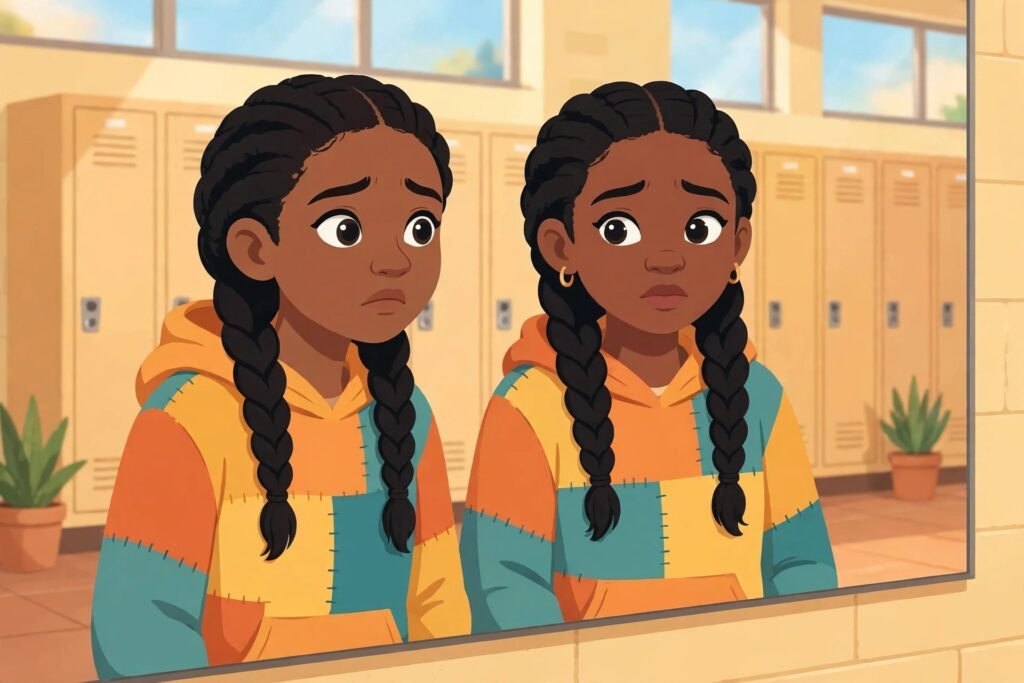
First it was the shoes. You saved for them, you chose them, you wore them on Monday. She had the same pair by Friday. Then it was your hairstyle. Then your bag. Then your favorite phrase, the one your whole class knows as yours, coming out of her mouth. Then your hobby. Then your crush playlist. One by one, the things that felt like you started showing up on your best friend.
You tried to laugh it off. Twins, people said. Cute. But it doesn’t feel cute anymore. It feels like someone is slowly erasing the line between you and her, and the sentence that runs your whole day is plain: my best friend copies me all the time. You feel annoyed. Then you feel guilty for being annoyed, because she’s your best friend and she hasn’t actually done anything cruel. Then you feel annoyed again. It’s a tiring loop.
If that loop sounds familiar, take a breath. You aren’t a bad friend for hating this, and she’s probably not a villain either. Being copied sits in a strange spot: flattering on day one, maddening by month three. When a girl says my best friend copies me all the time, she’s usually not asking for a war. She’s asking how to keep her friendship and her own identity at the same time.
That’s exactly what this guide does. We’ll name what’s happening, look at why it bothers you so much, and dig into why best friends copy in the first place. We’ll sort out what not to do, because the wrong move can crack a good friendship. Then we’ll build the talk itself, with real words you can borrow, so you can say “this bothers me” in a way she can actually hear. Because my best friend copies me all the time doesn’t have to end in a fight. Said well, it can end in a friendship with room for two whole people.
The Short Answer
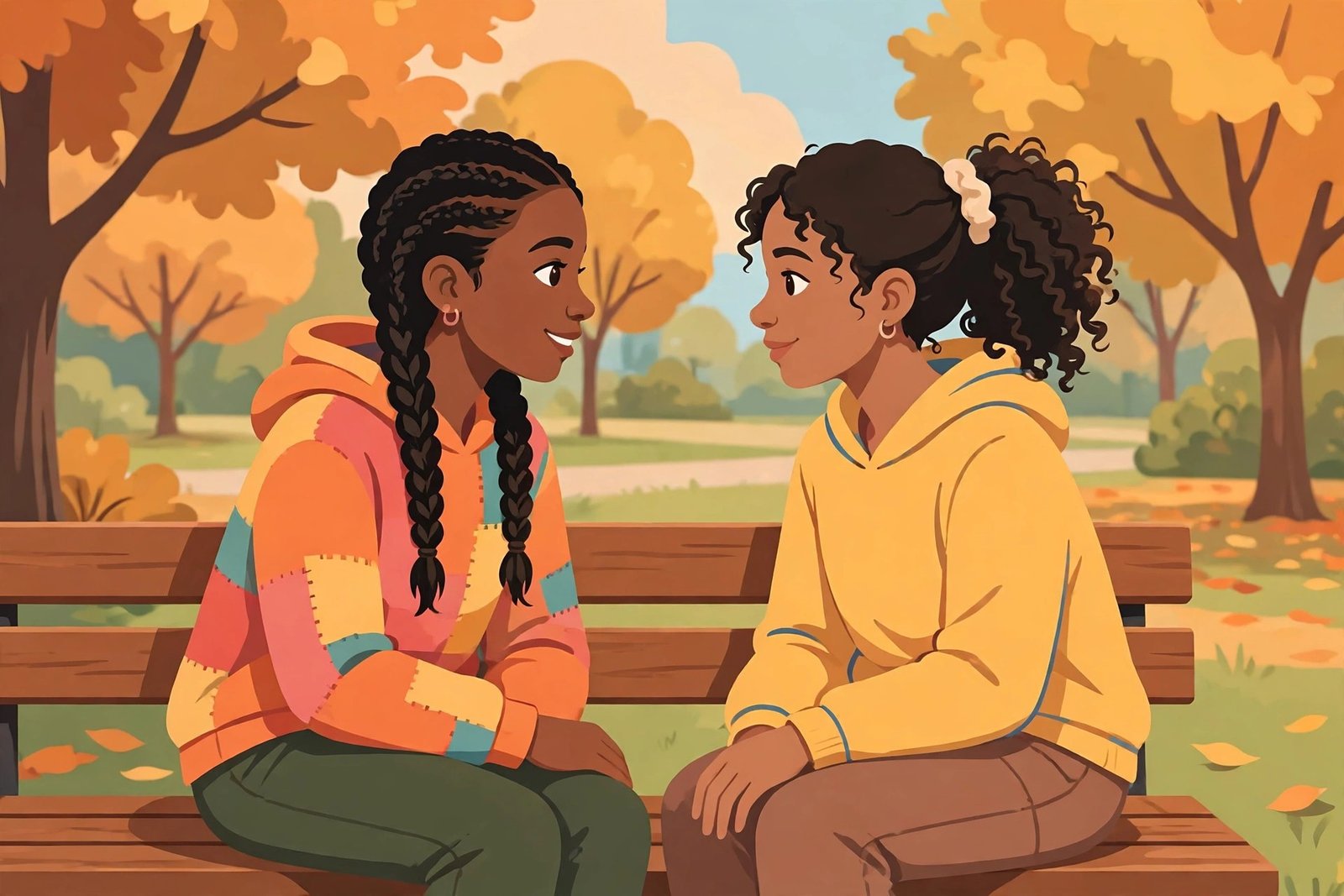
Here’s the short version. Copying between best friends is common, and it’s rarely an attack. Most of the time it means she admires you, feels unsure of her own style, or doesn’t even notice she’s doing it. But common doesn’t mean you’ve to swallow it. If it bothers you, you get to say so, kindly, clearly, and early.
The talk works best in three moves: name one or two clear examples, say how they make you feel, and ask for one doable change. Not “stop being me.” More like “can the shoes thing be mine?” If my best friend copies me all the time is your daily sentence, don’t let it grow into silent resentment. Resentment is what ends friendships. A small, honest, well timed talk is what saves them. And if my best friend copies me all the time still feels too scary to say out loud, keep reading. We’ll practice it together, line by line.
It Started Small: The Signs She Copies Everything
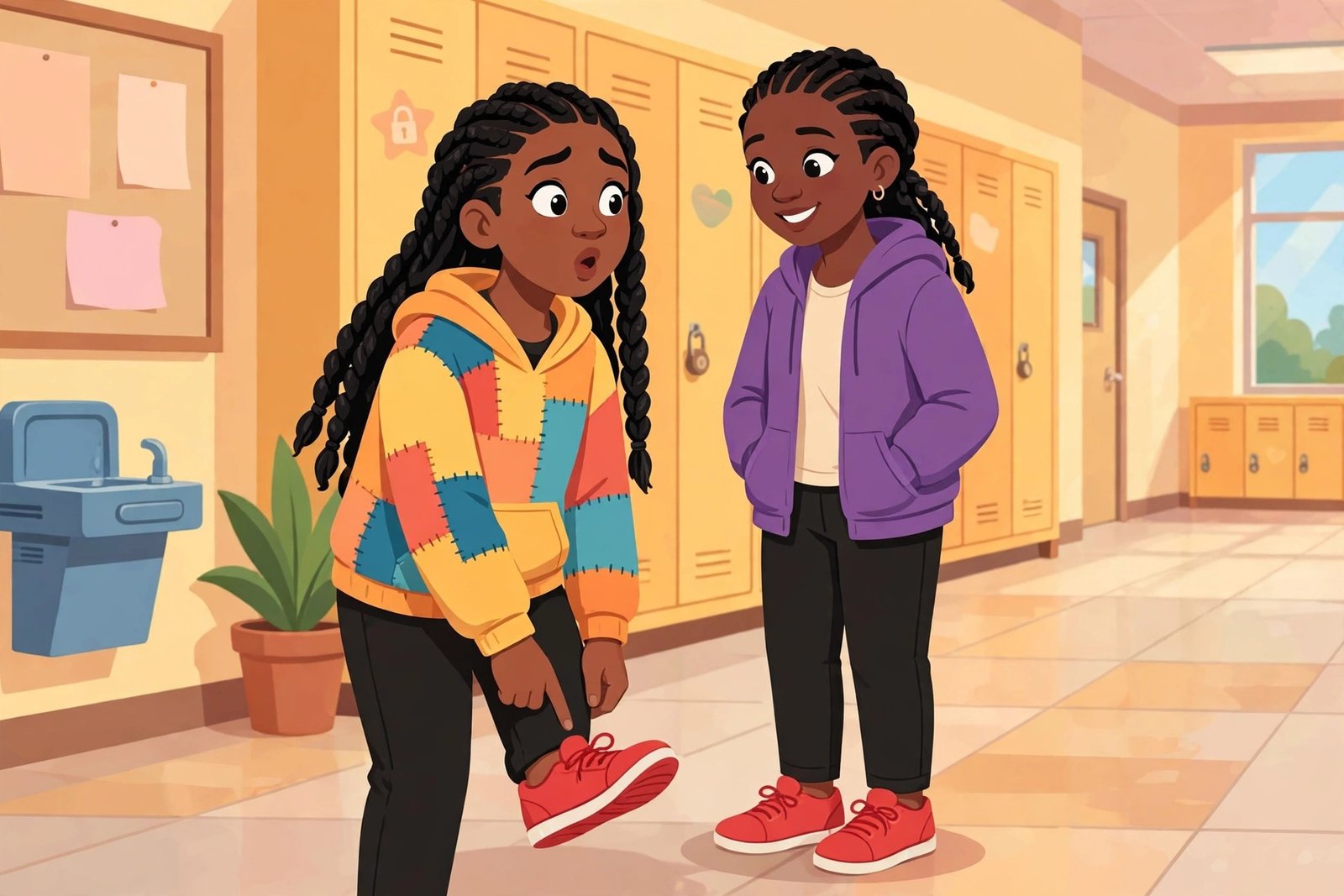
Almost every copying story starts the same way: small, and almost sweet. She borrows your style for a party. She uses your phrase once, and the class laughs. You feel a little proud. Being copied, at first, reads as a compliment. Someone likes your taste enough to wear it.
Then the pattern grows. It’s your jacket, bought the week after yours. Your hairstyle, changed the day after your appointment. Your opinions, repeated back to you in group debates, word for word, as hers. Your new hobby, announced by her as her passion, days after you started. Your profile photo style. Your emoji. Your laugh, if you want to be fully honest. When a girl finally says my best friend copies me all the time, she’s rarely talking about one shoe. She’s talking about a pattern that ate everything.
It helps to sort the pattern into facts, because facts are what you’ll need later, for the talk. Write down, just for you, the clear examples from the last month. Not feelings. Facts. The shoes on these dates. The phrase, copied in front of these people. The hobby, started this week. Facts keep you calm. They also keep you fair: many girls discover, listing facts, that the copying is real but smaller than the feeling, or focused on one area, like clothes only.
Also notice what she doesn’t copy. Your grades, maybe. Your family jokes. The book you love that she found boring. The pattern has edges, and edges matter. A friend who copies your style is in a different place from a friend who copies your whole life. Most stories like my best friend copies me all the time live in the style and taste zone, with a few phrases on top. That’s the most common version, and the most fixable.
One more sign tells you it’s time to act: you’ve started hiding things from her. You don’t show her the new thing you bought. You keep your new interest secret so it stays yours. Hiding is the friendship paying a price for your silence. When hiding starts, the talk is no longer optional. A girl hiding her new shoes while thinking my best friend copies me all the time is a girl whose friendship is quietly shrinking. Time to open your mouth instead, which we’ll get to. First, let’s understand your side of this, because your feelings aren’t as simple as they look.
Why It Bothers You More Than You Expected
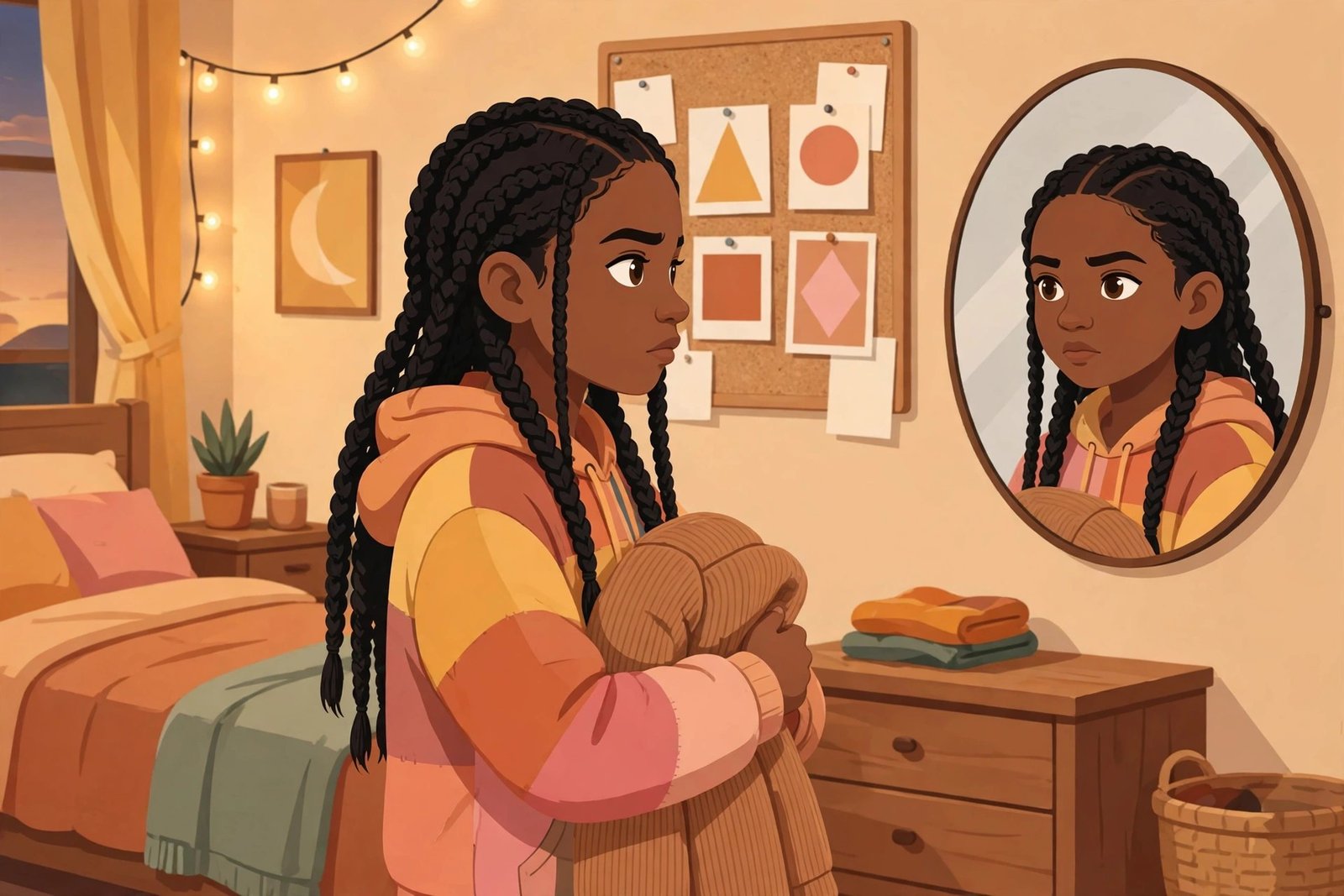
If copying were only about shoes, it wouldn’t keep you up at night. It bothers you at a deeper level, and the level has a name: identity. Your teens are the years when you build the answer to “who am I?” Your style, your phrases, your tastes, your weird little interests: those aren’t decorations. They’re the first draft of you. When someone copies the draft line by line, it can feel like she’s wearing your answer, and there’s less of it left for you.
That’s why the feeling is so hot. You aren’t only annoyed at a jacket. You’re scared of becoming blurry. When you two match, people treat you as a pair, not as two people. Teachers mix your names. Friends say “you two” instead of your name. And inside, a quiet panic asks: if she takes everything that makes me me, what’s left that’s mine? A girl who thinks my best friend copies me all the time is often really thinking: I’m disappearing a little, and nobody sees it.
Then comes the guilt, right on time. She’s your best friend. She has been there for you. She would cry if she knew how angry you’re. So you swallow it, and the swallowed anger ferments. It leaks out as short answers. As eye rolls. As picking fights about nothing. The friendship starts cracking from your side, silently, while she has no idea what the crime was. That’s the real danger in this story. Not the copying. The silence about the copying.
Compare it with the other direction of this pain, which we covered in our guide on how to tell if your best friend is jealous of you. There, the question is whether her heart turned against your happiness. Here, it’s almost the opposite: her heart may be turned toward you too much, in mirror mode. Knowing the difference matters, because the talks are different. You aren’t accusing her of hate. You’re asking her for space to be two people.
So if my best friend copies me all the time and it hurts more than you can explain at the lunch table, believe yourself. The size of the feeling matches the size of what’s at stake: your first sense of being someone specific. That feeling deserves a voice, not a swallow. But before you give it a voice, let’s look at her side of the mirror, because it’ll change how you talk.
Why Best Friends Copy: It Is Rarely Mean
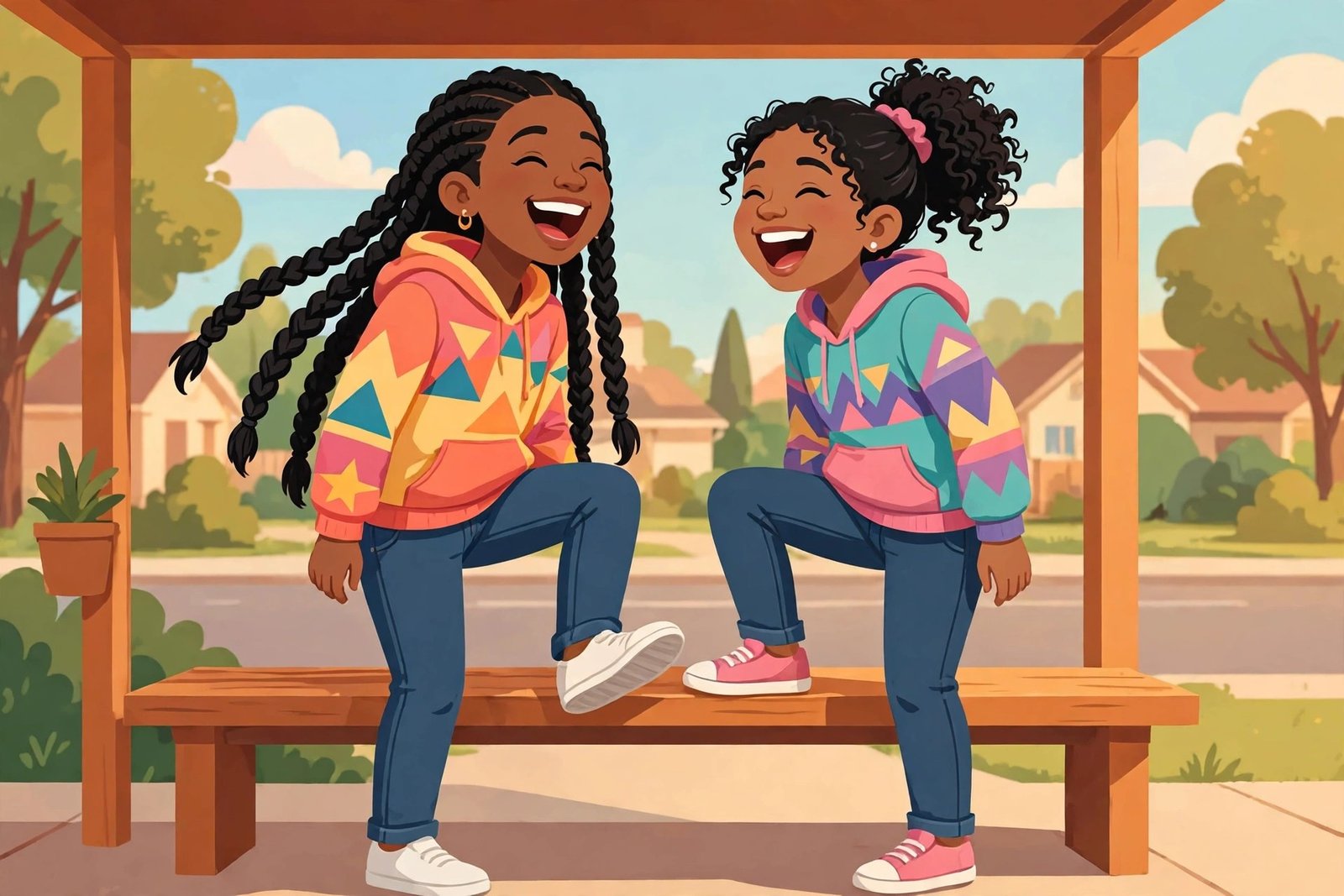
Now her side. Why does a best friend copy? Start with the simplest truth: humans copy the people they like. It’s built into us. A Psychology Today piece on why we copy each other explains that we imitate the people around us without thinking, and that this copying actually builds closeness and trust between people. Babies do it. Adults do it in meetings and on dates. And teenage best friends, who spend half their lives side by side, do it at full power.
Under that built in habit, there are usually one or two personal reasons. The most common is admiration. You’ve a taste she trusts more than her own. Your style looks, to her, like the finished version of the girl she wants to be. Copying you feels, from her side, like learning. It’s clumsy flattery. Annoying flattery, yes. But flattery.
The second reason is insecurity. Building your own taste takes courage: you’ve to choose, and risk the group hating it. If she isn’t there yet, borrowing your choices feels safe. Your shoes already passed the test of the hallway. Why risk her own pick? When a girl says my best friend copies me all the time, she’s often describing a friend who hasn’t yet built trust in her own taste, and leans on yours like a wall.
The third reason is closeness itself. Matching can be her love language. Twins outfits, same phrases, same everything: for some girls, that’s what best friendship looks like. She may honestly think the copying is the friendship. If nobody ever told her it can feel like too much, she may have no idea a line exists. A girl thinking my best friend copies me all the time is furious at a crime her friend may not even know she’s committing.
The rare mean version exists, and it looks different: copying to outshine you, then denying it with a smirk; copying a thing and claiming she had it first; copying paired with put downs. If your story has those flavors, it isn’t this guide’s gentle talk you need first. But check the facts fairly. In most stories where my best friend copies me all the time, the engine is admiration plus insecurity, not malice. And that’s good news: you don’t talk to admiration the way you talk to an enemy. You talk to it like a friend who needs a small, clear boundary.
What Not to Do: Jokes, Tests, and Cold Silence
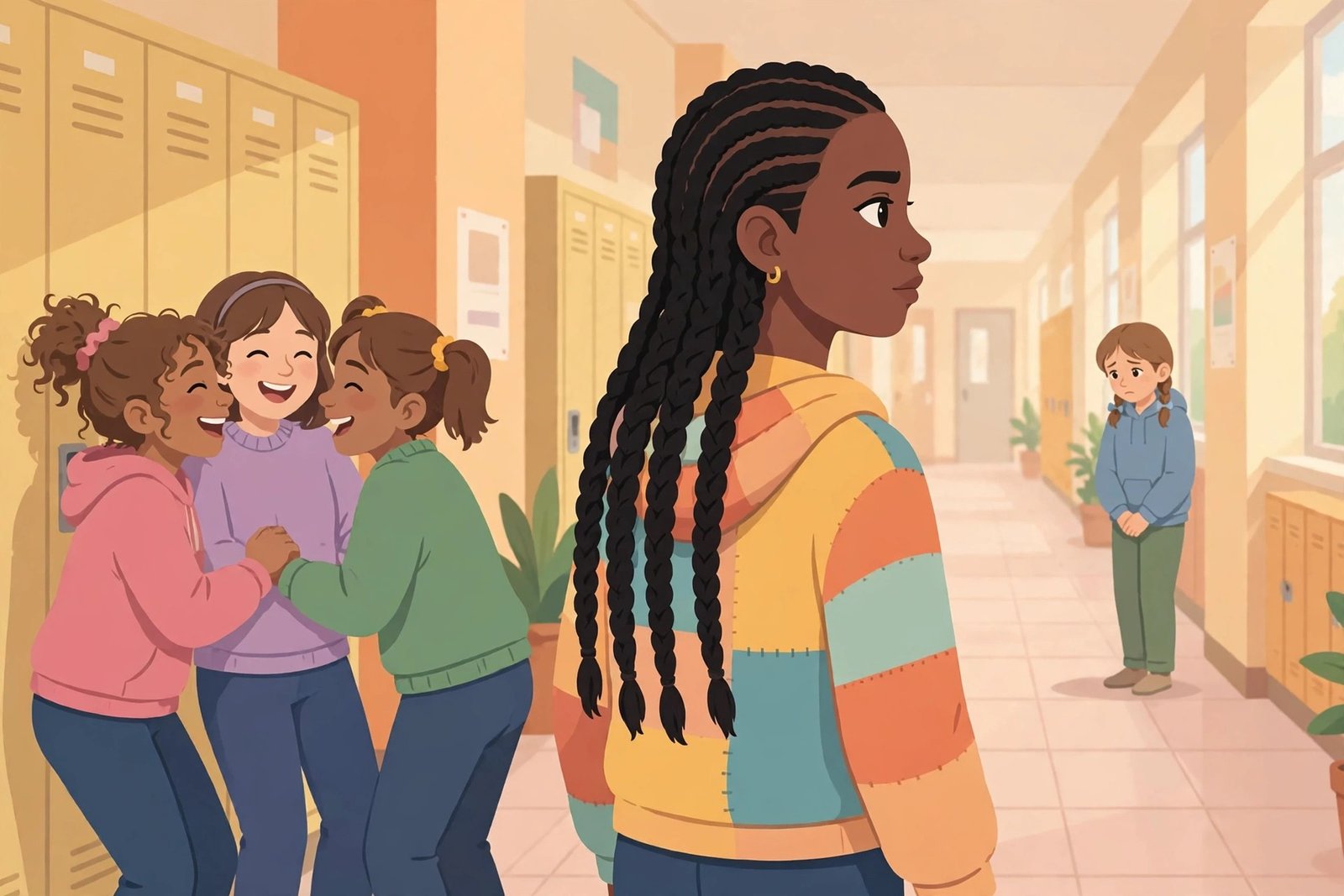
Before the talk, let’s clear the field of the moves that feel good for one day and wreck things for a month. First: the public joke. “Nice shoes. Where have I seen those before?” said in front of the group. It gets a laugh. It also humiliates her, and humiliated friends don’t hear you. They defend, deny, or strike back. If you want change, never open with an audience.
Second: the trap test. Some girls invent a fake interest (“I’m so into this band now”) to see if she copies it, then use the copy as proof in a fight. Tests are poison. If she passes the test by copying, you’ve proof and a worse friendship. If she fails it, you’ve lied to your best friend for nothing. A girl who traps while thinking my best friend copies me all the time is building a courtroom, not a conversation. Courts produce verdicts. Conversations produce change.
Third: revenge copying. Wearing her thing, stealing her phrase, to “show her how it feels.” It shows her nothing. It just doubles the pattern and adds cruelty. Fourth: recruiting the group. Telling every friend how annoying she’s, before she has heard one word from you, is unfair in a way she’ll remember long after the shoes are forgotten.
Fifth, and worst: the long cold silence, followed by an explosion. You swallow it for months. Then one tiny copy, a pen, a hair clip, triggers a storm she never saw coming. From her side, the friendship ended over a hair clip. From your side, it ended over a hundred things she never heard about. That gap is why early and small beats late and huge. If my best friend copies me all the time, the time to speak is while it’s still a shoes problem. Not after it has become an everything problem. Next, we prepare the talk like it matters, because it does.
Before the Talk: Know What You Want to Ask For
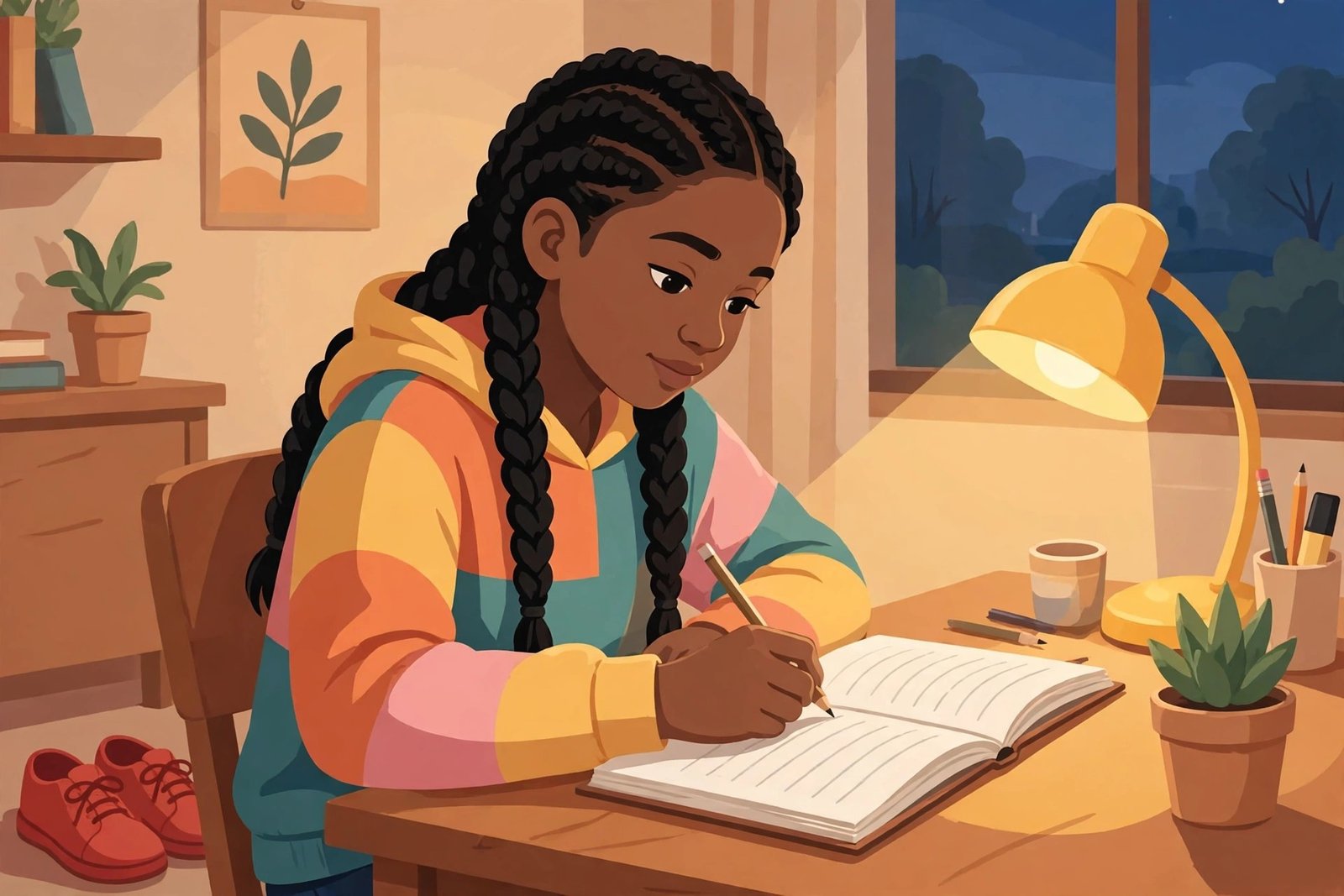
A good talk starts before anyone opens her mouth. The mistake most girls make is going in with a feeling instead of a request. “Stop copying me” is a feeling wearing a costume. It asks for everything and nothing, and she can’t act on it. So sit with yourself first and answer three questions honestly.
First: what exactly do you want back? Not everything. Pick the one or two things that feel like your signature. The shoes? The hairstyle? The phrase your class knows as yours? A girl who thinks my best friend copies me all the time often finds, when she gets specific, that she doesn’t mind 80 percent of it. The matching hoodies are fun. The copied hobby is fine. It’s two or three things that carry her name, and those are the ones worth a talk.
Second: what’s fine to share? Naming this matters as much as the ask. It turns your talk from “stop being me” into “these two things are mine, the rest is ours.” That’s a request a friend can say yes to without feeling rejected as a person. It also proves, to her and to you, that you aren’t trying to end the closeness. You’re editing it.
Third: what’s your goal, in one line? Say it in your head before you start: “I want us close, with room for me to be me.” If the talk heats up, that line is your steering wheel. Every word that serves it, keep. Every word that only serves your anger, drop. When my best friend copies me all the time is the problem, closeness with room is the solution, and it’s worth saying exactly that to her.
Finally, choose the setting like you mean it. Private. Calm. Not before school in a rush, not at a party, not by text at midnight. A walk, her room, a quiet corner after lunch. And go in expecting feelings: she may cry, get defensive, or go silent. Feelings aren’t failure. They’re the sound of a friend realizing something. Your job is to stay kind and stay clear, in that order, until the end.
The Talk Itself: Words You Can Borrow
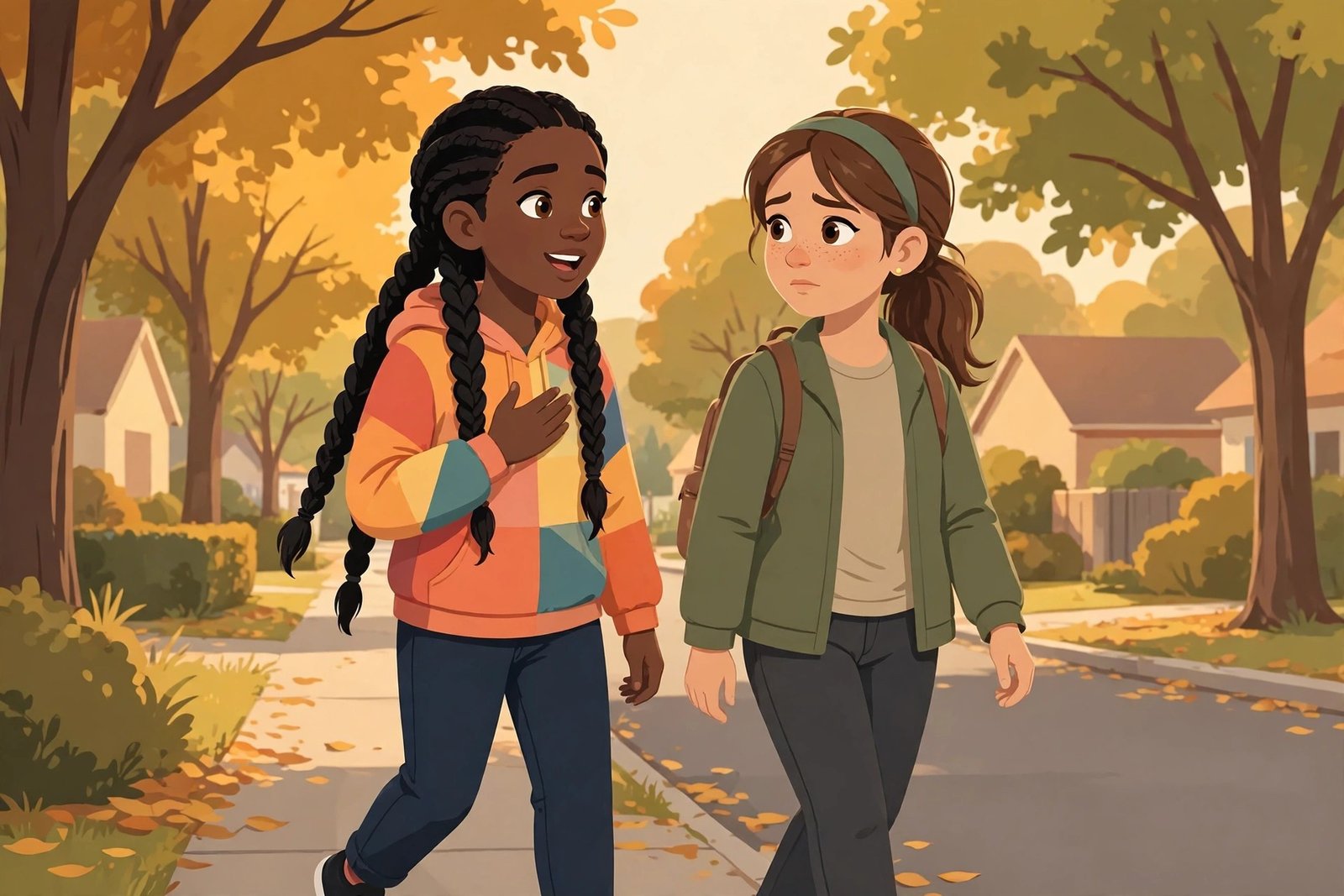
Here’s the talk, in a shape that works. Steal the sentences word for word if you need to. Borrowed words are better than perfect words you never say.
Open with the truth about the friendship, first, before any problem. “You’re my best friend. This isn’t me ending anything. It’s me fixing something small before it gets big.” Starting with the friendship isn’t decoration. It tells her heart which room this conversation lives in: the repair room, not the courtroom.
Then name one example, not ten. One clear, recent, undeniable example. “Last week I bought the red shoes after saving for a month. This week you got the same ones. When that happens, I feel like my thing stops being mine.” Fact, then feeling. No “you always,” no “you never.” When a girl says my best friend copies me all the time inside a talk, the word “always” starts fights. The single example starts understanding.
Then the ask, small and doable. “Can the shoes be my thing? And if you love something of mine, can you ask me first? Sometimes I’ll say yes. I just want to be asked.” Hear how different that’s from “stop copying me.” It gives her a behavior, not a verdict. Behaviors can change by Friday. Verdicts just echo.
Then invite her side, and really listen. She may say she didn’t notice. She may say she just loves your taste. She may cry and tell you she feels lost in her own style, which is the insecurity we talked about, finally said out loud. That moment is gold. A girl who admits that’s a girl you can build with: you can shop together and help her find her version, instead of her borrowing yours. If my best friend copies me all the time, this honest minute is where it starts to end.
If she denies it hotly, don’t raise your voice or read your list. Stay on the one example. “I’m not trying to fight. I saw the shoes. It bothered me. I’m asking for one small thing.” Then give her time. Many girls deny at 4 p.m. and quietly change by next week, once the words sink in. The goal of the talk isn’t winning the hour. It’s planting the truth, kindly, where it can grow. And you close like you opened: “You’re my person. I just need a couple of things that are mine. Us isn’t in danger.” That’s how you say my best friend copies me all the time without losing the best friend in the sentence.
After the Talk: Twins by Choice, Not by Force
So you said it. What now? First, expect slow change, not a magic overnight switch. Copying is a habit, and habits fade in weeks, not hours. She may slip. She may buy the similar bag once more, catch herself, and look at you with a guilty face. That look is progress. Acknowledge the effort when you see it: “Thank you for asking this time.” Change that gets noticed gets repeated. Progress you name out loud tends to stick around.
Second, keep the twin stuff you actually like. This is the part girls forget: some matching is joy. The friendship bracelets. The planned matching outfits for the school trip. The phrase you both say now. Twins by choice is a delight. Twins by force was the problem. After the talk, say yes loudly to the shared things you enjoy, so she learns the map: shared by choice, yes; signature things, mine; everything else, ask. Clear maps keep friendships out of guessing games. And guessing games are where resentment grows best, so a map drawn together beats a hundred silent tests neither of you agreed to play.
Third, help her build her own taste, if she wants help. This is the kindest plot twist available: the girl who copied you because she trusted your eye can learn to trust her own, with you as coach instead of source. Shop together and hype her own picks, especially the ones that are nothing like yours. Compliment her when she chooses boldly. A girl whose friend cheers her own style needs to borrow less of yours. If my best friend copies me all the time came from insecurity, this is how the insecurity heals, and you get to be the friend who helped.
Keep one eye on fairness, too, because roles flip in friendships. One day you may catch yourself wanting what she has: her confidence, her look, her ease. We wrote a guide for that side of the mirror, on how to stop being jealous of your best friend’s looks. Read it before you ever need it. Remembering how copying felt from this side will make you gentle from that one.
And if, after a real talk and real time, the copying keeps rolling over your clear ask? Then the facts have changed, and you may need a second, firmer talk, or some distance around new things: buy first, share later, keep a few plans private. That isn’t cruelty. It’s a boundary with a door still open. But most stories don’t end there. Most end with two girls, close as ever, dressed a little differently, each recognizably herself. The sentence my best friend copies me all the time fades. What replaces it’s better: my best friend knows me, and lets me be me.
Frequently Asked Questions
Is it wrong to feel annoyed when my best friend copies me?
No. Your style and your tastes are part of your identity, and you’re allowed to protect them. Feeling annoyed doesn’t make you jealous, mean, or a bad friend. It makes you a person noticing a boundary being crossed, again and again. What matters is what you do with the feeling. Swallowing it until you explode is unfair to both of you. Saying it kindly and early is what good friends do.
What if she denies copying when I bring it up?
Stay calm and stay on your one clear example. Don’t argue about her intentions or read a long list of proof. Just repeat the fact and the ask: “I saw the shoes, it bothered me, I’m asking for this one thing to be mine.” Then let it sit. Many girls deny in the moment because they feel caught, and then quietly change in the following weeks. Judge the talk by her behavior next month, not by her face that day.
How many examples should I give her in the talk?
One or two, maximum. Choose the clearest and most recent ones. A long list feels like an attack, and she’ll spend the talk defending herself instead of hearing you. One strong example proves the pattern without turning you into a prosecutor. If she truly doesn’t see it and asks for more, you can add one more, calmly. The goal is a door opening, not a case being won.
What if she keeps copying me after we talked?
Give it a few weeks first, because habits fade slowly and slips aren’t disrespect. Praise the change you do see. If, after real time, she ignores your clear ask completely, have a second, firmer talk and say the quiet part: this is starting to hurt our friendship. You can also protect a few things by sharing them later. Boundaries with an open door are fair. What isn’t fair, to you, is forever silence.
Can our friendship go back to normal after this talk?
Yes, and it can come back better than normal. Most best friends, once they hear the truth kindly, adjust faster than you fear. The awkward part usually lasts days, not months. Then something good happens: the friendship has proof it can survive an honest talk, and that proof makes you both braver and closer. The girl who once only thought my best friend copies me all the time becomes the girl who can say anything to her best friend, and be heard.