
Somewhere around your mid-twenties, a strange little question starts visiting at odd moments. You’re filling in an emergency contact form and pause. Someone asks who your best friend is, the way people used to ask at school, and you realize you don’t have a clean answer anymore. Not because you have no friends. Because no single person holds the whole title now.
Maybe your childhood best friend lives in another city and you talk monthly, warmly, but monthly. Maybe the school best friend drifted during the university years. Maybe there are four women you’d call at different hours for different disasters, and ranking them feels wrong. Whatever your version, the discovery stings a little: you no longer have a best friend, in the singular, capital-letter sense.
If you no longer have a best friend, this guide is your reassurance and your map. Because to no longer have a best friend at 26 or 27 is one of the most common and least discussed transitions of adult life, and it is not a failure of friendship. It’s a change of architecture. The single pillar becomes a circle. And circles, it turns out, hold weight very well. Let’s look at where the title came from, what replaced it, and why the new shape is not a downgrade, even on the days it quietly aches.
Here’s a small experiment that might settle your stomach. Text three friends right now with something small and real: a photo, a memory, a question you actually want answered. Then watch what comes back over the next day. Women who no longer have a best friend often discover, mid-experiment, that they’re surrounded by more live connection than the missing title made them believe. The replies won’t arrive from one throne. They’ll arrive from a circle, in different voices, at different hours, and that turns out to be its own kind of richness.
The Short Answer
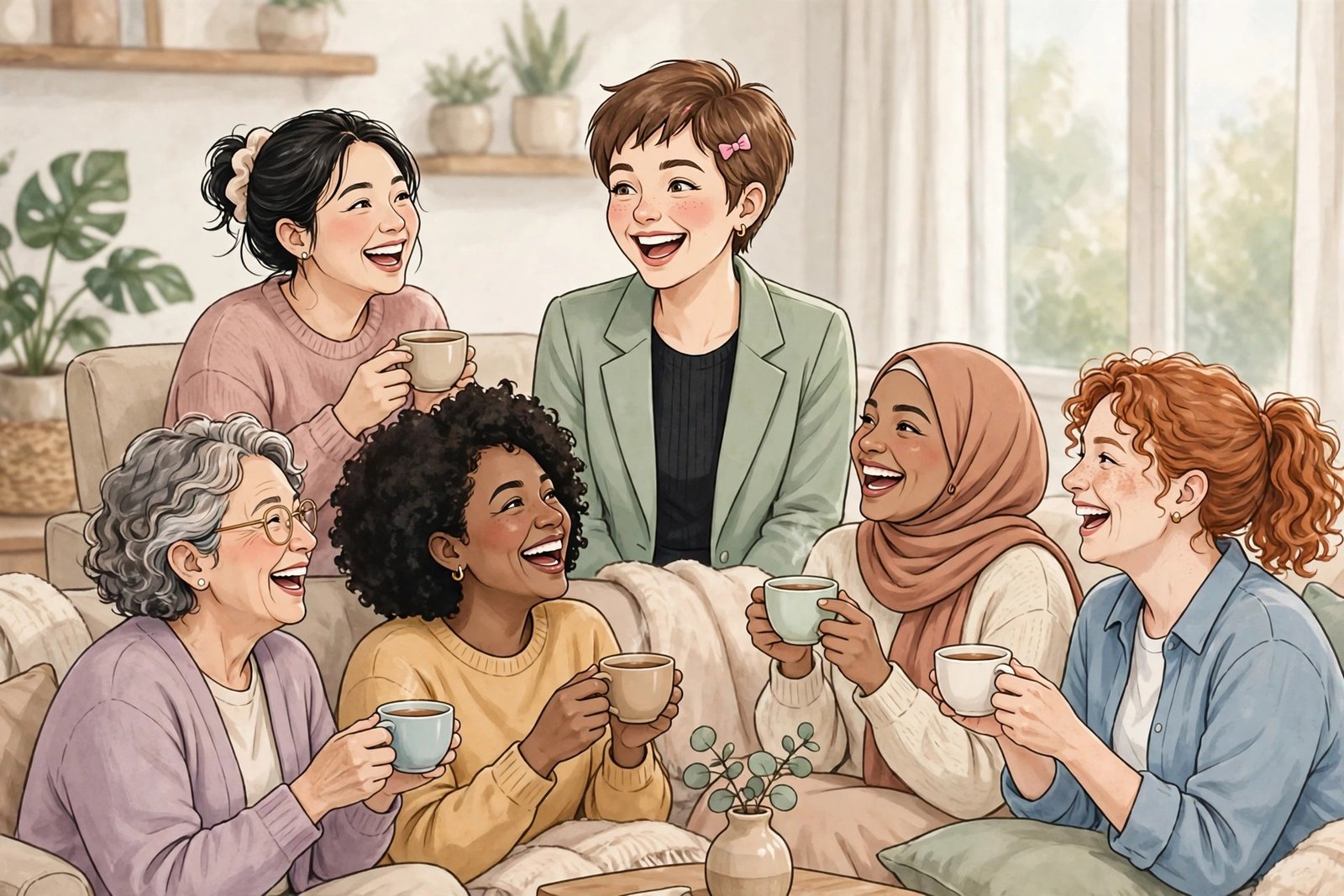
The short answer is no, it is not bad, and it is not even unusual. Adult life spreads friendship across several people on purpose: different friends for work, grief, laughter, and 2 am honesty. When you no longer have a best friend, you usually haven’t lost friendship. You’ve outgrown the single-person format that school made possible.
Psychology Today makes this point directly in Why Friendships Are Not Optional. The very first myth it takes apart is the idea that you need a best friend to get the benefits of friendship. You don’t. What matters is real connection and quality time, not one person carrying an official title. The article even borrows Esther Perel’s line that it used to take a village to raise a child, and now it takes a village to raise an adult. Villages, not single pillars. So if you no longer have a best friend, you are not behind. You are describing most adults.
What does deserve attention is the feeling, not the fact. A little grief for the old shape is normal and allowed. Loneliness that stays heavy for months deserves care and action. But the missing title itself? That is paperwork from childhood. The love underneath it is what counts, and the sections below show how that love actually organizes itself in adult life, so you can stop grading your friendships with a school ruler.
Where the Best Friend Title Comes From
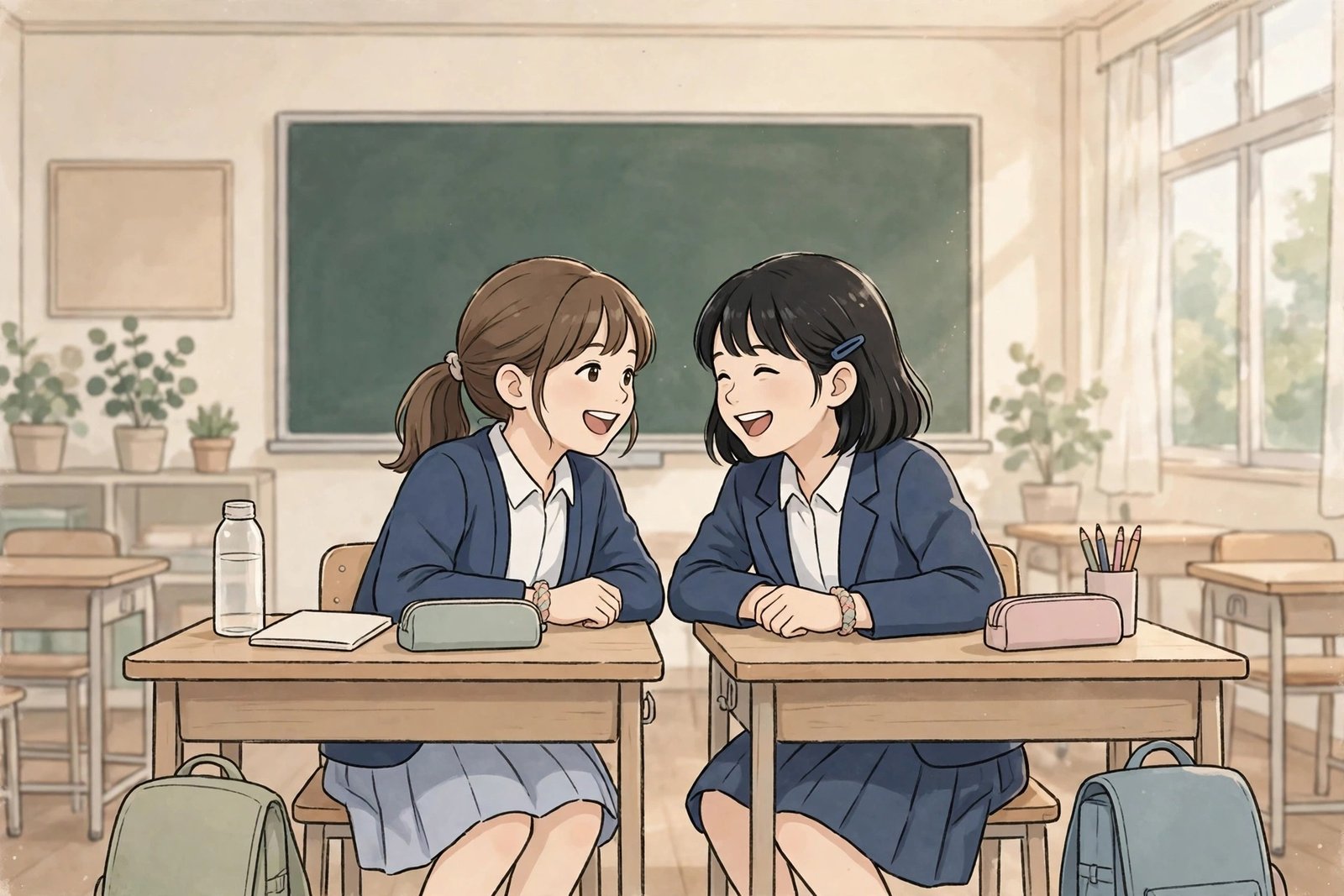
The best friend title is a school invention, and school made it almost inevitable. You spent six hours a day with the same twenty people. One person rose to the top of that small world and stayed there, because the world was small and your schedules were identical. The title fit the structure. Two desks apart, every day, for years: of course there was a number one.
Adult life removes every condition that made the title natural. Your friends now live in different neighborhoods, industries, time zones of energy. Your days no longer sync. Nobody spends six hours a day with you except colleagues, and even they rotate. Expecting one person to remain your everything, under those conditions, is like expecting one restaurant to feed you every meal forever because it was your favorite at fourteen.
There’s also a quieter source of the ache: ranking used to be how belonging was proven. At school, having a best friend was a public status, announced with matching bracelets and saved seats. To no longer have a best friend can feel, to the schoolgirl still living somewhere in you, like being unpicked. Like everyone else got chosen and you got distributed. That feeling is real, but its logic is twelve years old. Adults don’t get picked. They get woven in, thread by thread, into each other’s actual lives.
Worth naming too: some of us never stopped being the second choice, and the title’s absence reopens that old bruise. If you grew up always feeling like the second best friend, the grown-up version of the question can land in the same sore place. But look carefully. The adult circle isn’t a ranking with you at number two. It’s a web with no ranking at all. The bruise is old. The structure is new. Don’t judge the new structure with the old pain.
One more school habit deserves retiring: the announcement. At fourteen, best friendship was declared, sealed, and defended like a border. Adults almost never declare anything, which can make every bond feel unofficial and therefore fragile. But read the evidence differently. The friendships that survive your twenties are not the declared ones. They’re the ones that keep quietly functioning: the call returned, the plan kept, the hard week shared. Function beats declaration at this age. The women who no longer have a best friend but keep their people close have simply traded the announcement for the evidence.
What an Adult Friendship Circle Actually Looks Like
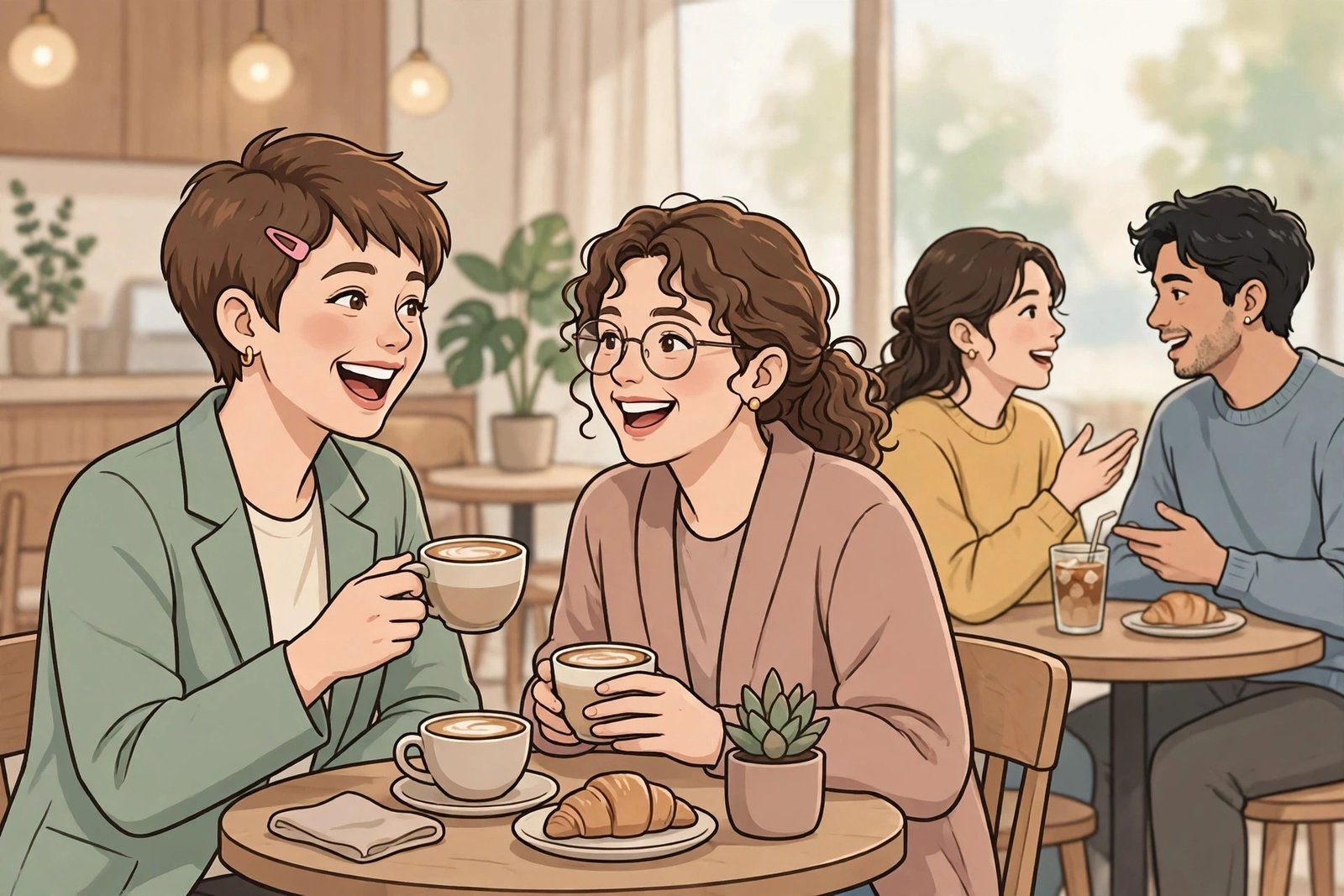
Let’s describe a healthy adult circle without a best friend at the center, because it probably looks a lot like your life already. There’s the friend from work who understands your job in a way nobody else can, and who gets a very specific kind of rant. There’s the old friend from school who knows your family history and needs no context for anything. There’s the fun friend, the one whose name means the plan is good. There’s the steady friend, the one you’d call from a hospital corridor.
None of them is the best friend. Each of them is the best at something. Your emotional life is distributed across specialists, the way a healthy body uses different muscles. And here’s the part that matters: the total support in that circle is usually greater than what one person used to carry, because no single friend is being asked to be everything, everywhere, at all hours.
Circles have another advantage nobody mentions: they don’t collapse. When one friendship in a circle cools for a season, because of a move, a baby, a brutal work year, the rest of the circle holds. The single-pillar model has no backup. When the pillar cracks, everything falls at once, which is why losing a best friend at sixteen felt like the end of the world. It structurally was the end of a world. Your adult world is built with more doors.
Notice, too, how circles handle honesty better. With one best friend, every disagreement carried the weight of the whole relationship, because there was only one relationship. In a circle, you can be annoyed at one friend for a week without your entire social world tilting. Space to be briefly annoyed, and to let things cool naturally, is an underrated luxury. Adults who no longer have a best friend often say their friendships feel less dramatic and more durable, and this is a big reason why: no single bond has to survive every weather system your life produces.
If you no longer have a best friend, try the inventory exercise: list your friends and write one honest line about what each one gives your life and what you give theirs. Most women who do this are surprised by the total. The list is long. The love is real. It just doesn’t wear one name tag. And when you no longer have a best friend but you do have that list, what you have is not less friendship. It’s friendship in its adult format: wider, calmer, and much harder to lose all at once.
Different Friends for Different Rooms of Your Life
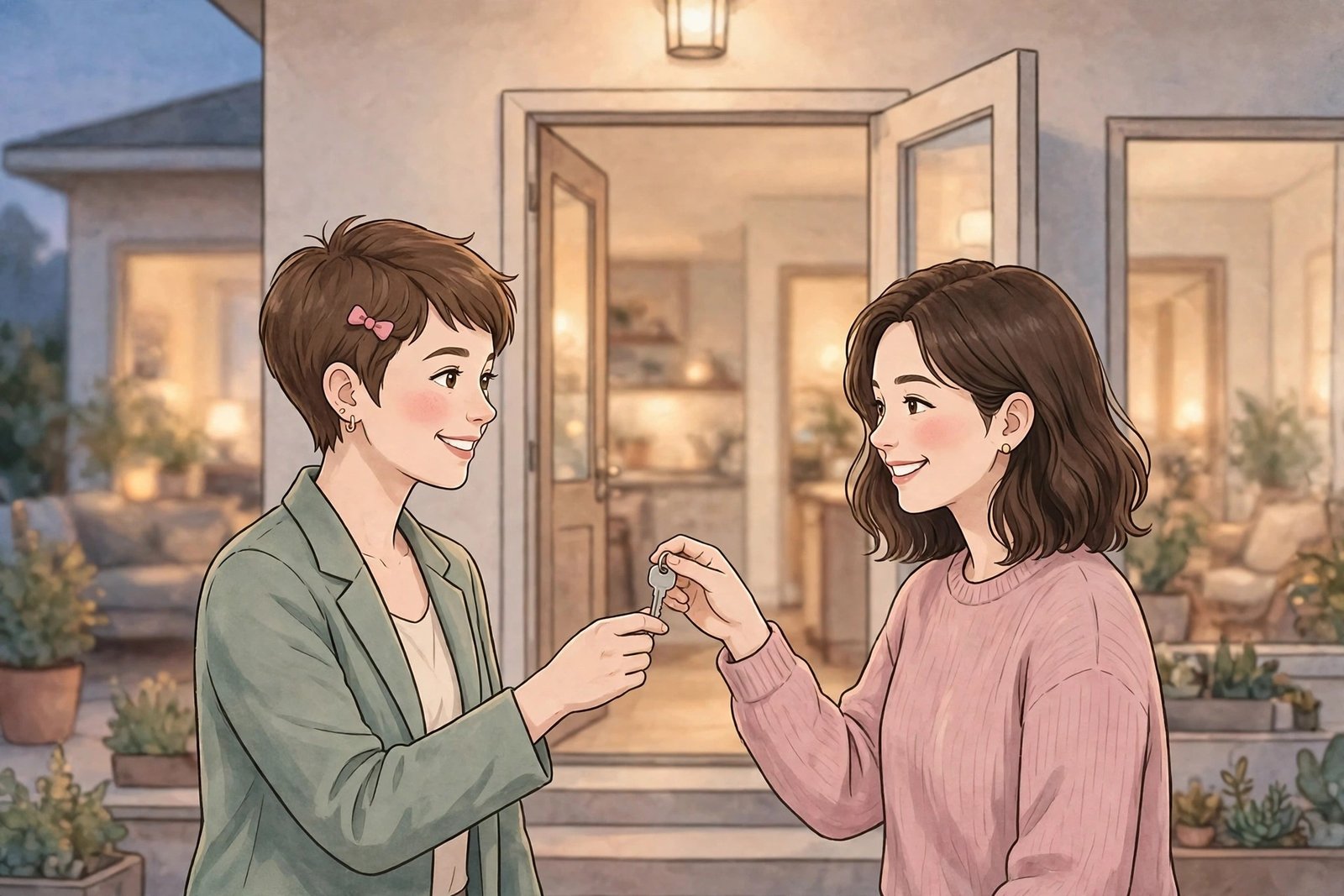
Think of your life as a house with many rooms. There’s the work room, loud with ambition and frustration. The family room, heavy and tender. The fun room. The 2 am room, where the real fears live. In childhood, one friend had a key to every room, because there were only two rooms and you were both always in them.
Grown-up friendship hands out keys by room, and that’s a feature, not a betrayal. Your hiking friend may never meet your work friend. Your oldest friend knows your childhood but not your current boss’s name. Your neighbor friend knows your Tuesday self better than anyone. Each key fits its lock. Nobody needs the master key for the house to be well loved and well guarded.
This distribution also protects the friendships themselves. A single best friend absorbs every mood you have: the grief, the ambition, the boring Tuesdays, the emergencies. That’s a heavy job description, and many childhood best friendships quietly crack under it in the twenties. A circle shares the weather of your life across several roofs. Each friend gets the version of you they’re best at loving, and you get to be fully known, just by several people in pieces that add up to the whole.
There’s a practical test for whether your circle is working: the bad week test. Imagine your worst week this year. Who gets the call about the job? The family thing? Who makes you laugh in the middle of it? If different names come up for different parts, your circle is doing exactly its job. It can feel less romantic than one ride-or-die person. It’s also how support actually survives adult schedules. The women who seem enviably surrounded at 40 are rarely the ones with one best friend. They’re the ones who kept many threads alive, room by room, year by year.
There’s also the matter of being known in full. No single friend needs the whole archive of you. One knows your work self, one knows your family self, one knows the self who only appears on holiday. You assemble those pieces into being understood, and the assembly is surprisingly complete. It’s also safer. When your whole story lives in one person’s memory, one drift can make you feel unknown in the world. Women who no longer have a best friend rarely feel unknown. They feel known in chapters, by a small library of people, and chapters are how adults actually get read.
The Quiet Grief of Losing the Title
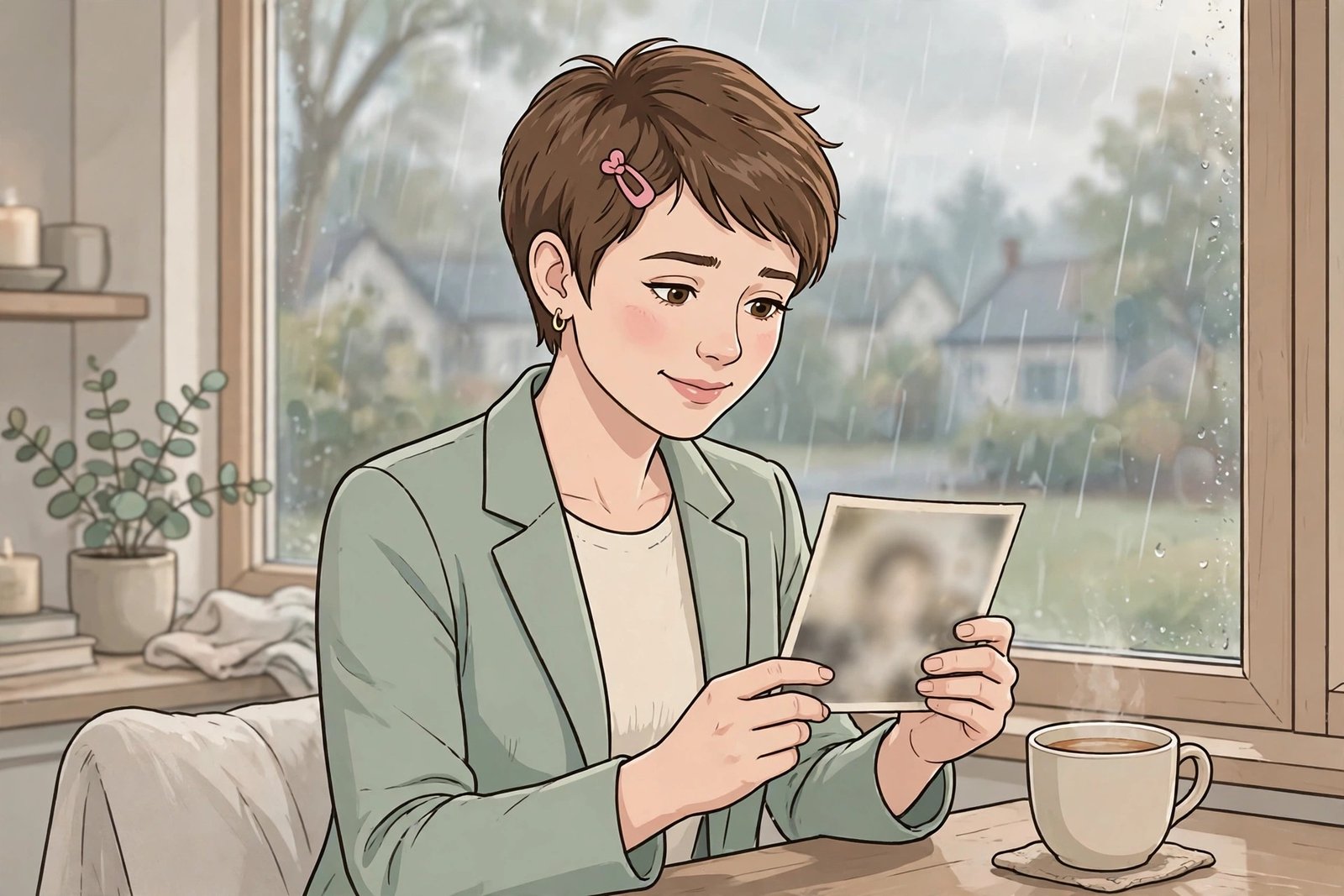
Now let’s be honest about the part that hurts, because pretending it doesn’t would make this guide useless. Even when the circle is healthy, there can be a quiet grief in losing the title. Not a dramatic grief. A small, recurring one. It shows up when you say “one of my closest friends” and hear the plural where a singular used to be.
Part of the grief is for a person. Maybe there was a specific her, and the friendship faded through moves and marriages and unreturned effort, until the title expired before anyone said it out loud. It’s allowed to miss her specifically, even while your life is full of other love. Grief for one friendship and gratitude for others fit in the same heart without arguing.
If the grief has a peak season, it’s usually the big life moments. The engagement, the new job, the hospital waiting room: the moments when you picture telling one person first, and realize the telling now takes four messages. That’s not a lesser thing. It’s a different choreography for the same joy and the same fear. But it can sting, and the sting deserves its thirty seconds. Women who no longer have a best friend learn to send the four messages with love anyway, and to notice that the replies, arriving in waves, hold them just as well.
Part of the grief is for a version of you. The girl who had a person. Who never wondered who to call. Who felt chosen in a way that needed no explaining. Letting go of the title means letting go of her too, a little. That’s real loss, even when the adult arrangement is objectively better. Naming it as grief, small and legitimate, is what keeps it from curdling into shame about your whole social life.
And if the missing title ever tips into actual loneliness, that deserves gentleness and attention, not dismissal. It’s worth knowing that feeling lonely even when you have friends is a documented, common experience, and it usually points at depth and contact, not at the absence of a title. More on that in a moment. The headline is simple: to no longer have a best friend is a neutral fact. The grief around it is a feeling to be tended, not a verdict on your worth or your lovability. When you no longer have a best friend and the ache visits, treat it like weather from an old country. Notice it. Dress for it. Don’t move your whole life back there.
When One Friend Still Matters Most, Without the Label

Here’s a twist worth making room for: many adults quietly do have a closest person. She just doesn’t carry the official title anymore, and nobody needs her to. Maybe it’s the friend you’d call first in a true emergency. Maybe it’s the one whose opinion rearranges your thinking. The bond is primary. The paperwork is gone.
That’s a lovely arrangement, actually. The title, back then, came with duties: exclusivity, ranking, public loyalty tests. The adult version keeps the closeness and drops the contract. She’s your first call, and she also has other close friends, and so do you, and none of that threatens anything. Love without a leaderboard. It’s the school bond, minus the school rules.
If you have that person, you don’t need to announce anything. You also don’t need to demote her in your head to prove you’re a well-adjusted circle person. The point of this whole guide is that the shape is flexible. Some lives run on circles. Some run on one deep root plus friendly branches. Many run on seasons of both. The only real failure mode is loneliness that goes unaddressed, not a friendship chart that looks different from your neighbor’s.
And if you’re on the other side, if you’re someone’s quiet first call, know that the role means as much without the bracelet as it did with it. Being chosen daily by an adult with a full life is a bigger honor than being chosen by default in a classroom. Titles fade. Being someone’s person doesn’t. So whether you no longer have a best friend at all, or you have one who simply isn’t called that anymore, the substance is identical: someone knows you, chooses you, and stays. Everything else is vocabulary from a smaller world.
Growing a Circle at 27, Slowly and on Purpose
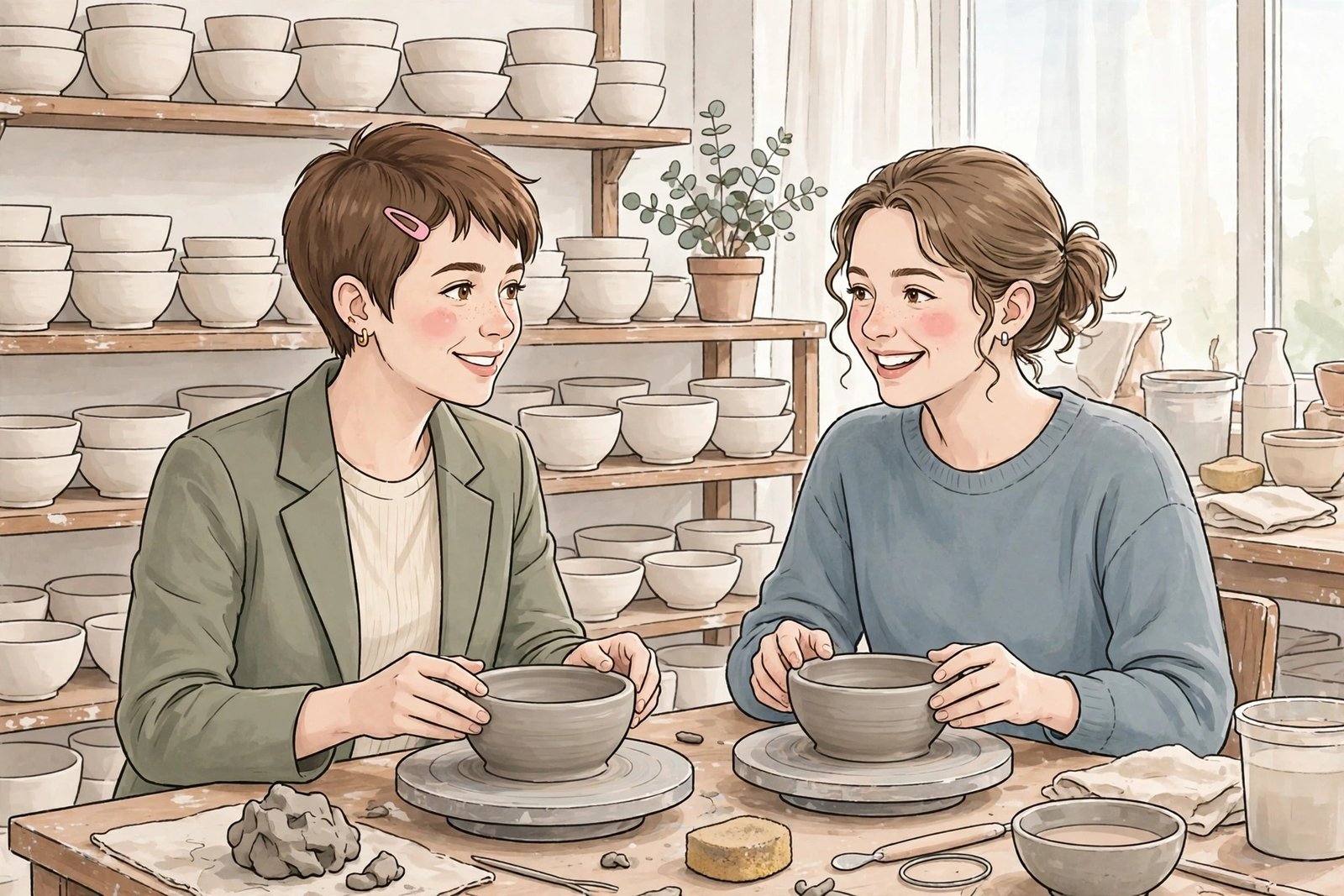
Suppose the inventory exercise came out thin. Not no friends, but fewer than you want, or shallower than you need. Then the task is not finding a best friend. Nobody can order one of those. The task is growing a circle, slowly, the way adults actually do: repeated contact, small warmth, patience with the calendar.
The raw material of adult friendship is repetition. School gave you repetition for free. Adults have to manufacture it: the same class every week, the same running group, the same coworkers at the same lunch table. Join things that meet repeatedly, not once. A single great conversation at a party rarely becomes a friendship. Ten ordinary conversations at the same Thursday class very often do.
Then be the one who converts contact into connection, in small doses. Learn names. Remember details and use them next time. Suggest the coffee, and accept that adult scheduling means the coffee happens in three weeks. Follow up after. Circles are built out of tiny kept promises, not grand gestures. Each thread is weak alone. Woven monthly, they hold real weight within a year.
Lower the entry bar on purpose. A circle doesn’t need five intimate friends by spring. Two friendly threads, tended lightly, will change how your weeks feel. And be patient with asymmetry: at first you’ll initiate more, because you’re the one building. That’s construction, not desperation. The women with enviable circles at 35 are mostly women who spent their late twenties doing unglamorous repetitions while everyone else waited to be chosen.
And protect the threads you grow. The classic mistake is treating every new friendship as an audition for a single role: if she isn’t becoming the best friend, the effort feels wasted. That’s school logic running a grown-up search. Adults who no longer have a best friend build differently. They collect good people and let each bond find its own depth and rhythm, without a throne waiting at the end. Some threads stay light for years and are perfect exactly as they are. Light is not failed. Light is one of the flavors friendship comes in.
Here’s the hopeful math. If you no longer have a best friend, you are not starting from zero. You’re starting from a skill: you clearly know how to love people well, or the title wouldn’t matter to you. That skill transfers. Aimed at a circle instead of a single throne, it builds something sturdier than what you lost. And a few years from now, when someone asks about your people, you may find yourself smiling at the plural, because the plural turned out to be the point.
The Shape Is Different, the Love Is Not Smaller
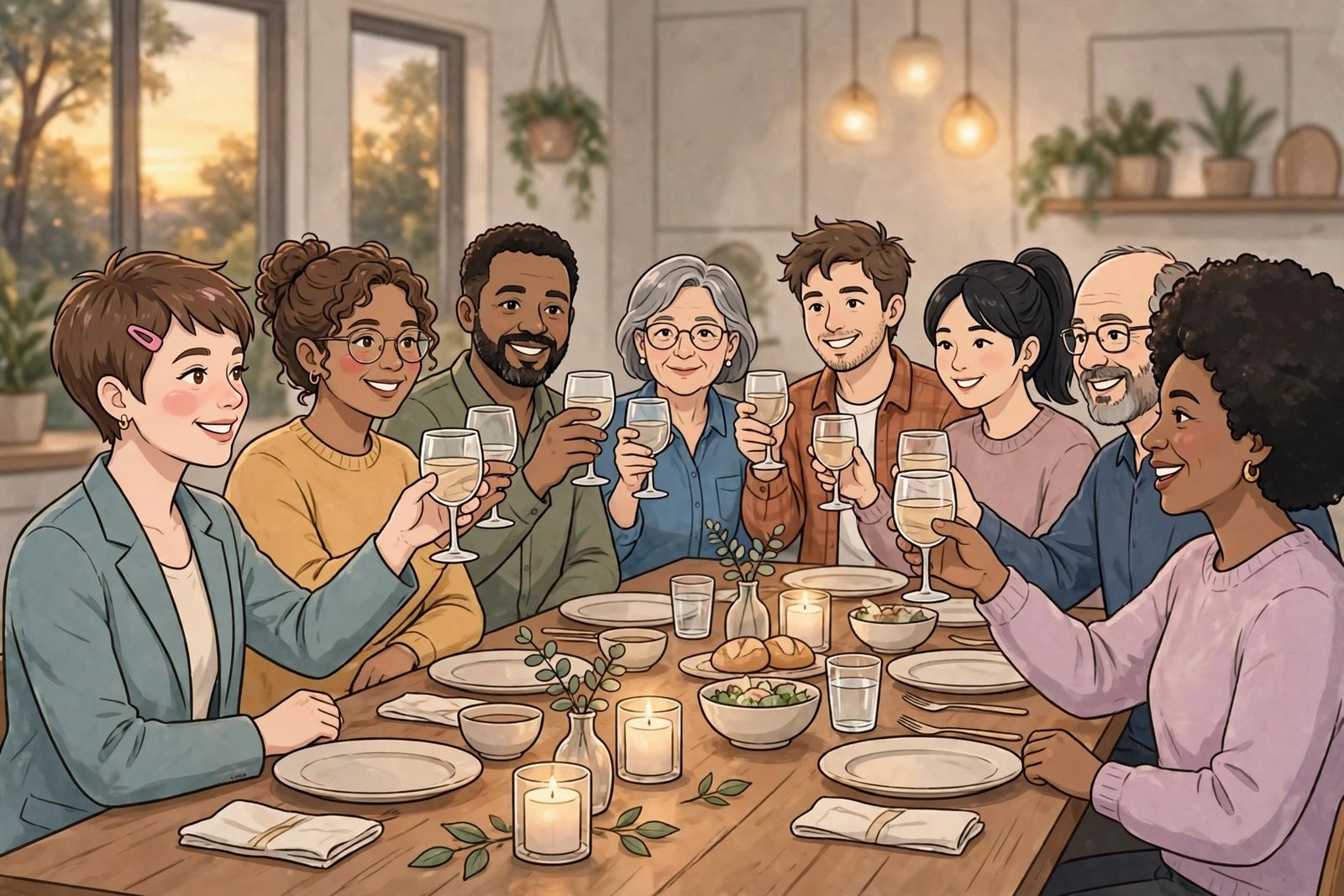
Let’s land this properly. The best friend was a beautiful shape for a small world. Your world is not small anymore. It has a career in it, maybe a partner, a family that needs you differently, a self you’re still becoming. A circle fits that world. A single pillar, honestly, would strain under it.
Measure your friendships by the right things. Not by titles, but by this: when life gets loud, is there someone to call for each kind of loud? When something wonderful happens, do you have people who will be genuinely glad? When you’re boring, tired, and mid-ordinary-Tuesday, is there still warmth around you? If the answers are mostly yes, your friendship life is healthy, whatever the org chart says.
One last reframe, for the days when a stranger’s casual “my best friend” still lands like a small grade on your life. That title, in adult mouths, usually just means “a friend I’m close to.” Nobody is carrying a ranked list in their pocket. The phrase survived; the system behind it didn’t. So when you no longer have a best friend and someone else uses the words lightly, hear them lightly too. You’re not missing a level of friendship she reached. You’re both describing warm, complicated, adult love with whatever words happen to be nearest.
Let the title retire with honor. It served you at twelve and at seventeen. It taught you what loyalty feels like from the inside, and that education stays in you forever. The adult forms of friendship are not its betrayal. They’re its continuation by other means: chosen, distributed, and built to survive weather that a single pillar couldn’t.
So is it bad to no longer have a best friend? No. It’s the normal shape of a grown-up heart with a grown-up life attached. Some days it will still ache a little, the way any finished chapter does. Let it ache, briefly, and then look at your actual list: the work friend, the old friend, the fun friend, the corridor call. That list is not a consolation prize. It’s the village, and the village is holding you. The love didn’t shrink when the title left. It moved into more rooms, and it plans to stay.
Frequently Asked Questions
At what age do most people stop having a best friend?
There’s no official age, but the shift usually happens across the twenties, as school ends and lives scatter into jobs, cities, and partners. The identical daily schedule that made one best friend natural simply disappears. For most adults, to no longer have a best friend by the late twenties is the statistical norm, not the exception. It happens gradually, through drift and distribution, which is why so many people only notice it years later, mid form, mid question.
Does not having a best friend mean my friendships are shallow?
Not at all. Shallowness is about depth of knowing, not about titles. A circle of friends who each know a real part of you can be profoundly deep in total. Ask yourself the better question: is there anyone who knows your current fears, your current dreams, and your ordinary Tuesdays? If those answers exist across two or three people, your friendship life has depth. It’s simply filed under several names instead of one.
Should I try to turn one friend into my best friend again?
You can deepen any friendship you love, and you should, but aim for closeness, not coronation. Adults rarely thrive under an official ranking, and asking a friend to become your everything quietly loads her with a school-sized job. Invite more time, more honesty, more shared life, and see what grows. If deep mutual closeness grows, wonderful. Whether you no longer have a best friend on paper stops mattering once the substance is there.
What if I feel lonely even though I have several friends?
That feeling is common and it deserves a kind response, not self-criticism. Loneliness with friends around usually signals a need for more depth or more regular contact, not more people. Try upgrading one thread: a standing weekly call, a friendship where you talk about real things on purpose. If the heaviness stays for months and starts dimming everything, talk to a professional. That’s care, not drama, and it helps more than any title would.
Can a best friend from school become close again later?
Yes, and it happens often. Adult life has seasons, and friendships that cooled at 24 sometimes warm again at 30, when schedules settle or lives re-sync. The door back is usually a small warm message, not a speech about the distance. If she answers warmly, build slowly and enjoy the new version. If the closeness returns, it will be the adult shape of it. Many women find that to no longer have a best friend was only a season, and the circle and the old friend end up coexisting.