

You smile at breakfast. You say school was fine. You laugh at your dad’s joke right on cue. And the whole time, there’s a heavy thing sitting on your chest that nobody can see. You want to tell them. You really do. But the second you picture their faces, you freeze. They will worry. They will panic. They have enough stress already. So you swallow the words again, and the question stays. How can I tell my parents I’m not okay without worrying them?
If that’s where you’re tonight, please read this first part slowly. Your instinct to protect them is kind. It comes from love. But it’s built on a small misunderstanding, and this guide exists to gently take that misunderstanding apart. Your parents don’t need you to protect them from the truth about their own child. They need the truth, kindly told, so they can do their job, which is helping you. Everything after this is just the how of how can I tell my parents I’m not okay, broken into small pieces.
This guide will show you how. You will learn why hiding it hurts more than telling it. You will get gentle first sentences you can borrow word for word. You will learn what to do if they panic, cry, or go quiet. And you’ll learn other ways to say it if face to face feels impossible right now. You deserve support. Let’s find the words together.
The Short Answer

Here’s the short answer. You tell them honestly, in a calm moment, with simple words, and you let them worry a little. That last part is the surprise. When girls ask how can I tell my parents I’m not okay without worrying them, they’re often asking for something that doesn’t exist. There’s no version of this talk with zero worry in it. And that’s okay. A little worry isn’t damage. A little worry is love, doing its job.
What you can control is the shape of the talk. You can pick a quiet moment instead of a crisis moment. You can open with love and a clear first sentence. You can tell them what you need, not just what you feel. Those choices turn a scary talk into a manageable one, for them and for you. In other words, how can I tell my parents I’m not okay isn’t about finding magic words. It’s about choosing the shape of a normal talk.
So the honest answer to how can I tell my parents I’m not okay is this. Start small and plain. Say you haven’t been feeling okay for a while. Say you’re telling them because you trust them and you want their help. Then let the talk be a talk, with pauses, questions, and maybe tears. It doesn’t have to be perfect. It just has to happen.
One more thing belongs right here at the top, because it can’t wait for later sections. If you ever feel hopeless, or unsafe in your own mind, don’t wait for a perfect talk. Tell a trusted adult right away, today. You can also reach Kids Help Phone by phone or text at any hour, or text Crisis Text Line to talk with a trained person. Asking fast is always allowed. Your safety is worth more than anyone’s calm evening.
You Do Not Have to Protect Them From Worry

Let’s start with the belief that’s quietly running your silence. You think your sadness is a weight, and your parents already carry enough. Bills, work, your siblings, their own parents. So you decide to carry yours alone, like a good daughter. It feels noble. It’s actually a trap, and it’s worth seeing why.
Your parents’ worry isn’t a glass vase that your news will shatter. Parents worry about their kids the way they breathe. It’s built into the job. When they learn you’re struggling, worry doesn’t break them. It aims them. It tells them where to point their love, their time, and their help. Worry, in a parent, is often the engine of support.
Think about it from their side, one year from now. Imagine they find out by accident that you suffered alone for months. A teacher mentions it. A friend slips. How will they feel then? Not protected. Heartbroken. And guilty, for missing it. Almost every parent would trade a hundred calm evenings for knowing in time. Your silence doesn’t spare them pain. It just delays it and makes it bigger. That coming heartbreak is why how can I tell my parents I’m not okay should never wait for a painless day that’s not coming.
There’s another truth tucked inside this. You’re their child, not their shield. The flow of care in a family is supposed to run from parent to child first, for years and years. Letting them care for you isn’t selfish. It’s letting the family work the way it was built to work. You will have decades to care for them later. This season is yours to be cared for.
So when the thought comes, I can’t tell them, it’ll worry them too much, answer it with this. A little worry is the price of the truth, and they would gladly pay it. The question how can I tell my parents I’m not okay gets lighter the moment you stop demanding a worry free version of it. You’re not looking for a painless talk. You’re looking for an honest one. Honest is enough.
And notice something kind about your own heart. You’re worrying about their worry. That means you’re a thoughtful, loving daughter, even in your worst season. A girl who cares that much is exactly the kind of girl parents want to help. Let them. It’s the most loving thing you can do for all three of you, and it’s the whole answer to how can I tell my parents I’m not okay in one sentence.
Why Hiding It Feels Safer but Hurts More
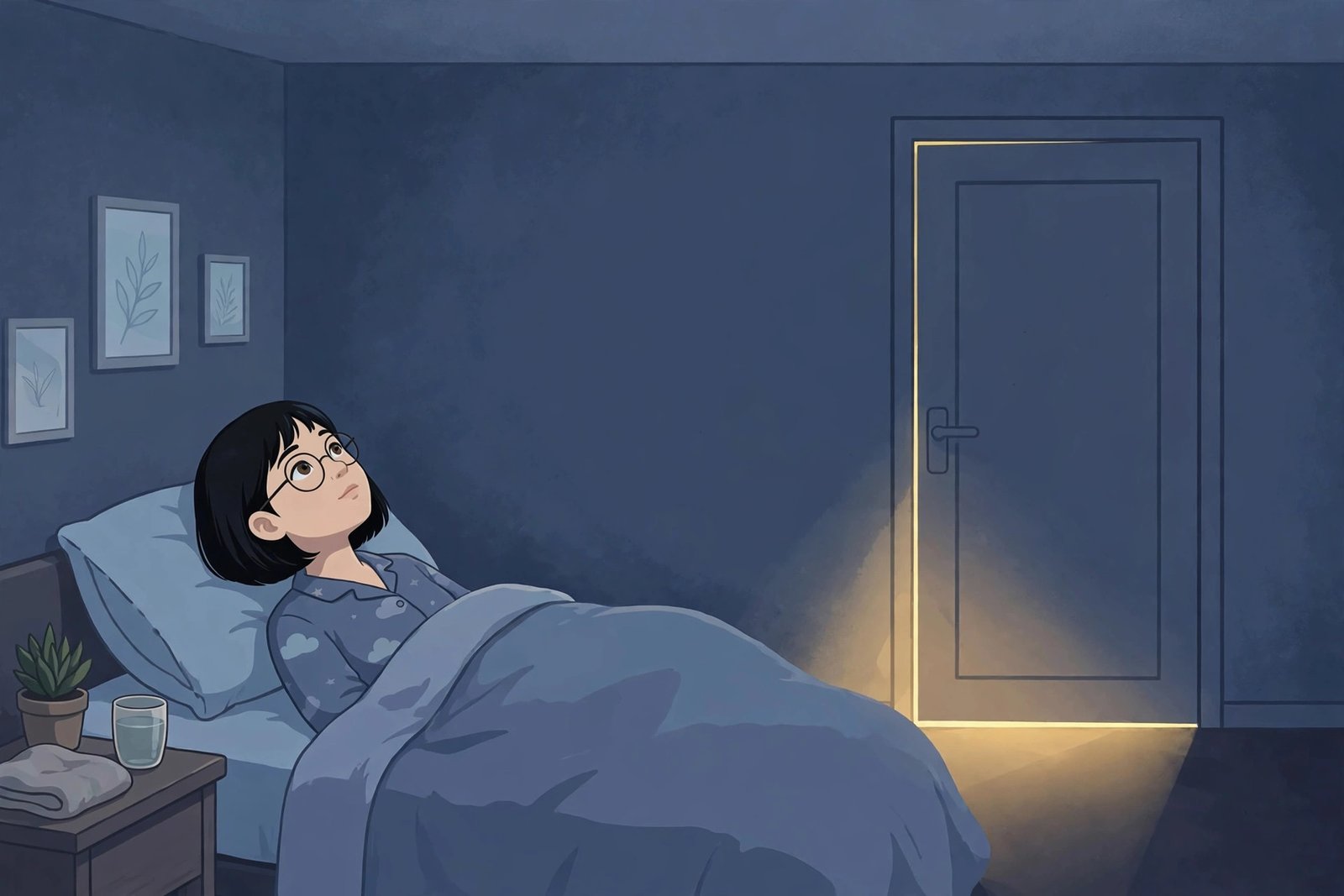
Hiding feels safe for one simple reason. It works for about five minutes. You swallow the words, the moment passes, breakfast continues, and nothing explodes. Your brain files that under success. So you do it again tomorrow. And again. The trouble is what happens underneath, while the surface stays calm.
Feelings don’t dissolve when you hide them. They wait. They leak out sideways. You snap at your little brother and don’t know why. You cry in the shower. You stop sleeping well. You feel lonely in a house full of people who love you, which is a lonely feeling all by itself. Hiding protects the evening. It costs you the season. That cost is the hidden half of how can I tell my parents I’m not okay: the longer you wait, the more the hiding itself hurts.
Many girls who hide a heavy mood also share the pattern behind it. If you’ve ever read about why you sometimes feel sad without knowing why, you know this heaviness often has no single cause you can point to. That makes telling feel harder. How do you explain a feeling with no story? But hear this. You don’t need a cause to deserve a talk. I feel low and I don’t know why is a complete and honest sentence. It’s enough to start.
Hiding also starves the very people who could help. Your parents can’t support a daughter they think is fine. They walk past your door with their love in their hands and nowhere to put it. Meanwhile you lie awake two rooms away, needing exactly what they’re holding. That gap, between their love and your silence, is where most of the pain of this problem actually lives.
And hiding gets heavier over time, not lighter. Each week of silence adds a new fear. Now the talk isn’t just about feeling low. It’s about feeling low for months and saying nothing. Girls delay because the secret has grown, and the secret grows because they delay. The way out of that loop is almost insultingly simple. Today is smaller than next month. The talk you dread shrinks every day you move it closer, and how can I tell my parents I’m not okay gets a little less scary each day too.
So if you’re asking how can I tell my parents I’m not okay partly because hiding has started to hurt, trust that signal. The hurt is information. It’s your own heart telling you the strategy isn’t working. You don’t need a better hiding place. You need one honest conversation, and the next sections will hand you the words for it, piece by piece.
Pick Your Moment and Your First Sentence

Every big talk has two make or break parts. The moment you choose. And the first sentence out of your mouth. Get those two right, and the middle of the talk mostly takes care of itself. Get them wrong, and even a loving family can stumble into a mess nobody wanted.
Choose a moment with low noise around it. Not the morning rush. Not the doorway when someone is leaving. Not the middle of a fight about grades or dishes. A quiet evening, a weekend car ride, a walk after dinner. You want time around the talk, so nobody has to swallow big feelings and sprint to the next thing. Big talks need soft landings.
It also helps to warn the moment a little. You can say, at lunch, there’s something I want to talk to you about tonight. It’s about me, and I’m okay to wait until then. That tiny preview does wonders. It stops the talk from feeling like an ambush. It lets your parents arrive at the table with their hearts already half open.
Now the first sentence. It should do three jobs at once. Say you want to talk. Say it’s about your feelings. And say you’re telling them because you trust them. Here’s one that does all three. I want to tell you something about how I’ve been feeling, because you’re the people I trust most. A first sentence like that turns a parent’s fear down and their listening up, in about four seconds. Memorize one, and how can I tell my parents I’m not okay becomes a door you already hold the key to.
Other first sentences work too. Pick the one that sounds like you. I haven’t been okay lately, and I don’t want to hide it from you anymore. Or this one. Nothing huge happened. I just feel low a lot, and I want your help with it. Or even the smallest one. Can I tell you something hard? Each of these opens the same door. The door is the point, not the polish.
So plan the moment and steal a first sentence, and notice what happens to the big question. How can I tell my parents I’m not okay stops being a mountain. It becomes a time on the clock and a line you already know by heart. Most girls find that the ten seconds before the first sentence are the worst part of the whole talk. Everything after them is just a conversation, and you’ve had thousands of those.
Simple Words That Say It Honestly
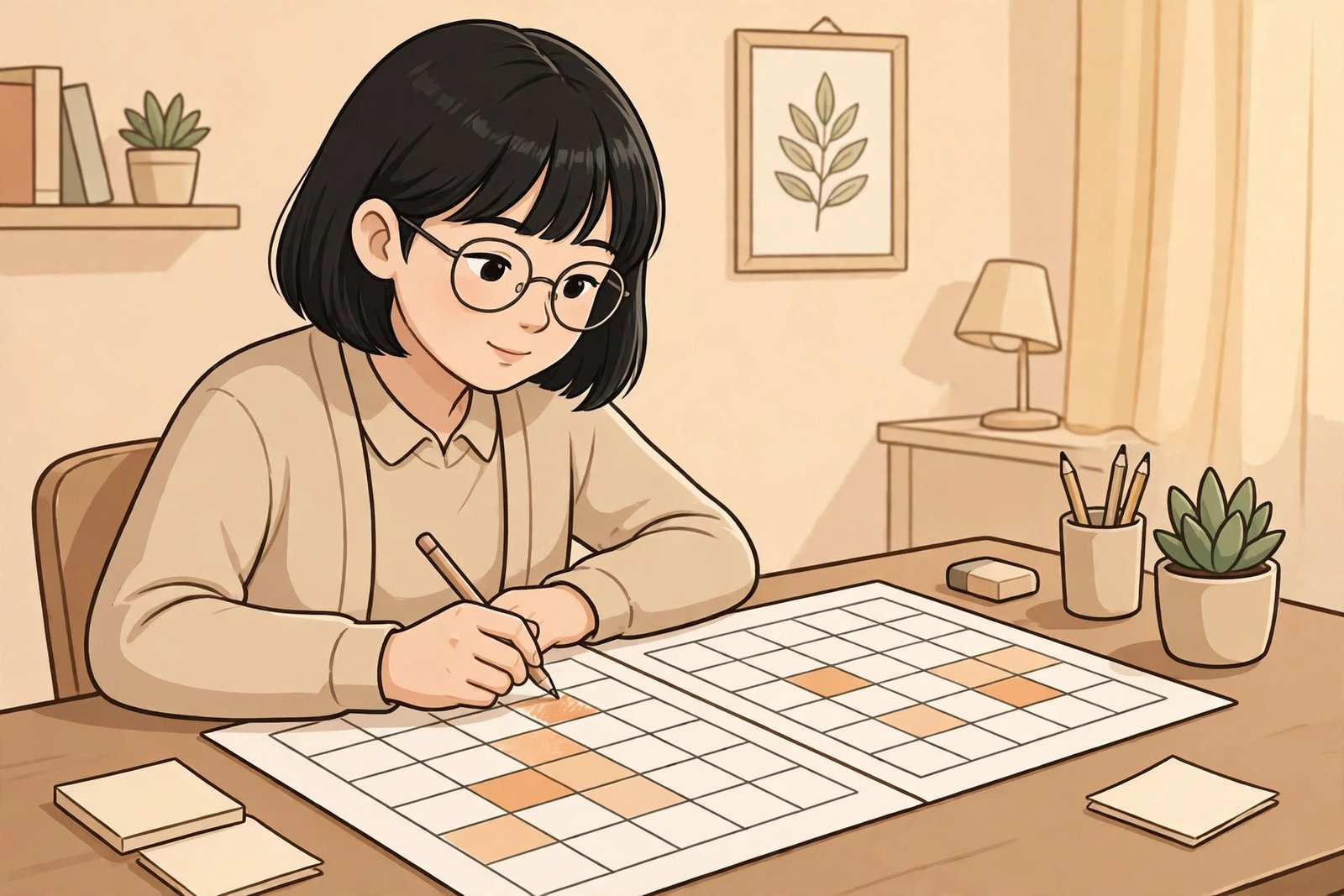
After the first sentence, girls often fear the flood. How do I explain a whole season of feeling bad in words? The answer is to keep the words simple, short, and about daily life. Your parents don’t need poetry or a diagnosis. They need to see your days a little more clearly than they do now.
Talk about what your days actually look like. I wake up tired even when I sleep. I cry in my room most nights. I stopped wanting to hang out with my friends. Food doesn’t taste like much lately. School feels like walking through deep water. Sentences like these are small and plain, and they paint a picture no parent can unsee. Pictures move people. Vague words like I’m just stressed slide right off.
Name the length of it too. This has been going on since the fall. Or, most days for the last two months. Time turns a bad week into a real pattern, and patterns are what parents act on. Without the timeline, they may hear a mood. With it, they hear a daughter who has been carrying something for a long while, and their whole posture changes. Small true details like a timeline are what turn how can I tell my parents I’m not okay from a confession into a clear picture.
Then say what you want. This part feels scary and matters most. I don’t need you to fix it tonight. I just needed you to know. Or, I want help figuring this out. Or, sometimes I just need you to sit with me and not solve anything. Parents often rush to fix because silence scares them. Telling them what help looks like for you gives their love a shape to take.
You can also say what you’re not asking for. I’m not in trouble. Nobody did anything to me. I’m not telling you because of one bad day. Clearing away the wrong stories early keeps the talk on your road. Parents’ minds run to every scary headline at once. Your calm no to the wrong stories lets them stay with the true one. You.
So keep the recipe close. Plain pictures of your days. A timeline. One clear want. Those three things are the whole middle of how can I tell my parents I’m not okay, and none of them need fancy words. If a girl of twelve can describe a Tuesday, she can do this talk. You can absolutely do this talk.
What to Do If They Panic, Cry, or Go Quiet

Let’s rehearse the reactions, so none of them knock you over. Parents are people. Their first reaction to I’m not okay can be clumsy, loud, or strange. A clumsy first reaction doesn’t mean the talk failed. It usually means the news landed in a heart that loves you and doesn’t know where to put its fear yet.
If they panic, slow everything down. Speak in short sentences. Repeat your anchor line. I’m telling you because I trust you. I’m right here. I want us to figure this out together. Panic feeds on speed and fog. Your calm, repeated anchor is a rope thrown across the rapids.
If they cry, let them, without rushing to comfort them out of your own talk. Their tears mean they heard you. They don’t mean you harmed them. You can hand them a tissue and keep breathing. Many girls are stunned to find that a parent’s tears make the talk softer, not scarier. Two people crying at a kitchen table aren’t enemies. They’re a family, feeling the same thing at the same time.
If they go quiet, don’t fill the silence with backtracking. Quiet often means thinking, not rejecting. Count to twenty in your head. Then ask one gentle question. What are you thinking? Or simply, I know it’s a lot. Take your time. Silence after big news isn’t an empty room. It’s a full one, still settling. Give it the minutes it asks for. Knowing the reactions ahead of time is part of how can I tell my parents I’m not okay without being knocked over by the first minute.
And if the first reaction is a bad one, anger, blame, or a quick you’re fine, hold your ground softly. Say, I hear that this is hard to hear. I’m still not okay, and I still need you. Then let the night end if it must. First reactions are drafts. Many parents come back the next day with a truer, kinder version of themselves, after a night of thinking in the dark. Your truth doesn’t expire because its first hearing went badly.
Whatever their reaction, notice what you just did. You carried the hardest sentence in the house from your chest into the open air. That act doesn’t undo itself, whatever face it met. The question how can I tell my parents I’m not okay has already been answered by you, in real life, with your real voice. Everything after is just the family learning to live inside the truth together.
Let Them Help: What Real Support Can Look Like

After the talk, a new worry sometimes sneaks in. Now they know, and they will hover, and fix, and ask every hour how you’re. Let’s shape what help actually looks like, so you can guide it. You’re allowed to have opinions about your own support. Telling them is part of the same honesty that started the talk.
Good support has many shapes. Sometimes it’s practical. A check in with a doctor, to make sure your body isn’t part of the story. Help finding a school counsellor or a psychologist to talk to. A lighter load at home for a while. Sometimes it’s plain company. A ride together. A show watched side by side. A parent who sits on the edge of your bed for five quiet minutes before sleep.
It can also help to learn a little about what you feel, together or on your own. The KidsHealth guide on depression and what you need to know explains heavy feelings in plain words, and why they’re a health matter and never a character flaw. Reading it’s not a diagnosis. It’s a lantern. It can help you and your parents share the same simple language for what has been happening inside you.
Tell them the small things that help and the small things that don’t. Being asked how I’m once a day helps. Being asked every hour doesn’t. A hug helps. A speech about gratitude doesn’t, right now. Parents aren’t mind readers. A kind user guide to your heart, given in calm words, saves everyone a lot of guessing and a lot of bruised feelings.
Expect the help to be imperfect. Parents will overdo it some days and miss the mark on others. That’s not failure. That’s two people learning a new dance around a daughter they love. Correct them gently and keep the channel open. Support gets better with feedback, like everything else a family learns together.
And let yourself receive it. That’s harder than it sounds for a girl who has been the family protector of moods. Receiving help without apologizing for it’s a skill. Practice it in small sips. Thank you. That helped. Yes, I would like that. Those tiny sentences are the sound of how can I tell my parents I’m not okay turning into something even better: a home where nobody has to suffer in silence, including you.
If Talking Face to Face Feels Too Hard

Some girls read all of this and still know the truth about themselves. The words won’t come out of my mouth. Not tonight. Maybe not this month. If that’s you, hear this clearly. A mouth that freezes isn’t a character flaw. It’s just a door that opens a different way. There are other doors into this talk, and they all count.
Writing is the strongest of them. A letter does everything a voice does, at your speed, with no shaking. You can write it in your room, rewrite the hard lines, and leave it on their pillow or the kitchen counter. Then the first hearing happens in private, where their reaction can settle, and the face to face talk after is often much calmer for everyone.
A message can work too. Some girls send one honest text. I’ve something I need you to know. I haven’t been feeling okay for a while, and I wrote it down for you. Then the letter follows. Using your phone as the bridge isn’t cheating. What matters is that the truth crosses the room, not which road it takes.
Another adult can also open the door. A school counsellor, a trusted aunt, a coach, a friend’s parent. Girls who have practiced how to talk to an adult about an intimate question that embarrasses them know the pattern well. One adult can sit beside you in the talk, help you start, or even carry the first news to your parents with your permission. Borrowing a voice until yours is ready is a wise, brave move.
And remember the lines that never close. Kids Help Phone answers by phone and text, day and night, for exactly the feelings in this article. Crisis Text Line lets you write it all out to a trained person when your voice won’t work at all. A written talk with a stranger can be the rehearsal that makes the real talk possible. Use them as often as you need. That’s what they’re there for. Think of it as a gentle first draft of how can I tell my parents I’m not okay.
So don’t let a frozen voice answer how can I tell my parents I’m not okay with the word never. Letter, message, borrowed voice, helpline rehearsal. The doors are many, and every one of them leads to the same room, where your parents finally know, and you finally don’t carry it alone. Pick the door that opens for you, and walk through it this week.
Frequently Asked Questions
Will my parents be angry at me for feeling this way?
Almost never in the way you fear. What can look like anger in the first minute is usually fear wearing a loud coat. A parent who hears that their child hurts may snap, question, or go silent while their heart races. Give the reaction a night to settle before you judge it. By morning, most parents return softer, with questions and a wish to help. Your feelings aren’t a crime, and deep down, they know that.
What if they say other kids have it worse?
That line hurts, and it usually comes from a parent trying to comfort in the only way they know. Pain isn’t a contest, and your feelings don’t need to win one to count. You can answer gently. Maybe so. I still feel like this, and I still need you. Keep your eyes on your own true sentence. Comparisons can’t argue with a daughter calmly repeating what’s real for her.
How much detail should I share in the first talk?
Enough to be believed, not so much that you feel exposed. Share the shape of it. How long it has lasted, what your days feel like, and what you want from them. You’re allowed to keep private corners of your inner life private, even now. A first talk is a door opening, not your whole house being emptied. More detail can come later, at your pace, as trust in the process grows.
What if I tell them and nothing changes?
Then tell them again, with one added fact or one clearer ask. Sometimes parents hear the words but not the weight, and a second talk with a timeline or a specific request lands differently. If home stays stuck, widen the circle. A school counsellor or another trusted adult can help carry the message. Not being heard the first time is a reason to add voices, not a reason to go back to silence.
Is it okay to write a letter instead of talking?
Yes, fully okay, and for many girls it works even better. A letter lets you say the whole thing without shaking, crying mid sentence, or forgetting your main point. It also lets your parents react in private and arrive at the face to face talk already calm. If you’re still asking how can I tell my parents I’m not okay because your voice keeps freezing, the letter is your answer. Write it tonight. Leave it where they will find it in the morning.