

Someone asks you the simplest question. So, what are you into? And your mind goes blank. Your best friend has her thing. She’s the artist, the runner, the girl who will surely be a vet. Your cousin has known since she was nine. Meanwhile you like a bit of everything and nothing enough. So you lie awake and wonder, how can I know who I really am when everyone else seems so sure?
Breathe, love. That unsure feeling isn’t a flaw in you. It’s the actual job of the teen years. Your brain, your tastes, and your heart are all under construction at once. Nobody hands you a finished identity at thirteen, or fifteen, or even eighteen. You grow one, slowly, by paying attention to your own life.
This guide won’t give you a label. Labels are too small for a whole person anyway. Instead, it will show you how to read the clues you already drop every day. Your tastes, your quiet choices, your values, your experiments. By the end, the question how can I know who I really am will feel less like a test you’re failing and more like a trail you’re walking. One honest step at a time.
The Short Answer

Here’s the short answer. You don’t find yourself in one big moment. You notice yourself, in hundreds of small ones. What you reach for when nobody is watching. What makes you lose track of time. What you stand up for, even quietly. Those small truths, gathered over months, are a person. They’re you.
So how can I know who I really am without some big discovery? You watch your own life the way you would watch a friend you’re getting to know. You collect clues instead of demanding answers. A song you replay ten times. A subject that never bores you. A kindness you do without thinking. Each clue is a thread. Enough threads make a pattern.
It also helps to relax about the timeline. Asking how can I know who I really am at fifteen is like asking how a cake tastes while it’s still in the oven. The ingredients are in. The baking isn’t done. You’re not late. You’re mid recipe, and mid recipe is a perfectly fine place to be.
One more calming thought. Knowing yourself isn’t a door you walk through once. It’s more like a friendship you keep building with the same person for life. You’ll keep learning new things about yourself at twenty, at thirty, at fifty. The girls who seem finished are just quieter about their questions. You’re not behind them. You’re just honest.
Nobody Has Themselves All Figured Out Yet

Let’s start by breaking a myth. The people who look totally sure of themselves are often acting, guessing, or copying. Confidence is a costume many teens wear well. Under it, they have the same midnight questions you do. They just ask them in a different room.
Adults aren’t finished either. Ask a kind adult sometime when they felt like they truly knew themselves. Many will laugh and say something like, still working on it. Some changed careers at forty. Some found a love for painting at sixty. If grown people are still becoming, a teen is allowed to be in progress too.
Your brain is literally still being built. The teen years are a season of trying on selves. That’s not fake. That’s development. The girl who loved only horses at eleven and loves debate at fifteen has not betrayed herself. She has grown. Growth will feel wobbly from the inside. That wobble is the feeling of becoming.
So when the question how can I know who I really am feels heavy, shrink it. You don’t need your whole identity today. You just need your next honest clue. Today counts. This week counts. The you of right now is real, even while she’s still changing.
It also helps to stop grading yourself against highlight reels. Online, everyone posts their most certain moments. The award. The outfit. The plan. Nobody posts the blank stare at the ceiling. But the blank stare is part of every real life, including theirs. Compare your inside to their outside and you’ll always feel lost. It’s an unfair match. Skip it.
Here’s the truth to keep in your pocket. Asking how can I know who I really am is itself a sign of a thoughtful person. Shallow waters never wonder about their depth. Your wondering means there’s something real in you worth knowing. Let’s go meet her, clue by clue.
Your Tastes Are Clues, Not a Test
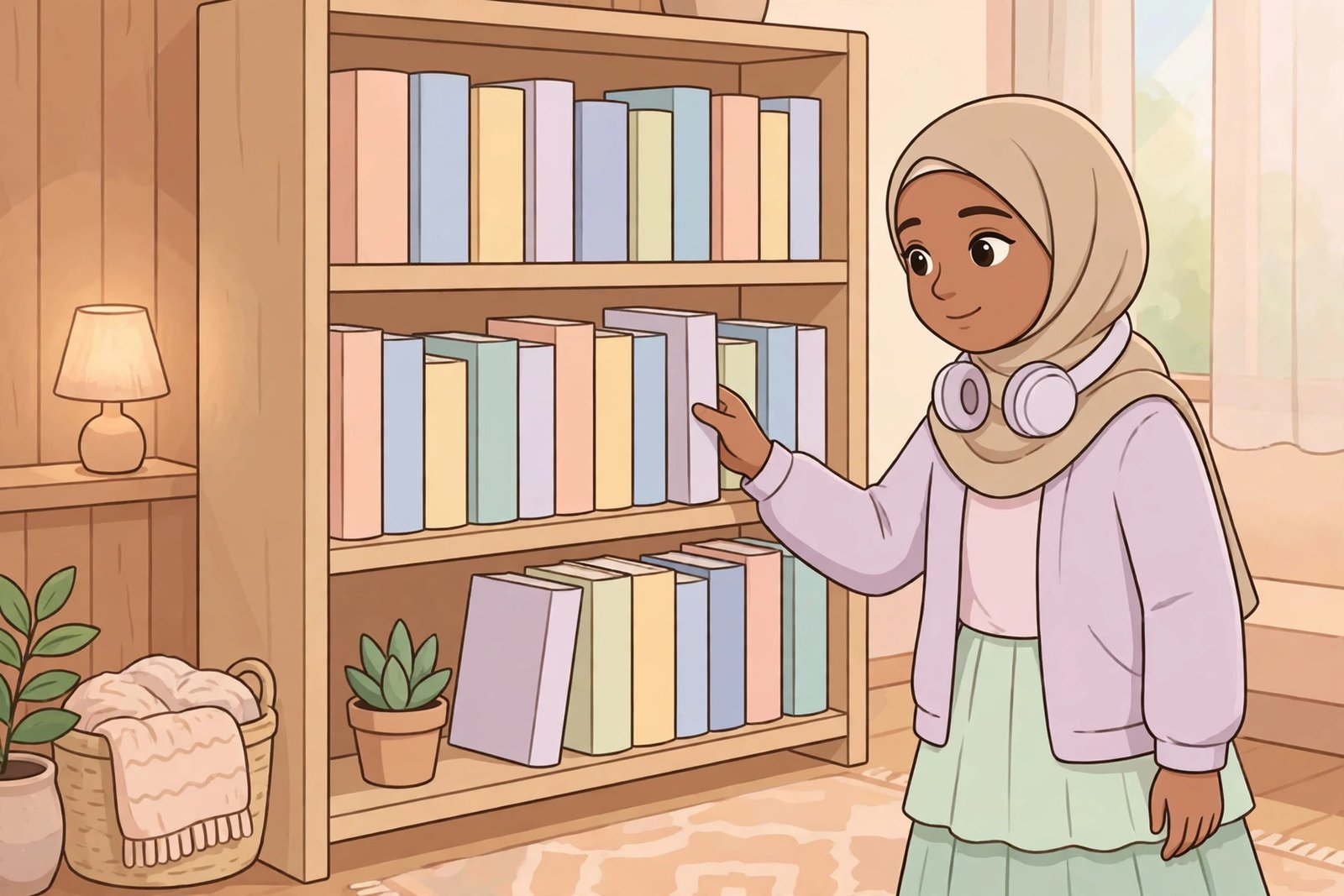
Your tastes are some of the loudest clues you own. The music you choose alone in your room. The videos you save. The books you finish and the ones you drop by page ten. None of this is random. Your likes are your heart raising its hand and saying, more of this, please.
But watch out for one trap. Some of our tastes are borrowed. We like the song because the group likes it. We wear the style because it earns nods in the hallway. Borrowed tastes aren’t evil. Everyone tries them. They just don’t tell you much about you. The clue hunt works best when you look at what you pick in private.
If you often perform a version of yourself for an audience, you may enjoy reading about why you struggle to be yourself around others. It explains that gap kindly. For this guide, just remember the simple split. In public, we perform a little. In private, we reveal a lot. Your private picks are the honest data.
Try a tiny exercise this week. Make a list with three columns in a notebook. Things I love. Things I like because others do. Things I pretend to like. Be honest and a bit brave. The first column is the gold. It’s your taste in your own handwriting. That list is a real answer forming to how can I know who I really am.
And don’t panic if the first column feels short. A short list is still a list. Two true loves are worth more than twenty borrowed ones. Besides, the list will grow. Every year of your life will add lines to it, if you keep paying attention.
Your dislikes are clues too. The class that drains you. The hangout style that leaves you empty. The compliments that somehow feel wrong. Knowing what isn’t you clears the fog around what is. So when you ask how can I know who I really am, listen to your nos as kindly as your yeses. Both are directions on the same map.
One more taste clue hides in your camera roll and your saved posts. Look at what you keep. The screenshots you never delete. The quotes you save at 1 a.m. The outfits, rooms, songs, and scenes you collect like little mirrors. We save what we secretly want to become or what already feels like home. Your saved folder is a mood board your heart built without asking your permission. Read it like a letter from yourself. It won’t answer how can I know who I really am in one look, but it will point. And it usually points at things you’ve loved quietly for a long time, longer than any trend that tried to claim you this year.
Notice What You Pick When Nobody Is Watching
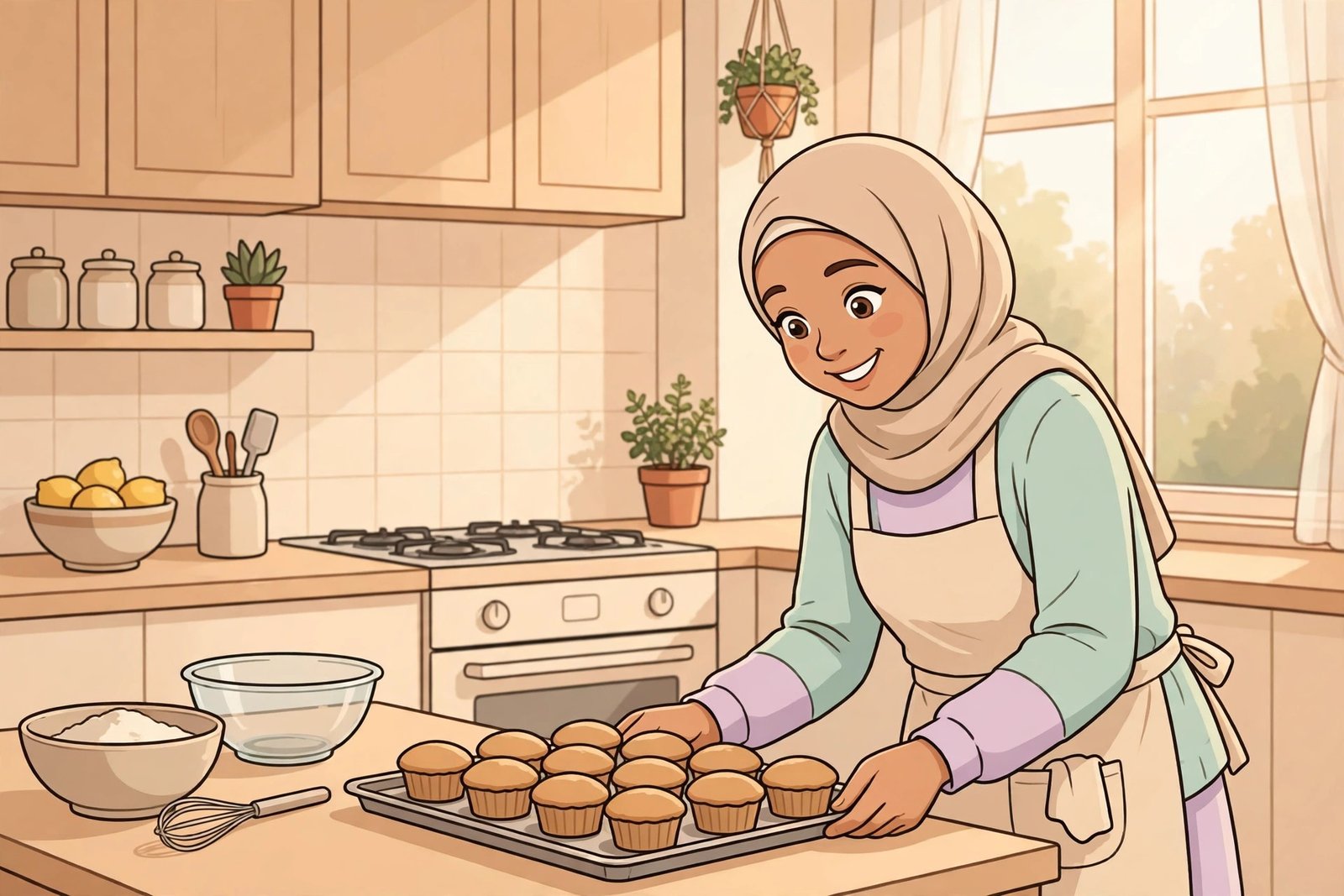
Here’s a gentle detective trick. Watch what you do with free, unwatched time. A free Saturday hour with no plans and no audience. What do you reach for? Drawing. Baking. Shooting hoops alone. Reading about space. Texting one deep friend instead of ten loud ones. Those reaches are pure you.
Your energy is a clue too. Notice what fills you up and what empties you. Some girls feel alive in a crowd. Others refill in quiet corners with one person or a book. Neither is better. But knowing your refill style tells you a lot about your real shape. Build your life around your energy, not around someone else’s.
Pay attention to your envy as well. Envy is rude, but it’s honest. Who do you feel that little sting about? The girl who writes poems without fear. The one who speaks up in class. The envy usually points at a wish of your own. You’re not mad at her. You’re hearing your own dream knock. That knock is a clue worth writing down.
Time loss is another golden sign. When do you forget your phone entirely? When does an hour feel like ten minutes? That lost track feeling is your interest at full volume. People can fake many things. They can’t fake losing track of time. Chase that feeling. It knows your name.
So the next time you ask how can I know who I really am, don’t look up at the stars. Look at your last free afternoon. Your real self leaves footprints in ordinary days. The mystery isn’t that there are no clues. The mystery is that the clues are small, quiet, and easy to walk past. Slow down and collect them.
Make it a habit if you like. Once a week, write down three moments when you felt most like yourself. Just a line each. After a month, read them back. Patterns will wave at you. Certain people, places, and activities will repeat. That repeating pattern is your answer to how can I know who I really am, written in your own weeks. No quiz required.
Your Values Show Up in Small Daily Choices
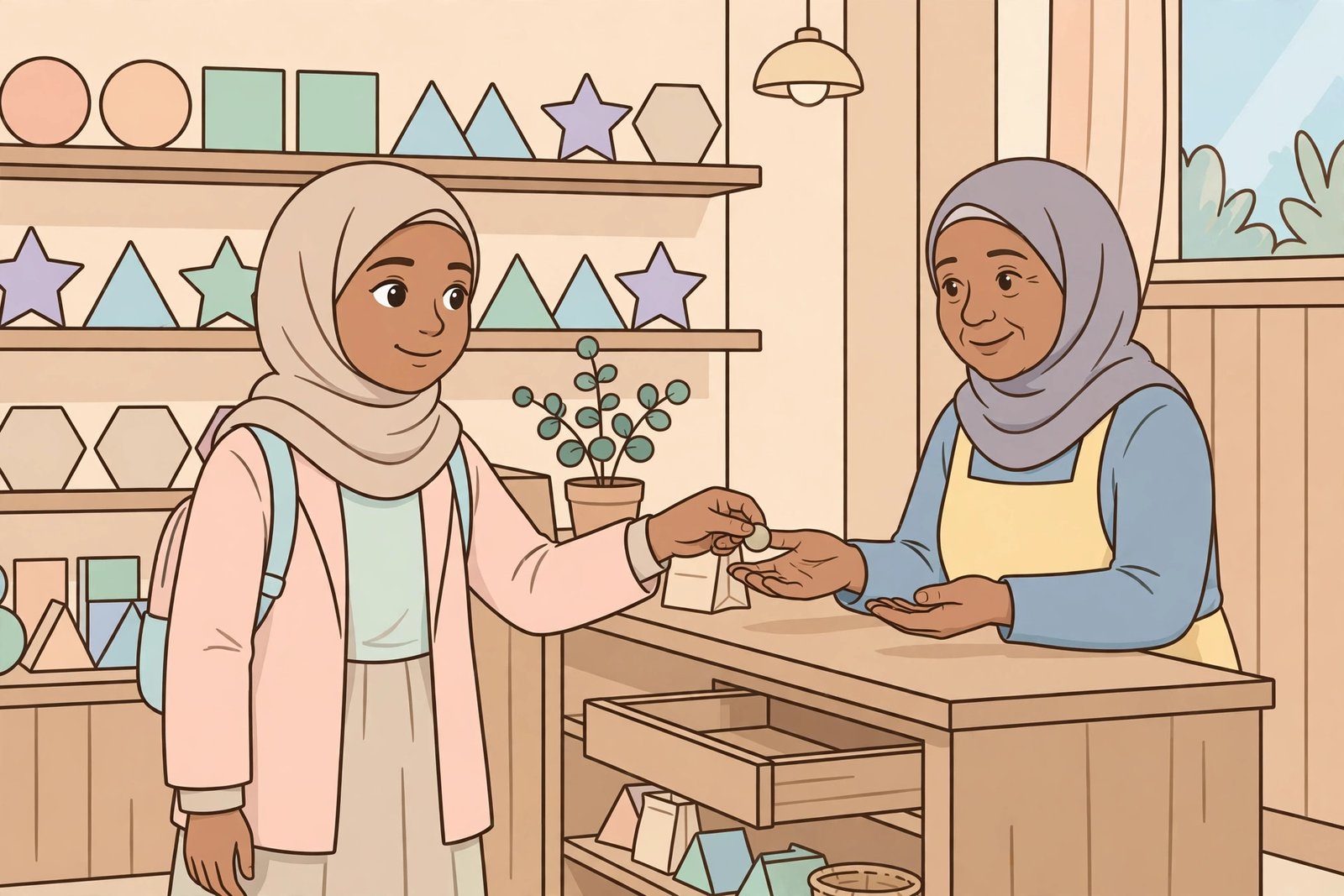
Tastes tell you what you enjoy. Values tell you what you stand for. And values are the bones of identity. You may not know your dream job yet. But you probably already know you hate seeing someone mocked. Or that fairness matters to you. Or that family comes first in your heart. Those aren’t small things. Those are load bearing walls.
Watch your small daily choices. Do you return the extra change the cashier gave you by mistake? Do you defend a quiet classmate when the joke goes too far? Do you keep a secret you promised to keep? Every tiny choice is your values voting. And the votes add up to a person you can respect.
The TeensHealth guide to improving your self esteem makes a kind point that fits here. Feeling good about yourself grows when you act in ways you believe in. In other words, you learn who you’re partly by doing what your values say. Action teaches identity. You don’t have to wait to know yourself before you live like yourself.
It also helps to name your top values out loud. Pick three words. Honest. Loyal. Brave. Kind. Curious. Funny. Keep them somewhere you’ll see them. When a hard choice shows up, ask which word should win. Living by named values feels steady from the inside. That steady feeling is a big part of how can I know who I really am. You know yourself by the lines you won’t cross.
Your values will sometimes cost you. A joke you won’t laugh at. A group chat you leave. A shortcut you refuse. That tiny sting is the price of being a person with a shape. Pay it gladly. Every time you do, your sense of self gets clearer and stronger.
And when you slip, because everyone slips, don’t rewrite your whole identity over one bad day. A value is a direction, not a perfect record. Apologize, repair, and walk the direction again. The girl who returns to her values after a slip knows herself better than the girl who never had to try.
If you doubt that values can answer how can I know who I really am, run a one week test. Pick your top value, just one, and live by it on purpose for seven days. If it’s honesty, be honest in every small doorway moment. If it’s kindness, spend the week aiming it like a flashlight. Watch what happens inside you by Friday. Most girls feel a strange new steadiness, like the ground got firmer. That steadiness is the answer to how can I know who I really am, arriving in work boots instead of fireworks.
And when your friend sighs and asks you, seriously, how can I know who I really am, you’ll have something better than a speech for her. You’ll have a week of your own life to point at.
Try New Things Like Experiments, Not Exams
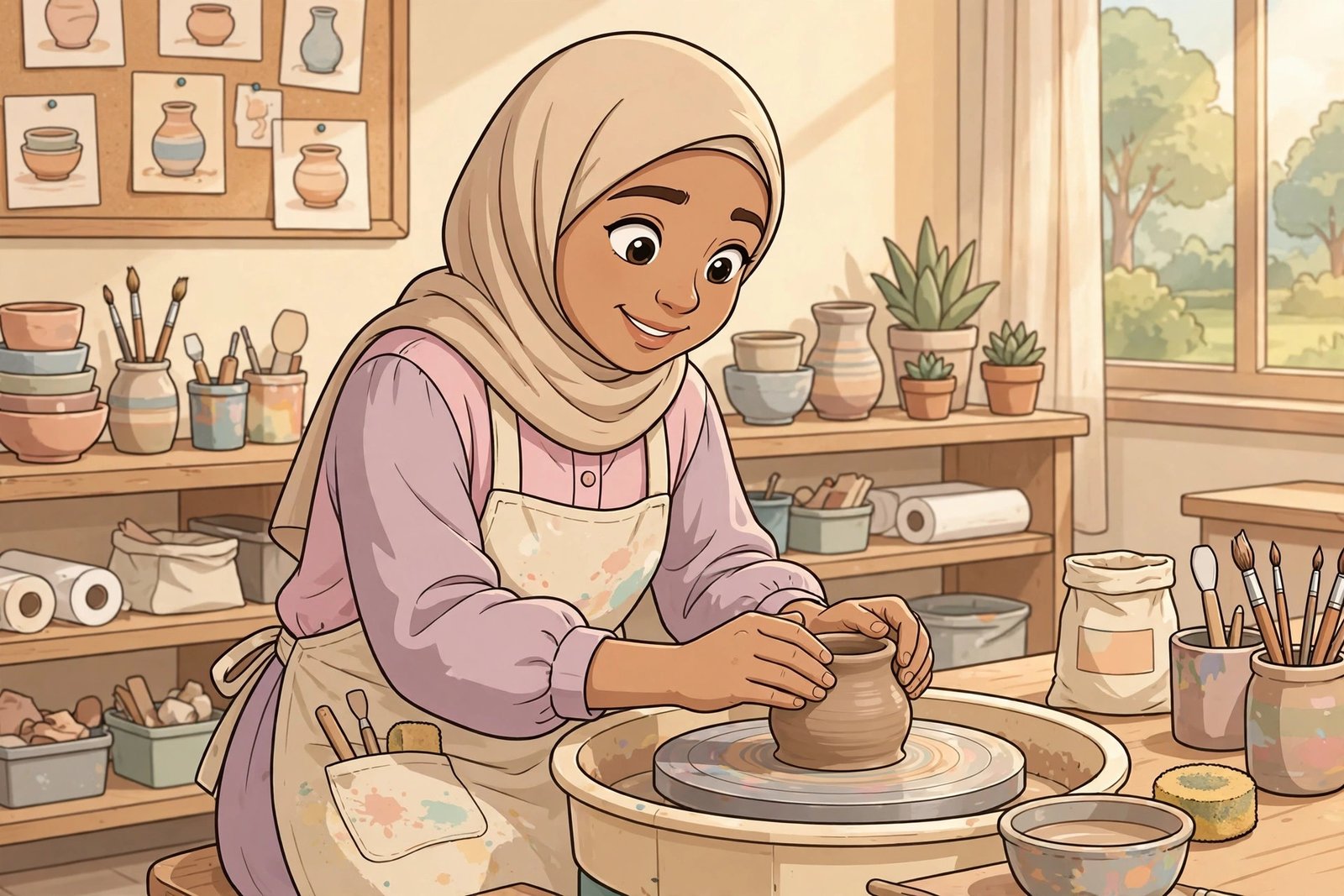
You can’t think your way into knowing yourself. At some point, you have to try things. Join the club for one term. Take the class everyone says is hard. Try the instrument, the sport, the recipe, the volunteer shift. Your reactions to real tries tell you more than a month of wondering in bed.
The trick is in the framing. Treat each try like an experiment, not an exam. An exam says, if you’re bad at this, you failed. An experiment says, if this bores you, you learned something. Same activity, kinder meaning. Scientists aren’t crushed when a test says no. They write it down and test the next idea. Be a scientist about your own life.
Set tiny trials so the fear stays small. One workshop. Three lessons. A two week challenge. Short trials give you real data without a huge promise. And quitting a trial isn’t being flaky. It’s finishing the experiment. The data is the prize, and you keep it either way.
Notice, too, how you feel before and after. Nervous before and glowing after is a great sign. That’s growth with joy inside it. Drained before and drained after, week after week, is also data. It usually means that thing isn’t your shape, or not your season. Both answers help you answer how can I know who I really am.
Invite variety on purpose. If your whole life is one hallway of school, home, phone, repeat, your self has little room to show you new sides. New rooms reveal new corners of you. The library corner. The kitchen. The stage. The track. You’re bigger than one hallway. Go find your other rooms.
And keep a small record of the experiments. A note on your phone is enough. Tried pottery, loved the clay, hated the waiting. Tried coding club, boring first hour, great second. Your future self will thank you for the notes. They turn a foggy question like how can I know who I really am into a folder of real evidence, gathered by the best researcher on the topic. You.
Don’t forget to count the things you already return to. Experiments aren’t only brand new activities. The song you’ve replayed for two years is data. The subject you’d read about on a free afternoon is data. The friend you call first, the chore you’d volunteer for, the corner of the internet where you lose happy hours, all data. Sometimes how can I know who I really am isn’t hiding in some future try. It’s sitting in your history, in the things your feet keep walking back to while your mind is busy doubting. Look backward with kind eyes before you go hunting forward. The pattern may already be waving at you.
Tell Your Own Voice Apart From Everyone Else’s

One reason identity feels foggy is volume. So many voices tell you who to be. Parents, teachers, friends, and an endless scroll of strangers. Their voices are loud and daily. Your own voice is quieter, especially at first. Learning to hear it’s a skill, and skills can be practiced.
Start with small opinions. What do you actually think of the movie, before you hear the group verdict? Which outfit do you like before you imagine the comments? Catch your first honest answer. That first whisper is usually yours. The louder thoughts that arrive after are often echoes of other people.
If you feel like a different person in different places, you’re not alone in that either. Many girls wonder about why they’re so different at home and at school. Different settings pull out different sides of everyone. The goal isn’t to be identical everywhere. The goal is to know which side feels most like home in your own chest.
Quiet is the practice ground. A walk without earbuds. Ten minutes of journaling. Sitting with a cup of tea and your own thoughts. In the quiet, your voice gets easier to hear. It rarely shouts. It nudges. It says, that felt right. Or, that felt off, even if everyone clapped. Trust the nudges. They’re your compass learning to point.
It also helps to ask yourself one kind question when you feel pulled in two directions. If nobody would ever know my choice, what would I pick? The answer that pops up is often your own voice, clean and clear. You can’t always follow it. Life has duties and other people in it. But hearing it’s the start of knowing yourself.
So how can I know who I really am in a world this loud? You build small silence into your days and you listen on purpose. Slowly, the whisper gets stronger. One day you’ll hear yourself say, this is my opinion, and feel the ground under it. That ground is you. It was there all along, just waiting for a quiet room.
You Are Allowed to Keep Changing
Here’s the last and kindest clue. Knowing who you’re doesn’t mean freezing who you are. The self you’re discovering now is a real self, and she’s also a draft. You’re allowed to revise. The girl who swore she would be a dancer at twelve can love engineering at seventeen. Nothing was fake. She just grew new pages.
Some girls fear that changing means they were lying before. It does not. A tree isn’t lying when it loses its leaves. Seasons are part of being alive. Your tastes will rotate. Your dreams will edit themselves. Your values will deepen and sharpen. That’s not confusion. That’s a person in motion.
So hold your identity with open hands. Say, this is who I’m so far. That little phrase takes the pressure off. It lets you be honest today without signing a contract for forever. And it makes change feel like news, not failure.
It also makes you kinder to others. When you know your own self is still forming, you stop demanding that everyone else be finished. You give your friends room to grow out of their old labels too. Whole friend groups breathe easier when nobody has to stay in one box.
When people ask how can I know who I really am, they often want the final answer. The real gift is different. It’s a way of living that keeps answering, gently, for years. Notice your tastes. Watch your choices. Name your values. Run your experiments. Listen in the quiet. That’s the whole practice, and you can start it today.
If you take one sentence from this whole guide, take this one. You don’t meet yourself by waiting to feel sure. You meet yourself by living, noticing, and adjusting, over and over. Every honest week adds a brush stroke. Every kept value lays a brick. Every small experiment hands you a mirror. That’s the real method behind how can I know who I really am, and it has no deadline and no final exam. A year from now you won’t be finished. You’ll be clearer. Two years from now, clearer still.
And one day you’ll catch yourself answering that old midnight question, how can I know who I really am, with a calm little smile, because you’ll realize you’ve been answering it with your days all along.
So let the question stay open, and let it stay friendly. You’re not a puzzle with one missing piece. You’re a story still being written, by the best author for the job. Keep writing, keep noticing, and trust that the girl you’re becoming is worth the wait. She’s already on her way.
Frequently Asked Questions
What if my interests keep changing every few months?
That’s normal at your age, and it’s not a problem to fix. Changing interests are experiments finishing. Each one teaches you something, even if it only teaches you what bores you. Keep a small note of what you tried and how it felt. Over time you’ll see that some threads stay, like creating, helping, or competing. Those staying threads are your deeper tastes. The rotating ones are just seasons.
How do I know if I like something, or if I just like the praise?
Try the quiet test. Would you still do it if nobody ever saw it, clapped, or posted about it? If the joy survives with no audience, the love is real. If it dies without praise, the praise was the treat, not the thing. Neither answer makes you bad. Plenty of good hobbies start for applause. Just know which fuel each one runs on, so you can feed the ones that are truly yours.
My friends all seem to have a clear thing. Should I copy one until I find mine?
Copying a style for a while is common, and it’s not a crime. Just be honest with yourself that you’re borrowing, not home yet. Borrowed things rarely feel restful. Use the borrowing season to keep experimenting in private too. Your own thing usually doesn’t arrive as a thunderclap. It grows from the small activities you return to when no one is assigning them. Keep returning, and your thing will quietly take shape.
What if I do not like who I am right now?
Then be gentle, because you’re talking about a person who’s still growing. Not liking your current draft is different from being a bad person. Pick one small thing you can respect about yourself today, like your loyalty or your humor. Live from that strength this week. Identity isn’t only found. It’s also built, one decent action at a time. And if the dislike ever feels heavy for weeks, tell a trusted adult. You deserve support while you grow.
Where do I even start this week?
Start with the clue hunt, in the smallest way. Tonight, write down three things. One thing you loved today, one choice you were proud of, and one moment you felt most like yourself. That tiny list is a real beginning to how can I know who I really am. Repeat it a few nights this week. You’re not waiting to find yourself anymore. You’re collecting yourself, one honest line at a time.